The best gravel rides around Durningen
4.4
(13)
85
riders
18
rides
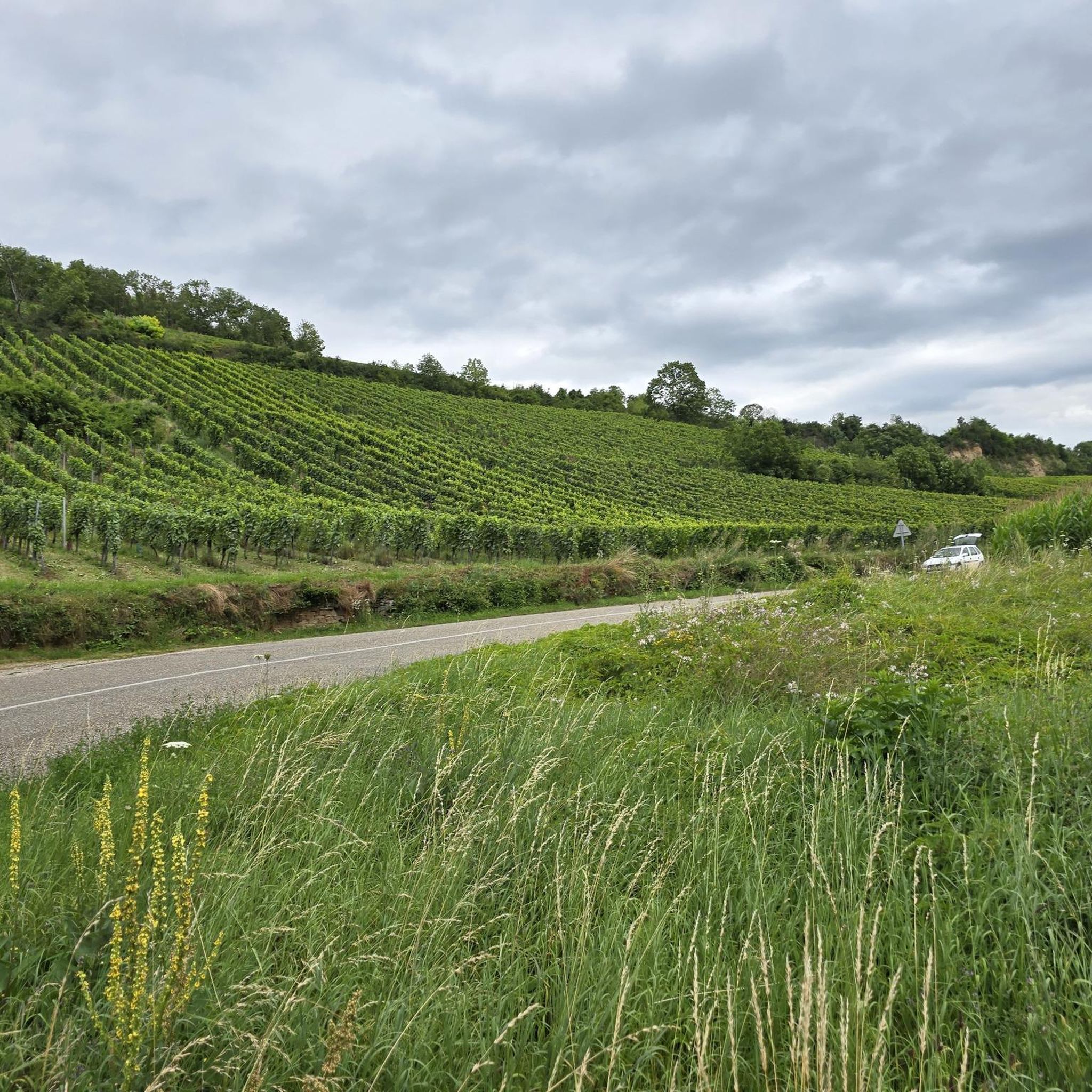
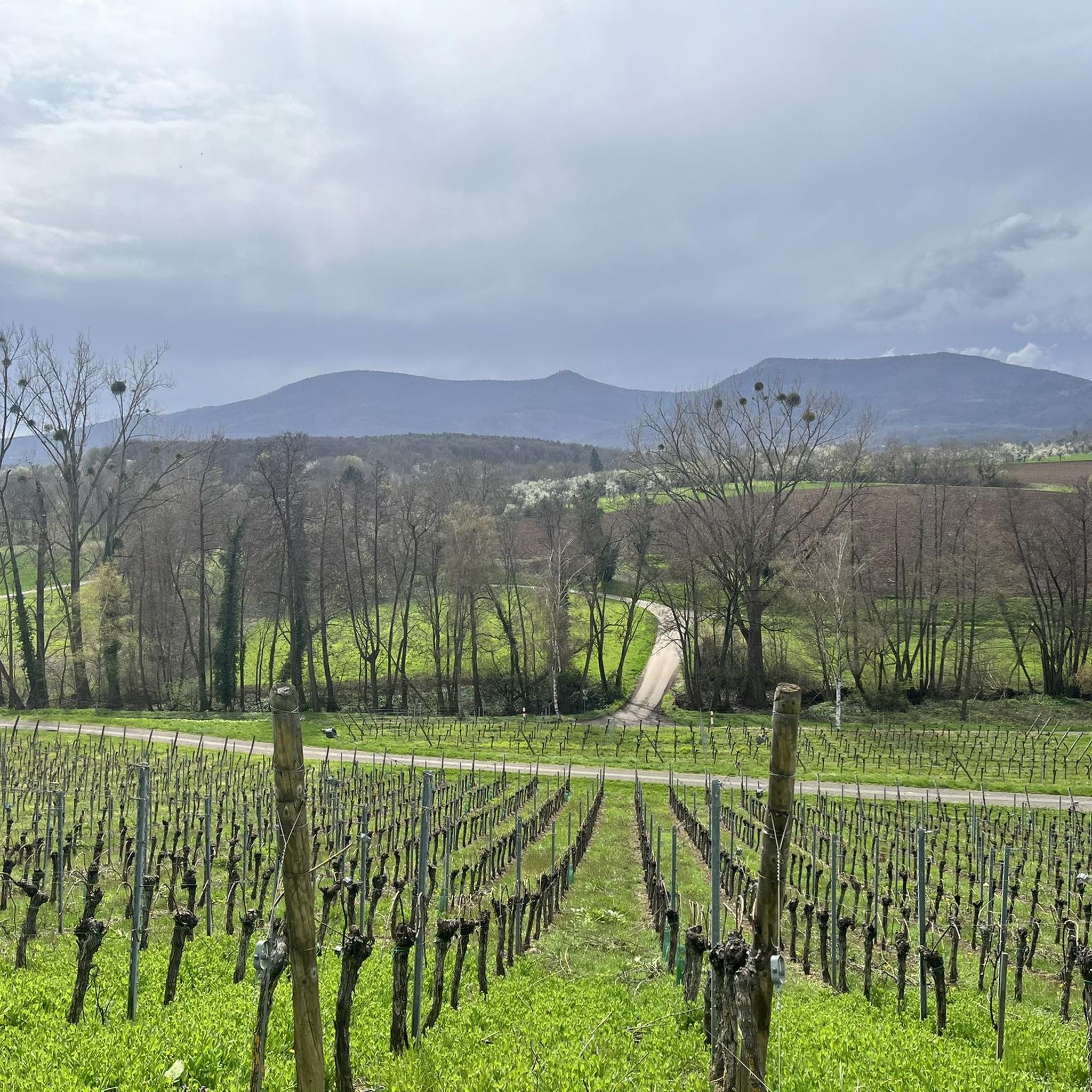
Gravel biking around Durningen offers a diverse landscape for cyclists within the Bas-Rhin department and Kochersberg region of France. The area is characterized by rolling hills, expansive agricultural lands, and picturesque countryside, providing a varied and scenic backdrop for gravel biking. Routes wind through fields, vineyards, and wooded areas, with options for both flat canal paths and more challenging ascents to viewpoints. This terrain caters to different skill levels, allowing exploration of natural and historical landmarks.
Best gravel bike trails…
Last updated: July 16, 2026
4.7
(3)
48
riders
94.3km
05:26
510m
510m
Hard gravel ride. Very good fitness required. Mostly paved surfaces. Suitable for all skill levels.
5.0
(1)
8
riders
83.5km
06:32
1,420m
1,420m
Hard gravel ride. Very good fitness required. Mostly paved surfaces. Suitable for all skill levels.

Sign up for free
8
riders
37.1km
03:19
710m
710m
Hard gravel ride. Very good fitness required. Mostly paved surfaces. Suitable for all skill levels.
5.0
(7)
12
riders
52.2km
03:20
540m
540m
Hard gravel ride. Very good fitness required. Mostly paved surfaces. Suitable for all skill levels.
3.0
(2)
7
riders
41.9km
02:43
270m
270m
Moderate gravel ride. Good fitness required. Mostly paved surfaces. Suitable for all skill levels.
Get access to more routes and recommendations from other explorers.
Sign up for free
Already have an account?
Our route recommendations are based on thousands of hikes, rides, and runs completed by other people on komoot.
Start today with a free account
Your next adventure awaits.
Login or Signup

Tips from the Community

Beautiful cycle path, initially wide, later narrower but also less busy, always next to the canal, past some locks which you can also admire in action now and then.
0
0

Saverne was already a Roman military post in the 4th century. From the 15th century until the French Revolution, Saverne was the residence of the powerful bishops of Strasbourg. The Château de Rohan, which boasts the longest neoclassical façade of any building in France, still bears witness to this.
1
0
Very nice to ride: moderate gradient, little traffic.
0
1

idyllic riverside cycle path, many cyclists, joggers and walkers
0
0

I love coming here to Saverne. The town has such a wonderful atmosphere.
0
0

Fort currently being renovated, integrated into the Maginot Line, belonging to the fortified belt of Strasbourg
0
0

Lock for ships still in operation
0
0

Frequently Asked Questions
How many gravel bike trails are available in Durningen?
Durningen offers a wide selection of gravel bike trails, with over 30 routes mapped on komoot. These range from moderate loops to more challenging, longer routes, ensuring options for various skill levels.
Are there easy or beginner-friendly gravel bike routes in Durningen?
Yes, while many routes are moderate to difficult, Durningen does offer some easier options. For instance, the region features canal paths and less strenuous sections. You can find a few easy routes, and several moderate ones that might suit beginners looking for a bit more challenge, such as the Goeftberg Viewpoint – View of Marlenheim loop from Kuttolsheim, which is 15.1 km long.
What are some challenging gravel routes for experienced cyclists in Durningen?
Experienced gravel bikers will find plenty of challenging routes with significant elevation gain. Consider the Sacre Coeur (Horn) – Relais du Geisweg loop from Furdenheim, a difficult 85.1 km trail with substantial climbing, or the Saverne Town Center – Château des Rohan de Saverne loop from Neugartheim-Ittlenheim, which covers 94.0 km.
What is the typical length of gravel bike routes in Durningen?
Route lengths in Durningen vary significantly. You'll find shorter loops like the Goeftberg Viewpoint – View of Marlenheim loop from Kuttolsheim at 15.1 km, as well as much longer, more demanding rides such as the Bruche Canal – Canal de la Bruche loop from Hochfelden, which extends to 106.5 km.
Are there any circular gravel bike routes in Durningen?
Yes, many of the gravel bike routes in Durningen are designed as loops, allowing you to start and end at the same point. Examples include the Mont Sainte-Odile Abbey – Mount Saint Odile loop from Ittenheim and the Sacre Coeur (Horn) – Relais du Geisweg loop from Furdenheim.
What can I see along the gravel bike trails in Durningen?
The Durningen area offers a mix of natural beauty and historical points of interest. Along the trails, you might encounter highlights such as the Cycle path on the old railroad line, the historic Villa Meteor, or the Wingersheim lock. The region also features scenic viewpoints and abbeys.
What do other gravel bikers enjoy most about gravel biking in Durningen?
The komoot community highly rates the gravel biking experience in Durningen, with an average score of 4.3 stars from over 9 reviews. Riders often praise the diverse landscape, which includes canal paths, rolling hills, and challenging ascents, as well as the opportunities to explore both natural and historical landmarks.
Are there gravel bike trails in Durningen that pass by notable landmarks or historical sites?
Absolutely. Many routes incorporate historical and cultural points of interest. For example, the Mont Sainte-Odile Abbey – Mount Saint Odile loop from Ittenheim takes you past a significant abbey. Other trails might lead you near the Villa Meteor or the Wingersheim lock.
What kind of terrain can I expect on Durningen's gravel bike trails?
The terrain around Durningen is quite varied. You'll find flat, riverside routes along canals, rolling hills, and more challenging ascents leading to prominent viewpoints. The surfaces can include gravel paths, compacted dirt, and some paved sections, offering a diverse riding experience.
Is Durningen suitable for family-friendly gravel biking?
While many routes are moderate to difficult, families can find suitable sections, especially along the flatter canal paths. Look for shorter, less elevated routes or specific segments that are known for their gentle gradients to ensure an enjoyable experience for all family members.
Are there any specific long-distance gravel routes or networks in the Durningen area?
Yes, the region connects to longer networks. For example, the Piste des Forts is a well-known route that passes through the wider area, offering extensive gravel biking opportunities beyond individual loops.
What is the best time of year for gravel biking in Durningen?
Gravel biking in Durningen is enjoyable through much of the year. Spring and autumn offer pleasant temperatures and beautiful scenery, with autumn providing vibrant foliage. Summer can be great, but be prepared for warmer weather. Winter riding is possible, but conditions may vary, with some trails potentially being muddy or icy.
Most popular attractions around Durningen

Get inspired with the komoot mobile app


Explore more
Browse the best Gravel rides in other regions.
