The best gravel rides around Varennes-Sur-Loire
4.3
(33)
319
riders
55
rides
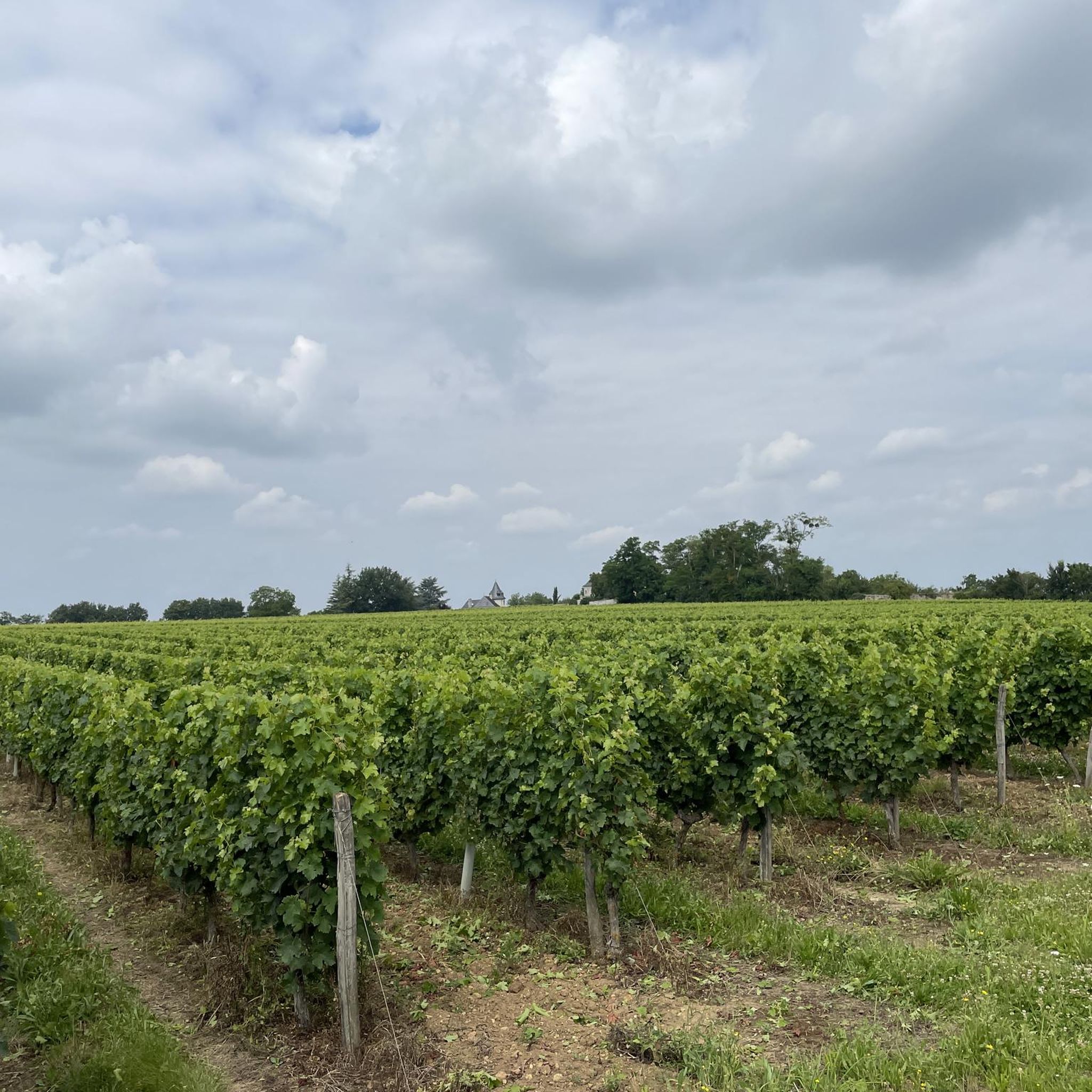
Gravel biking around Varennes-Sur-Loire is characterized by its diverse terrain, primarily following the Loire River and its tributaries. The region features a mix of riverside paths, agricultural landscapes, and routes connecting historical sites like abbeys and châteaux. While generally offering accessible riding, some gravel bike trails in Varennes-Sur-Loire include varied elevation changes, providing options for different skill levels.
Best gravel bike trails around Varennes-Sur-Loire
- The most popular gravel bike trail is Loire Riverside Gravel Trail – Saumur loop from Montsoreau…
Last updated: May 6, 2026
4.1
(9)
75
riders
25.8km
01:24
140m
140m
Hard gravel ride. Great for any fitness level. You may need to push your bike for some segments of this route.
4.8
(8)
55
riders
56.4km
03:17
420m
420m
Hard gravel ride. Good fitness required. You may need to push your bike for some segments of this route.

Sign up for free
4.0
(1)
11
riders
52.4km
03:37
500m
500m
Hard gravel ride. Very good fitness required. Mostly paved surfaces. Suitable for all skill levels.
8
riders
55.2km
03:40
380m
380m
Hard gravel ride. Good fitness required. You may need to push your bike for some segments of this route.
5.0
(2)
11
riders
47.7km
03:03
330m
330m
Moderate gravel ride. Good fitness required. Mostly paved surfaces. Suitable for all skill levels.
Get access to more routes and recommendations from other explorers.
Sign up for free
Already have an account?
Our route recommendations are based on thousands of hikes, rides, and runs completed by other people on komoot.
Start today with a free account
Your next adventure awaits.
Login or Signup
Tips from the Community

The sights are good but the terrain is not especially after high winds and heavy rain. Some people might find it tricky to navigate.
0
0

For those who want to discover some art objects.
0
0


The Royal Abbey of Fontevraud is one of the largest monastic communities in Europe dating back to the Middle Ages. It is a place with a rich history, located in the heart of the Loire Valley and listed as a UNESCO World Heritage Site. The abbey is a unique cultural site! An abbey with a royal destination, a formidable prison is today a place of creation (museum of modern art).
3
0
A castle-palace of the Dukes of Anjou in the 19th and 19th centuries, the Château de Saumur, where King René resided, is the last example of the princely palaces built by the Valois dynasty. It served as the residence of the city's governors, a prison, and later an arms and ammunition depot. It was purchased by the city in 1906 to house the municipal museum, now the Musée de France. Today, we discover the rich collections scattered throughout the former apartments of the Dukes of Anjou in an educational museography. Want to know more? Click here: https://www.ot-saumur.fr/en/castles-and-country-houses/Saumurcastle-5261718/
3
0
History: In 1454, while ploughing his field, a farmer discovered in the "ardille" (clay, a word that according to legend gave its name to Notre-Dame-des-Ardilliers) a stone statuette about thirty centimetres high representing a Pietà. The farmer took it home. Twice he discovered that the Pietà returned to its place of discovery, near a fountain that was already known for its healing properties. From that moment on, devotions developed around this statuette, which was placed in a niche under a stone arch. Jean Olivier, Bishop of Angers, laid the foundations of the Notre-Dame-des-Ardilliers chapel. Bishop Gabriel Bouvery, Bishop of Angers, opened the new church on 30 July 1553. It was a place of pilgrimage. The fountain was said to perform miracles. In 1614, thanks to the support of Marie de Medici, the management of the sanctuary was entrusted to the Order of Oratorians. In 1619, they settled in Ardilliers and founded a royal college in 1624. Louis XIII granted it the status of royal chapel and, from 1628 to 1643, the Oratorians built the buildings to the east of the chapel that would house their community, the classrooms and the students' dormitories. From 1634, Richelieu had a chapel built on the north wall of the chapel for votive and funeral purposes. The chapel was closed during the Revolution. The Oratorian house became a barracks and the rotunda was converted into an ammunition store. In 1796, the Sisters of Sainte-Anne-de-la-Providence opened a hospice there for the expelled. In 1798, the hospice became the property of the city of Saumur. The chapel was put back into use in 1799, but was damaged by damp. From 1849, architect Charles Joly-Leterme began restoring the building. The Sisters of Sainte-Anne-de-la-Providence became the owners of the former Oratorian House in 1866. During the Battle of the Cadets, in June 1940, the bombing destroyed the roof structures of the chapel and the Oratorian House. The vault of the nave collapsed. The buildings were restored between 1947 and 1957. The oak frame of the dome was replaced by a concrete shell to reduce the pressure on the walls. The Oratorian House was converted into a school in 1953. In February 2025, a fire broke out. Source Wikipedia
4
0
History: In 1454, while ploughing his field, a farmer discovered in the "ardille" (clay, a word that according to legend gave its name to Notre-Dame-des-Ardilliers) a stone statuette about thirty centimetres high representing a Pietà. The farmer took it home. Twice he discovered that the Pietà returned to its place of discovery, near a fountain that was already known for its healing properties. From that moment on, devotions developed around this statuette, which was placed in a niche under a stone arch. Jean Olivier, Bishop of Angers, laid the foundations of the Notre-Dame-des-Ardilliers chapel. Bishop Gabriel Bouvery, Bishop of Angers, opened the new church on 30 July 1553. It was a place of pilgrimage. The fountain was said to perform miracles. In 1614, thanks to the support of Marie de Medici, the management of the sanctuary was entrusted to the Order of Oratorians. In 1619, they settled in Ardilliers and founded a royal college in 1624. Louis XIII granted it the status of royal chapel and, from 1628 to 1643, the Oratorians built the buildings to the east of the chapel that would house their community, the classrooms and the students' dormitories. From 1634, Richelieu had a chapel built on the north wall of the chapel for votive and funeral purposes. The chapel was closed during the Revolution. The Oratorian house became a barracks and the rotunda was converted into an ammunition store. In 1796, the Sisters of Sainte-Anne-de-la-Providence opened a hospice for the expelled. In 1798, the hospice became the property of the city of Saumur. The chapel was put back into use in 1799, but was damaged by damp. From 1849, architect Charles Joly-Leterme began restoring the building. The Sisters of Sainte-Anne-de-la-Providence became the owners of the former Oratorian House in 1866. During the Battle of the Cadets, in June 1940, the bombing destroyed the roof structures of the chapel and the Oratorian House. The vault of the nave collapsed. The buildings were restored between 1947 and 1957. The oak frame of the dome was replaced by a concrete shell to reduce the pressure on the walls. The Oratorian House was converted into a school in 1953. A fire broke out in February 2025. Source Wikipedia
4
0
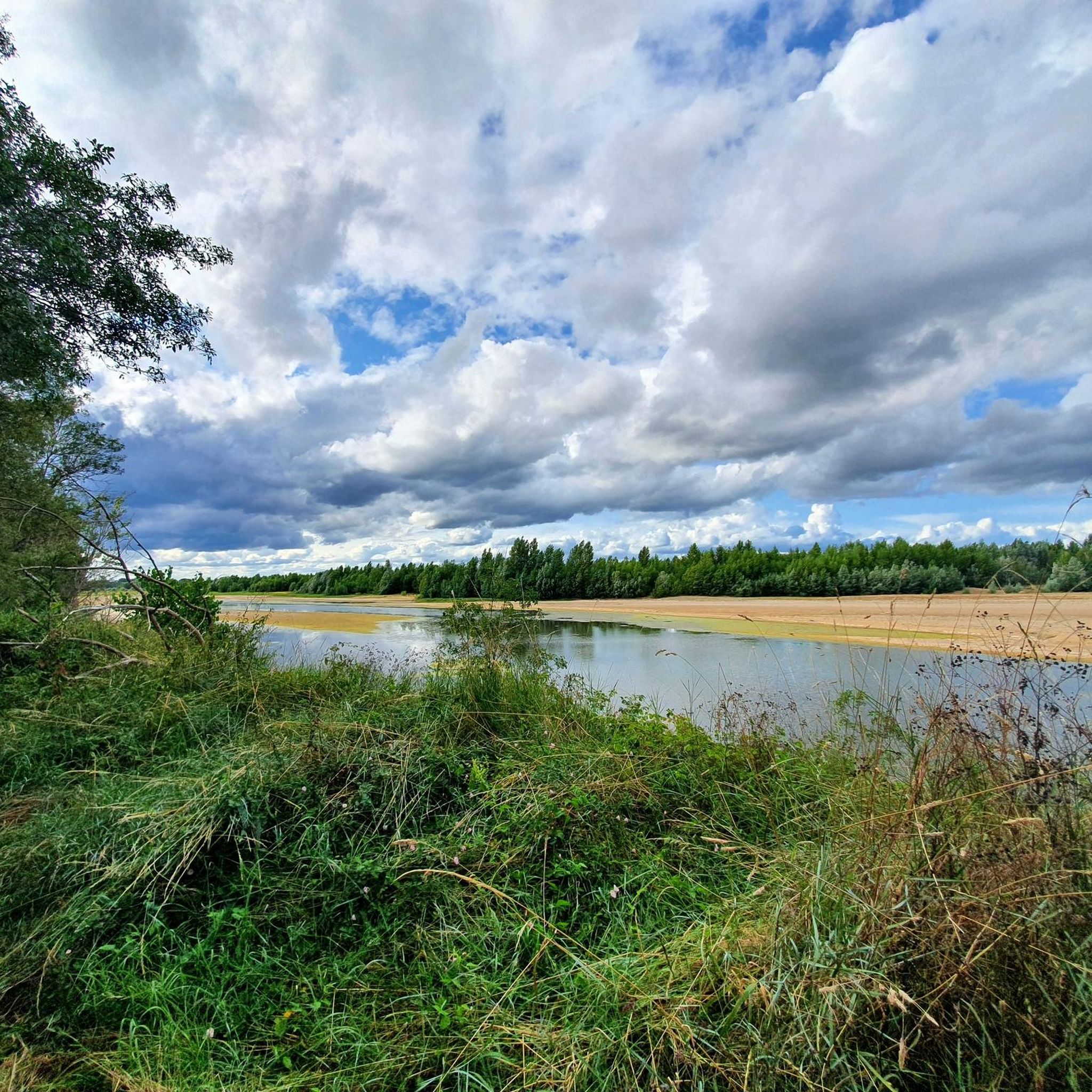
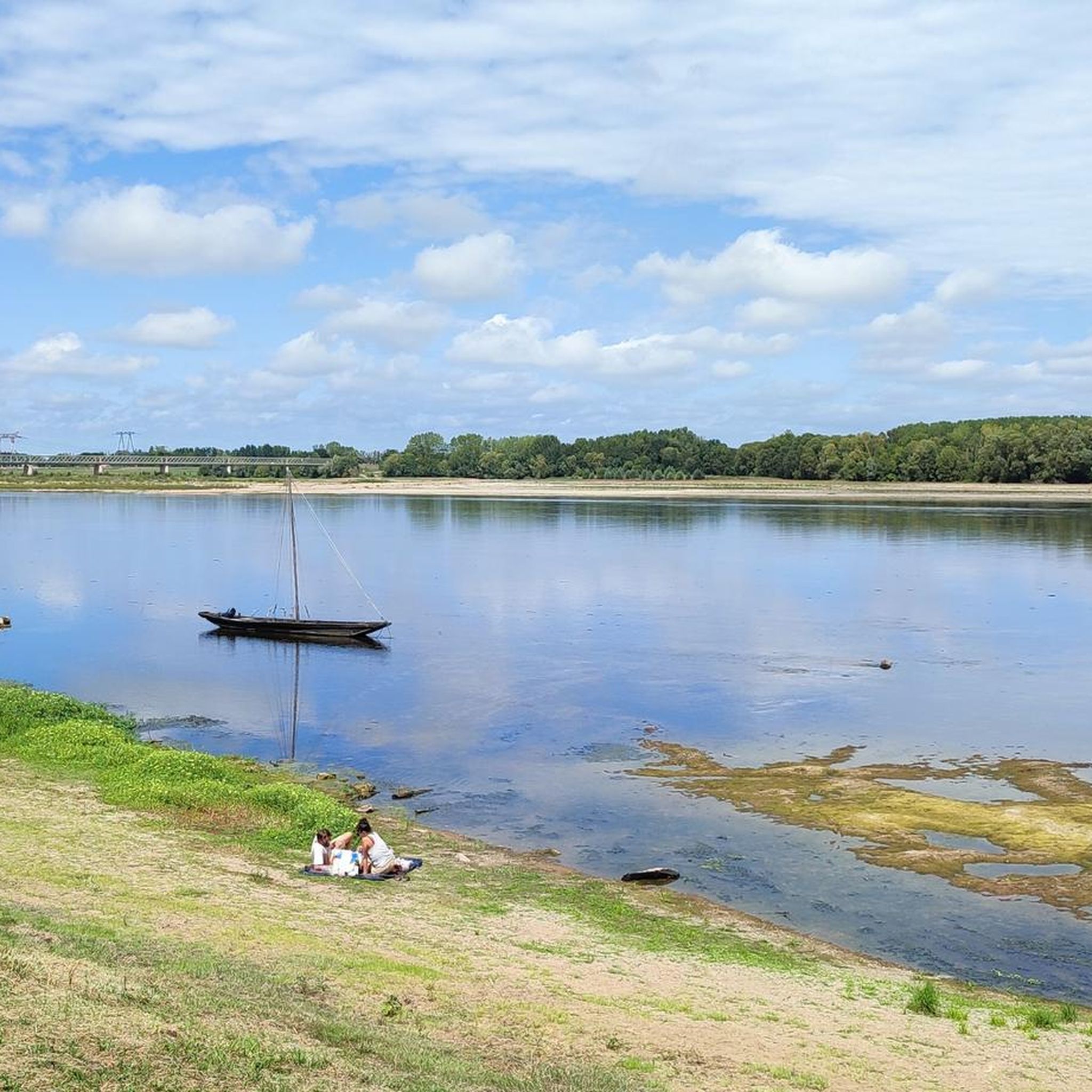
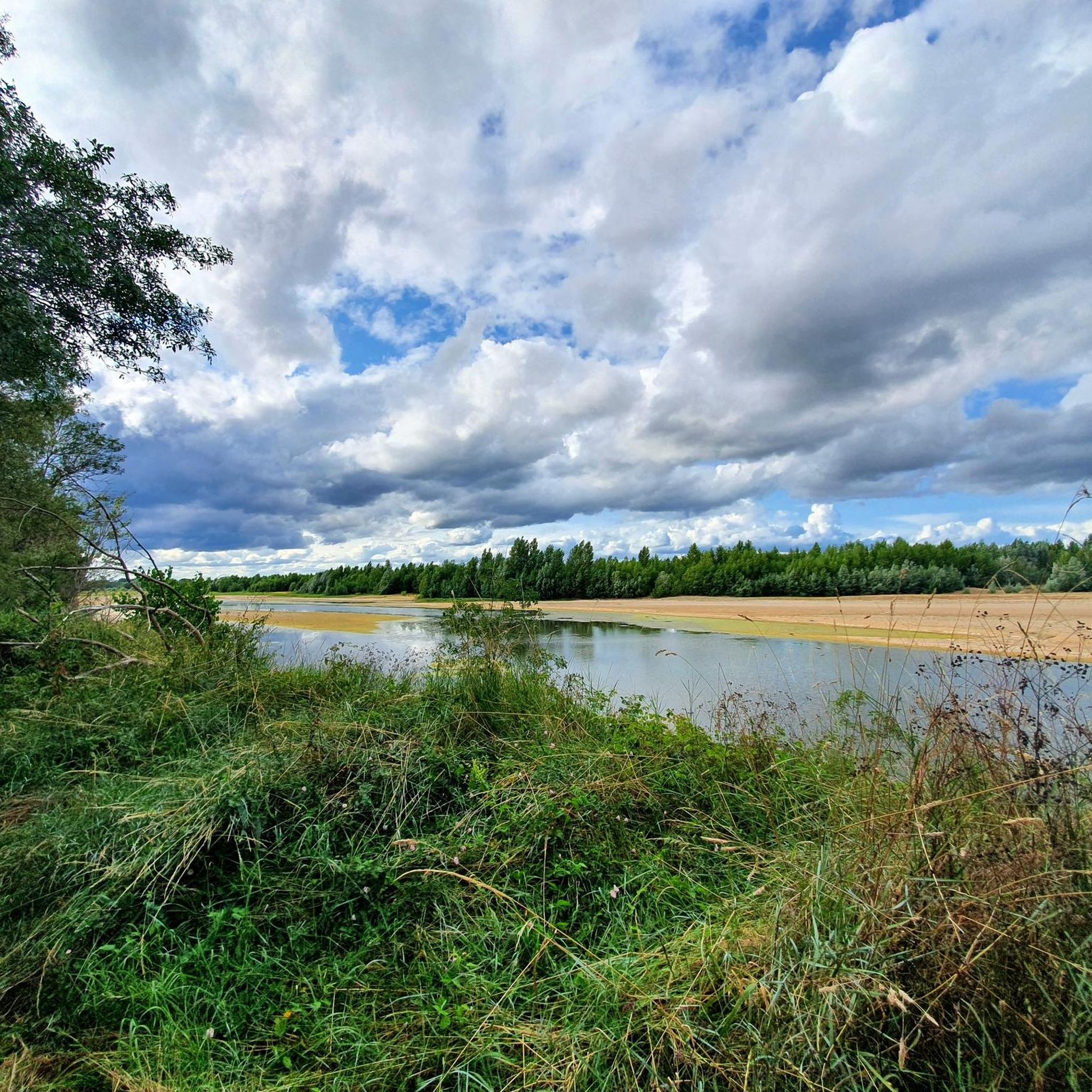
Very nice gravel along the banks of the Loire. Know that you are not alone here. Enjoy together, each at their own pace.
3
0
Frequently Asked Questions
How many gravel bike trails are available around Varennes-Sur-Loire?
There are over 70 gravel bike routes available around Varennes-Sur-Loire, offering a wide range of options for different skill levels and preferences. You'll find everything from shorter, easier rides to more challenging, longer expeditions.
What do other gravel bikers say about the trails in Varennes-Sur-Loire?
The gravel bike trails in Varennes-Sur-Loire are highly rated by the komoot community, with an average score of 4.5 stars from over 50 reviews. Riders often praise the diverse terrain, scenic riverside paths, and the opportunity to explore historical sites.
Are there easy gravel bike trails suitable for beginners in Varennes-Sur-Loire?
Yes, Varennes-Sur-Loire offers several easier gravel bike trails perfect for beginners. These routes typically feature flatter terrain along the Loire River. An example is the Loire Riverside Gravel Trail – Saumur loop from Montsoreau, which is 25.8 km long and offers scenic views without significant elevation changes.
Are there challenging gravel bike routes for experienced riders?
Absolutely. For experienced riders seeking a challenge, Varennes-Sur-Loire has routes with varied terrain and more significant elevation gains. The Loire Riverside Gravel Trail – Saumur loop from Varrains is a difficult 56.5 km path that provides an extended riverside experience with varied terrain, ideal for those looking for a longer, more demanding ride.
Can I find circular gravel bike routes around Varennes-Sur-Loire?
Many of the gravel bike routes in Varennes-Sur-Loire are designed as loops, allowing you to start and finish at the same point. For instance, the Fontevraud Royal Abbey – Loire Riverside Gravel Trail loop from Saumur is a 52.5 km circular trail that takes you through historical landscapes and along the river.
What kind of scenery can I expect on the gravel bike trails?
The gravel bike trails around Varennes-Sur-Loire offer a rich variety of scenery. You'll primarily ride along the picturesque Loire River and its tributaries, passing through agricultural landscapes, charming villages, and lush riverside paths. Many routes also provide views of historical landmarks.
Are there any historical landmarks or attractions along the gravel bike routes?
Yes, the region is rich in history and offers numerous attractions along its gravel bike routes. You can cycle past magnificent castles like Montsoreau Castle and Château de Saumur. The Fontevraud Royal Abbey – Loire Riverside Gravel Trail loop from Saumur specifically highlights a major historical site.
What are the typical lengths and durations of gravel bike routes in the area?
Gravel bike routes in Varennes-Sur-Loire vary significantly in length and duration. You can find shorter rides, such as the 25.8 km Loire Riverside Gravel Trail – Saumur loop from Montsoreau, which takes about 1 hour 45 minutes. Longer routes, like the 55.7 km Loges Pond – Loges Pond loop from Port-Boulet, can take over 3 hours to complete, offering extended exploration.
Is parking available near the gravel bike trails in Varennes-Sur-Loire?
Parking is generally available in and around the towns that serve as common starting points for gravel bike trails, such as Saumur, Montsoreau, and Varrains. Look for public parking areas in these locations, often near the river or town centers, to access the routes conveniently.
What is the best season for gravel biking in Varennes-Sur-Loire?
The best seasons for gravel biking in Varennes-Sur-Loire are typically spring (April to June) and autumn (September to October). During these months, the weather is usually mild and pleasant, and the natural scenery along the Loire River is particularly beautiful. Summers can be warm, while winters are generally cooler and wetter.
Are there cafes or places to stop for refreshments along the routes?
Yes, many gravel bike routes in Varennes-Sur-Loire pass through or near charming villages and towns along the Loire River, where you can find cafes, bakeries, and restaurants. Towns like Saumur, Montsoreau, and Candes-Saint-Martin are excellent spots to refuel and enjoy local cuisine.
Can I access gravel bike trails in Varennes-Sur-Loire using public transport?
While Varennes-Sur-Loire itself is a smaller commune, the wider region around Saumur has train connections, making it possible to reach the general area by public transport. From larger towns like Saumur, you might be able to access some trailheads or connect to local bus services, though direct access to all trails via public transport can be limited. Bringing your bike on regional trains is often possible.
Most popular routes around Varennes-Sur-Loire
Most popular attractions around Varennes-Sur-Loire

Get inspired with the komoot mobile app


Explore more
Browse the best Gravel rides in other regions.
