The best gravel rides around Baillé
4.1
(9)
79
riders
10
rides
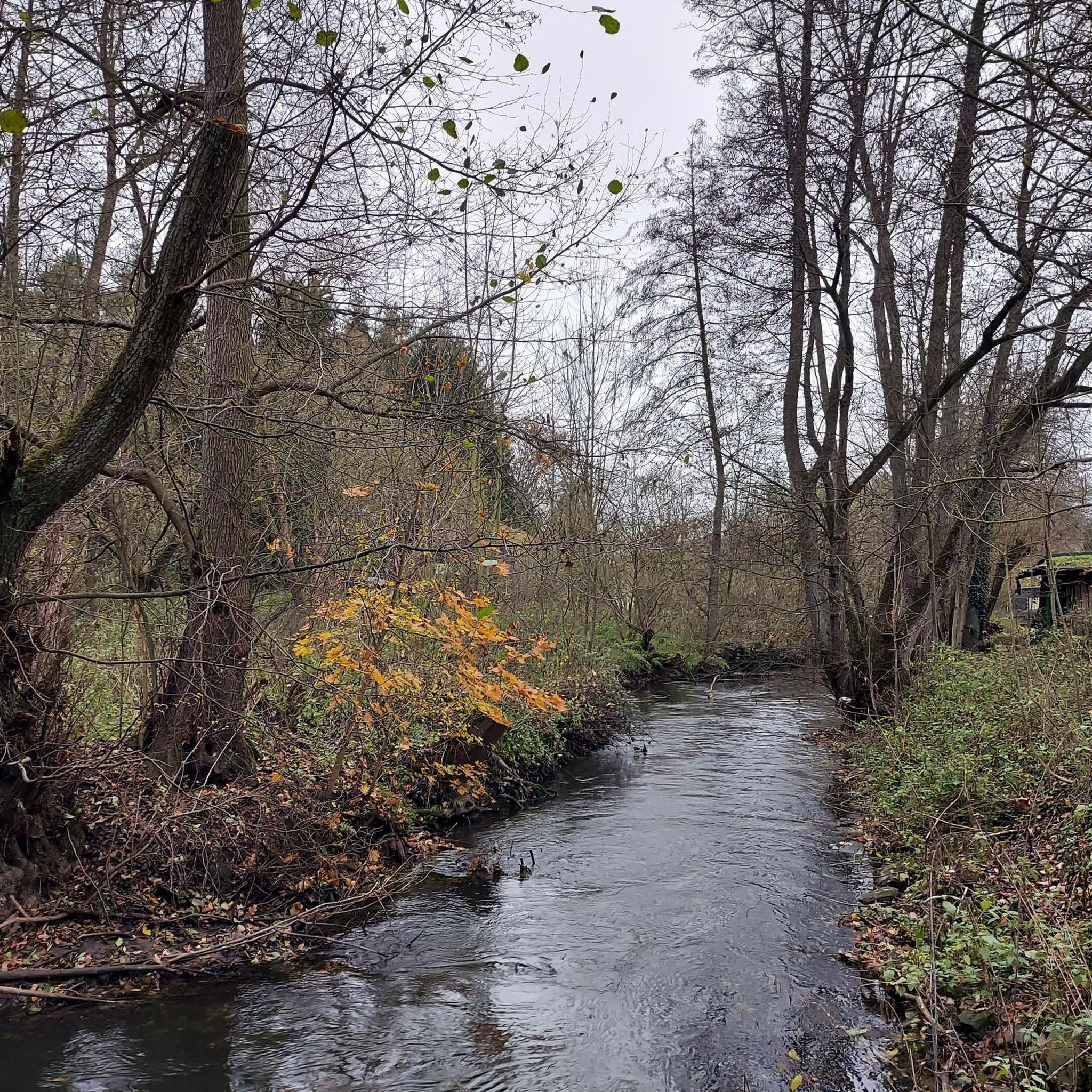
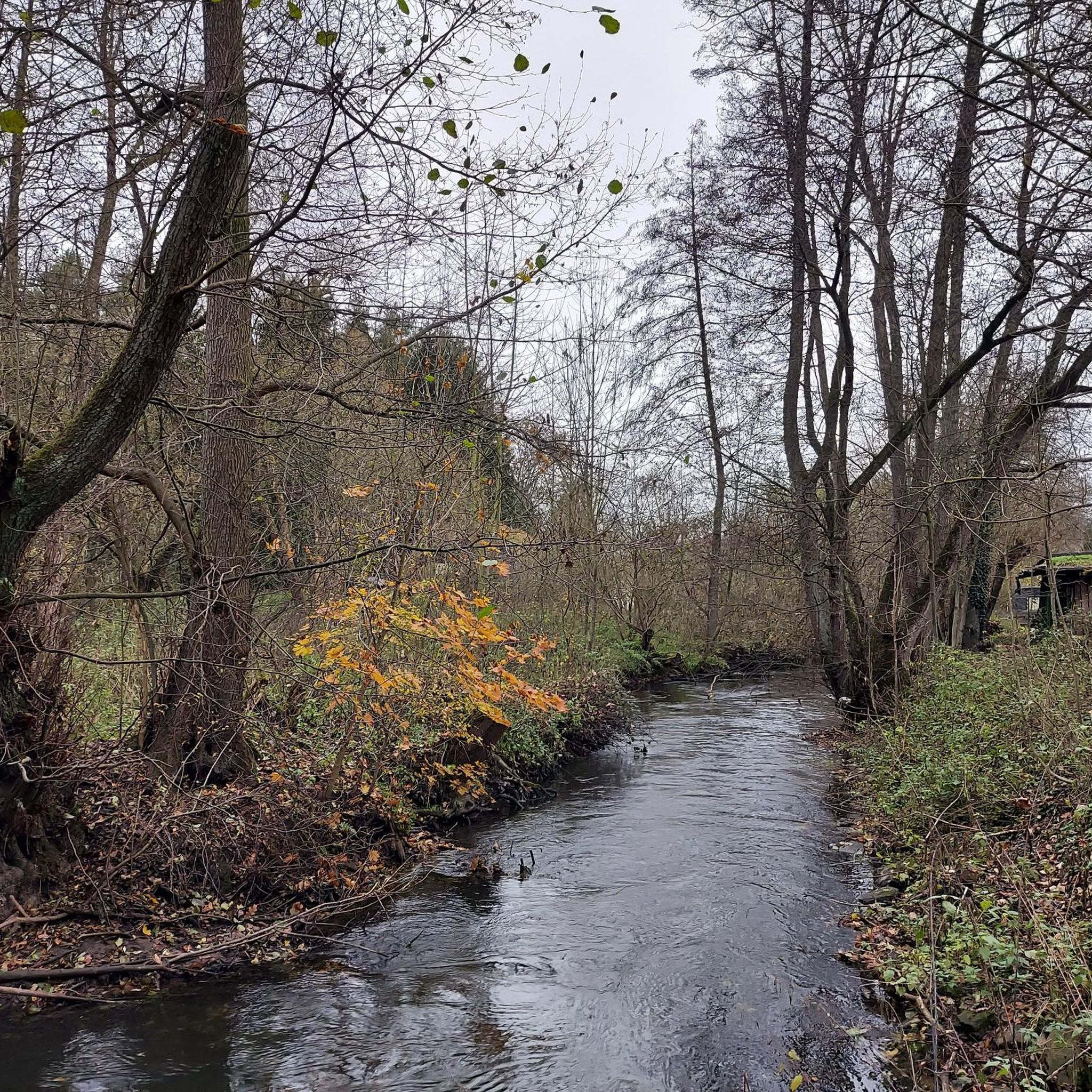
Gravel biking around Baillé features a landscape characterized by rolling countryside, agricultural fields, and river valleys, notably along the Couesnon. The region offers a network of greenways, quiet rural roads, and "Ribines" – narrow, unpaved tracks composed of local earth and stones. Terrain often includes a mix of paved sections, compacted dirt paths, and gravel tracks, with generally moderate elevation changes. This varied landscape provides a dynamic experience for riders of different skill levels.
Best gravel bike trails around Baillé
…Last updated: July 16, 2026
4.3
(3)
30
riders
56.3km
03:29
390m
390m
Moderate gravel ride. Good fitness required. Mostly paved surfaces. Suitable for all skill levels.
2.5
(2)
22
riders
Hard gravel ride. Very good fitness required. Mostly paved surfaces. Suitable for all skill levels.

Sign up for free
3
riders
21.0km
01:37
200m
200m
Hard gravel ride. Good fitness required. You may need to push your bike for some segments of this route.
5.0
(1)
7
riders
Easy gravel ride. Great for any fitness level. Mostly paved surfaces. Suitable for all skill levels.
5
riders
55.0km
03:28
460m
460m
Hard gravel ride. Very good fitness required. Mostly paved surfaces. Suitable for all skill levels.
Get access to more routes and recommendations from other explorers.
Sign up for free
Already have an account?
Our route recommendations are based on thousands of hikes, rides, and runs completed by other people on komoot.
Start today with a free account
Your next adventure awaits.
Login or Signup



Tips from the Community

((Private property)) The current château was built in 1758 according to the plans of Antoine Forestier, known as the Younger; the Saint Peter's Chapel, located to the north, dates from 1608. It is mentioned in François-René de Chateaubriand's *Memoirs from Beyond the Grave* (Part One, Book V). It has been listed as a historical monument since July 22, 2004 [(Source: Wikipedia)] The Battle of Saint-Aubin-du-Cormier (July 28, 1488) took place on the heath now known as "the Heath of the Meeting." It pitted the Bretons against the French; the latter were victorious. Jean II de la Celle (1450-1507), Lord of La Sécardaie, participated in the battle, and two cannonballs from this battle are preserved at the Château de la Sécardaie: the Breton cannonball (the larger one) is made of granite; The French cannonball (the heaviest) is made of iron. (Source: https://fr.wikipedia.org/wiki/M%C3%A9zi%C3%A8res-sur-Couesnon) "History Section"
0
0
The famous rock alignment known as the Druids' Line is as intriguing as it is fascinating. What are eighty quartz blocks doing, stretching over three hundred meters, in an area where this type of stone doesn't exist? Was it a religious or pagan practice? To date, no researcher has found the answer. The Druids' Line follows a general north-northeast orientation, despite numerous meanders. This type of alignment, in a single line, is quite rare in Brittany. It is mistakenly called the Druids' Line, as it is not a Celtic installation, dating back to the Neolithic period. (Source: https://www.destination-fougeres.bzh)
0
0

The Jardin Public is centrally located in the city and extends over several terraces offering sweeping views of the old town and the Château de Fougères. Created in 1865, the park combines features of an English landscape garden, French garden architecture, and botanical design.
1
0
The Église Saint-Léonard was built in the 12th century and acquired its present form in the flamboyant Gothic style in the 15th and 16th centuries. During the French Revolution, the church was deprived of its sacred function, but in the 19th century, under architects such as Aristide Tourneux, it underwent extensive renovations, including a new main façade with a large rose window. Inside, 19th-century stained-glass windows depicting episodes from the life of Saint Léonard can be seen.
1
0

Dominated by one of the largest medieval castles in Europe, Fougères boasts magnificent ramparts, towers, and a perfectly preserved historic center. From the heights, the view takes in the Nançon Valley and its half-timbered houses, offering beautiful perspectives. It's an ideal stop along the Régalante to immerse yourself in Breton history before hitting the road again.
0
0

The renowned landscape painter and avant-garde colorist Emmanuel de la Villéon, who associated with the greatest independent painters of his time, experimented with different styles and brushstrokes. This collection of oil, pastel, gouache, charcoal, and ink paintings traces his career through selected works. The museum is usually open during school holidays in Zone B. The museum is currently closed due to leaks!
1
0

Château de Vitré is a castle worth seeing in this small, beautiful town.
0
0

Frequently Asked Questions
How many gravel bike trails are available around Baillé?
There are nearly 20 gravel bike trails to explore around Baillé, offering a variety of distances and difficulties across the rolling countryside and river valleys.
Are there gravel bike trails suitable for beginners in Baillé?
Yes, Baillé offers several routes suitable for beginners. For an easier ride, consider the Hôtel de la Belinaye – Saint Léonard Church loop from Saint-Germain-en-Coglès, which is an easy 11.7-mile (18.8 km) trail.
What options are there for experienced gravel bikers looking for a challenge?
Experienced riders can find challenging routes around Baillé. The Fougères–Vitré Greenway – Railroad line to Pontorson loop from Baillé is a difficult 90.1-mile (145.0 km) path that follows former railway lines and greenways, offering extensive long-distance gravel cycling.
Are there any circular gravel bike routes in the Baillé area?
Many of the gravel bike routes around Baillé are circular, allowing you to start and end at the same point. An example is the Saint Léonard Church – Fougères Castle loop from Val-Couesnon, a 39.2-mile (63.1 km) trail that explores historical landmarks and varied rural terrain.
What kind of scenery can I expect on gravel bike trails around Baillé?
Gravel biking around Baillé features a diverse landscape of rolling countryside, agricultural fields, and river valleys, particularly along the Couesnon. Many routes incorporate greenways and quiet rural roads, offering scenic views of the natural and historical surroundings.
What do other gravel bikers enjoy most about cycling in Baillé?
The gravel routes in Baillé are highly rated by the komoot community, with an average score of 4.6 stars. Riders often praise the varied terrain, the network of greenways, and the opportunity to explore historical landmarks and tranquil rural landscapes.
Are there any interesting landmarks or attractions along the gravel routes?
Yes, several routes pass by notable attractions. You might encounter highlights such as the Viewpoint over the Couesnon valley, The keep of Saint-Aubin-du-Cormier, or the Regalante greenway. The The Couesnon at Beauvoir – The dam on the Couesnon loop from Tremblay, for instance, leads through river valleys.
Are there any less crowded gravel trails for a more peaceful ride?
While specific crowd levels can vary, routes that venture further from major towns or explore less-trafficked greenways tend to be quieter. The region's extensive network of rural roads and paths generally offers a peaceful cycling experience away from heavy traffic.
What is the typical duration for gravel bike rides in Baillé?
The duration of rides varies significantly based on the route's length and your pace. Many moderate routes, like the The Couesnon at Beauvoir – The dam on the Couesnon loop from Tremblay (32.5 miles / 52.3 km), can be completed in about 3 hours 15 minutes, while longer routes can take a full day.
What kind of terrain should I expect on gravel bike trails in Baillé?
The terrain around Baillé typically includes a mix of paved sections, compacted dirt paths, and gravel tracks. You'll encounter rolling countryside with moderate elevation changes, and some routes feature more significant climbs, especially on longer tours.
Is there parking available near the gravel bike trails in Baillé?
While specific parking information for every trailhead isn't provided, many routes start from or pass through villages and towns where public parking is generally available. It's advisable to check the starting point of your chosen route on komoot for more precise parking details.
Are there any family-friendly gravel bike routes in Baillé?
For families or those seeking an easier ride, the region offers routes with moderate elevation and well-maintained surfaces. The easier rated trails, such as the Hôtel de la Belinaye – Saint Léonard Church loop from Saint-Germain-en-Coglès, are generally more suitable for a family outing.
Most popular attractions around Baillé

Get inspired with the komoot mobile app


Explore more
Browse the best Gravel rides in other regions.
