The best gravel rides around Baâlon
4.7
(3)
45
riders
9
rides
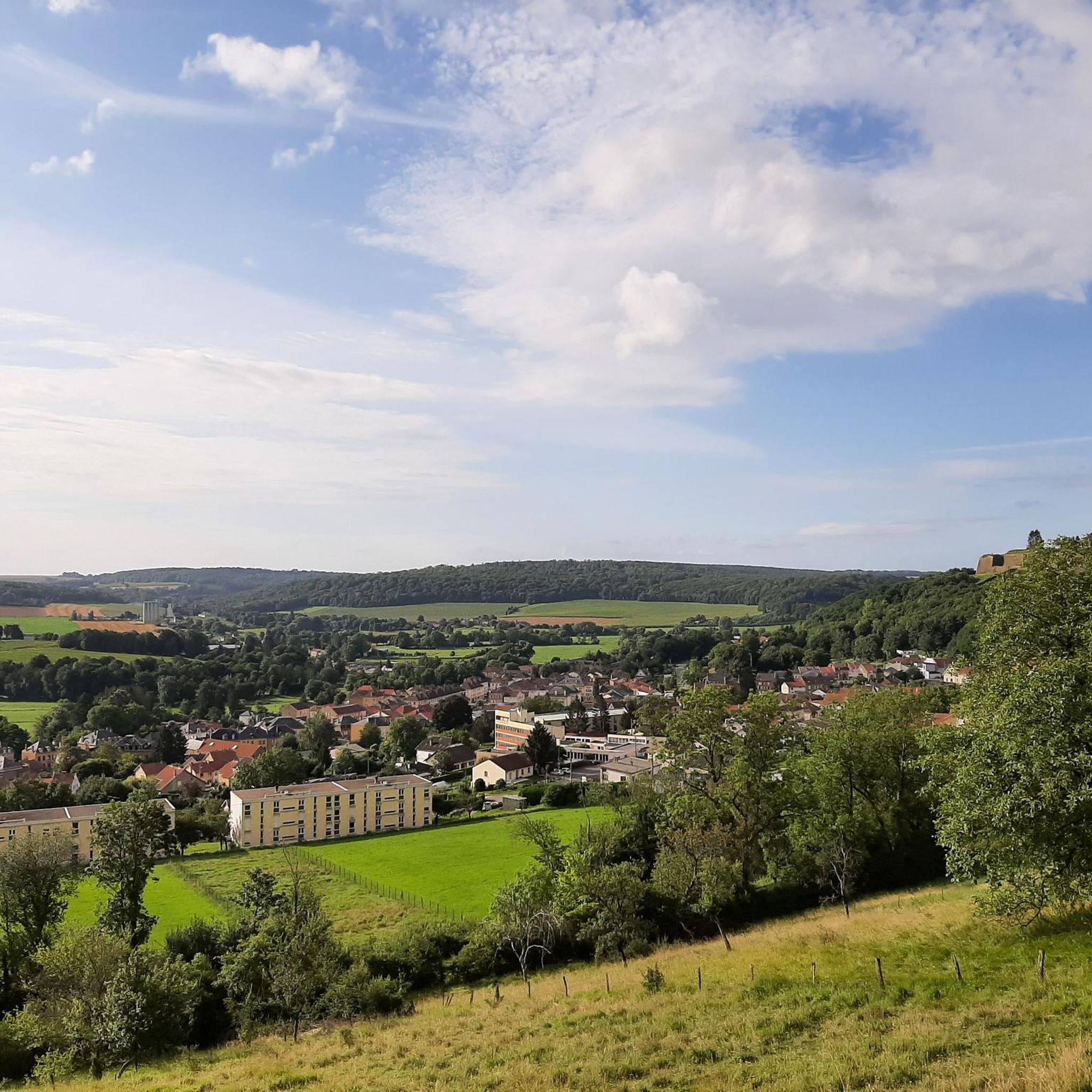
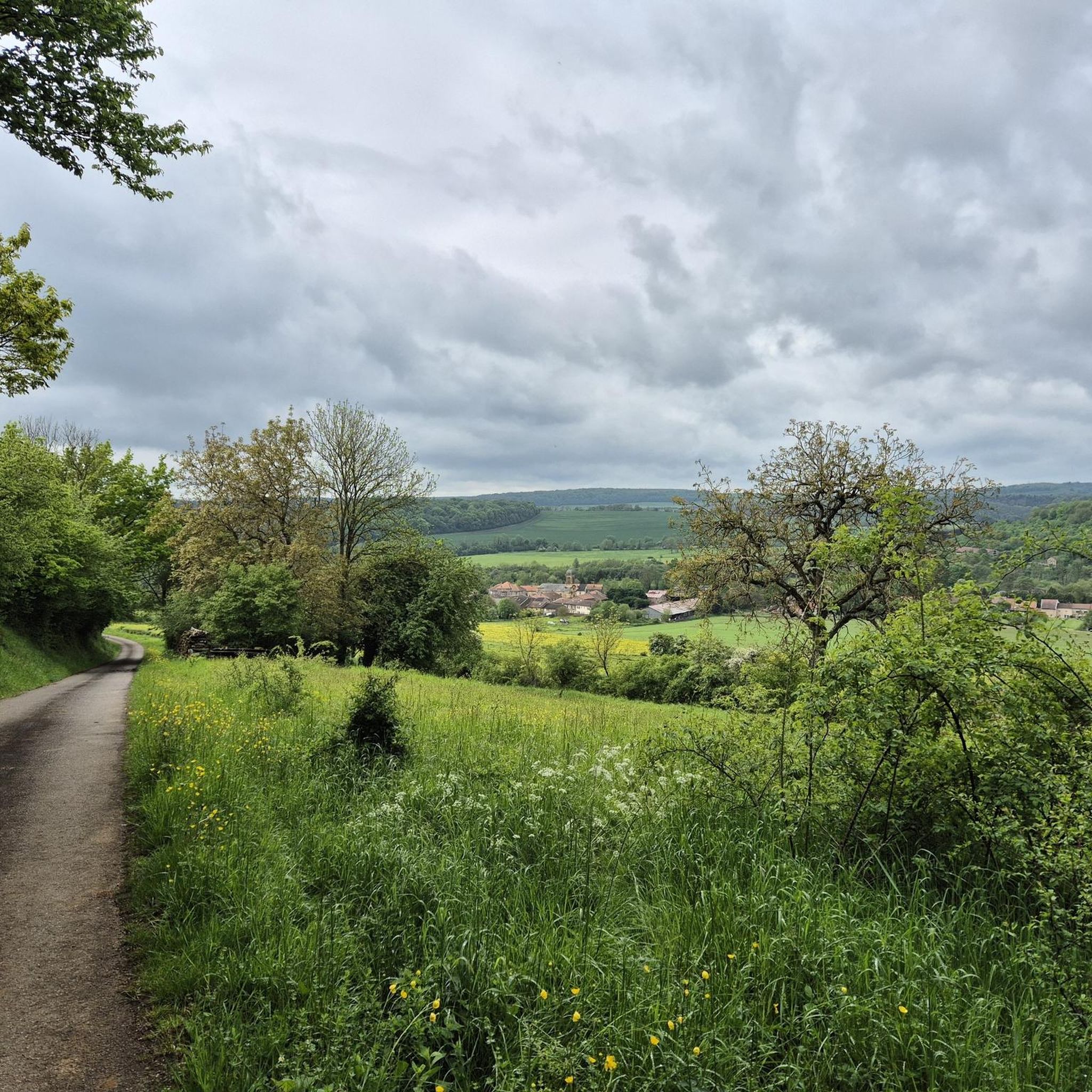
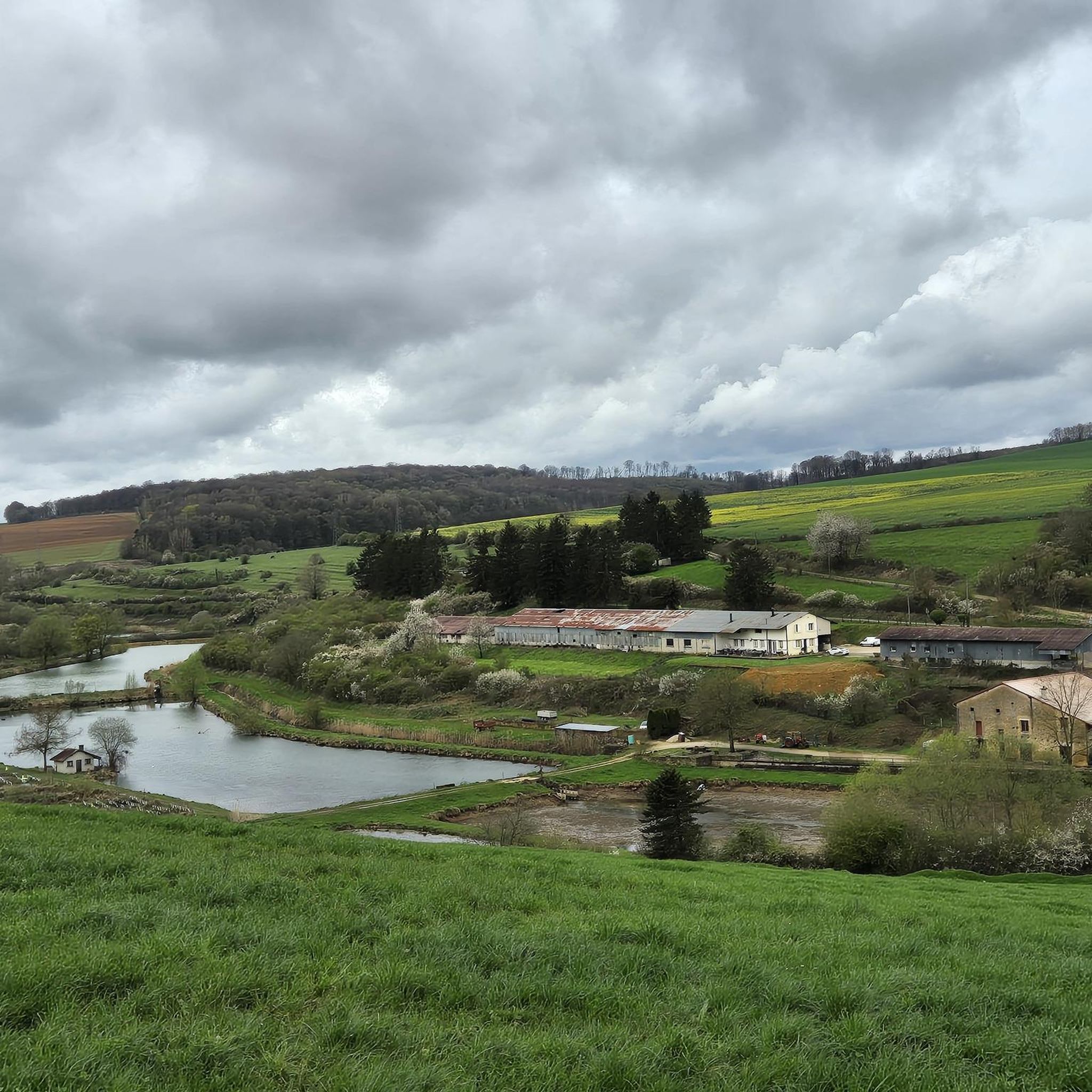
Gravel biking around Baâlon features routes that traverse the varied landscape of the Meuse region. The terrain includes paths along riverbanks, through historical villages, and past significant landmarks such as abbeys and castles. Elevations vary, with some routes featuring substantial climbs, indicating a mix of rolling hills and more challenging ascents. The area provides a network of trails suitable for exploring both natural and historical points of interest on a gravel bike.
Best gravel bike trails around Baâlon
- The most…
Last updated: October 19, 2026
12
riders
135km
07:52
710m
710m
Hard gravel ride. Very good fitness required. Mostly paved surfaces.
5.0
(1)
18
riders
175km
09:44
920m
920m
Hard gravel ride. Very good fitness required. Mostly paved surfaces.

2
riders
Hard gravel ride. Very good fitness required. Mostly paved surfaces.
4.0
(1)
2
riders
32.2km
02:13
260m
260m
Moderate gravel ride. Good fitness required. Mostly paved surfaces.
5.0
(1)
1
riders
39.5km
03:03
570m
570m
Hard gravel ride. Very good fitness required. Mostly paved surfaces.
Get access to more routes and recommendations from other explorers.
Already have an account?
Our route recommendations are based on thousands of hikes, rides, and runs completed by other people on komoot.
Start today with a free account
Your next adventure awaits.
Tips from the Community

The museum offers a good insight into soldiers' lives during World War I. Using an augmented reality helmet, visitors can travel through the underground citadel. Admission is €16 per person (as of October 2025). However, for background information, it is recommended to visit the Verdun Memorial beforehand.
6
0

The Meuse at Verdun plays a crucial role in both the landscape and the history of the region. Cutting deeply through the hilly terrain, it has provided a natural defensive advantage—something that became painfully clear during the Battle of Verdun in 1916, one of the longest and bloodiest battles of the First World War. In addition to its strategic importance, the Meuse also has a more peaceful face: it flows peacefully along the banks of the city of Verdun, connecting the past with the present in a landscape that breathes history.
6
0
It is nice to see that the water level of the canal is much higher than the water level of the stream.
8
0

In Marville, the Othain lake is a pleasant place to relax, with its leisure center and various walking trails. Here, the stretch of land that juts out offers a beautiful view of the expanse.
0
0
Among the thousands of fallen soldiers who rest here is Caporal Louis Micol, a soldier of the 19th Battalion of Chasseurs à Pied. He was not only a soldier, but also the founder of one of the first French front newspapers: Le Son du Cor, a trench newspaper written by and for soldiers. Micol died on 18 September 1915 in Brabant-en-Argonne and is buried in grave no. 390. His story is a reminder that even in the midst of the violence of war, soldiers sought ways to make their voices heard, share experiences and preserve their humanity.
7
2
Military cemetery created in 1916 during the Battle of Verdun. It contains the remains of 6,537 French soldiers, including 2,000 in ossuaries. Most of them died in 1916 on the right bank of the Meuse, near strategic points such as Côte 344 and Thiaumont. In 1961, 151 soldiers who died in the Second World War were also buried there. The necropolis covers 3.2 hectares and was set up between 1919 and 1934
7
2

The gate is a former part of the city fortifications.
3
0

The Saint Paul Gate was built into the city walls in the 19th century and consists of two arches (entrance/exit), each arch having a drawbridge. It connected the Verdun station, where the conscripts came from, to the city centre and in particular to the Jeanne d'Arc barracks. In the 1920s, the destruction of the city walls, already weakened by the bombardments, was completed. Only the Saint Paul Gate was spared and was embellished with commemorative columns in honour of the victory of Verdun and the reconstruction of the city.
3
0
Frequently Asked Questions
How many gravel bike trails are available around Baâlon?
There are 6 gravel bike trails documented around Baâlon on komoot, offering a variety of experiences for different skill levels. These include 2 moderate and 4 difficult routes.
Are there any family-friendly gravel bike trails near Baâlon?
While the listed routes tend towards moderate to difficult, the area's terrain of river valleys and historical villages suggests that shorter, less challenging sections could be explored. For a moderate option, consider the Ancien lavoir – Louppy-sur-Loison Castle loop from Mouzay, which is 20.4 miles (32.8 km) and features varied terrain including a castle.
What are the typical trail conditions for gravel biking in Baâlon?
The gravel bike trails around Baâlon traverse varied landscapes, including paths along riverbanks, through historical villages, and past significant landmarks. You can expect a mix of surfaces, from well-maintained gravel paths to potentially rougher sections, especially on routes with significant elevation changes. Conditions can vary with weather, so it's always good to check local forecasts.
Are there challenging gravel bike routes for experienced riders?
Yes, Baâlon offers several challenging routes. For instance, the On the banks of the Meuse – The Meuse loop from Murvaux is a difficult 81.3-mile (130.8 km) path featuring significant elevation gain and extensive views along the Meuse river.
What kind of scenic views can I expect on gravel bike trails in Baâlon?
Gravel biking in Baâlon offers diverse scenic views, primarily defined by river valleys, historical villages, and rolling hills. Many routes follow the Meuse river, providing picturesque waterside vistas. You'll also encounter historical architecture, including abbeys and castles, set within the natural landscape of the Meuse region.
Are there any circular gravel bike trails around Baâlon?
Yes, many of the gravel bike routes in the Baâlon area are designed as loops. For example, the Villers-devant-Orval village – View of the Abbey's castle loop from Margut is a 40.3-mile (64.8 km) circular route that takes you past historical sites.
What are some interesting landmarks or attractions to see along the gravel bike routes?
The region around Baâlon is rich in history and natural beauty. Along your rides, you might encounter landmarks such as the Citadel of Montmédy, the Mont Saint-Walfroy viewpoint, or the Saint Martin's Church. Some routes also pass by beautiful castles and ancient fortifications, offering glimpses into the area's past.
What do other gravel bikers enjoy most about the trails in Baâlon?
The area is highly rated by the komoot community, with an average score of 4.3 stars from over 3 reviews. Gravel bikers often praise the varied terrain, the scenic river valleys, and the opportunity to explore historical villages and landmarks on two wheels.
Are there any hidden gem gravel routes near Baâlon?
For a route that combines historical interest with varied terrain, consider the Saint-Hilaire Cemetery – Marville Renaissance Village loop from Villécloye. This 15.6-mile (25.2 km) route offers a unique blend of cultural exploration and gravel riding.
What is the best time of year for gravel biking in Baâlon?
The varied terrain and river valleys of Baâlon make it suitable for gravel biking across multiple seasons. Spring and autumn generally offer pleasant temperatures and beautiful scenery. Summer can be enjoyable, but it's advisable to start early to avoid the midday heat. Winter riding is possible, but be prepared for colder temperatures and potentially wet or muddy conditions, especially on unpaved sections.
Most popular attractions around Baâlon

Get inspired with the komoot mobile app


Explore more
Browse the best Gravel rides in other regions.
