The best gravel rides around Saint-Mard
4.4
(11)
84
riders
13
rides
Gravel biking around Saint-Mard offers routes through the gently rolling terrain of the Île-de-France region, characterized by agricultural fields, interspersed woodlands, and river valleys. The area features a network of unpaved roads, forest tracks, and canal paths suitable for gravel bikes. Elevations are generally low, with no peaks exceeding 200m, making for accessible riding. The landscape provides a mix of open views and sheltered sections through forested areas.
Best gravel bike trails around Saint-Mard
- The most popular gravel bike trail…
Last updated: July 16, 2026
53.8km
03:55
300m
320m
Hard gravel ride. Good fitness required. You may need to push your bike for some segments of this route.
4.0
(3)
13
riders
Hard gravel ride. Very good fitness required. You may need to push your bike for some segments of this route.

Sign up for free
15
riders
53.1km
03:12
340m
340m
Moderate gravel ride. Good fitness required. Mostly paved surfaces. Suitable for all skill levels.
4.0
(2)
10
riders
67.6km
04:01
380m
380m
Moderate gravel ride. Good fitness required. Mostly paved surfaces. Suitable for all skill levels.
3.7
(3)
17
riders
41.1km
02:11
190m
190m
Moderate gravel ride. Good fitness required. Mostly paved surfaces. Suitable for all skill levels.
Get access to more routes and recommendations from other explorers.
Sign up for free
Already have an account?
Our route recommendations are based on thousands of hikes, rides, and runs completed by other people on komoot.
Start today with a free account
Your next adventure awaits.
Login or Signup


Tips from the Community


magnificent castle, a superb park
0
0

The Great Stables of the Château de Chantilly, built in the 18th century by Louis-Henri de Bourbon, Prince of Condé, are among the most majestic in the world. A masterpiece of classical architecture by Jean Aubert, they have housed the Living Museum of the Horse, dedicated to equestrian art, since 1982. This site has been owned by the Institut de France since 1886.
0
1
The Château de Thiers-sur-Thève, now in ruins, is a former 13th-century fortified castle listed as a Historic Monument in 1862. Built as a hunting lodge for the bishops of Beauvais, it is distinguished by its large state room pierced with large windows, a rare example of medieval residential architecture in the Île-de-France region. Partially dismantled in the 15th century, its circular towers, moats, and Gothic remains can still be admired.
0
0
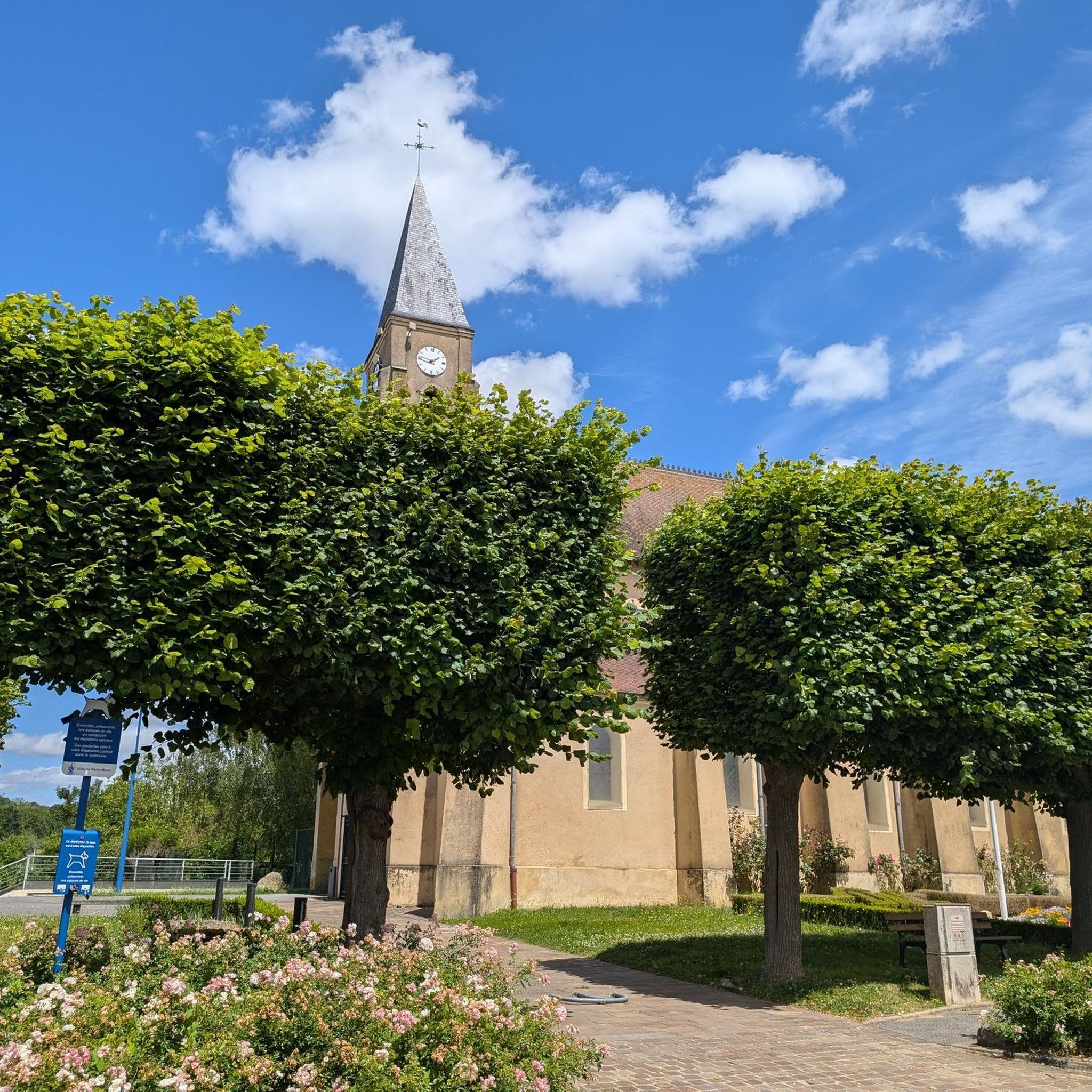
Listed as a Historic Monument since 1862, the church of Montagny-Sainte-Félicité stands apart from the village, on the site of a former priory dependent on the Abbey of Saint-Vincent de Senlis. Rebuilt in the 16th century in a flamboyant Gothic style, it is distinguished by its tall, 30-meter openwork octagonal spire, one of the most elegant in the Oise.
0
0

Scandibérique route
0
0

Until 15/3/25, don't miss the Val d'Oise Washhouses and Fountains Exhibition at Puiseux-en-France Town Hall, Place Jean Moulin, bringing together 30 photographs by François Vuillemet and discover some of the 250 washhouses and fountains on the Vexin.
0
0

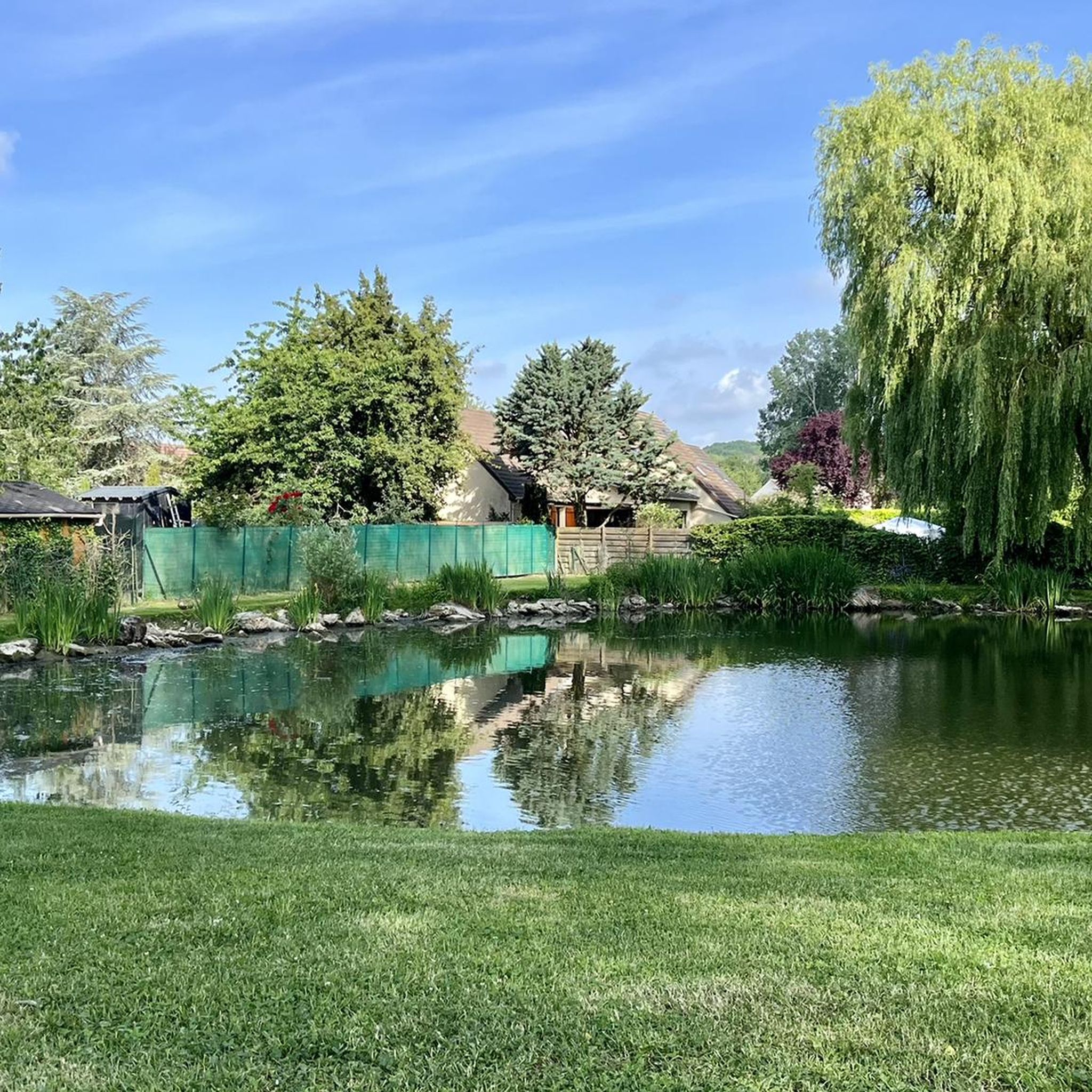
Beautiful residence along the Marne.
0
0
Frequently Asked Questions
How many gravel bike trails are available around Saint-Mard?
There are over 15 gravel bike trails around Saint-Mard, offering a variety of options for different skill levels. The region features a network of unpaved roads, forest tracks, and canal paths suitable for gravel bikes.
Are there any easy or beginner-friendly gravel bike routes in Saint-Mard?
Yes, Saint-Mard offers several moderate routes that are suitable for beginners or those looking for a less strenuous ride. The terrain is generally gently rolling with low elevations, making it accessible. For example, Senlis bus station – Senlis, medieval city loop from Othis is a moderate 41.7 km route with manageable elevation.
What are some options for advanced gravel cyclists in the Saint-Mard area?
Advanced gravel cyclists will find challenging routes that connect towns via varied rural and forest paths. Routes like Plessis-Belleville to Coye-la-Forêt – Tour de l'Oise gravel, a 52.9 km difficult trail, or the Marne Statues Park – Marne River Loops loop from Monthyon, a 60.4 km difficult route, offer longer distances and more demanding terrain.
Are there family-friendly gravel biking options around Saint-Mard?
While specific 'family-friendly' routes are not explicitly categorized, the region's gently rolling terrain and network of unpaved roads and canal paths can be suitable for families. Look for shorter, moderate routes that avoid significant elevation changes, focusing on sections along the Canal de l'Ourcq for a pleasant experience.
Can I find circular gravel bike routes in Saint-Mard?
Yes, many of the gravel bike routes around Saint-Mard are designed as loops. For instance, The Commelle ponds – Chantilly Castle loop from Moussy-le-Neuf and Chantilly Castle – Chantilly Castle loop from Le Plessis-Belleville are popular circular routes that allow you to start and finish in the same location.
What kind of scenic views or viewpoints can I expect on gravel rides near Saint-Mard?
Gravel rides around Saint-Mard offer a mix of open views across agricultural fields, sheltered sections through dense woodlands, and picturesque river valleys. Scenic highlights include sections around the Commelle ponds and the historic Chantilly Castle grounds, as well as views along the Marne River.
Are there any interesting landmarks or attractions to see along the gravel bike trails?
Yes, several routes pass by notable landmarks. You can explore areas near the historic Château d'Ermenonville or the Château de Mortefontaine. The Ourcq cycle path to Claye-Souilly and the Canal de L'ourcq also offer pleasant riding alongside water features.
What is the best time of year for gravel biking in Saint-Mard?
The Île-de-France region, including Saint-Mard, is generally pleasant for gravel biking from spring through autumn. These seasons offer mild temperatures and vibrant landscapes. While specific winter conditions vary, some routes may be accessible year-round, though conditions can be muddier on unpaved sections.
Are there any gravel routes suitable for shorter rides, for example, around 30km?
While many popular routes are longer, you can find or create shorter segments. For example, the Senlis bus station – Senlis, medieval city loop from Othis is 41.7 km, and can be adapted or ridden in part for a shorter experience. Komoot allows you to plan custom routes to fit your desired distance.
What do other gravel bikers say about the trails in Saint-Mard?
The gravel biking routes in Saint-Mard are highly rated by the komoot community, with an average score of 3.8 stars from over 4 reviews. Riders often appreciate the varied terrain, which includes agricultural fields, woodlands, and river valleys, providing a diverse and engaging experience.
Are there places to stop for food or coffee along the gravel routes?
Many routes connect various towns and villages, offering opportunities to find cafes, bakeries, or restaurants. For example, routes passing through or near Chantilly, Senlis, or other local communities will have amenities available for a break.
Is parking available near the gravel bike trailheads in Saint-Mard?
Parking is generally available in the towns and villages that serve as starting points for many of the routes. For instance, you can often find parking in Moussy-le-Neuf, Monthyon, or near train stations like Plessis-Belleville, which are common starting points for these gravel tours.
What makes gravel biking in Saint-Mard unique compared to other regions?
Gravel biking in Saint-Mard is characterized by its gently rolling terrain within the Île-de-France region, offering a blend of open agricultural landscapes, dense woodlands, and river floodplains. The area's low elevations make it accessible, while the network of unpaved roads and historic estates provides a distinct charm not always found in more mountainous or urban regions.
Most popular routes around Saint-Mard
Most popular attractions around Saint-Mard

Get inspired with the komoot mobile app


Explore more
Browse the best Gravel rides in other regions.
