The best gravel rides around Sainte-Barbe
4.4
(33)
197
riders
18
rides
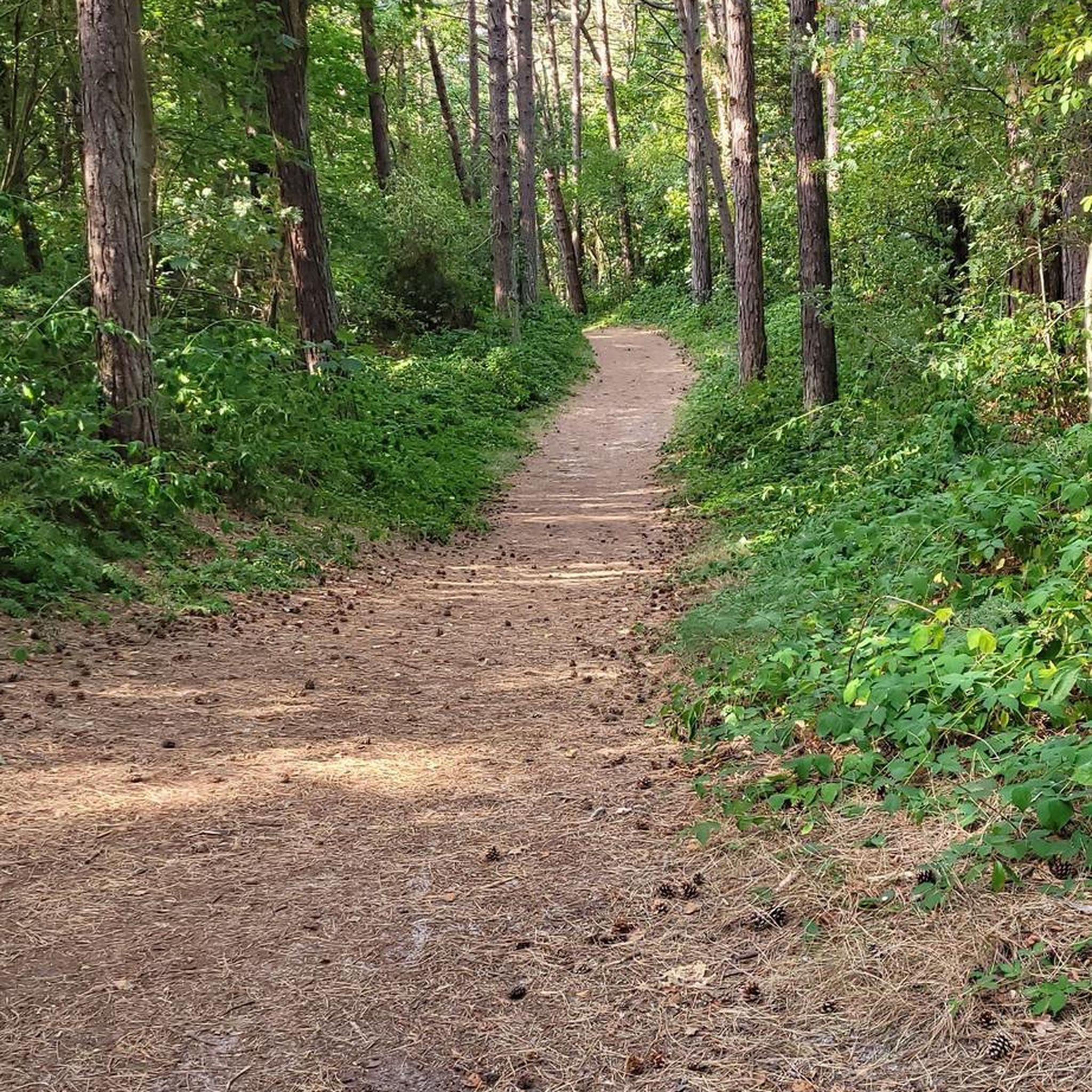
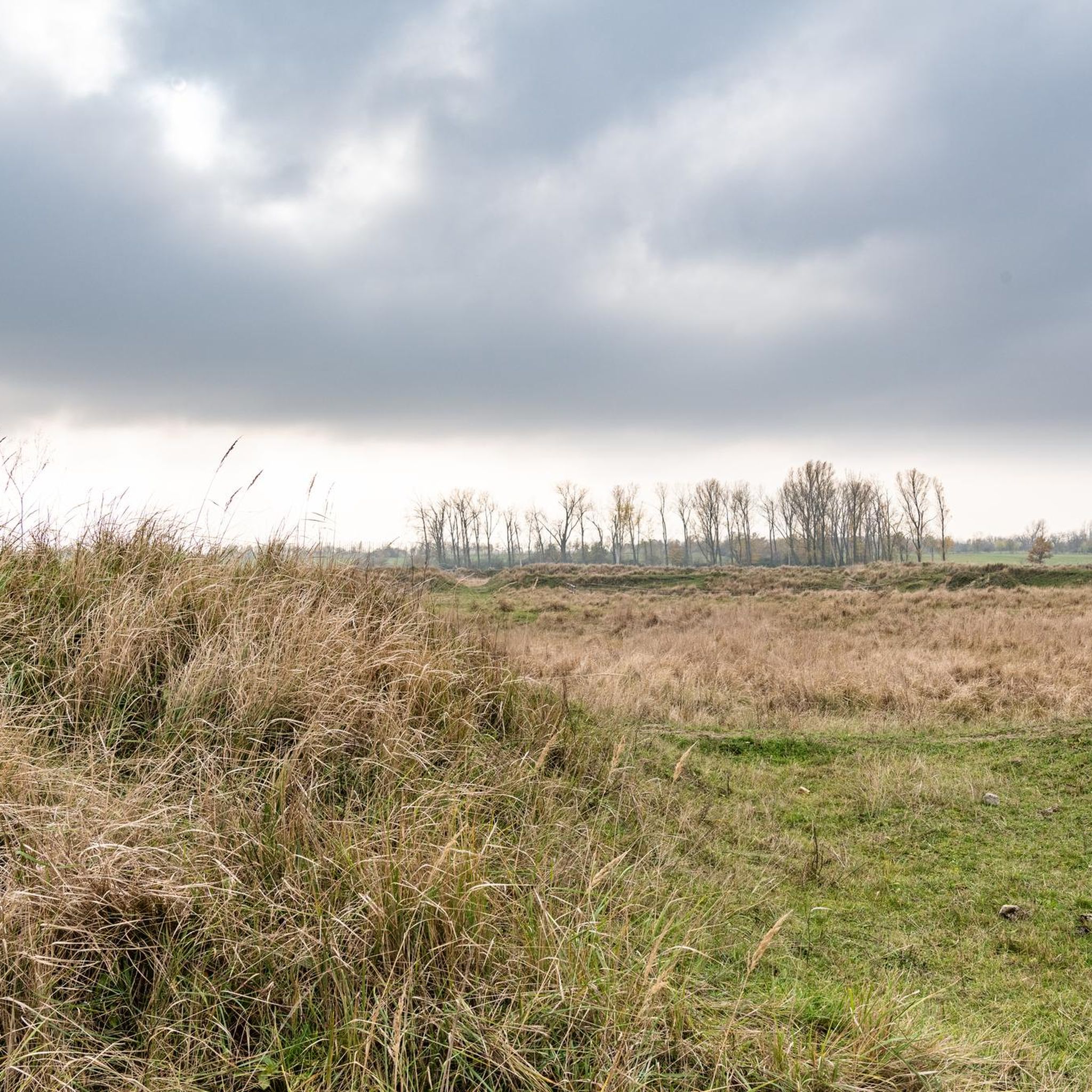
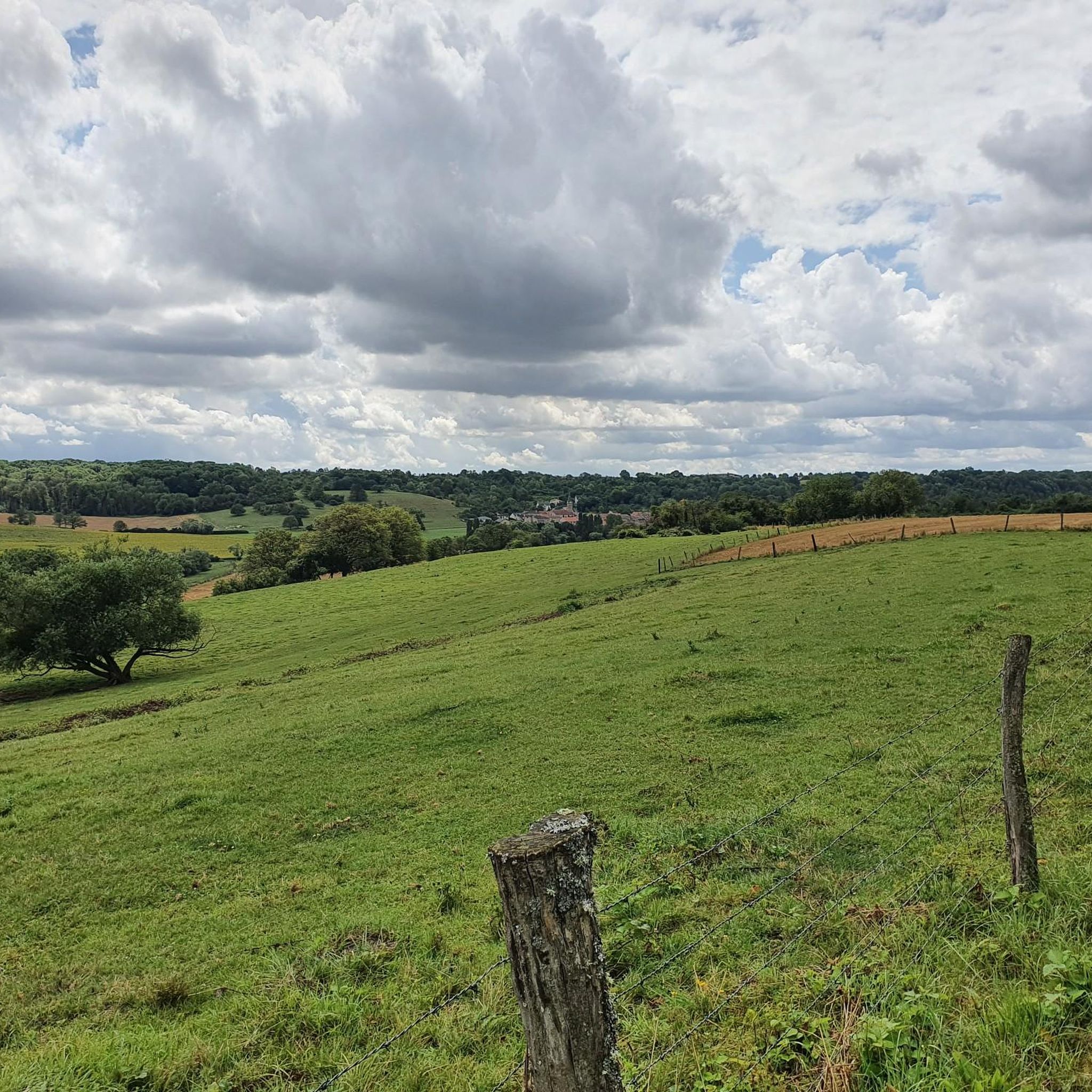
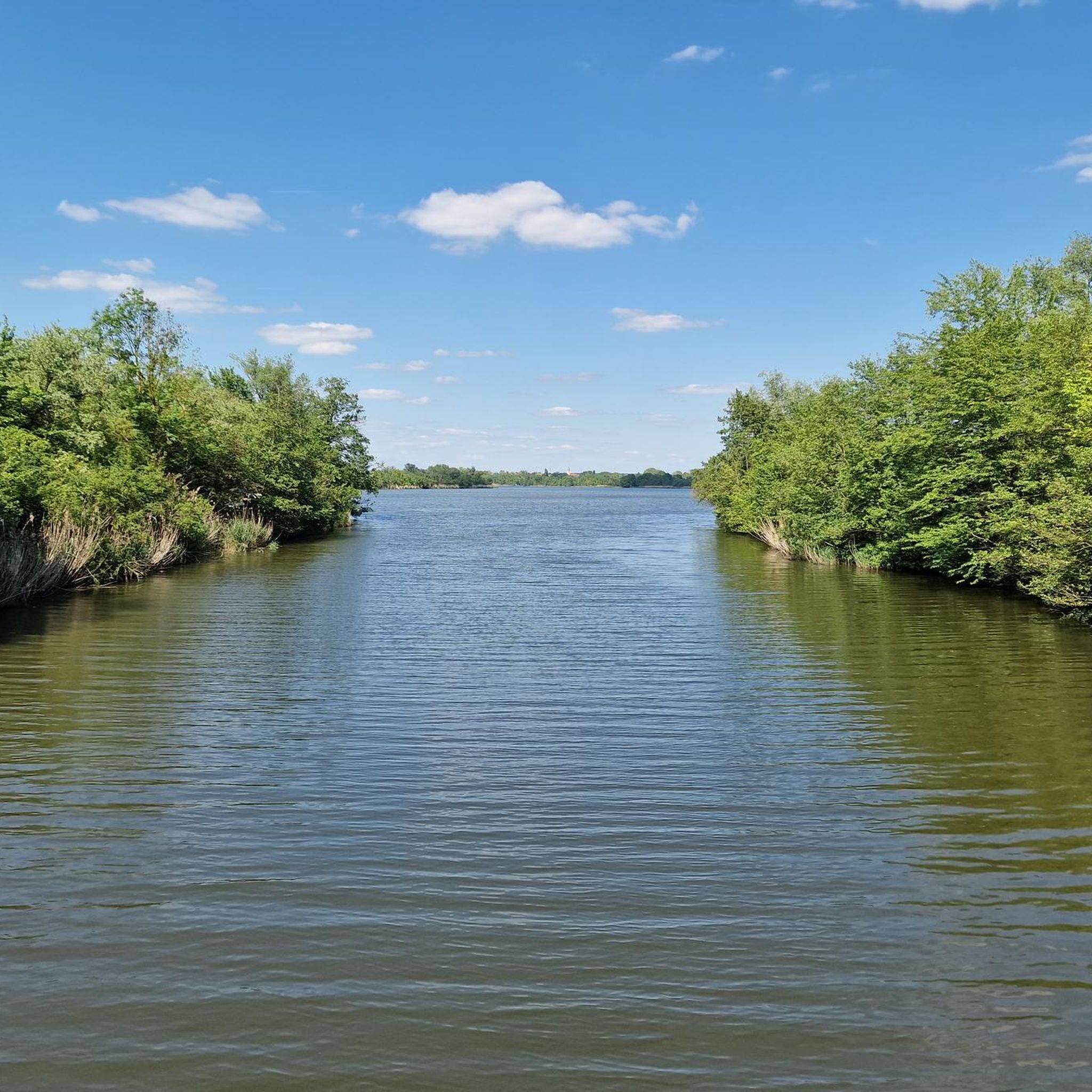
Gravel biking around Sainte-Barbe, Quebec, offers routes through a tranquil, rural, and agricultural landscape. The municipality is situated on the east bank of Lac Saint-François, providing opportunities for scenic rides along the water. The broader Montérégie region, where Sainte-Barbe is located, features varied terrain from plains to forest lands, with some sections offering elevation changes suitable for gravel biking. This area provides access to quiet country roads and diverse natural features.
Best gravel bike trails around Sainte-Barbe
- The most popular…
Last updated: May 6, 2026
3.5
(2)
24
riders
41.8km
02:58
520m
520m
Hard gravel ride. Very good fitness required. Mostly paved surfaces. Suitable for all skill levels.
5.0
(1)
14
riders
54.5km
03:57
680m
680m
Hard gravel ride. Very good fitness required. Mostly paved surfaces. Suitable for all skill levels.

Sign up for free
7
riders
37.5km
02:32
400m
400m
Moderate gravel ride. Good fitness required. Mostly paved surfaces. Suitable for all skill levels.
5.0
(2)
10
riders
42.0km
02:56
320m
320m
Moderate gravel ride. Good fitness required. Mostly paved surfaces. Suitable for all skill levels.
5
riders
28.4km
01:35
160m
160m
Moderate gravel ride. Good fitness required. Mostly paved surfaces. Suitable for all skill levels.
Get access to more routes and recommendations from other explorers.
Sign up for free
Already have an account?
Our route recommendations are based on thousands of hikes, rides, and runs completed by other people on komoot.
Start today with a free account
Your next adventure awaits.
Login or Signup
Tips from the Community


It's called the "Lantern of God" because St. Stephen's Church in Metz has almost three times the window area of Chartres Cathedral. Many great artists have attempted to design it – for the 800th anniversary, it will be a woman for the first time.
14
0

Fort Plappeville, renamed Fort Alvensleben in 1872, is a military installation northwest of Metz. It is part of the first fortified belt of Metz, built during the Second Empire by Napoleon III. The first fortified belt of Metz consists of the forts Saint-Privat (1870), Queleu (1867), Bordes (1870), Saint-Julien (1867), Gambetta, Déroulède, Decaen, Plappeville (1867), and Saint-Quentin (1867). Most of them were still unfinished in 1870, when the Franco-Prussian War broke out.
0
0

Former water tower used to supply steam locomotives in the adjacent main station. Future use is still being planned.
6
0


Beautiful running path by the water
0
0

Be careful of the rail in wet weather.
1
0

Each of these crosses that the biker encounters in the villages or in the fields is a sign of remembrance of the crucifixion, but also of the resurrection of Jesus Christ. "Here on earth there is His memory, but in the kingdom of heaven there is His presence: this presence is the joy of those who have already reached salvation. The memory is our consolation, as we are still wanderers, traveling towards our homeland." (Bernard of Clairvaux)
0
0
Frequently Asked Questions
How many gravel bike trails are available around Sainte-Barbe?
While specific named routes directly within Sainte-Barbe, Quebec, are not detailed in the provided data, the broader Montérégie region, where Sainte-Barbe is located, offers an extensive network of cycling paths. Komoot lists over 20 gravel biking tours in the general area, with options ranging from easy to difficult.
What kind of terrain can I expect for gravel biking in Sainte-Barbe?
Gravel biking around Sainte-Barbe is characterized by tranquil, rural, and agricultural landscapes. You'll find quiet country roads, agricultural fields, and paths along Lac Saint-François. The wider Montérégie region offers varied terrain, from plains to forest lands and maple groves, with some sections providing elevation changes for more challenging rides.
Are there any family-friendly gravel bike trails in the Sainte-Barbe area?
Yes, the region offers options suitable for families. The generally gentle terrain and quiet rural roads make it possible to find easier routes. Look for paths with minimal elevation changes, often found along the lakeside or through agricultural fields, which provide a peaceful and scenic experience for all ages.
What is the best time of year for gravel biking around Sainte-Barbe?
The best time for gravel biking in Sainte-Barbe is typically during the spring, summer, and fall months. These seasons offer pleasant weather for exploring the rural landscapes and lakeside paths. Winter conditions can be challenging due to snow and ice, making many gravel paths less accessible.
What do other gravel bikers enjoy most about the Sainte-Barbe area?
The area is highly rated by the komoot community, with an average score of 4.5 stars from over 80 reviews. Cyclists often praise the tranquil, rural setting, the scenic views along Lac Saint-François, and the opportunity to explore quiet country roads away from heavy traffic.
Are there any notable landmarks or points of interest to see while gravel biking near Sainte-Barbe?
Sainte-Barbe is situated on the east bank of Lac Saint-François, part of the Saint Lawrence River, offering refreshing views. The Montérégie region also features the Circuit du lac Saint-François, which allows discovery of the unique Droulers-Tsiionhiakwhata archaeological site, showcasing local history and native culture.
Are there any circular gravel bike routes available?
Yes, the nature of the region's network of country roads and paths lends itself well to creating circular routes. Many tours in the broader Montérégie region are designed as loops, allowing you to start and end at the same point while exploring diverse landscapes.
What are the difficulty levels of gravel bike trails in the Sainte-Barbe area?
The gravel biking options in the broader Sainte-Barbe area cater to various skill levels. Komoot data shows a range of difficulties, including 2 easy routes, 14 moderate routes, and 7 difficult routes, ensuring there's something for everyone from beginners to experienced riders seeking a challenge.
Is it possible to access gravel bike trails using public transport in Sainte-Barbe?
Sainte-Barbe is a rural municipality, and direct public transport access to specific trailheads might be limited. It's generally recommended to plan your trip with a car for easier access to starting points. However, the region's extensive network of roads means many routes can be accessed from various points within the municipality.
Where can I find parking for gravel biking trails in Sainte-Barbe?
Given the rural nature of Sainte-Barbe, parking is typically available in small village centers, near local parks, or at designated access points for regional cycling paths. Always check local signage for parking regulations and ensure you are not blocking private access or agricultural areas.
Are there any cafes or places to stop for refreshments along the gravel bike routes?
While specific cafes directly on every gravel path might be sparse due to the rural setting, you can find local businesses, small shops, or convenience stores in the villages and hamlets scattered throughout Sainte-Barbe and the surrounding Montérégie region. Planning your route to pass through these areas can provide opportunities for refreshments.
Can I bring my dog on gravel bike trails in Sainte-Barbe?
Generally, dogs are welcome on public roads and many multi-use paths in rural Quebec, provided they are kept on a leash and you clean up after them. However, specific regulations can vary for certain protected areas or private lands. It's always best to check local rules for any specific trail you plan to ride.
Most popular routes around Sainte-Barbe
Most popular attractions around Sainte-Barbe

Get inspired with the komoot mobile app


Explore more
Browse the best Gravel rides in other regions.
