The best gravel rides around Remoiville
4.8
(5)
44
riders
9
rides
Gravel biking around Remoiville offers routes through varied terrain, characterized by rolling hills and riverine landscapes. The region features historical sites like Montquintin Castle and Renaissance villages, alongside paths that follow the banks of the Meuse. Elevation gains on routes indicate a landscape with consistent undulations rather than flat plains. The area provides opportunities for gravel cyclists to explore both natural and historical points of interest.
Best gravel bike trails around Remoiville
- The most popular gravel bike trail is Ruins…
Last updated: July 17, 2026
5.0
(1)
15
riders
177km
10:15
1,130m
1,130m
Hard gravel ride. Very good fitness required. Mostly paved surfaces. Suitable for all skill levels.
5.0
(2)
7
riders
43.5km
02:40
530m
520m
Hard gravel ride. Very good fitness required. Mostly paved surfaces. Suitable for all skill levels.

Sign up for free
2
riders
33.9km
02:43
570m
570m
Hard gravel ride. Very good fitness required. Mostly paved surfaces. Suitable for all skill levels.
2
riders
Hard gravel ride. Very good fitness required. Mostly paved surfaces. Suitable for all skill levels.
5.0
(1)
1
riders
39.6km
03:03
570m
570m
Hard gravel ride. Very good fitness required. Mostly paved surfaces. Suitable for all skill levels.
Get access to more routes and recommendations from other explorers.
Sign up for free
Already have an account?
Our route recommendations are based on thousands of hikes, rides, and runs completed by other people on komoot.
Start today with a free account
Your next adventure awaits.
Login or Signup


Tips from the Community

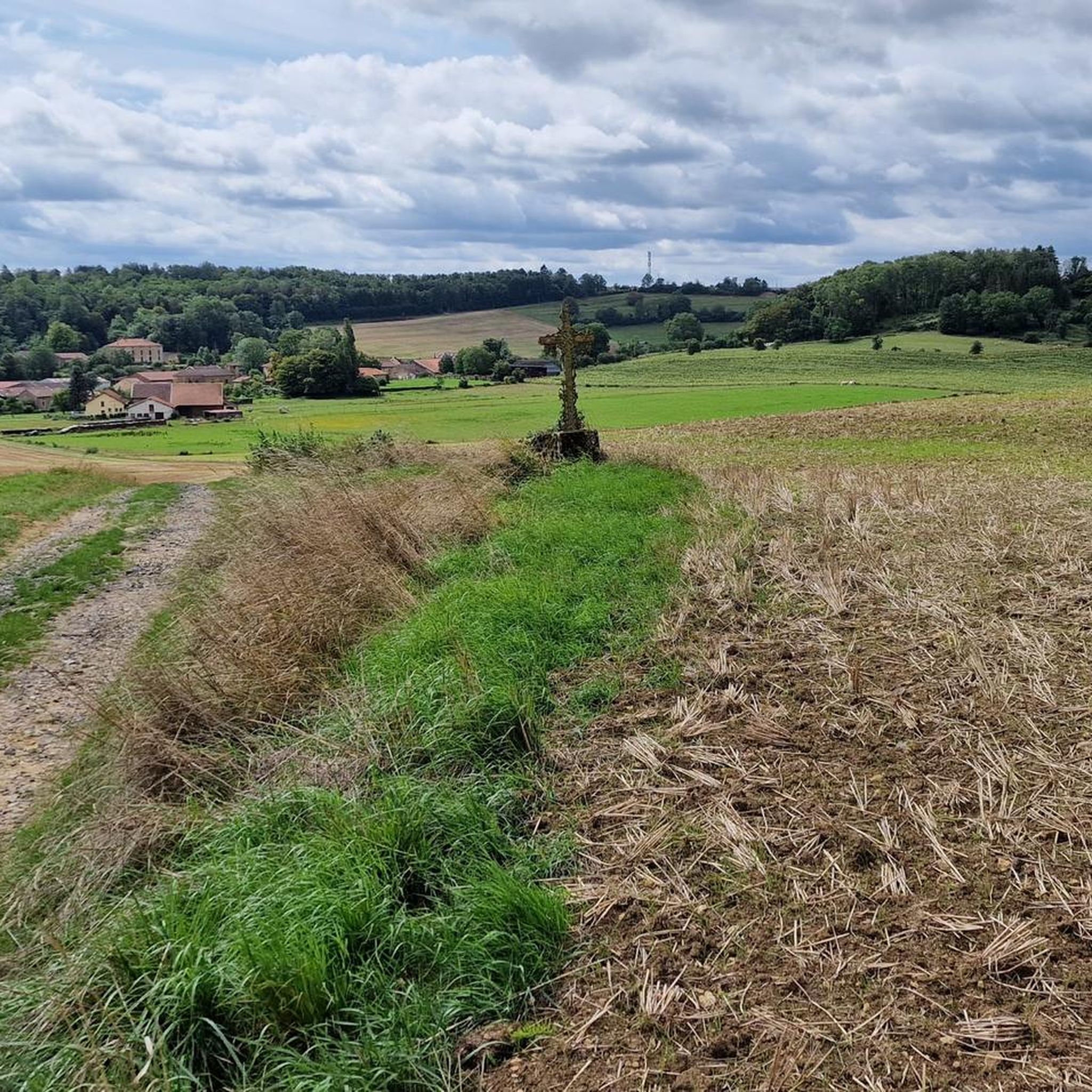
On the Ruette side, passing through Pré Morel, you can reach the Ravel Latour Chenois, while avoiding the main road. On the Grandcourt side, you can reach St-Remy via a country road. On the Grandcourt side, you can also climb the Côte de Grandcourt (2.4 km at 5.5%) and continue on for a foray into Meurthe-et-Moselle (FR).
0
0

The Meuse at Verdun plays a crucial role in both the landscape and the history of the region. Cutting deeply through the hilly terrain, it has provided a natural defensive advantage—something that became painfully clear during the Battle of Verdun in 1916, one of the longest and bloodiest battles of the First World War. In addition to its strategic importance, the Meuse also has a more peaceful face: it flows peacefully along the banks of the city of Verdun, connecting the past with the present in a landscape that breathes history.
6
0
It is nice to see that the water level of the canal is much higher than the water level of the stream.
8
0

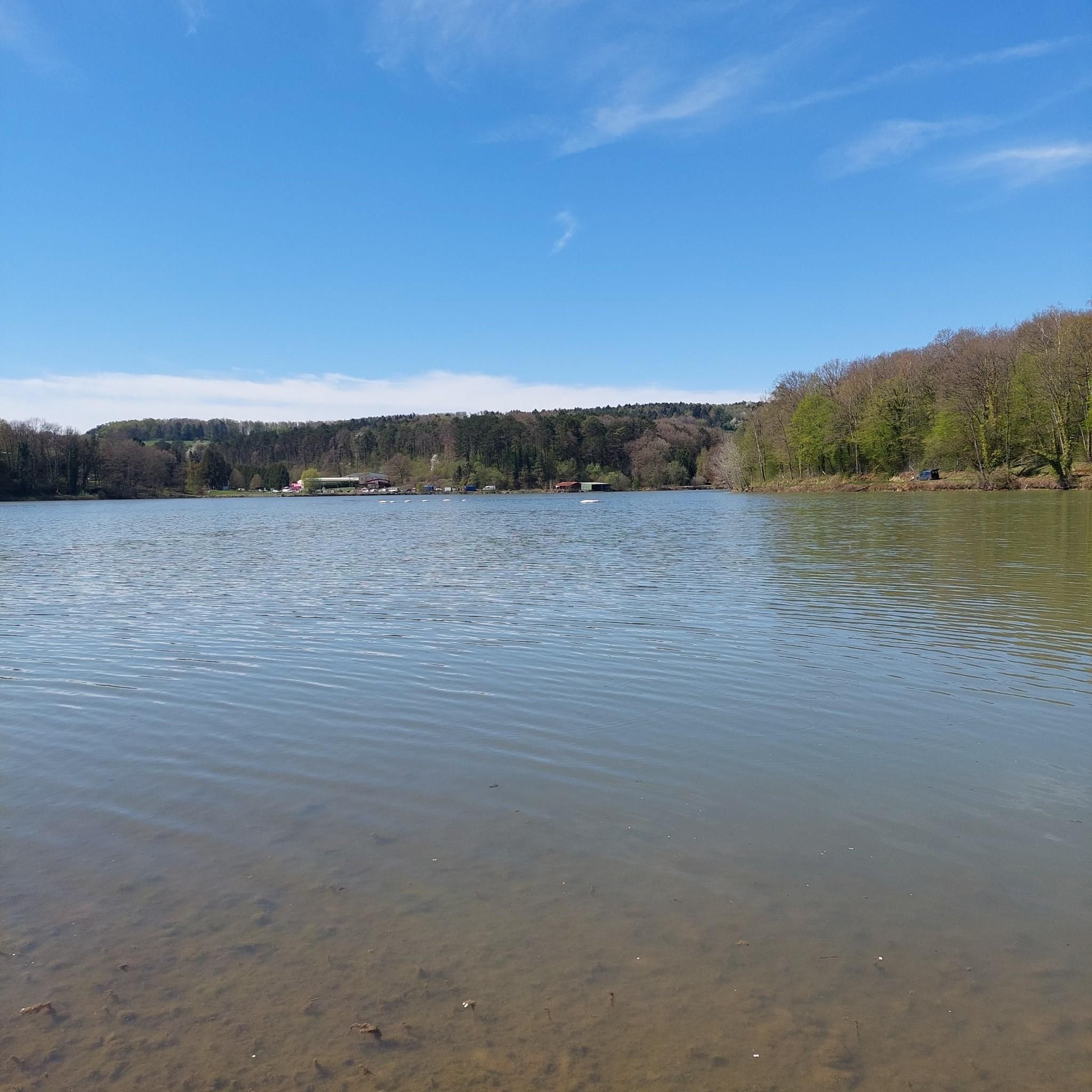
In Marville, the Othain lake is a pleasant place to relax, with its leisure center and various walking trails. Here, the stretch of land that juts out offers a beautiful view of the expanse.
0
0
Among the thousands of fallen soldiers who rest here is Caporal Louis Micol, a soldier of the 19th Battalion of Chasseurs à Pied. He was not only a soldier, but also the founder of one of the first French front newspapers: Le Son du Cor, a trench newspaper written by and for soldiers. Micol died on 18 September 1915 in Brabant-en-Argonne and is buried in grave no. 390. His story is a reminder that even in the midst of the violence of war, soldiers sought ways to make their voices heard, share experiences and preserve their humanity.
7
2
Military cemetery created in 1916 during the Battle of Verdun. It contains the remains of 6,537 French soldiers, including 2,000 in ossuaries. Most of them died in 1916 on the right bank of the Meuse, near strategic points such as Côte 344 and Thiaumont. In 1961, 151 soldiers who died in the Second World War were also buried there. The necropolis covers 3.2 hectares and was set up between 1919 and 1934
7
2

The Meuse is a 950-kilometre-long river in Western Europe. The Meuse rises in France and then flows through Belgium and the Netherlands. In the Netherlands, the Meuse is the southernmost of the major rivers and flows into the North Sea via the Dutch river delta. Source: Wikipedia
3
0
The national necropolis of Bras-sur-Meuse contains the remains of 6,537 soldiers who died for France. During the First World War, 6,386 French soldiers were gathered here, 2,000 of whom are in two ossuaries. It was created in 1916 during the Battle of Verdun (February-November 1916) and was gradually expanded from 1919 to 1934. It is a cemetery for the regrouping of bodies exhumed from military cemeteries on the right bank of the Meuse, in particular those of soldiers who died in the first aid post or in the ambulances stationed at La Fourche, the crossroads of the roads to Louvemont and Douaumont. The ossuaries contain the remains of unknown and unidentified soldiers who fell on hill 344, Haudromont, Froideterre, Cote du Poivre, Thiaumont, Louvemont, etc. In 1961, the remains of 151 soldiers who died during the fighting in June 1940 and were buried in various villages along the Meuse during the Second World War were collected here. Among the soldiers is Corporal Louis Micol, of the 19th Chasseurs Battalion, founder of one of the first newspapers on the front, Le son du cor , a trench newspaper of the chasseurs, who died in Brabant on 18 September 1915 (grave no. 390). Want to know more? Click on https://www.cheminsdememoire.gouv.fr/fr/bras-sur-meuse
5
2
Frequently Asked Questions
How many gravel bike trails are available around Remoiville?
There are 7 gravel bike trails documented around Remoiville on komoot. These routes offer a variety of experiences, primarily catering to more experienced riders due to their difficulty.
What is the typical difficulty level of gravel bike routes in Remoiville?
Most gravel bike routes in Remoiville are rated as difficult. Out of the 7 available routes, 6 are classified as difficult, indicating a landscape with consistent undulations and challenging terrain. There is 1 moderate route, but no easy routes are currently listed.
Are there any family-friendly gravel cycling options in Remoiville?
Given that most routes around Remoiville are rated as difficult, options specifically designed as 'family-friendly' are limited. The terrain features rolling hills and significant elevation gains, which might be challenging for younger riders or those new to gravel biking. It's advisable to check individual route profiles for detailed information on terrain and elevation before planning a family outing.
Can I find circular gravel bike routes in Remoiville?
Yes, many of the gravel bike routes around Remoiville are designed as loops. For example, the Ruins of Montquintin Castle – Torgny Village loop from Velosnes and the Marville Renaissance Village – Main Square of Marville loop from Marville are both circular routes, allowing you to start and end at the same point.
What is the average duration for gravel bike rides in Remoiville?
The duration of gravel bike rides in Remoiville varies significantly depending on the route length and your pace. Shorter routes like the Marville Renaissance Village – Main Square of Marville loop from Marville can take around 2 hours 40 minutes, while longer routes such as On the banks of the Meuse – The Meuse loop from Murvaux can take over 9 hours to complete.
What kind of attractions can I see along the gravel bike trails in Remoiville?
The gravel bike trails in Remoiville often pass through areas rich in history and natural beauty. You can explore historical sites like the Torgny Village, known for its charm, or the impressive Citadel of Montmédy. Some routes also feature religious buildings like Saint Martin's Church and other ancient fortifications.
Are there any specific viewpoints or scenic spots on the Remoiville gravel routes?
While specific named viewpoints aren't detailed for every route, the region's characteristic rolling hills and riverine landscapes along the Meuse offer numerous scenic vistas. Routes exploring historical sites, such as those near Montquintin Castle or Torgny Village, provide picturesque views of the countryside and charming architecture.
What is the best season for gravel biking in Remoiville?
The guide does not specify a 'best' season, but generally, spring and autumn offer pleasant temperatures and beautiful scenery for gravel biking in regions with rolling hills. Summers can be warm, and winters might present challenges with colder temperatures and potentially wet or icy conditions on unpaved paths. Always check local weather forecasts before heading out.
Are there any routes that pass through Renaissance villages?
Yes, the Marville Renaissance Village – Main Square of Marville loop from Marville is a notable route that takes you directly through the historic Marville Renaissance Village, offering a unique cultural experience alongside your ride.
What do other gravel bikers enjoy most about gravel biking in Remoiville?
The komoot community rates the gravel biking experience in Remoiville highly, with an average score of 4.5 stars from over 3 reviews. Riders often praise the varied terrain, which includes historical villages, river valleys, and rolling hills, providing a diverse and engaging cycling adventure.
Are there any gravel routes that follow river banks in Remoiville?
Yes, the On the banks of the Meuse – The Meuse loop from Murvaux is an extensive route specifically designed to follow the Meuse river, offering long stretches of riverside riding and scenic views along the water.
Are there any routes that explore historical ruins?
Absolutely. The Ruins of Montquintin Castle – Torgny Village loop from Velosnes is a popular route that specifically explores historical ruins, providing a glimpse into the region's past while you ride.
Most popular routes around Remoiville
Most popular attractions around Remoiville

Get inspired with the komoot mobile app


Explore more
Browse the best Gravel rides in other regions.
