The best gravel rides around Lutowiska
4.9
(26)
232
riders
13
rides
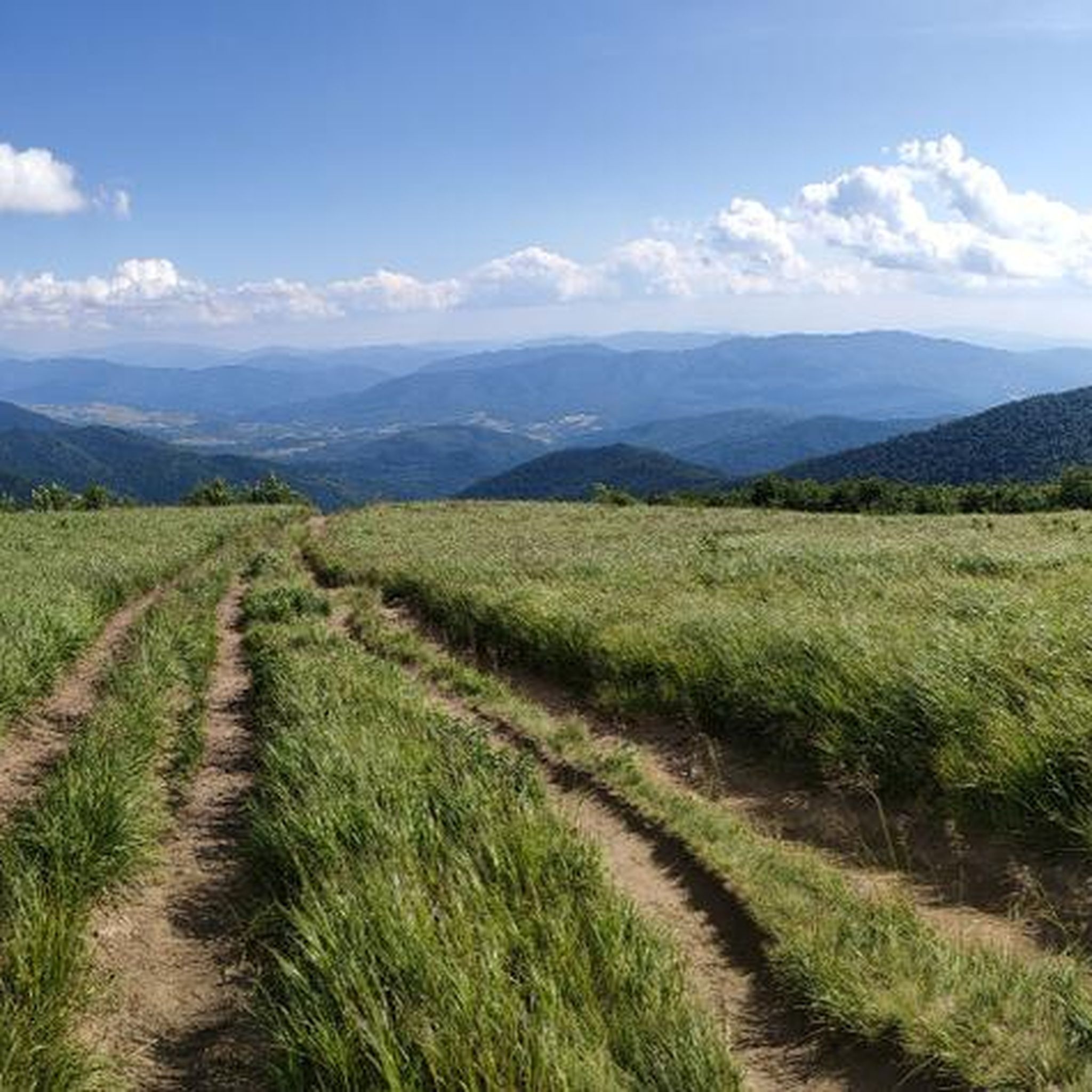
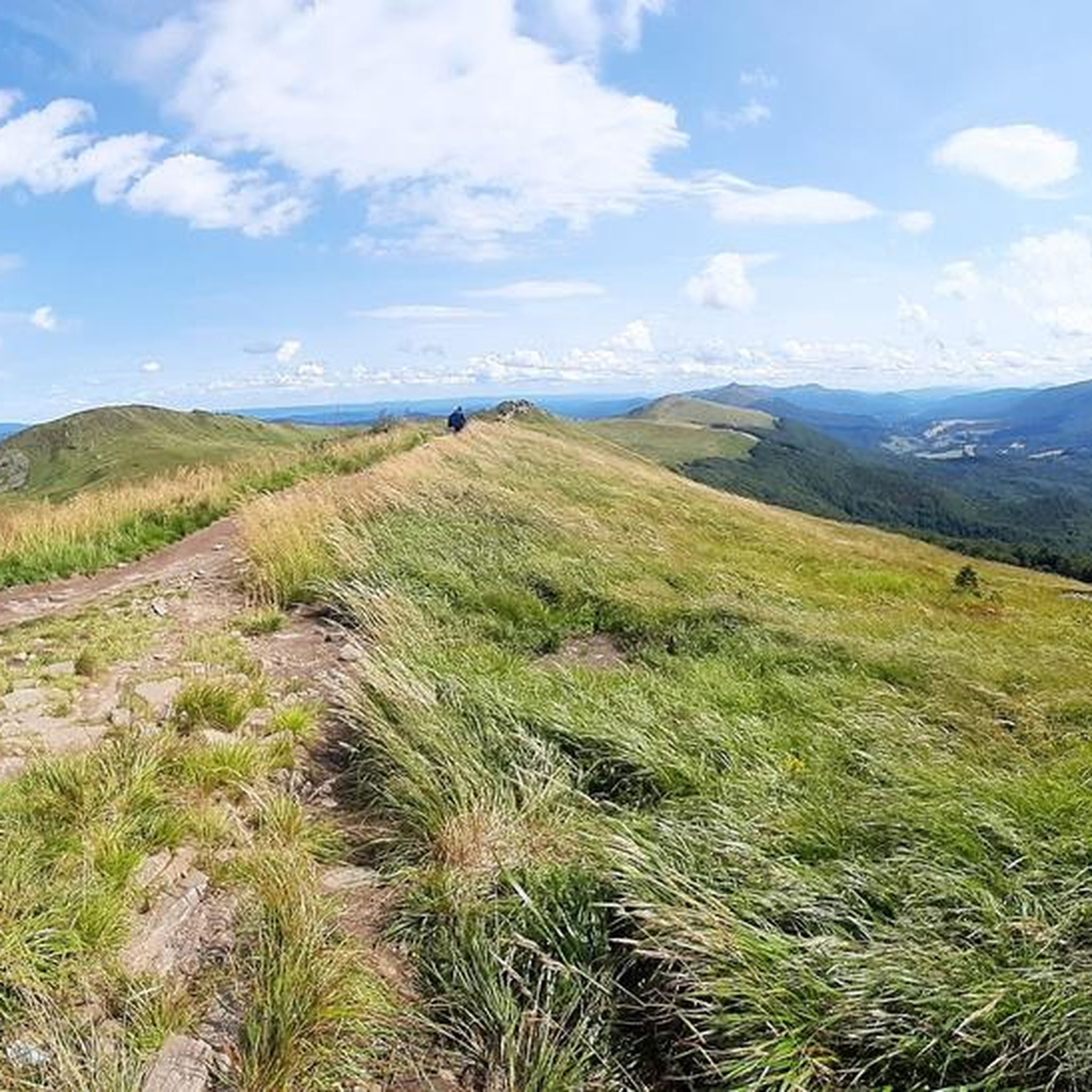
Gravel biking around Lutowiska offers extensive routes through the Bieszczady Mountains, a region characterized by its wild, forested valleys and diverse terrain. The area features a network of gravel roads, originally developed by foresters, that wind along mountain sides and through the San Valley. These paths provide varied experiences, from challenging climbs to more accessible routes, set within a pristine natural environment that includes parts of the Bieszczady National Park.
Best gravel bike trails around Lutowiska
- The most popular gravel…
Last updated: May 6, 2026
5.0
(1)
35
riders
108km
07:39
1,890m
1,890m
Hard gravel ride. Very good fitness required. Mostly paved surfaces. Suitable for all skill levels.
5.0
(3)
38
riders
64.6km
04:36
940m
940m
Hard gravel ride. Very good fitness required. Mostly paved surfaces. Suitable for all skill levels.

Sign up for free
5.0
(1)
19
riders
54.0km
03:37
970m
970m
Hard gravel ride. Very good fitness required. Mostly paved surfaces. Suitable for all skill levels.
4.5
(4)
19
riders
44.4km
02:49
790m
790m
Hard gravel ride. Very good fitness required. Mostly paved surfaces. Suitable for all skill levels.
5.0
(1)
10
riders
34.0km
02:28
510m
510m
Hard gravel ride. Very good fitness required. Mostly paved surfaces. Suitable for all skill levels.
Get access to more routes and recommendations from other explorers.
Sign up for free
Already have an account?
Our route recommendations are based on thousands of hikes, rides, and runs completed by other people on komoot.
Start today with a free account
Your next adventure awaits.
Login or Signup
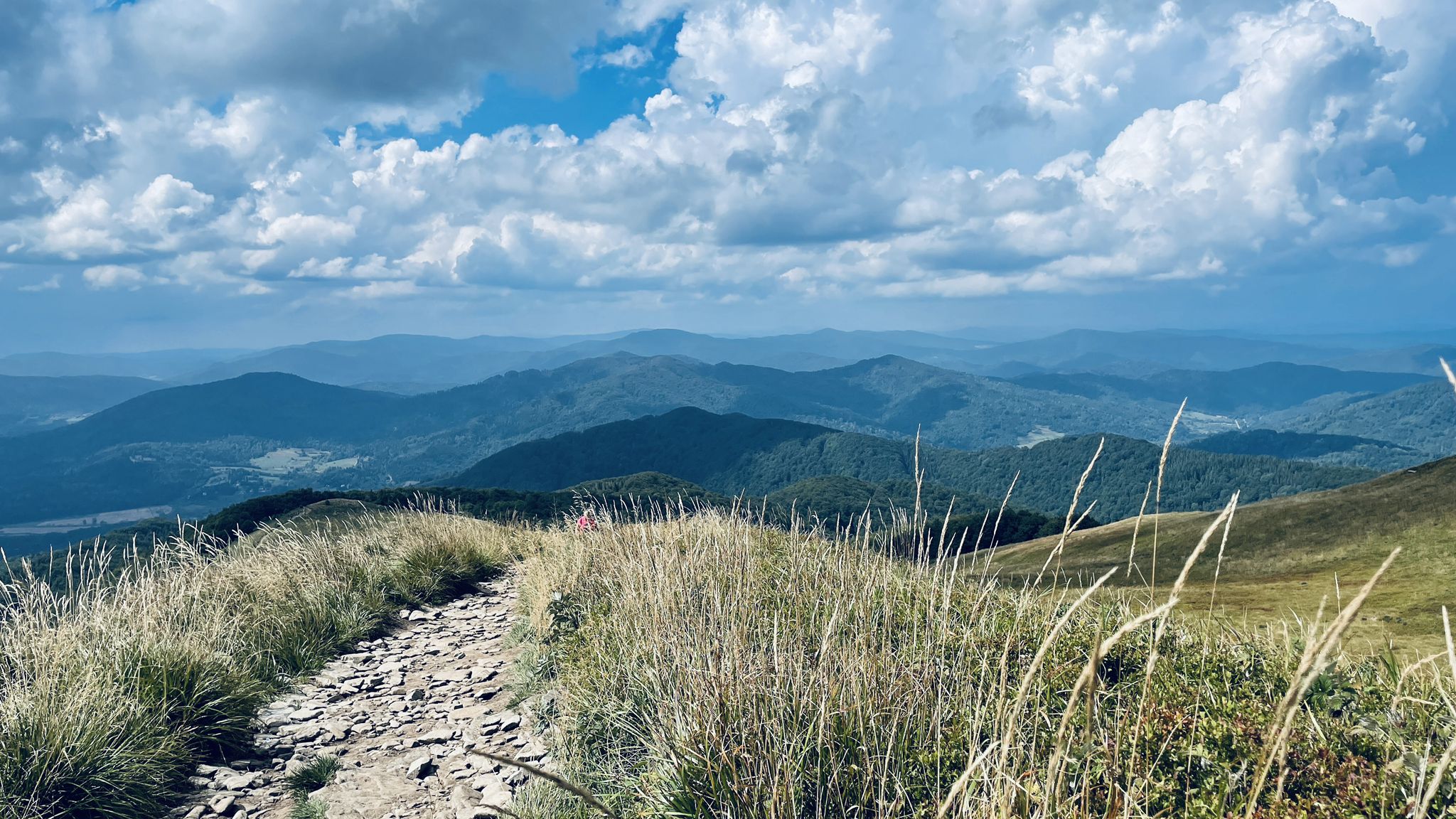
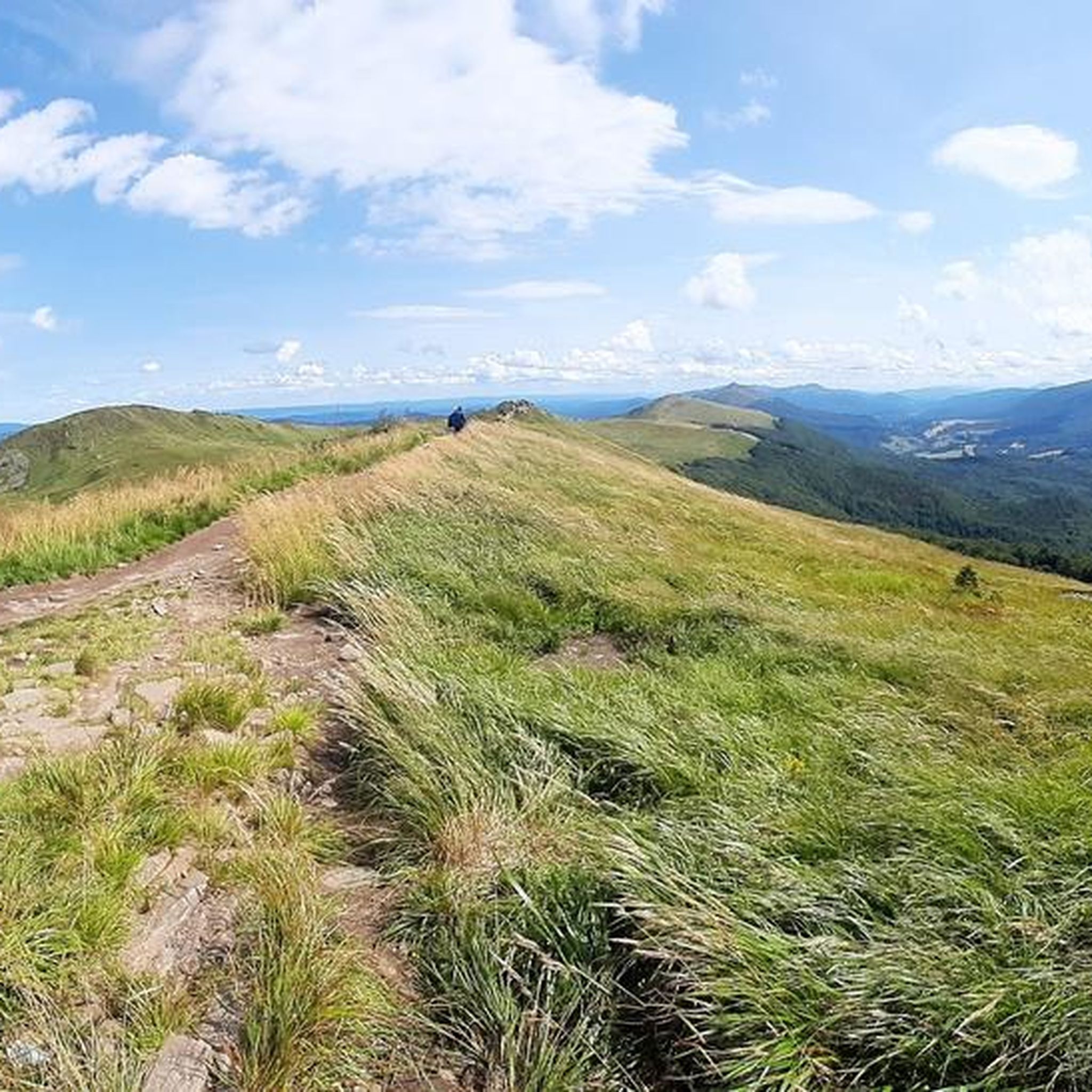

Other adventures around Lutowiska

Tips from the Community

@Michał -- they were deported, they haven't moved voluntarily.
0
0
For amateurs, it's better to take a correction for the ride time 😂
0
0
Attention, in two places it leads through the river... :-(
0
0

A wooden bridge on stone supports and the San River below.
2
0
A small chapel with a wooden figurine of the Sorrowful Christ. The year 2007 is engraved on the pole, on a built-in stone, and below there is a foundation plaque with the message "GOD'S PROVIDENCE, asking for favors for the village of CHMIEL, for those who lived here, live and will live here, and for you, Passer-by - we are building this chapel. Anna and Jerzy Nowakowski with family.
1
0
The village of Chmiel has existed since 1502. The first mention of an Orthodox church in the village dates back to 1584. A second wooden church was built (probably on the site of the old one) in 1795. It existed until 1904. The current church was built in 1906. After the war, the village found itself within the borders of the Soviet Union, but in 1951, as a result of the straightening of the borders, it returned to Poland. However, the residents did not return. The abandoned church began to fall into disrepair. In the 1960s, it was turned into a warehouse. In 1969, it was recovered and converted into a church. Next to the church, under a roof, there is a tombstone of Fieronia Orlicka, who died in 1644. She was originally buried in the church, but after it was demolished and another one was built, it ended up outside it. Partially covered with earth, it has survived to this day. In 2011 it was exposed. The roof under which it is located is a copy of the upper part of the former church bell tower.
1
0
A wonderful, scenic place to rest. There are benches, tables and a designated large fireplace area. But the best part is the view. You can see Połonina Wetlińska beautifully from here.
2
0
A monument in the form of a boulder with a plaque standing on the border of the Hulskie reserve. It is dedicated to the memory of prof. Stefan Myczkowski, a pioneer of Polish ecology. The monument was erected in 2014.
1
0
Frequently Asked Questions
How many gravel bike trails are available around Lutowiska?
There are over 10 gravel bike trails around Lutowiska, all rated as difficult, offering extensive riding through the Bieszczady landscape. These routes are highly rated by the komoot community, with an average score of 4.9 stars from more than 20 reviews.
What kind of terrain can I expect on gravel bike trails in Lutowiska?
Lutowiska offers diverse terrain, from forested valleys crisscrossed by mountain streams to picturesque villages and panoramic mountain views. You'll encounter extensive gravel roads, locally known as 'slopes,' originally developed by foresters, as well as winding forest roads and some paved segments. The region is known for its wild, sparsely populated nature, often called 'Polish Alaska'.
When is the best time of year to go gravel biking in Lutowiska?
The best time for gravel biking in Lutowiska is typically from spring through early autumn. During these seasons, the weather is generally favorable, allowing you to fully enjoy the diverse terrain and natural beauty. Summer offers the added benefit of local delicacies available at viewpoints.
Are there any easy gravel bike routes for beginners or families in Lutowiska?
While the komoot community's top-rated routes around Lutowiska are generally considered difficult, the region does offer a variety of forest roads and marked bike paths. These can cater to different skill levels, though specific easy routes for beginners or families are not highlighted among the most popular. It's advisable to check individual route details for elevation and distance to find a suitable option.
What natural landmarks or viewpoints can I see along the gravel bike trails?
Many trails offer stunning views of the Bieszczady Mountains. You can expect panoramic vistas of peaks like Tarnica, Halicz, and Szeroki Wierch. Notable natural features include the Sine Wiry Nature Reserve and the unique Torfowisko Tarnawa peat bog. You might also encounter highlights such as Tarnica Peak, Orłowicz Pass, and Mała Rawka.
Are there any circular gravel bike routes around Lutowiska?
Yes, many of the gravel bike routes in Lutowiska are designed as loops. For example, the challenging Church of Chmiel – Blue Avenue loop from Lutowiska is a popular option, covering over 108 km. Another loop is the Tarnawa High Peat Bog – Blue Avenue loop from Procisne, which is about 64 km long.
Can I bring my dog on the gravel bike trails in Lutowiska?
The Bieszczady region is known for its wild character and natural environment. While many outdoor areas are dog-friendly, it's important to be aware of regulations, especially within the Bieszczady National Park, where cycling on hiking trails is restricted. Always keep your dog on a leash and ensure they are well-behaved, particularly given the presence of wildlife like wolves and bears.
Are there any places to eat or rest along the gravel bike routes?
Yes, along many gravel roads, you'll find shelters and wooden resting places for a break. In summer, a booth with local delicacies is often available at the viewpoint in Lutowiska. For more substantial meals or coffee, you'll typically need to visit the villages or towns in the area.
What are the rules for cycling within the Bieszczady National Park?
Within the Bieszczady National Park, cycling on hiking trails is restricted to protect natural resources and pedestrians. However, over 50 km of public roads and designated paved internal routes are available for cyclists. Always respect park regulations and stay on marked cycling paths.
What kind of wildlife might I encounter while gravel biking in Lutowiska?
Lutowiska, often called 'Polish Alaska,' is renowned for its wild character and rich wildlife. You might have the opportunity to spot European bison (visible at the display farm in Krutyjówka), as well as wolves, bears, lynx, and wildcats in their natural habitat. Always maintain a safe distance and respect their environment.
Are there any historical or cultural attractions accessible by gravel bike?
Yes, the region offers cultural and historical points of interest. You can discover picturesque villages with monuments of wooden architecture, including Orthodox churches and traditional 'chyzha' huts. A notable example is the UNESCO-listed Boyko church from 1791 in Smolnik. There are also places of remembrance, such as Jewish cemeteries in Lutowiska and Dwernik.
Where can I park my car when starting a gravel bike tour in Lutowiska?
Parking is generally available in the main villages and towns that serve as starting points for routes, such as Lutowiska itself, Procisne, or Zatwarnica. Look for designated parking areas, especially near trailheads or local amenities, to ensure a convenient start to your ride.
What is the longest gravel bike route available in Lutowiska?
The longest gravel bike route highlighted by the komoot community is the Church of Chmiel – Blue Avenue loop from Lutowiska. This challenging trail spans 108.1 km (67.2 miles) and typically takes over 10 hours to complete, offering extensive riding through the Bieszczady landscape.
Most popular routes around Lutowiska
Most popular attractions around Lutowiska

Get inspired with the komoot mobile app


Explore more
Browse the best Gravel rides in other regions.
