The best gravel rides around Guia
4.1
(12)
126
riders
13
rides
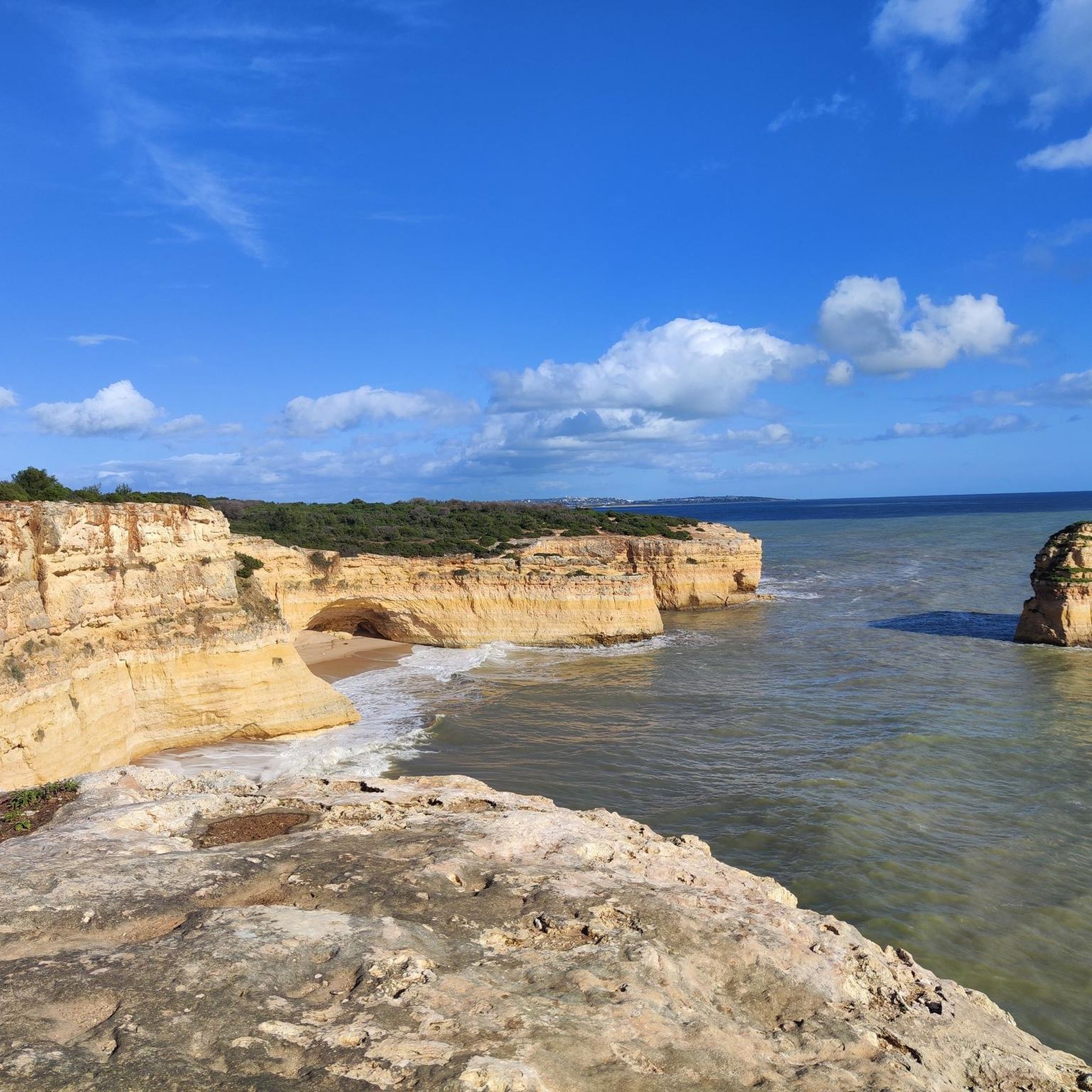
Gravel biking around Guia offers a diverse landscape characterized by a mix of coastal plains, marshlands, and rolling inland terrain. The region features varied surfaces suitable for gravel bikes, including compacted dirt roads, coastal paths, and some paved sections connecting rural areas. Elevation changes are generally moderate, with some routes incorporating longer climbs. This area provides a range of gravel biking experiences, from scenic coastal loops to routes exploring the historical countryside.
Best gravel bike trails around Guia
- The most…
Last updated: July 17, 2026
5.0
(2)
45
riders
61.7km
03:59
570m
570m
Hard gravel ride. Very good fitness required. Mostly paved surfaces. Suitable for all skill levels.
15
riders
98.7km
06:46
1,080m
1,080m
Hard gravel ride. Very good fitness required. Mostly paved surfaces. Suitable for all skill levels.

Sign up for free
15
riders
71.7km
04:40
610m
610m
Hard gravel ride. Very good fitness required. Mostly paved surfaces. Suitable for all skill levels.
4.3
(3)
15
riders
Hard gravel ride. Very good fitness required. Mostly paved surfaces. Suitable for all skill levels.
4.2
(6)
7
riders
Moderate gravel ride. Good fitness required. Mostly paved surfaces. Suitable for all skill levels.
Get access to more routes and recommendations from other explorers.
Sign up for free
Already have an account?
Our route recommendations are based on thousands of hikes, rides, and runs completed by other people on komoot.
Start today with a free account
Your next adventure awaits.
Login or Signup
Tips from the Community

Tent pitches are 45 euro! Would only let us put 2 people on a pitch! Instead, we got a glamping tent with 3 beds and air conditioning, for 85 euro! Glamping cheaper!
0
0

at the end of May there was too much water to cross
0
0
Be careful! After rain, there are many deep puddles and slippery descents. It's not possible without poles. Keep an eye on the map more than usual. Signs to the left or right of Komoot can sometimes be confusing. A beautiful hike.
0
0

The watermill on the Quarteira River, like the Cabana do Castelo watermill, is a traditional device, often older than windmills, with roots in the Arab period, using the force of water in a waterwheel to grind cereals, and is an important ethnographic heritage in the Algarve region, with notable examples near Paderne. In these mills, the cereals were finely ground, transformed into flour, from which bread was made. Currently, they are relics of the past, but they are natural museums of rural activity from times past. 👍
0
0

Fonte Grande is one of the main tourist attractions in the village of Alte, in the Algarve interior. Known for its clear and refreshing waters that originate from the Querença-Silves aquifer, it is an ideal place to spend a day with the family, have picnics and take a dip. Fonte Grande is also considered a river beach. Characteristics of the location Crystal clear waters: The water of Fonte Grande springs from the rocks, coming from the interior of the earth, and feeds the Alte stream, making it a very pleasant leisure area. Natural pool: There is a natural pool at Fonte Grande, with calm and shallow waters, which is perfect for swimming, especially in summer. Infrastructure: The area has picnic tables, shade and a support café, providing comfort to visitors. Accessibility: It has accessible entrance and parking for wheelchairs. What to do in the region Fonte Pequena: Another nearby leisure space, Fonte Pequena, was in the past the place where the village washerwomen met. Currently, it has a small monument in honor of the poet Cândido Guerreiro. Vigário Waterfall: The water of the Alte stream continues its course and forms the Vigário Waterfall, a 24-meter-high cascade that is a beautiful point of interest about 1.2 km away. Hiking: The area offers several hiking trails for nature lovers, such as those that can be found on the AllTrails website. Crafts and culture: The village of Alte is known as the most typical in the Algarve and it is worth exploring its streets, the Parish Church and the local wood and ceramic crafts.
3
0
Moderate hike. Requires good physical fitness. Easily accessible trail. Suitable for all experience levels.
2
0

The main attraction in Alte is Fonte Grande, a beautiful natural pool transformed into a bathing area, where the spring gushes forth in cold, crystal-clear water. A stone channel carries the current, crossed by small bridges and staircases that invite you to take a dip. On hot days, it's the perfect refuge, a haven of coolness and conviviality, with picnic tables, a small restaurant, and the simple charm of the Algarve countryside.
4
0

The Church of São Sebastião is a popular building from the early 18th century. The exterior is characterized by the Manueline side portal and the Baroque main portal. Inside, the colorful, carved wooden high altarpiece with paintings from the 17th and 18th centuries, as well as a possibly 16th-century depiction of Senhora da Piedade, are worth seeing.
0
0
Frequently Asked Questions
What are the general characteristics of gravel biking trails around Guia?
Gravel biking around Guia offers a diverse landscape with a mix of coastal plains, marshlands, and rolling inland terrain. You'll find varied surfaces including compacted dirt roads, coastal paths, and some paved sections. Elevation changes are generally moderate, though some routes incorporate longer climbs, providing a range of experiences from scenic coastal loops to historical countryside explorations.
Are there any easy or beginner-friendly gravel bike trails in Guia?
The gravel biking routes around Guia are primarily geared towards more experienced riders. Out of 19 available routes, 15 are rated as 'difficult' and 4 as 'moderate'. There are currently no routes classified as 'easy' for beginners. Riders should be prepared for challenging distances and elevation gains.
What kind of challenges can advanced gravel bikers expect in Guia?
Advanced gravel bikers will find plenty of challenging routes in Guia, with 15 trails rated as 'difficult'. These routes often feature significant distances, such as the Albufeira Old Town – Roman Bridge of Paderne loop from Albufeira which is 62.2 miles (100 km) with over 1000 meters of elevation gain. Expect varied terrain including coastal paths, marshland trails, and rural roads, demanding good endurance and bike handling skills.
Are there circular gravel bike routes available in Guia?
Yes, many of the gravel bike routes in Guia are designed as loops, allowing you to start and finish in the same location. Examples include the Ria Formosa Marshlands – Boardwalk to Praia do Garrão loop from Albufeira - Ferreiras and the Falésia Beach – Falésia Cliffs Viewpoint loop from Albufeira, both offering extensive circular journeys through the region's diverse landscapes.
What are the typical distances and elevation gains for gravel routes in Guia?
The gravel routes in Guia vary significantly in length and elevation. For example, the Ria Formosa Marshlands – Boardwalk to Praia do Garrão loop covers 45.4 miles (73.1 km) with around 429 meters of elevation gain, while the Albufeira Old Town – Roman Bridge of Paderne loop is 62.2 miles (100 km) with over 1000 meters of climbing. Most routes are long and challenging, requiring good fitness.
What kind of natural attractions can I see along the gravel bike trails in Guia?
Many gravel routes in Guia offer access to stunning natural attractions. You can explore the unique marshland ecosystems of Ria Formosa or enjoy expansive views from the Falésia cliffs. Nearby, you can also discover impressive geological formations like the Benagil Caves, the Natural Arch at Praia da Marinha, and the Albandeira Arch, often accessible from coastal routes.
Are there any viewpoints along the gravel routes in Guia?
Yes, several routes offer spectacular viewpoints, especially those along the coast. The Falésia Beach – Falésia Cliffs Viewpoint loop from Albufeira is specifically designed to showcase the impressive views from the Falésia cliffs. You might also find scenic spots overlooking the marshlands or the rural landscapes inland.
What do other gravel bikers enjoy most about gravel biking in Guia?
The komoot community highly rates the gravel biking experience in Guia, with an average score of 3.9 stars from over 10 reviews. Riders often praise the blend of natural beauty and cultural exploration, highlighting the diverse terrain that includes coastal paths, marshland trails, and rural roads. The variety of landscapes and the challenge of the routes are frequently mentioned.
Is public transport an option for accessing gravel trails around Guia?
While specific public transport connections directly to trailheads can vary, Guia and nearby Albufeira are generally well-served by regional bus networks. You may be able to reach starting points for some routes via public transport, though it's advisable to check local bus schedules and bike transport policies in advance, as many routes start from Albufeira.
Are there cafes or pubs along the gravel bike routes in Guia?
Many routes in Guia pass through or near rural villages and coastal towns, offering opportunities to stop at cafes or pubs. For instance, routes exploring the historical countryside, like the Albufeira Old Town – Roman Bridge of Paderne loop, will likely have options for refreshments in towns like Paderne or Albufeira Old Town itself. Coastal routes also often have establishments near beaches or viewpoints.
What is the best time of year for gravel biking in Guia?
The Algarve region, where Guia is located, generally enjoys a mild climate. Spring (March to May) and Autumn (September to November) are often considered the best times for gravel biking, offering pleasant temperatures and less crowded trails than the peak summer months. Winters are also mild, making it a viable option for year-round riding, though some rain can occur.
Are there less crowded or 'hidden gem' gravel trails in Guia?
While the most popular routes can see more traffic, the extensive network of rural roads and inland trails around Guia offers opportunities for quieter rides. Exploring routes that venture further into the countryside, away from the immediate coast, can lead to less crowded experiences and a chance to discover the region's 'hidden gems' and tranquil landscapes.
Most popular attractions around Guia

Get inspired with the komoot mobile app


Explore more
Browse the best Gravel rides in other regions.
