The best gravel rides in Kropstädter Heide
4.4
(9)
63
riders
5
rides
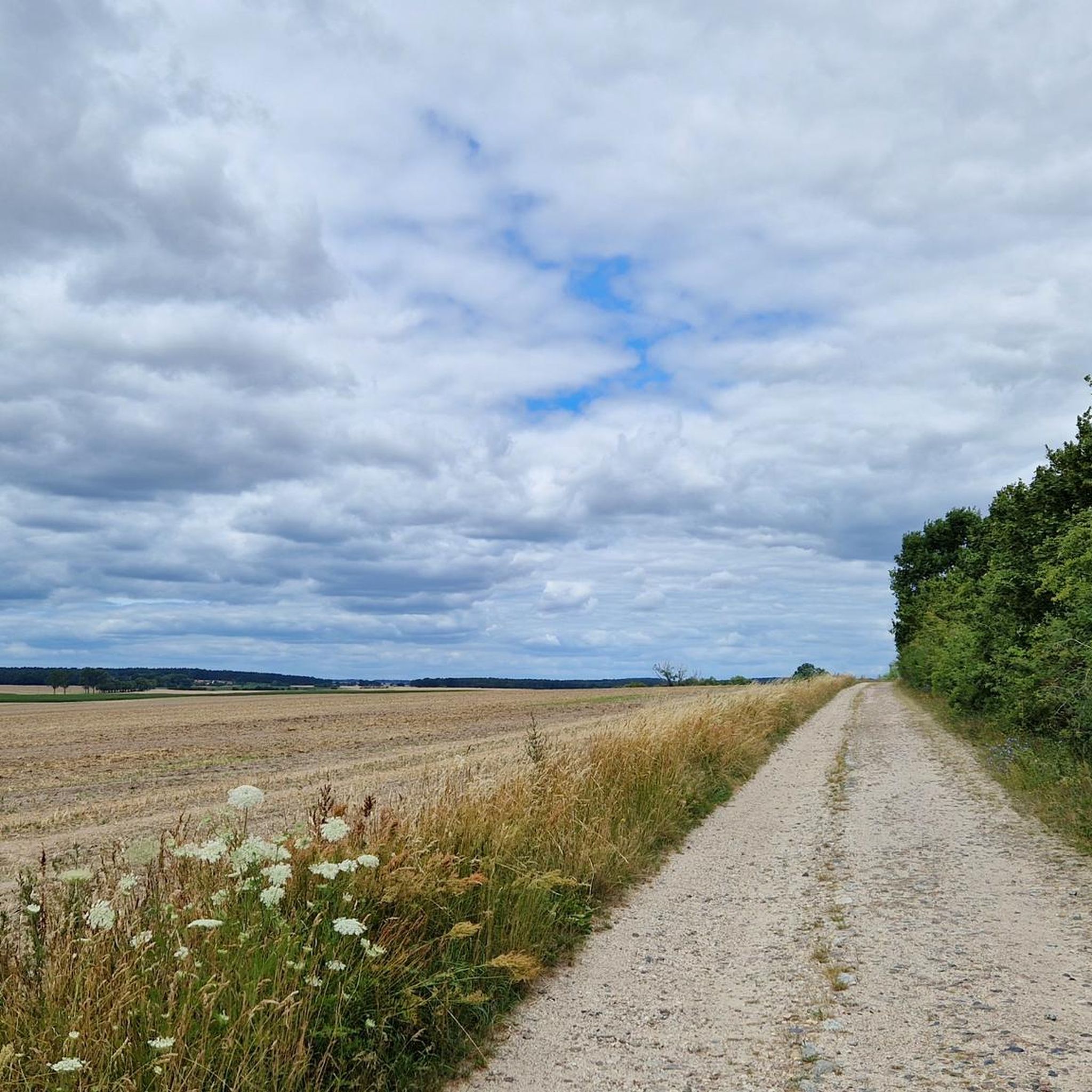
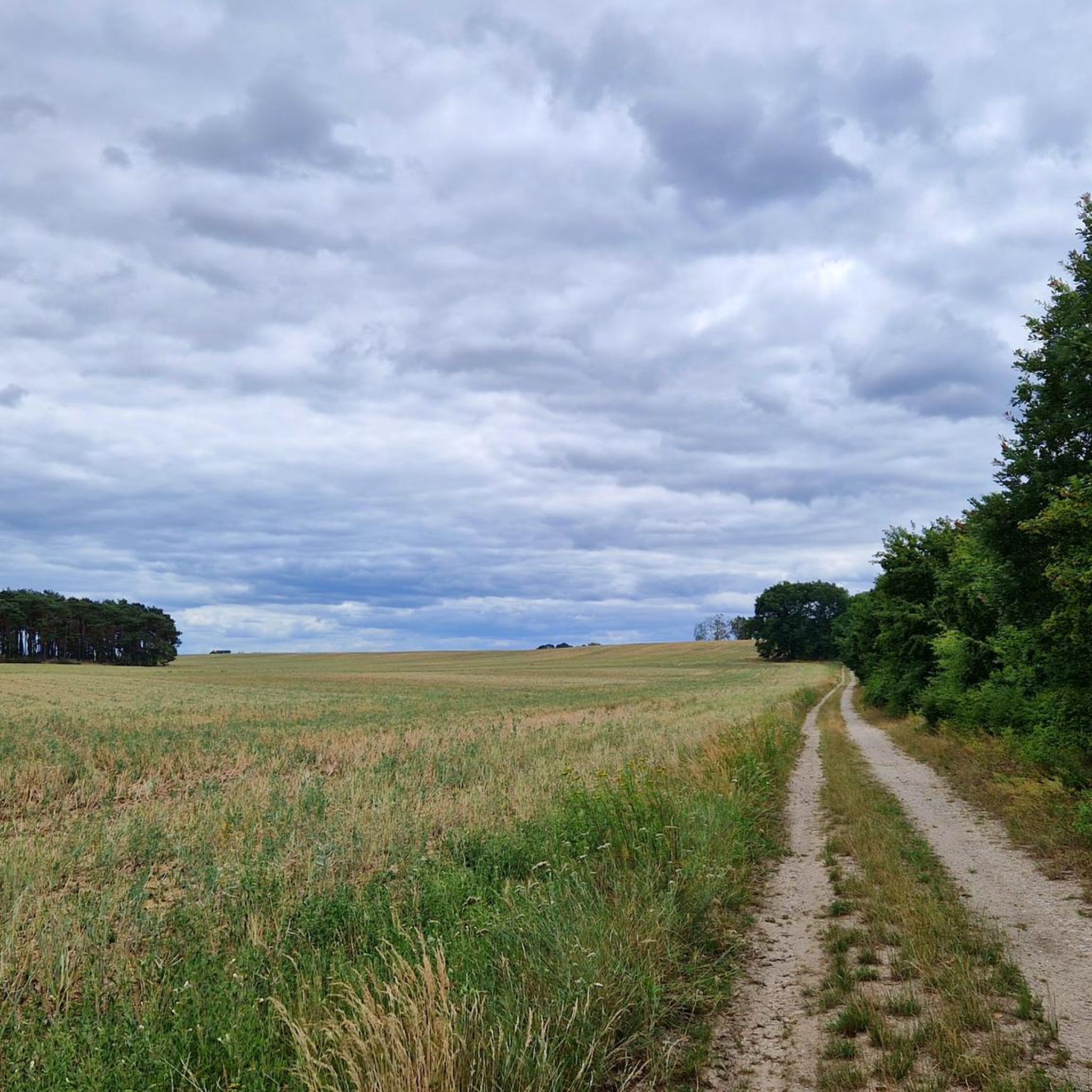
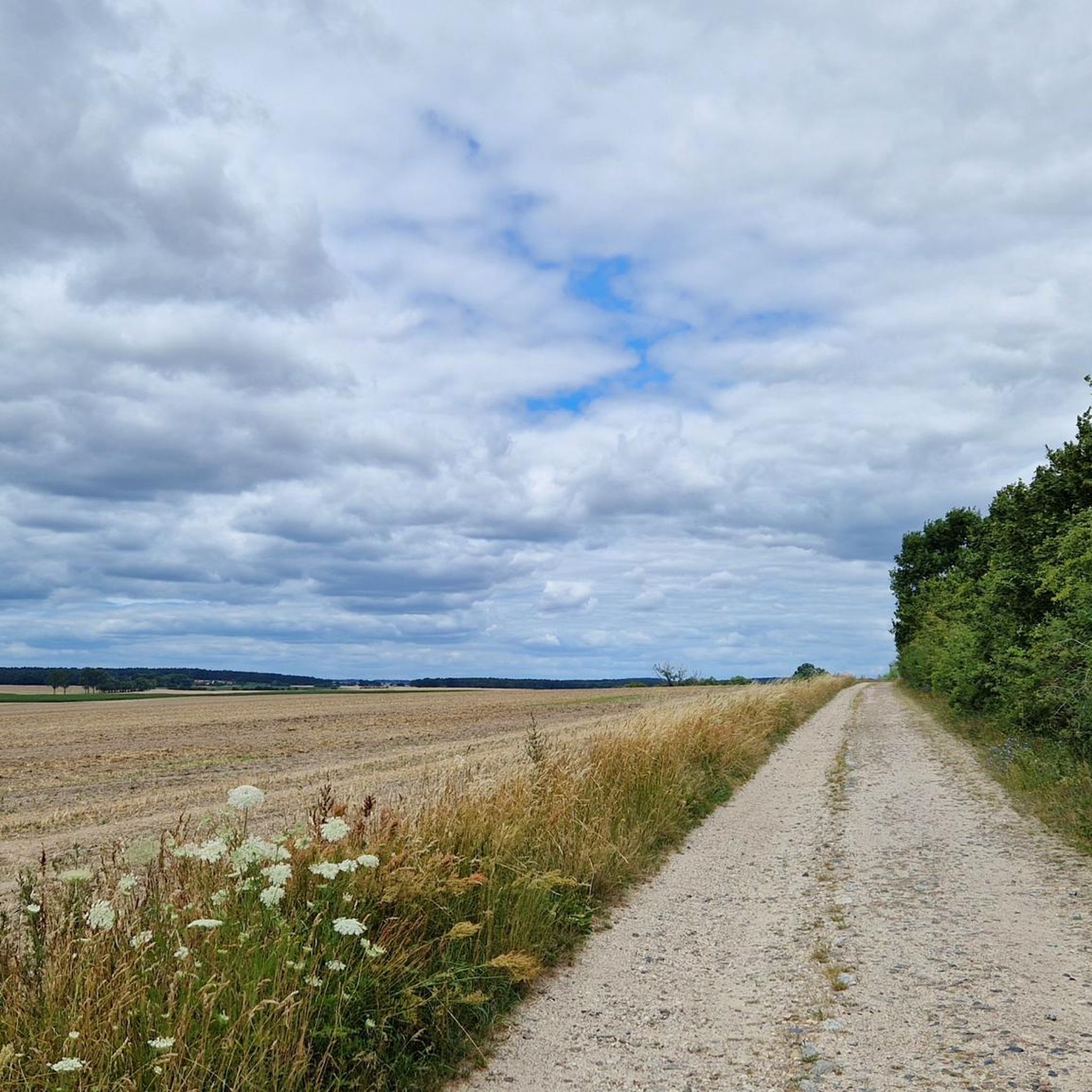
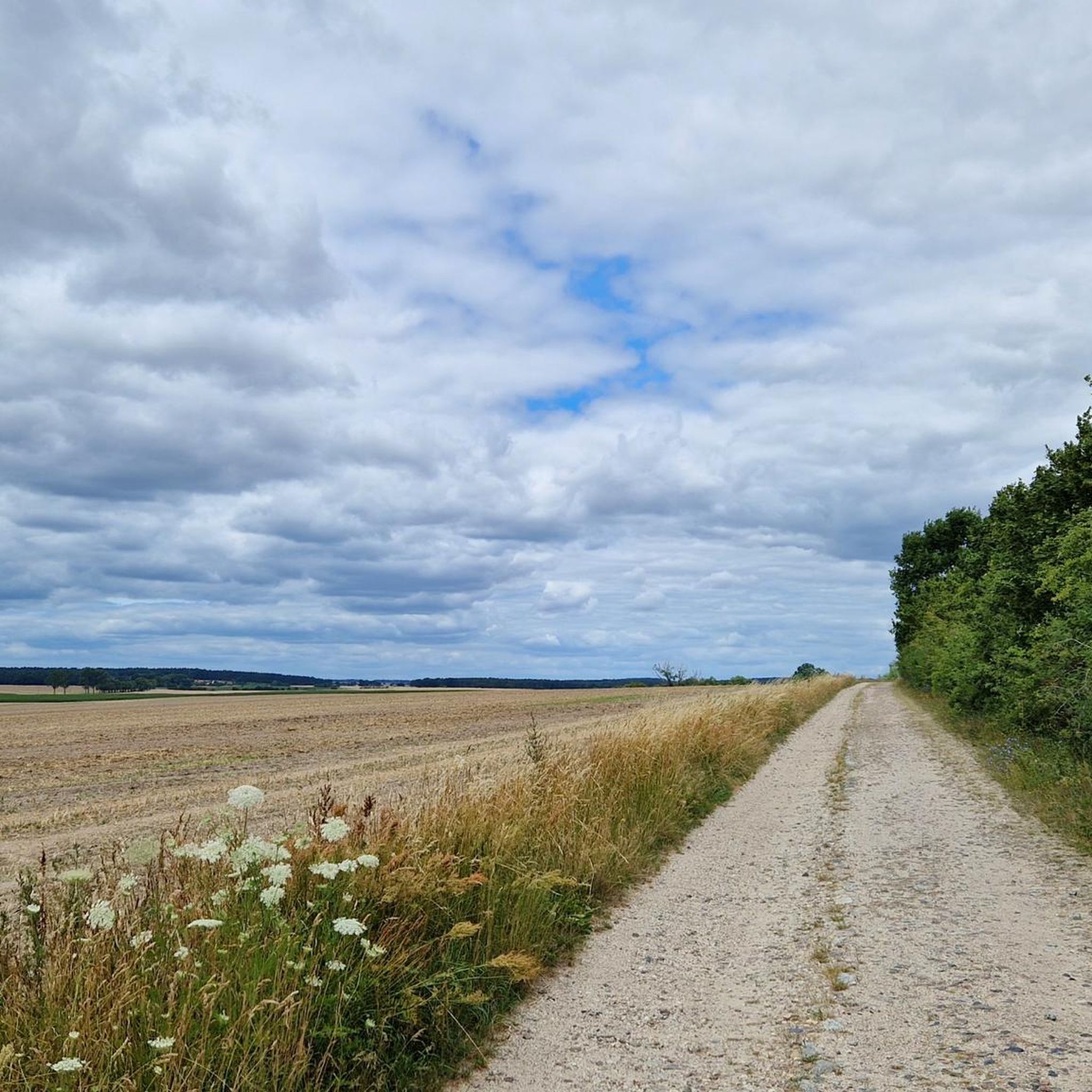
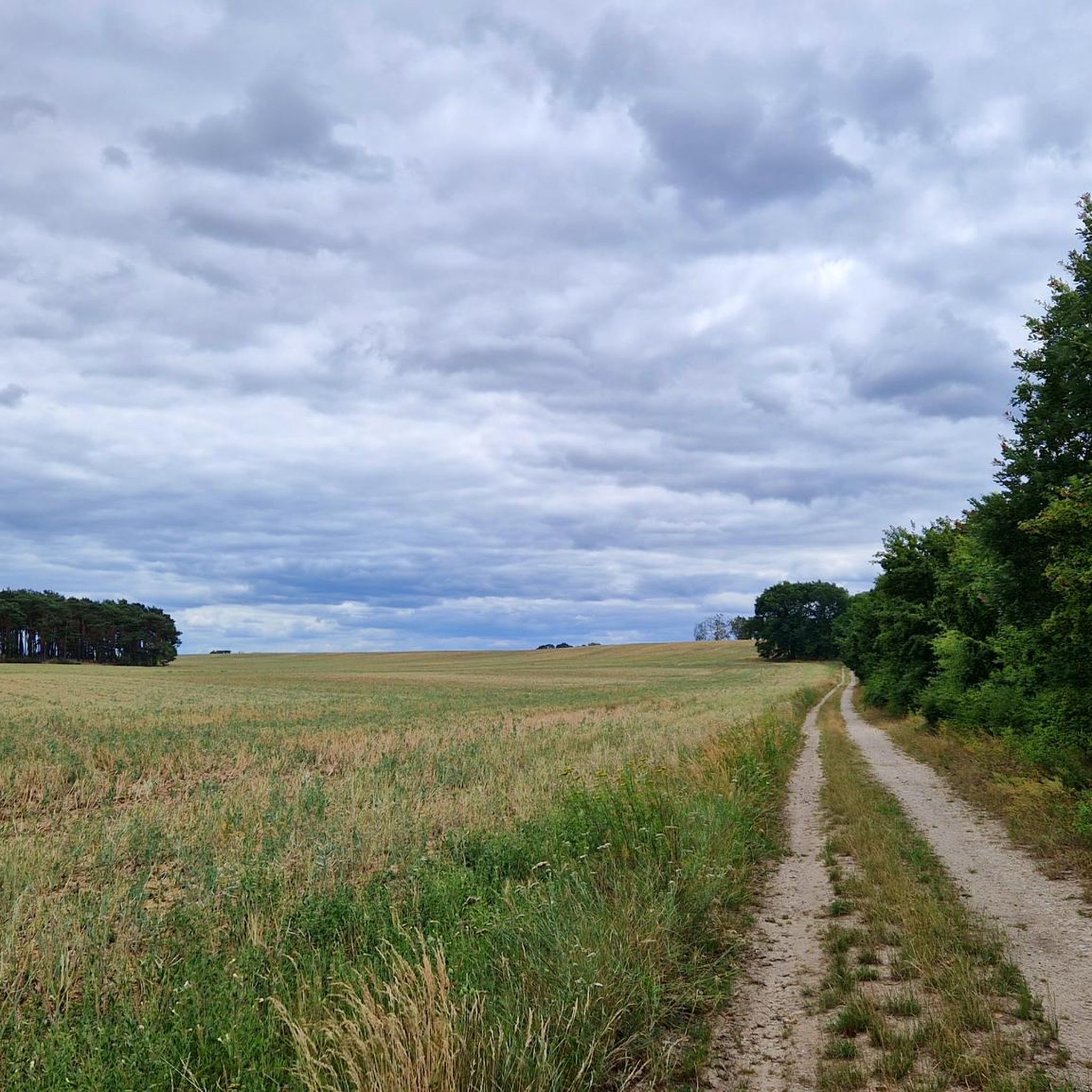
Gravel biking in Kropstädter Heide offers a diverse riding experience across varied terrain. The region features a mix of open landscapes and forested areas, providing different surfaces for gravel cyclists. Routes often traverse unpaved paths and gravel sections, characteristic of heathland environments. The landscape includes gentle elevations, with some trails leading through areas near rivers and historical landmarks.
Best gravel bike trails in Kropstädter Heide
- The most popular gravel bike trail is Hagelberg – Midpoint of the Former GDR loop…
Last updated: October 6, 2026
5.0
(1)
5
riders
60.2km
03:31
370m
370m
Hard gravel ride. Good fitness required. You may need to push your bike for some segments of this route.
4.0
(1)
11
riders
66.8km
04:11
390m
390m
Moderate gravel ride. Good fitness required. Mostly paved surfaces. Suitable for all skill levels.

3.0
(1)
6
riders
Moderate gravel ride. Good fitness required. Mostly paved surfaces. Suitable for all skill levels.
5.0
(1)
7
riders
Easy gravel ride. Great for any fitness level. Mostly paved surfaces. Suitable for all skill levels.
5.0
(1)
1
riders
26.7km
01:32
160m
160m
Moderate gravel ride. Good fitness required. Mostly paved surfaces. Suitable for all skill levels.
Our route recommendations are based on thousands of hikes, rides, and runs completed by other people on komoot.
Start today with a free account
Your next adventure awaits.
Tips from the Community

Very nice and well-maintained cycle path.
0
0

Top surface; hardly any root damage; very undulating section through the forest; repeatedly alternating between a 3m wide road and a 1.5m wide asphalt strip next to a forest path; very pleasant to ride
0
0

Fieldstone church, essentially dating from the Middle Ages. Square west tower, remodeled in 1855. Simple interior. Open church.
0
0

This section has now been covered with a wonderfully smooth bitumen surface and leaves nothing to be desired.
2
0

Great view of the "Margraviate of Tuscany" and nice "donkey rides" at the foot of the viewing platform.
0
0

The St. Mary's Church (Sankt-Marien-Kirche) in Zahna is a protected cultural monument with a history dating back to around 1200. Some of its original structures, including the transept, chancel square, and tower foundation, have been preserved. 🏛️ Historical Highlights: Thirty Years' War: The church suffered partial destruction. Post-War Reconstruction: A simplified rebuild followed, altering the medieval layout. 💡 Did you know? Originally designed with side aisles and additional apses, parts of the medieval structure were lost over time, reshaping its architectural form. 📜 Heritage Status: Listed as a monument in Saxony-Anhalt, this church remains an important piece of local history
0
0

The cycle path is very beautiful and I find the area very picturesque
0
0

This is the church of St. Mary in Zahna.
0
0
Frequently Asked Questions
What kind of landscape can I expect when gravel biking in the Kropstädter Heide region?
While 'Kropstädter Heide' is not a widely recognized outdoor region, gravel biking in the broader heathland areas of Germany, such as the Lüneburger Heide and Naturpark Südheide, offers a diverse experience. You can expect extensive heathlands, especially vibrant with purple heather in late summer, alongside mystical forests, woodlands, and picturesque river valleys. The terrain is varied, featuring sandy paths, gravel sections, forest trails, and some paved roads, often shaped by Ice Age formations.
How many gravel bike trails are available in this region, and what are their difficulty levels?
There are 8 gravel bike trails available in the Kropstädter Heide region. These routes cater to various skill levels, with 1 easy, 5 moderate, and 2 difficult trails. This variety ensures options for both beginners and experienced gravel bikers looking for a challenge.
What are the typical trail characteristics for gravel biking here?
The trails are characterized by a mix of surfaces, including unpaved paths, gravel sections, and forest trails. You'll encounter diverse terrain, from open heathlands to shaded woodlands and riverside paths. Some areas feature softer ground, adding to the gravel biking challenge. Significant portions of the Lüneburger Heide Nature Park are car-free, providing an undisturbed riding experience.
Are there any notable landmarks or scenic viewpoints along the gravel routes?
Yes, the broader heathland regions offer several scenic highlights. You can find breathtaking panoramic views from the Wilseder Berg, the highest elevation in the North German Plain. The Totengrund provides a stunning vista over one of the most beautiful heathland valleys, and the Misselhorner Heide and Tiefental showcase a picturesque landscape with a deep dry valley. While specific routes may vary, these natural features are characteristic of the area.
When is the best time of year to go gravel biking in the Lüneburger Heide and Naturpark Südheide?
The late summer, typically August and September, is particularly popular due to the blooming purple heather, which transforms the landscape into a vibrant spectacle. However, the varied terrain of forests and heathlands offers enjoyable riding conditions throughout much of the year, with each season providing a different natural beauty.
Are there any family-friendly gravel biking options in the area?
While the guide includes routes with moderate and difficult ratings, there is at least one easy route available, such as the Bülzig Sculpture Park – Wooden Shelter Rest Area loop from Lutherstadt Wittenberg-Labetz. This route is 28.1 km long with 107 meters of elevation gain, making it a suitable option for families or those seeking a less strenuous ride.
Can I bring my dog on the gravel bike trails?
Many natural areas in Germany, including heathlands and forests, are generally dog-friendly, especially if dogs are kept on a leash to protect wildlife and other visitors. However, specific regulations can vary by nature reserve or park. It's always best to check local signage or park rules for the specific area you plan to visit to ensure a pleasant and compliant experience for you and your dog.
What do other gravel bikers enjoy most about gravel biking in this region?
The gravel biking experience in this region is highly rated by the komoot community, with an average score of 4.4 stars from over 10 reviews. Riders often praise the diverse terrain, which includes open heathlands, forested sections, and riverside paths, offering a varied and engaging ride. The mix of difficulty levels also allows many to find suitable routes.
Are there any loop routes available for gravel biking?
Yes, several loop routes are available, allowing you to start and end your ride in the same location. For example, the View of the Elbe – Elster Post Mill (Elbe) loop from Lutherstadt Wittenberg-Labetz is a popular moderate loop covering 35.0 km. Another option is the Wonderful gravel route – Europaradweg R1 Rest Area loop from Lerchenbergsiedlung, a 27.5 km moderate loop.
Where can I find parking for gravel bike trails in the area?
While specific parking locations for 'Kropstädter Heide' are not detailed, in the broader Lüneburger Heide and Naturpark Südheide regions, designated parking areas are typically available at trailheads, visitor centers, or near popular attractions. Many villages and towns bordering these natural parks also offer public parking facilities. It's advisable to check maps or local tourist information for specific parking spots near your chosen starting point.
Is public transport an option to reach the gravel biking trails?
In the wider Lüneburger Heide and Naturpark Südheide areas, public transport options often include regional trains and buses that connect larger towns and villages. Some routes may allow for bicycle transport, though this can be restricted during peak times or require an additional ticket. Check local public transport schedules and policies for the specific area you plan to visit, especially if you intend to use routes starting from towns like Lutherstadt Wittenberg or Zahna.
Most popular routes in Kropstädter Heide

Get inspired with the komoot mobile app


Explore more
Browse the best Gravel rides in other regions.
