The best gravel rides around Ovington
5.0
(1)
27
riders
6
rides
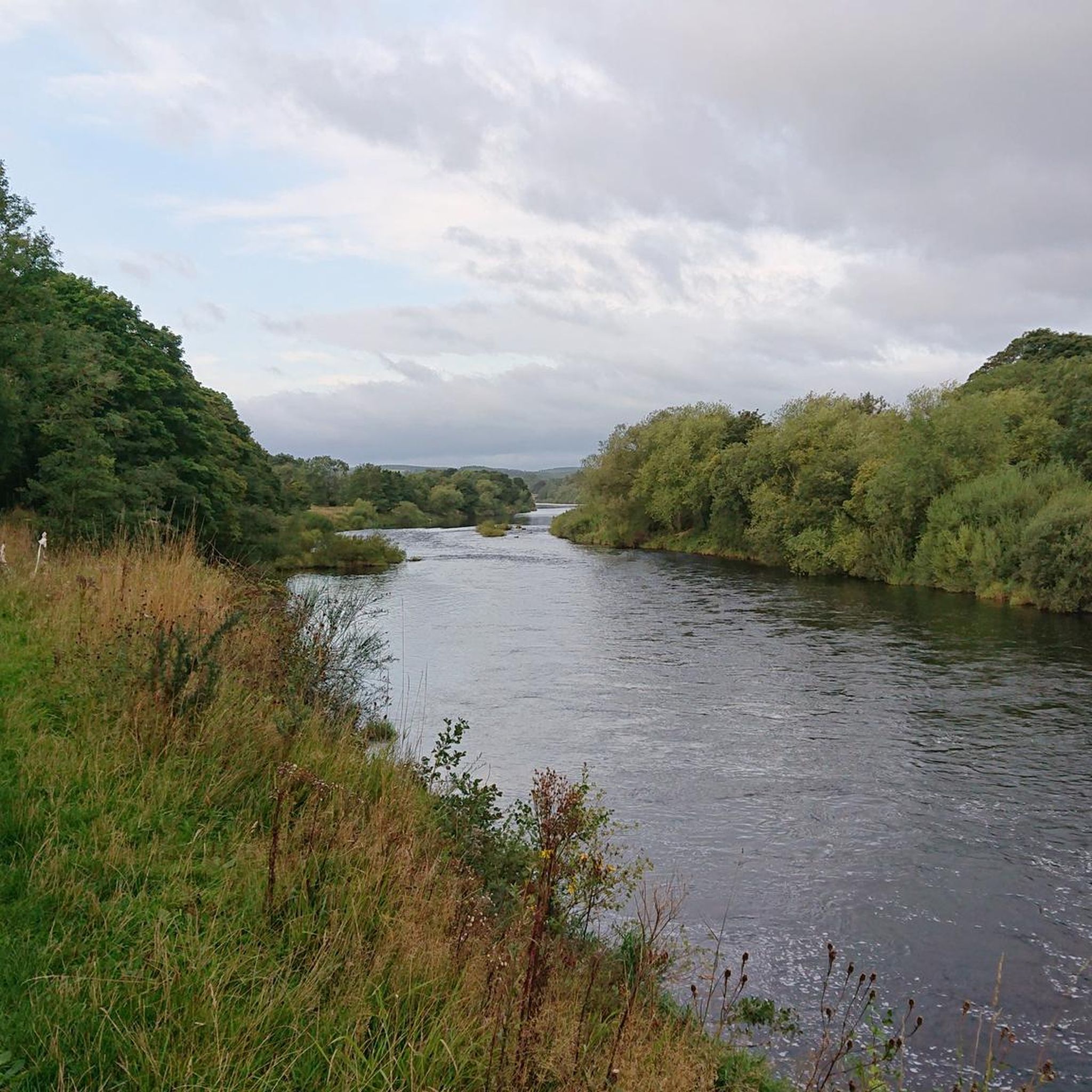
Gravel biking around Ovington features routes that traverse river valleys, former railway lines, and rolling countryside. The area is characterized by a mix of riverside paths, woodlands, and open sections, offering varied terrain for gravel cyclists. Many routes follow the River Tyne and River Derwent, utilizing established trails like the Derwent Walk and Keelman's Way. The landscape provides a blend of gentle gradients and more challenging ascents.
Best gravel bike trails around Ovington
- The most popular gravel bike trail is…
Last updated: May 6, 2026
5
riders
48.9km
03:21
620m
620m
Hard gravel ride. Very good fitness required. Mostly paved surfaces. Suitable for all skill levels.
5.0
(1)
8
riders
46.2km
03:07
560m
560m
Hard gravel ride. Very good fitness required. Mostly paved surfaces. Suitable for all skill levels.

Sign up for free
3
riders
65.6km
04:28
800m
800m
Hard gravel ride. Very good fitness required. Mostly paved surfaces. Suitable for all skill levels.
5
riders
33.5km
02:00
330m
330m
Moderate gravel ride. Good fitness required. Mostly paved surfaces. Suitable for all skill levels.
4
riders
21.2km
01:18
190m
190m
Moderate gravel ride. Good fitness required. Mostly paved surfaces. Suitable for all skill levels.
Our route recommendations are based on thousands of hikes, rides, and runs completed by other people on komoot.
Start today with a free account
Your next adventure awaits.
Login or Signup
Tips from the Community

A super nice view of the iconic series of bridges that spans the River Tyne, namely Gateshead Millennium Bridge, Tyne Bridge, Swing Bridge, High Level Bridge, Queen Elizabeth II Metro Bridge, King Edward VII Bridge, and Redheugh Bridge.
0
0

The viaduct, an impressive engineering landmark, spans a broad valley, providing scenic views across the tree canopy and down to the River Derwent below.
0
0


Dunston Staithes is an impressive 526-meter-long wooden structure on the River Tyne in Gateshead, England, built in 1893 by the North Eastern Railway to efficiently load coal onto ships for export worldwide. Constructed of North American pitch pine, the structure was once the heart of the region's coal industry, processing up to 140,000 tons of coal per week in the 1920s. After closing in 1980, it fell into disrepair but reopened in 1990 as a heritage site during the Gateshead Garden Festival. Despite repeated fire damage and restoration, it remains a listed building and a rare example of industrial architecture.
9
0
George Stephenson's birthplace is a simple stone worker's cottage on the north bank of the River Tyne in Wylam, built circa 1760 to house mining families, and where the future railway pioneer was born in 1781. A Grade II* listed building owned by the National Trust, it is now a historic house museum with original furnishings and displays about Stephenson's childhood and early locomotives, and is opened to visitors by costume guides who wish to experience the living conditions of a Georgian mining family.
10
0


look out for the old railway that was a cable pull type from the 1700s
0
0

Frequently Asked Questions
What is the range of difficulty for gravel bike trails around Ovington?
The Ovington area offers a good mix of gravel biking challenges. You'll find 2 easy routes, 4 moderate routes, and 5 difficult routes. For a more challenging ride, consider the Wylam Bridge – Derwent Walk loop from Stocksfield, which covers over 100 km with significant elevation.
What kind of distances can I expect on gravel bike routes in the Ovington area?
Gravel bike routes around Ovington vary significantly in length. You can find shorter loops, such as the Wylam Bridge – Keelman's Way loop from Wylam at just under 20 km, perfect for a quick ride. For longer adventures, routes like the Wylam Bridge – Derwent Walk loop from Stocksfield extend to over 100 km.
Are there suitable gravel bike routes for beginners or families around Ovington?
Yes, Ovington has options for beginners and families. There are 2 easy routes available, often following riverside paths and former railway lines which tend to have gentler gradients. The Wylam Bridge – Keelman's Way loop from Wylam is a good example of an easier, shorter route suitable for a more relaxed pace.
When is the best time of year to go gravel biking in Ovington?
The best time for gravel biking in Ovington is generally from spring through autumn (April to October). During these months, the weather is milder, and the trails, especially those along river valleys and through woodlands, are typically in better condition. While some routes are accessible year-round, winter can bring wet and muddy conditions, particularly on unpaved sections.
What are some notable landmarks or attractions I might see along the gravel bike trails?
Many gravel routes in Ovington pass by interesting historical and natural sights. You could encounter the historic Hagg Bank Bridge, or the George Stephenson's Birthplace. Further afield, you might spot the Blaydon Races Sculpture or even pass near Aydon Castle.
Are there any circular gravel bike routes available near Ovington?
Yes, many of the gravel bike routes around Ovington are designed as circular loops, allowing you to start and finish at the same point. Examples include the Gateshead Millennium Bridge – Tyne Bridge loop from Greenside and the Derwent Walk – Tanfield Railway loop from Greenside, offering convenient exploration of the region.
What do other gravel bikers enjoy the most about gravel biking in Ovington?
The gravel biking experience in Ovington is highly rated by the komoot community, with an average score of 4.5 stars from over 4 reviews. Riders often praise the varied terrain, which includes river valleys, former railway lines, and mixed woodlands, providing a diverse and engaging ride. The blend of gentle gradients and more challenging ascents also caters to different skill levels.
Are there routes that offer views of the River Tyne or other waterways?
Absolutely. Many gravel routes in the Ovington area utilize the River Tyne and River Derwent valleys. The Gateshead Millennium Bridge – Tyne Bridge loop from Greenside, for instance, offers iconic views along the River Tyne, while the Wylam Bridge – Keelman's Way loop from Wylam takes you through picturesque riverside landscapes.
Can I find routes that incorporate former railway lines for easier riding?
Yes, the Ovington area is known for its routes that incorporate former railway lines, which often provide relatively flat and well-maintained surfaces ideal for gravel biking. The Wylam Bridge – Derwent Walk loop from Stocksfield is one such route that explores these historic paths.
Are there any specific woodlands or forests that gravel bike routes pass through?
Several gravel routes in the Ovington region traverse mixed woodlands, offering shaded sections and a different riding experience. Chopwell Wood is a notable area that features in some routes, providing a scenic and immersive forest environment for riders.
How many gravel bike trails are available to explore around Ovington?
There are 11 distinct gravel bike trails available around Ovington, offering a wide variety of experiences from easy riverside loops to more challenging, longer routes that explore the region's diverse landscape.
Most popular attractions around Ovington

Get inspired with the komoot mobile app


Explore more
Browse the best Gravel rides in other regions.
