Attractions and Places To See around Nesse-Apfelstädt - Top 20
Best attractions and places to see around Nesse-Apfelstädt offer a blend of historical charm and natural beauty. Situated at the foot of the Thuringian Forest, the municipality features picturesque hills and rivers like the Apfelstädt and Nesse. The area encompasses several villages, each contributing to the region's cultural points of interest and scenic landscapes. Visitors can explore a variety of landmarks and natural features within Nesse-Apfelstädt and its surroundings.
Best attractions and places to see around Nesse-Apfelstädt
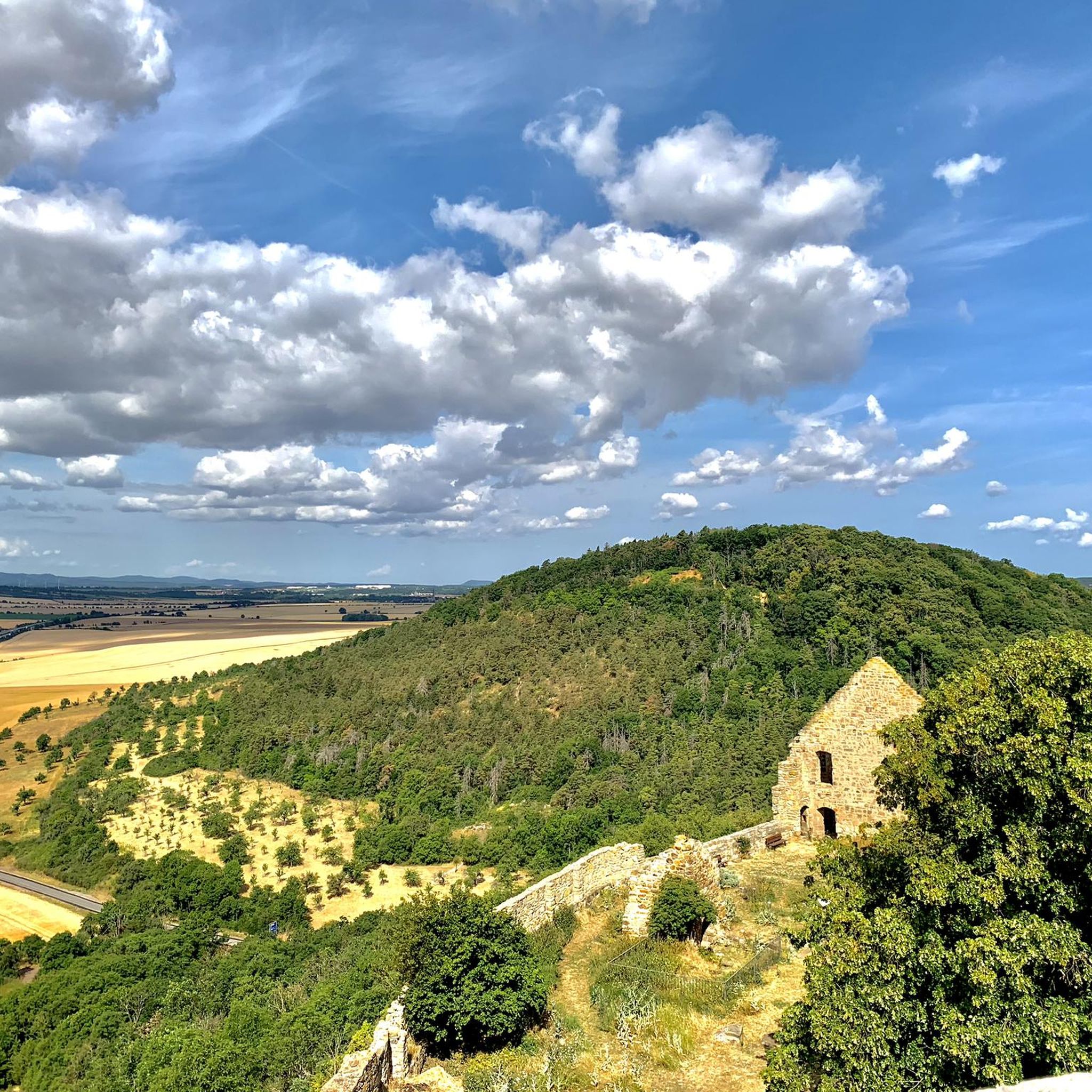
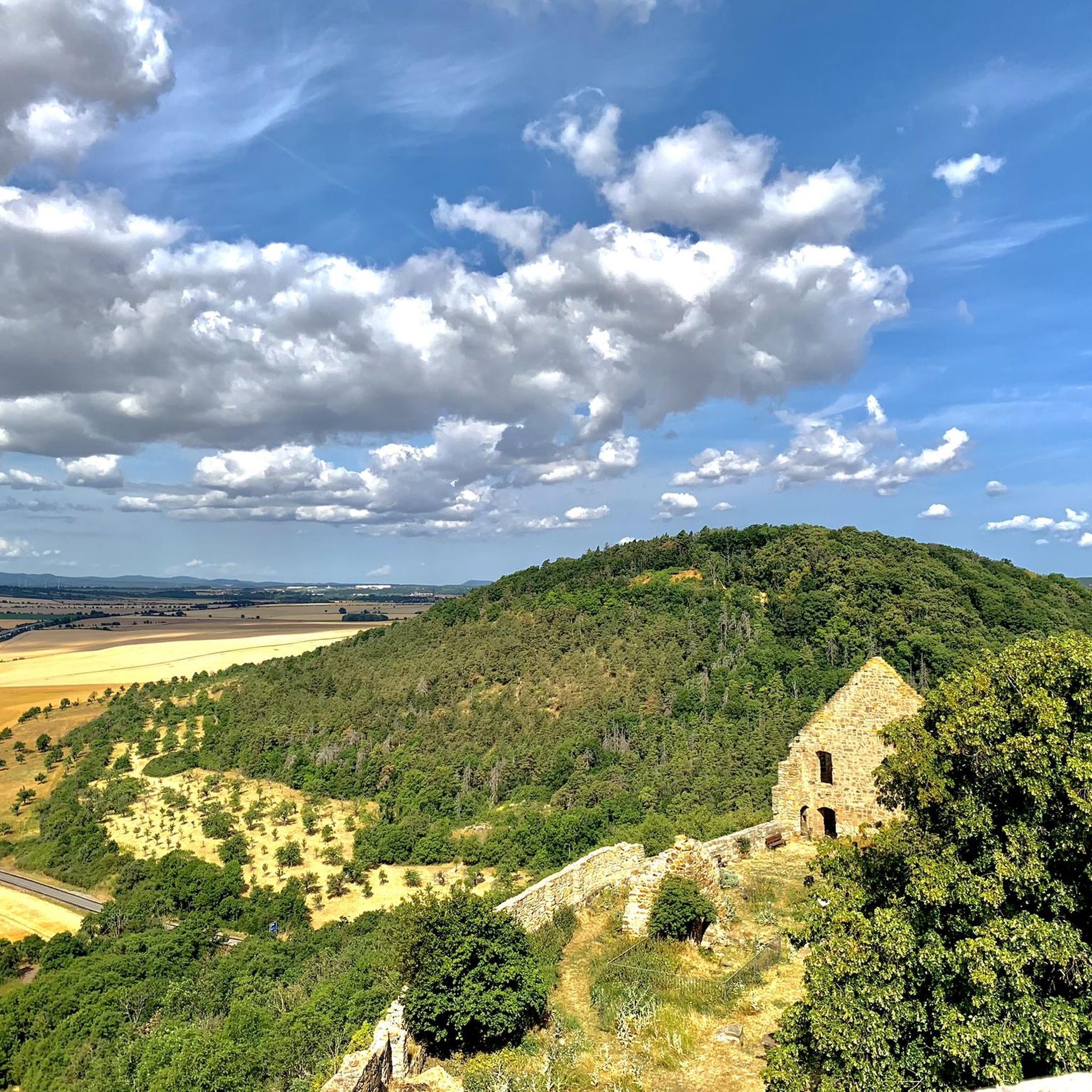
- The most popular attraction is Mühlburg (Thuringia Stamp Station 425), a castle that is part of the "Drei Gleichen" ensemble. This historic site offers views over the village of Mühlberg and is considered the oldest castle in Thuringia.
- Another must-see spot is Krämerbrücke, Erfurt, a historical bridge and settlement. It is one of the oldest buildings in Erfurt, known for its half-timbered houses and status as the longest continuously inhabited bridge in Europe.
- Visitors also love Erfurt Fish Market, a historical site in the center of Erfurt. This central square features the neo-Gothic town hall and the "Haus zum Breiten Herd," a notable Renaissance building.
- Nesse-Apfelstädt is known for its historical sites, castles, and natural features like rivers and forests. The region offers a variety of attractions to see and explore, from medieval churches to scenic landscapes.
- The attractions around Nesse-Apfelstädt are appreciated by the komoot community, with over 3400 upvotes and nearly 3000 photos shared by visitors.
Last updated: July 6, 2026
Krämerbrücke, Erfurt
Highlight • Bridge
Translated by Google •
Tip by

Erfurt Fish Market
Highlight • Historical Site
Translated by Google •
Tip by
Sign up now to discover places like this
Get recommendations on the best single tracks, peaks, & plenty of other exciting outdoor places.
Sign up for free
Cathedral Square, Erfurt
Highlight • Settlement
Translated by Google •
Tip by

Mühlburg (Thuringia Stamp Station 425)
Highlight • Castle
Translated by Google •
Tip by

Gera River and the Arch Bridge at Gispersleben
Highlight • Bridge
Translated by Google •
Tip by

Sign up for free to discover even more attractions around Nesse-Apfelstädt.
Sign up for free
Already have an account?
Start today with a free account
Your next adventure awaits.
Login or Signup
Popular around Nesse-Apfelstädt
Other adventures around Nesse-Apfelstädt

Tips from the Community

definitely a nice corner - definitely recommended
3
1

The cathedral square in Erfurt is a large market square with around 3.5 hectares, with intact or restored peripheral buildings. It was once the main market square and court square. On the square are the Minerva Fountain (1784) and the Erthal Obelisk erected in 1777 in honor of the Elector of Mainz. Since the 1920s there have been repeated plans to rebuild the northern cathedral square and thus reduce it to its historical size. They weren't realised. As part of the socialist urban development in all major cities of the GDR, a high-rise building with many other buildings, a monument and a huge staircase down to the cathedral square was to be built on the neighboring Petersberg. The change of power from Walter Ulbricht to Erich Honecker with a change in the focus of building activity in the GDR prevented the realization of the project. In the 1970s there were plans to build a cultural center on the square. In addition, the end of the Juri-Gagarin-Ring over the Domplatz and through the Andreasviertel was also planned in GDR times. There was resistance to this project from the Erfurt population as early as 1987, but it failed as a result of the Peaceful Revolution in 1989. At the end of the 1980s, the cathedral square was to become Ernst Thälmann-Platz with a large monument to dialectics depicting the history of the labor movement on the northwestern part of the square. An artist's model already existed, the eight flagpoles are still standing today (2019). The latter plans were also prevented by the political change in 1990. Source: Wikipedia
15
0

the loving restoration of the houses on the fish market is fascinating
33
3

Central square between Domplatz and Anger
30
5

Everything was beautifully redesigned as part of the BUGA.
2
1

The castle complex, part of the "Drei Gleichen" (Three Gleichen) range, can be reached via the Schlossleite (castle ladder), among other routes. Once at the top, it offers a view over the charming village of Mühlberg.
40
2

Was pretty pimped up in the course of the Buga. Unfortunately, quite a lot of public traffic
1
0

The impressive Domplatz is an approximately 3 hectare large and imposing market square, which is mainly dominated by the cathedral and the Severikirche.
20
0
Frequently Asked Questions
What historical landmarks can I explore in Nesse-Apfelstädt?
Nesse-Apfelstädt is rich in historical landmarks. A prominent feature is the ensemble of the Drei Gleichen Castles, particularly the Mühlburg, which is considered the oldest castle in Thuringia and offers views over Mühlberg. While not directly in Nesse-Apfelstädt, the nearby Krämerbrücke in Erfurt is a significant historical bridge and settlement, known for its half-timbered houses and being the longest continuously inhabited bridge in Europe.
Are there any notable churches or cultural sites in the area?
Yes, the municipality features several historic churches. You can visit St. Michael's Church in Gamstädt, a significant medieval site. The Church in Kornhochheim is also notable, boasting a 1668 pulpit, a confessional with paintings, and gallery paintings, with its door bearing traces from the Thirty Years' War. For local history, the Local Museum in Ingersleben offers insights into the region's past.
What natural attractions can I find around Nesse-Apfelstädt?
Nesse-Apfelstädt is situated at the foot of the Thuringian Forest, offering picturesque hills and forests. The Apfelstädt River flows through Apfelstädt, Neudietendorf, and Ingersleben, while the Nesse River forms a boundary in the Gamstädt district. The Rettbach stream in Kleinrettbach also adds to the natural charm, providing scenic beauty throughout the area.
What outdoor activities, like hiking or cycling, are available near Nesse-Apfelstädt?
The region around Nesse-Apfelstädt, particularly with its proximity to the Thuringian Forest and rivers, offers various outdoor activities. You can find numerous routes for cycling, including options like the 'View of Gleichen Castle – View of Mühlburg Castle loop from Neudietendorf'. For more cycling adventures, explore the Cycling around Nesse-Apfelstädt guide. Gravel biking is also popular, with routes such as the 'Unstrut Cycle Path – Gera Cycle Path loop from Zimmernsupra'. Discover more options in the Gravel biking around Nesse-Apfelstädt guide.
Are there family-friendly attractions suitable for children?
Many attractions in and around Nesse-Apfelstädt are suitable for families. The Mühlburg castle, part of the Drei Gleichen, is very attractive for families with its accessible grounds and views. In nearby Erfurt, the Krämerbrücke and Erfurt Fish Market are also considered family-friendly, offering historical exploration in a vibrant setting.
Can I find any viewpoints offering scenic vistas?
Absolutely. The Mühlburg castle provides excellent views over the charming village of Mühlberg and the surrounding landscape. The general area, being at the foot of the Thuringian Forest, naturally offers many elevated spots and trails with scenic vistas of the picturesque hills and river valleys.
What are some unique local products or experiences in Nesse-Apfelstädt?
For a unique local experience, visit the Aromatique GmbH Spirituosenfabrik in Neudietendorf. This factory produces Aromatique, a traditional herbal liqueur developed from a 19th-century medicinal tincture. They have a factory outlet where you can purchase this distinctive local product.
What attractions are easily accessible for visitors with mobility needs?
Several key attractions in the broader region are noted for their accessibility. In Erfurt, the Krämerbrücke, Erfurt Fish Market, and Cathedral Square are all categorized as wheelchair accessible, allowing for comfortable exploration of these historical sites.
What are some interesting places to visit just outside Nesse-Apfelstädt?
Beyond the immediate municipality, several regional highlights are easily accessible. These include Friedenstein Castle in Gotha, a 17th-century castle with museums; the Marienglashöhle (Marienglas Cave) in Friedrichroda, one of Europe's deepest gypsum caverns; and the Baroque Castle of Molsdorf with its magnificent gardens. The Erfurt Natural History Museum also offers diverse collections of local flora and fauna.
What do visitors particularly enjoy about the attractions in Nesse-Apfelstädt?
Visitors appreciate the blend of historical charm and natural beauty. The Mühlburg is highly regarded for its historical significance and the panoramic views it offers. The historical sites in nearby Erfurt, such as the Krämerbrücke and Erfurt Fish Market, are praised for their unique architecture and vibrant atmosphere. The komoot community has shown strong engagement, with over 3400 upvotes and nearly 3000 photos shared across the region's attractions.
Are there specific trails for running around Nesse-Apfelstädt?
Yes, the area offers several running trails, often following the scenic rivers. You can find routes like the 'Bridge Over the Apfelstädt – Apfelstädt Riverside Trail loop from Neudietendorf' or the 'Trail along the Apfelstädt loop from Apfelstädt'. For a comprehensive list of options, refer to the Running Trails around Nesse-Apfelstädt guide.
What is the significance of the Drei Gleichen Castles?
The Drei Gleichen (Three Gleichen) Castles are an iconic ensemble of three prominent castles visible from afar in the Thuringian landscape. They are the Mühlburg, Gleichen, and Wachsenburg. The name 'Gleichen' refers to their topographically similar situation on three cone-shaped mountains. The Mühlburg, in particular, is celebrated as the oldest castle in Thuringia and offers historical insights and scenic views.
What rivers flow through Nesse-Apfelstädt and its villages?
The municipality of Nesse-Apfelstädt is characterized by two main rivers. The Apfelstädt River flows through the villages of Apfelstädt, Neudietendorf, and Ingersleben, contributing significantly to the local landscape. The Nesse River forms a boundary in the Gamstädt district. Additionally, the Rettbach stream adds to the natural charm of Kleinrettbach.
Most popular routes around Nesse-Apfelstädt
Most popular attractions around Nesse-Apfelstädt

Get inspired with the komoot mobile app


Explore more
Still not found the Highlight you’re looking for? See guides of the top attractions in other regions:
