Top 14 Castles around Pferdingsleben
Best castles around Pferdingsleben are found in the surrounding Thuringia region, offering a blend of historical sites and natural landscapes. This area is characterized by its rolling hills and forested areas, providing a scenic backdrop for exploring ancient fortifications. The region's history is deeply embedded in these structures, many of which date back to the Middle Ages. Visitors can explore a variety of castles, from ruins with panoramic views to well-preserved palaces housing museums.
Best castles around Pferdingsleben
- The most…
Last updated: July 7, 2026
Mühlburg (Thuringia Stamp Station 425)
Highlight • Castle
Translated by Google •
Tip by

Gleichen Castle
Highlight • Castle
Translated by Google •
Tip by

Sign up now to discover places like this
Get recommendations on the best single tracks, peaks, & plenty of other exciting outdoor places.
Sign up for free
Friedenstein Castle
Highlight • Castle
Translated by Google •
Tip by

Gotha Orangery
Highlight • Monument
Translated by Google •
Tip by
Friedenstein Palace, Gotha
Highlight • Castle
Translated by Google •
Tip by

Sign up for free to discover even more castles around Pferdingsleben.
Sign up for free
Already have an account?
Start today with a free account
Your next adventure awaits.
Login or Signup
Tips from the Community

Even today, the halls and rooms have largely been preserved in their original form and design in the style of high baroque and early classicism. In addition, the facilities and holdings have been in the same place for centuries. The world-famous collections can thus be experienced in their authentic location, which also includes the museum building, extensive parkland and various outbuildings. https://youtu.be/LA6scEcgqdA (Source: https://www.stiftung-friedenstein.de/schloss-friedenstein)
8
0
On a hill above Gotha, surrounded by a park and orangery garden, stands the imposing Friedenstein Castle, one of the best-preserved monuments of the early Baroque period. Ernst I (1601 - 1675), Duke of Saxe-Gotha-Altenburg, had this residence built between 1643 and 1654. It was never destroyed. The newly founded Duchy of Saxe-Gotha (from 1672 with Altenburg) emerged from inheritance divisions in 1640. Ernst I, the founder of that line of the Ernestine dynasty - a branch of the Wettins - chose Gotha as his residence. Here, during the Thirty Years' War (1618 - 1648), he had the castle built on the ruins of Grimmenstein Castle. In view of the horrors of war, Ernst I gave the mighty four-wing complex the symbolic name "Friedenstein". To the north, facing the city, is the four-storey main wing with the ducal apartments and the castle church, which is connected to two three-storey side wings. These lead to two four-storey pavilion buildings in the south, between which there was originally a single-storey riding hall, which was demolished in the 18th century. In addition to the apartments for the ruler and the court, the residence also housed the administration, the military, the library, archive and collections from the beginning. Thanks to its unusual size, the castle did not require any structural extension in the following centuries, meaning that no significant changes were made to the building. (Source: https://www.stiftung-friedenstein.de/schloss-friedenstein)
10
0

Here you can see the spacious inner courtyard of Friedenstein Castle.
15
0
A great excursion destination for the whole family.
13
0
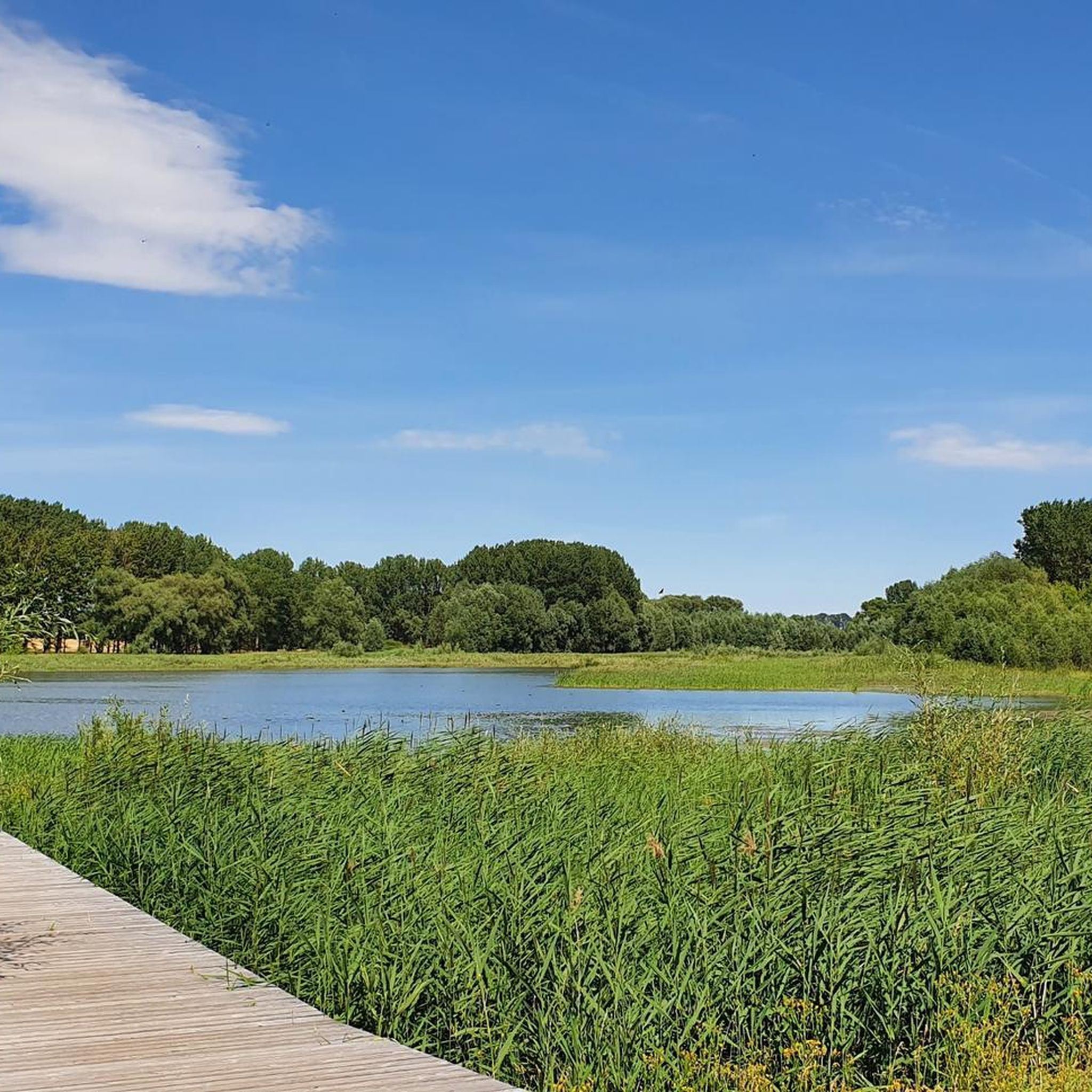
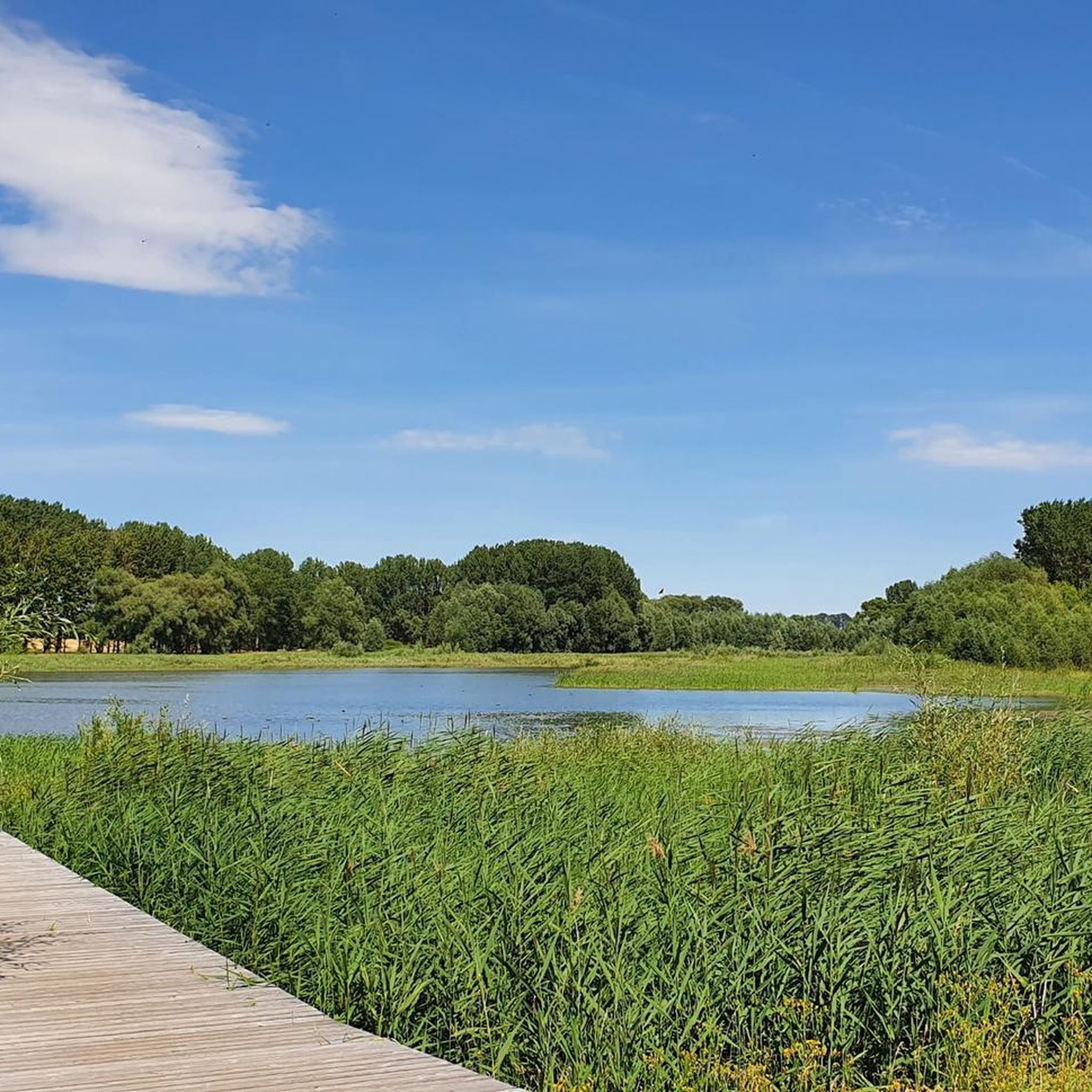
The entire park is designed in the English style.
17
0
The Orangery of Gotha is a beautiful destination.
14
0
A lovely destination for the whole family.
15
0
Frequently Asked Questions
What are the "Drei Gleichen" castles, and why are they significant?
The "Drei Gleichen" (Three Gleichen) are a famous trio of hilltop castles near Pferdingsleben: Mühlburg, Burg Gleichen, and Wachsenburg. They are a prominent landmark in Thuringia, known for their historical significance and the scenic hiking opportunities they offer. Mühlburg is considered the oldest castle in Thuringia, Burg Gleichen is famous for its medieval ruins and a legend of a bigamous count, and Wachsenburg is a well-preserved castle with a museum, hotel, and restaurant.
Which castles near Pferdingsleben are particularly good for families?
Several castles offer family-friendly experiences. Friedenstein Castle in Gotha is noted as family-friendly, offering a large early Baroque palace complex. Bodenstein Castle also provides a unique family recreation experience with playful programs, a playground, and even a "Sleeping Beauty-Suite" for overnight stays.
Are there hiking opportunities around the castles near Pferdingsleben?
Yes, the region offers excellent hiking opportunities. The Drei Gleichen castles are connected by the Gustav Freytag hiking trail, providing great views and insights into Thuringia's history. For more specific routes, you can explore various cycling routes and MTB trails that pass by or offer views of these historic sites.
What are the opening hours and entrance fees for the Drei Gleichen castles?
For Burg Gleichen, the castle and its museum are typically open from April 1st to October 31st, daily from 10:00 AM to 6:00 PM, with an admission fee of €3.00 (as of 2018). Mühlburg's ruins are open year-round, and its tower and museum are open daily from March to October, with an admission fee of €2.00 for adults (as of 2018). Wachsenburg Castle, with its museum, hotel, and restaurant, generally has broader accessibility, but specific hours and fees should be checked directly with the castle.
Is there a castle near Pferdingsleben that focuses on the history of castles in general?
Yes, Veste Heldburg, also known as the German Castle Museum, is unique in presenting the history and culture of castles in Europe from their beginnings to the present day. It offers an immersive journey through castle development with over 350 exhibits, models, and multimedia presentations.
What unique experiences does Bodenstein Castle offer?
Bodenstein Castle provides a unique opportunity to "feel like a lord of a castle" or a "damsel." It offers overnight stays, family recreation with holistic and playful programs, and features a fully operative drawbridge, large courtyard, chapel, gardens, and even a medieval dungeon. It also has a playground, sports area, and sauna.
What is the best time of year to visit the castles in Thuringia?
The period from spring to autumn (March to October) is generally the best time to visit, as many castle museums and towers, such as those at Mühlburg and Burg Gleichen, are open during these months. The weather is also more favorable for exploring the outdoor ruins and enjoying the scenic hiking trails around the castles.
Are there any castles with good viewpoints near Pferdingsleben?
Yes, many castles in the region offer excellent viewpoints. The high tower at Mühlburg provides fascinating views over the center of Thuringia. Burg Gleichen's defense tower also has a viewing platform with views of neighboring castles. Veste Heldburg offers panoramic views of the surrounding landscape from its tower.
Can I find food and accommodation near the castles?
Yes, Wachsenburg Castle notably houses a hotel and a restaurant directly on site. For other castles, nearby towns and villages in the Thuringia region, such as Gotha, offer various restaurants, cafes, and accommodation options. It's advisable to check specific castle websites or local tourism information for details on amenities directly adjacent to each site.
Are dogs allowed on the castle trails or within the castle grounds?
While many outdoor hiking trails around the castles, especially those connecting the Drei Gleichen, are generally dog-friendly, access for dogs within specific castle buildings, museums, or enclosed grounds can vary. It's best to check the individual castle's regulations before your visit to ensure your dog is welcome.
How can I reach the castles around Pferdingsleben by public transport?
While Pferdingsleben itself is a smaller locality, the castles in the surrounding Thuringia region, particularly the Drei Gleichen, are often accessible via a combination of regional trains and buses from larger hubs like Erfurt or Gotha. However, direct public transport to the castle entrances might be limited, and some walking or a short taxi ride may be required. For detailed information, it's recommended to consult local public transport schedules or tourist information centers in Erfurt or Gotha, such as Erfurt Tourismus.
What is <a href="https://www.komoot.com/highlight/142695" target="_blank" rel="noopener">Friedenstein Castle</a> known for?
Friedenstein Castle in Gotha is renowned as the largest early Baroque palace complex in Germany. It is an impressive architectural marvel situated on a hill, offering views of its expansive park and housing the Ducal Museum. It's a significant cultural and historical site in the region.
Most popular routes around Pferdingsleben
Most popular attractions around Pferdingsleben

Get inspired with the komoot mobile app


Explore more
Looking for the best castles somewhere else? Discover other guides around Pferdingsleben:
