The best gravel rides in Oasi Xerotermica Di Puys
4.7
(42)
460
riders
13
rides
Gravel biking in Oasi Xerotermica Di Puys offers a network of challenging routes through varied mountain terrain. The region is characterized by significant elevation changes, with many trails featuring substantial climbs and descents. Riders can expect to encounter a mix of unpaved roads, forest tracks, and high-altitude paths, providing a robust experience for experienced gravel bikers. The landscape includes alpine environments and passes, demanding good physical condition and technical skill.
Best gravel bike trails in Oasi Xerotermica Di Puys
- The…
Last updated: May 7, 2026
5.0
(5)
48
riders
56.8km
06:29
1,810m
1,810m
Hard gravel ride. Very good fitness required. You may need to push your bike for some segments of this route.
5.0
(2)
19
riders
36.7km
03:32
1,620m
1,620m
Hard gravel ride. Very good fitness required. Mostly paved surfaces. Suitable for all skill levels.

Sign up for free
5.0
(2)
28
riders
27.7km
02:26
590m
590m
Hard gravel ride. Very good fitness required. Mostly paved surfaces. Suitable for all skill levels.
4.7
(3)
33
riders
37.8km
02:50
990m
990m
Hard gravel ride. Very good fitness required. Mostly paved surfaces. Suitable for all skill levels.
4.7
(3)
45
riders
40.7km
03:16
1,230m
1,230m
Hard gravel ride. Very good fitness required. Mostly paved surfaces. Suitable for all skill levels.
Get access to more routes and recommendations from other explorers.
Sign up for free
Already have an account?
Our route recommendations are based on thousands of hikes, rides, and runs completed by other people on komoot.
Start today with a free account
Your next adventure awaits.
Login or Signup
Tips from the Community

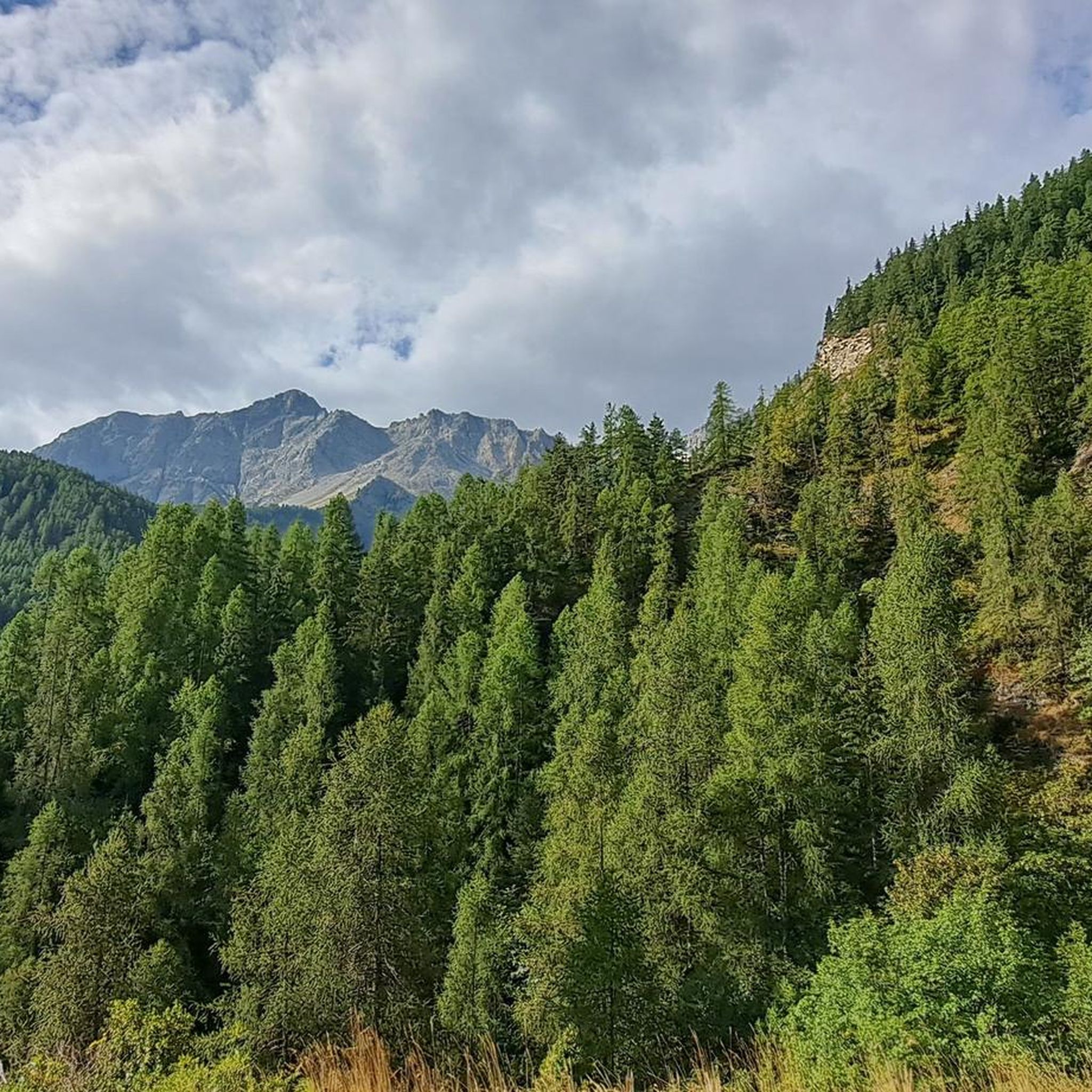
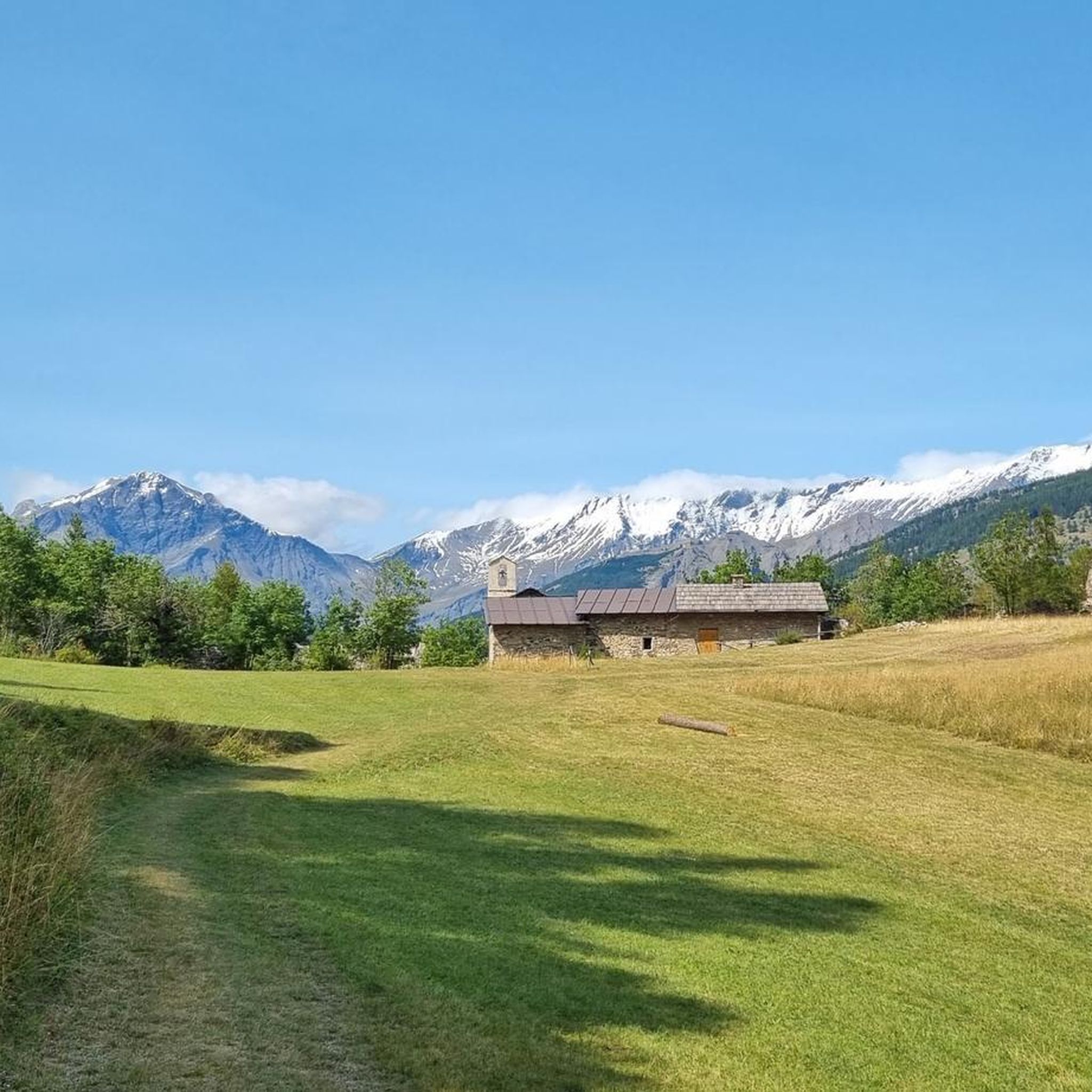
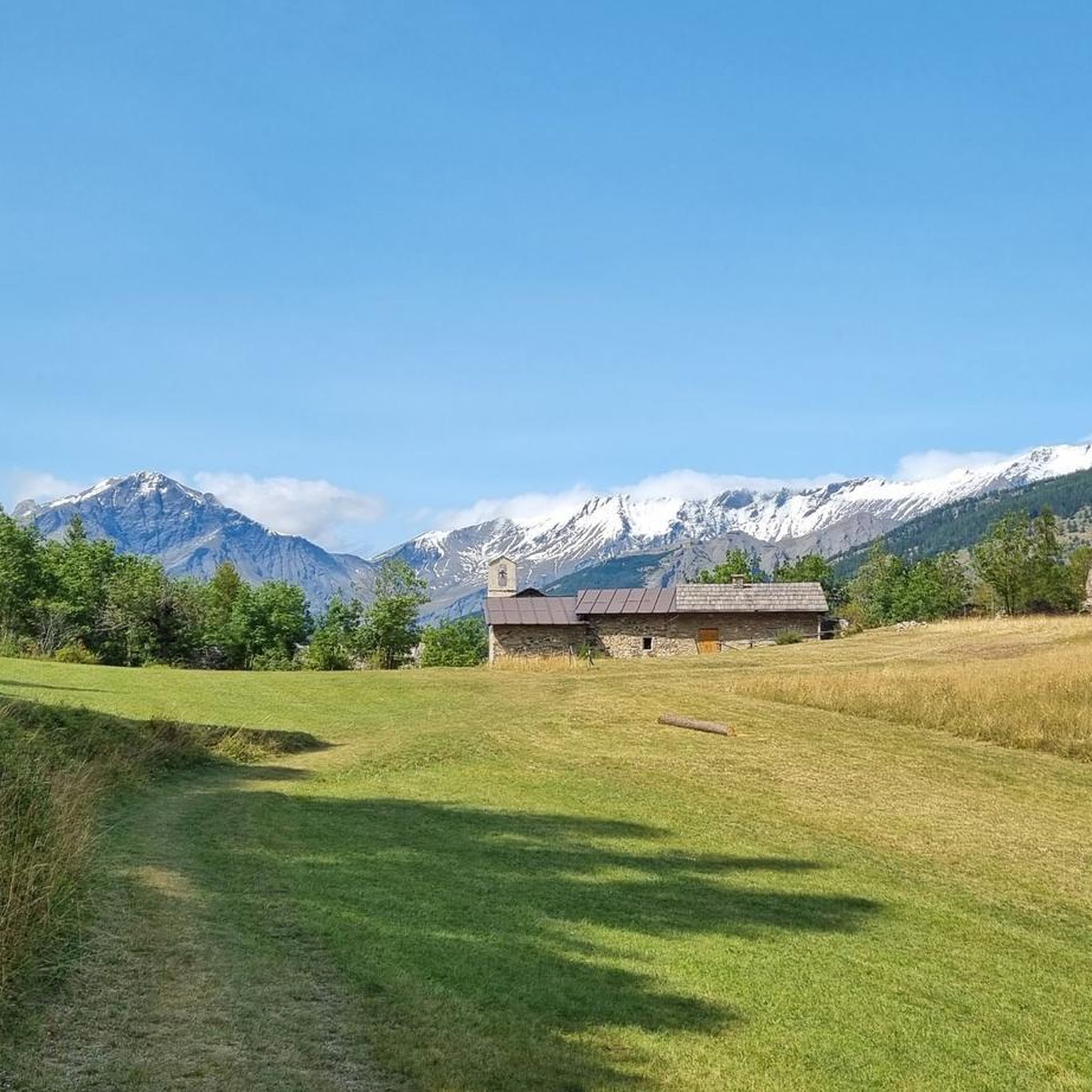
The fortification was erected between 1885 and 1894, with the aim of monitoring the outlet of the Frejus railway tunnel in anticipation of a possible French attack. During the First World War, its artillery was requisitioned and moved to the Austro-Hungarian front, while on the eve of the Second World War, it was incorporated into the fortified system of the Alpine Wall. It was then requisitioned by the Germans and completely dismantled after the end of hostilities. It remained abandoned for a long time, until, starting in 1995, a recovery project was initiated, still partly ongoing, equipping the structure with a museum and a guided tour. The road that reaches it from the valley floor is yet another demonstration of the construction skills of military engineering: the dirt road gains altitude with gentle hairpin bends, bordered by dry stone walls that are still perfectly in place. Near Grange Bersac, it passes a charming little church, shortly after the route leaves the woods and ends in wide meadows near another beautiful little church, dedicated to St. Anne. From here, the dirt road splits: straight ahead leads to Pian del Sole and the Bardonecchia MTB circuit, while climbing towards Colomion, turning right, a final short climb reaches the fort. The view of Guglia Rossa and the Re Magi (Three Wise Men) group, which dominate the Bardonecchia basin, is magnificent.
0
0

Hill with a stunning setting that is definitely worth a visit
2
0

A very beautiful stretch to cycle which leads from the basins to the road to the Scarfiotti refuge and then to the Sommeiller pass.
1
0
Scenic view of the entire Scarfiotti Refuge plateau
0
0

The view at the top is truly stunning; I recommend taking a walk and enjoying the scenery. I recommend going when the road is closed to cars and motorcycles, which raise a lot of dust.
1
0
Rochemolles is definitely worth a visit, as it's an excellent example of renovating old mountain huts while maintaining as much of their original features as possible. Throughout the village, there are wooden sculptures and panels that narrate the life of the village (formerly one of the most impoverished areas of the municipality of Bardonecchia!). The small village's location can seem precarious, dominated by steep grassy slopes and peaks that are anything but inviting when seen from below. On the other hand, the only trail up the southern slope is quite exposed and not recommended for those with a fear of heights! It's a good starting point for hikes or mountain bike rides (on the north-facing slope), and it's also located on the "road of the three thousand" that reaches the former Sommellier glacier (now a sad scree...) at over three thousand meters above sea level (accessible by off-road vehicles, motorcycles, and mountain bikes). Other beautiful hikes wind through Valfredda (a beautiful valley that lies at the foot of Punta Melmise and the Jafferau peak), and the nearby Scarfiotti refuge (reachable by car) is a good place to spend a day at the foot of the mountains.
0
0

Beautiful village in the Clarée valley.
15
0
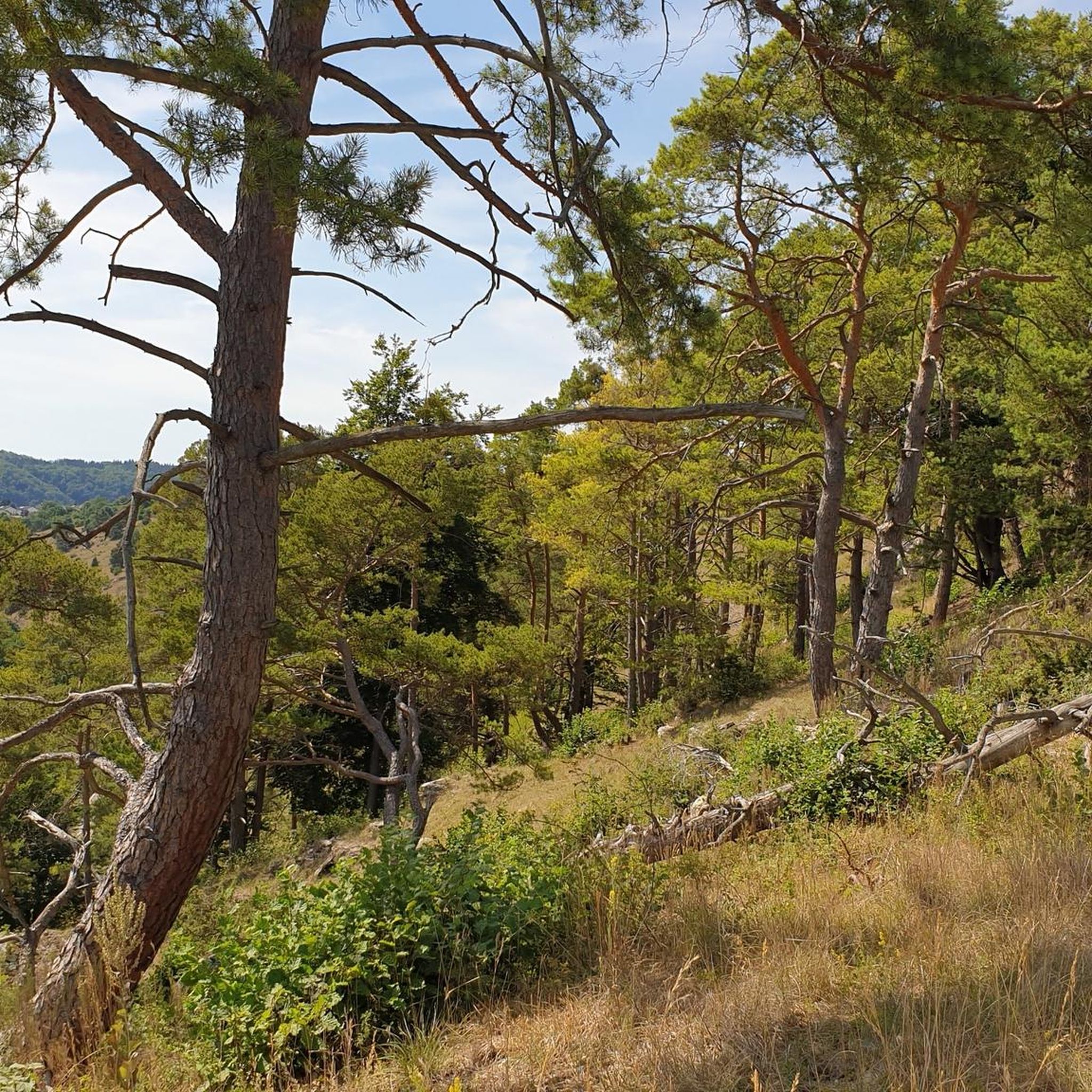
This climb is very beautiful, at the top a beautiful pine forest awaits you.
18
0
Frequently Asked Questions
What is the general difficulty level of gravel biking in Oasi Xerotermica Di Puys?
Gravel biking in Oasi Xerotermica Di Puys is primarily suited for experienced riders. The region features challenging routes with significant elevation changes, high-altitude paths, and varied mountain terrain. Out of 15 available tours, 14 are rated as difficult, with only one considered moderate.
What are the typical lengths and durations of gravel bike trails in Oasi Xerotermica Di Puys?
The gravel bike trails in Oasi Xerotermica Di Puys vary in length, generally ranging from about 22 miles (35 km) to over 35 miles (56 km). Durations can range from approximately 2.5 hours for shorter, difficult routes to over 6 hours for longer, more demanding ascents. For example, the Pian del Colle – Bardonecchia loop from Beaulard is 22.5 miles (36.2 km) and takes about 2 hours 32 minutes, while the Colle del Sommeiller route is 35.3 miles (56.8 km) and can take over 6 hours.
Are there any family-friendly gravel bike routes in Oasi Xerotermica Di Puys?
Given the challenging nature of the terrain, with most routes rated as difficult and featuring significant elevation gain, Oasi Xerotermica Di Puys is not typically recommended for family-friendly gravel biking with young children or beginners. The routes are primarily designed for experienced riders seeking robust mountain experiences.
What is the best time of year for gravel biking in Oasi Xerotermica Di Puys?
Due to the alpine environment and high-altitude paths, the best time for gravel biking in Oasi Xerotermica Di Puys is generally from late spring through early autumn (roughly June to September). During these months, snow has typically melted from higher elevations, and weather conditions are more stable, though mountain weather can change rapidly.
Are there any circular gravel bike routes available in Oasi Xerotermica Di Puys?
Yes, many of the gravel bike routes in Oasi Xerotermica Di Puys are designed as circular loops, allowing you to start and end at the same point. Examples include the Pian del Colle – Bardonecchia loop from Beaulard and the Forte Föens – Fort Jafferau loop from Bardonecchia.
What kind of terrain can I expect on the gravel bike trails in Oasi Xerotermica Di Puys?
Riders can expect a diverse mix of terrain, including unpaved roads, forest tracks, and high-altitude paths. The region is characterized by significant elevation changes, with trails often ascending to mountain passes and offering extensive views. You'll encounter alpine landscapes and potentially historical forts along the way.
What do other gravel bikers enjoy the most about gravel biking in Oasi Xerotermica Di Puys?
The area is highly rated by the komoot community, with an average score of 4.7 stars from over 50 reviews. Reviewers often praise the challenging mountain passes, the stunning alpine landscapes, and the robust experience offered by the high-altitude trails and forest tracks.
Are there any particularly challenging gravel bike trails for experienced riders?
Absolutely. Oasi Xerotermica Di Puys is known for its demanding routes. The Colle del Sommeiller route, for instance, ascends to a very high mountain pass, offering extensive views and a truly demanding ride. Another challenging option is the Forte Föens – Fort Jafferau loop from Bardonecchia, which leads through mountainous terrain with significant climbs.
What kind of wildlife might I encounter while gravel biking in Oasi Xerotermica Di Puys?
As an alpine and xerothermic (dry, warm) oasis, the region supports unique flora and fauna. While specific sightings depend on the season and trail, you might encounter various bird species, small mammals, and insects adapted to mountain and dry environments. Always observe wildlife from a distance and respect their natural habitat.
Are there any gravel bike routes that explore historical sites or forts?
Yes, some routes incorporate historical elements. The Forte Föens – Fort Jafferau loop from Bardonecchia is a notable example, leading through mountainous terrain and past historical forts, offering a blend of challenging riding and cultural exploration.
Is public transport available to reach the gravel bike trailheads in Oasi Xerotermica Di Puys?
Access to trailheads via public transport can be limited in this mountainous region. While major towns like Bardonecchia may have bus or train connections, reaching specific, more remote trailheads often requires personal transport. It's advisable to check local transport schedules if you plan to rely on public options.
Where can I find parking for gravel biking in Oasi Xerotermica Di Puys?
Parking is generally available in the main towns and villages that serve as starting points for routes, such as Bardonecchia or Beaulard. Many trailheads, especially those near populated areas, will have designated parking spaces. For more remote routes, roadside parking might be an option, but always ensure you park legally and safely.
Most popular routes in Oasi Xerotermica Di Puys

Get inspired with the komoot mobile app


Explore more
Browse the best Gravel rides in other regions.
