The best gravel rides in Sic Comprensorio Tolfetano-Cerite-Manziate
4.4
(55)
831
riders
115
rides
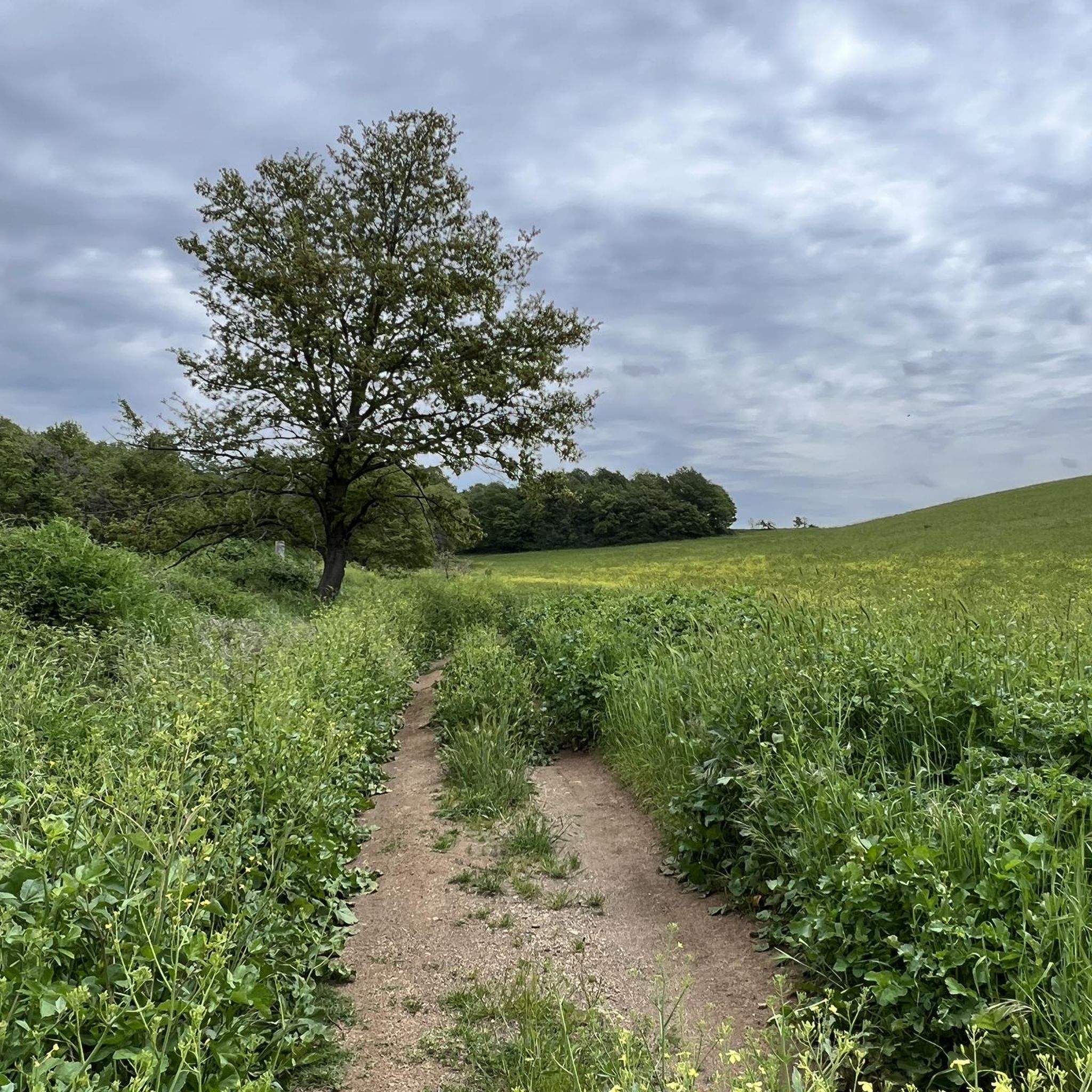
Gravel biking in Sic Comprensorio Tolfetano-Cerite-Manziate offers diverse landscapes across a mid-hill territory northwest of Rome. The region features extensive woodlands, numerous watercourses, and rolling hills with agricultural lands. Volcanic profiles and ancient Etruscan roads define the terrain, providing varied surfaces for gravel cyclists. This area is recognized for its significant biodiversity and well-preserved natural state.
Best gravel bike trails in Sic Comprensorio Tolfetano-Cerite-Manziate
- The most popular gravel bike trail is Civitella Cesi – Farnesiana Church loop from Tolfa,…
Last updated: May 7, 2026
5.0
(3)
48
riders
87.4km
06:46
1,530m
1,530m
Hard gravel ride. Very good fitness required. Mostly paved surfaces. Suitable for all skill levels.
4.3
(3)
13
riders
52.1km
03:48
1,130m
1,140m
Hard gravel ride. Very good fitness required. Mostly paved surfaces. Suitable for all skill levels.

Sign up for free
5
riders
18.4km
01:26
180m
180m
Moderate gravel ride. Good fitness required. Mostly paved surfaces. Suitable for all skill levels.
19
riders
Hard gravel ride. Very good fitness required. Mostly paved surfaces. Suitable for all skill levels.
11
riders
58.7km
04:24
760m
760m
Hard gravel ride. Very good fitness required. Mostly paved surfaces. Suitable for all skill levels.
Get access to more routes and recommendations from other explorers.
Sign up for free
Already have an account?
Our route recommendations are based on thousands of hikes, rides, and runs completed by other people on komoot.
Start today with a free account
Your next adventure awaits.
Login or Signup
Popular around Sic Comprensorio Tolfetano-Cerite-Manziate
Tips from the Community

The Polline Martignano area is the only territorial exclave of the Municipality of Rome, isolated between the municipalities of Anguillara Sabazia, Campagnano di Roma, and Trevignano Romano, bordered by Lake Martignano and Lake Bracciano. In ancient times, in addition to Lacus Sabatinus (Lake Bracciano) and Lacus Alsietinus (Lake Martignano), there was also Lacus Papyrianus (Lake Stracciacappa), now dried out, and whose dried-up bed is still recognizable. In the Middle Ages, the village of Stirpe Cappe arose in this area, strategically located on the Via Cassia. Today, only the 12th-century Stirpa Cappe Tower remains. The Casale di Martignano, however, dates back to the 15th century. Starting from the sensory garden, where you can refill your water bottle, you climb up the unpaved municipal road. The road runs between the two lakes: Bracciano on the left and Martignano on the right, but you will have to travel a few kilometers to reach Via Polline.
0
0

Vista di Polline: where the view takes in two lakes After a climb that tests your legs and breath, the reward is worth the effort: from Vista di Polline, the view opens onto two volcanic jewels—Lake Bracciano and Lake Martignano. A strategic point where effort turns into wonder, and the landscape repays every pedal stroke.
0
0


the part of the lake side of the ring is closed, the complete circular route has not been done
0
1

Exit from the Manziana forest
0
0
Towards Mount Raschio
1
0

Some photos of the little village on the lakeside, on a sunny day, will be a nice memory
0
0
The cycle path of the Monte Raschio forest is really beautiful
2
0
Frequently Asked Questions
How many gravel bike trails are available in Sic Comprensorio Tolfetano-Cerite-Manziate?
There are over 130 gravel bike trails in Sic Comprensorio Tolfetano-Cerite-Manziate, offering a wide range of options for different skill levels. Most routes are rated as moderate to difficult, with a few easier options available.
What kind of terrain can I expect on gravel bike trails in this region?
The terrain in Sic Comprensorio Tolfetano-Cerite-Manziate is diverse, featuring extensive woodlands, rolling hills, and agricultural lands. You'll encounter varied surfaces, including dirt roads, ancient Etruscan paths, and volcanic profiles. The region's mid-hill territory means moderate elevation changes are common.
Are there any family-friendly gravel bike routes in Sic Comprensorio Tolfetano-Cerite-Manziate?
While many routes are rated moderate to difficult, there are some easier sections suitable for families. For a less strenuous ride, consider exploring parts of the trails around towns like Manziana or Canale Monterano, which might offer flatter sections. Always check the route details for elevation and surface conditions before heading out with children.
What historical or natural landmarks can I see along the gravel bike routes?
The region is rich in history and natural beauty. You can explore ancient Etruscan roads like the Via degli Inferi, which is a real canyon with mysterious cracks. Other notable sites include the historic Farnesiana Church, which you can pass on the Civitella Cesi – Farnesiana Church loop from Tolfa, and the ancient ruins of Ancient Monterano.
Are there any waterfalls accessible by gravel bike in the area?
Yes, the region features several beautiful waterfalls. You can find the Castel Giuliano Waterfall and the Braccio di Mare Waterfall, both of which are popular natural attractions. The Mola Waterfalls and Diosilla Falls also offer scenic spots to visit.
What is the best time of year for gravel biking in Sic Comprensorio Tolfetano-Cerite-Manziate?
Spring and autumn are generally the best seasons for gravel biking in this region. The weather is milder, and the landscapes are particularly vibrant. Summers can be hot, while winters might bring cooler temperatures and potentially muddy conditions, especially in wooded areas.
How can I access the gravel bike trails using public transport?
While direct public transport to all trailheads might be limited, towns like Tolfa, Cerveteri, Manziana, and Santa Marinella are more accessible by regional buses or trains from Rome. From these towns, you can often start your gravel biking adventure. It's advisable to check local transport schedules in advance.
Where can I find parking for gravel biking in the region?
Many of the towns and villages in the Sic Comprensorio Tolfetano-Cerite-Manziate, such as Tolfa, Cerveteri, Santa Marinella, and Manziana, offer public parking facilities. Look for designated parking areas near the town centers or trailheads. Always ensure your vehicle is parked legally and safely.
Are there any loop routes for gravel biking?
Yes, many of the gravel routes in the region are designed as loops, allowing you to start and end in the same location. Examples include the View of the Sea from Bandita – View of the Tolfetano Hills loop from Cerveteri and the View of the Tolfetano Hills – Farnesiana Church loop from Santa Marinella.
What do other gravel bikers enjoy most about the trails here?
The area is highly rated by the komoot community, with an average score of 4.4 stars from over 50 reviews. Reviewers often praise the diverse landscapes, the quiet woodlands, and the opportunity to discover wild nature away from traffic. The blend of challenging routes with historical sites is also a frequently mentioned highlight.
Are there options for more challenging or advanced gravel biking?
Absolutely. The region is well-suited for advanced gravel bikers, with 106 out of 138 routes rated as difficult. These trails often feature significant elevation gains and technical sections. For instance, the Civitella Cesi – Farnesiana Church loop from Tolfa covers 86.9 km with over 1500m of elevation gain, providing a substantial challenge.
Where can I find places to eat or drink near the trails?
Charming villages like Tolfa, Allumiere, Blera, Canale Monterano, and Cerveteri offer various cafes, restaurants, and pubs where you can refuel. Many of these towns are located directly on or near popular gravel biking routes, making it convenient to stop for a meal or a refreshing drink.
Are there any unique geological features to explore?
Yes, the region has volcanic profiles and unique geothermal activity. A notable site is Caldara di Manziana, known for its gas leakage creating a suggestive effect. These features add an interesting geological dimension to the natural landscape you'll encounter on your rides.
Most popular routes in Sic Comprensorio Tolfetano-Cerite-Manziate
Most popular attractions in Sic Comprensorio Tolfetano-Cerite-Manziate

Get inspired with the komoot mobile app


Explore more
Browse the best Gravel rides in other regions.
