The best gravel rides in Rare Charitable Reserve
4.6
(13)
117
riders
6
rides
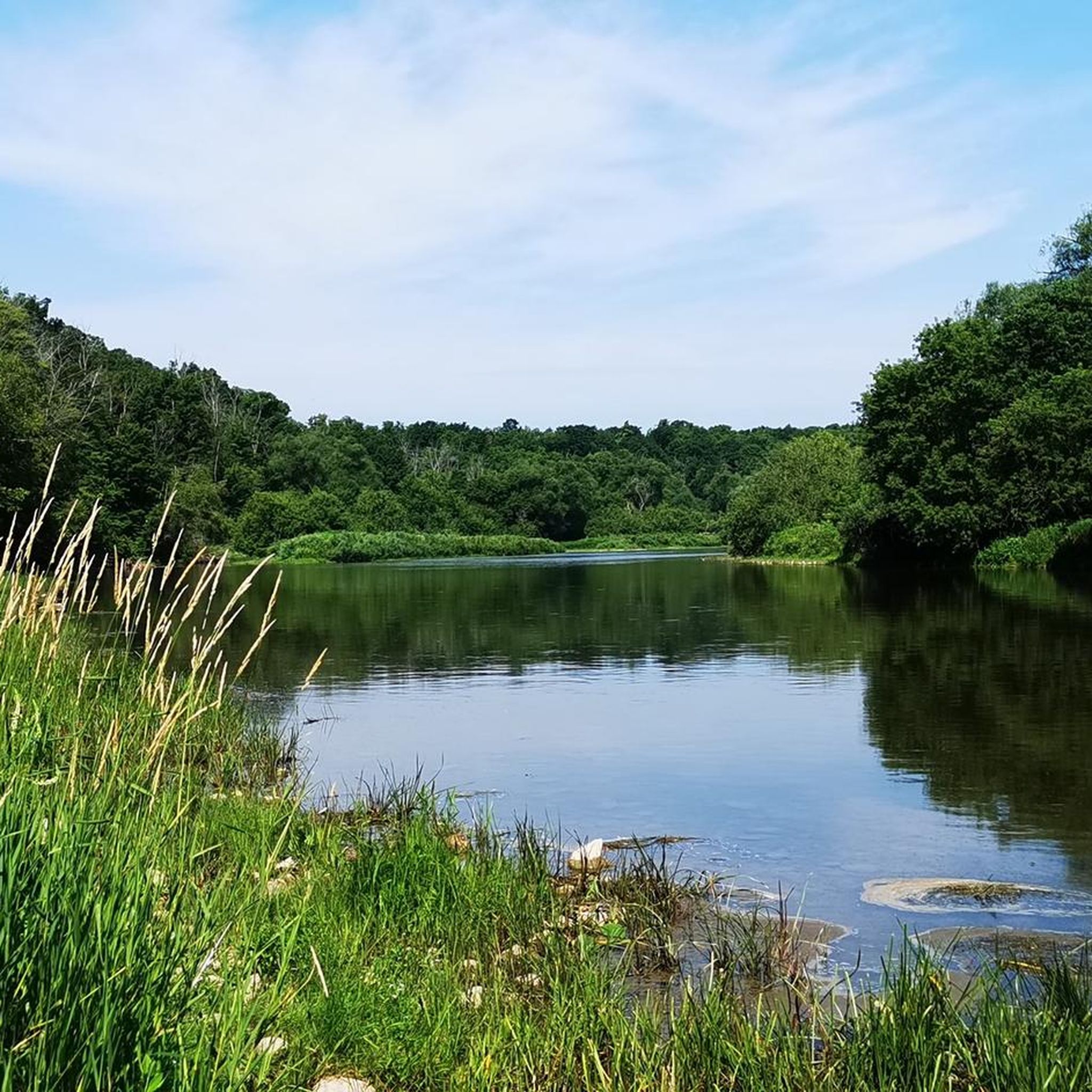
Gravel bike trails in Rare Charitable Reserve navigate a landscape characterized by the confluence of the Grand and Speed Rivers, offering routes along riverbanks and through varied terrain. The region features mature deciduous forests and areas with unique geological formations such as limestone cliffs and alvars. While some sensitive ecological trails within the Reserve are restricted, the broader area provides opportunities for gravel biking on unpaved sections and dedicated bike trails. The terrain includes gentle gradients along waterways and some…
Last updated: October 6, 2026
2
riders
Moderate gravel ride. Good fitness required. Mostly paved surfaces. Suitable for all skill levels.
4.1
(8)
50
riders
57.2km
04:08
260m
260m
Moderate gravel ride. Good fitness required. Mostly paved surfaces. Suitable for all skill levels.

5
riders
Moderate gravel ride. Good fitness required. Mostly paved surfaces. Suitable for all skill levels.
4.7
(3)
32
riders
32.2km
02:36
110m
110m
Moderate gravel ride. Good fitness required. Mostly paved surfaces. Suitable for all skill levels.
5
riders
53.4km
03:05
300m
300m
Moderate gravel ride. Good fitness required. Mostly paved surfaces. Suitable for all skill levels.
Our route recommendations are based on thousands of hikes, rides, and runs completed by other people on komoot.
Start today with a free account
Your next adventure awaits.



Tips from the Community

The Walter Bean Grand River Trailhead is the perfect spot to start or end a hike on either the Grand Trunk Trail or the Grand River Trail. There are maps, trash cans and a dirt parking area here, and sometimes a porta-potty, but that is not always available.
0
0

This trailhead sits at the end of Forbes Street, and has a large parking area, public washroom, and a couple of nice benches with easy access to both the Cambridge to Paris Rail Trail and the Grand River canoe launch. Situated along the banks of the river, it’s a great spot for a lovely picnic and a convenient starting point for exploring one of the trail’s most scenic stretches.
0
0
Canadian General-Tower Trailhead is the northern terminus of the Cambridge to Paris Rail Trail, with a large parking area and direct access to the crushed-gravel route. From here, the trail follows the Grand River through beautiful, peaceful woodland, leaving the city behind. There are no facilities here, so plan accordingly before heading out to explore.
0
0
This trail follows a mostly flat 18-kilometre former railway corridor along the Grand River, connecting the communities of Cambridge, Glen Morris, and Paris. The fine gravel surface, gentle grades, and picturesque views of Carolinian forest, farmland, and the river make it the perfect route for walkers, runners, and cyclists of all abilities.
0
0
The German’s Woollen Mill Ruins are the remains of an 1867 stone yarn and wool mill tucked in the trees along the banks of the Grand River. Abandoned since the 1940s after the rail trail was constructed, its towering walls and arched openings still stand after decades, making it one of the Cambridge to Paris Rail Trail’s most fascinating historic landmarks.
0
0
This trail skirts Homer Watson Park along the Grand River, and is also part of the longer Trans Canada Trail that follows the river through forested sections, open riverbanks, and quiet natural areas in Kitchener. In this section, the trail passes mature maple and beech forest, river overlooks, and peaceful stretches beside the Grand River that inspired many of painter Homer Watson’s landscapes.
0
0

Built back in 1896, this rare, iron-and-steel cantilever truss bridge is one of the oldest of its kind in Canada.
1
0
The Grand Trunk Trail follows along the Grand River from south Cambridge. The trail is very well-maintained packed gravel and open to both hiking and biking. Some short sections, like the tunnel section, are paved. As you enjoy this scenic trail, take the occasional look over the cliff toward the river to see rock formations and old abandoned structures.
0
0
Frequently Asked Questions
Are bikes allowed on all trails within the Rare Charitable Research Reserve?
No, it's important to note that many of the core ecological trails within the Rare Charitable Research Reserve are not open to bikes to protect delicate ecosystems and wildlife. However, the broader area surrounding the Reserve offers opportunities for gravel biking on unpaved sections and dedicated bike trails, which are featured in this guide.
What kind of terrain can I expect on gravel bike trails in the Rare Charitable Reserve area?
Gravel bike trails in the Rare Charitable Reserve area navigate a landscape characterized by the confluence of the Grand and Speed Rivers. You can expect routes along riverbanks, through varied terrain including mature deciduous forests, and some open areas. The terrain generally features gentle gradients along waterways with some moderate climbs, and elevations typically remain under 200 meters.
How many gravel bike routes are available in this guide for the Rare Charitable Reserve area?
This guide features 8 gravel bike routes in the Rare Charitable Reserve area, ranging from easy to difficult. These routes offer diverse experiences, from shorter loops to longer explorations of the wider region.
What do other gravel bikers say about the routes in the Rare Charitable Reserve area?
The routes in the Rare Charitable Reserve area are highly rated by the komoot community, with an average score of 4.6 stars from over 10 reviews. More than 100 gravel bikers have used komoot to explore the varied terrain, often praising the scenic river paths and diverse landscapes.
Are there any long-distance gravel bike loops available?
Yes, there are several longer loop options. For example, the Paris, Ontario – Grand River Bike Trail loop from Cambridge Centre is a moderate 36.5-mile (58.8 km) path that explores the wider region, connecting urban centers with natural river corridors. Another option is the Golf Course Bridge – Flower Garden with Fountain loop from Conestoga College - Doon Campus, a 39.1-mile (63.0 km) trail leading through diverse landscapes.
What are some scenic highlights I might encounter on these gravel bike trails?
Many routes follow the Grand River, offering scenic views of the waterway and surrounding natural areas. The region is known for its mature deciduous forests, and unique geological features like limestone cliffs and alvars, though some of these specific features might be on restricted hiking trails. You'll experience diverse ecosystems and opportunities for wildlife viewing, especially birdwatching.
Are there any easy gravel bike trails suitable for beginners or families?
Yes, there are routes suitable for various ability levels. For instance, the Grand River loop from Conestoga College - Doon Campus is an easy 3.8-mile (6.1 km) route, perfect for a shorter, less strenuous ride. Overall, the guide includes 2 easy routes.
What is the best time of year for gravel biking in the Rare Charitable Reserve area?
While specific trail conditions vary, spring and fall are generally excellent for gravel biking, offering pleasant temperatures and vibrant natural scenery. Spring brings ephemeral wildflowers, and fall showcases colorful foliage. Summer can also be enjoyable, though it may be warmer. Winter biking is possible, but conditions can be challenging with snow and ice.
Where can I find parking for these gravel bike trails?
Parking availability varies by route starting point. Many routes, such as the Grand River – Grand River Bike Trail loop from Blair Creek Corridor, often start from areas with designated parking, like the Blair Creek Corridor. For routes originating near campuses or urban centers, public parking facilities are usually available.
Can I access the gravel bike trails using public transport?
Yes, some routes may be accessible via public transport, particularly those starting from or passing through urban centers like Cambridge. You would need to check local public transport schedules, such as Grand River Transit routes, for specific connections to trailheads or nearby areas.
Are dogs allowed on the gravel bike trails?
While the core Rare Charitable Research Reserve has specific rules regarding dogs on its hiking trails (often requiring leashes), the gravel bike trails in the broader area may have different regulations. It's always best to check local signage at the trailhead or the specific trail's guidelines regarding pets before you go.
Are there any cafes or places to eat near the gravel bike routes?
Given that some routes connect to or pass near urban centers like Cambridge and Paris, Ontario, you will find various cafes, pubs, and accommodation options in these towns. It's advisable to plan your stops in advance, especially for longer routes.
Most popular routes in Rare Charitable Reserve

Get inspired with the komoot mobile app


Explore more
Browse the best Gravel rides in other regions.
