Gowk Bank National Nature Reserve
Gowk Bank National Nature Reserve
The best gravel rides in Gowk Bank National Nature Reserve
4.8
(13)
71
riders
3
rides
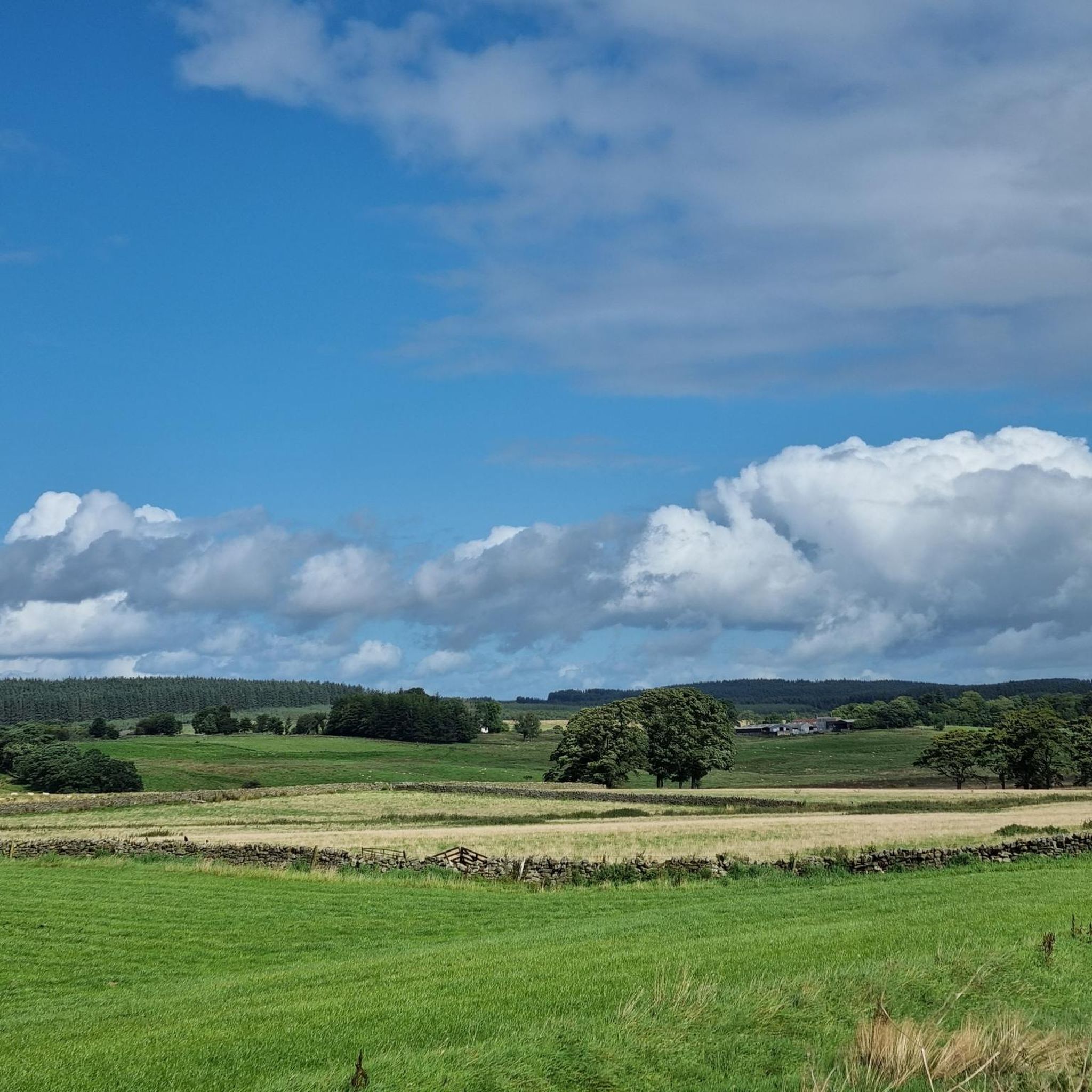
Gravel biking in Gowk Bank National Nature Reserve offers routes through a varied landscape situated on the western bank of the River Irthing, bordering Cumbria and Northumberland. The terrain features upland meadows, woodlands, and areas of glacial moraine, providing a mix of open and shaded environments. An alluvial plain and an upper plateau are separated by a steep, partially wooded bank. The meandering River Irthing also contributes to the scenic features of the area.
Best gravel bike trails in Gowk…
Last updated: October 5, 2026
5.0
(4)
7
riders
37.0km
02:50
420m
420m
Moderate gravel ride. Good fitness required. Mostly paved surfaces. Suitable for all skill levels.
4.5
(4)
29
riders
Hard gravel ride. Very good fitness required. Mostly paved surfaces. Suitable for all skill levels.

4.5
(2)
10
riders
Moderate gravel ride. Good fitness required. Mostly paved surfaces. Suitable for all skill levels.
5.0
(1)
12
riders
54.4km
03:32
630m
630m
Hard gravel ride. Very good fitness required. Mostly paved surfaces. Suitable for all skill levels.
5.0
(2)
13
riders
Hard gravel ride. Very good fitness required. Mostly paved surfaces. Suitable for all skill levels.
Our route recommendations are based on thousands of hikes, rides, and runs completed by other people on komoot.
Start today with a free account
Your next adventure awaits.
Popular around Gowk Bank National Nature Reserve
Tips from the Community

if you go downstream a little bit there's a gravel bank , easier to cross
0
0

At this small sacred monument, there are several reasons why cyclists should not pass by carelessly, but should linger for a moment: Firstly, the church, together with the surrounding cemetery and the 'Bewcastle Cross' standing on the grounds, form a very harmonious unit. Secondly, when contemplating this cross, one looks far back into history, as its creation is dated to the 7th or 8th century. Thirdly, however – and mainly (!) – the artistic design of the obelisk, which rises to about the lower eaves of the church roof, tapering slightly upwards, is extremely noteworthy ('Amy' and 'Joe' have already described this in their contributions). My personal conclusion: Although the actual cross, which once crowned the obelisk, has long been missing, it is still a noteworthy small sacred monument!
0
0

Well, we got here nearly at the end of our Hadrian's Wall hike for the day and had a bit of bad luck. Fancy turning up at one of the best Roman forts on Hadrian's Wall to be told it was closed because the wind was too strong and it might blow us off the wall. A place to come back to.
0
0
Several trees across path , very difficult lifting over or going underneath.
0
0

St Cuthbert Bewcastle Church stands on the foundations of a Roman fort and has roots dating back to the 13th century. Although the current building largely dates from the 18th and 19th centuries, parts of the east chancel are still medieval. The church exudes simplicity and tranquility, with a rectangular plan and a wooden gallery on the west side. Within the church, traces of the Border Reivers' turbulent history can be found, including gravestones bearing names like Armstrong and Routledge.
8
0
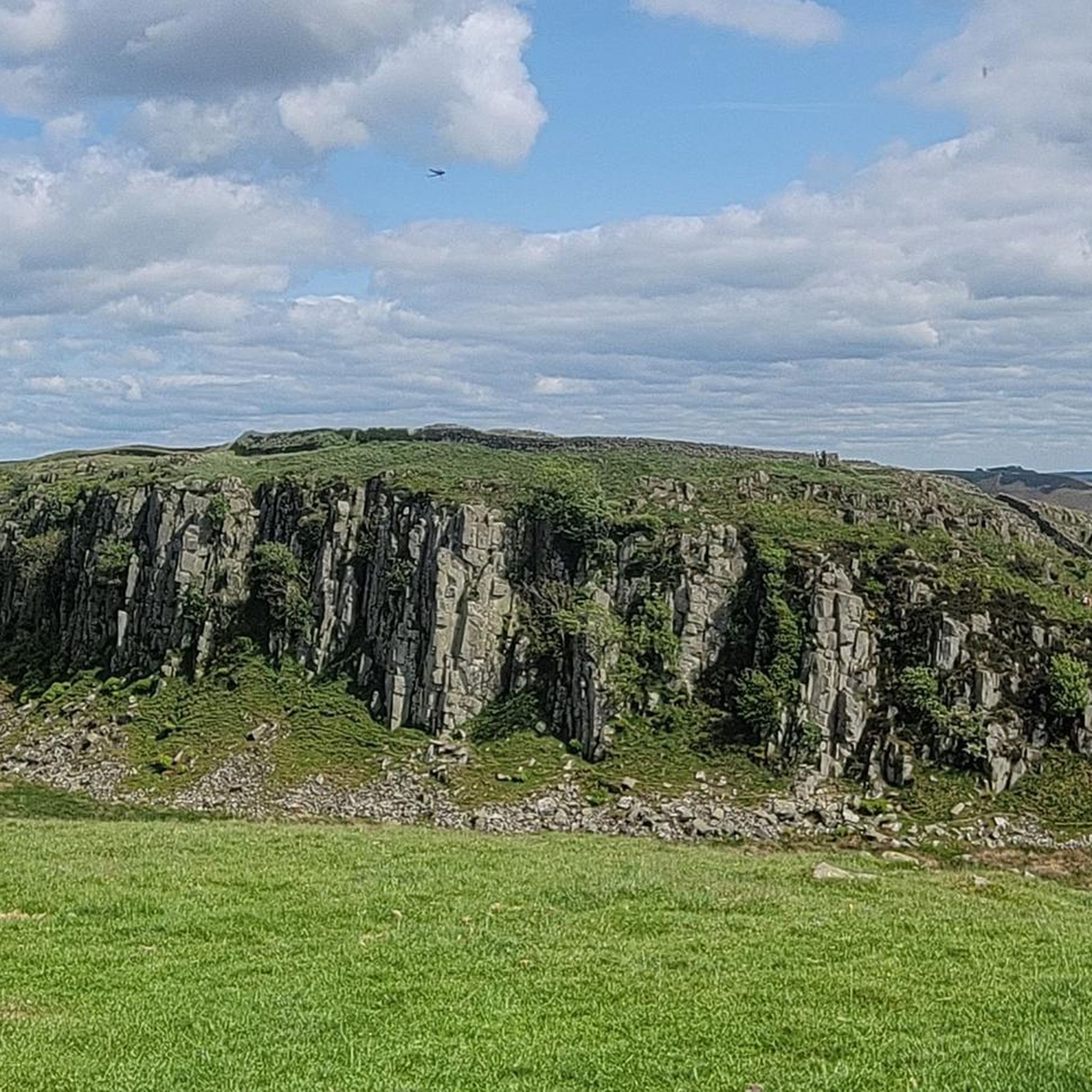
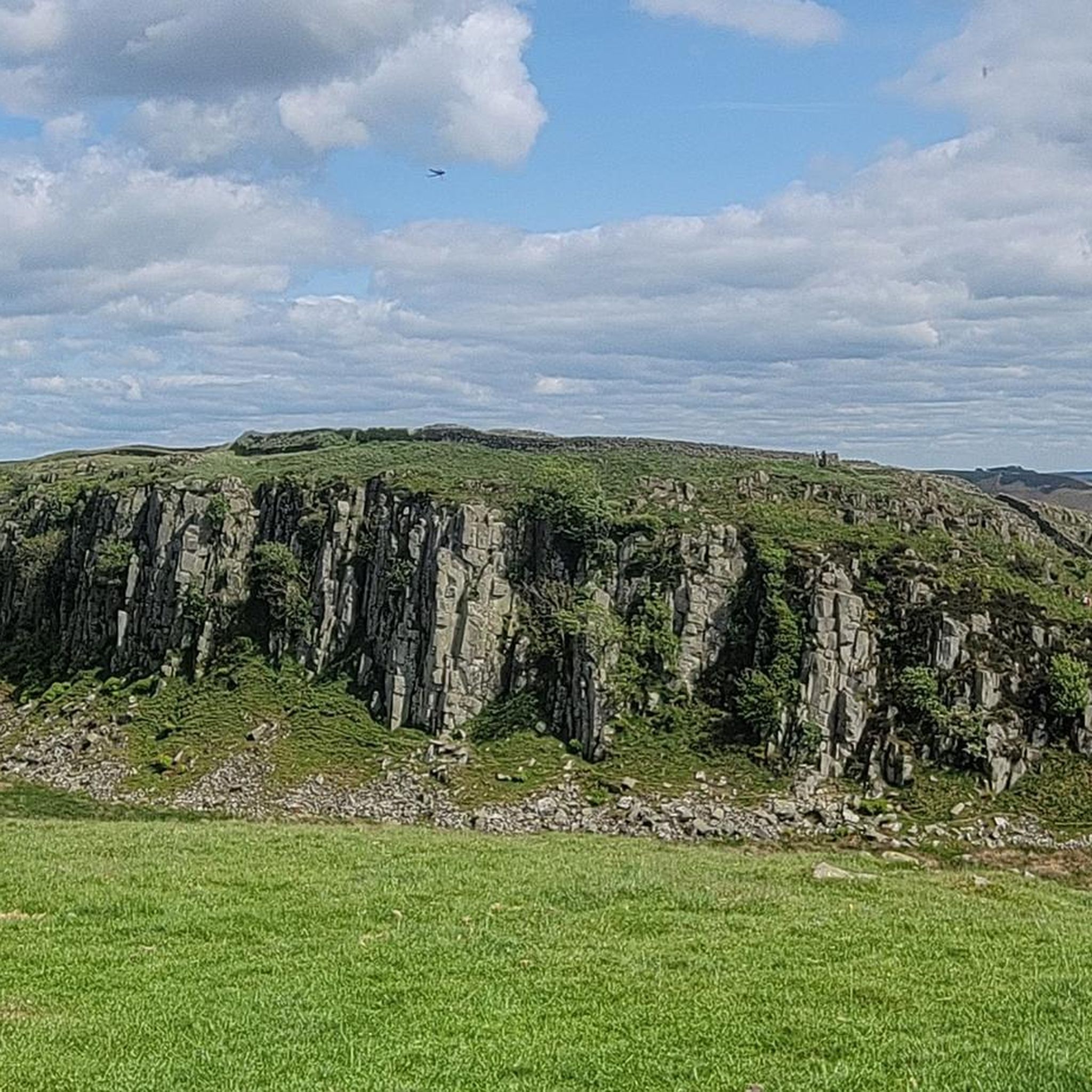
One of the most iconic viewpoints in Northumberland National Park is just minutes from Steel Rigg Car Park. From here, a panoramic view unfolds of Hadrian's Wall, winding like a ribbon of stone across the rugged cliffs of Whin Sill. The landscape here is particularly photogenic, with views of Crag Lough, Hotbank Crags, and the famous Sycamore Gap.
8
0
On a strategic rise above the River Irthing lies Birdoswald Roman Fort (Banna), one of the best-preserved forts along Hadrian's Wall. Built around 122 AD, it housed troops from countries including Dacia (modern-day Romania) and played a key role in defending the northwestern border of the Roman Empire. The fort lies on the longest continuous stretch of Hadrian's Wall still visible. Within the ruins, you'll find the remains of barracks, granaries, gates, and even a unique Roman drill hall. The visitor center offers interactive exhibits and original artifacts, including altars and inscriptions. Birdoswald is an ideal rest stop for cyclists following the Hadrian's Cycleway. The tearoom and the view make it a pleasant stop with historical depth.
12
0
Hadrian's Wall was a 117 km long defensive wall built from 122 AD under Emperor Hadrian as the northwestern border of the Roman Empire. The wall ran from the Tyne to the Solway Firth, its central section following the natural ridge of the Whin Sill, a hard dolerite geological formation. This location offered Roman troops a tactical advantage: high ground with wide visibility and natural defenses. The wall served to control movement, delay incursions, and demonstrate Roman power. Here, next to Birdoswald Fort, you'll find the longest remaining section of the historic wall.
11
0
Frequently Asked Questions
How many gravel bike trails are available in Gowk Bank National Nature Reserve?
There are several gravel biking routes available in and around Gowk Bank National Nature Reserve. Our guide features 5 distinct routes, offering a variety of experiences for gravel cyclists.
What kind of terrain can I expect on the gravel bike trails in Gowk Bank National Nature Reserve?
The terrain in Gowk Bank National Nature Reserve is quite varied, featuring extensive upland meadows, woodlands, and areas shaped by glacial moraine. You'll encounter a mix of open and shaded environments, with an alluvial plain and an upper plateau separated by a steep, partially wooded bank. The meandering River Irthing also adds to the scenic beauty, providing diverse riding surfaces.
Are there gravel bike trails suitable for different fitness levels?
Yes, the routes cater to various fitness levels. You'll find 2 moderate routes and 3 difficult routes, ensuring options for both experienced riders and those looking for a significant challenge. For example, the View from Outer Butt Hill – Kielder Forest Gravel Trail loop from Robin Rock Drift is a moderate 41.4 km ride, while the Kielder Dam and Reservoir – Kielder Forest Gravel Trail loop from Robin Rock Drift is a more demanding 68.4 km route.
What do other gravel bikers enjoy most about the trails in Gowk Bank National Nature Reserve?
The area is highly rated by the komoot community, with an average score of 4.8 stars from over 11 reviews. Riders often praise the varied terrain, the scenic beauty of the upland meadows and woodlands, and the connection to the wider Kielder Forest gravel trail network.
Are there any long-distance gravel biking options that connect to other areas?
Yes, several routes extend into or connect with the extensive Kielder Forest gravel trails. For instance, the challenging View from Outer Butt Hill – Viewpoint near Steel Rigg loop from Milecastle 40 (Winshields) is a 43.9 km route that offers a significant ride through varied landscapes, including connections to Hadrian's Wall area.
Can I find circular gravel bike routes in Gowk Bank National Nature Reserve?
All the gravel biking routes highlighted in this guide are circular loops, allowing you to start and finish at the same point. This includes routes like the View from Outer Butt Hill – Route 68 Signpost loop from Robin Rock Drift, which is a 37 km circular trail.
Are there any specific landmarks or points of interest along the gravel bike trails?
While Gowk Bank National Nature Reserve itself is known for its diverse flora and the River Irthing, some routes venture near historical sites. For example, the Hadrian's Wall – Birdoswald Roman Fort loop from Gilsland takes you past sections of Hadrian's Wall and the Birdoswald Roman Fort, offering a blend of natural beauty and historical exploration.
Is Gowk Bank National Nature Reserve suitable for family-friendly gravel biking?
The reserve offers varied terrain, and while some routes are challenging, the presence of woodlands and meadows can be appealing. However, specific family-friendly routes with very gentle gradients are not explicitly detailed in the provided data. It's advisable to check the difficulty and distance of individual routes, such as the moderate 41.4 km View from Outer Butt Hill – Kielder Forest Gravel Trail loop from Robin Rock Drift, to determine suitability for your family's experience level.
What is the best time of year to go gravel biking in Gowk Bank National Nature Reserve?
The region's upland meadows are particularly vibrant with wildflowers from spring through summer, making these seasons ideal for scenic rides. The woodlands also offer pleasant shade during warmer months. However, the varied terrain means conditions can change, so checking local weather forecasts is always recommended, especially for unpaved sections.
Are there any cafes or pubs near the gravel bike trails in Gowk Bank National Nature Reserve?
While specific amenities within the immediate reserve are limited, the broader Kielder Forest area, which many routes connect to, features places like The Green Bothy. For options closer to the reserve, you might find establishments in nearby villages such as Gilsland or Greenhead, which serve as common starting points or access points for the trails.
Where can I find more information about the natural features of Gowk Bank National Nature Reserve?
For detailed information on the reserve's unique plant species, diverse landscapes, and conservation efforts, you can refer to official government resources. A good starting point is the government's publication on Cumbria's National Nature Reserves, which includes Gowk Bank: Cumbria's National Nature Reserves.
Is there public transport available to reach Gowk Bank National Nature Reserve for cycling?
Specific public transport links directly to the trailheads within Gowk Bank National Nature Reserve are not detailed in the provided information. Access is generally easier by car, with routes often starting from locations like Robin Rock Drift or Gilsland. It's advisable to research local bus services to nearby villages if you plan to use public transport.
Most popular routes in Gowk Bank National Nature Reserve

Get inspired with the komoot mobile app


Explore more
Browse the best Gravel rides in other regions.
