The best mountain hikes around Cuenca Pamplona
57
hikers
7
hikes
Mountaineering routes around Cuenca Pamplona traverse a diverse landscape, from the dramatic karstic formations and limestone cliffs of Cuenca to the rugged foothills of the Pyrenees in Navarre. The region features deep river gorges, extensive forests of beech, fir, and pine, and open mountain plateaus. These areas offer varied terrain for mountaineering, characterized by significant elevation changes and natural rock features.
Best mountaineering routes around Cuenca Pamplona
- The most popular mountaineering route is Beriain loop from Uharte Arakil, a…
Last updated: July 13, 2026
17
hikers
11.8km
05:49
970m
970m
Hard mountaineering route. Very good fitness required. Sure-footedness, sturdy shoes and alpine experience required.
18
hikers
9.87km
04:57
810m
810m
Hard mountaineering route. Good fitness required. Sure-footedness, sturdy shoes and alpine experience required.

Sign up for free
10
hikers
11.2km
04:08
710m
710m
Moderate mountaineering route. Good fitness required. Easily-accessible paths. Suitable for all skill levels.
5
hikers
16.6km
05:24
720m
720m
Hard mountaineering route. Very good fitness required. Easily-accessible paths. Suitable for all skill levels.
5
hikers
21.4km
07:35
880m
880m
Hard mountaineering route. Very good fitness required. Sure-footedness, sturdy shoes and alpine experience required.
3
hikers
6.90km
03:07
670m
670m
Moderate mountaineering route. Good fitness required. Easily-accessible paths. Suitable for all skill levels.
2
hikers
17.3km
07:38
1,160m
1,160m
Hard mountaineering route. Very good fitness required. Sure-footedness, sturdy shoes and alpine experience required.
Our route recommendations are based on thousands of hikes, rides, and runs completed by other people on komoot.
Start today with a free account
Your next adventure awaits.
Login or Signup
Popular around Cuenca Pamplona

Mountain Hikes around Ollo

Mountain Hikes around Goñi
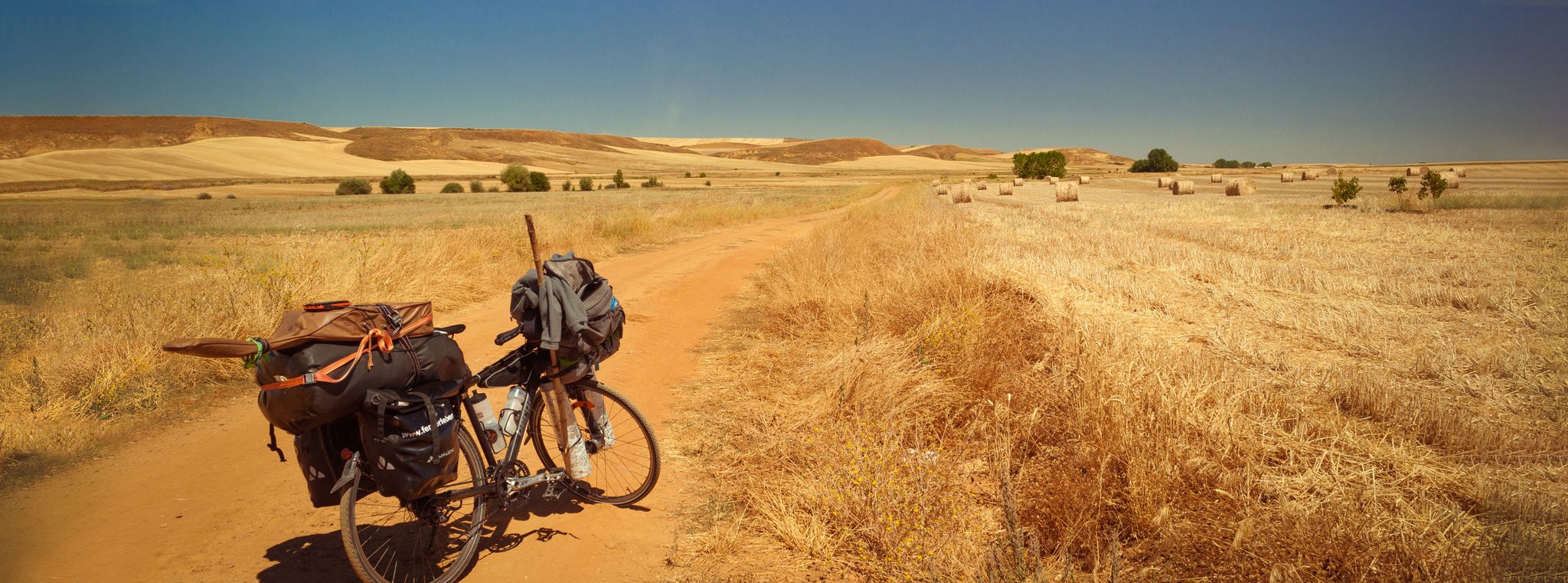
Camino Francés and Camino Finisterre – Cycling pilgrimages in Spain
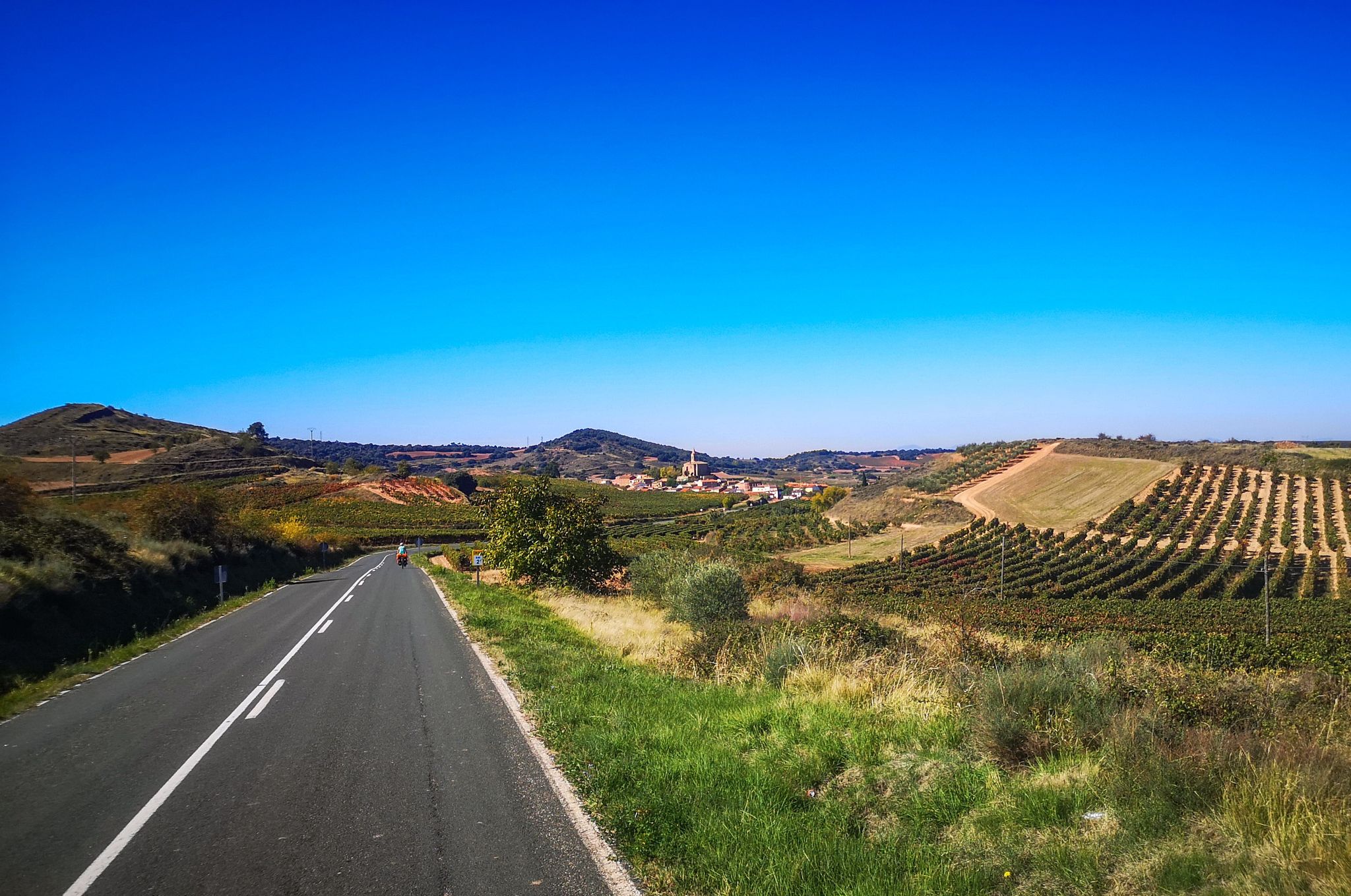
Santiago de Compostela – A journey through northern Spain (10 days)
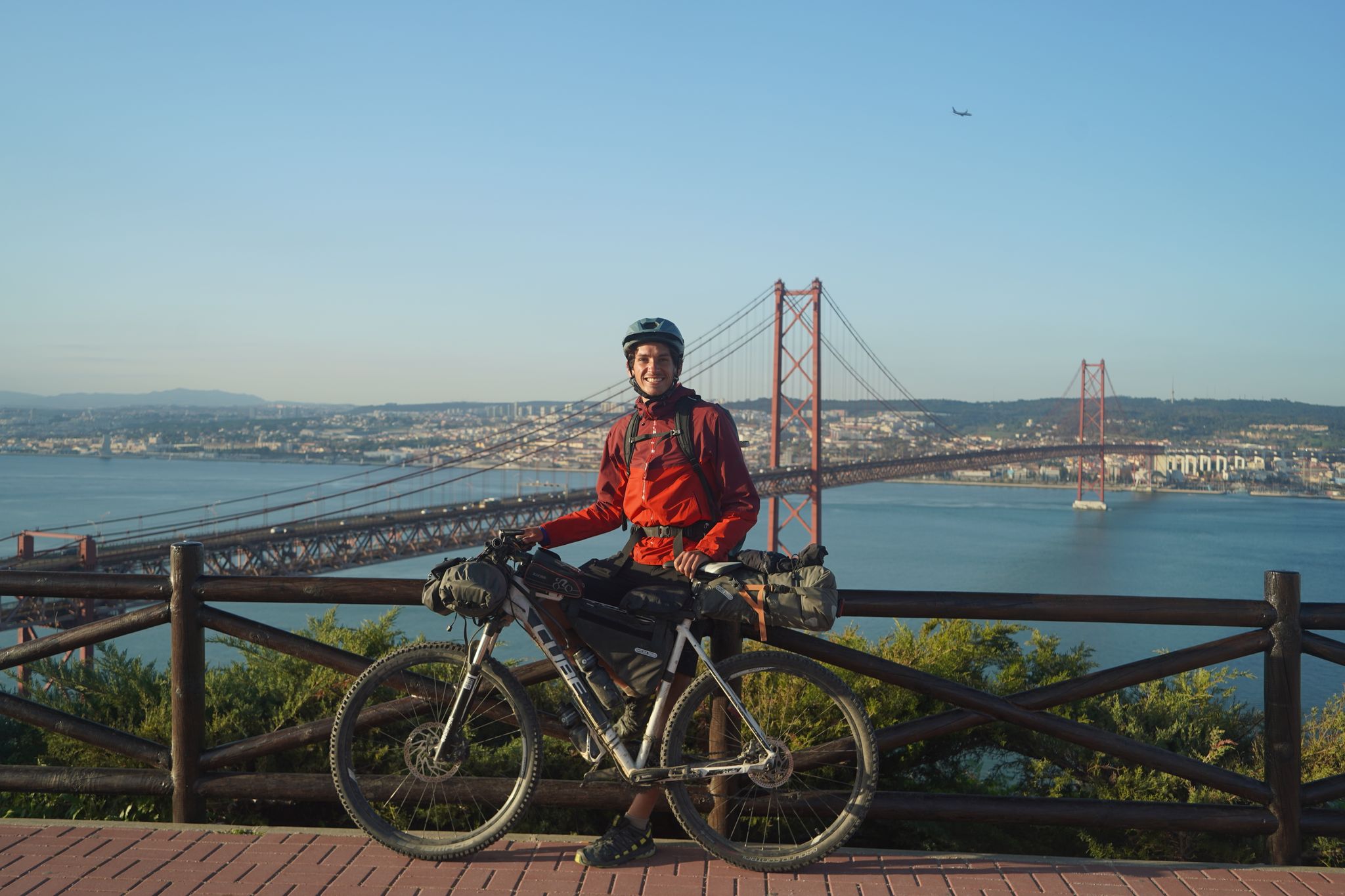
Road to Lisbon – bikepacking the Alps, Pyrenees and Picos de Europa
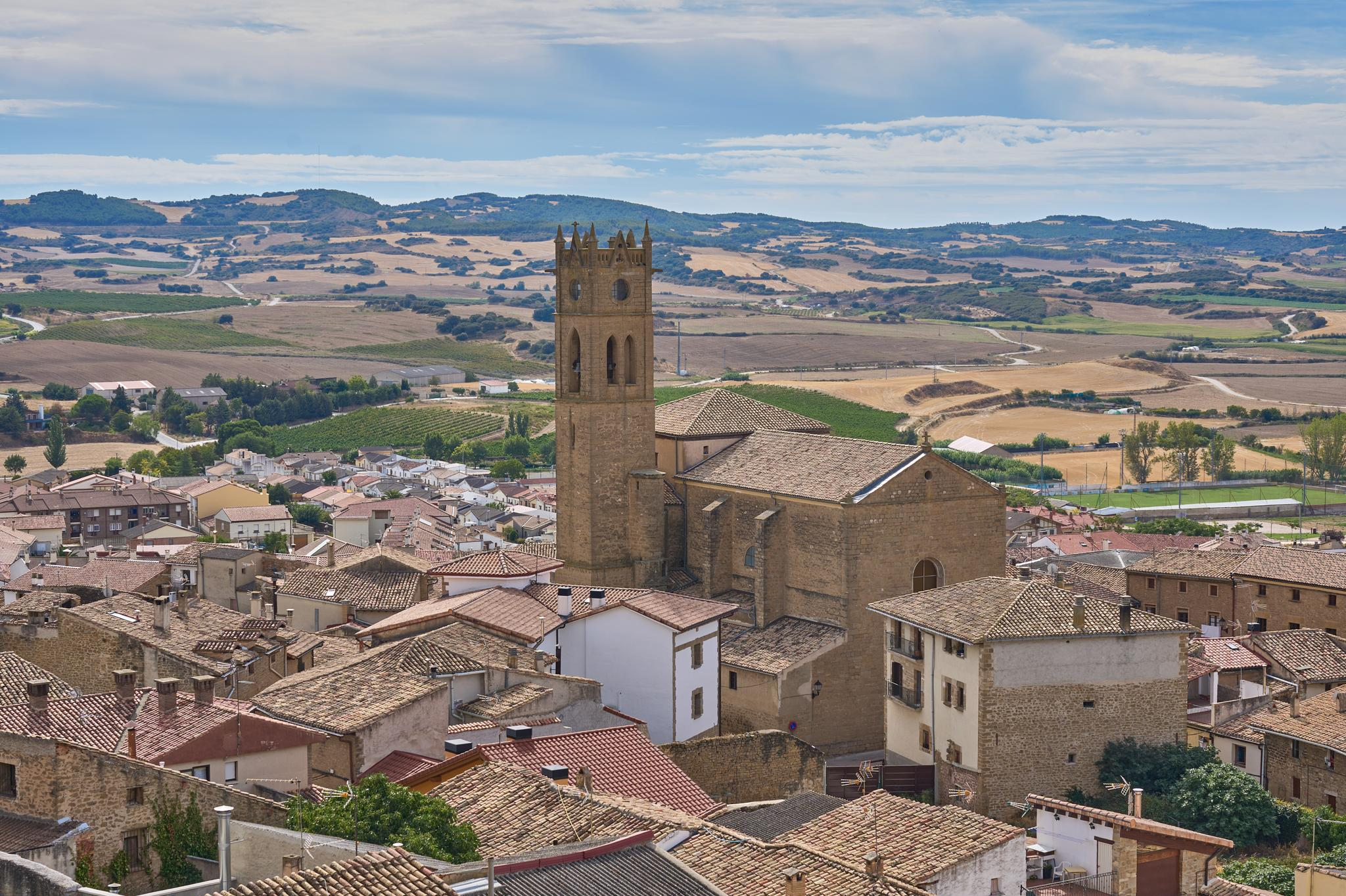
Path of the Templars — Path of the True Cross (GR 250)
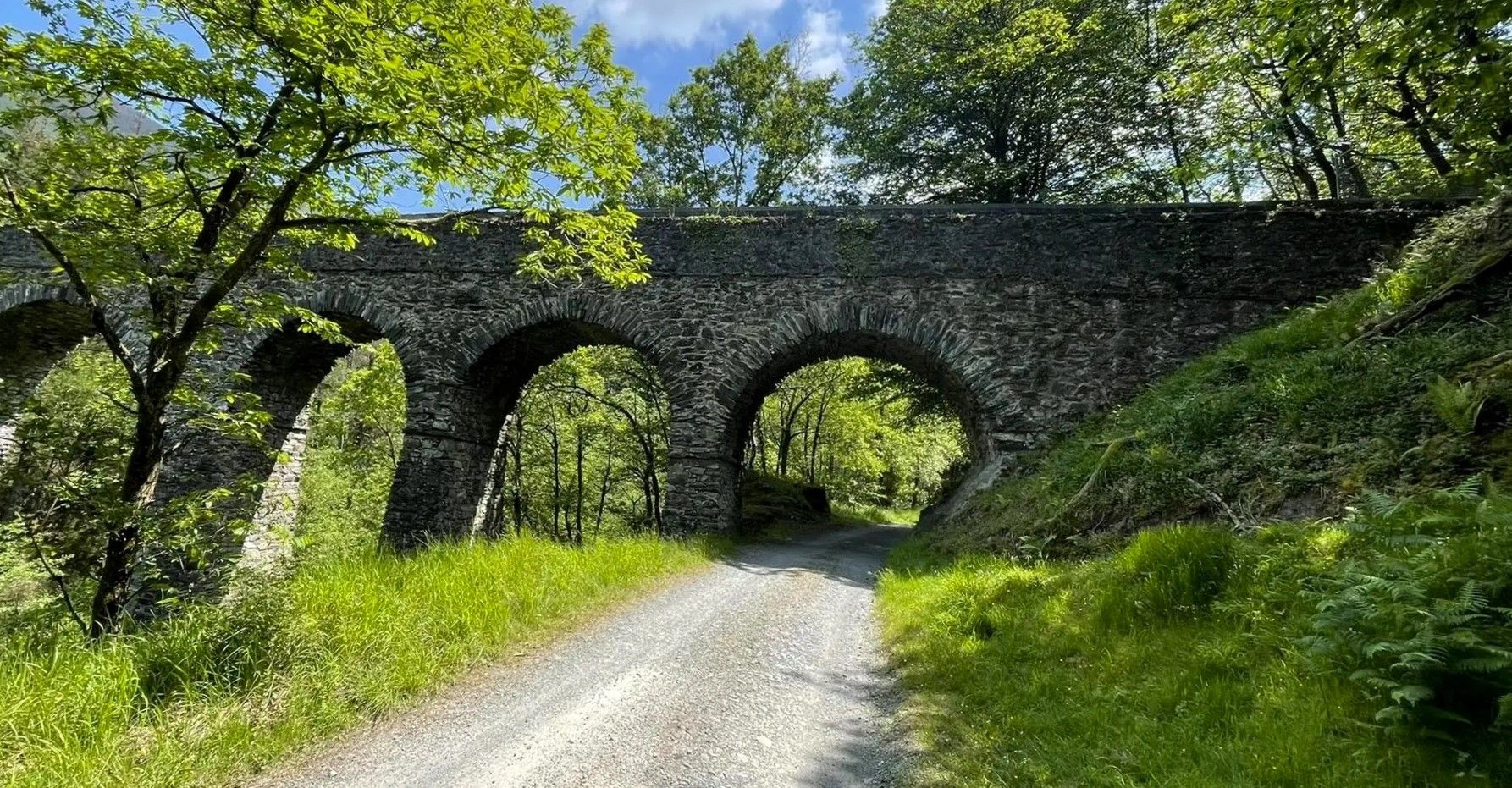
A magical bike Tour in Spain’s Basque Country – Plazaola Greenway
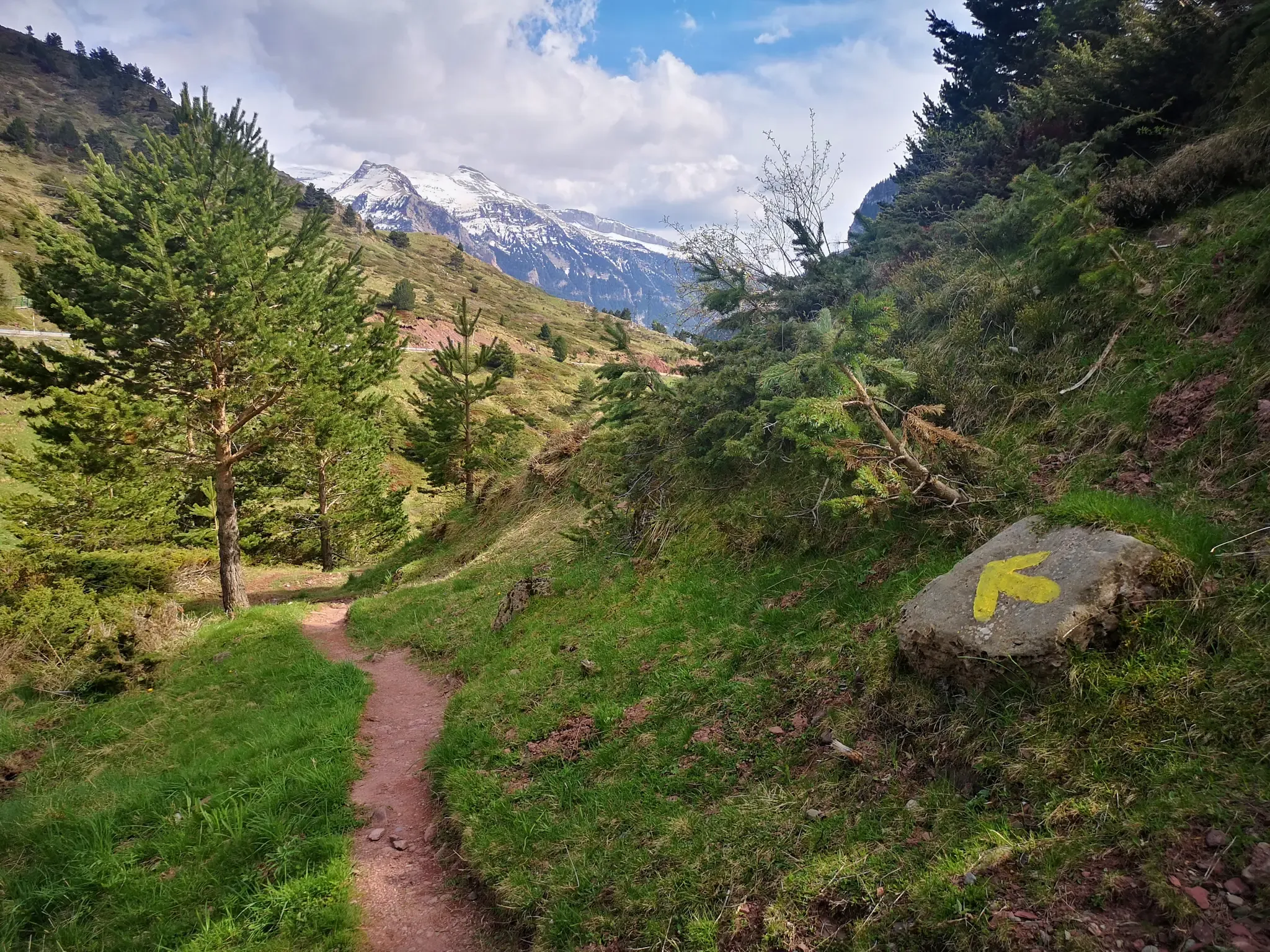
The great forgotten Jacobean pilgrimage – the Aragonese Way
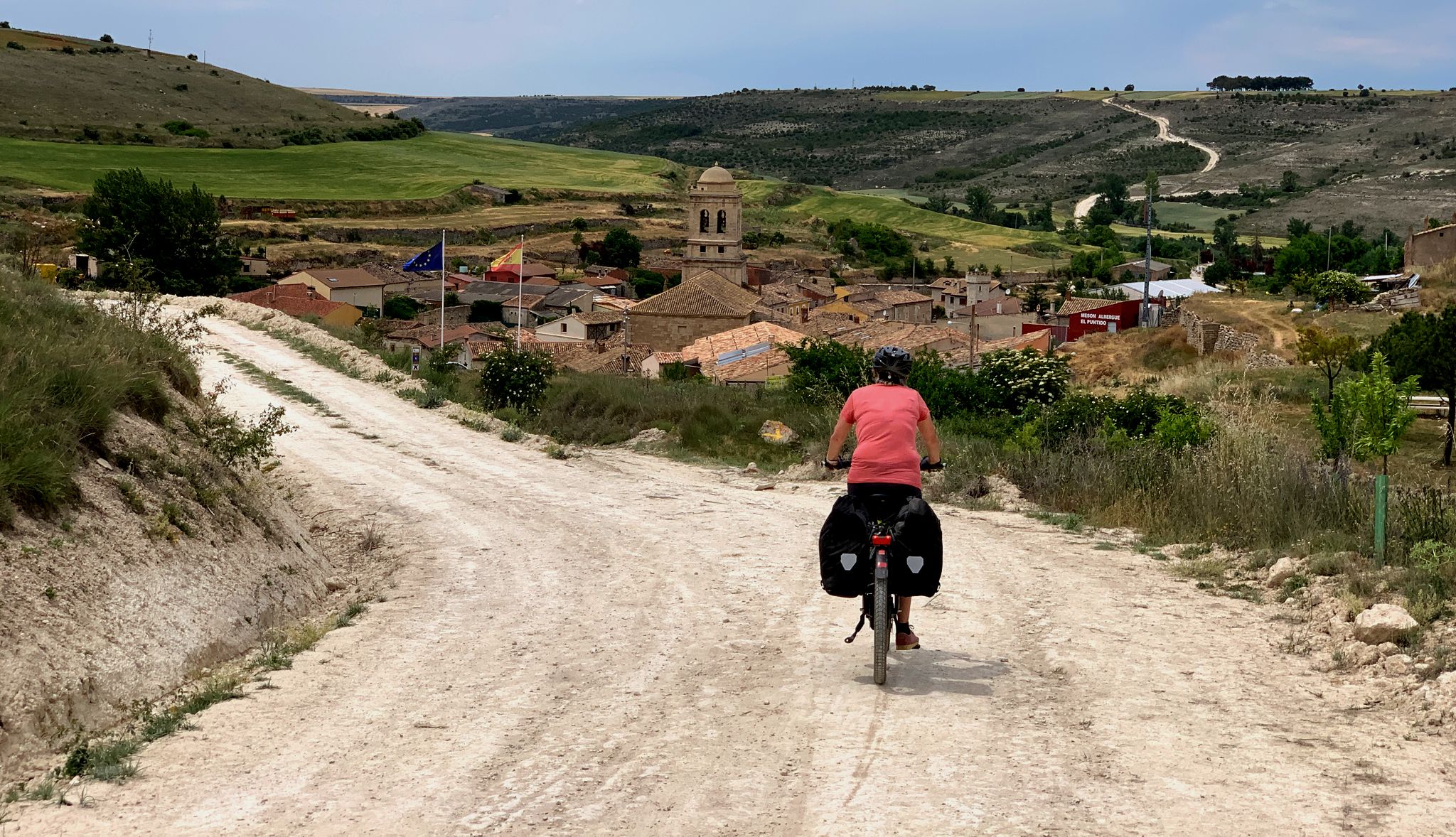
The Pilgrim Route — EuroVelo 3 through Spain
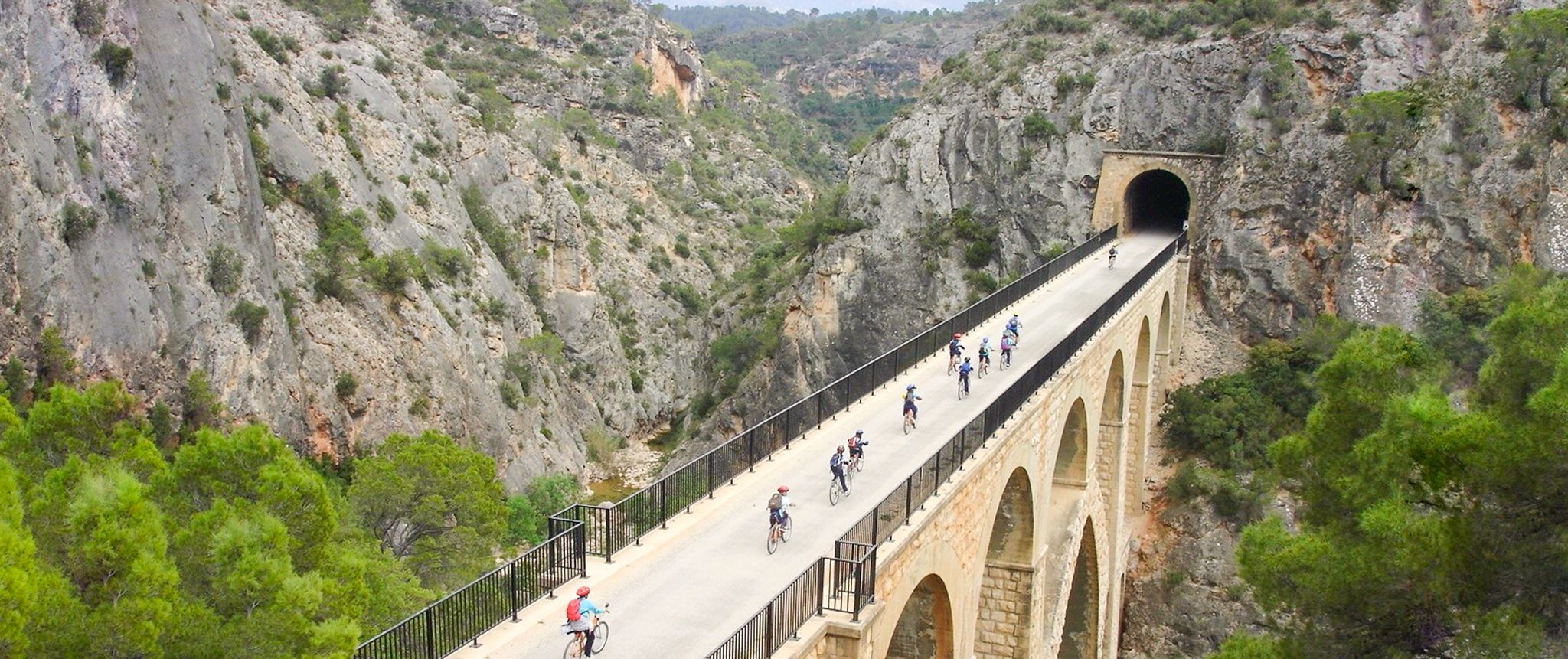
Vías Verdes – traffic-free cycling along railway history in Spain
Other adventures around Cuenca Pamplona


Tips from the Community

A medieval bridge that crosses a small stream. I don't know its origin, but it's probably related to the Camino de Santiago.
0
0

From one of the access parking lots.
1
0
Right next to the famous San Donato hermitage.
1
0

The route connects again with the PR-NA 201 at the milestone where the Vertical Kilometer appears on the right, continuing straight through the panoramic mountain meadow to the popular hermitage of San Donato. Part of the sanctuary is converted into a mountain refuge and is delicious when there is a blizzard or bad weather, as was the case the day we did the route. The geodesic vertex of Beriain is next door, on the rocky tip of a cliff that concentrates the kingdom of abysses and cliffs that float above the towns of the Sakana.
1
0
A spectacle of greens, humidity, mystery.
2
0

This bridge is the best Jacobean entrance to this magnificent town.
0
0

Monreal is a town with an interesting cultural heritage. Pilgrims on the Aragonese Way are welcome with a beautiful bridge with two eyes over the Elorz River. You can also visit the ruins of a castle and other beautiful religious and civil buildings. The town also has all kinds of services for walkers: hostel, restaurants, supermarket, pharmacy and ATM.
2
0
The best reward for the hard climb.
5
0
Frequently Asked Questions
What types of mountaineering routes can I find in the Cuenca Pamplona region?
The Cuenca Pamplona region offers a diverse range of mountaineering experiences. In Cuenca, you'll find routes traversing dramatic karstic landscapes and limestone cliffs, ideal for both hiking and rock climbing. Near Pamplona, the routes often lead into the foothills of the Pyrenees, featuring extensive forests, river gorges, and open mountain plateaus. You can expect significant elevation changes and natural rock features across the region.
Are there mountaineering routes suitable for beginners or families?
While many routes in the region are challenging, there are options suitable for those looking for a more moderate experience. For instance, the Medieval Bridge of Monreal loop from Monreal / Elo is a moderate 7.0-mile (11.2 km) trail that takes about 4 hours 8 minutes, offering varied landscapes including a historic bridge. Another moderate option is the Peña de Unzué loop from Unzué / Untzue, a shorter 3.2-mile (5.2 km) route with less elevation gain.
What are the best areas for rock climbing in Cuenca Pamplona?
Cuenca is internationally recognized as a premier climbing spot, with limestone cliffs in the Júcar and Huécar gorges offering nearly 30 sectors and routes from 15 to 40 meters. Near Pamplona, Etxauri is a classic climbing area just 13 kilometers away, boasting over 800 limestone routes with a wide range of difficulties (from 4a to 9a), featuring vertical slabs and overhanging faces.
Can I find circular mountaineering routes in the region?
Yes, several routes in the Cuenca Pamplona area are designed as loops, allowing you to start and end at the same point. Examples include the challenging Beriain loop from Uharte Arakil, which is 7.3 miles (11.7 km) long, and the Sierra de San Donato loop from Ergoiena, a difficult 9.8-mile (15.8 km) path.
Are there any notable natural attractions or viewpoints along the mountaineering routes?
Absolutely! The region is rich in natural beauty. In Cuenca, you can explore the unique rock formations of the 'Ciudad Encantada' (Enchanted City) and enjoy breathtaking panoramas from the 'Ventano del Diablo' (Devil's Window) overlooking the Júcar River canyon. Near Pamplona, the Urbasa-Andía Natural Park features the stunning Source of Urederra with its turquoise waterfalls. You can also find viewpoints like the View of Balsa de Ezkotitz.
What is the best time of year for mountaineering in Cuenca Pamplona?
Spring and autumn are generally ideal for mountaineering and rock climbing in both Cuenca and Pamplona due to moderate temperatures. While climbing is possible almost year-round in Cuenca, these seasons offer the most comfortable conditions. For higher altitude routes in the Pyrenean foothills near Pamplona, summer can also be excellent, but always check local weather conditions.
Are there any multi-day mountaineering options or longer treks?
Pamplona's proximity to the Pyrenees and its location on the Camino de Santiago (French Way) offer opportunities for multi-day treks. The Camino itself provides historical and scenic routes for walkers, while the Pyrenean areas like the Roncal-Belagua Valley have various options for longer hikes and ascents, including peaks up to 2,000 meters.
What kind of wildlife or natural features can I expect to see?
The region is home to diverse ecosystems. In Cuenca, the karstic landscapes are unique, with geological formations shaped by water. Near Pamplona, the Irati Forest is one of Europe's largest and best-preserved beech and conifer forests. The Foz de Arbayun and Foz de Lumbier gorges are excellent for birdwatching, particularly for vultures and Egyptian vultures.
Are there any historical or cultural landmarks near the trails?
Yes, the region is steeped in history. Near Pamplona, you can find the Pilgrim Monument at Alto del Perdón, the Puente la Reina Romanesque Bridge, and the Pamplona Cathedral and the Citadel. The Medieval Bridge of Monreal is also a notable historical feature along one of the mountaineering routes.
How many mountaineering routes are available in this guide for Cuenca Pamplona?
This guide features a curated selection of 6 mountaineering routes around Cuenca Pamplona, ranging from moderate to difficult. These routes have been explored by over 50 mountaineers using komoot, showcasing the best of the region's diverse landscapes.
Are there any routes that offer a unique or 'hidden gem' experience?
For a unique experience, consider exploring the 'Ruta de las Caras' (Route of the Faces) in Cuenca, where giant sculptures are carved into the rock, offering a blend of art and nature. Near Pamplona, the semi-desert landscape of the Bardenas Reales Natural Park provides a moon-like environment with striking rock formations like Castildetierra, a truly distinct hiking experience.
What are some of the more challenging mountaineering routes in the area?
For experienced mountaineers, the region offers several demanding routes. The Sierra de San Donato loop from Uharte Arakil is a difficult 10.6-mile (17.1 km) path with significant ascents and panoramic views. Another challenging option is the Barranco de Obantzea loop from Arguiñano, a difficult 10.3-mile (16.6 km) route.
Most popular routes around Cuenca Pamplona
Most popular attractions around Cuenca Pamplona

Get inspired with the komoot mobile app


Didn’t find what you were looking for?
Check out more Mountain Hikes & Routes throughout Cuenca Pamplona below and find the perfect route in your destination.
Explore more
Browse the best Mountain Hikes & Routes in other regions.
