Top 10 Caves around Soumagne
Best caves around Soumagne are found in a region of Belgium known for its natural beauty and subterranean wonders. Soumagne is situated in the broader Liège and Ardennes regions, which are rich in impressive cave systems and geological formations. The area offers a variety of underground experiences, from extensive walking tours to unique underground river sails. Exploring the caves near Soumagne provides insight into the region's natural history and geological processes.
Best caves around Soumagne
- The most popular caves is…
Last updated: July 4, 2026
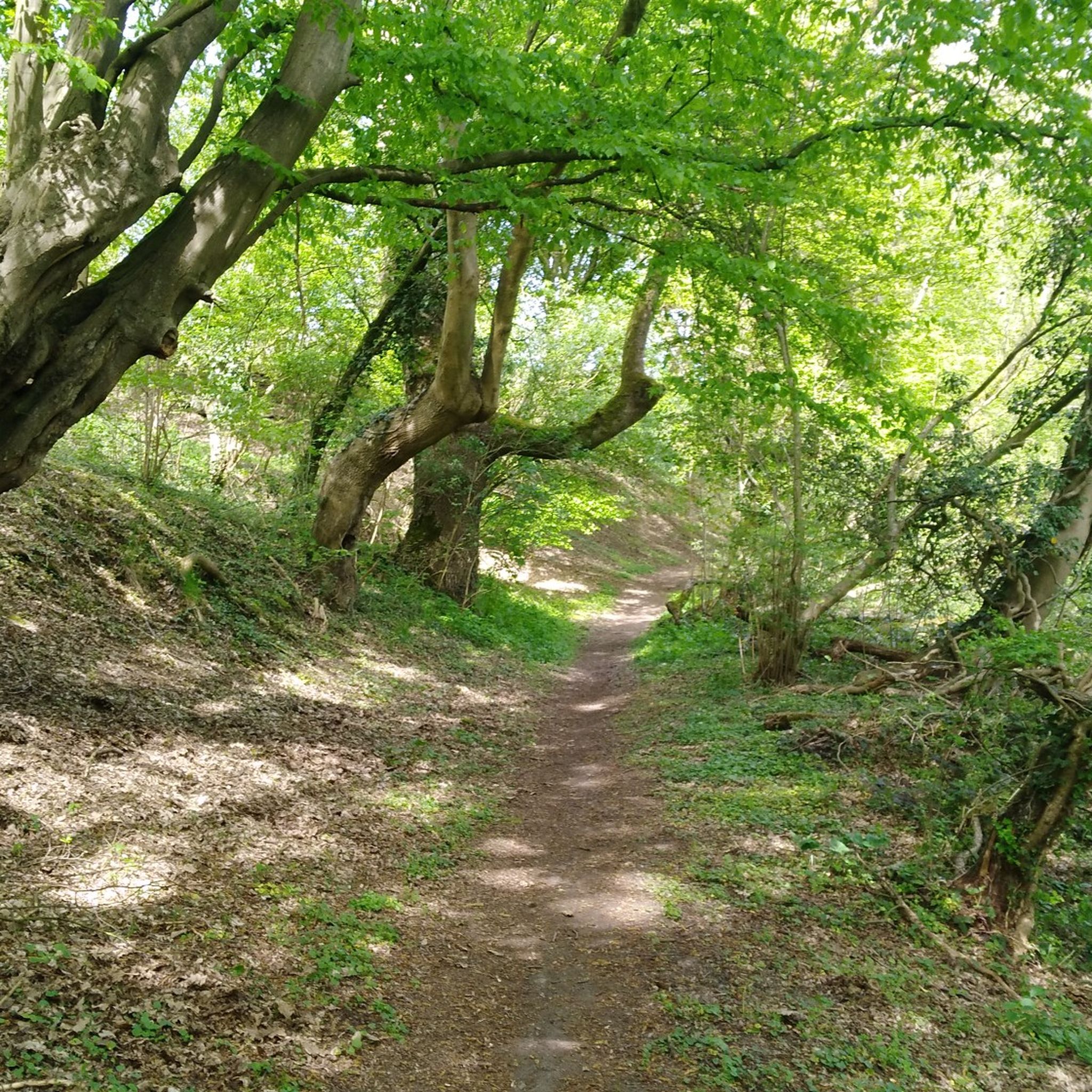
Chawresse Trail
Highlight • Trail
Translated by Google •
Tip by

Casino Grotto, Parc de la Chartreuse
Highlight • Cave
Translated by Google •
Tip by

Sign up now to discover places like this
Get recommendations on the best single tracks, peaks, & plenty of other exciting outdoor places.
Sign up for free
Nutons' Cave
Highlight • Cave
According to legend, nutons are small …
Translated by Google •
Tip by

Sainte-Anne Cave and Rocks
Highlight • Cave
The cave is located on the Esneux-Tilff road, on the right bank of the Ourthe River, 1 kilometer before entering Tilff. The large entrance is approximately 20 meters …
Translated by Google •
Tip by

Sinkhole of Olne (Chantoir de Olne)
Highlight • Cave
Translated by Google •
Tip by
Sign up for free to discover even more caves around Soumagne.
Sign up for free
Already have an account?
Start today with a free account
Your next adventure awaits.
Login or Signup
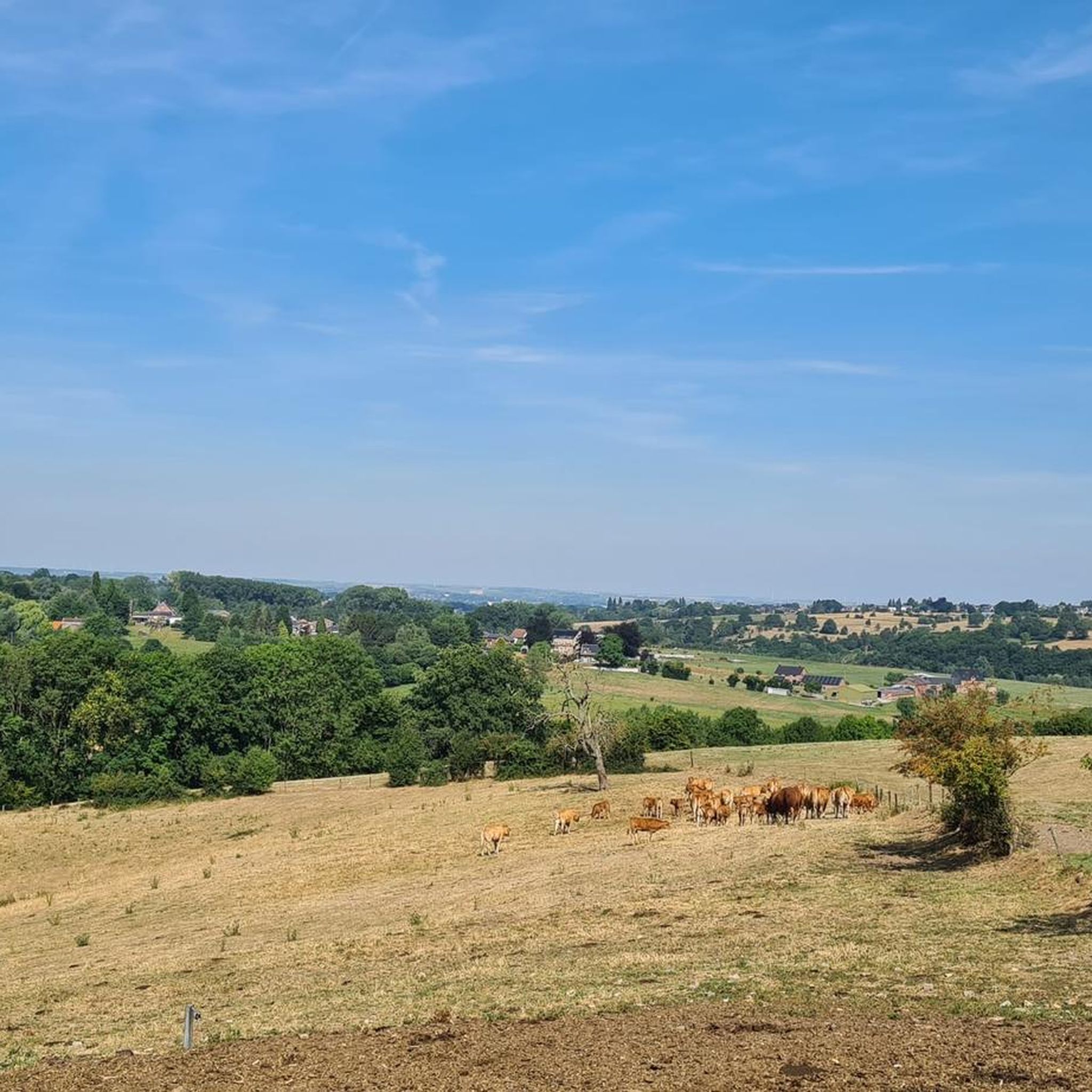
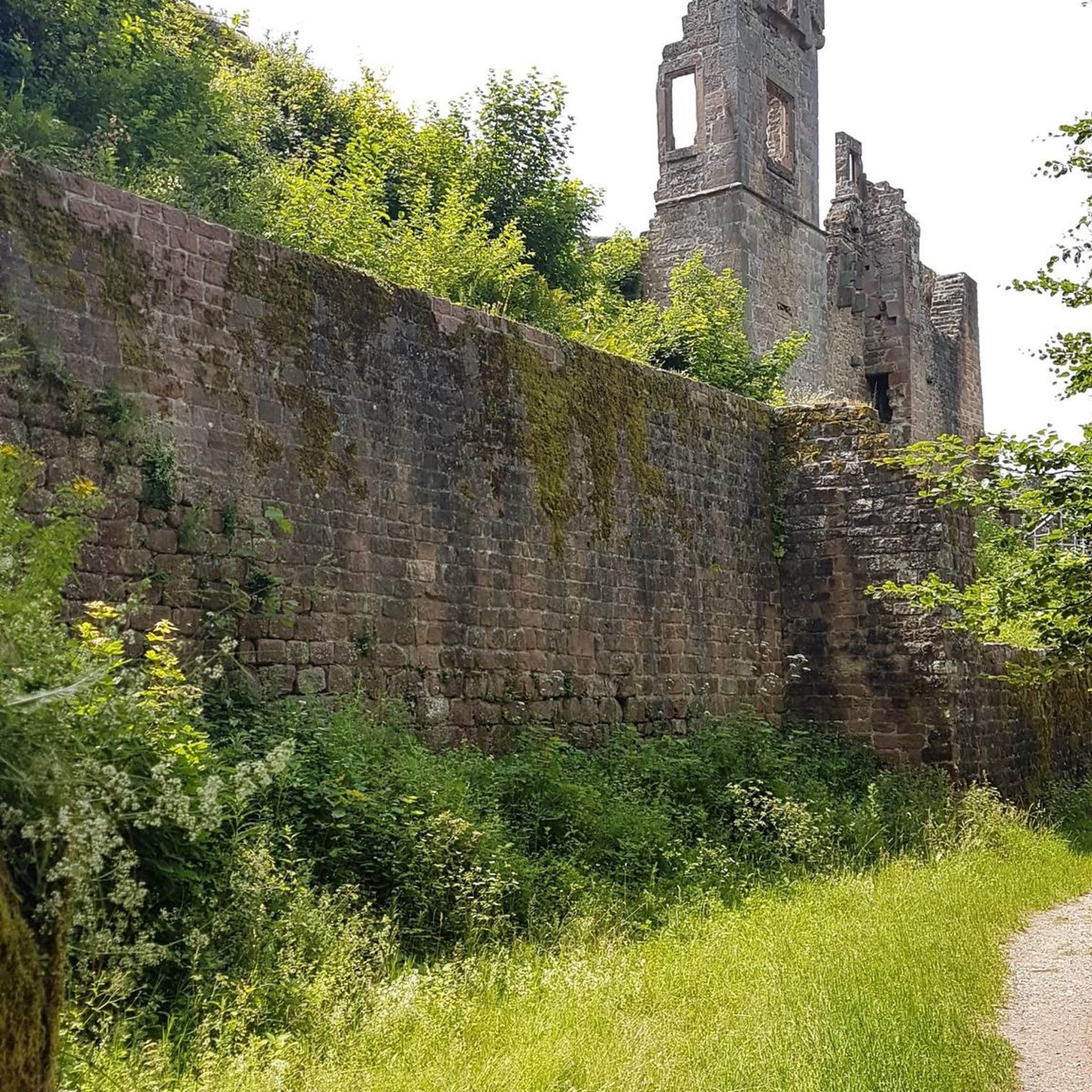
Tips from the Community

Great spot next to the path to discover.
2
0

This region is home to numerous sinkholes, where flowing surface water from streams disappears into cracks in the chalky subsoil, emerging much lower down in the landscape. The most famous is the Chantoir in Olne. The Ry de Vaux stream disappears into the subsoil here, flowing through an underground cave system and reservoir. It is fed by other surrounding water and re-emerges in several karst springs in Vaux-sous-Olne, 760 meters further and 60 meters lower!
0
0
Also called Château Chrouet, after Dr. Warnier Chrouet, who had it built around 1700. Its facade was kept simple. At the rear, large windows overlooked the green Vesdre valley from the hill. A striking feature of the facade is the 17th-century entrance portal in carved limestone with a canopy (canopy) above it. This was typical of many buildings of that period in Olne and was locally called a "teutê." We also see some on the cemetery portal and the municipal garden, but most have been lost over time. The castle's teutë was embellished with a charming turret.
0
0
The Olne sinkhole, where the Ry de Vaux stream plunges into the subsurface, emerging 60 meters lower in Vaux, at various points, and then reemerging nine days later. It flows through an underground cave system, flowing through other water bodies and a reservoir.
0
0

is currently dry, unfortunately
1
0

Unexpected spot in the middle of the park, next to a viewpoint over the city (let's see if we can still see that far when the trees have turned green...), a reminder of a time when the walking routes were punctuated by https://www.dogwhistlings.com
0
0

Approach (Parking) 50.556177, 5.579821 This massif consists of various climbing routes with varying degrees of difficulty. 1) La Dalle → The Slab 2) Porche de la Grotte → Portal of the Grotto or Entrance to the Cave 3) Porche Triangulaire / The Anticlinal → Triangular Portal / The Anticlinal 4) Dalle Supérieure → Upper Slab 5) Les Bombés → The Overhangs
50
0
Coordinates: 235.87/139.12/85 The cave is located on the Esneux-Tilff road, on the right bank of the Ourthe River, 1 kilometer before entering Tilff. The large entrance is approximately 20 meters above the road, at the foot of a very steep limestone cliff. This cave has been known for a long time: it was discovered during quarrying in 1837. In the 1960s, the "Réseau Lemaire" was discovered; an upper level with beautiful calcite pools and a lake. Source: https://www.scavalon.be/avalonnl/fiches/fich23.htm
52
0
Frequently Asked Questions
What are the most notable natural caves to visit near Soumagne?
While Soumagne itself doesn't host major natural caves, the wider region of Wallonia, particularly the province of Liège and the Ardennes, offers spectacular underground formations. Highly recommended are the Grottes de Remouchamps, famous for Europe's only navigable underground river, the Rubicon. Other impressive options include the vast Grottes de Han-sur-Lesse and the unique vertical descent of Grotte de Lorette-Rochefort. For a more authentic experience, consider the Grottes de Hotton, known for their pristine formations.
Are there any caves directly within Soumagne or very close by?
Directly within Soumagne, there are no prominent natural caves. However, the immediate vicinity offers interesting geological features and local folklore sites. For instance, the Chawresse Trail features a valley where a stream disappears underground into cavities. You can also find Nutons' Cave, linked to local folklore, and the Sinkhole of Olne, where a stream vanishes into an underground cavity.
What kind of geological features can I expect to see in the caves near Soumagne?
The caves in the region boast a variety of impressive geological formations. You can expect to see magnificent stalactites and stalagmites, some thousands of years old, as well as limestone curtains and vast chambers. The Grottes de Remouchamps feature the Rubicon, Europe's only navigable underground river. The Grottes de Han-sur-Lesse are known for their immense cavities like the 'Dome Hall,' while the Grotte de Lorette-Rochefort offers a unique vertical cave experience with an active tectonic fault line.
Are there family-friendly cave experiences around Soumagne?
Yes, several caves in the region are suitable for families. The Grottes de Remouchamps offer a magical experience with both walking and boat tours, captivating visitors of all ages. The Grottes de Han-sur-Lesse are also very family-friendly, often including a historic tram ride and a sound and light show, plus a safari park nearby. For local charm, the Nutons' Cave, with its folklore, can be an engaging stop for children.
What is the best time of year to visit the caves?
Caves generally maintain a constant cool temperature year-round, making them an excellent destination regardless of the season. They are particularly popular during summer as a cool escape from the heat, and in winter, they offer a unique outdoor activity when other options might be limited by weather. Always check specific cave opening hours, as some might have seasonal variations.
What should I wear when visiting the caves?
It's advisable to wear comfortable, sturdy walking shoes with good grip, as cave paths can be damp and uneven. Even in summer, cave temperatures are cool (typically around 10-12°C or 50-54°F), so bring a light jacket or sweater. Some caves might have dripping water, so a waterproof layer can be beneficial.
Can I combine a cave visit with hiking or other outdoor activities?
Absolutely! The region around Soumagne is excellent for combining caving with other outdoor pursuits. For example, the Chawresse Trail offers a beautiful hike through a valley with interesting rock formations and disappearing streams. You can find numerous hiking routes in the area, such as those listed in the Hiking around Soumagne guide, which can lead you to or near some of these natural features.
Are there options for more adventurous caving or speleology near Soumagne?
For those seeking a more adventurous experience, the Grottes de Floreffe offer caving initiation, adventure courses, and even Via Ferrata options. The Sainte-Anne Cave and Rocks are also known for climbing routes and attract cavers, though public access might be limited to the entrance. The Sinkhole of Olne has been the subject of speleological research, indicating the presence of more complex underground systems for experienced explorers.
Are there any man-made or historical caves in the area?
Yes, beyond natural formations, the region also features unique man-made underground sites. Notably, there is a man-made cave dedicated to Saint Antoine de Padoue, constructed between 1900 and 1903. This religious site offers a unique cultural experience with its three levels depicting scenes of the saint and its distinctive architectural style. Additionally, the Casino Grotto in Parc de la Chartreuse is an ornamental construction from a bygone era, offering a glimpse into historical landscape design.
What are some popular activities or routes near the caves for mountain biking?
If you're interested in mountain biking near the caves, the region offers a variety of trails. You can explore routes like the 'Wild Garlic Trail Descent' or the 'Dalhem Old Railway Tunnel' loop. For more options, check out the MTB Trails around Soumagne guide, which provides details on various routes ranging from easy to difficult.
Are dogs allowed in the caves?
Generally, dogs are not permitted inside natural caves due to safety concerns for both the animals and the delicate cave ecosystems, as well as potential disruptions to other visitors. It's always best to check the specific rules of each cave attraction before planning your visit with a pet.
Most popular routes around Soumagne
Most popular attractions around Soumagne

Get inspired with the komoot mobile app


Explore more
Extend your search for the best caves by checking out these guides of the top ones around Soumagne:
