Top 20 Natural Monuments around Vorselaar
Best natural monuments around Vorselaar, a municipality in the Antwerp province of Belgium, offer diverse natural beauty and historical significance. The region features varied habitats including forests, heathlands, and fens, providing opportunities for outdoor activities. These areas are characterized by unique ecosystems and traditional landscape management. Visitors can explore a range of natural settings, from tranquil woodlands to significant wildlife habitats.
Best natural monuments around Vorselaar
- The most popular natural monuments is Kesselse Heath, a forest that features a…
Last updated: October 13, 2026
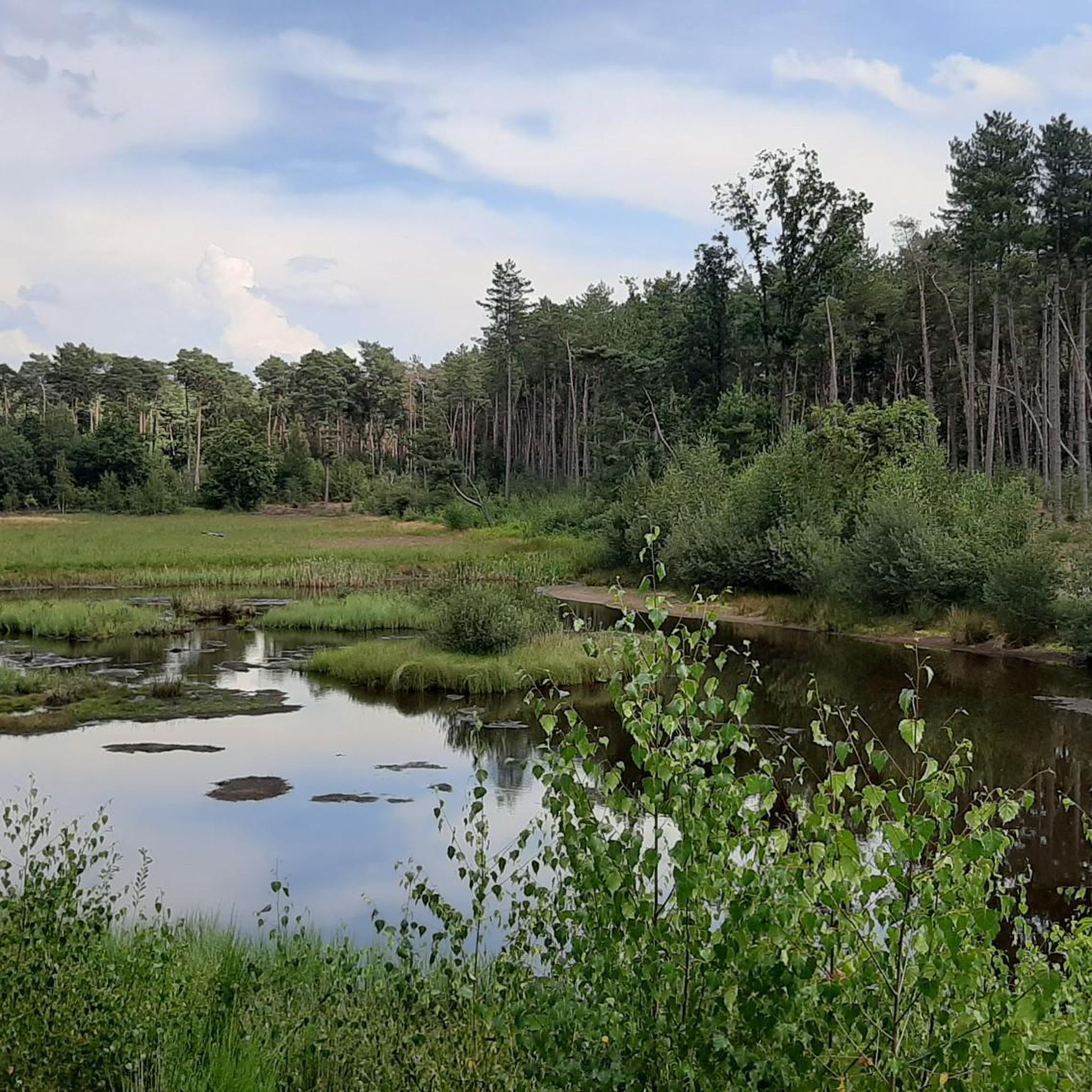
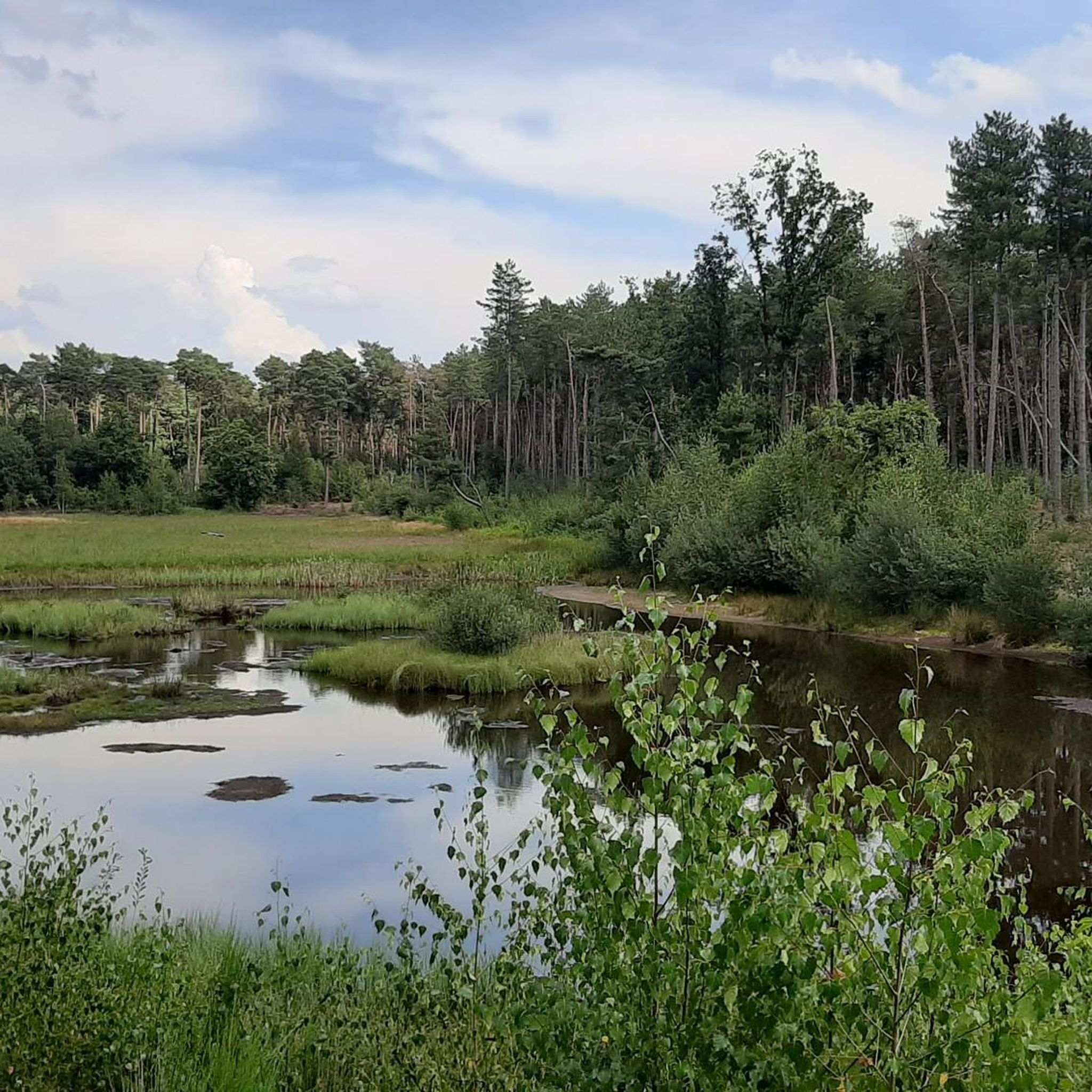
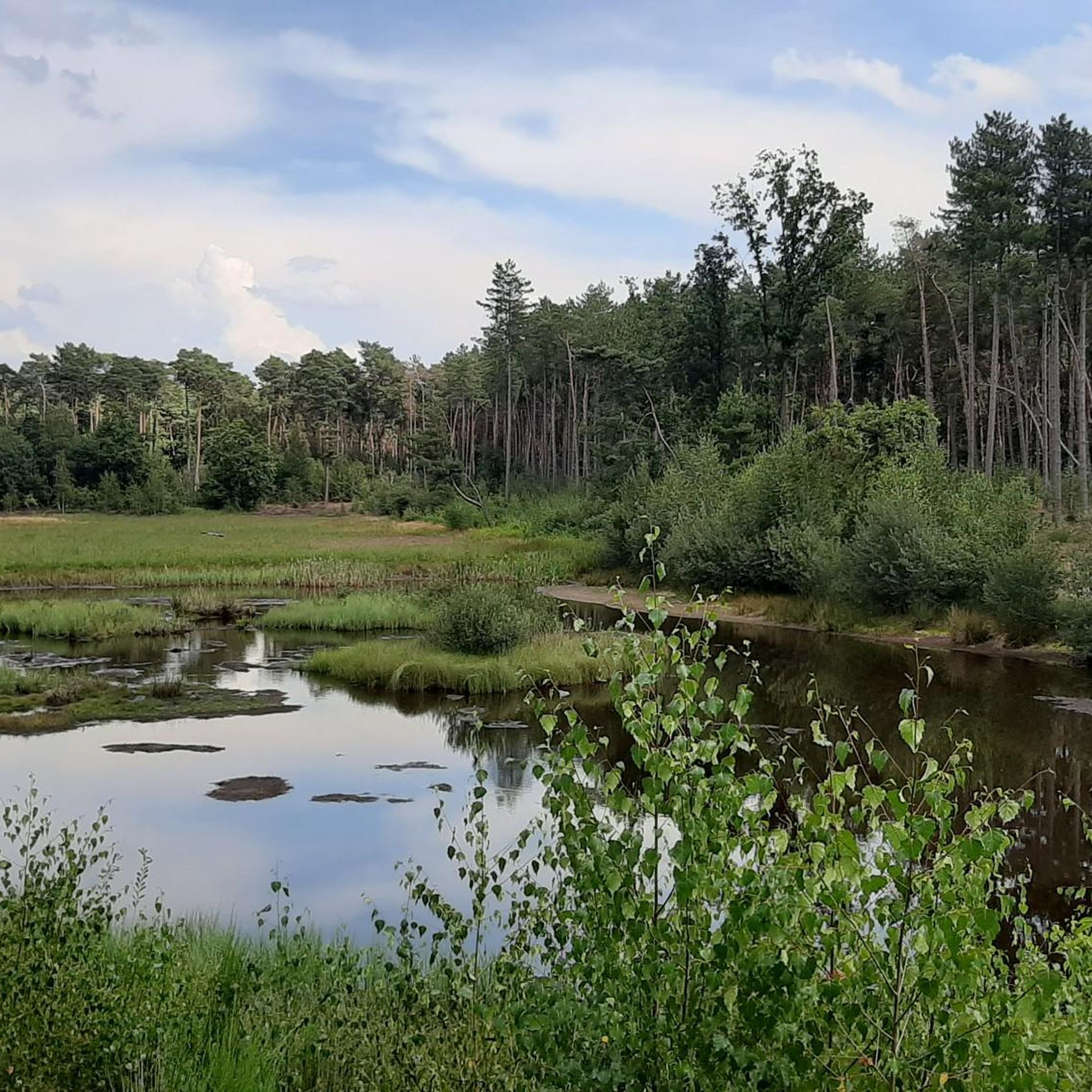
The Zwart Water
Highlight • Lake
Translated by Google •
Tip by

Kesselse Heath
Highlight • Forest
Translated by Google •
Tip by

Sign up now to discover places like this
Get recommendations on the best single tracks, peaks, & plenty of other exciting outdoor places.
Vrieselhof Castle
Highlight • Castle
Translated by Google •
Tip by

De Hoge Mouw with its sleeping giant
Highlight • Monument
Translated by Google •
Tip by

Devil's Pit Pond
Highlight • Lake
Translated by Google •
Tip by

Sign up for free to discover even more natural monuments around Vorselaar.
Already have an account?
Start today with a free account
Your next adventure awaits.

Tips from the Community

The Kesselse Heide is a provincial green space covering 79 hectares, 61 of which are open to the public. The initial acquisition took place in 1978, and it has been expanded since then. The entrance is located in Nijlen, at Vaerestraat 4. The space is freely accessible daily from sunrise to sunset. There are two ponds in the area. These old wells not only provide a pleasant change of scenery but are also a boon for the many plants and animals. Since 1996, the Kesselse Heide has been a protected landscape. It is one of the few remaining remnants of the once vast Kempen heathlands. The heath is a living community created in our region by humans. Historical agricultural practices created a landscape that has been preserved through human intervention: grazing by sheep, burning the heath, and sod cutting. Sod cutting is the removal of the topsoil and vegetation. A dug-out sod of plants and their roots is a sod. If heathland is left untreated, it will evolve into oak and birch forests, and the typical species associated with a heathland habitat will disappear. In the mid-19th century, the Kesselse Heide—like many other parts of the Kempen region—was afforested with Scots pine, a valuable timber for mining. However, during both World Wars, these sod-covered forests were felled, and from then on, the heathland was able to expand again. Current management consists of removing trees and mechanically cutting sods to give the open heathland every chance to thrive. https://youtu.be/NoPf0HSeFz8
6
0

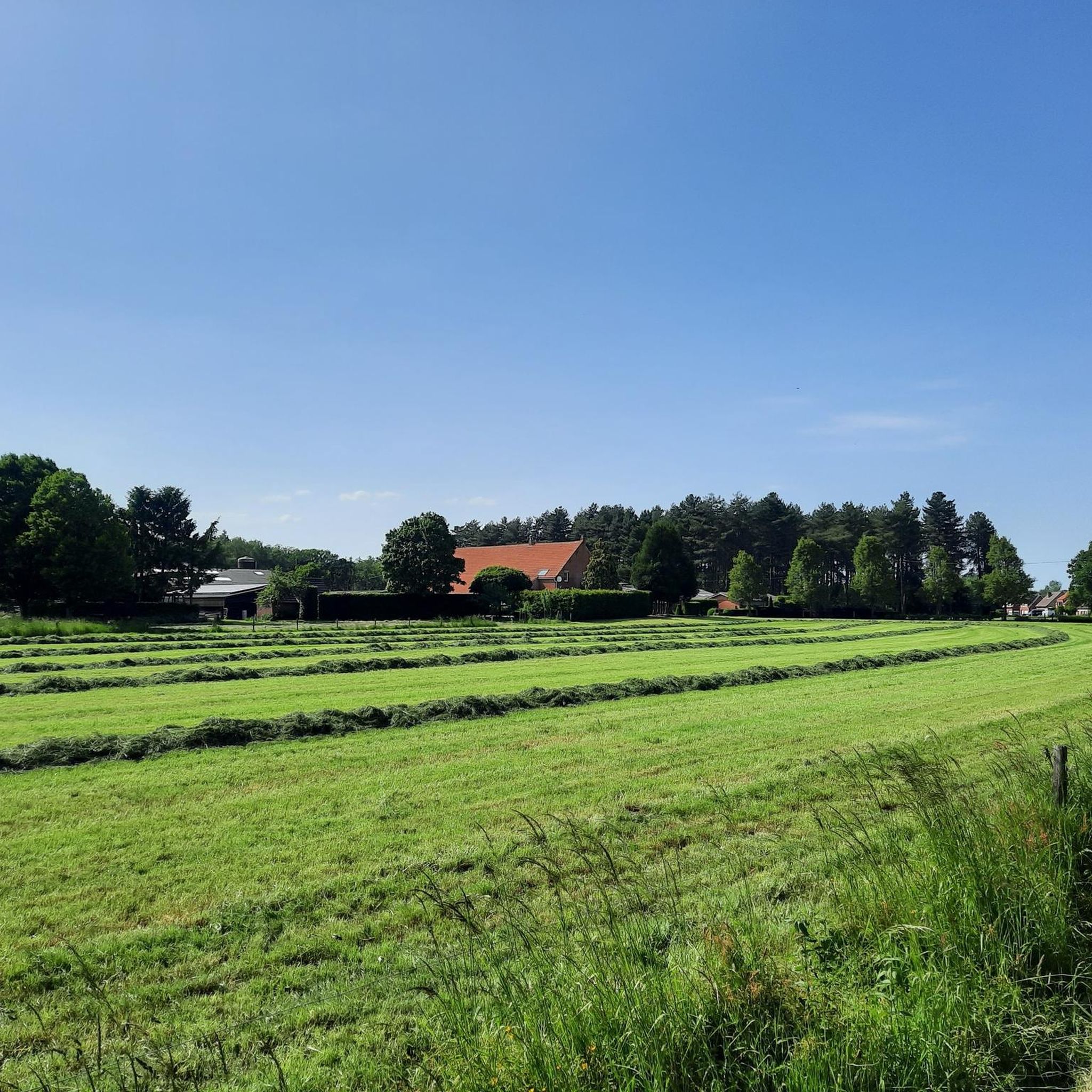
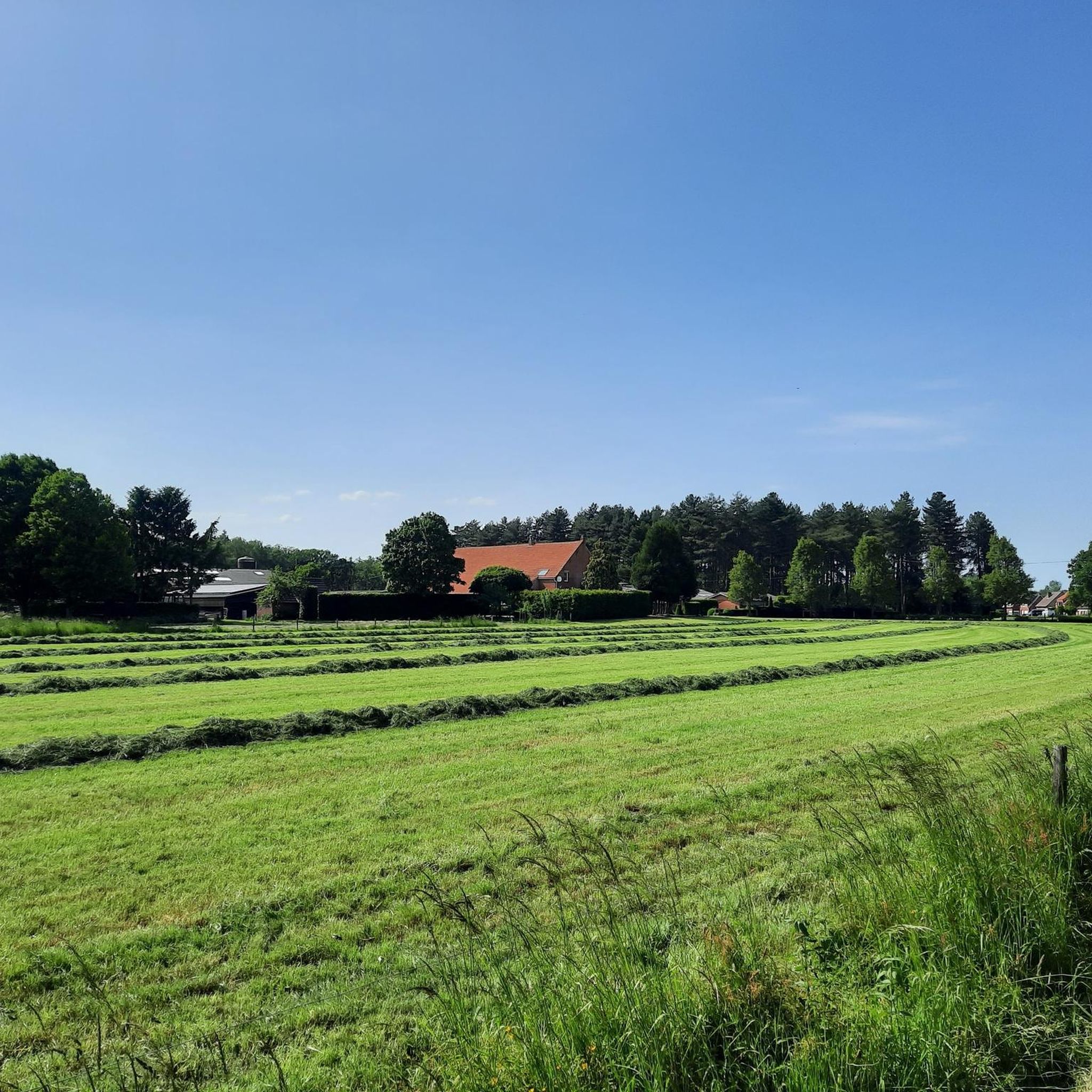
The Kesselse Heide-Het Goor area consists of a variety of nutrient-poor meadows, pastures, marshes, and ponds, bordered and crisscrossed by enclosed landscape types, and contains numerous landscape elements. The area is characterized by a richly varied and sometimes rare flora. Several historic farm buildings can be found within the area. The Kesselse Heide-Het Goor area, with an area of approximately 2,620 hectares, is located between the villages of Nijlen and Kessel, north of the Lier-Herentals road. The northern border of this area is along Vogelzangstraat, the eastern border along Achterbist, Kannaertsstraat, and Goorstraat. The Grote Steenweg forms the southern border, and the western border is formed by Heidestraat and Vaerestraat. The landscape includes the following topographical areas: "Kannaerdsche Heyde," "Kesselse Heide," "Mol Heide," "Achterbiest," "Het Hoog Bosch," "De Hooge Heide," "Het Armveld," "De Schommers" or "Vissen Eynde," "Het Goor," "Het Goorkasteel," and "Hoge Heyde." Several streams traverse the area, specifically the Goorkantloop, the Elstbeek, the Paddenloop, Blauwe Hoekloop, and the Visbeek. The elevation within the area varies from approximately 5 meters +TAW to approximately 10 meters +TAW. Inventory of Immovable Heritage: Kesselse Heide-Het Goor, https://id.erfgoed.net/erfgoedobjecten/302886
7
0

Many captivating stories have been written about this well (not just any well). The first probably dates back to 1571, when Lieske Coolbonders committed suicide by drowning herself in the well while the devil himself was pursuing her. Lieske was the illegitimate daughter of Katrien Coolbonders, who was raped by a Spanish nobleman. The nobleman was murdered by Katrien's husband. The body was first dumped in the Devil's Well. Later, it was buried somewhere nearby. (Efkesweg.be)
5
0
Viewed from above, with a little imagination, the Kempen Ridge's relief can be seen as if a giant were sleeping beneath the landscape. Because of the vegetation on the sand dunes, they no longer move, and the giant's slumber is not disturbed. In 2018, Gijs Van Vaerenbergh's artwork, "A Giant Sculpture," was unveiled. It was placed on the 30-meter-high summit of the Hoge Mouw sand dune. (Efkesweg.be)
7
0

In a thunderstorm, it is best not to touch it, a lightning strike can be dangerous. Inside it is a Faraday cage and you are safe, but what if you touch the corten steel at the moment that lightning strikes? Still, stay away from this beautiful work of art in a thunderstorm!?
4
0

Very nice walk with a lot of variety in landscapes and terrain.
3
0

Fun to spin the wheel here and listen to the story around this mysterious pool...
5
1

A special one... you must see it
5
1
Frequently Asked Questions
What unique natural features can I discover around Vorselaar?
Vorselaar offers a diverse range of natural features. You can explore the unique fen ecosystem of The Zwart Water, known for its dark, peat-stained water and floating platform for birds. Kesselse Heath features a mix of scrub heather, forests, sandy plains, and fens, maintained by grazing sheep. Additionally, Devil's Pit Pond is a varied nature reserve with heathland, fens, and forests.
Are there family-friendly natural monuments in the Vorselaar area?
Yes, several natural monuments around Vorselaar are great for families. Kesselse Heath is popular, especially its expansive sandy plains which are like a giant sandbox for children. The Zwart Water and Devil's Pit Pond are also family-friendly, offering tranquil walks and opportunities for birdwatching. De Hoge Mouw with its sleeping giant provides soft sand for children to play in and the intriguing 'Sleeping Giant' artwork to discover.
What historical or cultural sites are integrated with nature around Vorselaar?
The region beautifully blends history with nature. Vrieselhof Castle is a castle domain with varied biotopes, offering a blend of historical context and natural tranquility that changes appearance with each season. Fort Oelegem, while primarily a historical fortification, has become a significant natural habitat, particularly for a large bat colony. Devil's Pit Pond also has historical ties, with local lore referencing ancient pagan practices and prehistoric burial fields.
What are the best natural monuments for hiking and walking near Vorselaar?
For hiking and walking, you have several excellent options. Kesselse Heath offers varied landscapes with marked trails. Lovenhoek Nature Reserve is an expansive forest ideal for immersing yourself in nature with numerous hiking opportunities. Witte Bergen Nature Reserve is known for its rugged terrain and panoramic views, especially when wildflowers are in bloom. Prinsenpark, just outside Vorselaar, provides well-marked trails through ancient woodlands and past serene lakes.
Are there specific trails or routes for outdoor activities near these natural monuments?
Yes, there are many routes for various outdoor activities. For hiking, you can explore trails like the 'Kleine Nete – Nete River Path loop' or the 'Lovenhoek Nature Reserve – Borrekens Castle loop'. If you prefer mountain biking, consider routes such as the 'Challenging Bend – De Paepekelders Tourist Tower loop'. Runners can enjoy trails like the 'Cycle Path Along Engels Kamp – Open Field with Horses loop'. You can find more details and routes on the Hiking around Vorselaar, MTB Trails around Vorselaar, and Running Trails around Vorselaar guide pages.
What is the best time of year to visit the natural monuments around Vorselaar?
The natural monuments around Vorselaar offer beauty throughout the year. Spring and summer are ideal for enjoying wildflowers, lush greenery, and birdwatching, especially at The Zwart Water. Autumn brings vibrant colors to the forests, particularly around Vrieselhof Castle. Even winter offers tranquil walks through the unique landscapes of places like Kesselse Heath.
Where can I go for wildlife spotting near Vorselaar?
For wildlife spotting, The Zwart Water is an excellent location for birdwatching, with a floating platform providing a safe resting and nesting place for birds. Fort Oelegem is a crucial conservation area, home to approximately 1,300 bats. Lovenhoek Nature Reserve also boasts a wide array of habitats for diverse flora and fauna, offering good opportunities for observation.
Are there any natural monuments with unique geological features?
Yes, De Hoge Mouw with its sleeping giant is part of the Kempen ridge, a chain of hills made of ferrous sandstone. The shifting dunes in this area, which are now stabilized by vegetation, inspired the name 'Sleeping Giant' due to their monumental appearance. The Zwart Water also has a unique geological history, with its dark color resulting from peat development in a former open dune landscape.
What do visitors enjoy most about the natural monuments around Vorselaar?
Visitors frequently appreciate the tranquility and diverse natural beauty. Many enjoy the unique ecosystems found at Kesselse Heath, especially the traditional landscape management with grazing sheep. The peaceful atmosphere and birdwatching opportunities at The Zwart Water are also highly valued. The blend of history and nature at sites like Vrieselhof Castle and the playful sandy areas at De Hoge Mouw are also popular.
Are there any natural monuments suitable for leisurely strolls?
Absolutely. Prinsenpark, located just outside Vorselaar, offers easily accessible and tranquil hiking opportunities through ancient woodlands and past serene lakes, perfect for leisurely strolls. The Zwart Water and Devil's Pit Pond also provide peaceful settings for relaxed walks amidst unique natural environments.
Can I find viewpoints with scenic vistas among the natural monuments?
Yes, several locations offer scenic views. Witte Bergen Nature Reserve is known for its panoramic views of the surrounding landscape, particularly beautiful when wildflowers are in bloom. De Hoge Mouw, being part of the Kempen ridge, also provides elevated perspectives of the area. Additionally, Vrieselhof Castle offers picturesque views of its varied biotopes.
Most popular routes around Vorselaar
Most popular attractions around Vorselaar

Get inspired with the komoot mobile app


Explore more
Extend your search for the best caves by checking out these guides of the top ones around Vorselaar:
