Top 20 Caves around Liège
Best caves around Liège are found in a region characterized by its varied topography, including river valleys and limestone plateaus. This geological composition has led to the formation of numerous natural and man-made underground cavities. The area is known for its historical significance, with many caves having been used for quarrying, shelter, or as archaeological sites. These subterranean environments offer unique opportunities for exploration and understanding the region's natural history.
Best caves around Liège
- The most popular caves is Thier…
Last updated: August 14, 2026
Thier des Vignes Flint Caves
Highlight • Cave
Source: mini-ardenne.be/poi.card.php?id=6036&language=fr
Translated by Google •
Tip by

Castle cave
Highlight • Cave
Translated by Google •
Tip by

Sign up now to discover places like this
Get recommendations on the best single tracks, peaks, & plenty of other exciting outdoor places.
Sign up for free
Chawresse Trail
Highlight • Trail
Translated by Google •
Tip by

Heyoule Nature Reserve
Highlight • Natural
Translated by Google •
Tip by
Sentier des Meuniers in Réserve Naturelle Heyoule
Highlight (Segment) • Trail
Translated by Google •
Tip by
Remouchamps Caves
Highlight • Cave
Translated by Google •
Tip by
Grootberg
Highlight • Cave
Translated by Google •
Tip by
Schmerling Caves site
Highlight • Cave
Translated by Google •
Tip by
Casino Grotto, Parc de la Chartreuse
Highlight • Cave
Translated by Google •
Tip by

Wonck Caves
Highlight • Cave
Translated by Google •
Tip by

Sign up for free to discover even more caves around Liège.
Sign up for free
Already have an account?
Start today with a free account
Your next adventure awaits.
Login or Signup
Popular around Liège
From Flanders to the Ardennes — GR 5 in Belgium
EuroVelo 3 — The adventure in the heart of Belgium
Trappist abbeys cycle route – Between beers and heritage
Aachen to Reims – Ardennes, Meuse and Champagne
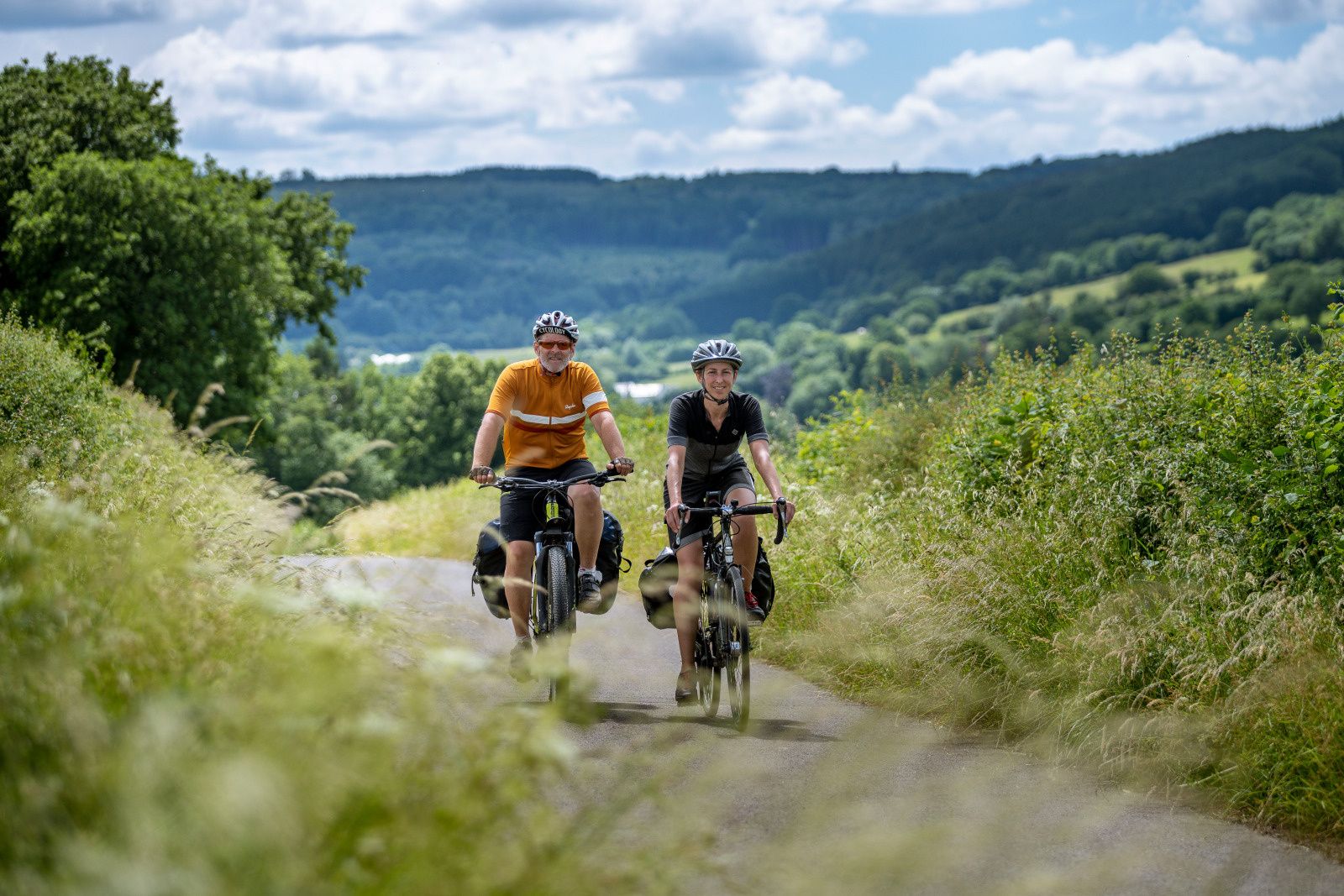
The most beautiful bike rides in Wallonia – pure nature and culture
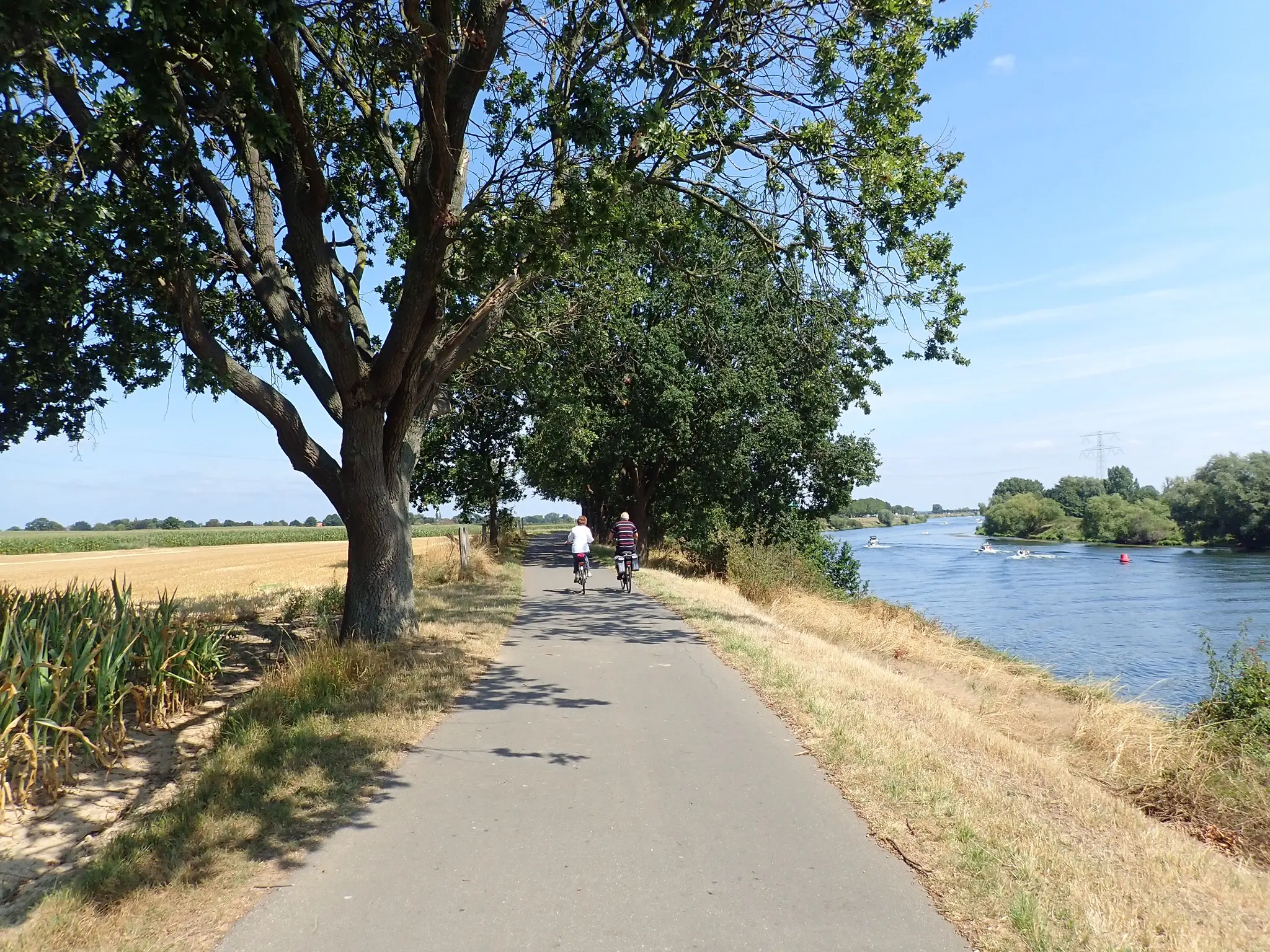
Follow the Meuse by Bike in two days - Maasroute
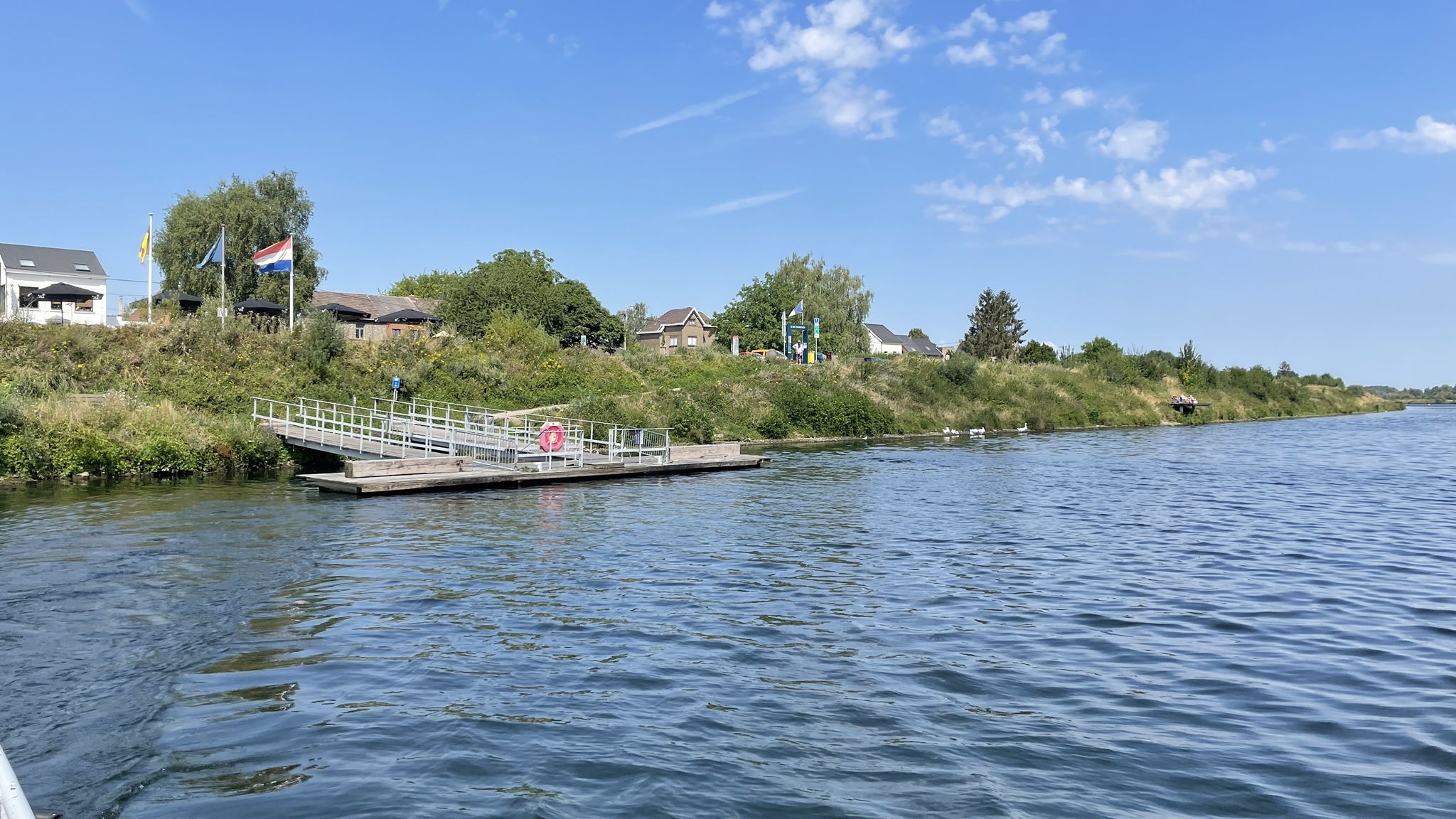
Cycling through green Wallonie — Four days on L'Ardennaise
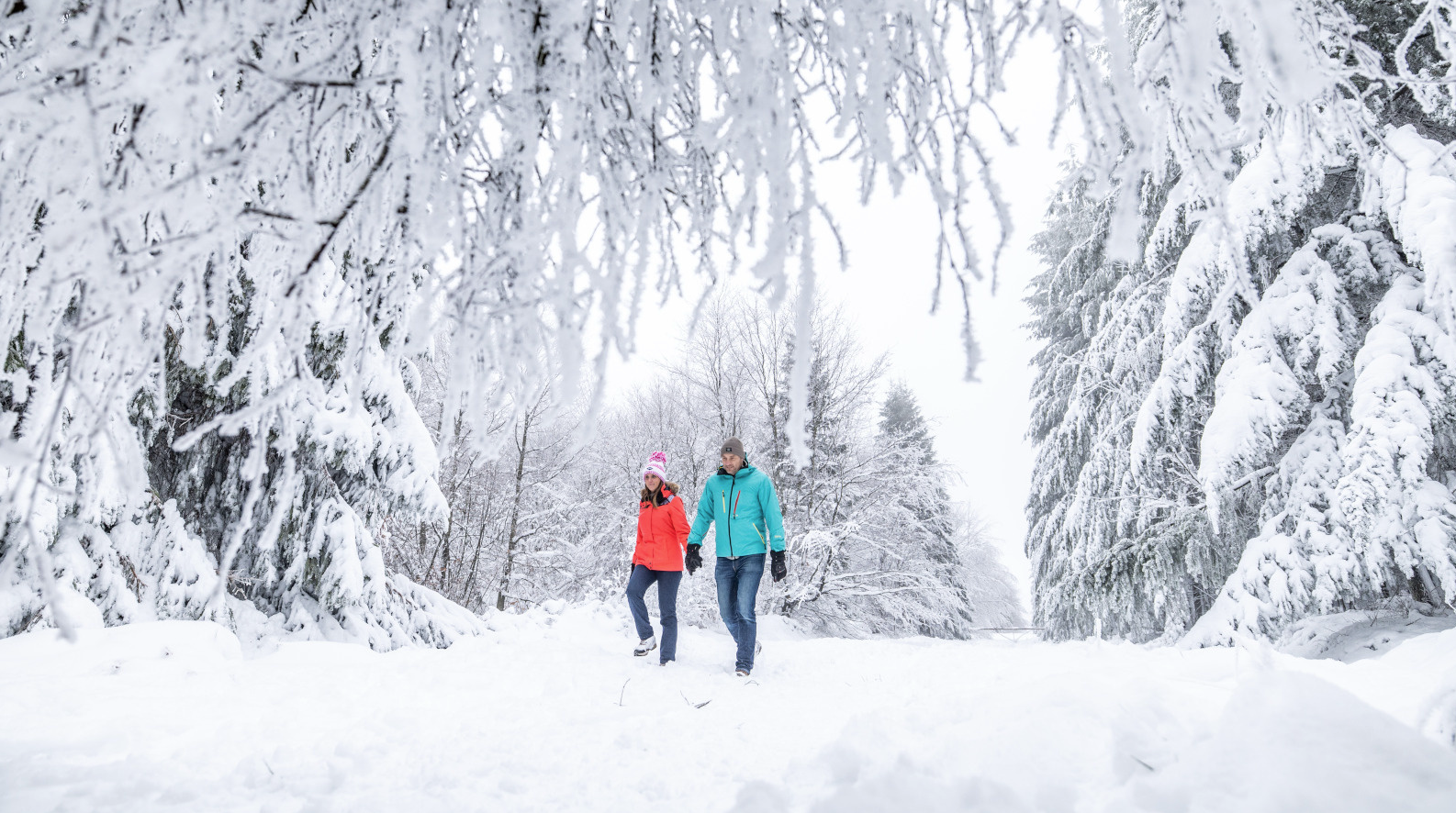
Belgian Ballads – winter hiking in the Belgian Ardennes
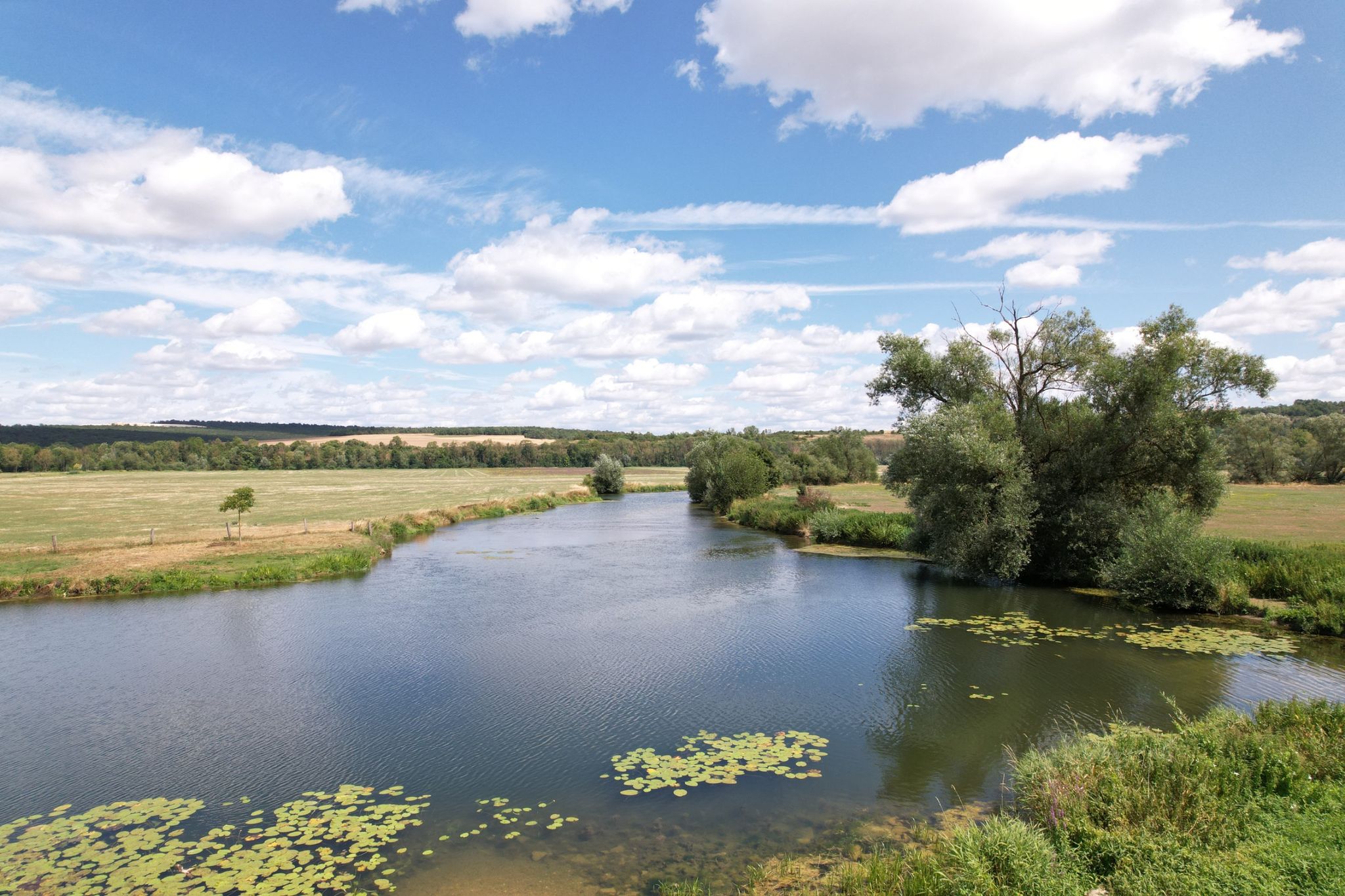
Along the Meuse River – an adventure on EuroVelo 19
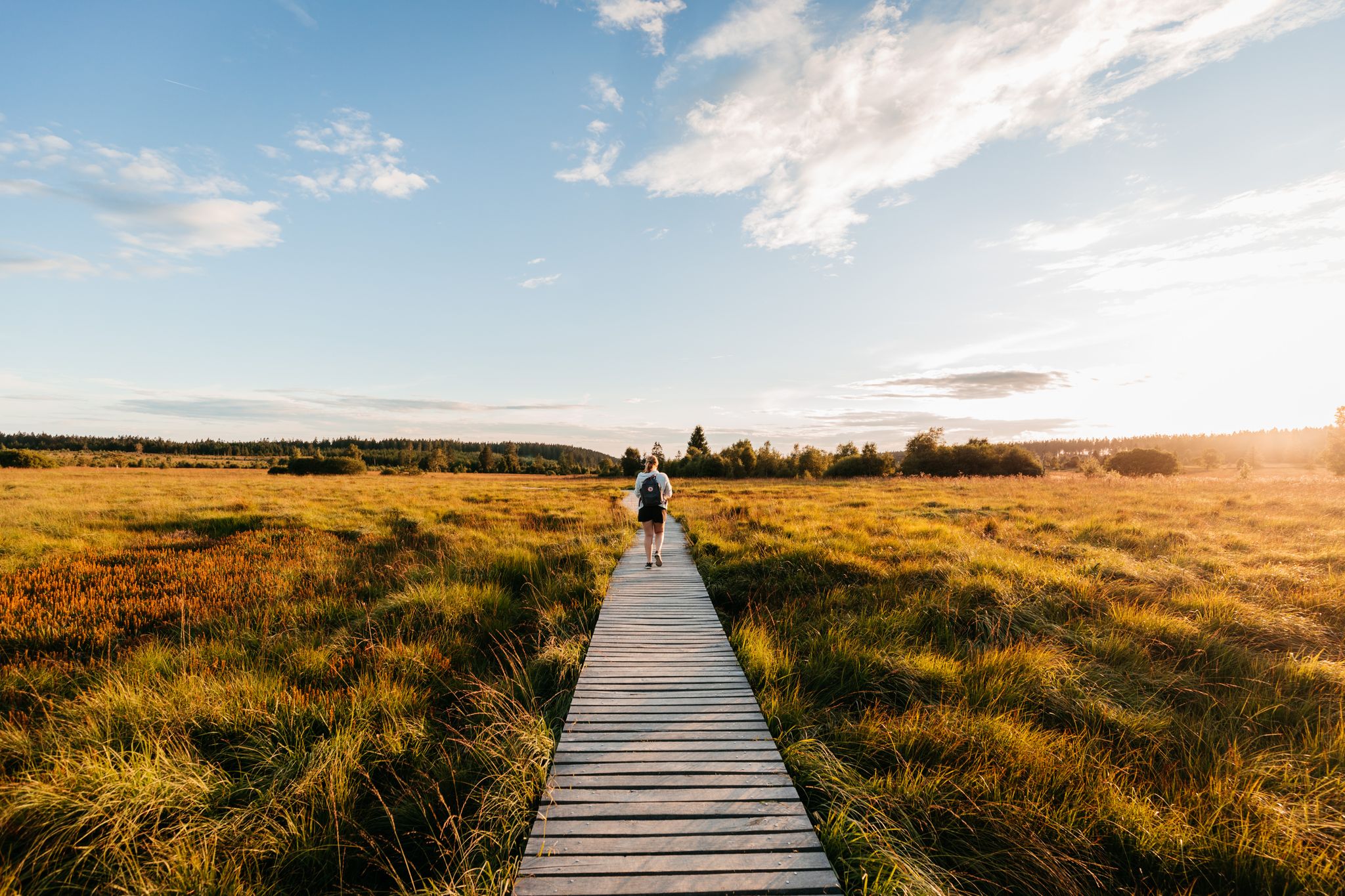
Unspoilt nature and wide views – hiking in Wallonia
Other adventures around Liège


Tips from the Community

Beautiful rock formations at Les Awirs with caves and climbing rocks
0
1

Entrance fees (including the underground boat tour) may vary depending on the season. Children aged 3–11 pay €14, teenagers €17, adults €20, and seniors aged 60 and over €16. Reduced rates are available for people with reduced mobility. The caves are open daily from 9:30 a.m. to 5:00 p.m. Payment can be made in cash or by credit card. Reservations can be made online or by phone. A special tour for people with reduced mobility is available—please contact us in advance if you require one.
47
0

The Castle Cave is a unique place where history, architecture, and nature converge. Often located near or beneath a castle, such as in South Limburg or other historic regions, a castle cave served various purposes: from storing wine or provisions to sheltering or serving as a decorative garden feature within the castle grounds' landscaping. The cave is usually situated in a wooded area or on a slope, where natural rock formations and limestone structures create an impressive backdrop. Winding paths, hills, and viewpoints often surround the cave, making it a haven for hikers and a haven of discovery.
0
0

There are old flint quarries in this area: the “Carrières de silex du Thier des Vignes”.
1
0
The trail leads through sunny chalk grasslands and old sunken roads on Montagne Saint-Pierre, where millers once worked. Along the path, you'll discover rare plants, butterflies, and beautiful views of the Jeker Valley.
1
0
It's a small but valuable reserve consisting of calcareous grasslands, scrub, and former quarry and slope areas. Thanks to the calcareous soil, rare plants such as orchids and thyme thrive here, and butterflies and insects abound. It's a quiet, sunny spot where nature has slowly reclaimed the old quarry slopes.
1
0
The complex originally consisted of four caves, some of which have now disappeared due to natural collapse and the proximity of quarries. The caves have been protected as cultural heritage in Wallonia since 1978 and have an exceptional status due to their scientific value. Although the caves themselves are currently not open to the public, the site remains an important archaeological and natural history location that visualizes the evolution of humanity.
2
0

The Grootberg is an underground marl quarry formed by the extraction of limestone, locally called marl. Marl consists almost entirely of fossil fragments of marine animals and was deposited approximately 66 million years ago in a shallow tropical sea during the Cretaceous geological period.
4
0
Frequently Asked Questions
What kind of caves can I explore around Liège?
The Liège region offers a diverse range of subterranean environments. You can find historical mining sites like the Thier de Lanaye Underground Quarries, natural geological formations such as the Thier des Vignes Flint Caves, and even grottoes like the Casino Grotto in Parc de la Chartreuse. The area is particularly known for its flint caves and underground quarries.
Are there family-friendly caves to visit near Liège?
Yes, the Remouchamps Caves are known to be family-friendly. These caves offer an accessible experience for visitors of all ages.
What are some historical caves or sites around Liège?
Many caves in the Liège region have historical significance. The Thier des Vignes Flint Caves feature very old flints and were also used for chalk mining. The Thier de Lanaye Underground Quarries are an impressive network formed by centuries of marl exploitation. Additionally, the Castle cave and Schmerling Caves site are also notable historical and natural monuments.
When is the best time of year to visit caves in the Liège region?
Caves generally maintain a constant temperature year-round, making them suitable for visits in any season. However, some underground sites like the Thier de Lanaye Underground Quarries and the Heyoule Nature Reserve serve as important wintering centers for bats. Access to certain areas might be restricted during winter to protect these colonies, so it's advisable to check specific site information before planning a winter visit.
What geological features are prominent in the caves around Liège?
The caves around Liège are primarily formed within limestone plateaus, a result of the region's varied topography. This geological composition has led to the formation of natural grottoes and extensive underground quarries from marl exploitation. You can observe ancient flints, chalk deposits, and the effects of water erosion, such as in the Chawresse valley where the stream disappears underground into cavities.
Are there easy caves for beginners to explore near Liège?
For beginners, the Thier des Vignes Flint Caves offer a good starting point. They feature more than 10 cave entrances along a path, which are not deep and run along the slope, making them relatively accessible for a first exploration.
What outdoor activities can I combine with a cave visit near Liège?
The Liège region offers many outdoor activities. You can find various waterfall hikes, gravel biking routes, and easy hiking trails. For example, the Chawresse Trail combines hiking with views of interesting rocks and caves, while the Sentier des Meuniers in Réserve Naturelle Heyoule offers a scenic walk through a nature reserve with views and leads towards the Thier de Lanaye quarries.
Can I see wildlife in or near the caves?
Yes, several cave systems and nearby nature reserves are important for wildlife. The Thier de Lanaye Underground Quarries and the Heyoule Nature Reserve are significant wintering centers for thousands of bats. The Heyoule Nature Reserve also hosts a dozen species of orchids and is a habitat for animals like badgers.
Are there any caves that are also nature reserves?
Yes, the Heyoule Nature Reserve in Eben-Emael is an excellent example. It's the oldest protected area on Sint-Pietersberg and features underground tunnels that serve as a refuge for bats and a favorable environment for growing mushrooms. The Thier des Vignes Flint Caves are also protected within a Natagora site.
How long does it typically take to visit a cave near Liège?
Visit durations vary depending on the specific cave and whether it's part of a guided tour or a self-guided exploration. For example, exploring the multiple entrances of the Thier des Vignes Flint Caves might take an hour or two, especially if combined with a walk in the surrounding nature reserve. Larger sites like the Thier de Lanaye Underground Quarries, if accessible for tours, could involve longer visits. It's best to check the specific tour information for each cave.
What makes the Montagne Saint-Pierre area special for caves and nature?
The Montagne Saint-Pierre, located between the Geer and Meuse valleys, is unique due to its limestone subsoil formed over 65 million years ago. This geological history has led to the creation of extensive underground quarries, which now serve as vital bat habitats. The region's calcareous grasslands also support rare plant and animal species, including orchids and various insects, many of Mediterranean origin.
Most popular routes around Liège
Most popular attractions around Liège

Get inspired with the komoot mobile app


Didn’t find what you were looking for?
Discover more caves around Liège region by region:
Explore more
Extend your search for the best caves by checking out these guides of the top ones around Liège:
