Top 20 Mountain Passes around Fígols
Mountain passes around Fígols offer access to diverse terrain and historical sites within Catalonia's mountainous region. The area features routes that traverse varying inclines and provide perspectives of the Ensija mountain range. Fígols is known for its natural beauty and historical context, including past mining activities and paleontological sites. These passes serve as key points for exploring the local landscape and connecting to wider attractions.
Best mountain passes around Fígols
- The most popular mountain passes is El Collell Pass,…
Last updated: September 2, 2026
Rasos de Peguera
Highlight • Climb
Tip by

Collada de Sobirana
Highlight • Mountain Pass
Translated by Google •
Tip by

Sign up now to discover places like this
Get recommendations on the best single tracks, peaks, & plenty of other exciting outdoor places.
Sign up for free
Collada de Sant Isidre
Highlight • Mountain Pass
Translated by Google •
Tip by

Les Bassotes Pass
Highlight • Mountain Pass
Translated by Google •
Tip by

El Collell Pass
Highlight • Mountain Pass
Translated by Google •
Tip by

Sign up for free to discover even more mountain passes around Fígols.
Sign up for free
Already have an account?
Start today with a free account
Your next adventure awaits.
Login or Signup
Tips from the Community

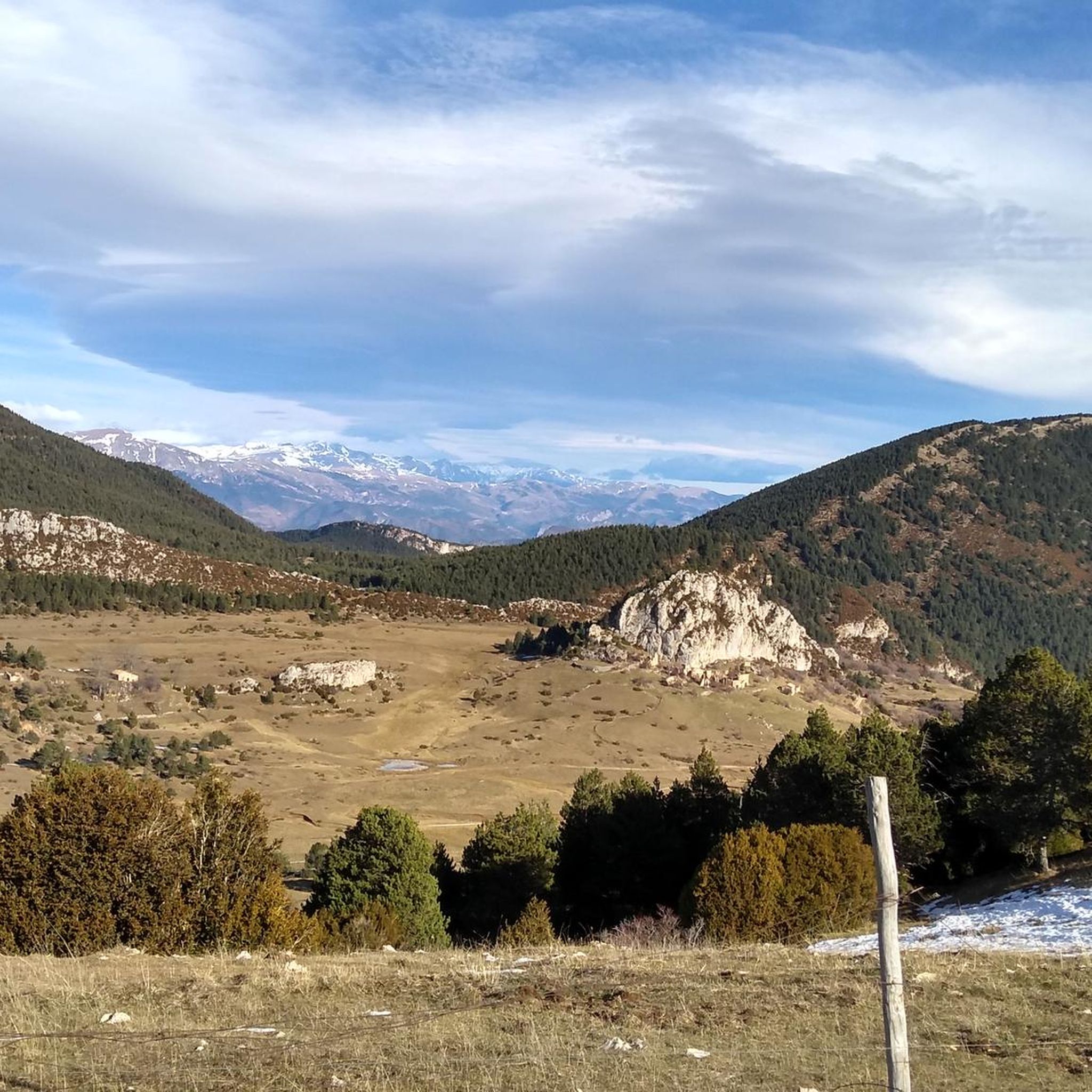
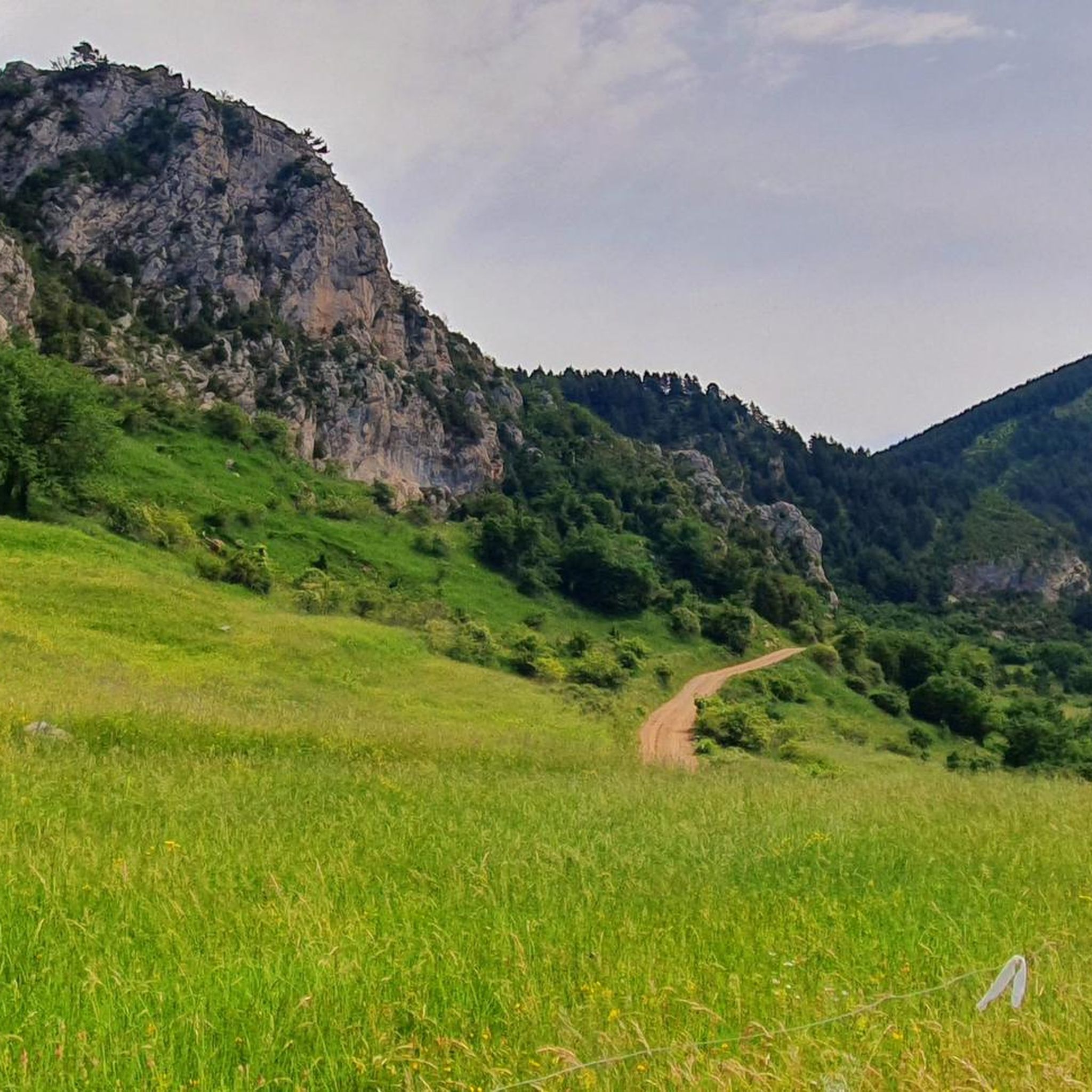
High mountain crossing point with spectacular views over the Cadí and the Pedraforca massif. The pass marks the boundary between black pine forests and alpine meadows, and is an ideal place to catch your breath before tackling the final climb to the summit. On a mountain bike, the climb is tough and with rocky sections that may require pushing the bike at some points. Tip: slow down and save your energy for the last section; the reward is a panoramic view that will make you forget your tiredness.
0
0

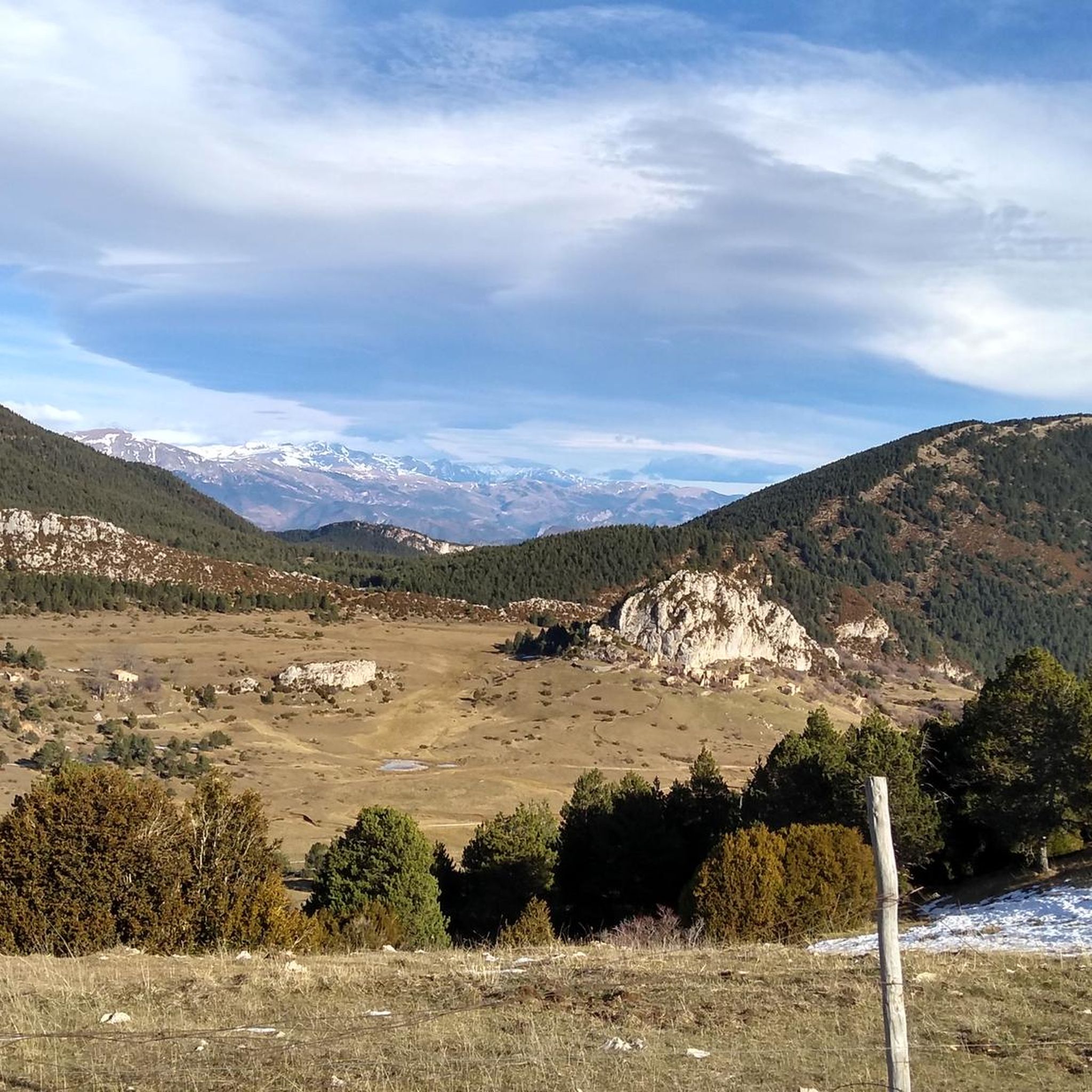
It's a very beautiful and challenging mountain pass in the Catalan Pre-Pyrenees, in the Berguedà region. The road enters a very unspoiled area, reaching the villages of Malanyeu and La Nou del Berguedà. The road is narrow but in perfect condition; it's a pleasure to ride here. The Volta a Catalunya included it in its 2024 route, the edition won by Pogaçar, on the stage that finished at the Sanctuary of Queralt. It was on this mountain pass, on its northern slope, that Pogaçar launched a violent attack to go solo and ride the final 30 km and take the stage victory.
1
0

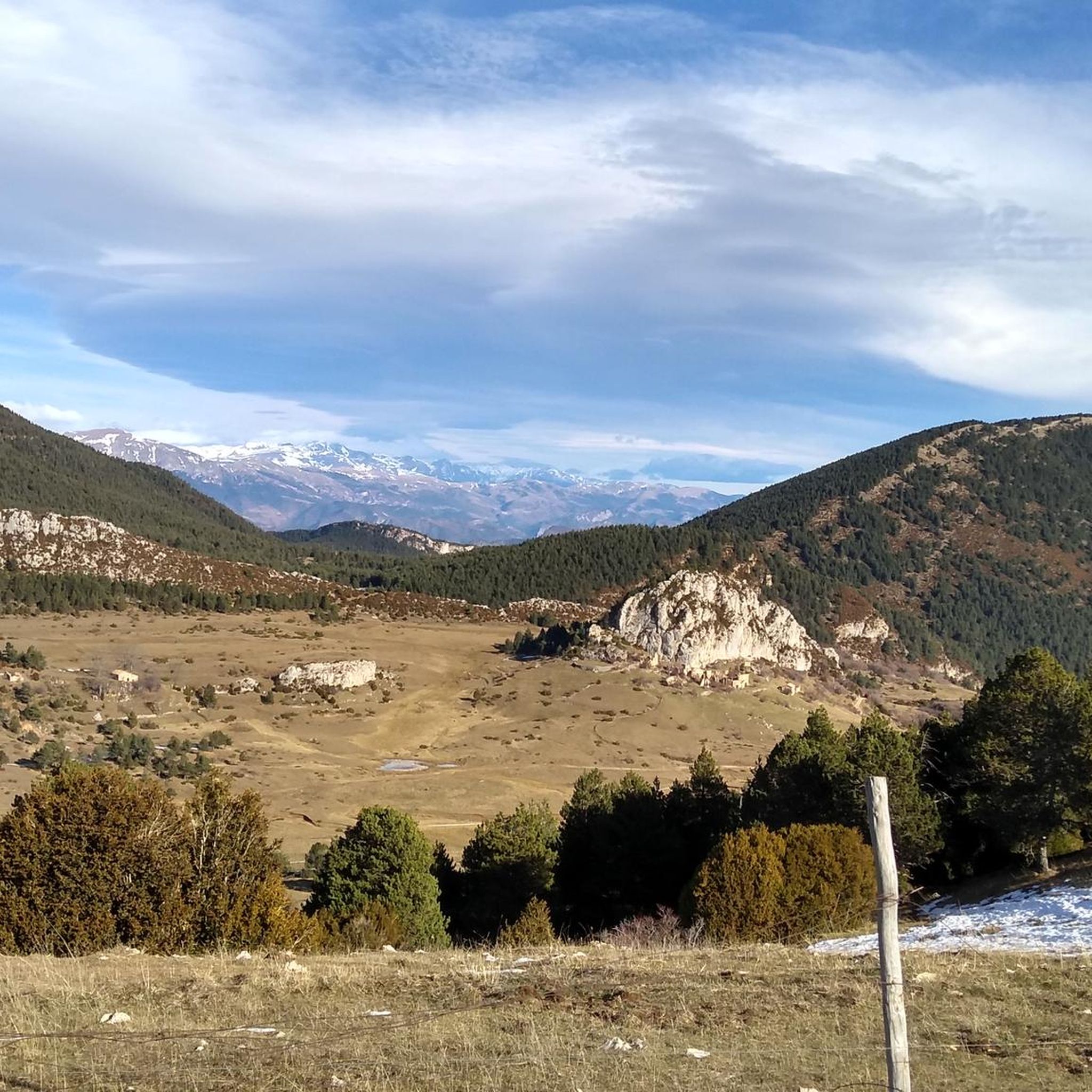
From this pass, a rather technical trail leads to the village of Gósol. Getting here is quite difficult; it's a very long and arduous climb.
1
0
From this hill there is a rather technical trail to Gósol.
1
0

The Collada de Sant isidre is located on the road that connects Malanyeu to Nou de Berguedà.
1
0
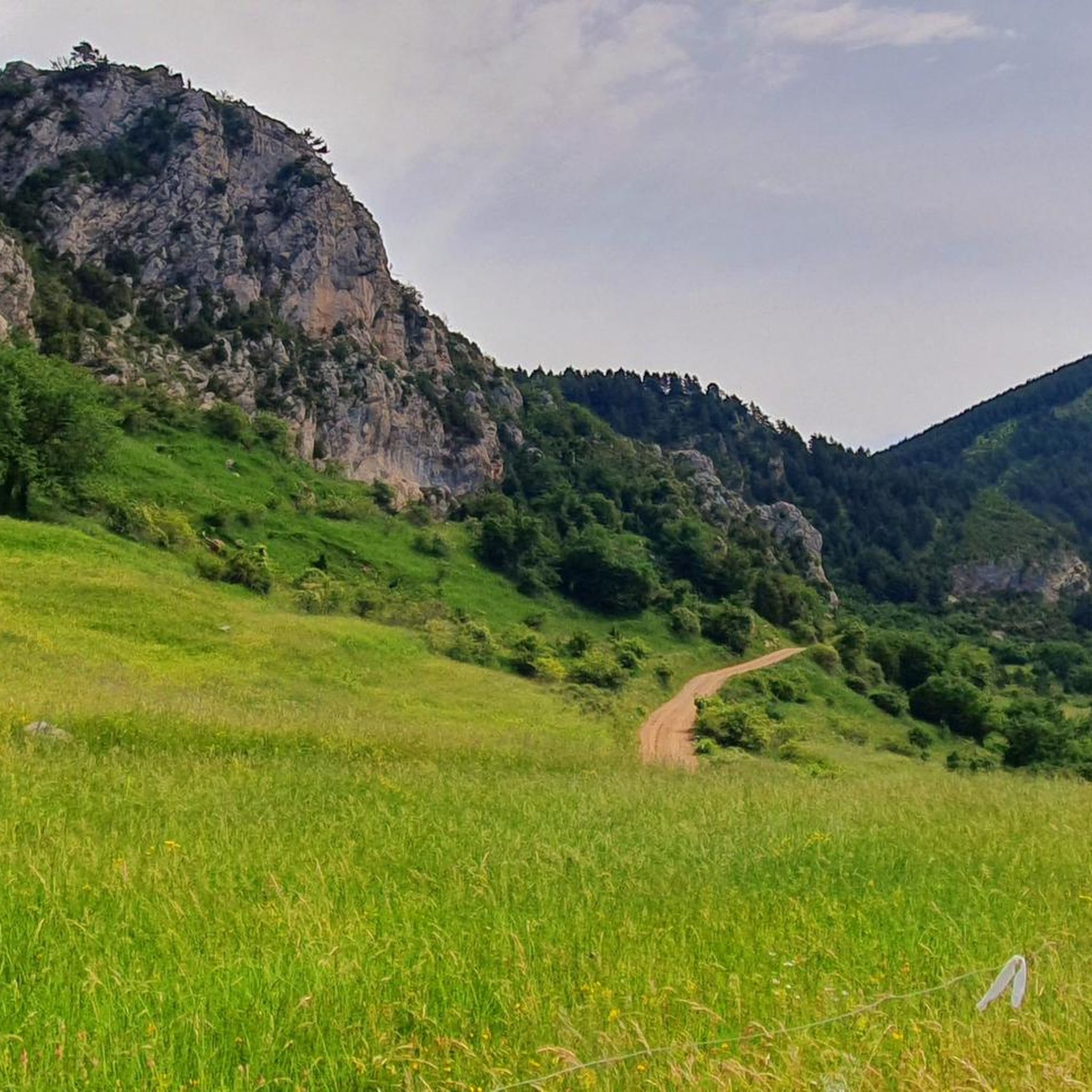
The Collada Sobirana is a classic of the Berguedà, whether from Guardiola de Berguedà or from the Pobla de Lillet, it is a pleasant and tough port at the same time. The first is longer and harder, with more exposure to wind and sun. The second is shorter and draws its curves in a very leafy forest that can protect you on very hot days.
0
0
It is a port that has 2 completely different sides, in both cases with a narrow road, good asphalt and little traffic, although the La Pobla de Lillet side is the least busy of the two. The La Pobla de Lillet slope is completely covered by a thick forest, which makes it ideal for hot summer days. It is a very constant climb until the last final ramp. The Guardiola de Berguedà slope is harder, with stronger kms and ramps, although also with more breaks. It is clearly exposed to the sun and the wind in almost its entirety.
0
0
Spectacular climb to one of the most demanding peaks in Catalonia. Long climb, with sustained percentages and reaching almost 2000 meters. It is characterized by long straights and a very twisty and spectacular final stretch. Road in perfect condition.
0
0
Frequently Asked Questions
What kind of natural features can I expect to see when visiting the mountain passes around Fígols?
The mountain passes in Fígols offer diverse natural features. You can expect panoramic views of the Ensija mountain range, especially from passes like Colladal Mercadal. The region is also known for its geological diversity, with outcrops of sandstone, limestone, and marls. Some routes, such as those near the Pass of Sant Ramon, lead to plains featuring several ponds. The broader area is also close to the majestic Pedraforca mountain, offering impressive high mountain scenery.
Are there challenging mountain passes for experienced cyclists or hikers?
Yes, Fígols offers several challenging mountain passes. Rasos de Peguera is known for its challenging ascent with smooth tarmac and great views. Collada de Sobirana features challenging slopes, especially from Guardiola de Berguedà, with sections reaching up to 14% gradient. Collada de Sant Isidre also includes steep climbs connecting local towns. For hikers, the Fígols obaga path is a difficult route covering 22 km with significant height differences.
What outdoor activities can I do near the mountain passes in Fígols?
The mountain passes in Fígols are excellent starting points for various outdoor activities. You can find numerous mountain hikes, including challenging routes like the Pollegó Superior Summit loop. There are also dedicated road cycling routes that incorporate these passes, such as the Coll de Josa loop. For runners, there are running trails like the Cap de Confós loop from Cercs.
What historical significance do the mountain passes in Fígols hold?
The region around Fígols has a rich history, particularly tied to coal mining. Routes through the passes often reveal remains of old mines and mining tracks. Additionally, the area features sites with dinosaur footprints, adding a paleontological dimension. The passes can also connect to historical locations like the old mining town of Peguera. The nearby Cercs Mining Museum offers further insight into the mining heritage.
Which mountain passes offer the best viewpoints?
Several mountain passes in Fígols provide excellent viewpoints. Rasos de Peguera offers great views of the surrounding landscape. From Colladal Mercadal, you can get engaging perspectives of the Ensija mountain range and views of the old open-cast mine in Vallcebre. Les Bassotes Pass provides beautiful views of Pedraforca.
Are there any family-friendly mountain passes or routes around Fígols?
While many passes in Fígols are known for their challenging terrain, the region offers diverse routes. For family-friendly options, it's advisable to look for trails with gentler sections or shorter distances. The Fígols obaga path, for example, has varying terrains and inclines, suggesting some parts might be more accessible. Always check specific route details for difficulty and length to ensure suitability for all family members.
What is the best time of year to visit the mountain passes in Fígols?
The best time to visit the mountain passes in Fígols generally depends on the activity. Spring and autumn offer pleasant temperatures for hiking and cycling, with vibrant foliage or blooming wildflowers. Summer is also popular, though some exposed routes can be hot. For passes like Collada de Sobirana, the side from La Pobla de Lillet is covered by thick forest, making it ideal for hot summer days. Winter can bring snow, making some passes suitable for winter hiking or snowshoeing, but requiring appropriate gear and experience.
What do visitors enjoy most about the mountain passes in Fígols?
Visitors frequently appreciate the challenging climbs, scenic viewpoints, and diverse forest trails offered by the mountain passes in Fígols. The variety of terrain allows for diverse hiking and cycling experiences. Many also enjoy the sense of accomplishment from tackling demanding routes and the stunning natural beauty, including views of Pedraforca and the Ensija mountain range. The historical context, such as old mining sites, also adds to the unique experience.
Can I find trails that connect different points of interest via these passes?
Yes, the mountain passes in Fígols often serve as key connection points. For instance, El Collell Pass marks the intersection of several well-known routes, allowing connections to areas like Gósol or the Gresolet hut. Colladal Mercadal provides a descent point towards the Pla de la Creu de Fumanya, from where you can connect to the old road leading to Peguera. These passes are integral to exploring the local landscape and linking to wider attractions.
Are there any specific cycling routes that include the mountain passes?
Yes, the region offers several road cycling routes that incorporate its mountain passes. For example, the Church of La Nou de Berguedà – Collada de Sant Isidre loop from Santuari de Corbera is a significant route. Many passes, like Rasos de Peguera and Collada de Sobirana, are popular among cyclists for their challenging ascents and scenic roads. You can find more details on road cycling routes around Fígols.
What are the typical terrain and elevation changes like on the mountain passes?
The mountain passes around Fígols feature diverse terrain and significant elevation changes. You can expect a mix of steep and gentler sections, with some routes having varying inclines. Passes like Collada de Sobirana have sections reaching up to 14% gradient. The Fígols obaga path, for example, covers 22 km with an 875 m height difference and a maximum altitude of 1746 m, indicating challenging ascents and descents.
Most popular routes around Fígols
Most popular attractions around Fígols

Get inspired with the komoot mobile app


Explore more
See even more epic mountain passes by checking out these guides around Fígols:
