The best running trails around Castelmoron-D'Albret
37
runners
10
runs
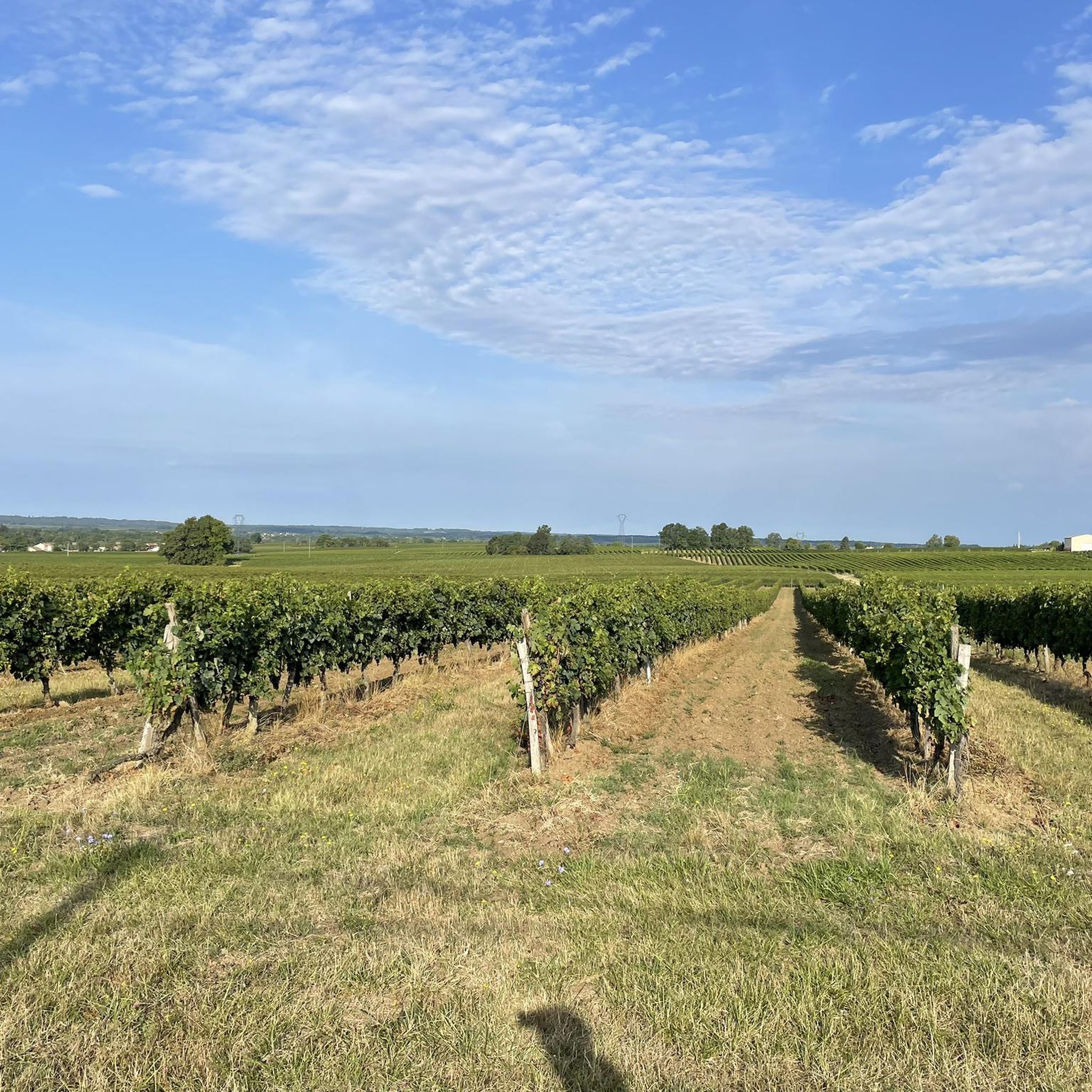
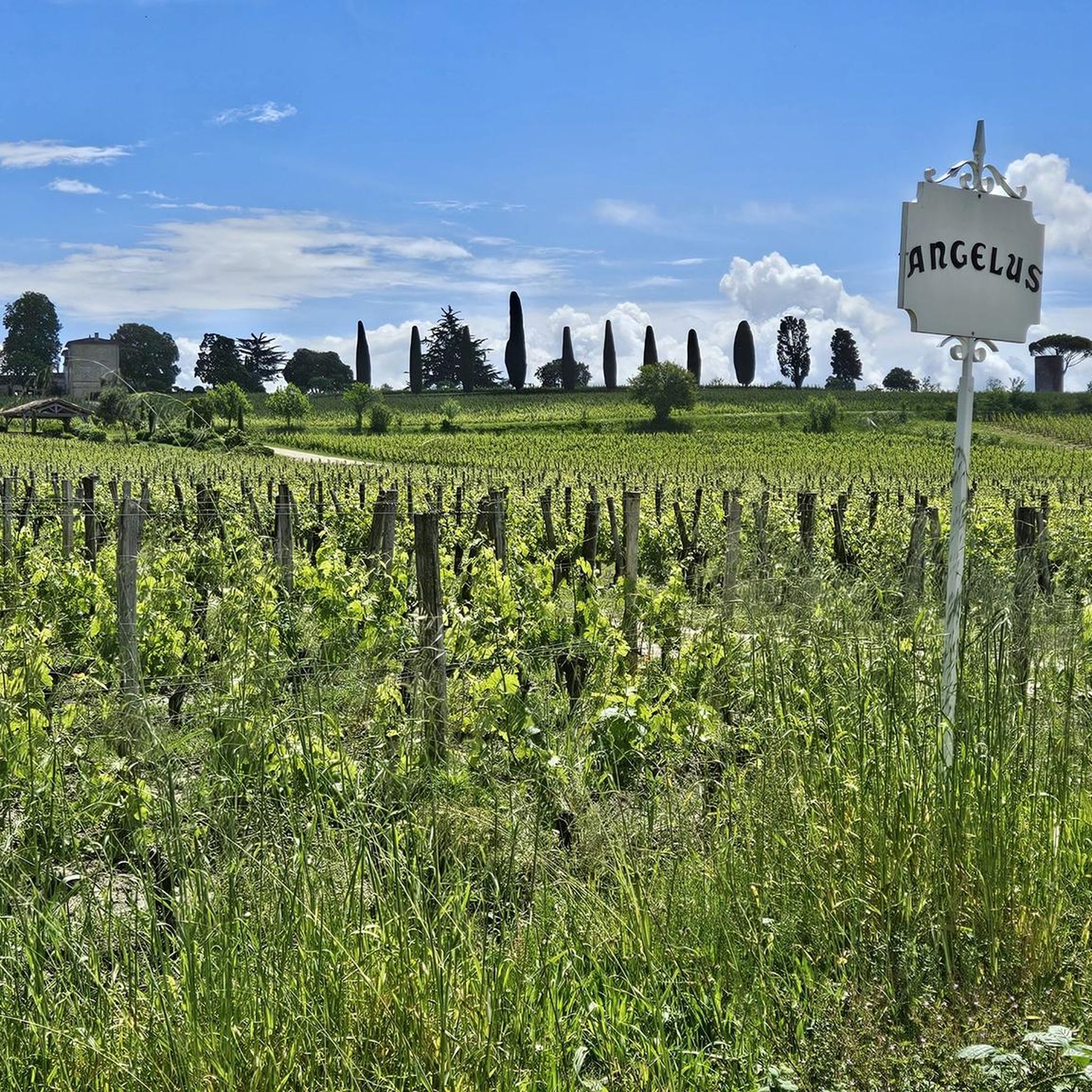
Jogging routes around Castelmoron-D'Albret traverse a landscape characterized by rolling hills, agricultural fields, and scattered woodlands. The region, situated in Nouvelle-Aquitaine, offers a mix of open country paths and routes that pass through small villages. Elevation changes are generally moderate, with most routes featuring gentle ascents and descents. The terrain is suitable for various running styles, from leisurely jogs to more sustained efforts.
Best jogging routes around Castelmoron-D'Albret
- The most popular jogging route is Bastide of Monségur loop from Monségur…
Last updated: July 8, 2026
3
runners
11.2km
01:12
120m
120m
Moderate run. Good fitness required. Mostly paved surfaces. Suitable for all skill levels.
2
runners
8.50km
00:54
90m
90m
Moderate run. Good fitness required. Mostly paved surfaces. Suitable for all skill levels.

Sign up for free
5.0
(1)
4
runners
7.81km
00:49
70m
70m
Moderate run. Good fitness required. Mostly paved surfaces. Suitable for all skill levels.
3
runners
4.47km
00:28
60m
60m
Easy run. Great for any fitness level. Mostly paved surfaces. Suitable for all skill levels.
3
runners
15.8km
01:39
150m
150m
Hard run. Very good fitness required. Mostly paved surfaces. Suitable for all skill levels.
Get access to more routes and recommendations from other explorers.
Sign up for free
Already have an account?
Our route recommendations are based on thousands of hikes, rides, and runs completed by other people on komoot.
Start today with a free account
Your next adventure awaits.
Login or Signup

Tips from the Community

Majestic in its size and appearance, the Loubens mill is one of the most remarkable in the Entre-deux-Mers region. Its installation seems to date back to the 11th century. A square, medieval tower, built on an island, bears similarities to the Bagas mill located 2 km downstream. It includes three sets of millstones still in place. However, it is not a fortified building; it is a weir mill. To the north construction, a bridge with a double row of arches was added in the 18th century, containing two more pairs of millstones and a fulling mill (a machine used not for grinding grain, but for fulling textiles. These mills were often called "beating mills"). This southern part of the mill earned it the name "little Chenonceau". The mill has been classified as a Historic Monument since 2000.
0
0

Beautiful view of the ivy-covered mill.
1
0

Using the power of moving water to drive a mill wheel is an ancient invention that dates back to pre-Christian times. Thanks to such a construction, human or animal muscle power could be easily replaced by a watercourse - natural or artificially created - in order to grind grain into corn, for example. There are essentially two different ways of driving watermills: Either the water simply hits the blades of the water wheel from below to set it in motion; or the water is guided above the wheel and falls onto the blades; this type of construction is more efficient due to natural gravity.
2
1

This mill is quite majestic, both for its appearance and its size. A true jewel of Entre-deux-Mers, it dates from the 11th century, even though it has been remodeled several times. A photo is required!
3
0

Frequently Asked Questions
What kind of terrain can I expect on running routes around Castelmoron-D'Albret?
The running routes in Castelmoron-D'Albret feature a landscape of rolling hills, agricultural fields, and scattered woodlands. You'll find a mix of open country paths and trails passing through small villages. Elevation changes are generally moderate, with gentle ascents and descents, making them suitable for various running styles.
Are there any longer distance running trails available?
Yes, for those looking for a longer run, the Running loop from Le Puy is a moderate 6.9 miles (11.2 km) path, offering views of the surrounding countryside. Another option is the Running loop from Sainte-Colombe-de-Duras, which covers about 5.5 miles (8.9 km).
Are the jogging routes in Castelmoron-D'Albret suitable for beginners?
All 5 routes listed in this guide are rated as moderate. While they feature gentle ascents and descents, they are generally accessible. For a good starting point, consider the Bastide of Monségur loop from Monségur, a 3.6-mile (5.7 km) trail that takes about 40 minutes.
Are there any family-friendly running paths in the area?
Given the moderate difficulty and gentle terrain of the routes, many are suitable for families who enjoy running together. The shorter loops, such as the Running loop from La Cave (3.6 miles / 5.9 km), are good options for a family outing.
Can I bring my dog on the running trails around Castelmoron-D'Albret?
Many of the rural paths and trails in the region are dog-friendly, but it's always best to keep your dog on a leash, especially when passing through agricultural areas or near livestock. Be sure to check local regulations and respect private property.
What are some scenic running routes in Castelmoron-D'Albret?
The region is known for its picturesque rural landscapes. The Running loop from La Cave leads through rolling vineyards and agricultural fields. The Running loop from Le Puy also offers expansive views of the surrounding countryside.
Are there any circular running routes available?
Yes, all the running routes featured in this guide are circular loops, designed to bring you back to your starting point. This includes popular options like the Running loop from Saint-Ferme and the Bastide of Monségur loop from Monségur.
What can I see along the running routes in Castelmoron-D'Albret?
While the routes primarily showcase rural landscapes, you might encounter historical elements. For example, near the Running loop from Saint-Ferme, you can find the notable Saint-Ferme Abbey. The wider area also features attractions like Sauveterre-de-Guyenne - bastide.
When is the best time of year to go running in Castelmoron-D'Albret?
Spring and autumn generally offer the most pleasant running conditions with mild temperatures and beautiful scenery, especially with the vineyards changing colors. Summer can be warm, so early morning or late evening runs are recommended during hotter months. Winters are typically mild but can be damp.
Are there places to park near the running trails?
While specific parking information isn't always detailed for every rural starting point, most villages and towns that serve as trailheads, such as Monségur, Le Puy, La Cave, Saint-Ferme, and Sainte-Colombe-de-Duras, typically offer public parking options. Look for designated parking areas or street parking in these localities.
What do other runners enjoy most about jogging in Castelmoron-D'Albret?
Runners often praise the tranquil rural setting, the gentle rolling hills, and the opportunity to experience the agricultural beauty of Nouvelle-Aquitaine. The well-maintained paths and the variety of loop options are also frequently highlighted by the komoot community.
Most popular routes around Castelmoron-D'Albret
Most popular attractions around Castelmoron-D'Albret

Get inspired with the komoot mobile app


Explore more
Browse the best Running Trails & Routes in other regions.
