Top 20 Castles around Lehnstedt
Castles around Lehnstedt offer a glimpse into centuries of history and culture within the Weimarer Land region. This area features a diverse landscape, providing a backdrop for historical sites. The village of Lehnstedt serves as a central point for exploring these architectural landmarks. These castles represent significant historical and cultural value, making them notable destinations.
Best castles around Lehnstedt
- The most popular castles is Belvedere Palace Weimar, a castle that functions as a museum for 18th-century handicrafts. It is…
Last updated: October 10, 2026
Belvedere Palace Weimar
Highlight • Castle
Translated by Google •
Tip by

Schloss Tiefurt
Highlight • Castle
Duchess Anna Amalia's summer residence
The current design reflects the taste of the time around 1800. Originally it was the estate tenant's house, until Duchess Anna Amalia took …
Translated by Google •
Tip by

Sign up now to discover places like this
Get recommendations on the best single tracks, peaks, & plenty of other exciting outdoor places.
Kromsdorf Castle
Highlight • Castle
Translated by Google •
Tip by

Ruins of the Tempelherrenhaus
Highlight • Historical Site
Translated by Google •
Tip by

Jena City Walls and Powder Tower
Highlight • Historical Site
Translated by Google •
Tip by

Sign up for free to discover even more castles around Lehnstedt.
Already have an account?
Start today with a free account
Your next adventure awaits.
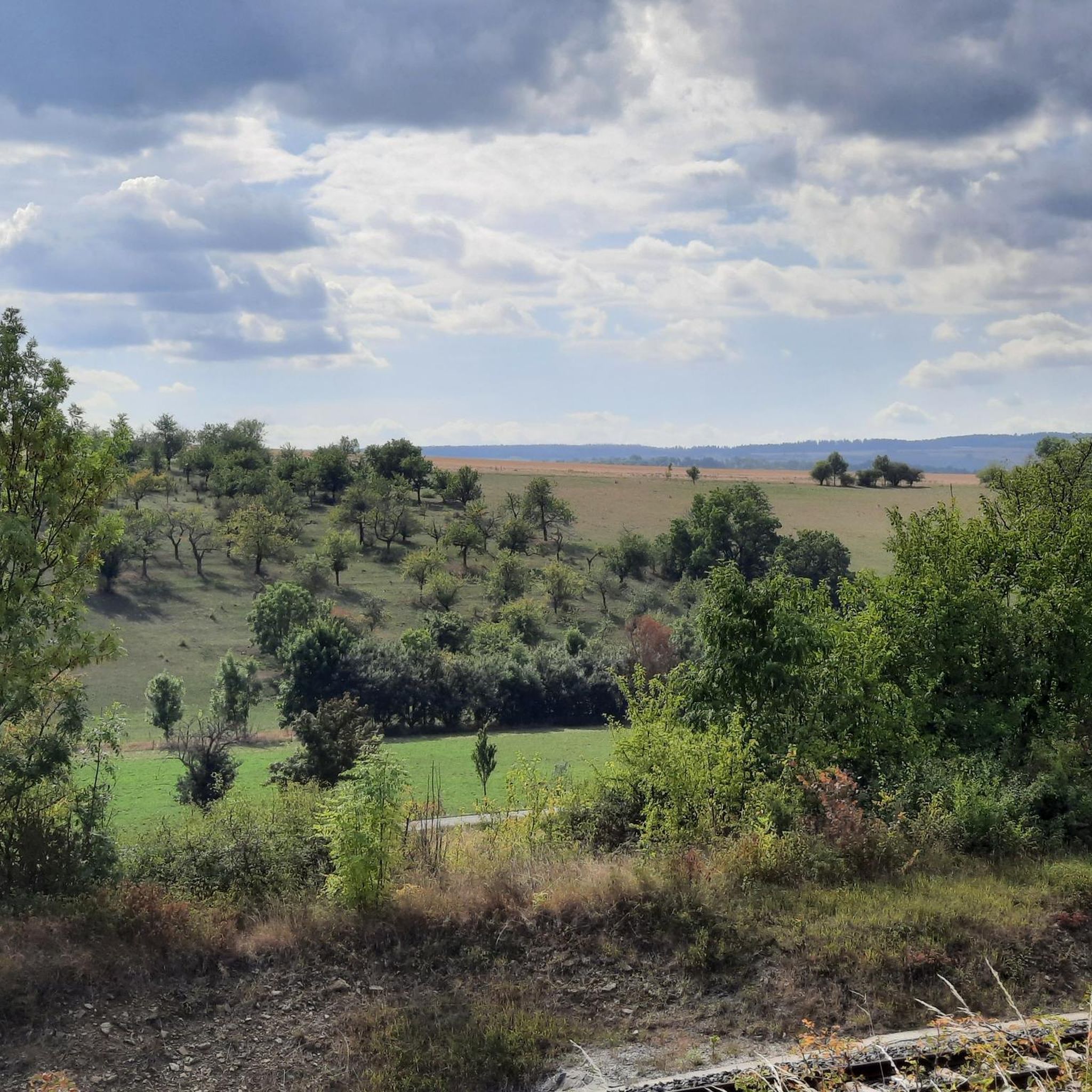
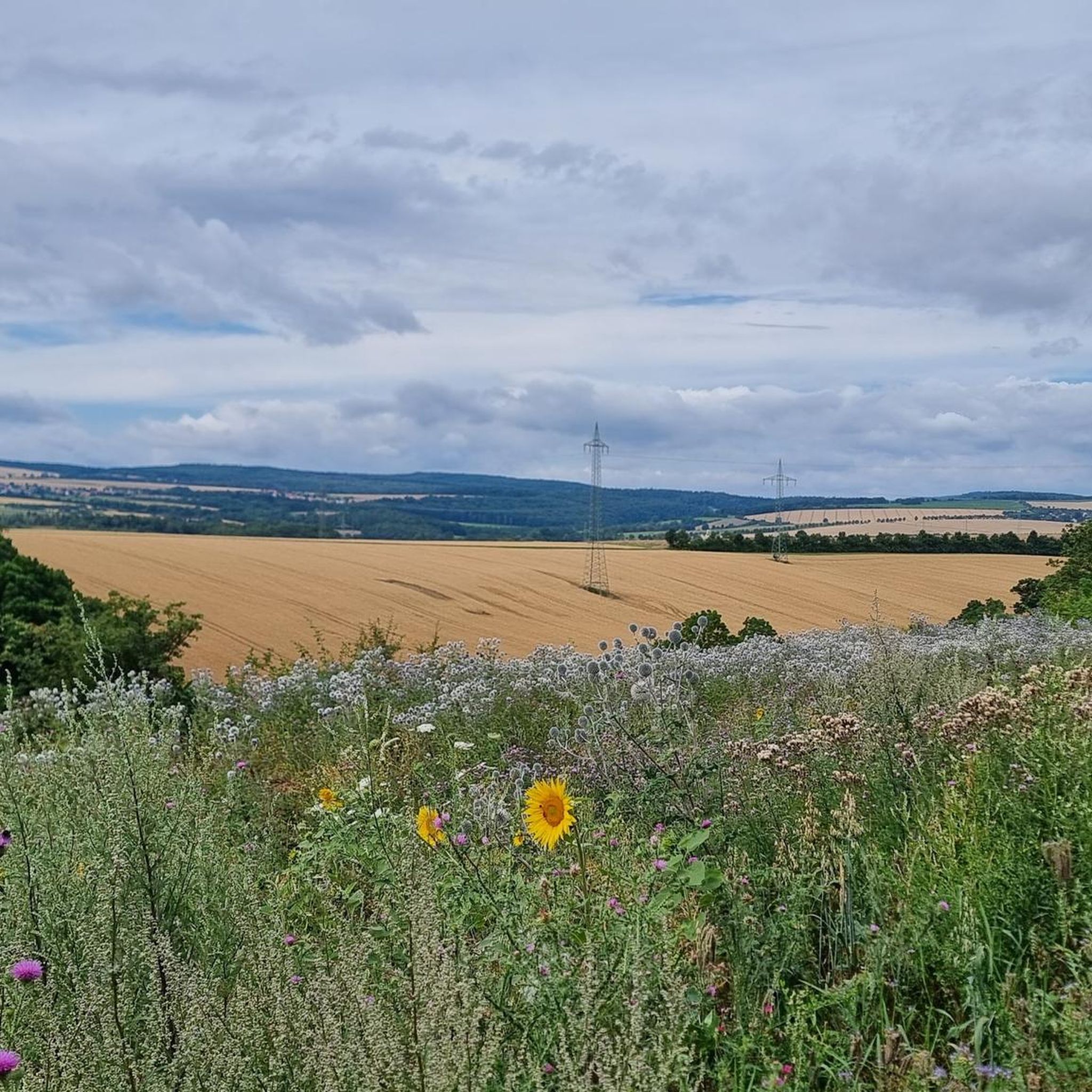
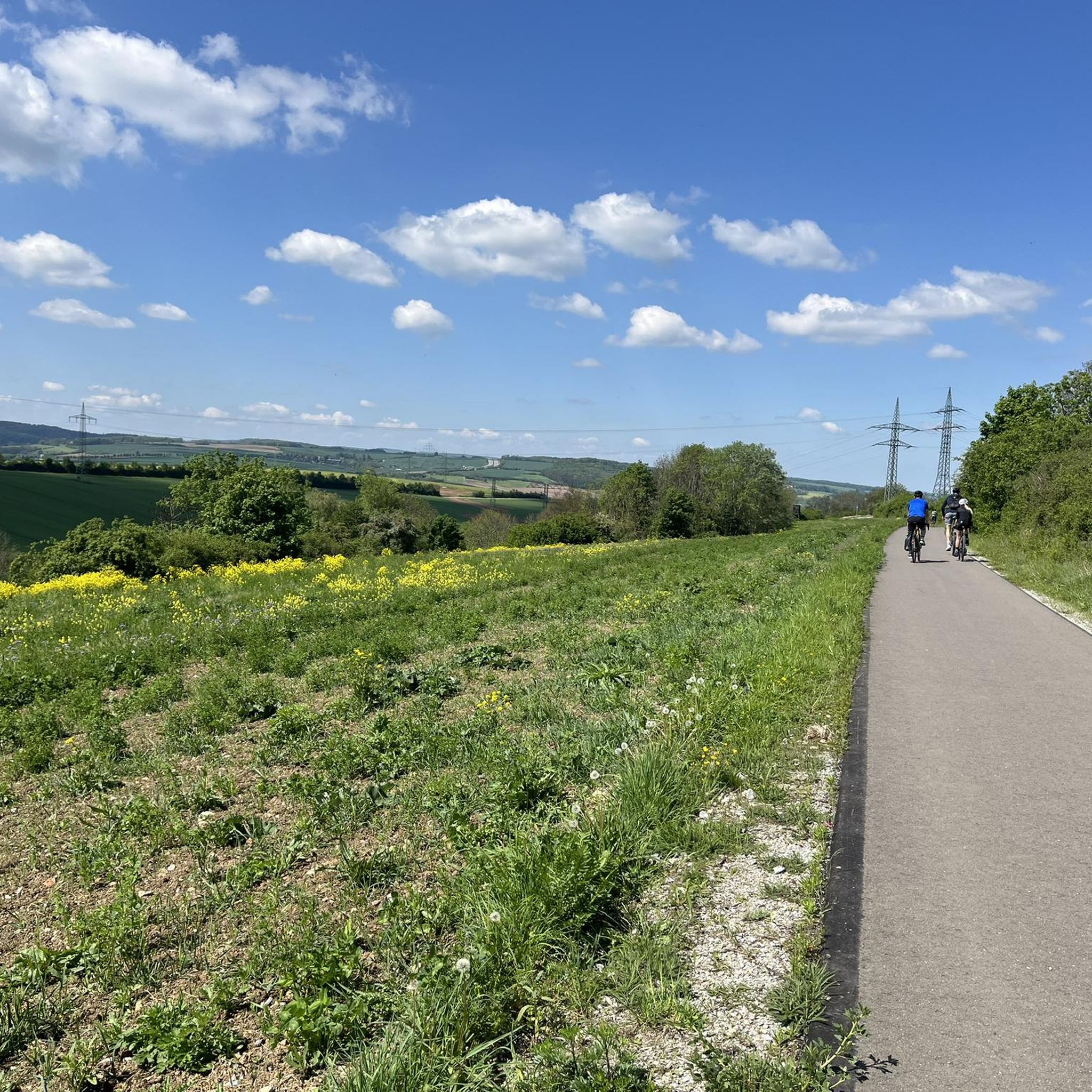

Tips from the Community

Around 1300, the Jena city fortifications had progressed to the point where one could speak of a closed complex. It consisted of moats, walls, intermediate areas, 3 gate towers, 4 corner bastions, and 12 subsequently added shell towers. The Pulverturm on the northwest corner of the city wall is about 20 m high and has 4 floors with a walkway. Together with the reconstructed rampart walk, the house on the wall, and the Johannistor, this is the largest remaining part of the former Jena city fortifications.
13
0
The powder tower is part of the old city wall of Jena. It is located at the northwestern corner of the city wall at the current intersection of Leutragraben/Fürstengraben.
11
0

It's nice that such buildings are still well preserved.
5
0

The medieval city wall ensemble with the two striking towers Johannistor and Pulverturm is still an impressive testament to the city's historical defensive structure today. Back then, it consisted of 12 m high and 2 km long walls with a rampart walk, moats, gates, and flanking towers. A view from the towers upon the city center and Jena's picturesque surroundings is worthwhile! https://www.visit-jena.de/sehen-und-erleben/sehenswuerdigkeiten/stadtmauerensemble/
4
0

The city area, which slopes gently from west to east toward the Saale River, was surrounded by a city wall from around 1300. It was 12 meters high and 2 meters wide. Four corner towers and twelve shell towers served as defenses. The city could be entered through three city gates controlled by city guards: the Saaltor in the east, the Johannistor in the west, and the Löbdertor in the south. Today, three corner towers remain, their names indicating their later use or construction: the Powder Tower in the northwest, at the highest point of the city fortifications, the Anatomy Tower in the southwest, and the Red Tower in the southeast. Only the foundations of the castle tower on the current university building remain. The Saaltor and Löbdertor were demolished in the 19th century. Only the Johannistor has survived the changes of time to this day. Around 1500, the approximately 4,000 inhabitants of the city of Jena lived in small farmsteads consisting of residential buildings, stables, and workshops.
16
0

A beautiful piece of nostalgia in the city center of Jena.
4
0

It is nice when such buildings are preserved and remain
5
0

A section of the city wall that is still accessible, flanked by a tower at each end.
5
0
Frequently Asked Questions
What types of castles can I expect to find near Lehnstedt?
The region around Lehnstedt, part of the Weimarer Land, features a diverse range of historical sites. You'll find grand Baroque palaces like Belvedere Palace Weimar, charming summer residences such as Schloss Tiefurt, and even unique structures like the Rock Castle, which is a cave castle. Many also boast extensive parks and gardens.
Are there castles suitable for families with children around Lehnstedt?
Yes, several castles in the area are family-friendly. Belvedere Palace Weimar, with its spacious park, orangery, and maze, offers plenty of space for children to explore. Kromsdorf Castle also has family-friendly facilities, including a restaurant, and its park with unique sandstone sculptures can be an engaging experience for all ages.
Can I bring my dog to the castle grounds or nearby trails?
While specific castle interior rules vary, many castle parks and the surrounding natural areas are suitable for dog walks. For example, the extensive park at Schloss Tiefurt, which extends along the Ilm river, is ideal for leisurely strolls with your dog. Always keep dogs on a leash and check local regulations for specific areas.
Which castles are known for their historical significance or unique features?
Belvedere Palace Weimar is significant as a Baroque summer residence and now houses a museum of 18th-century handicrafts. Schloss Tiefurt was the summer residence of Duchess Anna Amalia and a hub for literary and social gatherings during the Weimar Classicism period. Kromsdorf Castle is notable for its park wall adorned with sandstone sculptures of historical figures. Additionally, Rock Castle is a rare cave castle, offering a unique historical perspective.
Are there opportunities for hiking or other outdoor activities near these castles?
Absolutely. The region around Lehnstedt and its castles is excellent for outdoor activities. You can find numerous hiking trails, such as those around Belvedere Palace Weimar or Schloss Tiefurt, which often incorporate scenic routes along the Ilm river. For more options, explore the Easy hikes around Lehnstedt guide, or for more challenging routes, check out the Running Trails around Lehnstedt guide.
Which castles offer scenic views or beautiful parks?
Belvedere Palace Weimar is set within a spacious park featuring an orangery, pleasure garden, and maze, offering beautiful vistas. Schloss Tiefurt also boasts a 21-hectare park along the Ilm, with gently sloping meadows and numerous monuments. Ettersburg Castle, though not a Komoot highlight in this guide, is also known for its beautiful gardens and parks, perfect for leisurely walks.
What is the best time of year to visit the castles around Lehnstedt?
The castles and their parks are beautiful year-round. Spring and summer offer lush greenery and blooming gardens, ideal for exploring the extensive grounds. Autumn brings vibrant foliage, creating a picturesque backdrop for historical sites. While some cultural events might be seasonal, the historical significance and architectural beauty can be appreciated in any season.
How can I reach the castles near Lehnstedt using public transport?
Many castles in the Weimarer Land region, including those near Lehnstedt, are accessible by public transport, though connections might require some planning. Major sites like Belvedere Palace Weimar and Schloss Tiefurt are typically well-connected from Weimar. It's advisable to check local bus schedules for the most up-to-date information on routes to specific castle locations.
Are there parking facilities available at the castles?
Yes, parking facilities are generally available at the more prominent castles. For instance, Belvedere Palace Weimar, Schloss Tiefurt, and Kromsdorf Castle all offer parking options for visitors. For smaller or more remote sites, parking might be less formal or require a short walk.
Where can I find food or drink near the castles?
Several castles offer on-site dining or have cafes nearby. Kromsdorf Castle houses a restaurant directly within its premises. In the vicinity of other castles, especially those closer to towns like Weimar, you'll find various cafes and restaurants. Lehnstedt itself and nearby villages also provide local amenities for refreshments.
Are there any castle ruins to explore in the area?
Yes, the region offers historical ruins that provide a different perspective on the area's past. The Ruins of the Tempelherrenhaus, located in the enchanting Weimar Park, are a romantic ruin that was once a summer salon and a venue for cultural events. While not a traditional castle, it offers a glimpse into historical architecture and its fate.
What do visitors enjoy most about the castles around Lehnstedt?
Visitors frequently appreciate the blend of historical architecture with beautiful natural settings. The extensive parks and gardens, like those at Belvedere Palace Weimar and Schloss Tiefurt, are often highlighted. The unique cultural experiences, such as the sculptures at Kromsdorf Castle or the historical insights into Weimar Classicism, also receive high praise.
Most popular routes around Lehnstedt
Most popular attractions around Lehnstedt

Get inspired with the komoot mobile app


Explore more
Looking for the best castles somewhere else? Discover other guides around Lehnstedt:
