Top 20 Natural Monuments around Borger-Odoorn
Natural monuments around Borger-Odoorn are primarily characterized by unique geological formations and ancient historical landscapes. Located in the province of Drenthe, the region encompasses parts of the UNESCO Global Geopark Hondsrug and the Drentsche Aa National Park. These areas showcase well-preserved glacial till ridges, meandering river valleys, and extensive heathlands. Visitors can explore a blend of natural beauty and rich history, including numerous prehistoric monuments.
Best natural monuments around Borger-Odoorn
- The most popular natural monuments is Ode to the Sun…
Last updated: August 20, 2026
The New Heavenly Realm
Highlight • Lake
Translated by Google •
Tip by

Ode to the Sun Sculpture
Highlight • Monument
Translated by Google •
Tip by

Sign up now to discover places like this
Get recommendations on the best single tracks, peaks, & plenty of other exciting outdoor places.
Sign up for free
Ieberenplas
Highlight • Lake
Translated by Google •
Tip by
Dolmen D11, Anloo
Highlight • Historical Site
Translated by Google •
Tip by

Hunebed Boswachterij Emmen
Highlight • Historical Site
Translated by Google •
Tip by

Sign up for free to discover even more natural monuments around Borger-Odoorn.
Sign up for free
Already have an account?
Start today with a free account
Your next adventure awaits.
Login or Signup
Popular around Borger-Odoorn
Tour of Drenthe – In 6 days through the primitive province
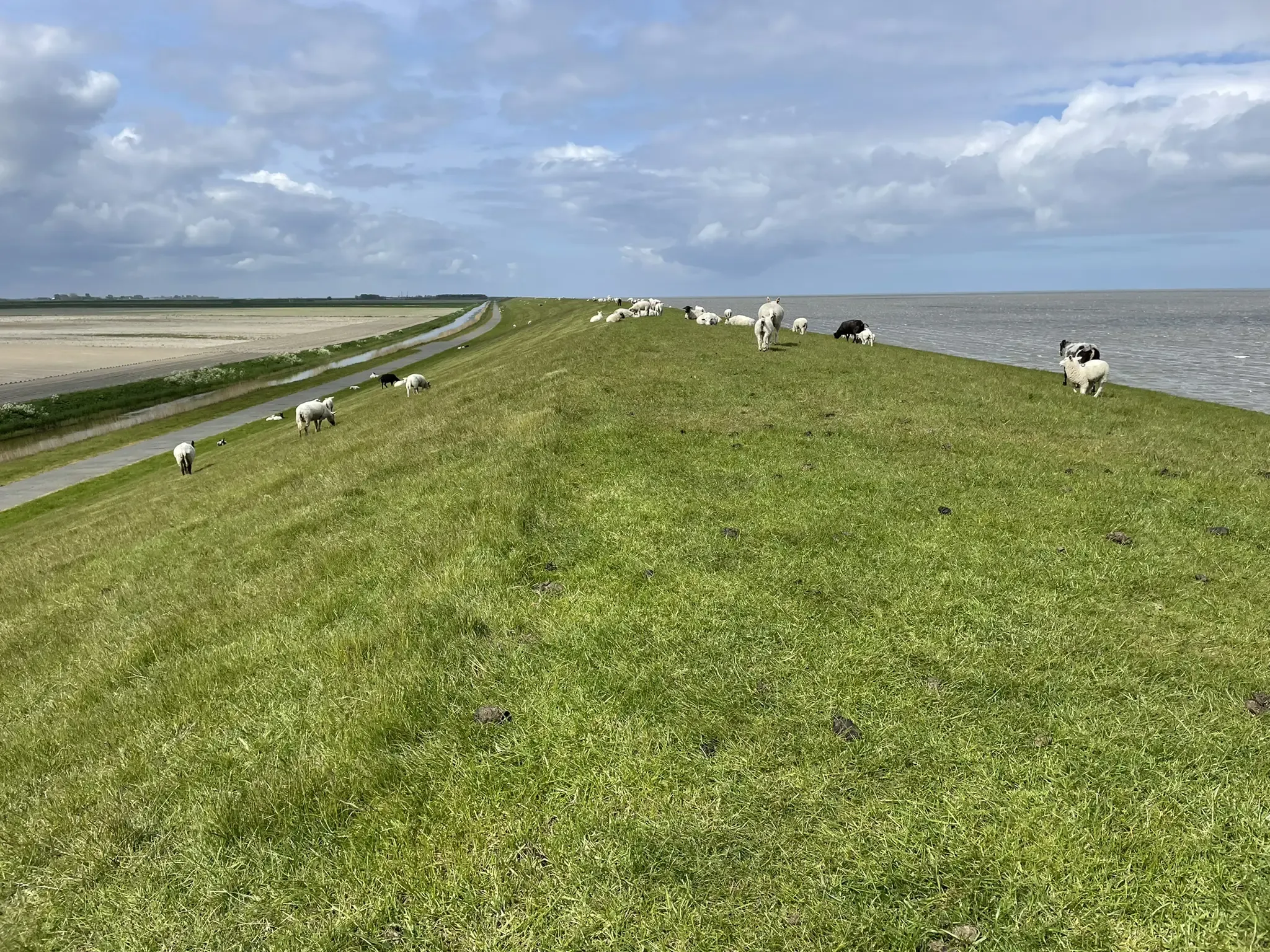
Tour of Groningen – 350 kilometers around the province
Hunebedden, heath and historic villages – The Drenthepad
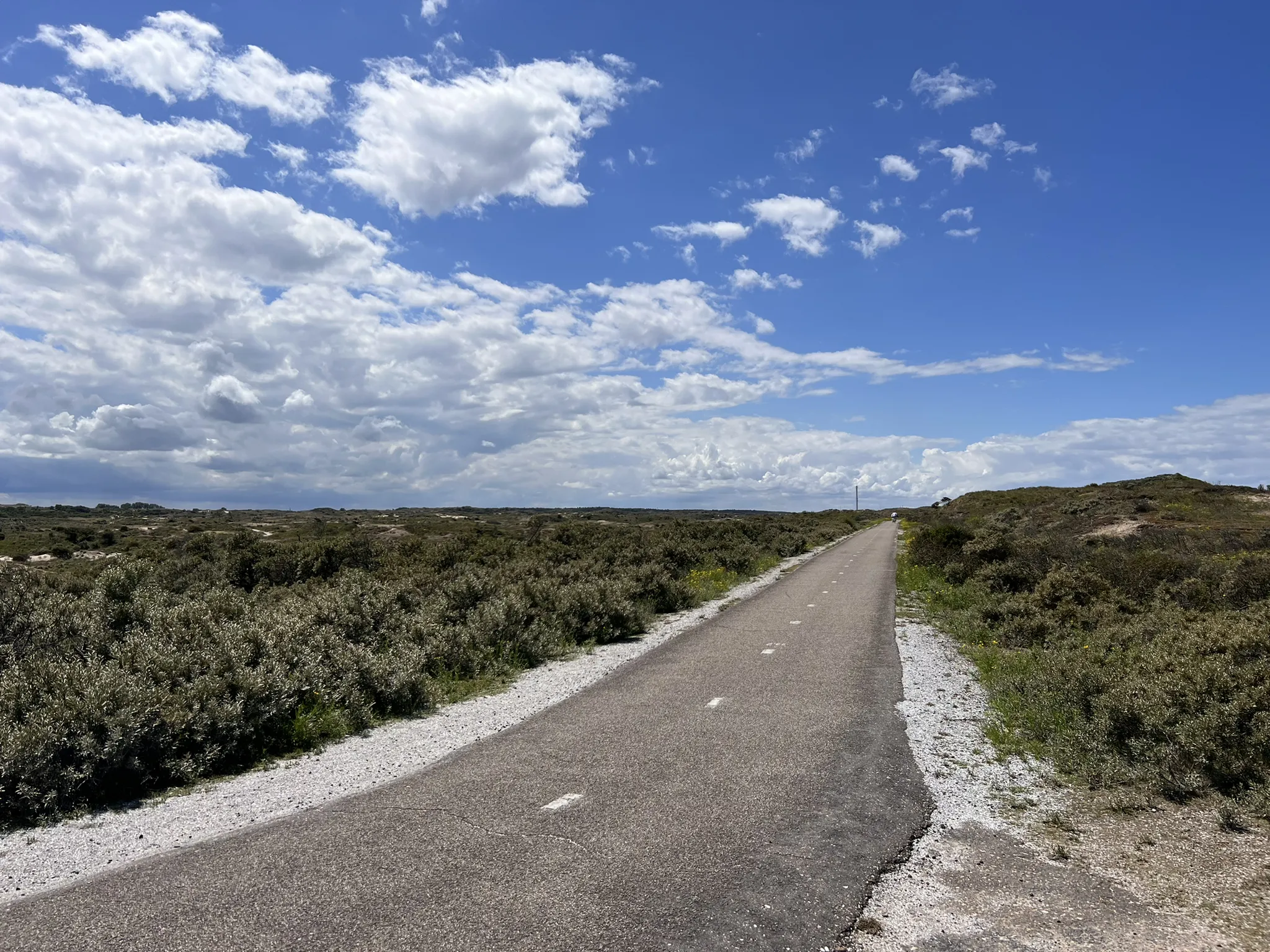
The Tour of the Netherlands – The ultimate cycling route in 21 stages
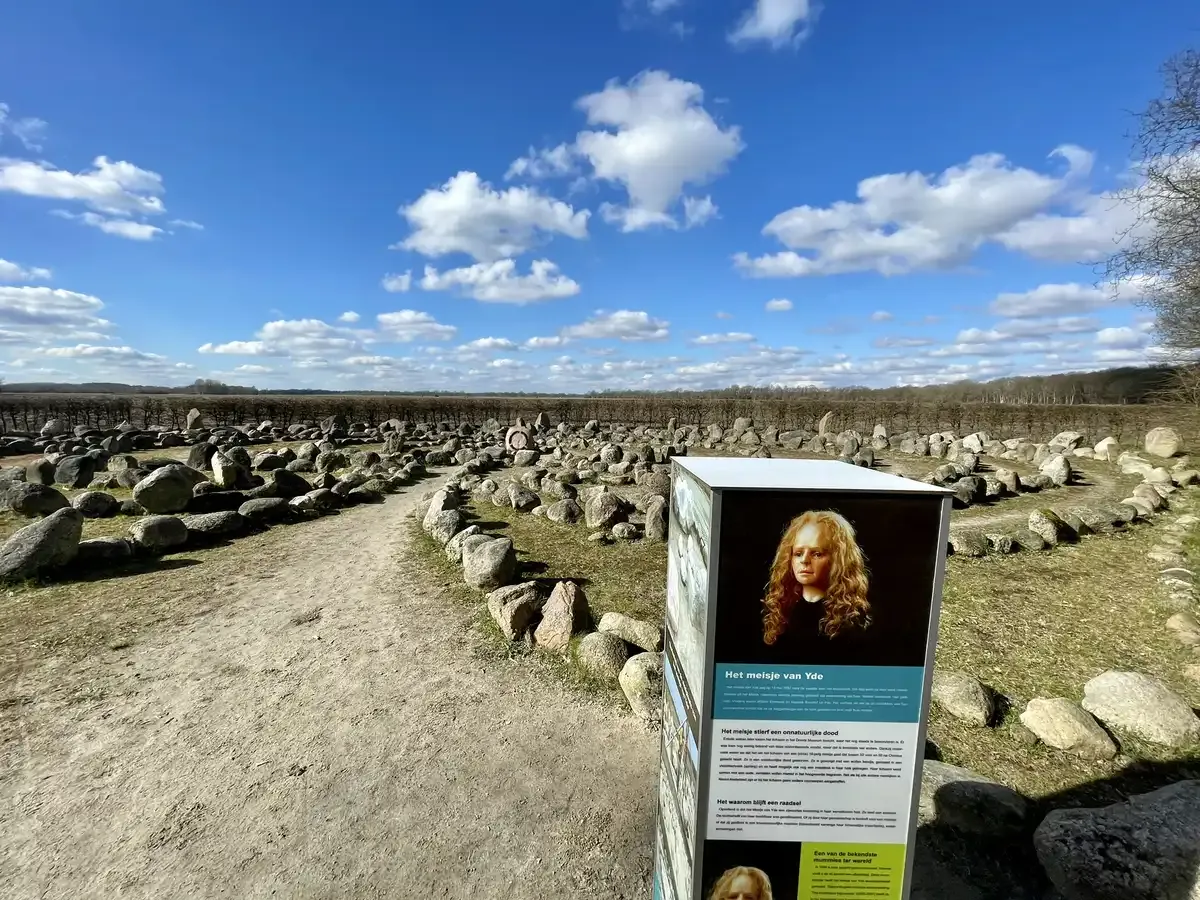
Cycle back in time – 15 prehistoric routes in the Netherlands
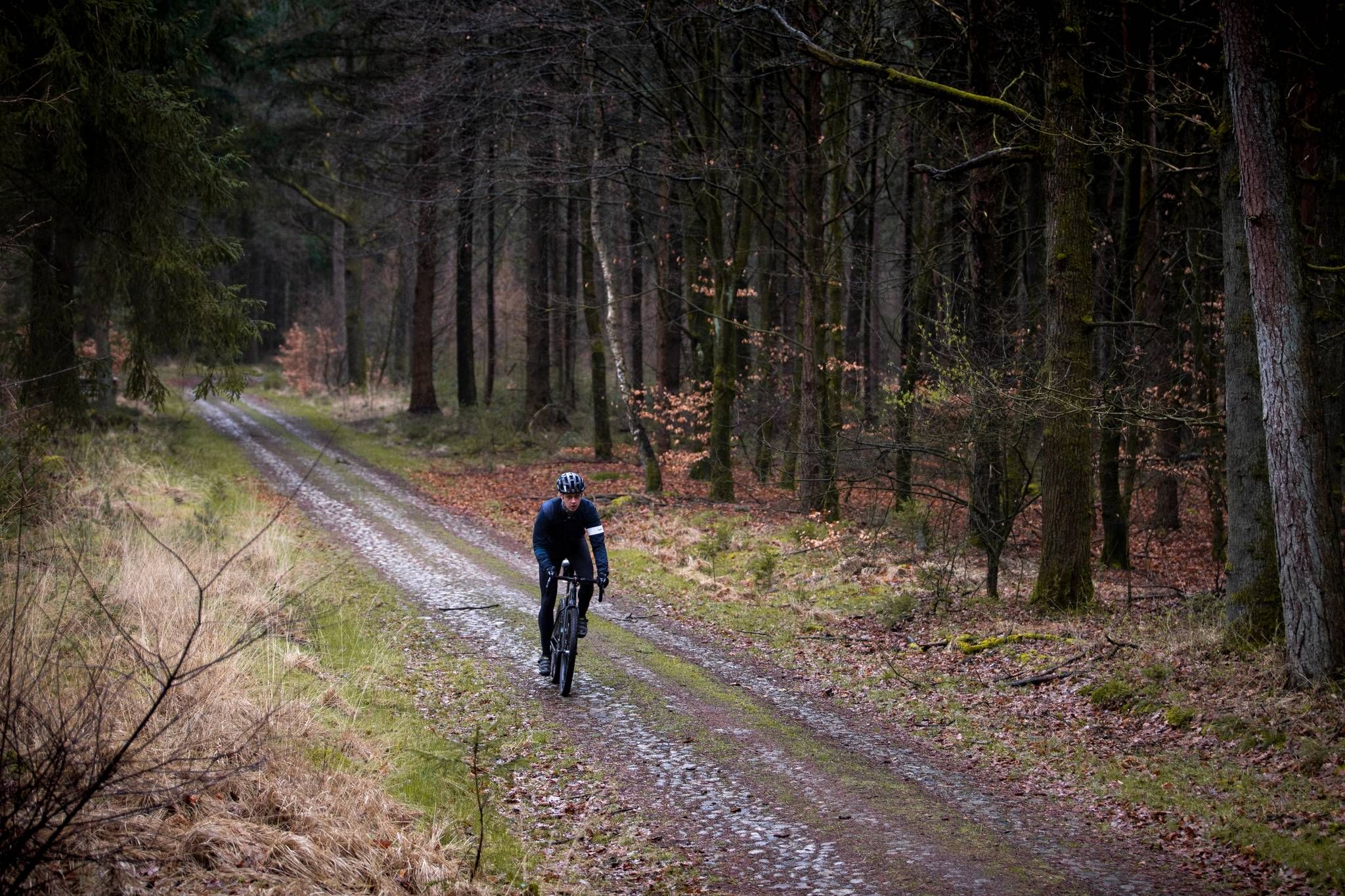
The True 'Hell of the North' — Drentse Keien Cobbles
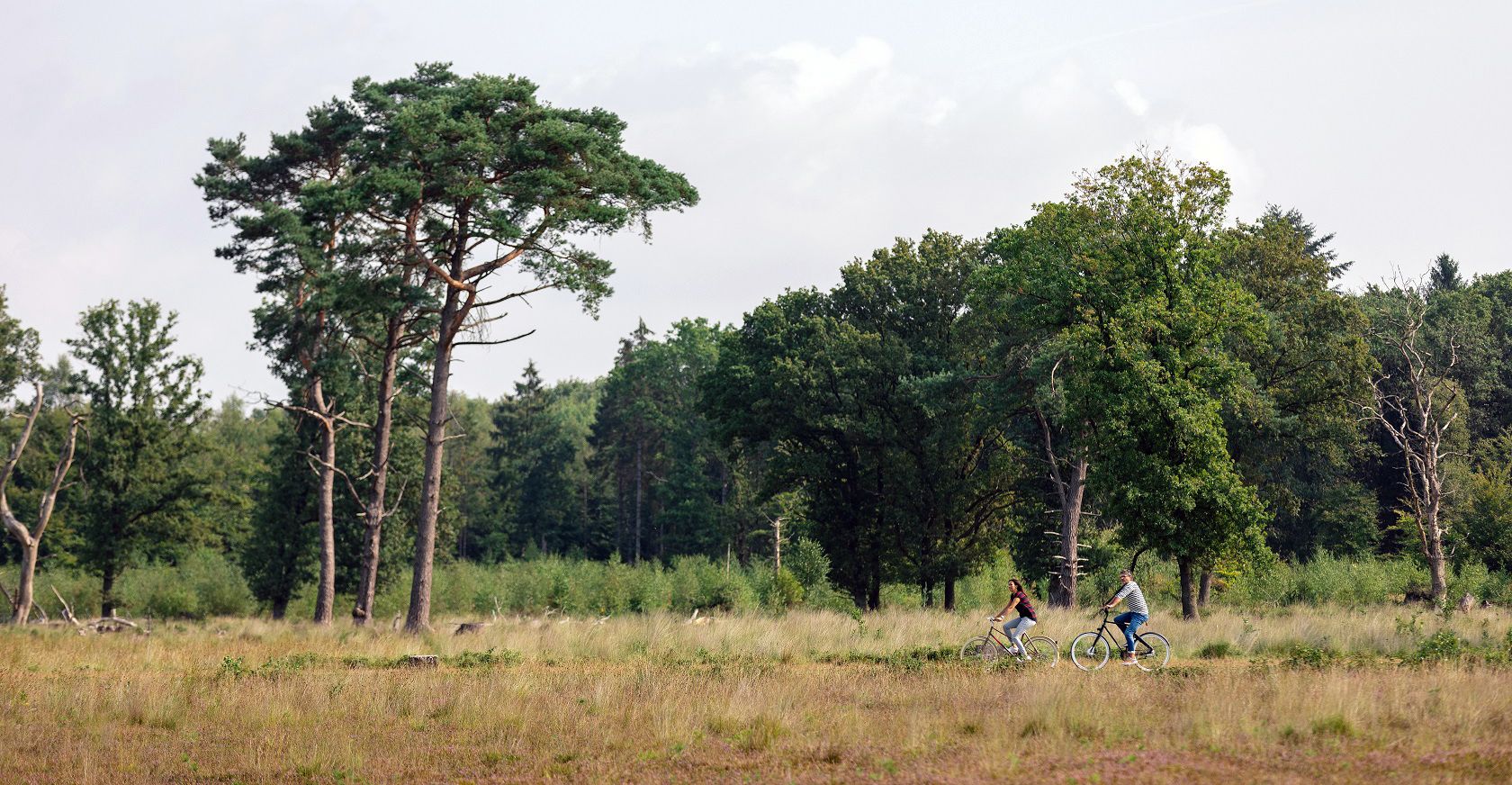
Cycling in Drenthe — Holland's primeval region
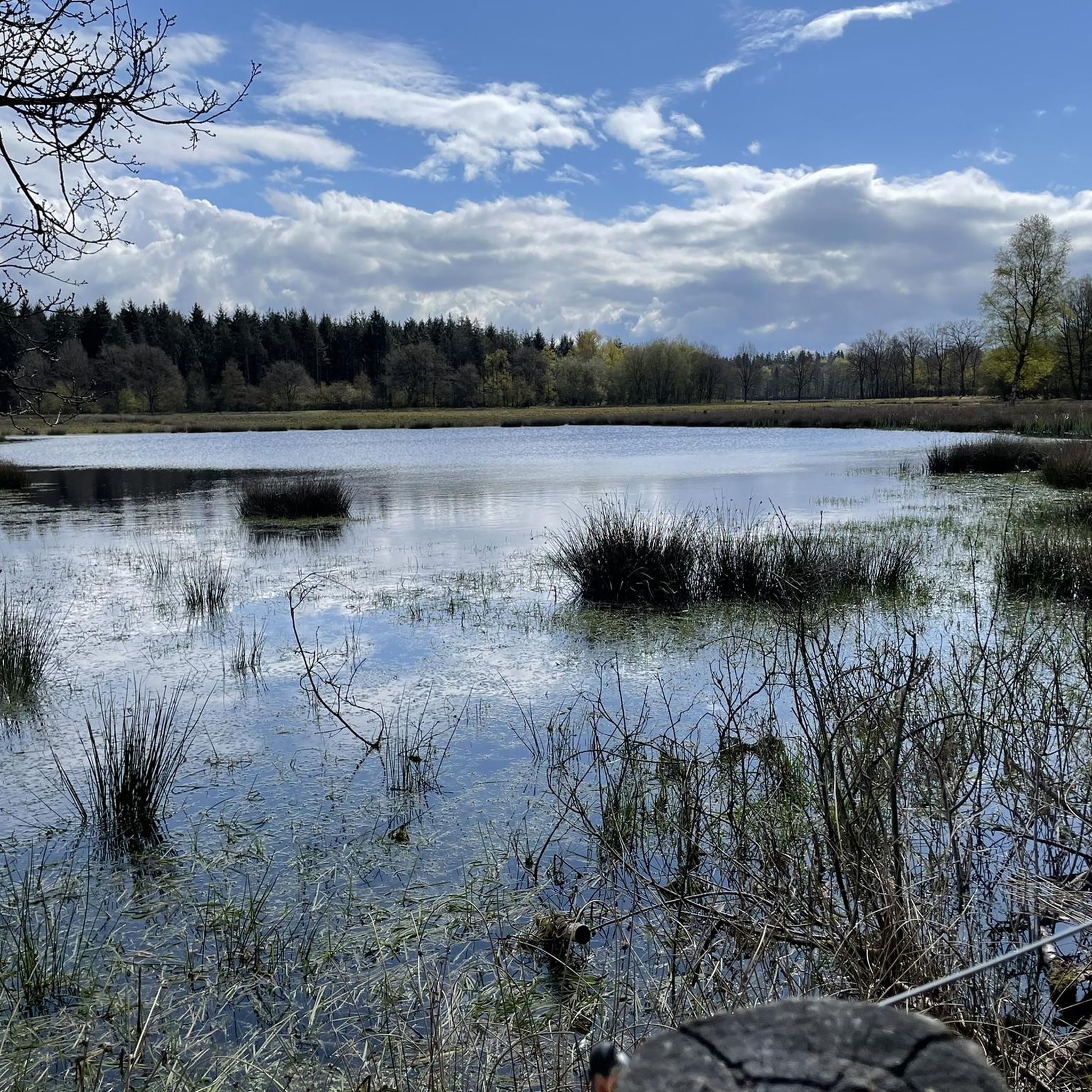
Hiking around Borger-Odoorn
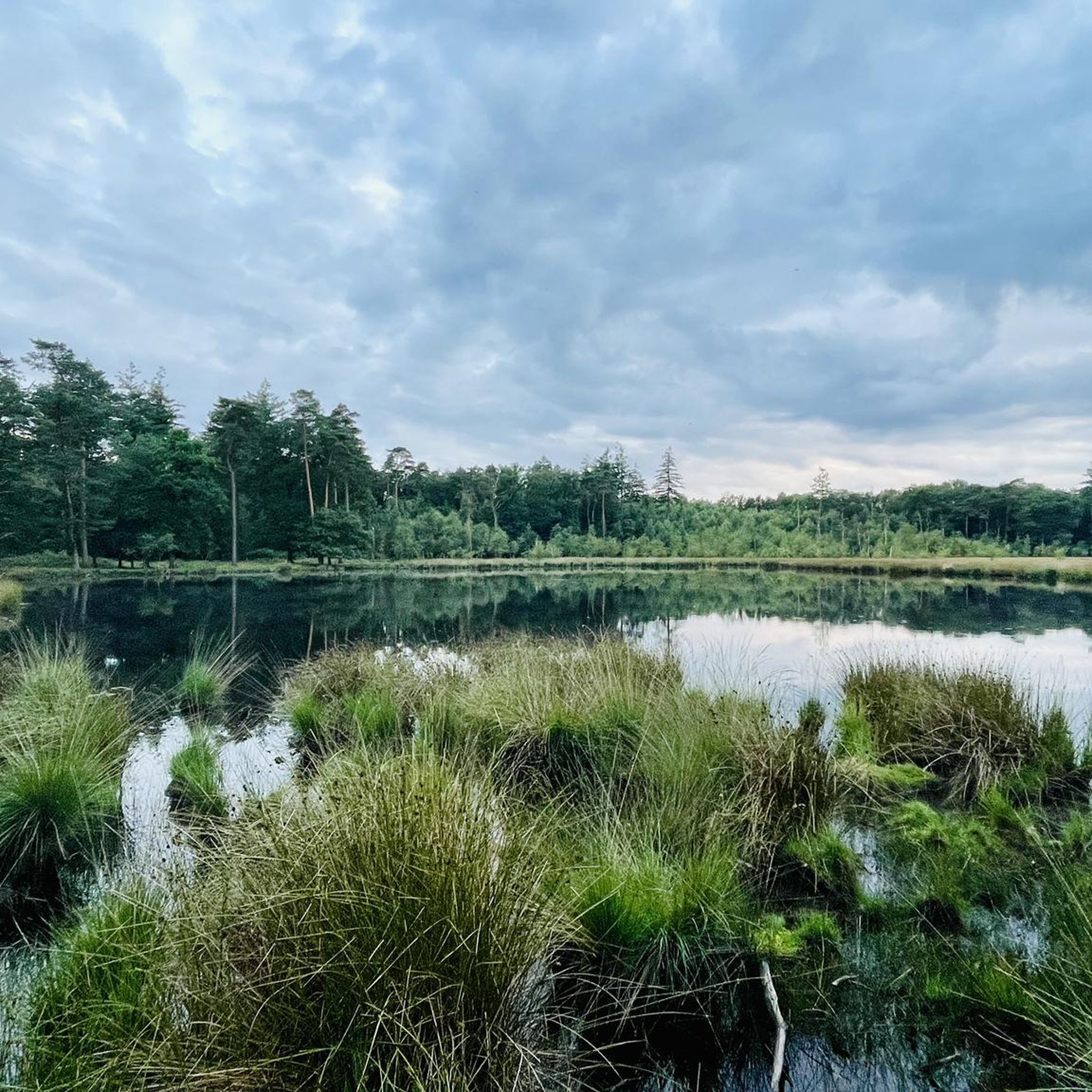
MTB Trails around Borger-Odoorn
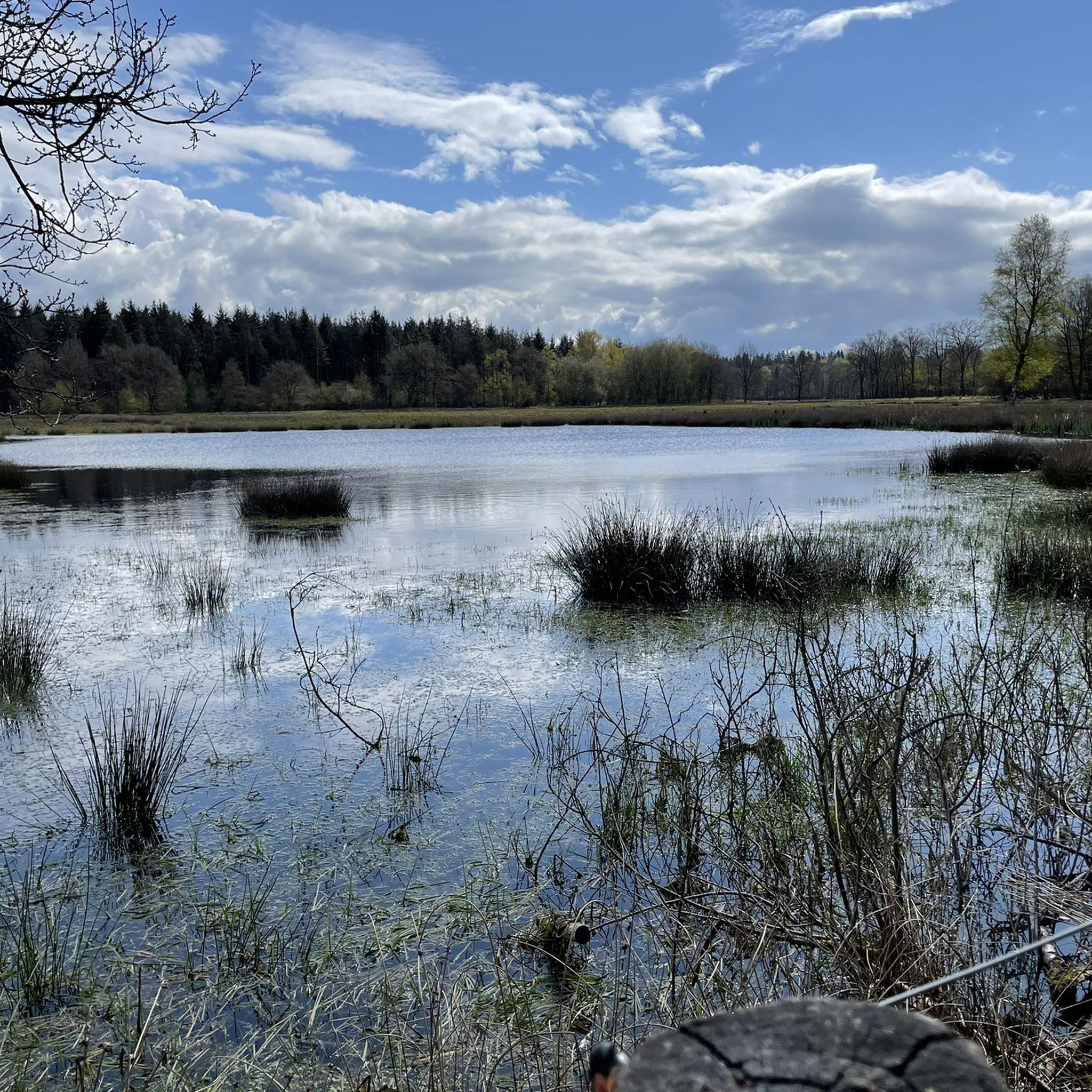
Cycling around Borger-Odoorn
Other adventures around Borger-Odoorn


Tips from the Community

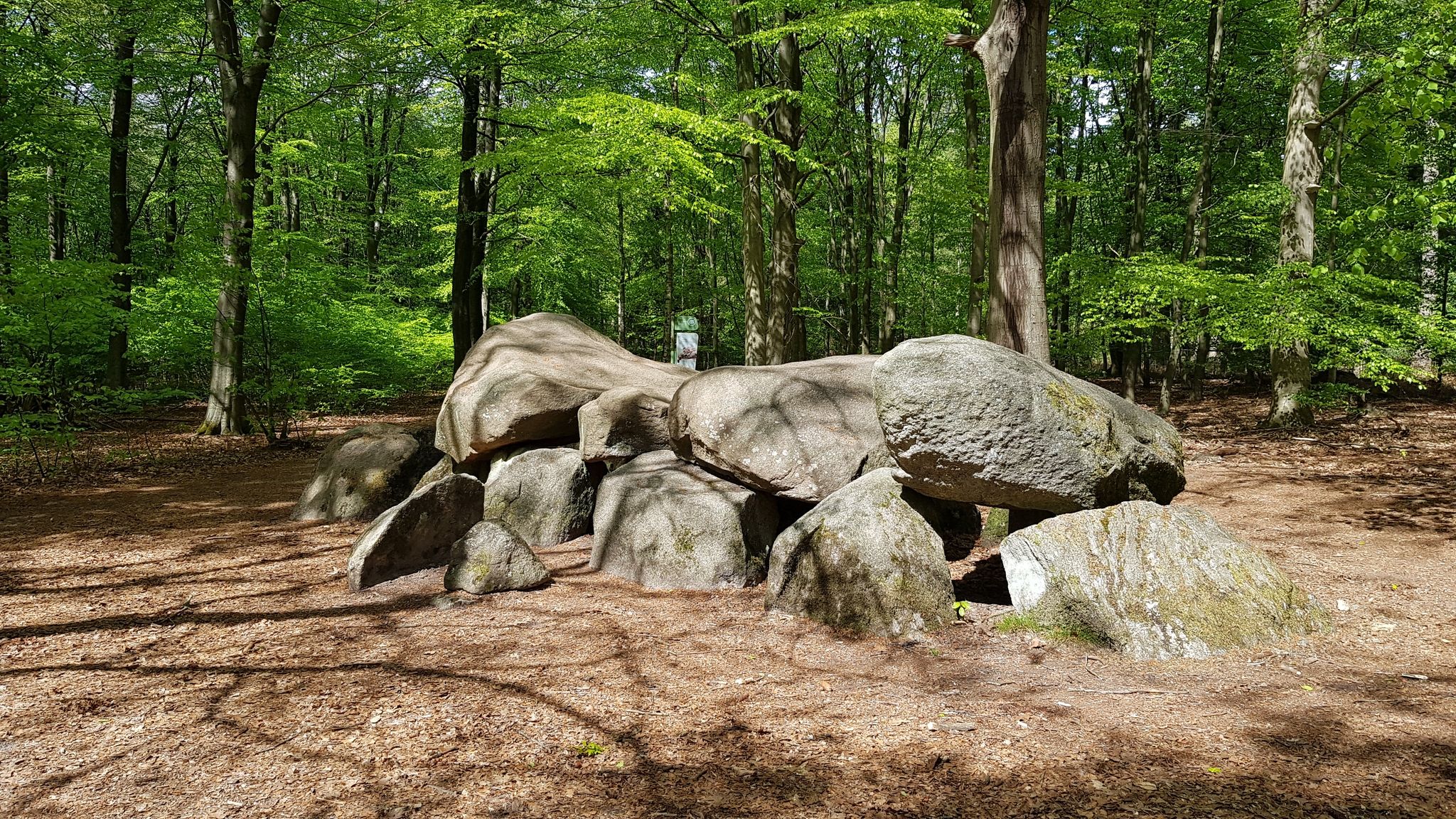
I think this dolmen (D11) is one of the most beautiful in the Netherlands. This prehistoric burial monument is located at a crossroads in the middle of the forest. It was built in the Neolithic period, around 3400–2750 BC, by farmers of the Funnel Beaker Culture. The almost 10-meter-long and almost 4-meter-wide dolmen is located on the Terborgh estate. It has four capstones resting on ten sidestones and two keystones. The yellow walking route runs past the dolmen and the nearby pinetum. Don't confuse this with the yellow signs of the Hondsrug Trail, as those will take you across the entire Hondsrug into Germany.
0
0

Beautiful area for cycling or walking
0
0


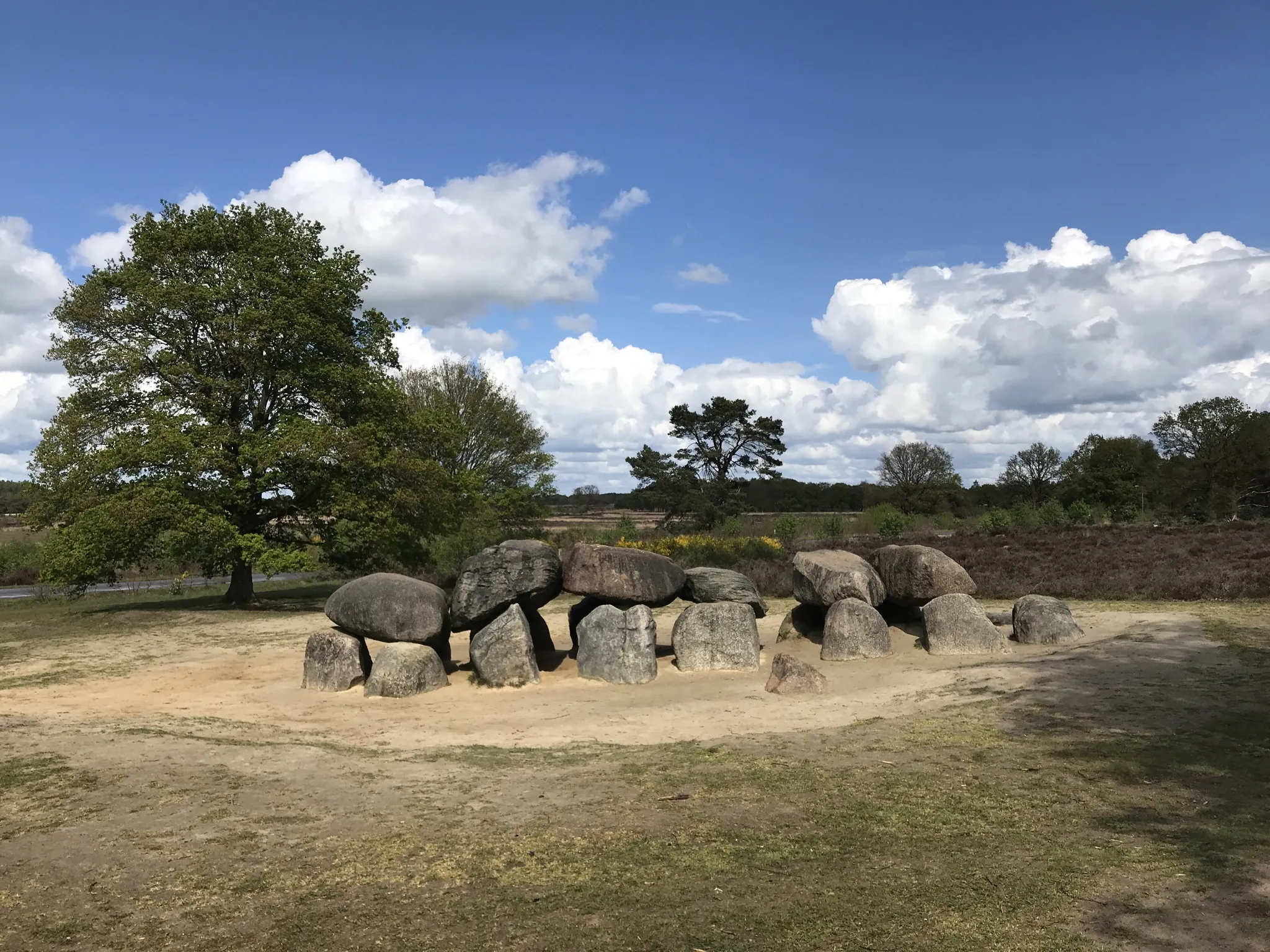
Dolmen D11 in Anloo is a dolmen with four covering stones resting on ten side and two keystones and one gate stone. The original fifth capstone and the second gate stone are missing. It's nice that this dolmen is quietly located, and you often have it to yourself to take in peace and quiet.
1
0

In the middle of Boswachterij Odoorn there is an open heathland that was created after a heavy storm in 1972. It was then decided not to create a new forest, but to fence it off and allow sheep to graze there to keep it short. On this sheep field, at the edge of the forest, is the landscape temple 'Ode to the Sun'. This megalithic work of art was created in 2000 by Rob Schreefel. It consists of a 25-ton boulder (from Brittany) with a round hole in the middle that gives a special light effect.
1
0

These three small dolmens (D38, D39 and D40) are located together in the Valtherbosch, just north of the northern edge of Emmen. Be sure to pause your bike ride to admire these fascinating buildings.
1
0

Lovely lake in the woods for relaxing. A whole day or during a stop while cycling and/or walking. All facilities are available for a lunch or coffee stop.
1
0

Frequently Asked Questions
What are some of the most popular natural monuments to visit in Borger-Odoorn?
Visitors frequently enjoy the unique Ode to the Sun Sculpture, a megalithic artwork with a special light effect. Other popular spots include Ieberenplas, a lake with a sandy beach perfect for swimming, and the historical Dolmens D21 and D22, known as the "twins" for their proximity and archaeological significance.
What makes the natural monuments in Borger-Odoorn unique?
The natural monuments in Borger-Odoorn are unique due to their rich blend of geological formations and ancient history. The region is part of the UNESCO Global Geopark Hondsrug, a well-preserved glacial till ridge, and encompasses the Drentsche Aa National Park, known for its naturally meandering river. You'll find ancient hunebeds (dolmens), extensive heathlands, and preserved river valleys, all telling a story of the Ice Age and early human settlement.
Can I see ancient historical sites among the natural monuments?
Yes, the region is rich in ancient historical sites. The most prominent are the hunebeds (dolmens), megalithic tombs built by the Funnelbeaker people between 3400 and 3000 BC. Dolmen D11 in Anloo and the "twin" Dolmens D21 and D22 are excellent examples. The Drentsche Aa National Park also features numerous prehistoric monuments, burial mounds, and ancient cart tracks.
What kind of landscapes can I expect to see in Borger-Odoorn?
You can expect diverse landscapes shaped by glacial activity and centuries of human interaction. These include the distinctive sand and clay ridges of the Hondsrug, narrow winding river valleys like those in the Drentsche Aa National Park, and vast heathlands such as Gasterse Duinen and Balloërveld. Many areas also feature ancient woodlands and traditional 'esdorp' villages.
Are there family-friendly natural monuments in Borger-Odoorn?
Absolutely. Many natural monuments are suitable for families. For instance, Ieberenplas and The New Heavenly Realm are both swimming lakes with sandy beaches, perfect for a day out. The hunebeds, like Dolmens D21 and D22, offer an engaging historical experience for all ages.
What outdoor activities are available near these natural monuments?
The region offers a wide range of outdoor activities. You can explore the landscapes through extensive hiking trails, such as those found in the Hiking around Borger-Odoorn guide. Cycling is also very popular, with routes like 'Borger: bog landscapes and burial mounds' detailed in the Cycling around Borger-Odoorn guide. For mountain biking enthusiasts, there are challenging trails like the Exloo MTB Trail, which you can find in the MTB Trails around Borger-Odoorn guide.
When is the best time of year to visit the natural monuments in Borger-Odoorn?
The best time to visit largely depends on your interests. Spring and summer offer pleasant weather for outdoor activities, with the heathlands beginning to bloom in late summer (August-September), creating a stunning purple landscape. Autumn provides beautiful foliage, while winter can offer a serene, quiet experience, especially in the heathlands and forests.
Are there opportunities for swimming at the natural monuments?
Yes, there are excellent spots for swimming. Ieberenplas, located in the forestry of Grolloo, is a play pond with a large sandy beach and is nowhere more than two meters deep. Another great option is The New Heavenly Realm ('T Nije Hemelriek), a lovely swimming lake with white sand, playground equipment, and a kiosk.
What is the Drentsche Aa National Park known for?
The Drentsche Aa National Park is renowned as the best-preserved low river valley landscape in Western Europe, often called "the last naturally meandering river in the Netherlands." It's characterized by its winding river, extensive heathlands, ancient woodlands, and well-preserved 'esdorp' villages. The park also boasts a rich cultural history with numerous prehistoric monuments and is home to rare flora like the wild white lady's slipper orchid.
Are the natural monuments suitable for visitors with dogs?
Many natural areas and trails in Borger-Odoorn are dog-friendly, but it's always advisable to keep dogs on a leash, especially in nature reserves to protect wildlife and livestock. Specific rules may vary by location, particularly in areas with grazing animals or sensitive ecosystems like heathlands.
Where can I learn more about the geological history of the region?
The entire region is part of the UNESCO Global Geopark Hondsrug, which is dedicated to showcasing its unique geological history. You can learn about the formation of the Hondsrug during the Saalian Ice Age and its impact on the landscape. The Hunebedcentrum, located near the largest hunebed in Borger, also provides extensive information on the prehistoric inhabitants and the geological origins of the boulders used in the hunebeds.
What are the "twin dolmens" and why are they significant?
The "twin dolmens" refer to Dolmens D21 and D22, which are located next to each other southwest of Bronneger. They are significant not only for their close proximity but also because D21 is where most archaeological finds have been made. The large beech tree behind D21 also makes it a particularly photogenic example of these ancient megalithic tombs.
What is the 'Ode to the Sun Sculpture'?
The Ode to the Sun Sculpture is a unique man-made monument located in the middle of Boswachterij Odoorn. Created in 2000 by Rob Schreefel, this megalithic artwork features a 25-ton boulder with a round hole that creates a special light effect, inspired by mythology and the natural landscape.
Most popular routes around Borger-Odoorn
Most popular attractions around Borger-Odoorn

Get inspired with the komoot mobile app


Explore more
Extend your search for the best caves by checking out these guides of the top ones around Borger-Odoorn:
