The best waterfall hikes and walks in Kalkkögel
4.6
(17771)
115,708
hikers
2
hikes
Waterfall hiking trails in Kalkkögel are found in a sub-range of the Stubai Alps, southwest of Innsbruck, Tyrol, Austria, often referred to as the "Dolomites of North Tyrol." This region is characterized by distinctive limestone towers and spires, formed from Mesozoic sediments, creating a rugged and jagged landscape. The geological diversity supports varied flora, and the area includes picturesque mountain lakes and protected zones like the "Ruhegebiet Kalkkögel," ensuring a pristine mountain environment.
Best waterfall hiking trails in Kalkkögel
- The…
Last updated: July 9, 2026
5.0
(1)
19
hikers
7.08km
01:59
130m
130m
Easy hike. Great for any fitness level. Easily-accessible paths. Suitable for all skill levels.
5
hikers
4.12km
01:10
90m
90m
Easy hike. Great for any fitness level. Easily-accessible paths. Suitable for all skill levels.

Sign up for free
4.8
(386)
1,853
hikers
Moderate hike. Good fitness required. Mostly accessible paths. Sure-footedness required.
4.9
(376)
1,982
hikers
Hard hike. Very good fitness required. Mostly accessible paths. Sure-footedness required.
6
hikers
13.4km
03:55
350m
350m
Moderate hike. Good fitness required. Mostly accessible paths. Sure-footedness required.
Our route recommendations are based on thousands of hikes, rides, and runs completed by other people on komoot.
Start today with a free account
Your next adventure awaits.
Login or Signup
Popular around Kalkkögel
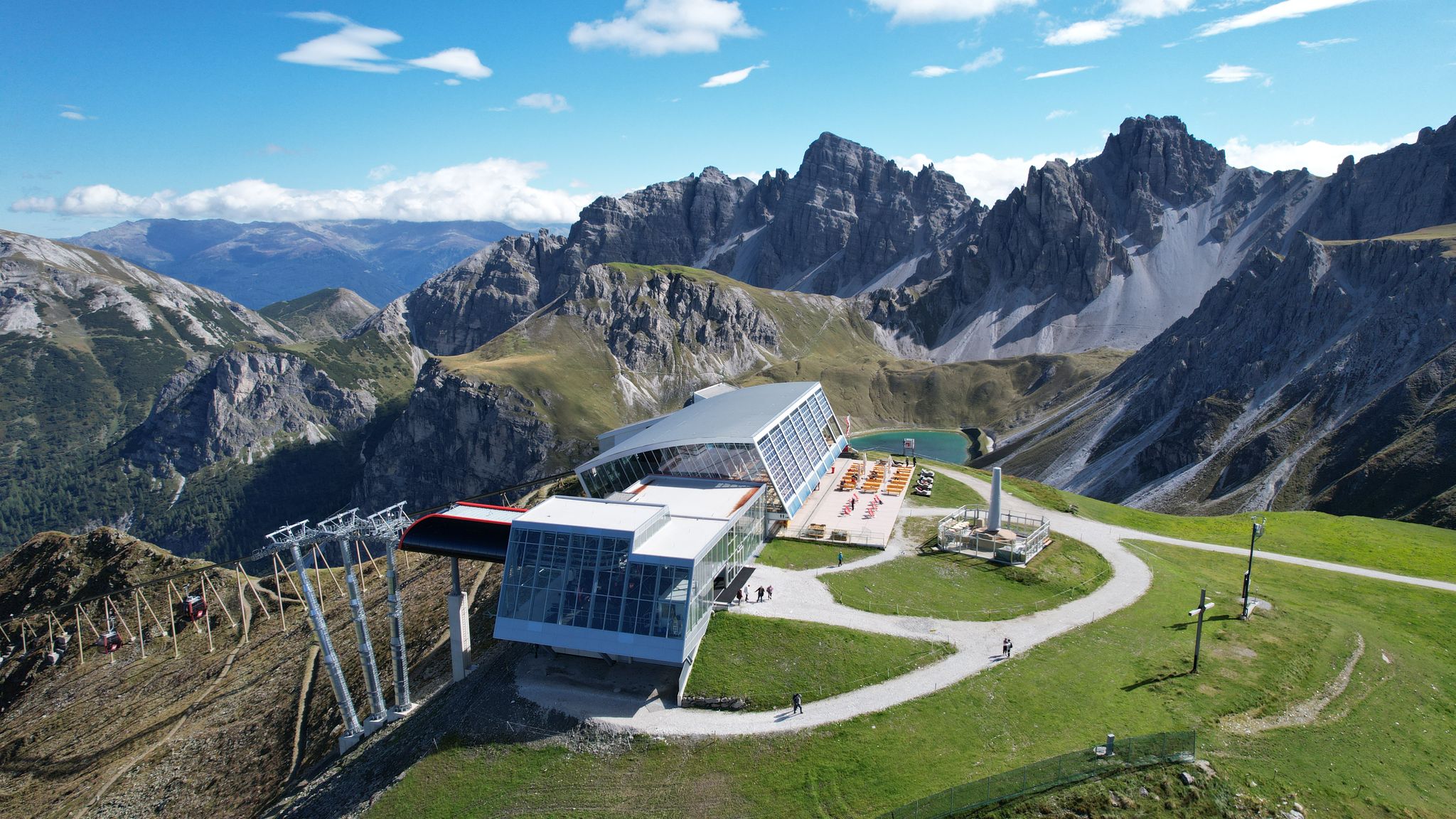
In the ‘Dolomites of North Tyrol’ – hiking in Axamer Lizum
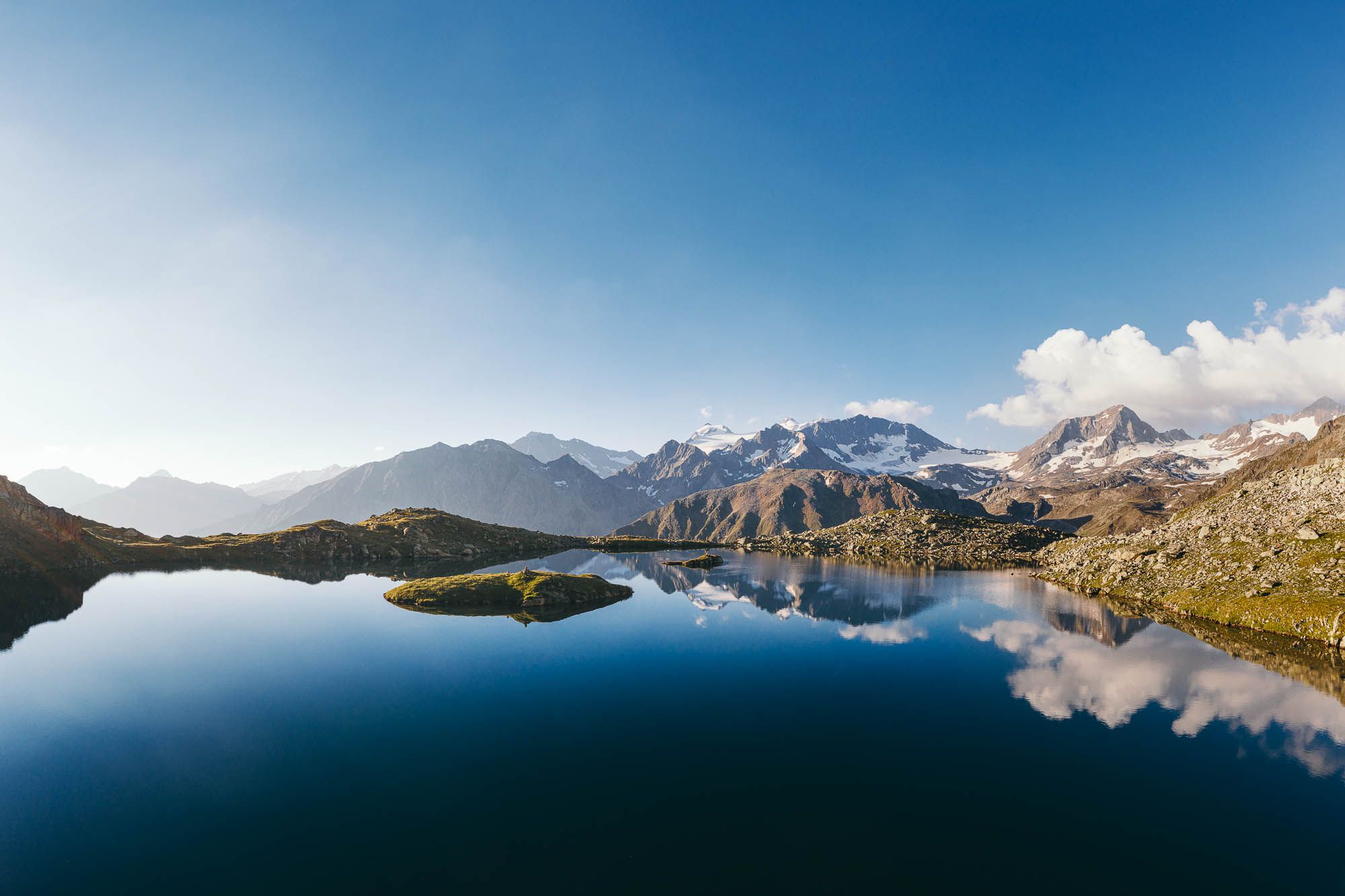
5 hiking highlights in the Stubai - between nature fascination and summit experiences
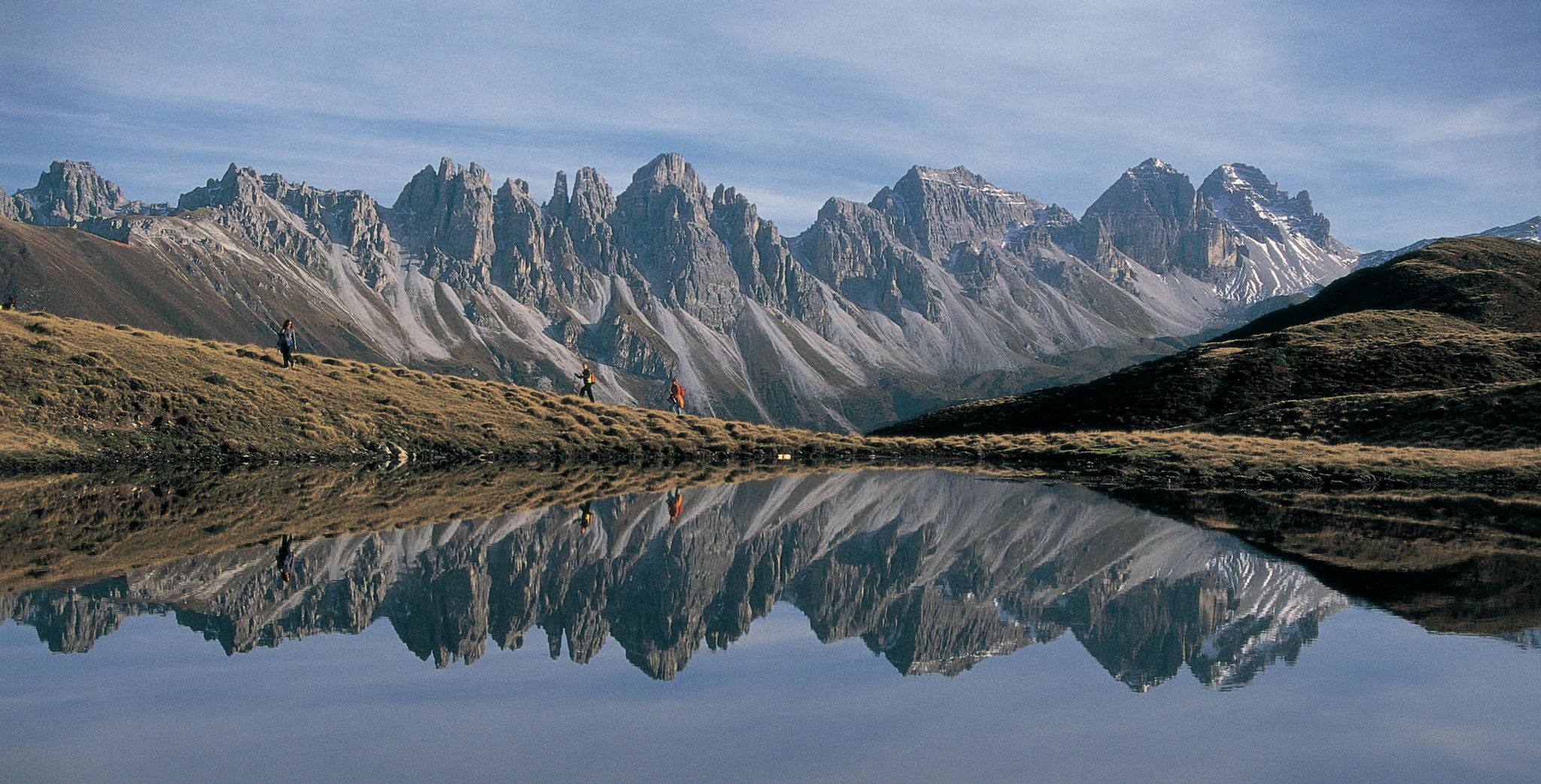
Leaving the city & up into the mountains – hiking around Innsbruck
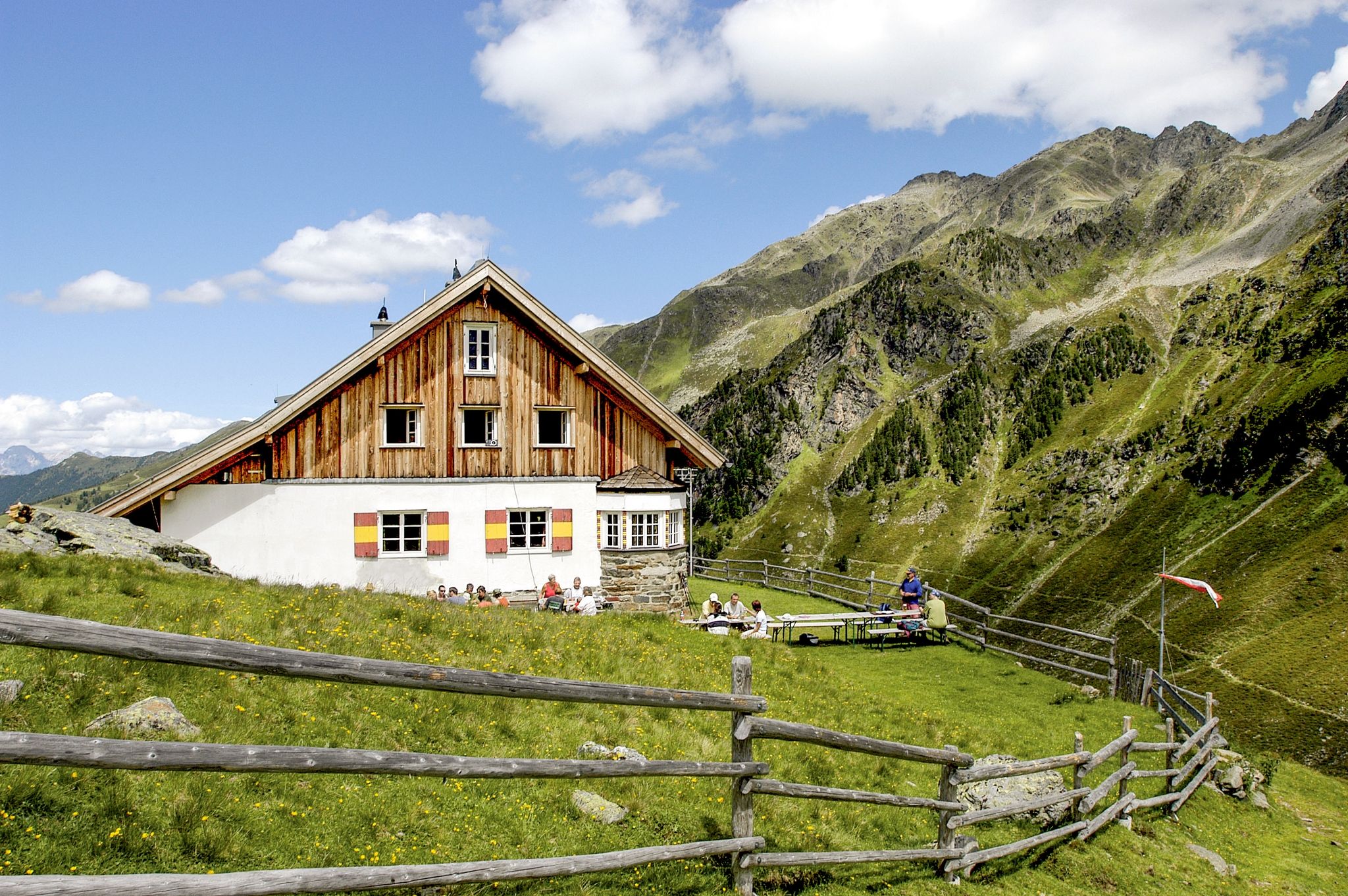
7 days through the Sellrain Alps – the Sellrainer Huettenrunde
De stad uit, de bergen in – Wandelen rond Innsbruck
Other adventures in Kalkkögel


Tips from the Community

Closed to visitors from November
2
0
A very well-maintained park; today I was lucky and was able to observe two free-roaming peacocks there.
2
0

Paradise and Medicinal Garden "The Scent of Spicy Herbs" As you make your way from the Spanish Hall up a spiral staircase to the High Castle, the scent of spicy herbs wafts toward you in the warmer months. Plants for medicinal purposes were once cultivated in the Paradise and Medicinal Garden. Archduke Ferdinand II had a particular interest in medicine, as documented by his considerable collection of classical and contemporary medical literature in the Ambras Library. The basis for today's selection of medicinal plants is Philippine Welser's pharmacopoeia from 1560/70, preserved in the Ambras Collection. Text / Source: Ambras Castle Innsbruck, Schlossstraße 20, 6020 Innsbruck https://www.schlossambras-innsbruck.at/das-schloss-entdecken/orte-im-schloss/paradies-und-arzneimittelgarten
15
0
Palace Park - Ambras Castle, Innsbruck During the lifetime of Archduke Ferdinand II, Ambras Castle included a large forest area. The grounds, which slope steeply to the east and today, with their cliffs, ravines, bridges, and an artificial waterfall, are reminiscent of their original state, served as a game park. The palace also boasted a richly landscaped park, completed in 1574, with fish ponds, bird aviaries, and private garden houses in the pleasure gardens. Remaining features from this period include the spacious Bacchus Grotto, carved into the rock, where the Archduke's guests were once welcomed with the famous Ambras drinking games, as well as a stair tower in the Keuchengarten, the former structure of which has been partially reconstructed. The hydroelectric "circulating table" and the ball game house south of the Spanish Hall are no longer preserved. Under Archduke Karl Ludwig, who used Ambras Castle as a summer residence, the western part of the park was transformed into a landscaped garden starting in 1855, and the Keuchengarten received a swimming pool. Text / Source: Ambras Castle Innsbruck, Schlossstraße 20, 6020 Innsbruck https://www.schlossambras-innsbruck.at/das-schloss-entdecken/orte-im-schloss/schlosspark
15
0
The World's First Museum / The History of Ambras Castle Ambras Castle is located on the southern outskirts of Innsbruck, the Tyrolean capital. Records of Ambras date back to the 10th century, spelled "Amras" or "Omras." In the High Middle Ages, it was the seat of the Upper Bavarian Counts of Andechs. The property then passed into the possession of the Tyrolean sovereigns through inheritance. The medieval character of the castle is still clearly evident in the structure of the upper castle. In 1564, Ambras Castle became the residence of the Tyrolean sovereign, Archduke Ferdinand II, who moved there with his young family, his wife Philippine, and their two sons, Andreas and Karl. The so-called upper castle was converted and expanded into a residential building in the Renaissance style. The impressive Spanish Hall and extensive gardens were created below the residential building as new buildings. Text / Source: Ambras Castle Innsbruck, Schlossstraße 20, 6020 Innsbruck https://www.schlossambras-innsbruck.at/das-schloss-entdecken/das-schloss#:~:text=Schloss%20Ambras%20liegt%20am%20s%C3%BCdlichen%20Stadtrand%20der%20Tiroler
16
0
Palace Park - Ambras Castle, Innsbruck During the lifetime of Archduke Ferdinand II, Ambras Castle included a large forest area. The grounds, which slope steeply to the east and today, with their cliffs, ravines, bridges, and an artificial waterfall, are reminiscent of their original state, served as a game park. The palace also boasted a richly landscaped park, completed in 1574, with fish ponds, bird aviaries, and private garden houses in the pleasure gardens. Remaining features from this period include the spacious Bacchus Grotto, carved into the rock, where the Archduke's guests were once welcomed with the famous Ambras drinking games, as well as a stair tower in the Keuchengarten, the former structure of which has been partially reconstructed. The hydroelectric "circulating table" and the ball game house south of the Spanish Hall are no longer preserved. Under Archduke Karl Ludwig, who used Ambras Castle as a summer residence, the western part of the park was transformed into a landscaped garden starting in 1855, and the Keuchengarten received a swimming pool. Text / Source: Ambras Castle Innsbruck, Schlossstraße 20, 6020 Innsbruck https://www.schlossambras-innsbruck.at/das-schloss-entdecken/orte-im-schloss/schlosspark
16
0


Frequently Asked Questions
What kind of waterfall hiking experiences can I expect in Kalkkögel?
Kalkkögel offers diverse waterfall hiking experiences, primarily centered around the impressive Grawa Waterfall. You can find routes ranging from moderate, family-friendly loops with direct waterfall views to more challenging alpine treks that combine waterfall scenery with high-altitude terrain and mountain lakes. The region's distinctive dolomite formations provide a dramatic backdrop to these natural wonders.
Are there different difficulty levels for waterfall hikes in Kalkkögel?
Yes, the waterfall hikes in Kalkkögel cater to various fitness levels. For instance, the View of the Grawa Waterfall – Grawa Waterfall loop from Neustift i. St. Abzw Nürnberger Hütte is a moderate route, suitable for many hikers. If you're looking for a more demanding adventure, the View of the Grawa Waterfall – Blue Tarn loop from Parkplatz Ruetz Katarakt is a difficult path that combines waterfall views with alpine terrain leading to the Blue Tarn.
What are some of the natural features and landmarks I might encounter on a waterfall hike in Kalkkögel?
Beyond the waterfalls themselves, Kalkkögel is renowned for its striking dolomite formations, often called the 'Dolomites of North Tyrol.' You'll also find picturesque mountain lakes, such as the Salfainssee, known for its reflections of the Kalkkögel mountains, and the Schlick Panorama Lake. The region is also a protected area, the 'Ruhegebiet Kalkkögel,' ensuring a pristine mountain environment. Many trails offer panoramic views of the Inn Valley and surrounding peaks.
What do other hikers enjoy most about hiking in Kalkkögel?
The hiking trails in Kalkkögel are highly rated by the komoot community, with an average score of 4.5 stars from over 3800 reviews. Hikers often praise the dramatic dolomite landscapes, the diverse flora, and the well-maintained network of trails that offer stunning panoramic views. The combination of challenging alpine routes and more accessible paths, including those featuring waterfalls, makes it a favorite destination for many.
Are there any circular waterfall routes available in Kalkkögel?
Yes, several waterfall routes in Kalkkögel are designed as loops, allowing you to start and end at the same point. A popular option is the View of the Grawa Waterfall – Grawa Waterfall loop from Neustift i. St. Abzw Nürnberger Hütte, which offers direct views of the Grawa Waterfall. Another, more challenging circular route is the View of the Grawa Waterfall – Blue Tarn loop from Parkplatz Ruetz Katarakt.
Can I find family-friendly waterfall hikes in Kalkkögel?
While some waterfall trails can be challenging, there are options suitable for families. The moderate View of the Grawa Waterfall – Grawa Waterfall loop from Neustift i. St. Abzw Nürnberger Hütte is a good example, offering impressive waterfall views without extreme difficulty. The region generally provides a range of trails, from easy walks to more demanding treks, so families can choose routes that match their children's abilities.
What is the best time of year to visit Kalkkögel for waterfall hikes?
The best time to visit Kalkkögel for waterfall hikes is typically during the warmer months, from late spring to early autumn (May to October). During this period, the snow has melted, trails are generally clear, and the waterfalls are often at their most powerful due to snowmelt. Always check local weather conditions and trail status before heading out, especially in early spring or late autumn when conditions can be unpredictable.
Are there mountain huts or places to rest along the waterfall hiking trails?
Yes, the Kalkkögel region is well-equipped with mountain huts that serve as excellent rest stops, offering traditional culinary delights and sometimes overnight accommodations. While not directly on every waterfall trail, huts like the Adolf-Pichler-Hütte, Franz-Senn hut, Birgitzköpflhaus, Starkenburger Hütte, and Pfarrachalm are part of the broader trail network and can be incorporated into longer hikes or accessed from various starting points.
Are there any other interesting attractions or points of interest near the waterfall trails?
Absolutely! The Kalkkögel area is rich in attractions. Beyond the waterfalls, you can explore various mountain passes like Halsl Pass or Seejöchl, offering stunning vistas. There are also several huts such as Starkenburger Hut and Pfarrachalm, which are great for breaks. For those interested in summits, the Hoher Burgstall summit provides panoramic views.
Is parking available near the starting points of waterfall hikes?
Parking availability varies by trailhead. For routes like the View of the Grawa Waterfall – Blue Tarn loop, there are designated parking areas such as Parkplatz Ruetz Katarakt. It's always advisable to check specific route descriptions on komoot for detailed information on parking facilities at or near the starting points of your chosen waterfall hike.
Can I reach the waterfall trails using public transport?
Many areas within Kalkkögel are accessible by public transport, particularly from Innsbruck. While specific bus routes and stops will depend on the exact trailhead, the region is generally well-connected. For example, routes starting from Neustift im Stubaital or other villages often have public transport links. We recommend checking local bus schedules and connections to plan your journey to the trailhead.
Most popular routes in Kalkkögel
Most popular attractions in Kalkkögel

Get inspired with the komoot mobile app


Explore more
Browse the best Hikes in other regions.
