The best road cycling routes around Kapellen-Drusweiler
4.5
(378)
4,997
riders
198
rides
Road cycling routes around Kapellen-Drusweiler traverse a landscape characterized by rolling hills, dense forests, and open agricultural areas. The region features moderate elevation gains, with routes often leading through natural parks and past historical landmarks. Road cyclists can expect a mix of well-maintained roads and scenic paths, offering varied terrain for different skill levels. The area is part of the Southern Wine Route, providing a backdrop of vineyards and charming villages.
Best road cycling routes around Kapellen-Drusweiler
- The most popular…
Last updated: October 12, 2026
4.9
(22)
249
riders
67.9km
03:17
840m
840m
Moderate road ride. Good fitness required. Some segments of this route may be unpaved and difficult to ride.
4.7
(17)
111
riders
Moderate road ride. Good fitness required. Mostly well-paved surfaces and easy to ride.

4.5
(2)
94
riders
27.3km
01:15
260m
260m
Easy road ride. Great for any fitness level. Mostly well-paved surfaces and easy to ride.
4.8
(18)
162
riders
Moderate road ride. Good fitness required. Mostly well-paved surfaces and easy to ride.
4.9
(12)
300
riders
44.8km
02:02
400m
400m
Moderate road ride. Good fitness required. Mostly well-paved surfaces and easy to ride.
Get access to more routes and recommendations from other explorers.
Already have an account?
Our route recommendations are based on thousands of hikes, rides, and runs completed by other people on komoot.
Start today with a free account
Your next adventure awaits.
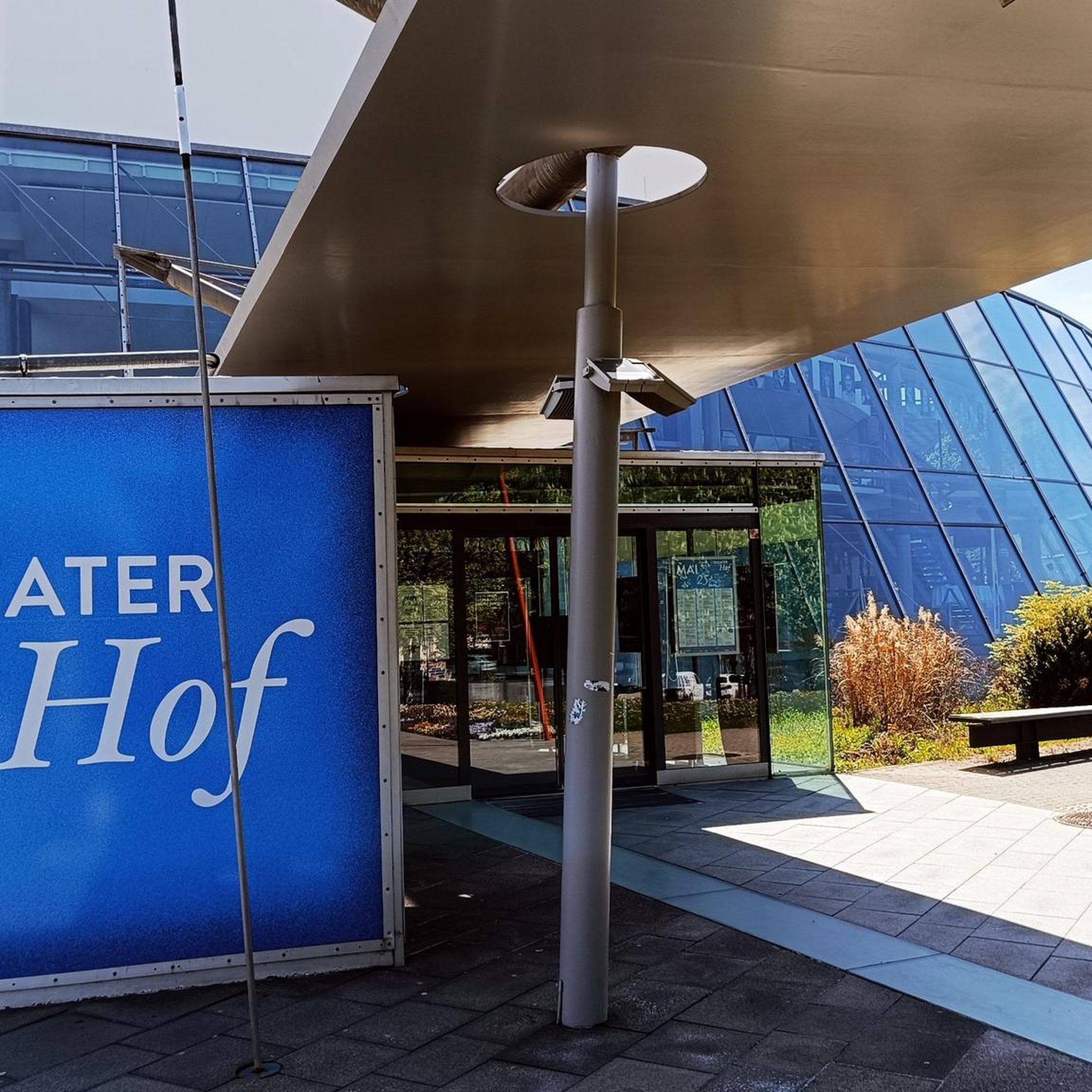
Tips from the Community

From here you can walk around the l'Étang Fleckenstein, with a small part of the path running along the road. If you wish, you can take the leisurely path to the Château Fort du Fleckenstein via Gimbelhof, or a steep, shorter path at the other end of the pond. The public, free car park and also the paths to the Château are on the other side of the road; - not on the side of the pond. A circular route to the former fortress is just under 7 km long.
0
0

Oberotterbach was already a small village in the Middle Ages, but it was only with the Reformation in the 16th century that the region became Protestant. Many villages in the Palatinate converted to the Protestant faith during this time, and Oberotterbach also followed this trend. 🕊️⛪ The current church in Unterdorfstraße is a typical example of a Palatinate village church from the 18th or 19th century. It was built as a central place for the Protestant community and served not only religious purposes but also as a meeting place for the village community. 🏡🔨
0
0
These benches are not random seating, but silent companions for hikers, cyclists, and wine lovers. They invite you to relax, read a book, or simply enjoy the tranquility of nature. Sometimes there's even a vineyard sign next to them, explaining which grape variety grows here – a little extra for the curious 📜🍇.
0
0

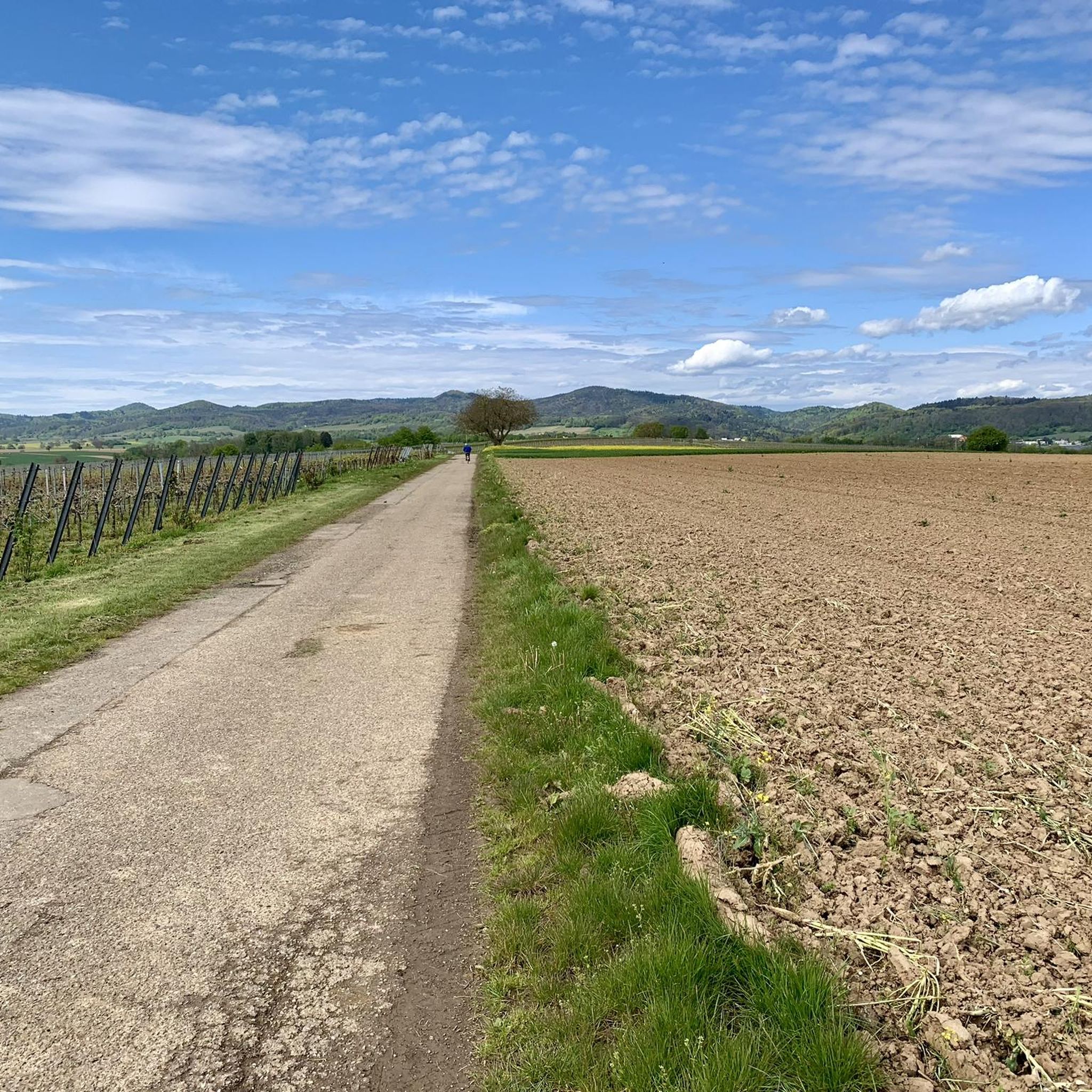
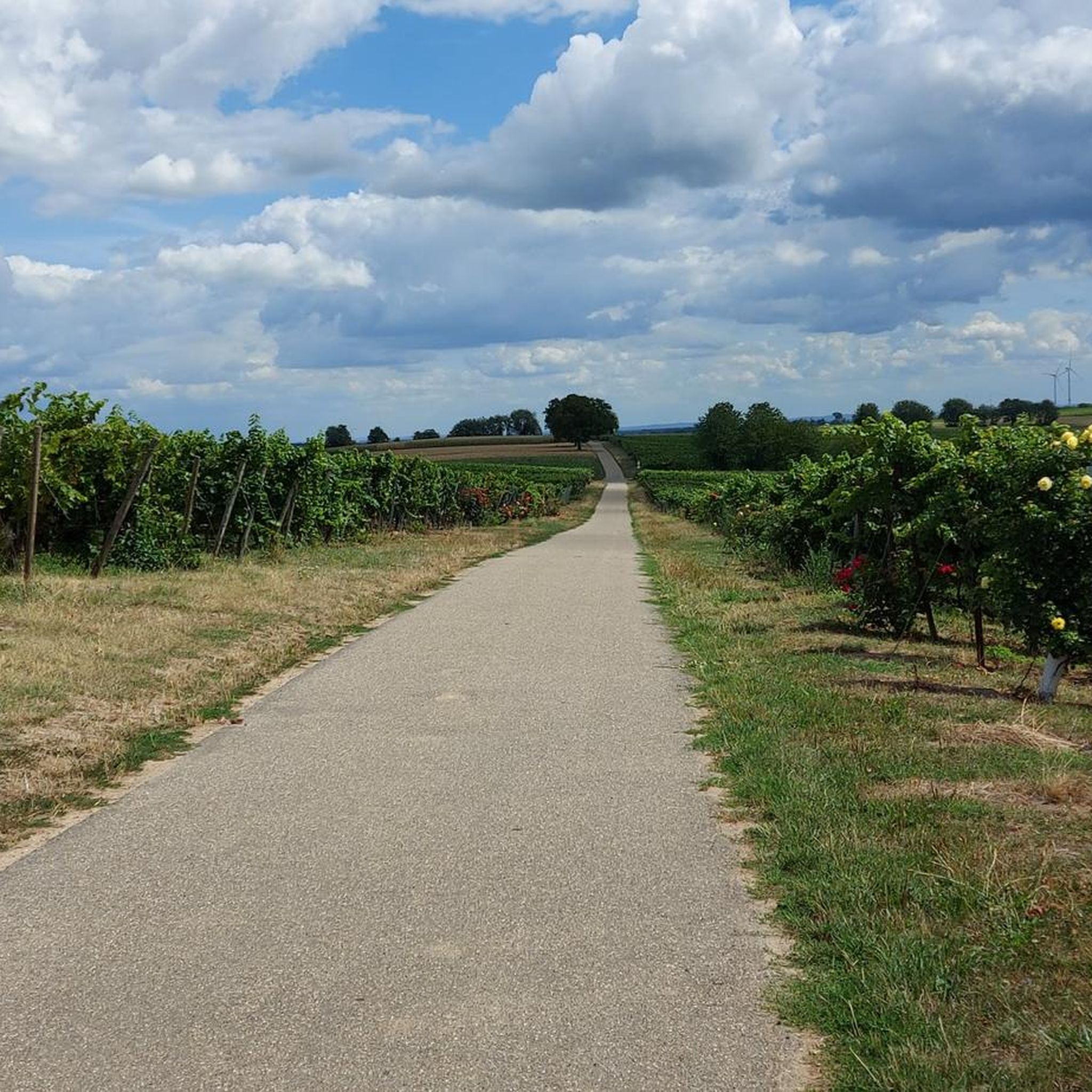
Smooth, quiet stretch of the Weinstraße cycleway rolling through open vineyards between Ranschbach and Birkweiler - easy, scenic riding.
0
0
Winding road through almond trees near Oberotterbach - stunning in early spring when the blossoms are out, worth timing your ride for.
0
0

https://www.pfarrei-bad-bergzabern.de/pfarrei/gemeinden-und-kirchen/oberotterbach/?L=0 The history of the place Oberotterbach can be traced back to the year 760. A church is first documented for the year 1084, as it was confirmed by a papal document. Around 1300, worship was celebrated in a church built of stone, which was dedicated to St. George. For the year 1502, a St. Barbara altar is mentioned. In the course of the major upheavals of the Reformation, the church was rededicated as a Lutheran parish church in 1550 and later used by both denominations as a so-called "simultaneous church". Two bells call to prayer from the church tower: The 422 kg Christ King bell with the striking tone a', cast in 1955 by the Hamm bell foundry in Frankenthal. It bears the inscription "O Rex Gloriae Christe veni cum Pace" – "O King of Glory, Christ, come with Peace!". The second voice of the peal is a 212 kg bell without a name with the striking tone c'', cast in 1927 by the same company.
2
0

To the right of the Catholic Church of St. Martin, there is a statue of Saint Edith Stein on a David stone. She was Jewish and later converted to the Catholic faith. The original baptismal font is located in this church! More information about the Catholic Church of St. Martin: https://www.pfarrei-bad-bergzabern.de/pfarrei/gemeinden-und-kirchen/bad-bergzabern/
1
0

The view of the Trifels is omnipresent in Annweiler.
0
0
Frequently Asked Questions
How many road cycling routes are available around Kapellen-Drusweiler?
There are over 190 road cycling routes in the Kapellen-Drusweiler region, offering a diverse range of options for all skill levels. The area is known for its rolling hills, extensive forests, and scenic vineyard landscapes.
What is the best time of year for road cycling in Kapellen-Drusweiler?
The region is part of the Southern Wine Route, making spring and autumn particularly pleasant for road cycling. During these seasons, the weather is generally mild, and the vineyards offer beautiful scenery. Summer is also suitable, though it can be warmer.
Are there easy road cycling routes suitable for beginners in Kapellen-Drusweiler?
Yes, Kapellen-Drusweiler offers a good selection of easier road cycling routes. Approximately 38 routes are classified as easy, providing gentle terrain and manageable distances for those new to road cycling or looking for a relaxed ride.
Where can I find challenging road cycling routes with significant elevation gain?
For more challenging rides, Kapellen-Drusweiler has routes with notable elevation gains. For instance, the Pigeonnier Pass – Col du Pigeonnier loop from Bad Bergzabern features sustained climbing with over 840 meters of ascent over 67.9 km.
Are there circular road cycling routes around Kapellen-Drusweiler?
Many of the road cycling routes in Kapellen-Drusweiler are designed as loops, allowing you to start and finish at the same point. Examples include the Wildlife and Hiking Park Silz – View of Berwartstein Castle loop from Kapellen-Drusweiler and the Silz Wildlife and Hiking Park – View of Trifels Castle loop from Kapellen-Drusweiler.
Can I find long-distance road cycling trails in the Kapellen-Drusweiler area?
Yes, the region offers several long-distance road cycling trails. Routes like the Bienwald Road – Bienwaldmühle loop from Bad Bergzabern cover distances of over 68 km, providing ample opportunity for extended rides through varied landscapes.
Are there road cycling routes that pass by scenic viewpoints or natural landmarks?
Absolutely. Many routes offer stunning views and pass by natural landmarks. You can find routes that lead to viewpoints like the Rötzen Cliffs, Rehberg Tower, or Stäffelsberg Tower, offering panoramic vistas of the Palatinate Forest.
What historical landmarks or castles can I see while road cycling around Kapellen-Drusweiler?
The Kapellen-Drusweiler area is rich in historical sites. Road cycling routes often provide views of impressive castles such as Landeck Castle, Madenburg Castle Ruins, and the Neukastel castle ruins. The Wildlife and Hiking Park Silz – View of Berwartstein Castle loop specifically offers views of Berwartstein Castle.
What do other road cyclists enjoy most about the routes in Kapellen-Drusweiler?
The road cycling routes in Kapellen-Drusweiler are highly rated by the komoot community, with an average score of 4.5 stars from over 300 reviews. Cyclists often praise the varied terrain, the mix of well-maintained roads, and the scenic paths that traverse rolling hills, dense forests, and charming vineyard villages.
Are there road cycling routes accessible by public transport in Kapellen-Drusweiler?
While specific public transport connections vary, Kapellen-Drusweiler and nearby towns often have bus or train stations that can serve as starting points for routes. It's advisable to check local public transport schedules and bicycle carriage policies for the most up-to-date information.
Where can I find parking for road cycling routes in Kapellen-Drusweiler?
Parking is generally available in Kapellen-Drusweiler and the surrounding villages, often near town centers or designated trailheads. Many routes, especially those starting from larger towns like Bad Bergzabern, offer convenient parking options for cyclists.
Are there cafes or places to stop for refreshments along the road cycling routes?
Given its location in the Southern Wine Route, many road cycling routes pass through charming villages and towns where you can find cafes, bakeries, and traditional taverns (Weinstuben) for refreshments. These stops are perfect for a break and to experience local hospitality.
Most popular routes around Kapellen-Drusweiler
Most popular attractions around Kapellen-Drusweiler

Get inspired with the komoot mobile app


Explore more
Browse the best Road cycling routes in other regions.
