The 15 Most Amazing Peaks around Brunnhartshausen
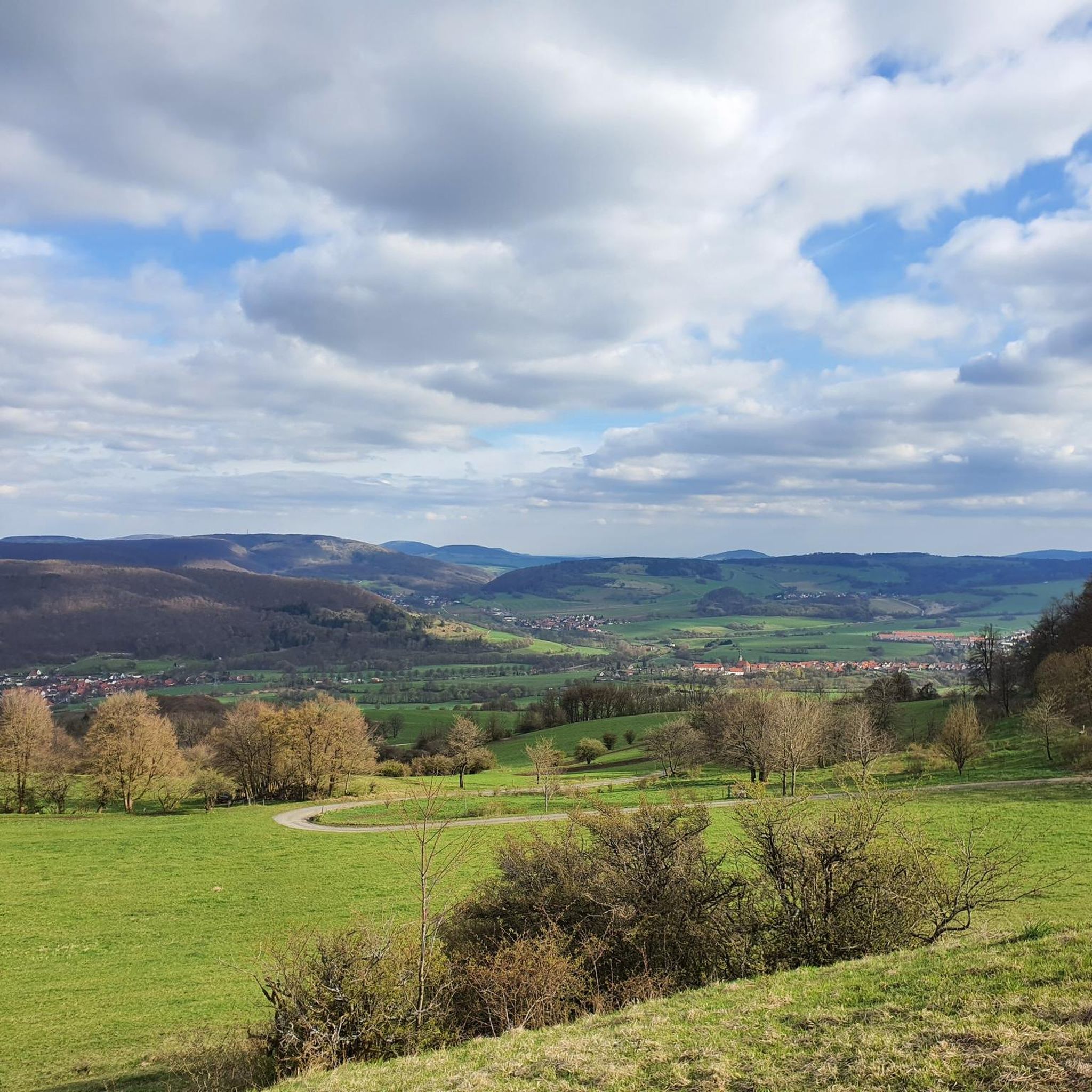
Best mountain peaks around Brunnhartshausen are found within the Rhön Mountains, a low mountain range in Thuringia, Germany. This region is characterized by its distinctive dome-shaped hills, known as "kuppen," and its volcanic origins. The area features several elevated points popular for hiking and offers scenic views. It is also part of the Rhön Biosphere Reserve, recognized for its unique ecosystems and natural beauty.
Best mountain peaks around Brunnhartshausen
- The most popular mountain peaks is Gläserberg Summit and Dermbach Hut…
Last updated: October 4, 2026
Gläserberg Summit and Dermbach Hut
Highlight • Summit
Translated by Google •
Tip by

Geiskopf Blockfield and Summit
Highlight • Summit
Translated by Google •
Tip by

Sign up now to discover places like this
Get recommendations on the best single tracks, peaks, & plenty of other exciting outdoor places.
Baier (714 m)
Highlight • Summit
Translated by Google •
Tip by
Rockenstuhl Communication Tower and Shelter
Highlight • Structure
Translated by Google •
Tip by

Habel Village and Habelberg
Highlight • Settlement
Translated by Google •
Tip by

Sign up for free to discover even more peaks around Brunnhartshausen.
Already have an account?
Start today with a free account
Your next adventure awaits.

Tips from the Community

Magnificent summit with a bench to rest and enjoy the view
1
0

The climb was more difficult than expected, lots of nettles, burrs, blackberry bushes... and stones. But it's nice and quiet up here you can enjoy the view to the west on a bench 👉🏻 Bunker (type SBK) border observation post of the 5th Mühlhausen reconnaissance battalion of the GSSD (demolished/ruin) 📜https://www.sachsenschiene.net/bunker/bun/bun_984.htm
1
0

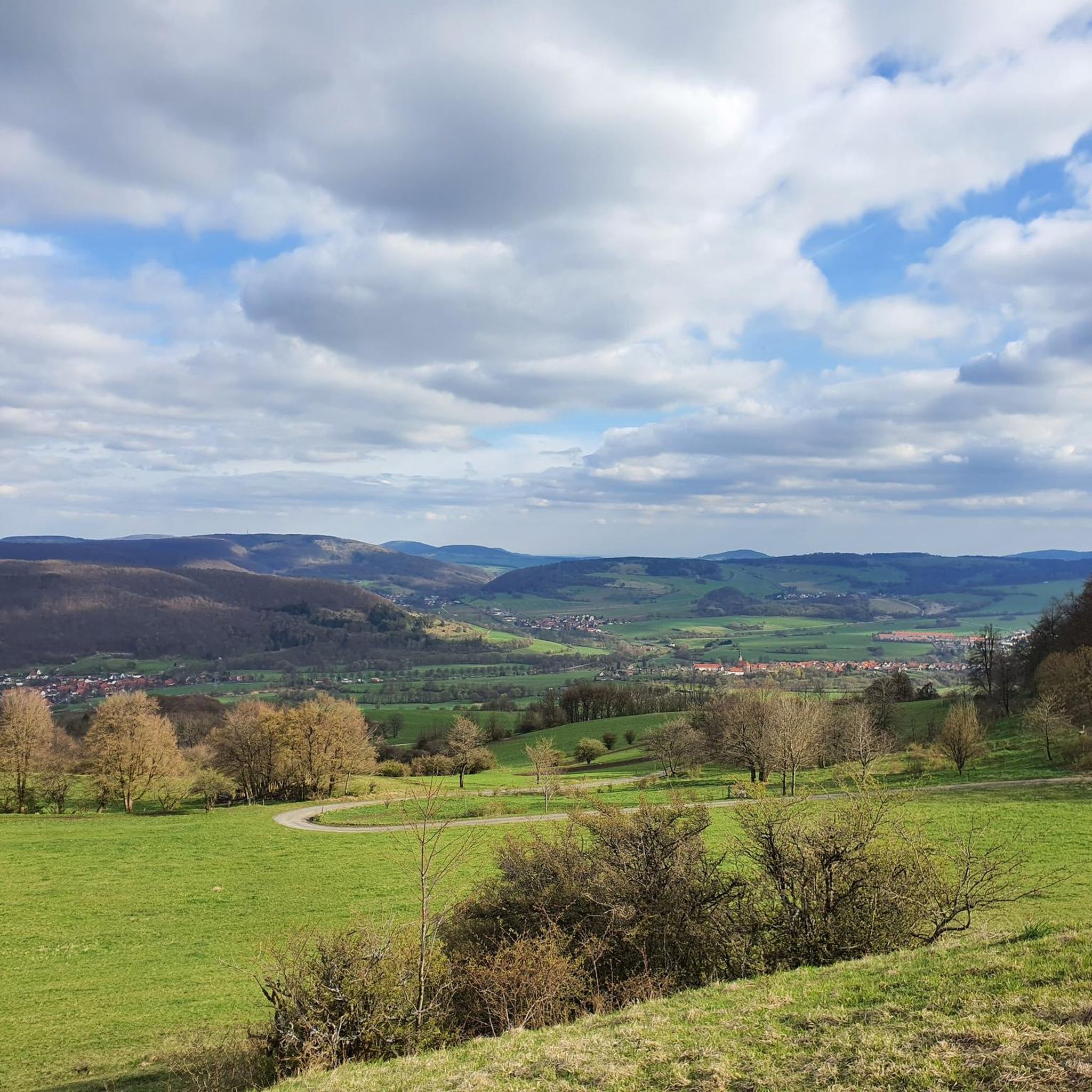
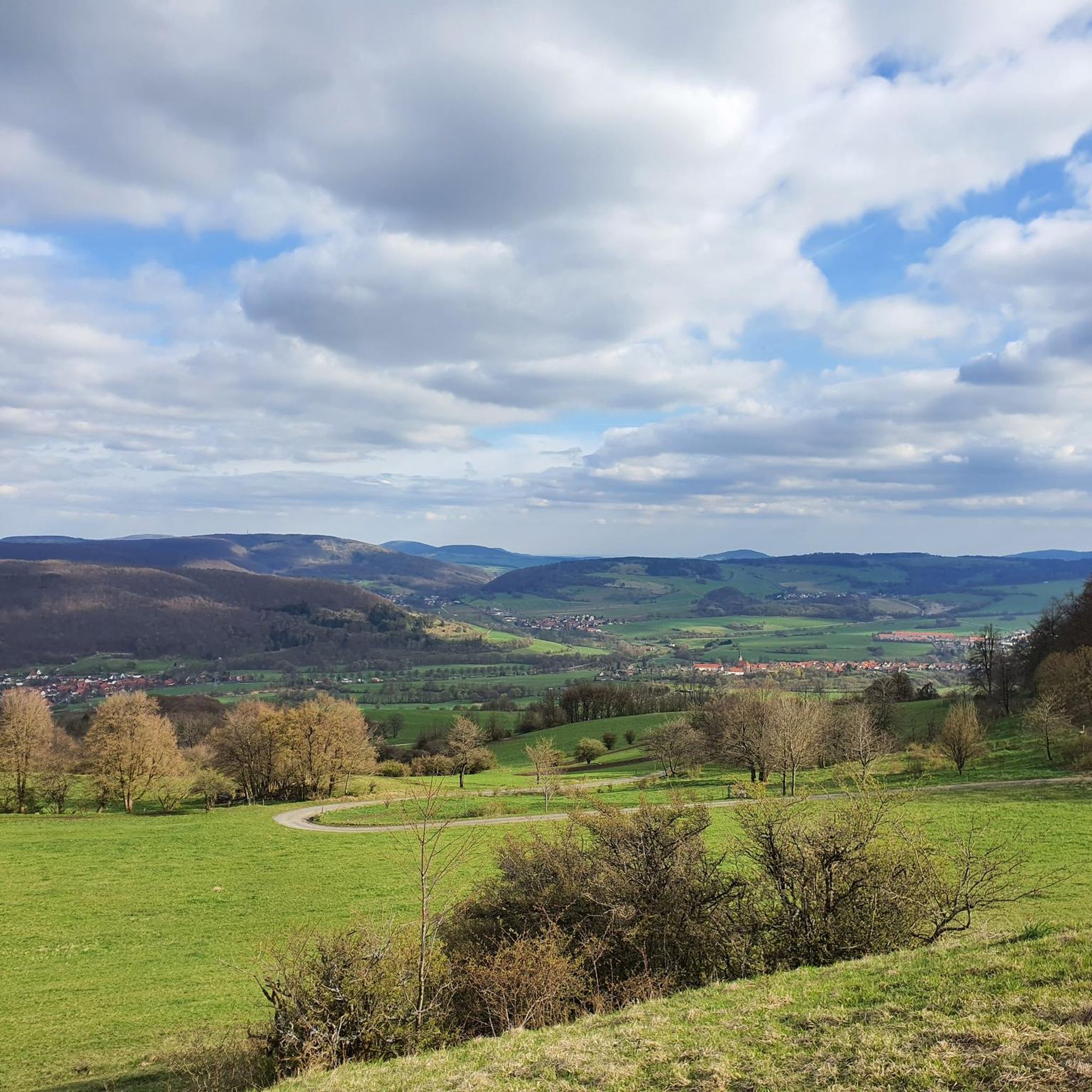
This view is unparalleled and makes hikers pause in awe on the summit of the Gläserberg. No tree, no bush obscures the view from the bare mountaintop, which greets visitors from afar. Anyone who has managed the climb to the 671-metre-high Gläserberg is rewarded with a fantastic panoramic view. A panorama that stretches far beyond the borders, with the Wartburg (34 km) in the north, the Schneekopf (47 km) in the east, the Heidelstein (26 km) in the south and the Rößberg (14 km) in the west at the hiker's feet. A beautiful spot on earth, which was sung about in the Gläserlied long ago with the words: "Happy hikers will flock from all over the wide Rhön to look out into the distant lands from your proud heights!" Source:https://www.rhoenforum.de/tourismus-tipps/wanderh%C3%BCtten/dermbacher-h%C3%BCtte-gl%C3%A4serberg/
13
1

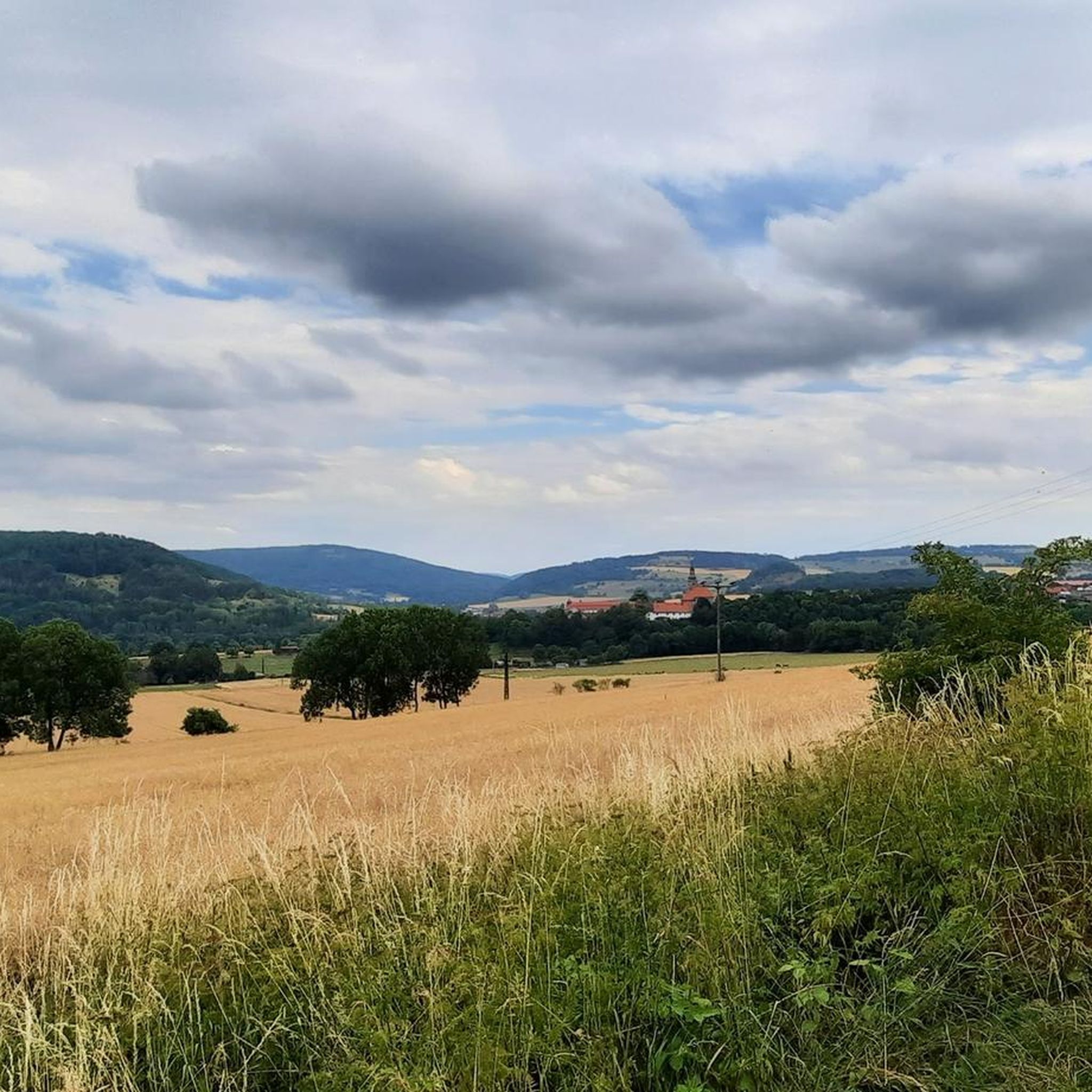
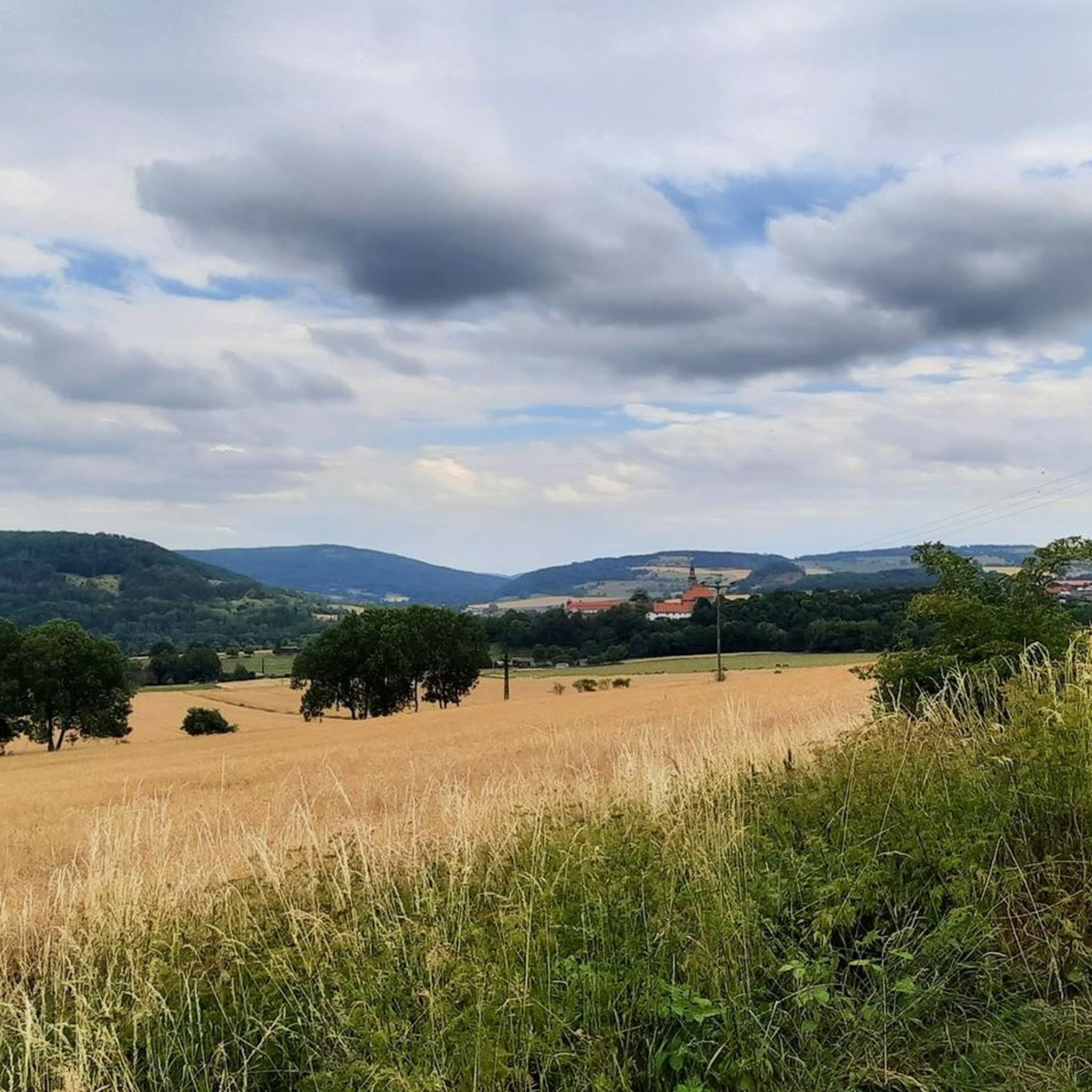
Wonderful view of the Thuringian Rhön.
14
2
A sea of stones.
3
0
Great view of the Rhön.
10
0
There is a beautiful view at the back.
1
0

Demanding uphill and good resting place at the top with a view to the west
1
0
Frequently Asked Questions
What are the most notable mountain peaks around Brunnhartshausen?
The region around Brunnhartshausen, part of the Rhön Mountains, features several prominent elevated points. Among the most popular are Gläserberg Summit and Dermbach Hut, offering expansive views towards the Thuringian Forest. Another significant peak is Geiskopf Blockfield and Summit, known for its geological blockfield and views of the Wasserkuppe. Additionally, the Baier (714 m) stands out as the most powerful basalt summit in the Thuringian Rhön.
What kind of natural features can I expect to see on the mountain peaks in this region?
The Rhön Mountains around Brunnhartshausen are characterized by their distinctive dome-shaped hills, often called 'kuppen,' and their volcanic origins. You'll encounter basalt formations, such as the impressive basalt summit of the Baier (714 m), and geological blockfields like those found at Geiskopf Blockfield and Summit. The area is also part of the Rhön Biosphere Reserve, highlighting its unique ecosystems and natural beauty.
Are there family-friendly hiking options among the peaks near Brunnhartshausen?
Yes, several peaks offer routes suitable for families. The Gläserberg Summit and Dermbach Hut is considered family-friendly, providing a rewarding experience with a mountain hut for refreshments. The Baier (714 m) also has family-friendly sections, allowing for enjoyable walks amidst diverse flora and fauna.
What is the best time of year to hike the mountain peaks around Brunnhartshausen?
The most pleasant time for hiking in the Rhön Mountains around Brunnhartshausen is typically from spring through autumn. During these seasons, the weather is generally mild, and the trails are in good condition. Spring offers blooming landscapes, summer provides lush greenery, and autumn showcases vibrant foliage. While winter hiking is possible, it requires appropriate gear and awareness of trail conditions.
What outdoor activities can I do near these mountain peaks besides hiking?
Beyond hiking, the region around Brunnhartshausen offers excellent opportunities for cycling. You can explore various routes for touring bicycles, road cycling, and mountain biking. For example, there are numerous cycling routes like the 'Himmelsleiter Cycle Path' or 'Feldatal Cycle Path' for touring, and challenging road cycling routes such as 'View of Arnsberg – Kreuzberg Monastery loop.' Mountain bikers can find trails like 'View of Kaltennordheim – View of Umpfen loop.' You can find more details on these activities in the Cycling around Brunnhartshausen, Road Cycling Routes around Brunnhartshausen, and MTB Trails around Brunnhartshausen guides.
Are there any mountain huts or places for refreshments on the trails?
Yes, a notable stop for hikers is the Dermbacher Hütte, located at the Gläserberg Summit and Dermbach Hut. This mountain hut is a popular spot for refreshments and is typically open on Sundays and public holidays, making it a well-regarded stop during your hike.
What are the general difficulty levels of hiking trails in the Brunnhartshausen area?
The Rhön region around Brunnhartshausen offers a varied network of hiking trails catering to all fitness levels. You can find everything from easy walks to more challenging ascents with significant elevation changes. Many popular peaks, like the Gläserberg Summit and Geiskopf Blockfield and Summit, feature intermediate difficulty trails, while some sections of the Baier (714 m) can be more challenging.
Can I find viewpoints with panoramic vistas of the Rhön landscape?
Absolutely. The mountain peaks in this area are renowned for their scenic views. The Gläserberg Summit provides expansive panoramic views over the Rhön towards the Thuringian Forest and Rennsteig. From the Geiskopf Blockfield and Summit, you can enjoy fantastic views of the Rhön, including the Wasserkuppe and other cone-shaped volcanic mountains.
Are there any historical or cultural sites near the mountain peaks?
While the primary focus is on natural beauty, the region does have some historical elements. For instance, the Baier (714 m) is noted for its impressive boulders and ring wall installations, hinting at past human activity. Further afield, the Habel Village and Habelberg highlight mentions a 300-meter-long ring wall from Celtic times and a rich village history.
What is the Rhön Biosphere Reserve, and how does it relate to the peaks?
The Rhön Biosphere Reserve is an internationally recognized protected area known for its unique ecosystems and natural beauty. Many of the peaks around Brunnhartshausen, including the Baier (714 m), are part of this reserve. This designation emphasizes the region's ecological importance and ensures the preservation of its diverse flora and fauna, making it a prime location for nature appreciation.
Are there other notable elevated points in the area besides the main highlights?
Yes, beyond the most popular highlights, the Rhön region around Brunnhartshausen features several other elevated points that contribute to its varied topography. These include the Arnsberg to the southeast, the Katzenstein to the east, and the Waltersberg on the northern edge of Brunnhartshausen itself. While perhaps less prominent than the Gläserberg or Baier, they offer additional opportunities for exploration and local views.
Most popular routes around Brunnhartshausen
Most popular attractions around Brunnhartshausen

Get inspired with the komoot mobile app


Explore more
See even more amazing summits around Brunnhartshausen with these guides:
