Attractions and Places To See around Mittelsömmern - Top 20
Best attractions and places to see around Mittelsömmern include a mix of natural landscapes and historical sites. This tranquil municipality in Germany's Unstrut-Hainich-Kreis is surrounded by a region offering diverse points of interest. Visitors can explore areas along the Unstrut River and discover cultural landmarks in the vicinity. The area provides opportunities for outdoor activities and historical exploration.
Best attractions and places to see around Mittelsömmern
- The most popular attractions is Unstrut Valley Nature Reserve between Nägelstedt and Großvargula,…
Last updated: July 16, 2026
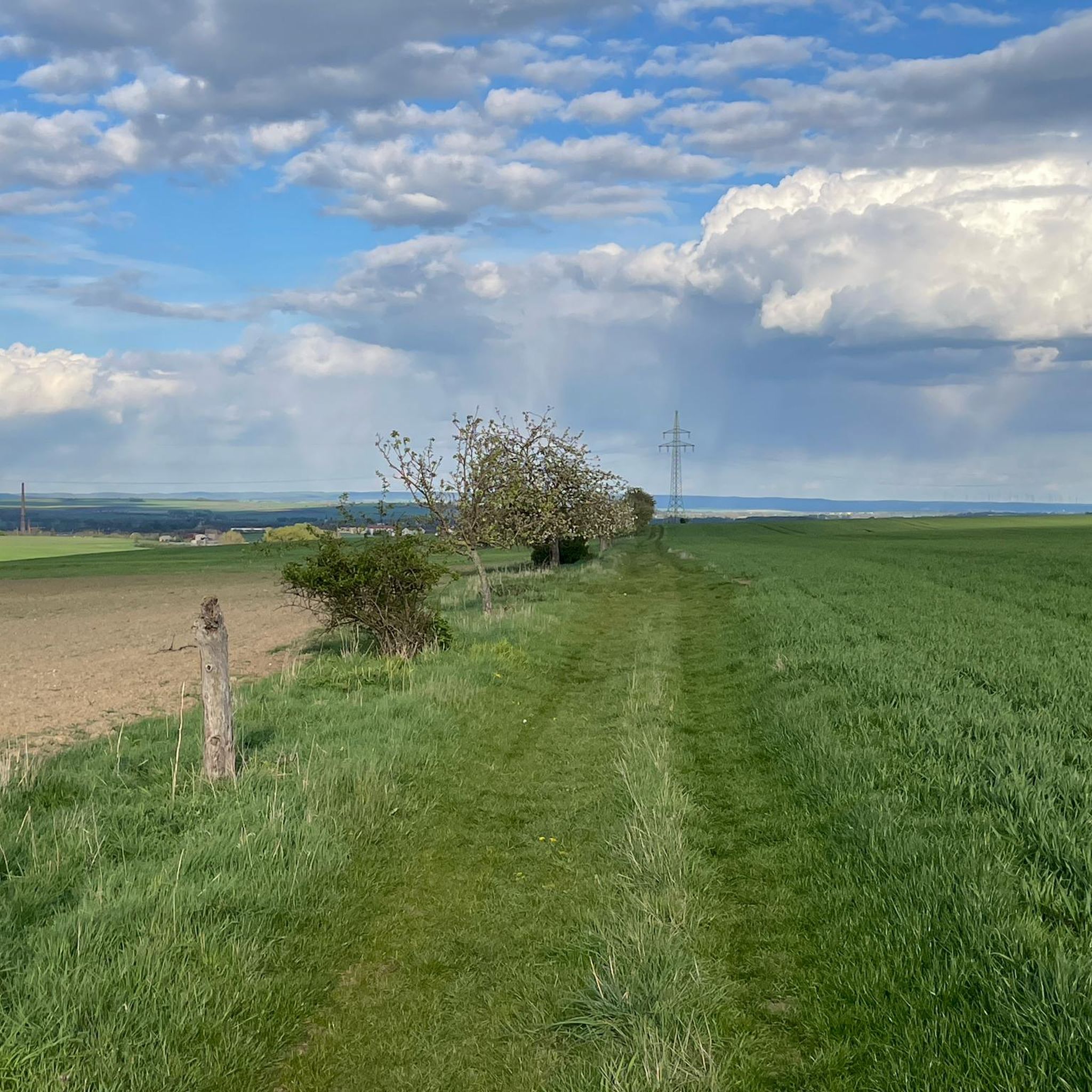
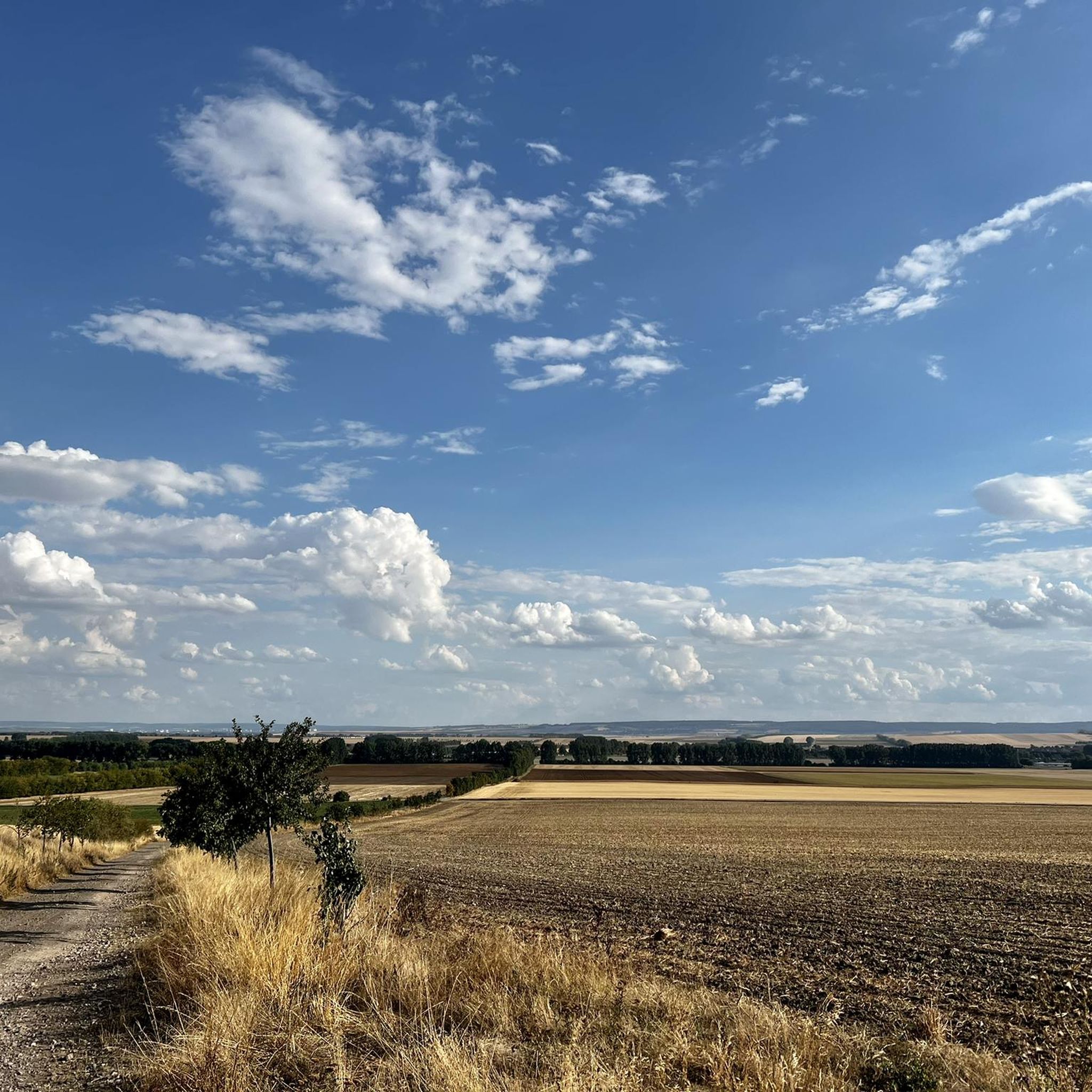
Unstrut Valley Nature Reserve between Nägelstedt and Großvargula
Highlight (Segment) • Trail
Translated by Google •
Tip by

Herbsleben Castle Ruins
Highlight • Castle
Translated by Google •
Tip by

Sign up now to discover places like this
Get recommendations on the best single tracks, peaks, & plenty of other exciting outdoor places.
Sign up for free
Holz Spring at Wülfersberg
Highlight • Natural Monument
Translated by Google •
Tip by

Funkenburg Archaeological Open-Air Museum
Highlight • Historical Site
Translated by Google •
Tip by

Ebeleben Palace Park
Highlight • Historical Site
Translated by Google •
Tip by

Sign up for free to discover even more attractions around Mittelsömmern.
Sign up for free
Already have an account?
Start today with a free account
Your next adventure awaits.
Login or Signup
Tips from the Community

A real gem in the Kyffhäuser district. 👍
1
0

Simply worth seeing, note the opening times.
1
0

It's always worth a STOP here
1
0

Closed in the winter months
1
0

Reconstruction of a Germanic fortified settlement from the period 200 BC is unique in Germany. and 50 AD. (https://de.wikipedia.org/wiki/Arch%C3%A4ologens_Freilichtmuseum_Funkenburg)
3
0

This is a stamp office Touringen stamp 373
2
0

Cycle and footpath bridge over Unstrut
1
0

Frequently Asked Questions
What natural attractions can I explore around Mittelsömmern?
The region offers several natural highlights. You can visit the Unstrut Valley Nature Reserve between Nägelstedt and Großvargula, a picturesque section of the Unstrut River known for its diverse insect and bird life, including 35 species of butterflies. Another refreshing spot is the Holz Spring at Wülfersberg, located directly on the Unstrut bike path, perfect for a short rest.
Are there any historical sites or cultural landmarks near Mittelsömmern?
Yes, the area is rich in history. You can explore the Ebeleben Palace Park, a historical site with a French-inspired design and numerous 18th-century fountain figures. The Herbsleben Castle Ruins offer a glimpse into the region's past with its well-maintained excavations. Additionally, the historic Brückentor Tennstedt, a remnant of the old city gates, and the 12th-century St. Gangolf Church in Gangloffsömmern are also notable.
What outdoor activities are popular around Mittelsömmern?
The region is well-suited for various outdoor activities. You'll find numerous opportunities for cycling, including road cycling routes like those in the Road Cycling Routes around Mittelsömmern guide. There are also many hiking and walking trails, with options for easy hikes around Mittelsömmern, and dedicated running trails for those who enjoy jogging.
Are there family-friendly attractions in the Mittelsömmern area?
Many attractions around Mittelsömmern are suitable for families. The Unstrut Valley Nature Reserve offers easy trails for walks and wildlife spotting. The Ebeleben Palace Park provides open spaces for children to explore, and the Herbsleben Castle Ruins can spark imagination. The Holz Spring at Wülfersberg is a nice stop on a family bike ride.
What is the best time of year to visit Mittelsömmern for outdoor activities?
The region around Mittelsömmern is generally pleasant for outdoor activities from spring through autumn. Spring brings blooming nature, while summer offers warm weather for cycling and hiking. Autumn provides beautiful foliage and comfortable temperatures for exploration. Specific seasonal considerations for winter activities are limited, but the historical sites remain accessible year-round.
Where can I go for a leisurely walk or an easy hike near Mittelsömmern?
For easy walks, consider the trails within the Unstrut Valley Nature Reserve, which features clean seating areas for breaks. You can also find several easy hiking routes around Mittelsömmern, such as the loop around Town Hall Bad Tennstedt or the Weir in Kurpark Bad Tennstedt, both offering gentle terrain.
Are there any cycling routes suitable for different skill levels?
Yes, the area provides a variety of cycling routes. The Unstrut bike path, which passes by the Holz Spring at Wülfersberg, is generally suitable for leisure cyclists, though some sections in the Unstrut Valley Nature Reserve might not be ideal for narrow racing bike tires in wet conditions. For more dedicated cyclists, there are numerous road cycling routes around Mittelsömmern with moderate difficulty.
What are some unique natural features to see in the region?
Beyond the Unstrut River's picturesque sections, the region is home to the Holz Spring at Wülfersberg, a small, refreshing spring that was renewed in 1994. The Unstrut Valley Nature Reserve itself is a unique natural monument, preserving the river in its original riverbed and supporting a rich biodiversity, including many butterfly species.
What do visitors particularly enjoy about the attractions near Mittelsömmern?
Visitors appreciate the tranquil natural beauty and the historical depth of the region. The Unstrut Valley Nature Reserve is often praised for its idyllic scenery and as a great spot for a break. The Ebeleben Palace Park is considered a 'real gem' for its beautiful baroque design, and the Herbsleben Castle Ruins are noted for being 'very nice, well maintained and interesting'.
Are there any specific points of interest for history enthusiasts?
History enthusiasts will find several compelling sites. The Herbsleben Castle Ruins, with its history of frequent ownership changes and reconstructions after the Thirty Years' War, offers a rich narrative. The Brückentor Tennstedt, a medieval city gate that survived multiple destructions, and the ancient St. Gangolf Church in Gangloffsömmern, dating back to the Romanesque period, are also significant historical landmarks.
Where can I find parking when visiting attractions in the area?
For attractions like the Ebeleben Palace Park, parking facilities are available. For other natural areas or historical sites, it's advisable to check local signage or specific highlight details on komoot for designated parking spots, especially when starting a hike or bike ride.
Most popular attractions around Mittelsömmern

Get inspired with the komoot mobile app


Explore more
Still not found the Highlight you’re looking for? See guides of the top attractions in other regions:
