The best gravel rides around Igrèsias/Iglesias
4.6
(5)
55
riders
10
rides
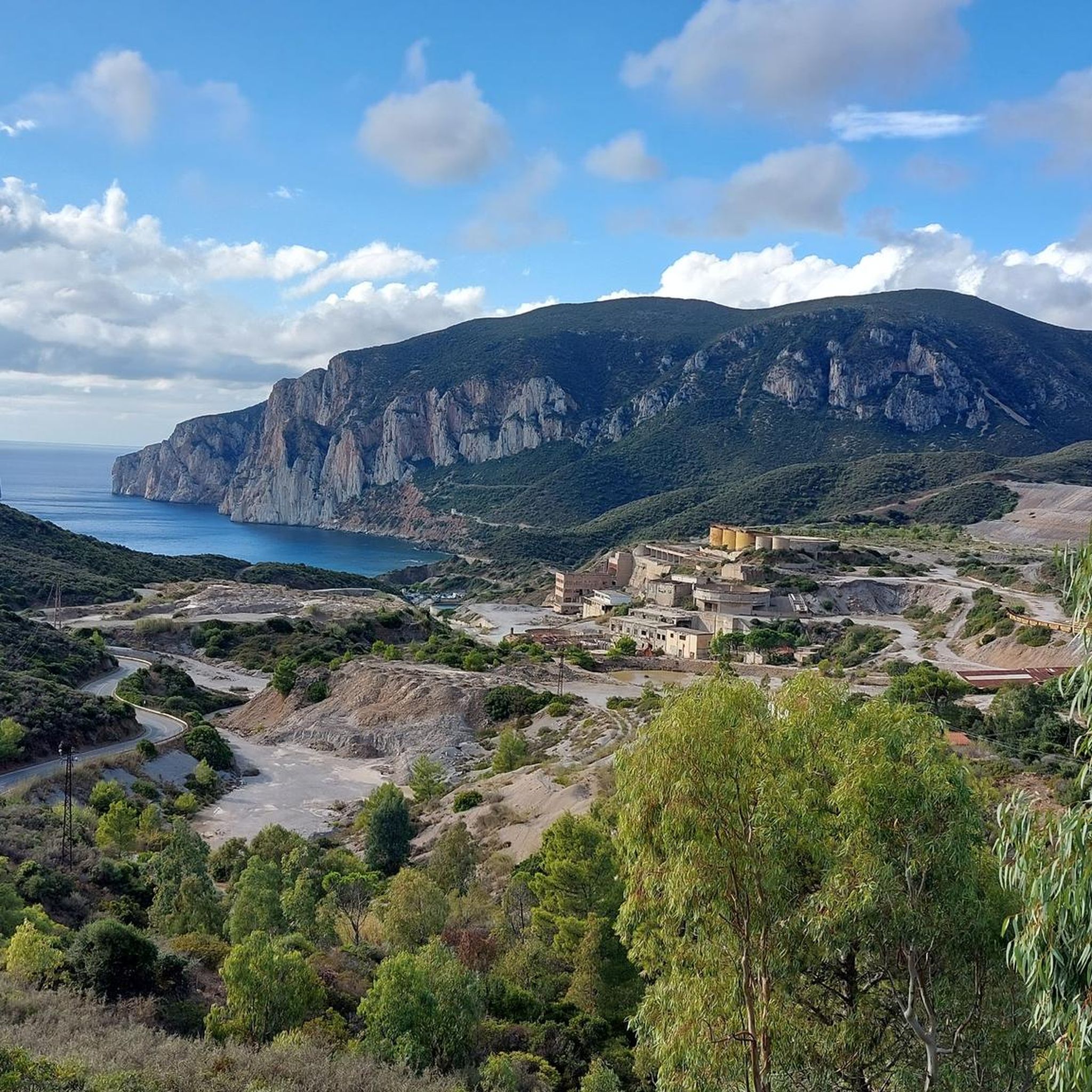
Gravel biking around Igrèsias/Iglesias offers diverse landscapes, from rugged mining trails to coastal paths. The region is characterized by an extensive network of old mining roads and forest tracks, providing varied unpaved surfaces. Riders can explore the Marganai Mountains, which feature dense woodlands and scenic trails, alongside dramatic coastlines with sea stacks and historical mining sites. This area is part of Sardinia's Historical and Environmental Geomineral Park, blending natural beauty with industrial heritage.
Best gravel bike trails around Igrèsias/Iglesias
- The…
Last updated: May 11, 2026
5.0
(1)
11
riders
36.3km
02:18
620m
620m
Hard gravel ride. Very good fitness required. Mostly paved surfaces. Suitable for all skill levels.
5
riders
32.3km
02:12
580m
580m
Hard gravel ride. Very good fitness required. Mostly paved surfaces. Suitable for all skill levels.

Sign up for free
4.0
(1)
5
riders
53.4km
03:56
1,080m
1,080m
Hard gravel ride. Very good fitness required. Mostly paved surfaces. Suitable for all skill levels.
3
riders
57.9km
03:42
390m
390m
Moderate gravel ride. Good fitness required. Mostly paved surfaces. Suitable for all skill levels.
1
riders
14.2km
01:14
260m
260m
Moderate gravel ride. Good fitness required. Mostly paved surfaces. Suitable for all skill levels.
Get access to more routes and recommendations from other explorers.
Sign up for free
Already have an account?
Our route recommendations are based on thousands of hikes, rides, and runs completed by other people on komoot.
Start today with a free account
Your next adventure awaits.
Login or Signup
Popular around Igrèsias/Iglesias
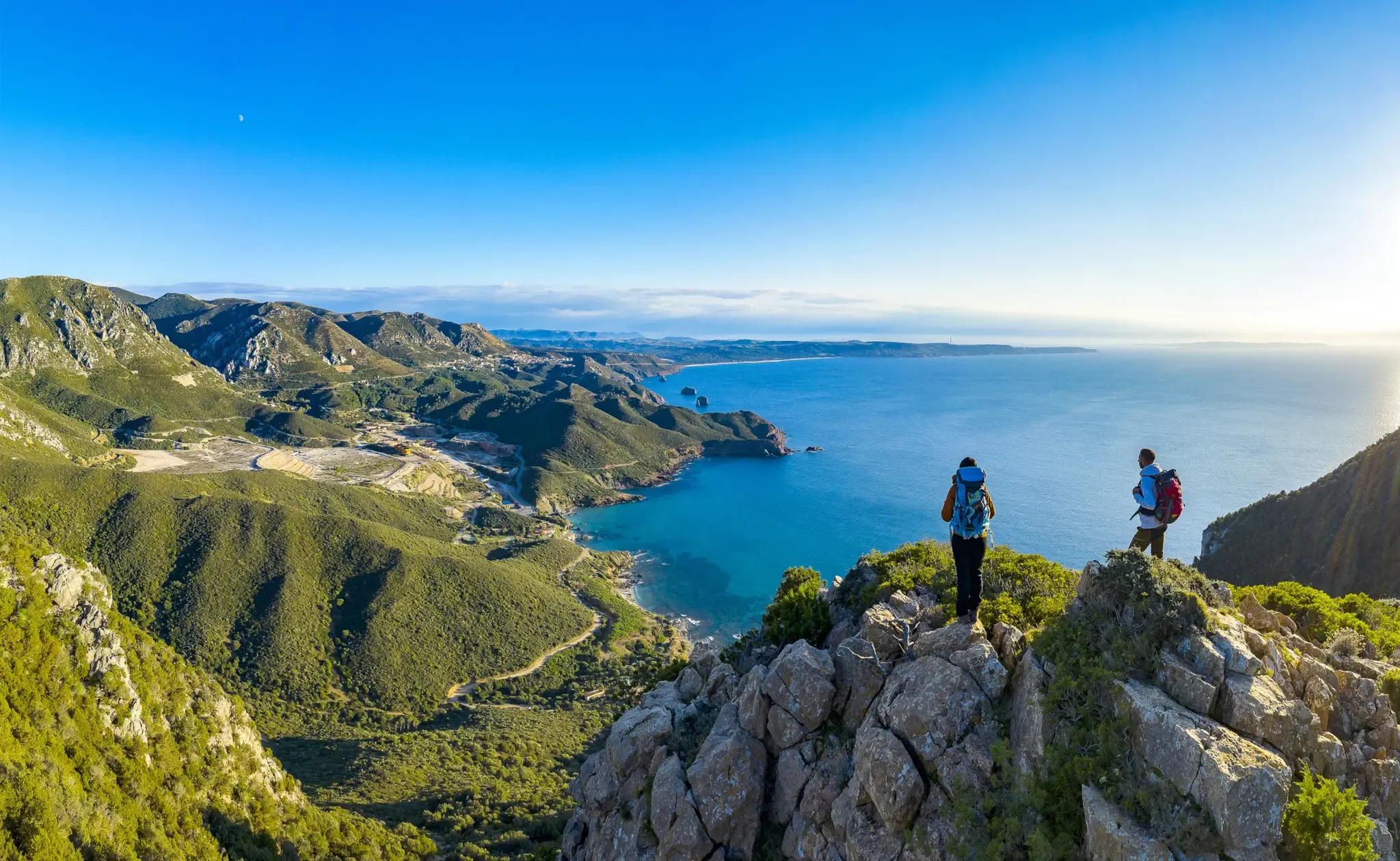
Cammino Minerario di Santa Barbara – memories of ancient Sardinia
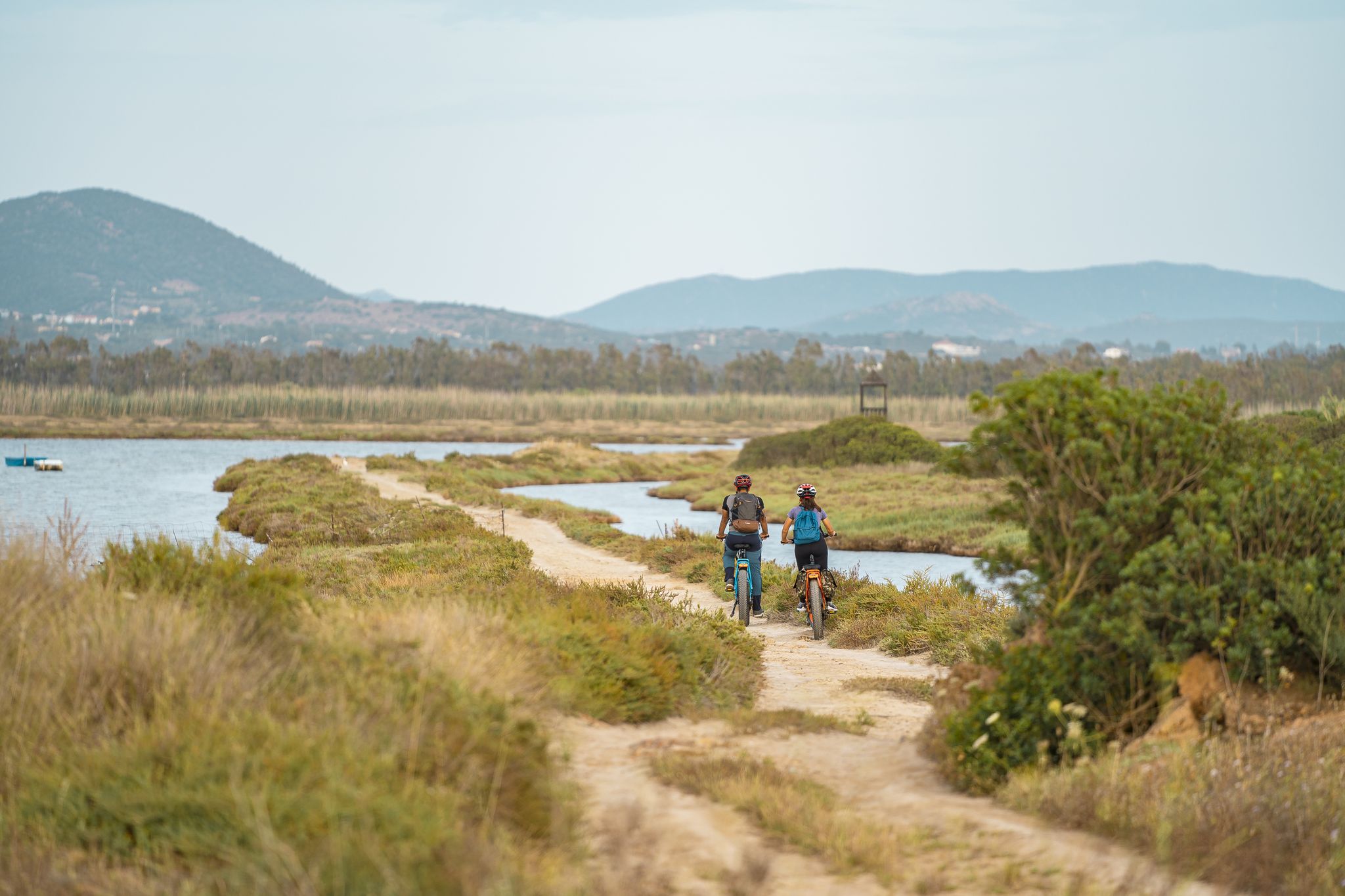
Ciclovia del Cammino Minerario di Santa Barbara
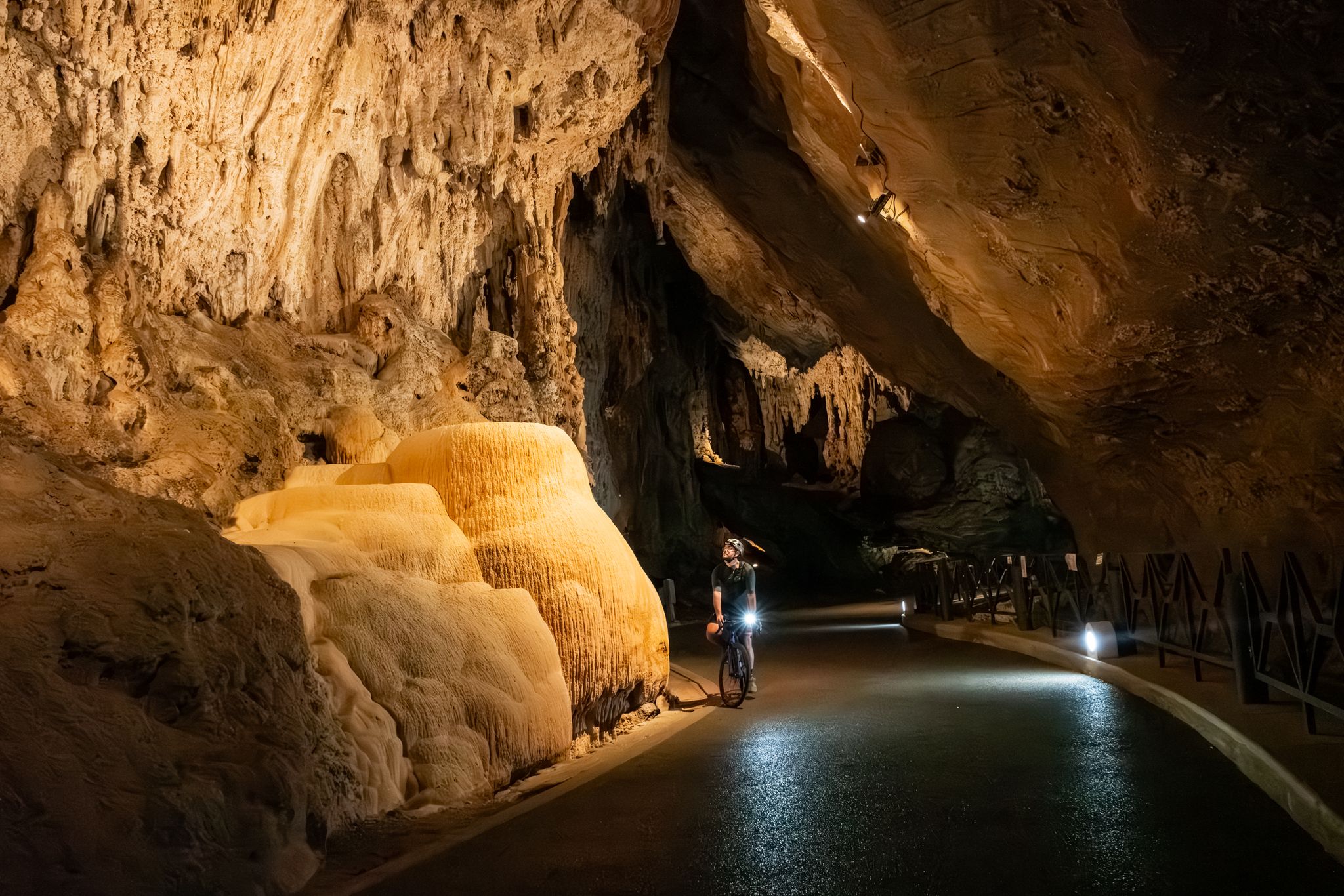
Sardinia by bike – three days in the southwest with Pietro Franzese
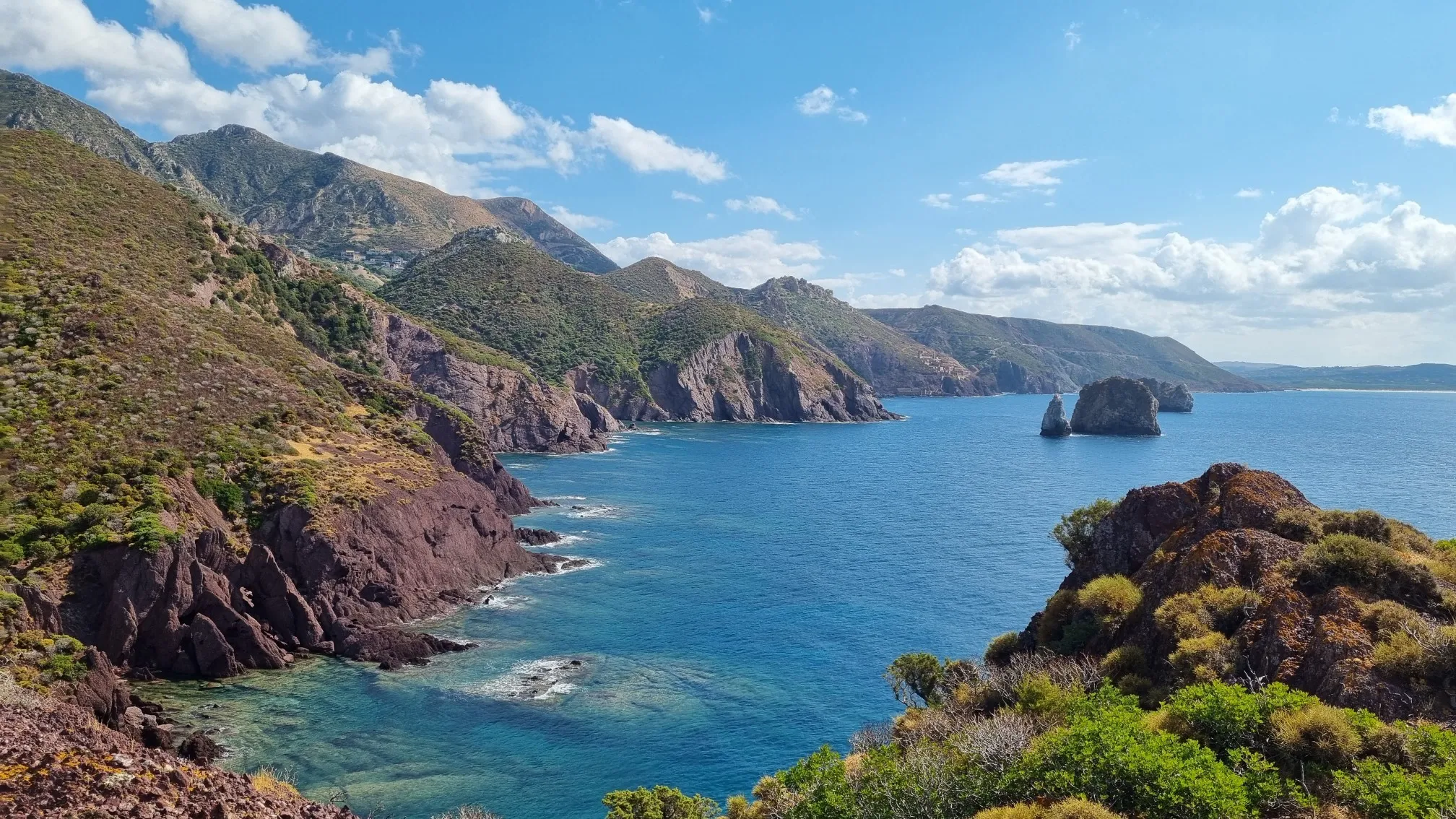
Along the Costa Verde on the Via delle Miniere – Cammino 100 Torri
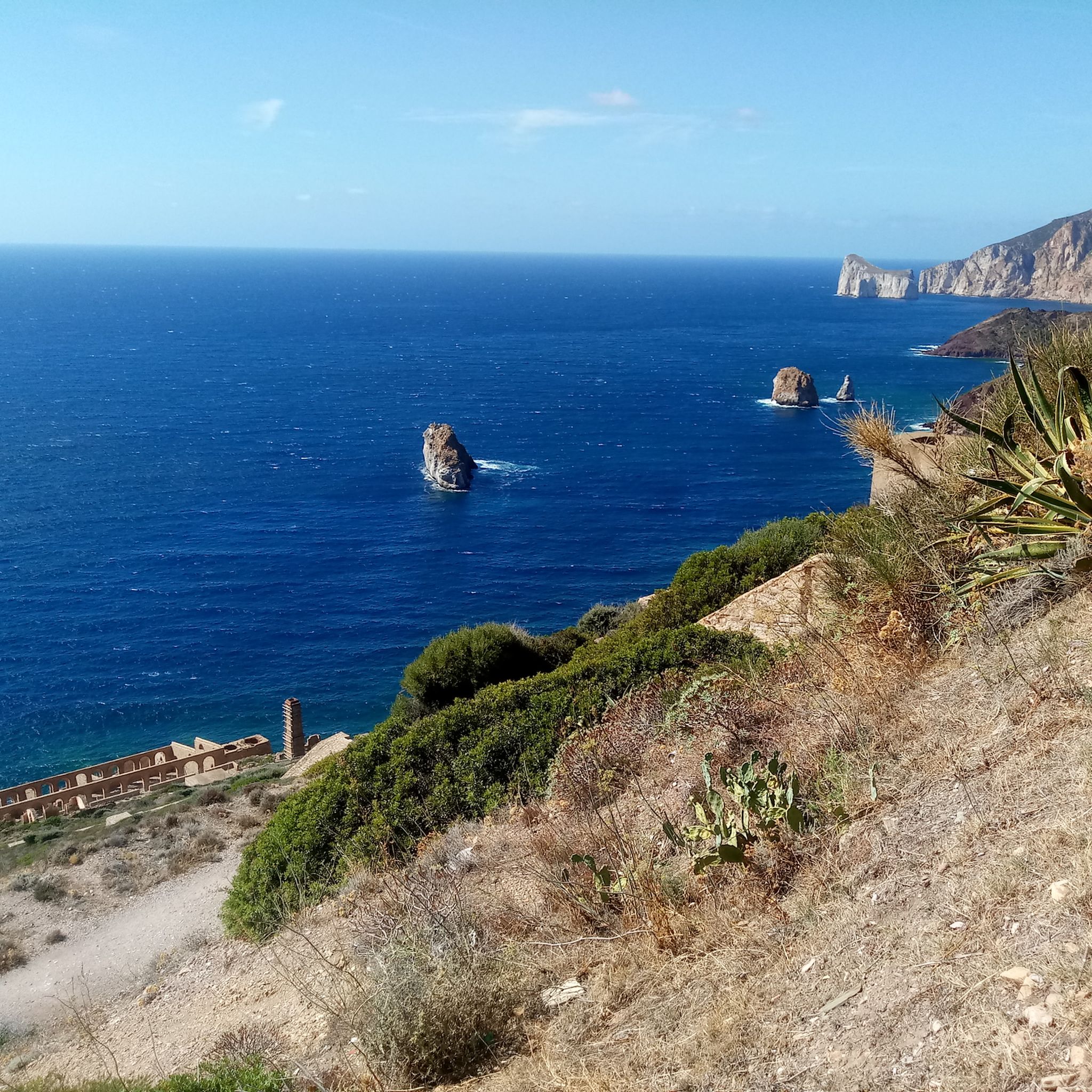
Hiking around Igrèsias/Iglesias
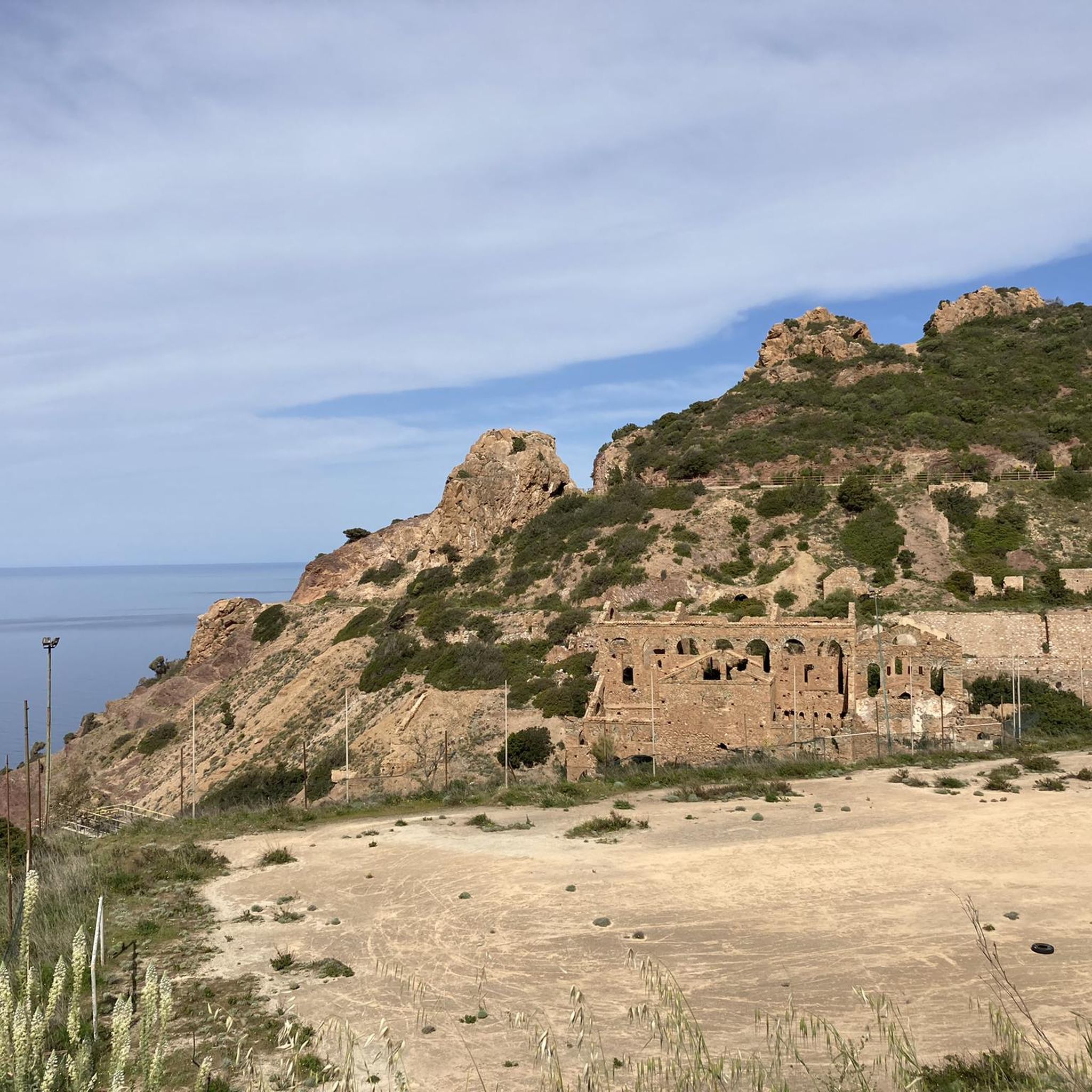
Running Trails around Igrèsias/Iglesias
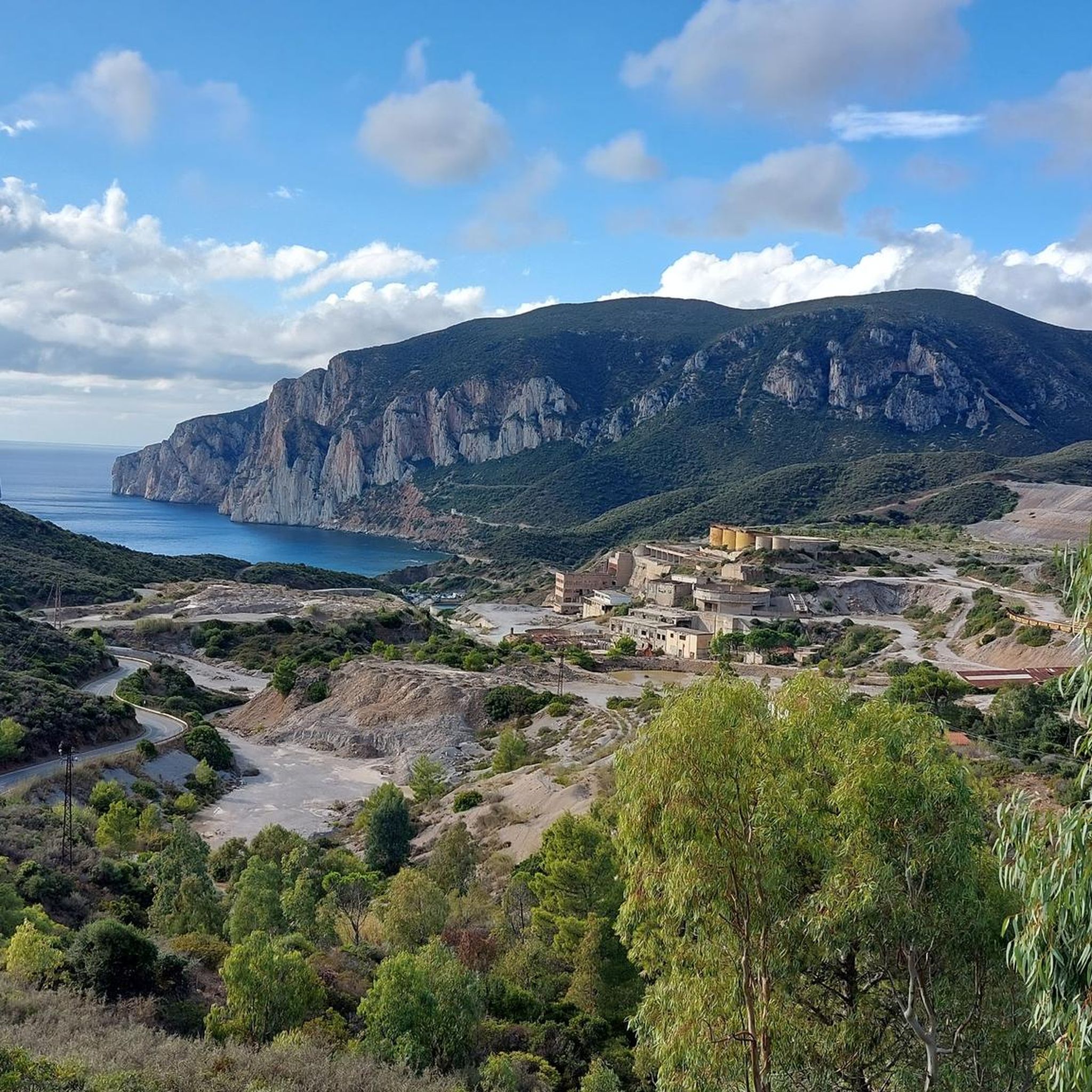
Road Cycling Routes around Igrèsias/Iglesias
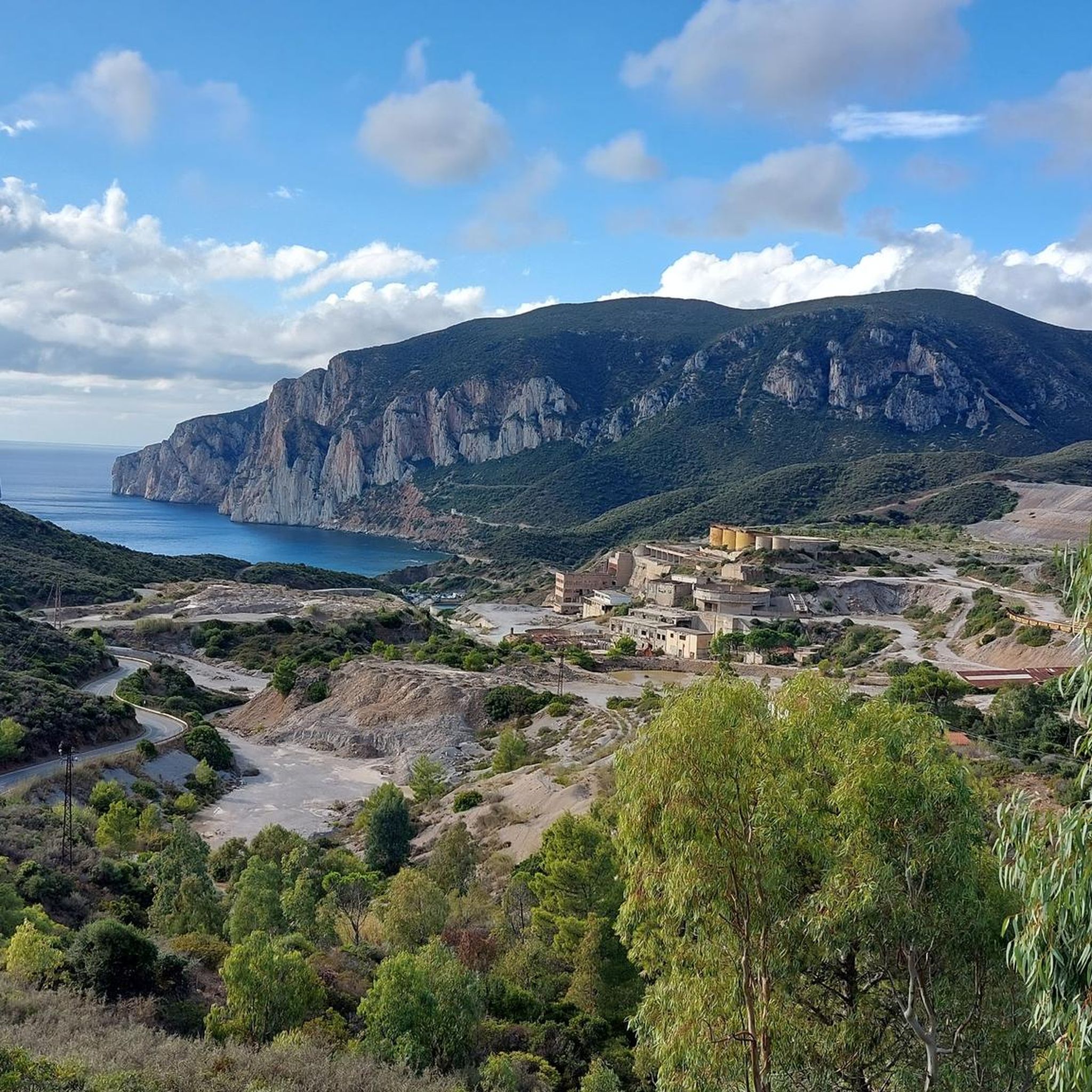
Cycling around Igrèsias/Iglesias
MTB Trails around Igrèsias/Iglesias
Other adventures around Igrèsias/Iglesias


Tips from the Community

The climb is very hard but it's totally worth it, it feels like you're in the middle of a sea of rocks
0
0

The journey takes a relaxing 45 minutes.
3
0
Beautifully painted house on a small square with a fountain.
0
0
Iglesiente, the region at the center of the Sardinian mining epic and of which it is the capital, derives its name. It has a population of 27,000 and is the episcopal see and heir to the ancient diocese of Sulcis. Iglesias means "churches" in Spanish. It is no coincidence that in a city with a glorious past, especially under Catalan-Aragonese rule (when it was a royal city), the celebrations surrounding the Good Friday customs stand out, recalling Spanish customs in form and color. The mystery processions on Holy Tuesday and Holy Friday are particularly impressive. Among the churches, the Cathedral of Santa Chiara (dating back to the 13th century), the churches of Madonna delle Grazie, Del Collegio, a Jesuit temple, and San Francesco, one of Sardinia's best-preserved and most important buildings in the Gothic-Catalan style, which houses an altarpiece dating back to 1560, are particularly worth seeing.
0
0

Admission is free and is permitted in the evening. During the day it will be closed, and you will have to be content with peeking under the door!
3
0
Beautiful Spanish tower. There is a small museum inside.
3
0
Commemorative square dedicated to the workers of the mining past of Sulcis.
1
0

The former Cortoghiana mine was founded in 1889, following the discovery of an important deposit of fossil coal on site. The deposit was only partially exploited due to the presence of aquifers and the high costs of extraction and transportation.
0
0
Frequently Asked Questions
What kind of terrain can I expect on gravel bike trails around Igrèsias/Iglesias?
The region offers a diverse mix of terrain, primarily characterized by an extensive network of old mining trails and forest roads. You'll encounter rugged paths through wild nature, dense woodlands in the Marganai Mountains, and stunning coastal sections with breathtaking sea views. These unpaved surfaces provide a unique blend of natural beauty and historical exploration.
Are there gravel bike routes suitable for beginners or families in Igrèsias/Iglesias?
While the majority of gravel routes around Igrèsias/Iglesias are rated as moderate to difficult, experienced families or beginners looking for a challenge might find some sections manageable. The area's trails often involve varied terrain and elevation changes. It's recommended to check individual route details for specific difficulty levels and distances before heading out.
What historical sites or landmarks can I see along the gravel bike trails?
Igrèsias/Iglesias is rich in mining history, and many gravel routes pass by fascinating historical sites. You can explore abandoned mining villages, industrial ruins like the La Marmora Ore Washing Plant, and even engineering marvels such as Porto Flavia. The region is part of Sardinia's Historical and Environmental Geomineral Park, offering a unique blend of natural beauty and industrial heritage.
Are there any routes that offer coastal views or pass by beaches?
Absolutely! Many gravel routes in the area boast dramatic coastlines and stunning sea views. For example, the View of Rocky Cliffs and Sea – Pan di Zucchero Sea Stack loop from Iglesias offers spectacular vistas of the iconic Pan di Zucchero sea stack. Another popular option is the View of the SP83 Coastal Road – Old Railway of Iglesias loop from Nebida, which follows a scenic coastal road and old railway sections, providing panoramic sea views and passing near Masua beach.
What are some notable natural features or viewpoints accessible by gravel bike?
The region is home to magnificent natural features. You can cycle through the beautiful flora of the Marganai Mountains or discover the towering sea stack of Pan di Zucchero Rock Formation. The Nebida Belvedere Walk offers panoramic vistas, and you might even encounter the Piscina Irgas Waterfall on some trails.
Are there any loop routes for gravel biking in Igrèsias/Iglesias?
Yes, many of the gravel bike trails around Igrèsias/Iglesias are designed as loops, allowing you to start and finish at the same point. Examples include the View of Rocky Cliffs and Sea – Pan di Zucchero Sea Stack loop from Iglesias and the Arenas Mining Complex – Tinnì Mining Area loop from San Benedetto. These circular routes are convenient for planning your ride.
What is the best time of year to go gravel biking in Igrèsias/Iglesias?
The mild Mediterranean climate makes Igrèsias/Iglesias suitable for gravel biking for much of the year. Spring and autumn generally offer the most pleasant temperatures for cycling, with less heat than summer and less chance of heavy rain than winter. However, the diverse landscapes can be enjoyed in different seasons, with coastal routes being particularly appealing outside of peak summer heat.
How long are the gravel cycling routes near Igrèsias/Iglesias?
The gravel cycling routes in the area vary significantly in length. You can find shorter loops, such as the Artificial Lake – Church of Saint Andrew the Apostle loop from Gonnesa, which is about 14 km. Longer routes, like the Portoscuso – Tonnara Su Pranu loop from Parco archeologico di Monte Sirai, can extend to over 57 km, offering options for various fitness levels and time commitments.
What do other gravel bikers enjoy most about gravel biking in Igrèsias/Iglesias?
The area is highly rated by the komoot community, with an average score of 4.7 stars from 3 reviews. Reviewers often praise the unique combination of rugged natural landscapes, the extensive network of historical mining trails, and the stunning coastal views. The blend of challenging terrain and rich cultural heritage makes for a memorable cycling experience.
Are there any caves I can visit near the gravel biking trails?
Yes, the region is known for its impressive caves. The San Giovanni Cave is a notable natural feature with scenic wonders and ancient walls that can be explored. While not directly on a gravel trail, it's a significant attraction in the area worth visiting.
Where can I find parking for gravel bike trails in Igrèsias/Iglesias?
Many routes start from towns like Iglesias, Nebida, or San Benedetto, where public parking is generally available. For specific trailheads, it's advisable to check the individual route descriptions on komoot, as they often provide details on starting points and potential parking options. Look for parking near the main access points of the trails.
Most popular routes around Igrèsias/Iglesias
Most popular attractions around Igrèsias/Iglesias

Get inspired with the komoot mobile app


Explore more
Browse the best Gravel rides in other regions.
