Top 4 Castles around Plumpton
Best castles around Plumpton are found in the surrounding East Sussex region, offering a range of historical sites. The area provides access to significant landmarks, from Norman fortresses to unique architectural structures. Plumpton itself is situated amidst natural landscapes, serving as a base for exploring the rich history of the South Downs National Park vicinity.
Best castles around Plumpton
- The most popular castles is Royal Pavilion Brighton, a man-made monument that seems unreal with its extraordinary architecture, reminiscent of…
Last updated: September 28, 2026
Royal Pavilion Brighton
Highlight • Monument
Translated by Google •
Tip by

Lewes Castle
Highlight • Historical Site
Tip by

Sign up now to discover places like this
Get recommendations on the best single tracks, peaks, & plenty of other exciting outdoor places.
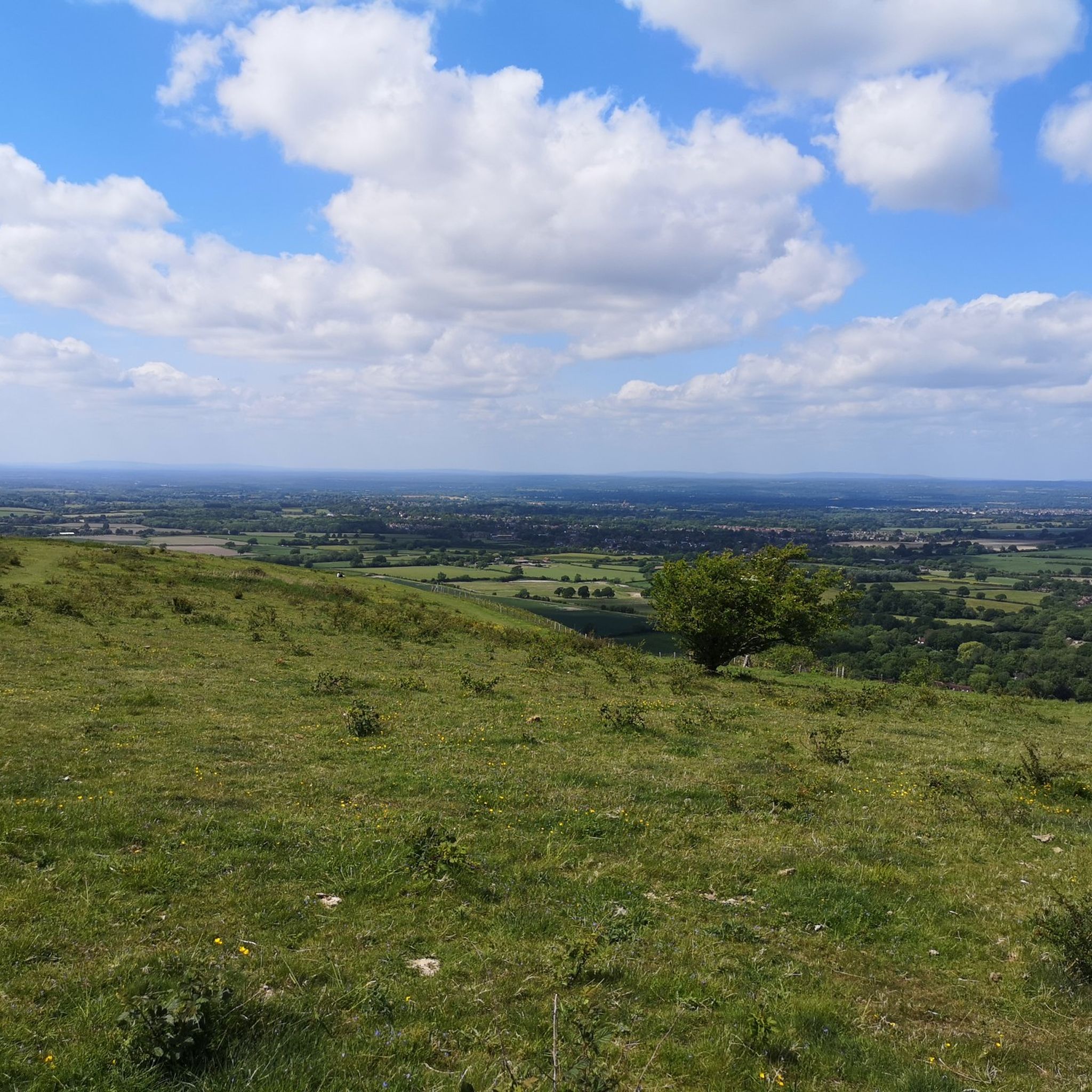
View of Pevensey Castle Earthworks
Highlight • Viewpoint
Tip by

Start today with a free account
Your next adventure awaits.
Tips from the Community

Beautiful and unusual building. It is also worth to take the time to walk through the gardesns surrounding it.
0
0

The Royal Pavilion in Brighton seems somewhat unreal with its extraordinary architecture. The impressive palace immediately catches the eye and is reminiscent of the well-known Indian Mughal palaces. The Royal Pavilion was built between 1815 and 1822 by King George IV during his time as Prince of Wales. After the Second World War, the Royal Pavilion was extensively restored.
8
0

Lewes Castle is a medieval fortress originally known as Bray Castle. Positioned strategically, it commands a prominent location, overseeing the gap in the South Downs shaped by the River Ouse and surrounded by the towns of Lewes and Cliffe. The castle is perched on a man-made mound located just north of Lewes' high street, crafted from locally sourced limestone and flint blocks.
0
0

East Sussex's historic county town, Lewes is a lovely place to explore. There are many interesting old buildings, from the 16th-century timber-framed Anne of Cleves House to the impressive Lewes Castle, and many quirky boutiques, pubs and eateries. There are plenty of excellent walking options in the surrounding countryside, from river rambles along the Ouse to more hilly affairs on the South Downs.
0
0

Visit Lewes Castle, a Norman Castle built after the Battle of Hastings by supporters of William the Conqueror. Climb the steps to the top of The Keep for stunning panoramic views across Sussex. As you ascend, explore the history of this 950-year-old fortress and how it played a key role in the development of the town. Visit the adjoining Museum of Sussex Archaeology to view artefacts from prehistoric to medieval Sussex, plus temporary exhibitions that showcase treasures from our collections. https://sussexpast.co.uk/attraction/lewes-castle/
1
0

This beautiful sight is more likely to be found in the Orient than in England. A great building with a nice little park that's great for a picnic or just relaxing.
3
0
Lewes is worth a visit and invites you to take a break with its cafes and restaurants. Nice castle.
0
0

Brighton's finest and most glamorous architecture - no visit to Brighton would be complete without taking in the Pavillion.
0
0
Frequently Asked Questions
What historical sites and castles can I visit near Plumpton?
While Plumpton itself is known for the historic Elizabethan manor Plumpton Place (a private residence) and the natural rock formations of Plumpton Rocks, the surrounding East Sussex region offers several significant castles. You can explore the Norman fortress of Lewes Castle, the unique Royal Pavilion Brighton with its Indian Mughal architecture, and the ancient Pevensey Castle Earthworks. Further afield, but within reasonable distance, are Hever Castle and Arundel Castle.
Are there any family-friendly castles or historical sites around Plumpton?
Yes, several sites near Plumpton are suitable for families. Lewes Castle is considered family-friendly, offering a chance to explore a 950-year-old fortress and enjoy panoramic views. The Royal Pavilion Brighton is also listed as family-friendly, with its distinctive architecture and surrounding park.
What kind of views can I expect from the castles near Plumpton?
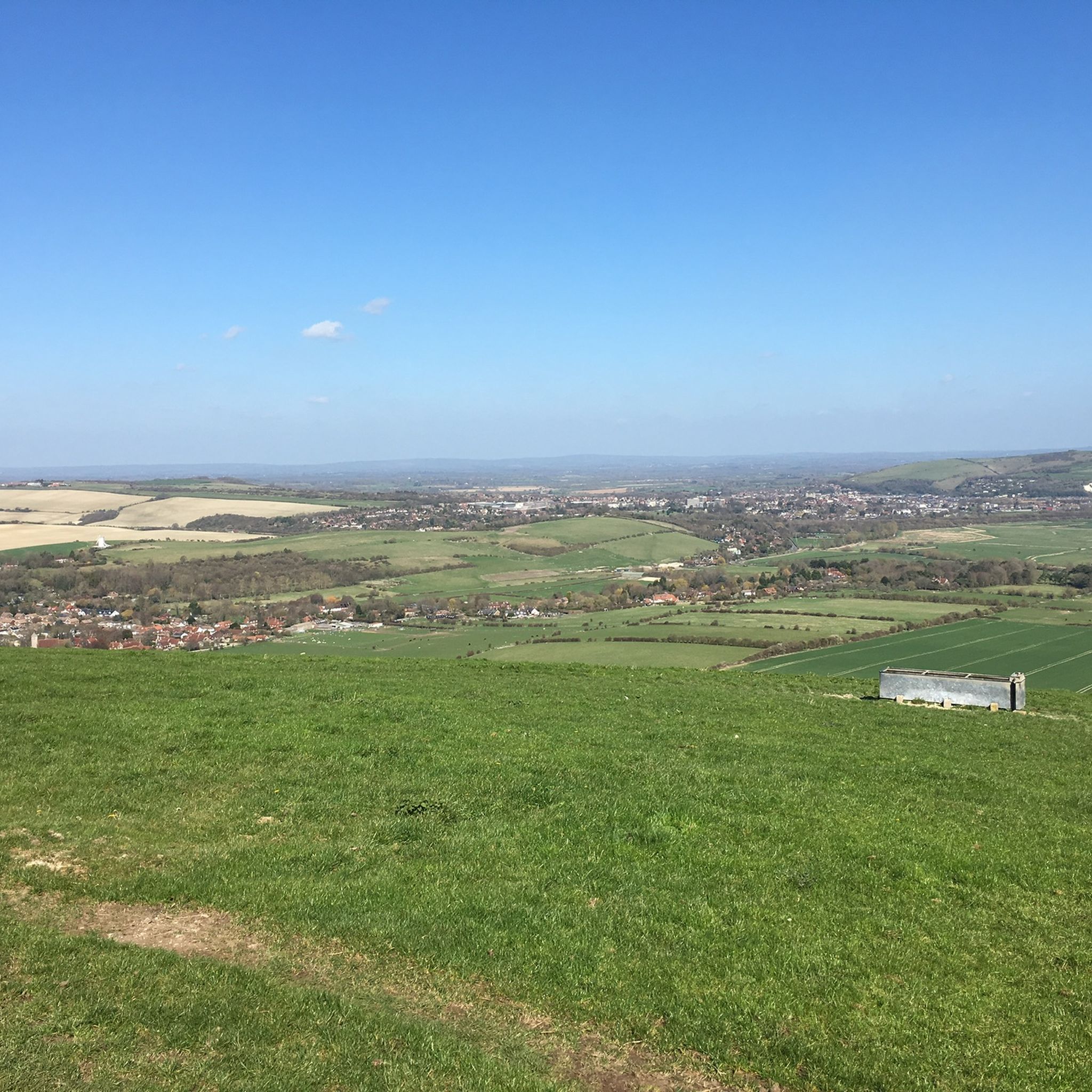
Many of the castles and historical sites offer excellent viewpoints. From the top of The Keep at Lewes Castle, you can enjoy stunning panoramic views across Sussex. The View of Pevensey Castle Earthworks also provides a perspective on the ancient defensive structures and surrounding landscape.
What outdoor activities can I do near these castles?
The area around Plumpton, including the South Downs National Park, is excellent for outdoor activities. You can find numerous hiking, running, and cycling routes. For hiking, consider trails like the 'Blackcap – Ditchling Beacon loop from Plumpton Place' or the 'Plumpton village from Plumpton Race Course' trail. Cyclists might enjoy the 'View from Plumpton Bostal – Alfriston Village loop from Plumpton'. You can find more details on these and other routes in the Hiking around Plumpton, Running Trails around Plumpton, and Cycling around Plumpton guides.
Is Plumpton Place open to the public?
Plumpton Place in East Sussex is a Grade II* listed Elizabethan manor house known for its architecture and gardens. However, it is a private residence and not generally open to the public for tours or visits. Its historical significance and unique features, including its double moat and Lutyens-Jekyll gardens, are primarily appreciated from a distance.
What is the best time of year to visit castles near Plumpton?
The best time to visit castles and historical sites near Plumpton generally depends on your preference for weather and crowds. Spring and autumn offer pleasant temperatures for exploring and walking, with beautiful seasonal foliage. Summer provides longer daylight hours but can be busier. Winter visits are possible, but some attractions might have reduced opening hours, and weather can be unpredictable.
Are there any dog-friendly castles or walks near Plumpton?
While specific castle interiors may have restrictions, the grounds and surrounding areas are often dog-friendly. For example, the town of Lewes and the walks around Lewes Castle offer opportunities for walks with dogs. The South Downs National Park, which surrounds Plumpton, has numerous dog-friendly trails. Always check individual site policies for the most up-to-date information on dog access.
What do visitors enjoy most about the historical sites around Plumpton?
Visitors frequently praise the breathtaking views, the rich history, and the unique architecture of the sites. For instance, the panoramic views from Lewes Castle are a highlight, and the extraordinary design of the Royal Pavilion Brighton often leaves a lasting impression. The historical context, from Norman conquests to royal residences, is a major draw for many.
Are there entrance fees for castles around Plumpton?
Yes, most major historical sites and castles, such as Lewes Castle and the Royal Pavilion Brighton, typically have entrance fees. These fees contribute to the maintenance and preservation of these historic properties. It's advisable to check the official websites of specific attractions for current pricing and any booking requirements before your visit.
What is the difference between Plumpton Place and Plumpton Rocks?
Plumpton Place, located in East Sussex, is an Elizabethan manor house known for its moated setting and historic gardens, once owned by Jimmy Page. It is a private residence. Plumpton Rocks, found in North Yorkshire, is a Grade II* listed landscape garden featuring dramatic natural millstone grit rock formations and a man-made lake, known for inspiring artists like J.M.W. Turner. They are distinct sites in different regions, with different historical and natural characteristics.
How can I get to the castles near Plumpton using public transport?
Public transport options vary depending on the specific castle. For Lewes Castle, Lewes town is well-served by trains and buses, and the castle is centrally located. Brighton, home to the Royal Pavilion, has excellent train connections and a comprehensive bus network. For other castles further afield, a combination of train and local bus services might be necessary, or a car could be more convenient. Always check local transport schedules in advance.
Are there cafes or pubs near the castles for refreshments?
Yes, you'll find various options for refreshments near the castles. Lewes, where Lewes Castle is located, has a charming town center with numerous cafes, pubs, and restaurants. Brighton, home to the Royal Pavilion, offers a vast array of dining choices. For more rural sites like Pevensey Castle Earthworks, nearby villages will typically have local pubs or small cafes.
Most popular routes around Plumpton
Most popular attractions around Plumpton

Get inspired with the komoot mobile app


Explore more
Looking for the best castles somewhere else? Discover other guides around Plumpton:
