The 5 Most Amazing Peaks around Summit Park
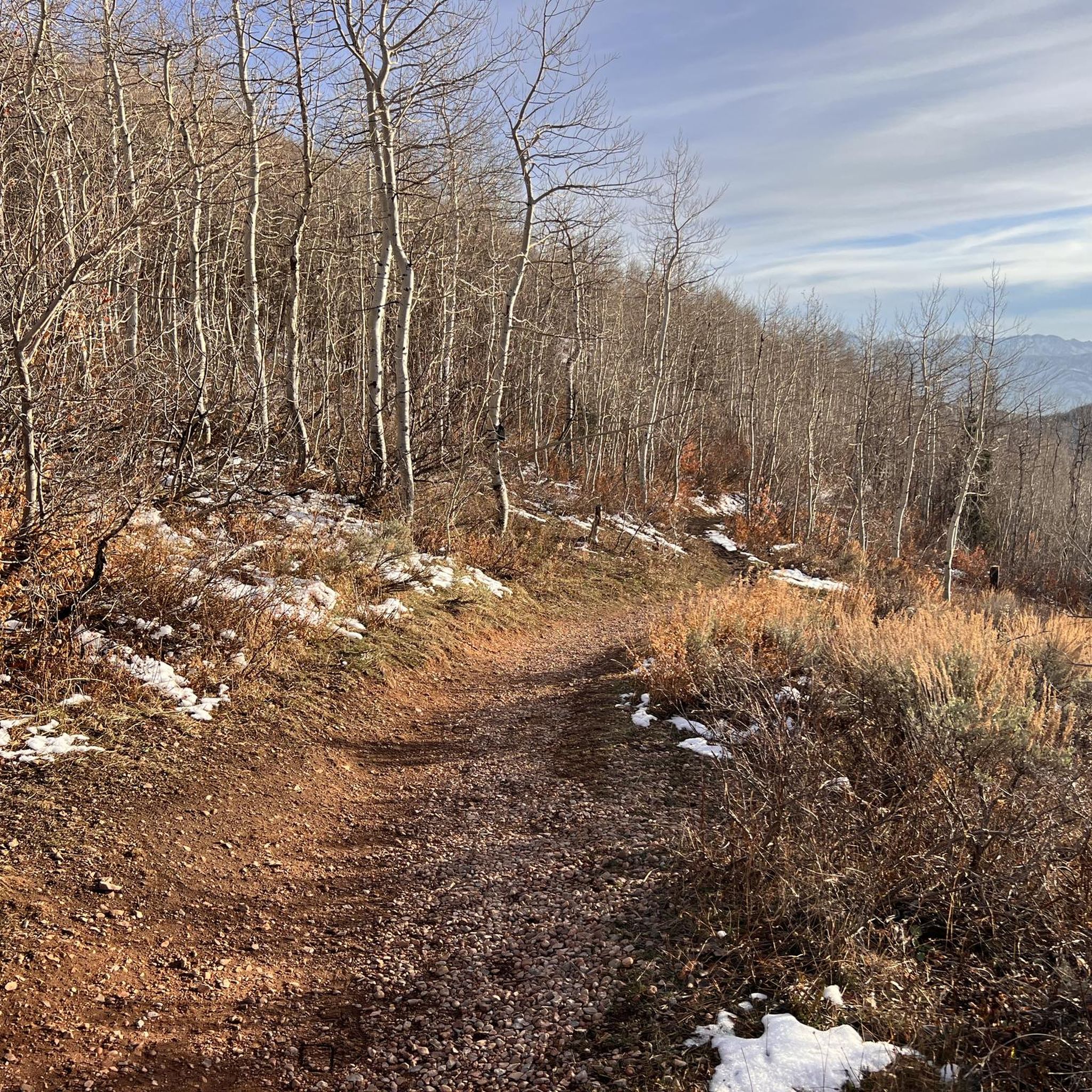
Mountain peaks around Summit Park, Utah, are situated within the Wasatch Mountains, providing access to extensive trail systems. The region is characterized by forested slopes, high-elevation ridges, and well-maintained trails. These features make the area suitable for various outdoor activities. Open spaces are protected by conservation easements, preserving the natural landscape.
Best mountain peaks around Summit Park
- The most popular mountain peaks is Little Mountain Summit, a summit that offers awesome views from this high point on Emigration Canyon…
Last updated: July 1, 2026
Little Mountain Summit
Highlight • Summit
Tip by

Utah Olympic Park
Highlight • Monument
Tip by

Sign up now to discover places like this
Get recommendations on the best single tracks, peaks, & plenty of other exciting outdoor places.
Sign up for free
Circle All Peak
Highlight • Summit
Tip by

Start today with a free account
Your next adventure awaits.
Login or Signup

Tips from the Community


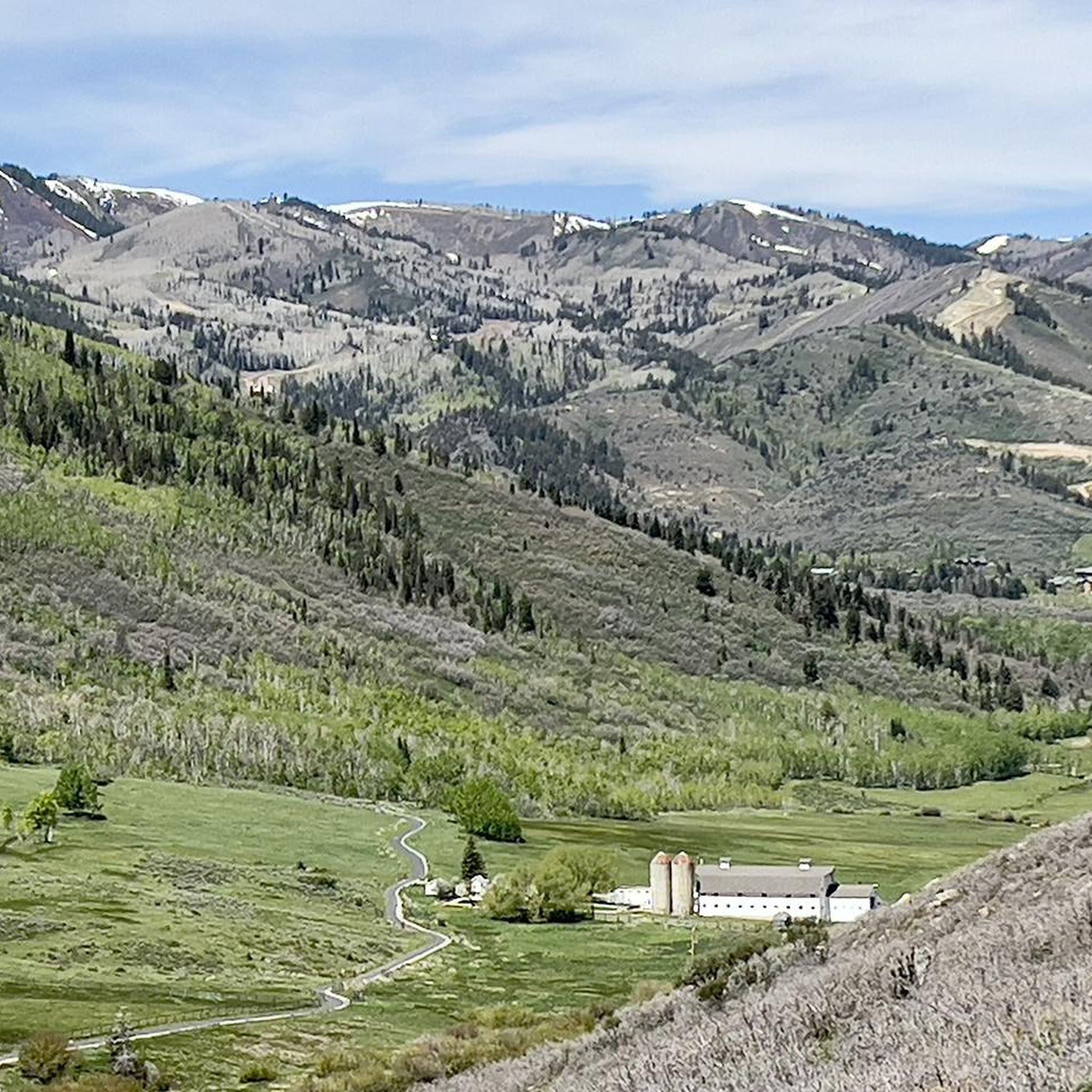
Utah Olympic Park was built for the 2002 Winter Olympics. Today, there are tons of year-round activities for guests and athlete training. Just off of the Iron Bill Trail, hikers can get a view of the bottom of some giant Nordic ski jumps.
0
0

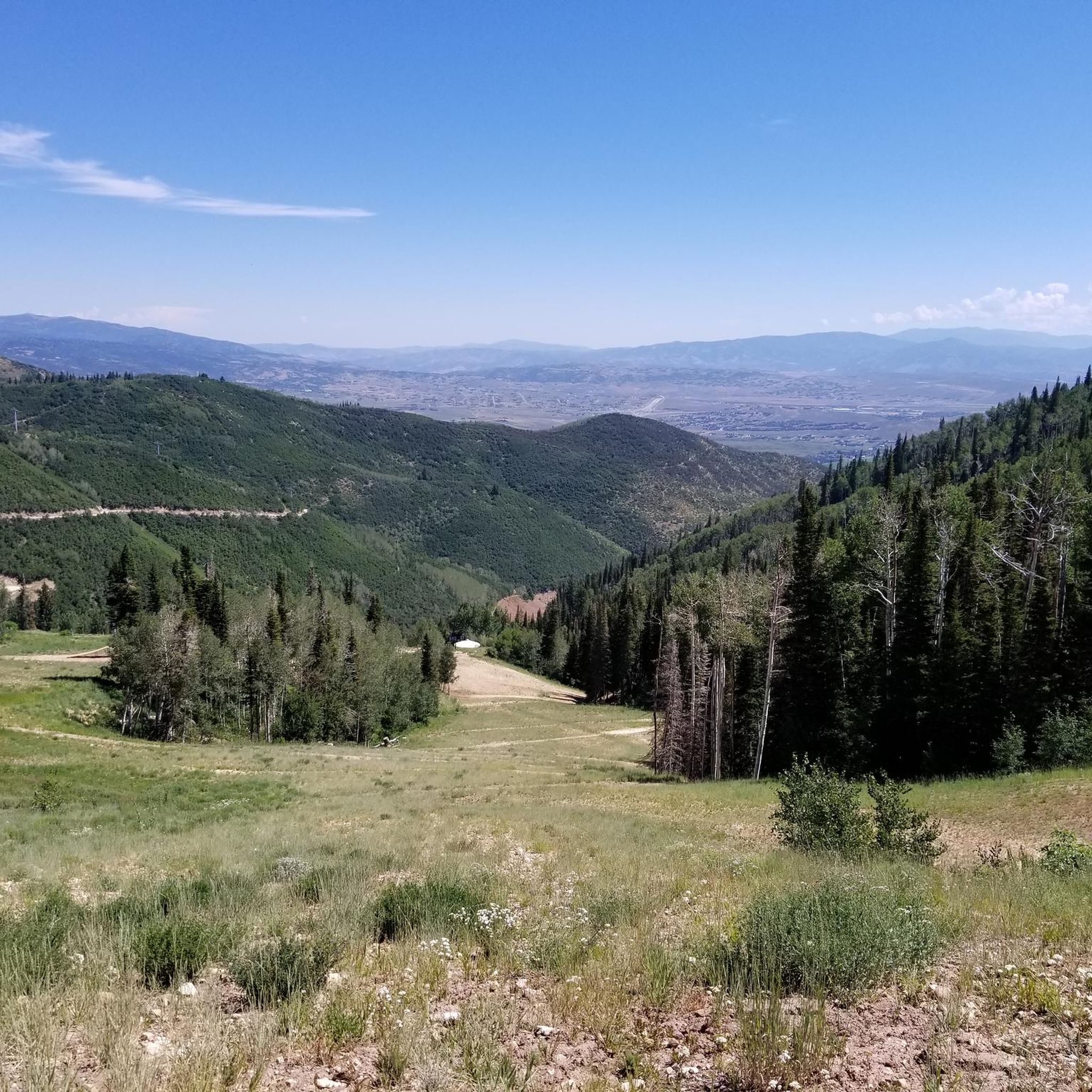
"Little Mountain Pass" is really the summit of Little Mountain. There are awesome views from this high point on Emigration Canyon Road.
1
0
"Little Mountain Pass" is really the summit of Little Mountain. There are awesome views from this high point on Emigration Canyon Road.
2
1

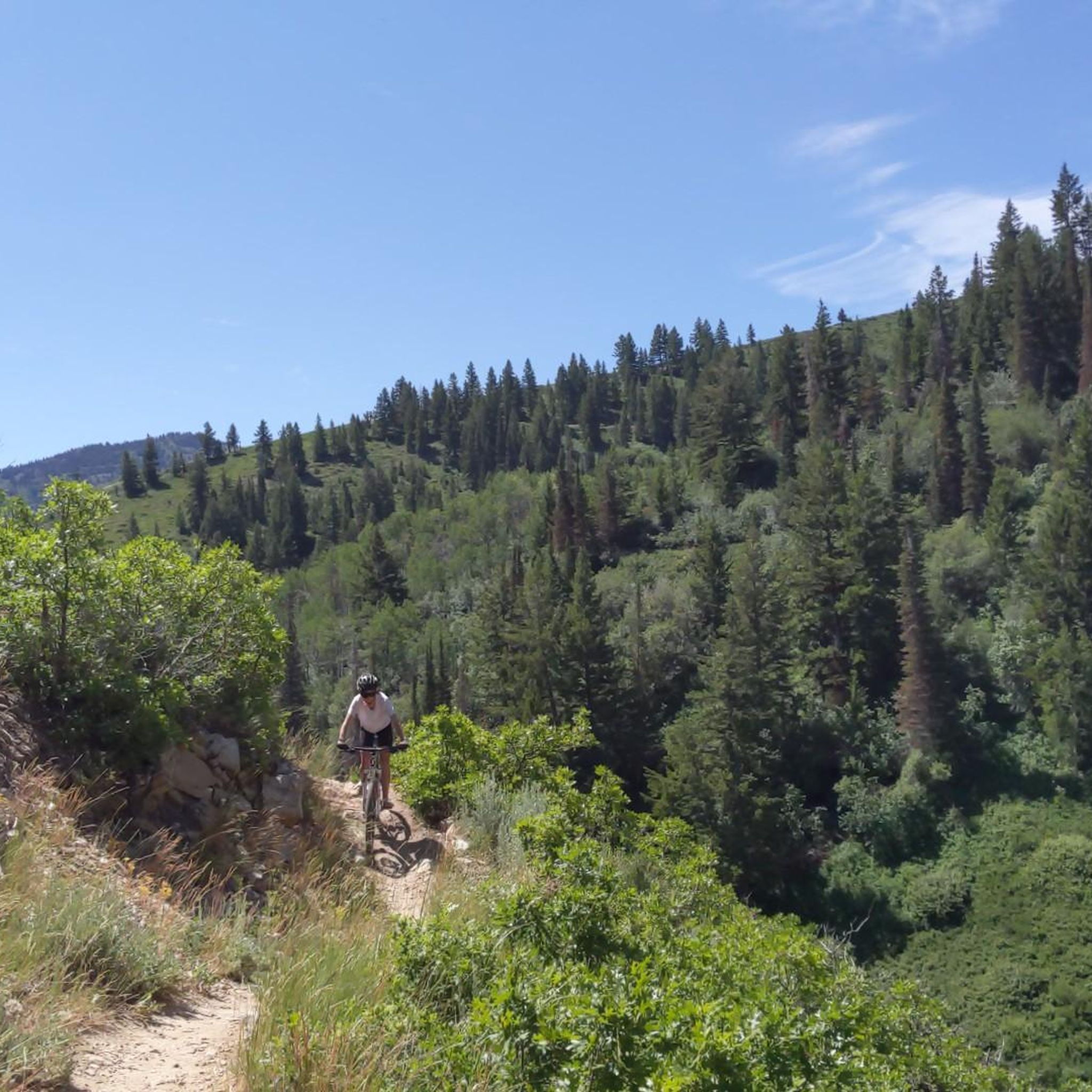
Circle All Peak is a beautiful summit providing views of Cottonwood Canyon, Butler Fork, and the surrounding peaks.
0
0

Frequently Asked Questions
What are some prominent mountain peaks around Summit Park, Utah?
Summit Park, nestled in the Wasatch Mountains, offers access to several notable peaks. These include Summit Park Peak, known for its panoramic views, and Murdock Peak, which offers a more strenuous challenge. Additionally, popular local summits like Little Mountain Summit and Circle All Peak provide expansive views of the surrounding canyons and peaks.
Which mountain peaks offer the best panoramic views in the Summit Park area?
For expansive panoramic views, Summit Park Peak is an excellent choice, offering vistas of the High Uintas, Antelope Island, and Stansbury Island on clear days. Little Mountain Summit also provides awesome views from its high point on Emigration Canyon Road. Circle All Peak is another beautiful summit with scenic overlooks of Cottonwood Canyon, Butler Fork, and surrounding peaks.
What is the difficulty level of trails leading to mountain peaks near Summit Park?
The difficulty varies depending on the peak. Trails to Summit Park Peak are generally considered moderate, making them accessible to a range of hikers. For a more strenuous and longer adventure, Murdock Peak offers a significant challenge with routes like 'Murdock Peak via Rob's Trail' involving a substantial ascent. Grandeur Peak, while not directly in Summit Park, is a popular moderate challenge in the broader Wasatch Range.
Are there family-friendly mountain peaks or trails near Summit Park?
Yes, the trail system leading to Summit Park Peak is considered moderate and accessible to a range of hikers, making it suitable for families. The broader area around Summit Park offers diverse terrain, including easy scenic walks, connecting to larger systems like the Gorgoza Park Trail System, providing options for various skill levels.
What outdoor activities can I do near the mountain peaks around Summit Park?
The extensive trail systems around Summit Park are popular for hiking, mountain biking, and winter sports like backcountry skiing and snowshoeing. You can find numerous routes for these activities. For running, explore trails like 'A loop from Summit Park' or 'Stealth Trail – Swaner Preserve loop' found in the Running Trails around Summit Park guide. For mountain biking, check out routes like 'Beaver Pond loop from Summit Park' in the MTB Trails around Summit Park guide.
Are there specific hiking trails recommended for reaching these peaks?
For Summit Park Peak, popular routes include the 'Road to WOS/Short Stack' and 'Over Easy' trails. The 'Over Easy' trail is hiking-only and features steep, rocky terrain leading to ridge-top views. To reach Murdock Peak, a challenging route is 'Murdock Peak via Rob's Trail'.
What is the best time to visit Summit Park for hiking in the mountains?
The trails leading to Summit Park Peak are suitable for year-round use, including backcountry skiing and snowshoeing in winter due to low avalanche risk. Generally, late spring through early fall offers the most pleasant conditions for hiking, with forested slopes and high-elevation ridges providing diverse terrain.
Are there any unique landmarks or points of interest near Summit Park trails?
Yes, along the trails to Summit Park Peak, you can find a ski lift chair memorial and a bushcraft shelter. Additionally, the Utah Olympic Park, a man-made monument built for the 2002 Winter Olympics, is nearby and offers year-round activities and views of Nordic ski jumps.
Can I spot wildlife while hiking in the Summit Park mountains?
The open space around Summit Park is protected by a conservation easement, ensuring the preservation of its natural beauty and providing a haven for wildlife. While hiking, you may encounter various local fauna, especially in the forested slopes and high-elevation ridges.
Are permits required for hiking in the Summit Park area?
The provided information does not specify any permit requirements for general hiking on the trails around Summit Park peaks. Most trails in the Uinta-Wasatch-Cache National Forest are generally open for public use without permits for day hiking, but it's always advisable to check local regulations for specific areas or activities.
Is parking available at trailheads for Summit Park peaks?
While specific parking locations are not detailed, the area features well-maintained trails and is a popular destination for outdoor activities, suggesting that designated parking areas are available at key trailheads. It is recommended to check local maps or trail resources for precise parking information before your visit.
Are trails around Summit Park peaks dog-friendly?
The provided information does not explicitly state whether all trails are dog-friendly. However, many trails in the Wasatch Mountains and surrounding national forests generally allow dogs, often requiring them to be on a leash. It's best to verify specific trail regulations or signage at the trailhead before bringing your dog.
Most popular attractions around Summit Park

Get inspired with the komoot mobile app


Explore more
See even more amazing summits around Summit Park with these guides:
