The best walks and hikes around Łosice
5.0
(19)
163
hikers
70
hikes
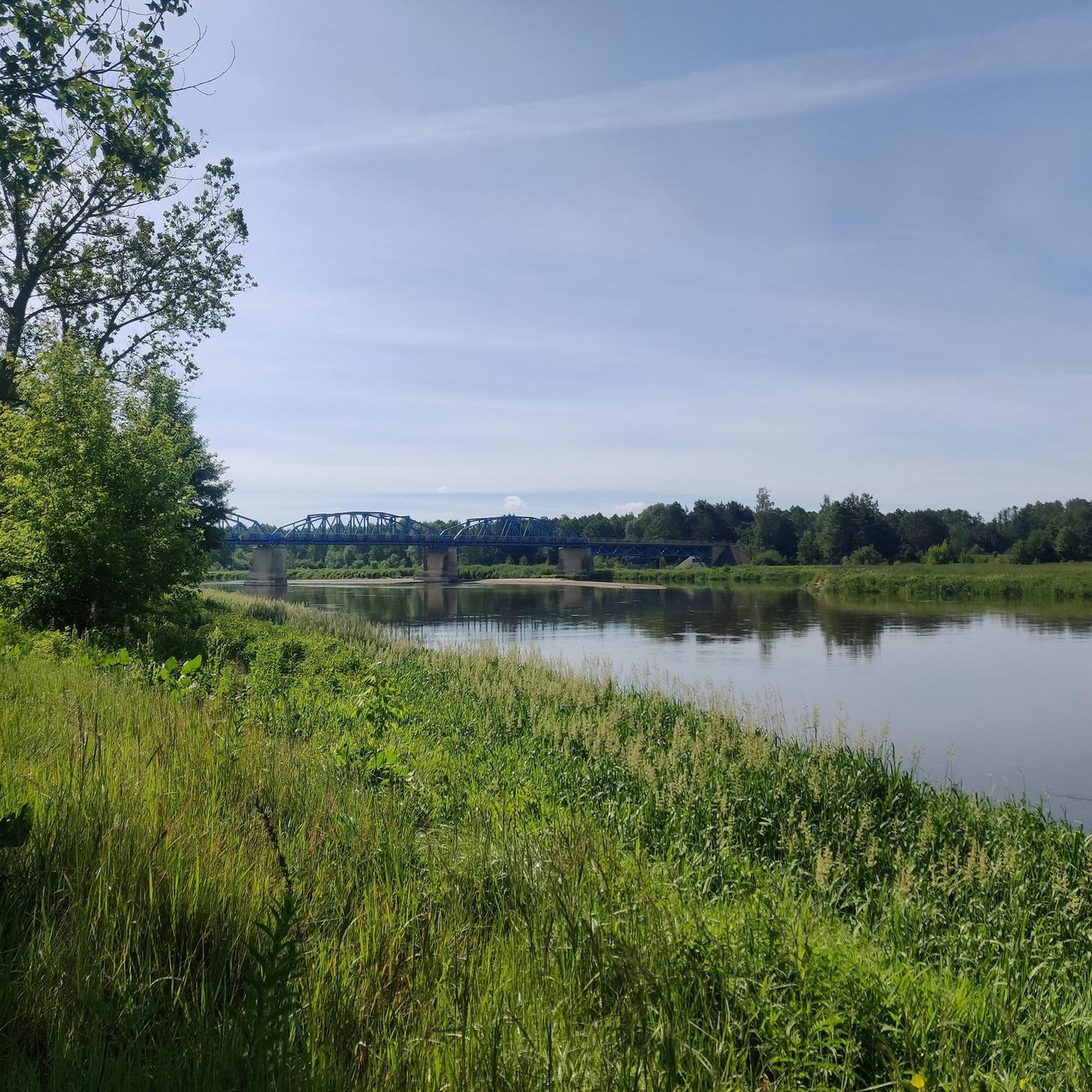
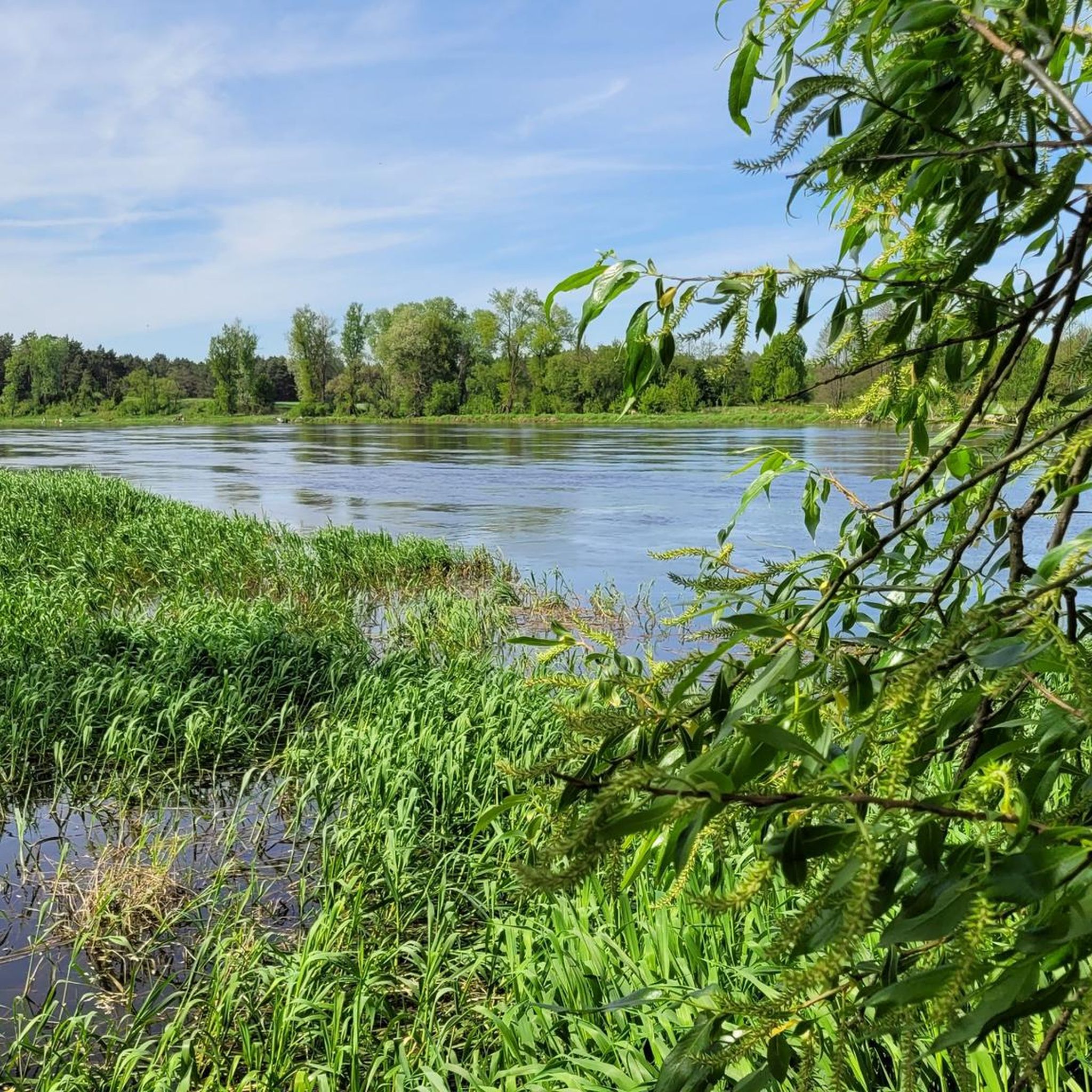
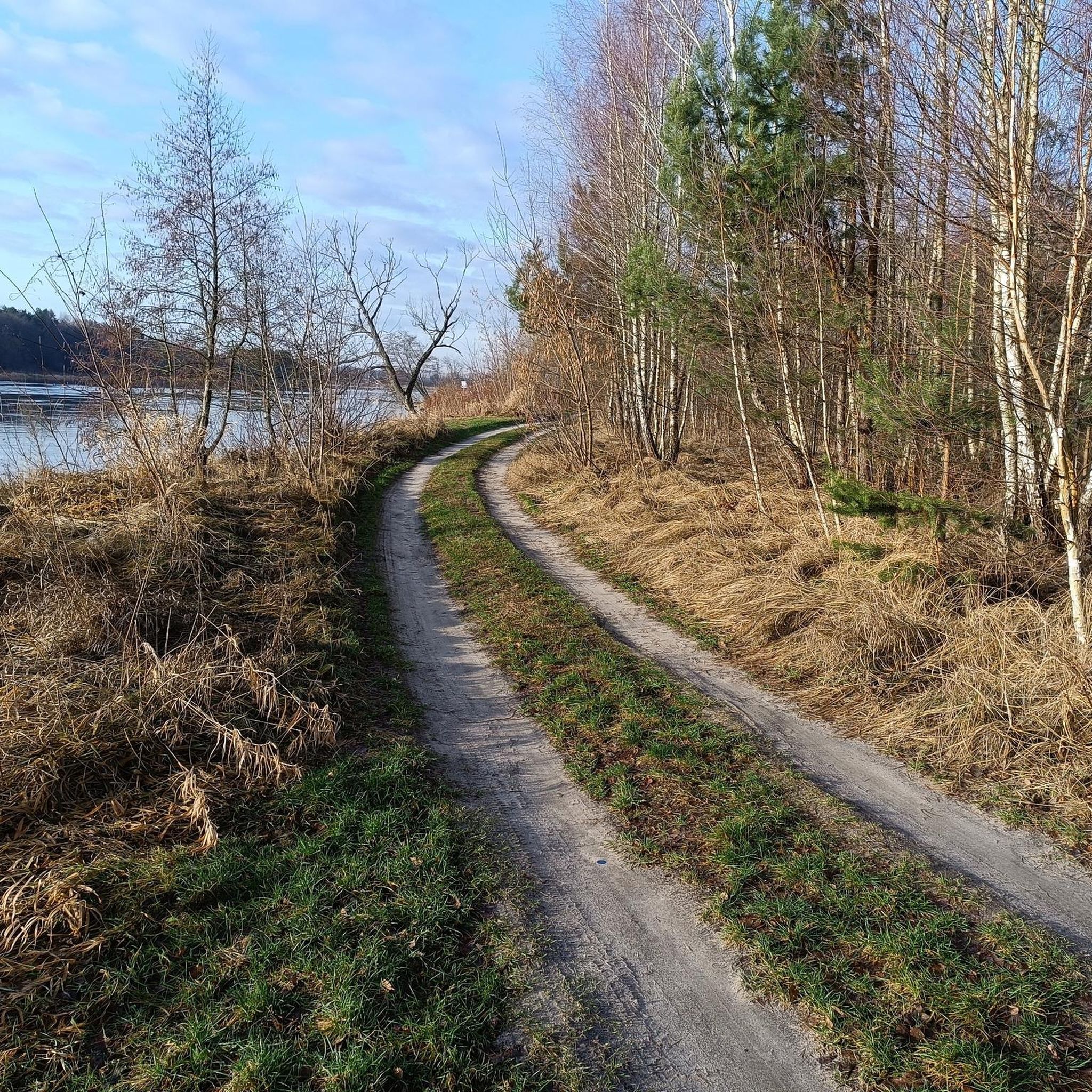
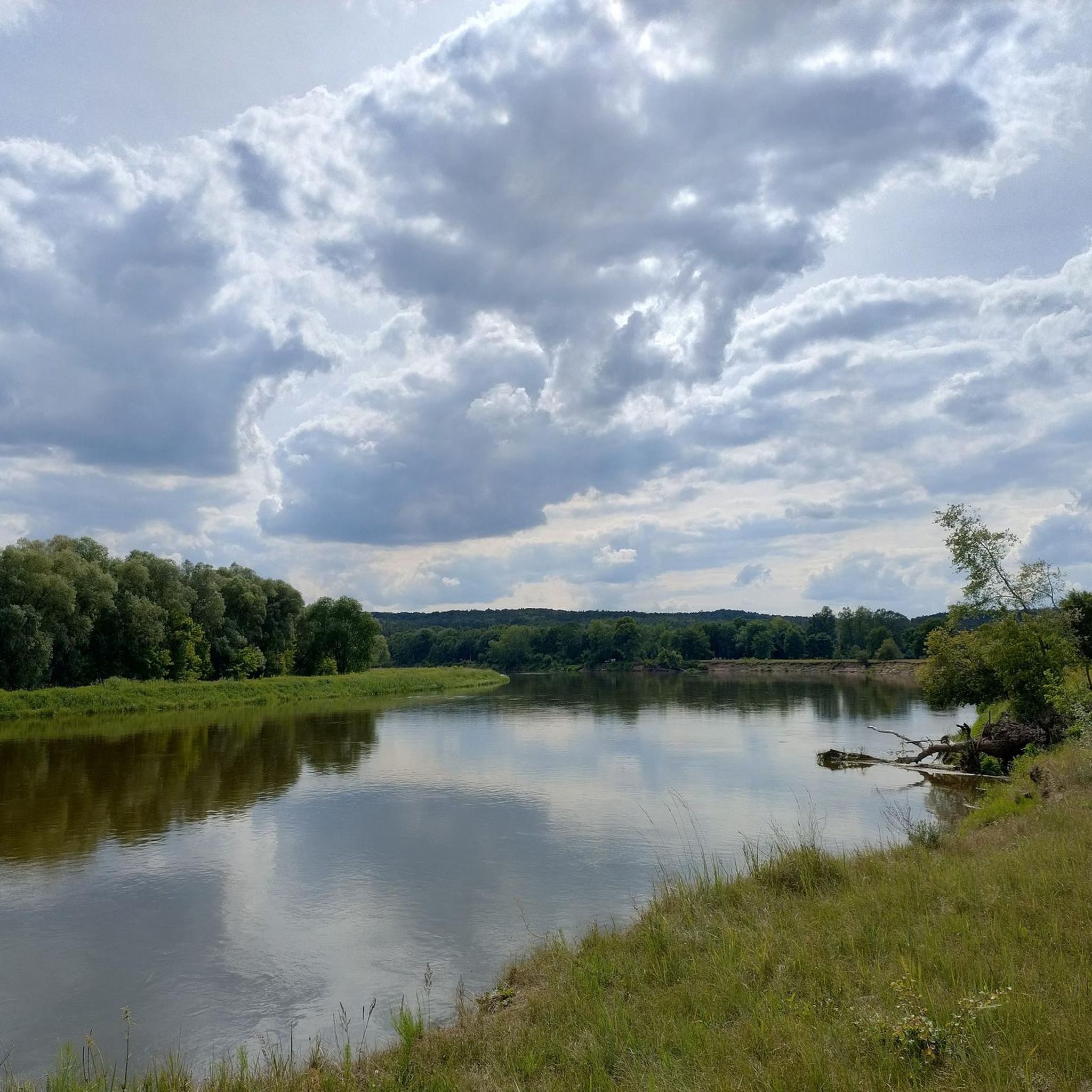
Hiking around Łosice offers diverse natural landscapes, primarily centered around the Bug River Valley. The region features extensive forests, varied topography including moraine hills and ravines, and numerous oxbow lakes and wetlands. A significant portion of the area is protected within the Podlasie Bug Gorge Landscape Park, which encompasses diverse ecosystems and natural monuments. Elevated areas and riverbanks provide varied terrain for exploration.
Best hiking trails around Łosice
- The most popular hiking route is Loop Drohiczyn, a 1.7 miles…
Last updated: November 1, 2026
8
hikers
4.49km
01:15
80m
80m
Easy hike. Easily walkable paths.
6
hikers
5.95km
01:33
40m
40m
Moderate hike. Mostly walkable paths. Sure-footedness required.

7
hikers
7.47km
02:01
90m
90m
Moderate hike. Good fitness required. Easily walkable paths.
5.0
(1)
4
hikers
4.36km
01:08
20m
20m
Easy hike. Easily walkable paths.
6
hikers
2.83km
00:47
50m
50m
Easy hike. Easily walkable paths.
3
hikers
Easy hike. Easily walkable paths.
3
hikers
9.76km
02:32
50m
50m
Moderate hike. Good fitness required. Mostly walkable paths. Sure-footedness required.
5
hikers
4.21km
01:10
80m
80m
Easy hike. Easily walkable paths.
5
hikers
Easy hike. Easily walkable paths.
Get access to more routes and recommendations from other explorers.
Already have an account?
Our route recommendations are based on thousands of hikes, rides, and runs completed by other people on komoot.



Other adventures around Łosice

Tips from the Community

it's worth climbing the mountain next to it, there's a beautiful view
0
0

The highest viewpoint in the area over Mielnik and the Bug River valley. A footbridge leading to the tower on the right side allows for bringing a bicycle.
0
0

in fact it looks like some old grave
0
0
At the foot of Góra Zamkowa are the ruins of the castle church, founded in 1420 by the Grand Duke of Lithuania Vytautas. The church was built next to the castle and served a defensive function. It is an oriented building, built in the late Gothic style, made of brick with the use of field stones. In the second half of the 16th century, the castle church was thoroughly rebuilt and re-consecrated in 1618. In 1657, the temple, together with the entire archive, burned down. After the wars, in 1669, its reconstruction began. It is likely that during the new consecration, the church's name was changed to the Holy Trinity. In 1851, the castle church was abandoned. After the January Uprising in 1866, it was closed for five years, and in 1871 it was transformed into an Orthodox church of the Holy Spirit. In 1915, the church burned down. Although it was returned to the Catholic parish as part of the restitution campaign in the interwar period, it was never rebuilt. In the interwar period, a chapel of St. Anthony was set up in the sacristy, which was destroyed in 1941. During this period, the walls of the church were also partially demolished. Currently, the ruins of the church are one of the most interesting tourist attractions in Mielnik. Near the ruins of the castle church, there is also a building of the former Catholic rectory. Like the church, the rectory is a brick building, plastered and erected on a fieldstone foundation. The fate of the building from around the second half of the 18th century is closely linked to the fate of the castle church. When the church was regained by the Catholic parish in the 20th century, the rectory became a place of residence for priests. Since the 1950s, it has served as a residential building for priests and as a catechetical house. The building has been unused since the 1970s.
0
0
The earliest trace of the Orthodox religion in Mielnik dates back to the 13th century. At that time, there was an Orthodox church in which the King of Rus Daniel Romanovich was supposed to have prayed in 1260 before the miraculous icon of Christ the Savior (Spas Izbavnik). Today's church was built in the years 1821-1823 on the site of a former wooden temple, oriented, classicist with a western span in the Ruthenian-Byzantine style. The church is built of field stone and brick, plastered, and roofed with sheet metal. In the second half of the 19th century, the church was probably expanded. As a result of reconstruction at the beginning of the 20th century, it was transformed into a historicizing Byzantine (neo-Byzantine) style.
0
0

The oldest history of the Orthodox parishes of Mielnik indicates that they were closely connected with the history of the city. The first brick temple was built in the Ruthenian stronghold in the 13th century. The tradition of the 13th century temple was referred to by the wooden church of the Nativity of the Blessed Virgin Mary, built in 1431 on Drohicka Street on the castle grounds, and then by the subsequent churches built on the Ruthenian hill in 1614, and the current one, built in the years 1821-1823. The church of the Resurrection of Christ, located on Brzeska Street at the beginning of the 16th century, was of great importance to the residents of the city. Rebuilt after a fire in 1648, it survived until 1878. In the parish of the Nativity of the Blessed Virgin Mary, in 1777, a cemetery chapel of the Protection of the Mother of God was built, in which there was a revered icon of the Mother of God Oranta.
2
0
In the years 1907-1910 a vestibule (women's gallery) with a tower and a porch were added. During World War I, the Germans set up a military hospital in the church. Their presence is evidenced by the large number of German graves in the Orthodox cemetery. During World War II, in 1940, the Soviets set up observation points in the church and the cemetery chapel. In June 1941, German shells damaged the belfry and roof of the church. After the front passed, the church remained closed for another two years. The renovation of the church was completed on August 1, 1943. In the years 1994-1995, plasters and polychrome in the altar were made. The author was Alexander Sokolov from Moscow. The vault of the church is covered with frescoes by Yaroslav Vishenko. The church impresses with its beautiful interior. It has baroque icons from the 18th century: the Icon of the Blessed Virgin Mary of Mielnik and the Icon of the Holy Mother of God of Oranta. You can also see icons from Pochayiv, brought there in the interwar period. The church bells are from 1922.
2
0
Historic Orthodox Church of the Nativity of the Blessed Virgin Mary in Mielnik The earliest trace of the Orthodox religion in Mielnik dates back to the 13th century. At that time, there was an Orthodox church in which the King of Ruthenia Daniel Romanowicz was supposed to have prayed in 1260 before the miraculous icon of Christ the Savior (Spas Izbawnik). Today's Orthodox Church of the Nativity of the Blessed Virgin Mary is situated on a hill on the southern side of Brzeska Street. The works were started thanks to the efforts of the parish priest Jakub Bielawski, who before his death in 1812 bequeathed all his savings for the construction of a new parish church. Its construction was supervised by the then parish priest - Fr. Florian Zienkiewicz. It was built in the years 1821-1823 on the site of a former wooden church, oriented, classicist with a western span in the Ruthenian-Byzantine style. The church is built of field stone and brick, plastered, and roofed with sheet metal. In the second half of the 19th century, the church was probably expanded. As a result of reconstruction at the beginning of the 20th century, it was transformed in the historicizing Byzantine (Neo-Byzantine) style.
2
0
Frequently Asked Questions
What kind of terrain can I expect on hikes around Łosice?
The terrain around Łosice is quite varied, primarily shaped by the meandering Bug River Valley. You'll find extensive natural forests, varied topography including moraine hills and ravines, and numerous oxbow lakes and wetlands. Riverbanks can range from high and steep to gently sloping and sandy, or even marshy. Some elevated areas, like former gravel pits, offer unique dry and warm habitats.
Are there many easy hiking trails suitable for beginners in Łosice?
Yes, Łosice offers a good selection of easy trails. Out of the 38 available routes, 29 are classified as easy. These typically feature gentle gradients and shorter distances, making them ideal for casual walkers or those new to hiking. An example of an easy route is the Loop Drohiczyn, which is 1.7 miles (2.8 km) long.
What natural features or landmarks can I see while hiking in the Łosice area?
The region is rich in natural beauty. You can explore the picturesque Bug River Valley with its oxbow lakes and wetlands, and extensive forests. A significant portion of the area is within the Podlasie Bug Gorge Landscape Park, known for its ravine valley and ancient oak trees. A notable natural monument is Mężenin – Natura 2000 Lower Bug Valley, featuring centuries-old oaks.
Are there any circular hiking routes around Łosice?
Yes, many of the hiking routes around Łosice are designed as loops, allowing you to start and end in the same location. For example, the popular Nature trail "Kalinik" (loop from Gnojna) and the Zakole Bugu – Plaża nad Bugiem loop from Borsuki are both circular trails.
What do other hikers say about the trails in Łosice?
The hiking trails around Łosice are highly regarded by the komoot community, holding an average rating of 5.0 stars from 12 reviews. Hikers often praise the unspoiled natural landscapes, the tranquility of the Bug River Valley, and the diverse forest ecosystems.
Are there any family-friendly hiking options in Łosice?
Yes, the area offers several family-friendly options, particularly among the easier routes. Trails like the Loop Drohiczyn are short and relatively flat, making them suitable for families with children. The diverse natural environment also provides opportunities for wildlife spotting and exploring.
Can I bring my dog on the hiking trails in Łosice?
Generally, dogs are welcome on hiking trails in natural areas around Łosice. However, it's always recommended to keep your dog on a leash, especially in protected areas like the Podlasie Bug Gorge Landscape Park, to protect local wildlife and ensure a pleasant experience for all hikers. Please check specific trail regulations if available.
Are there any trails that offer views of the Bug River?
Absolutely. The Bug River Valley is central to the hiking experience in Łosice. Many trails run alongside or offer views of the river, its oxbow lakes, and diverse riverbanks. The Zakole Bugu – Plaża nad Bugiem loop from Borsuki is a great example of a route that explores the Bug River area.
What is the best time of year to go hiking in Łosice?
Spring, summer, and early autumn are generally the best times for hiking in Łosice. Spring brings blooming flora and active wildlife, while summer offers warm weather for exploring the river and forests. Autumn provides beautiful fall foliage. Winter hiking is possible, but trails may be covered in snow or ice, requiring appropriate gear.
Are there any water bodies suitable for recreation near the hiking trails?
Beyond the Bug River itself, which is ideal for nature-oriented activities, the region includes fish ponds in Woźniki and Rudnik. Łosice also features a recreational reservoir near its town center, offering kayak and water-bike rentals during the summer months, which can be a refreshing stop after a hike.
How many hiking routes are there in total around Łosice?
There are 38 hiking routes available for exploration around Łosice, catering to various skill levels and preferences. This includes a mix of easy and moderate trails through diverse landscapes.
Are there any trails that pass through the Podlasie Bug Gorge Landscape Park?
Yes, a significant portion of the Bug Valley falls within the Podlasie Bug Gorge Landscape Park, and there are trails that specifically highlight this protected area. The Nature trail "Kalinik" (loop from Gnojna) is a moderate route that leads directly through the Podlaski Landscape Park Bug Gorge, showcasing its unique natural features.
Most popular routes around Łosice
Most popular attractions around Łosice

Get inspired with the komoot mobile app


Didn’t find what you were looking for?
Check out more Hikes throughout Łosice below and find the perfect route in your destination.
Explore more
Browse the best Hikes in other regions.
