Attractions and Places To See around gmina Kłodawa - Top 10
Best attractions and places to see around gmina Kłodawa include a variety of historical landmarks, cultural sites, and natural features. Located in Koło County within Poland's Greater Poland Voivodeship, the region offers diverse exploration opportunities. Visitors can discover architecturally significant churches, medieval castles, and unique sites like the Kłodawa Salt Mine. The area is also characterized by natural landscapes, including forests, clean rivers, and lakes such as Lake Kłodawskie.
Best attractions and places to see around gmina Kłodawa
- The most…
Last updated: July 15, 2026
Besiekiery Castle Ruins
Highlight • Castle
Translated by Google •
Tip by

St. Adalbert's Church in Brdów
Highlight • Religious Site
pl.wikipedia.org/wiki/Brd%C3%B3w#Ko%C5%9Bci%C3%B3%C5%82_i_klasztor_oo._paulin%C3%B3w
Translated by Google •
Tip by

Sign up now to discover places like this
Get recommendations on the best single tracks, peaks, & plenty of other exciting outdoor places.
Sign up for free
Holy Family Church in Przedecz
Highlight • Religious Site
Translated by Google •
Tip by
Church of St. Stanislaus the Bishop in Pieczew
Highlight • Religious Site
kosciolydrewniane.pl/pages/drewniane/pieczew.html
Translated by Google •
Tip by
Monument to the Battle of Brdów 1863
Highlight • Monument
This modest yet significant monument commemorates the Battle of Brdów, fought on April 29, 1863, during the January Uprising against the Russian invaders. Many insurgents …
Translated by Google •
Tip by

Sign up for free to discover even more attractions around gmina Kłodawa.
Sign up for free
Already have an account?
Start today with a free account
Your next adventure awaits.
Login or Signup
Popular around gmina Kłodawa

Tips from the Community

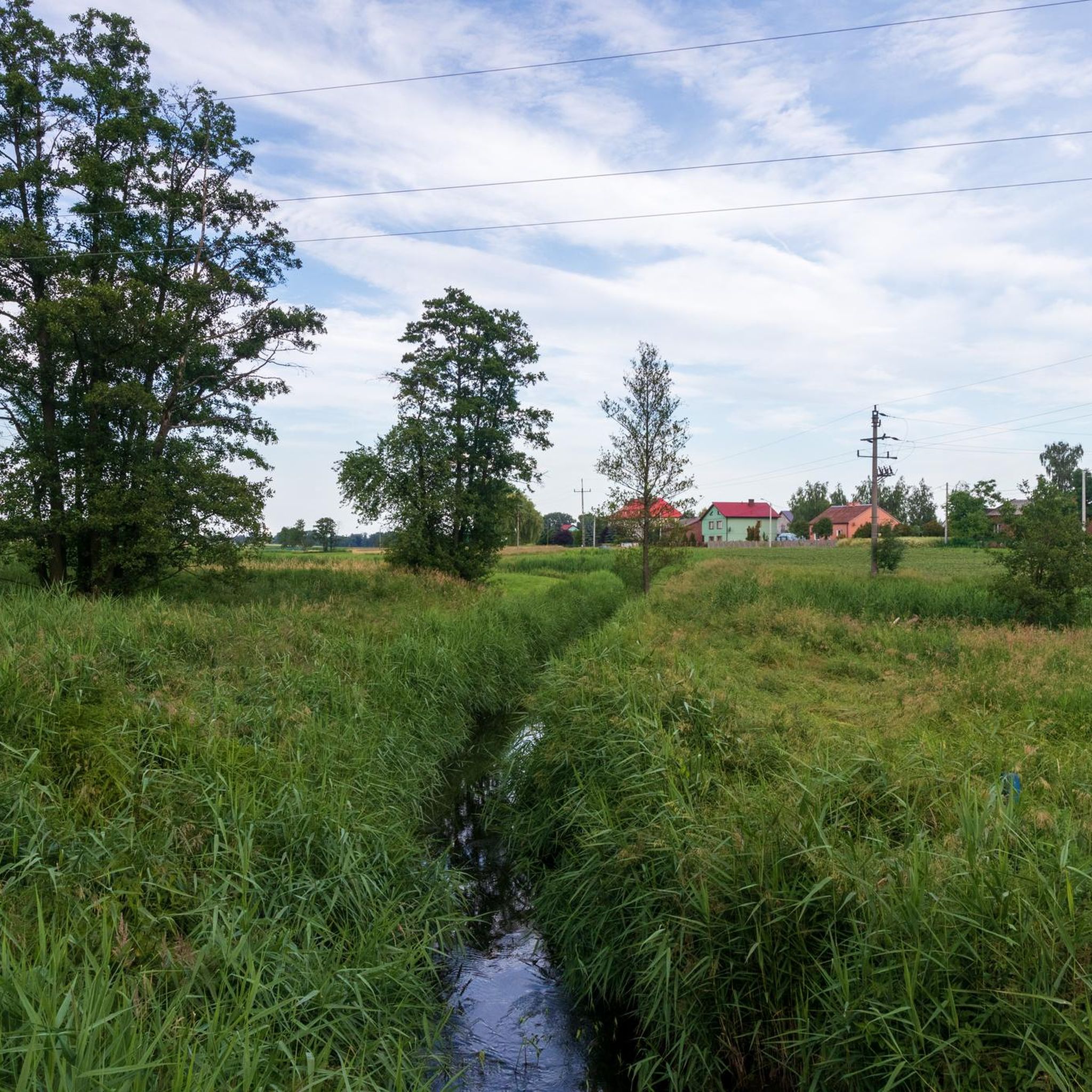
Historic Site | Brdów, Poland This modest yet significant monument commemorates the Battle of Brdów, fought on April 29, 1863, during the January Uprising against the Russian invaders. Many insurgents died in the battle, including their commander, Léon Young de Blankenheim, a French officer fighting on the Polish side. The monument is located on the outskirts of Brdów, in a peaceful, rural setting. It consists of a cross, commemorative plaques, and a symbolic grave. It is a place of reflection and contemplation on Poland's fight for independence in the 19th century. 🚴 Tip for hikers and cyclists The monument lies along the route from Brdów to Lubotyń – an ideal stopover point during a bike trip through the Greater Poland region. It is worth stopping for a moment to soak up the atmosphere of this place.
1
0

Admission is free, and the castle is not locked. Note for campers: waste disposal is available in the parking lot. The castle itself is accessible to people with disabilities – stairs lead to the courtyard, but there is also an elevator (I cannot guarantee its functionality).
0
0

After renovation, a nicely landscaped area with benches, a gazebo, a playground and new alleys, the bridge was additionally improved and the ruins were described and secured 👍
0
0
currently under renovation, no tours possible
1
0

I recommend worth seeing
0
0

St. Wojciech, located on the high shore of Lake Brdowskie, is an oriented church, originally Gothic, baroque and expanded in the 17th and 18th centuries. https://pl.wikipedia.org/wiki/Brd%C3%B3w#Ko%C5%9Bci%C3%B3%C5%82_i_klasztor_oo._paulin%C3%B3w
0
0
The neo-Gothic church of the Holy Family was built in 1905–1909 on the site of the church of St. Nicholas from 1572. The design of the church was made by the architect Józef Pius Dziekoński, following the example of the church of St. Anna in Vilnius. The main altar, side altars and the pulpit are made of richly carved wood. Next to the temple, there is a historic brick belfry from 1834. https://pl.wikipedia.org/wiki/Ko%C5%9Bci%C3%B3%C5%82_%C5%9Bw._Rodzin_w_Przedczu
0
0
Church of Saint Stanislaus the Bishop from 1747. Expanded in the years 1898 - 99 - extension of the nave from the front. http://www.kosciolydrewniane.pl/pages/drewniane/pieczew.html
0
0
Frequently Asked Questions
What historical landmarks can I explore in gmina Kłodawa?
Gmina Kłodawa is rich in history. You can visit the medieval Przedecz Castle, originally a defensive stronghold from the reign of Casimir the Great, now housing the Municipal Cultural Center and District Museum. Another significant site is Besiekiery Castle Ruins, a historical place set in nature, though currently under renovation. The region also features numerous 19th-century manors and palaces in villages like Leszcze and Wólka Czepowa, offering glimpses into the area's past.
Are there any notable churches or religious sites to visit?
Yes, gmina Kłodawa is home to several architecturally significant churches. Don't miss St. Adalbert's Church in Brdów, which features original Gothic elements and Baroque expansions, located on the high shore of Lake Brdowskie. The Holy Family Church in Przedecz is a beautiful neo-Gothic structure with richly carved wooden altars, built between 1905 and 1909. You can also see the Church of St. Stanislaus the Bishop in Pieczew, dating back to 1747, and the late Baroque Parish Church of the Assumption of the Blessed Virgin Mary in Kłodawa itself.
What unique attractions are there in gmina Kłodawa?
A truly unique attraction is the Kłodawa Salt Mine, which offers an underground tourist route. You can descend 600 meters below ground to witness extraordinary geological formations of the salt dome, which are significant on both national and European scales.
What natural features can I enjoy in gmina Kłodawa?
The gmina is characterized by its natural landscapes. You can explore the Gorzowska Forest, which covers a significant portion of the broader region. There are also numerous clean rivers and lakes, including Lake Kłodawskie, which has a developed bathing area for recreation. Lake Lubie, located within the Barlinek-Gorzów Landscape Park, is known for its popular hiking routes.
Are there family-friendly attractions around gmina Kłodawa?
Yes, several attractions are suitable for families. The Besiekiery Castle Ruins are considered family-friendly and offer free entry, providing an interesting historical site in a natural setting. The natural areas, such as Lake Kłodawskie with its bathing area, also offer great opportunities for family outings.
What outdoor activities can I do near these attractions?
Gmina Kłodawa offers various outdoor activities, especially cycling. You can find several easy cycling routes nearby, such as the 'Bike loop from Grzegorzew' or the 'Manor in Straszkówek loop from Przybyszew'. For more options, explore the cycling guide for the region: Cycling around gmina Kłodawa.
What do visitors enjoy most about gmina Kłodawa?
Visitors appreciate the blend of historical sites and natural beauty. Highlights like the Besiekiery Castle Ruins are noted for being 'Nice historical place on nature' with 'free entry at any time'. The region's historic churches and the unique Kłodawa Salt Mine also draw significant interest, contributing to over 26 upvotes and 40 photos shared by the komoot community.
Are there any cultural centers or recreational facilities in the area?
Yes, the Communal Cultural Center (Gminny Ośrodek Kultury) in Kłodawa serves as a vibrant hub for cultural activities, organizing various events and hosting dance and folk groups. For recreation, Kłodawa provides modern sporting facilities, including a Municipal Stadium, 'Orlik 2012' pitches, multifunctional pitches, sports halls, and outdoor gyms.
What is the terrain like for outdoor activities in gmina Kłodawa?
The terrain around Kłodawa features a sandy plain, formed by melting glaciers, and scenic valleys with ravines. This varied landscape, combined with forests and lakes, provides interesting and generally accessible conditions for activities like cycling and walking.
Where can I find educational or commemorative sites?
Near Lake Lubie, the Forest Didactic Station (Leśna Stacja Dydaktyczna) in Lipy offers educational insights into the local environment. For commemorative sites, there is a modest monument in Bierzwienna honoring the soldiers of the 'Poznań' Army. The former village of Marzęcin, burned during World War II, features a lapidarium and the ruins of a water mill, alongside the continuously flowing 'Maria' spring.
Is there a good time of year to visit gmina Kłodawa?
While specific seasonal recommendations aren't provided, the presence of lakes with bathing areas, forests, and cycling routes suggests that late spring, summer, and early autumn would be ideal for enjoying outdoor activities and natural attractions. Historical sites and churches can be visited year-round.
Are there any hidden gems or lesser-known spots worth exploring?
Beyond the main attractions, consider exploring the numerous 19th-century manors and palaces scattered in villages like Bierzwienna Krótka, Kęcerzyn, and Rycerzew. The historic manor in Leszcze, which once served as the seat of the 'Poznań' Army, now functions as the Archive of Geological Cores, offering a unique historical perspective. The former Cistercian manor in Mironice also holds a rich history of rebuildings.
Most popular routes around gmina Kłodawa

Get inspired with the komoot mobile app


Explore more
Still not found the Highlight you’re looking for? See guides of the top attractions in other regions:
