The best walks and hikes in Rezerwat Krzemionki Opatowskie
4.6
(7)
138
hikers
61
hikes
Hiking in Rezerwat Krzemionki Opatowskie offers exploration of a unique landscape shaped by ancient human activity and natural processes. The reserve is situated within the Świętokrzyskie Mountains, with altitudes ranging from 191.4 to 205.5 meters above sea level. It features Upper Jurassic limestone outcrops, ancient flint mines, and diverse natural habitats including thermophilic oak forests and post-industrial areas. This geological structure and terrain morphology provide varied conditions for outdoor activities.
Best hiking trails in Rezerwat Krzemionki Opatowskie
- The most popular…
Last updated: May 14, 2026
14
hikers
Easy hike. Great for any fitness level. Easily-accessible paths. Suitable for all skill levels.
4.5
(2)
13
hikers
7.49km
02:03
120m
120m
Moderate hike. Good fitness required. Easily-accessible paths. Suitable for all skill levels.

Sign up for free
4
hikers
8.24km
02:12
100m
100m
Moderate hike. Good fitness required. Easily-accessible paths. Suitable for all skill levels.
4.0
(2)
5
hikers
7.40km
02:03
130m
130m
Moderate hike. Good fitness required. Easily-accessible paths. Suitable for all skill levels.
5
hikers
Moderate hike. Good fitness required. Easily-accessible paths. Suitable for all skill levels.
Get access to more routes and recommendations from other explorers.
Sign up for free
Already have an account?
Our route recommendations are based on thousands of hikes, rides, and runs completed by other people on komoot.
Start today with a free account
Your next adventure awaits.
Login or Signup

Tips from the Community

Descent/ascent on asphalt along the gorge.
0
0
The prehistoric settlement, or rather its reconstruction, was established in 1991 and is another attraction within the Krzemionki complex. It covers an area of approximately 1.5 hectares. The village consists of reconstructions of four residential houses built based on archaeological documentation from Dobroń, Siciny, and Brzezie. The settlement is surrounded by a palisade and a defensive ditch, similar to some other known Neolithic settlements. Located on the western side is a reconstruction of a megalithic tomb from Broniszowice. This represents the beginning of another sector of the reconstruction, which has been underway for several years: the cemetery.
0
0
While wandering the underground, it's worth keeping an eye out for a mysterious symbol – a prehistoric drawing carved into the rock. The drawing is 5,000 years old and is quite visible along the tour route. This unusual symbol was used as the museum's logo.
0
0

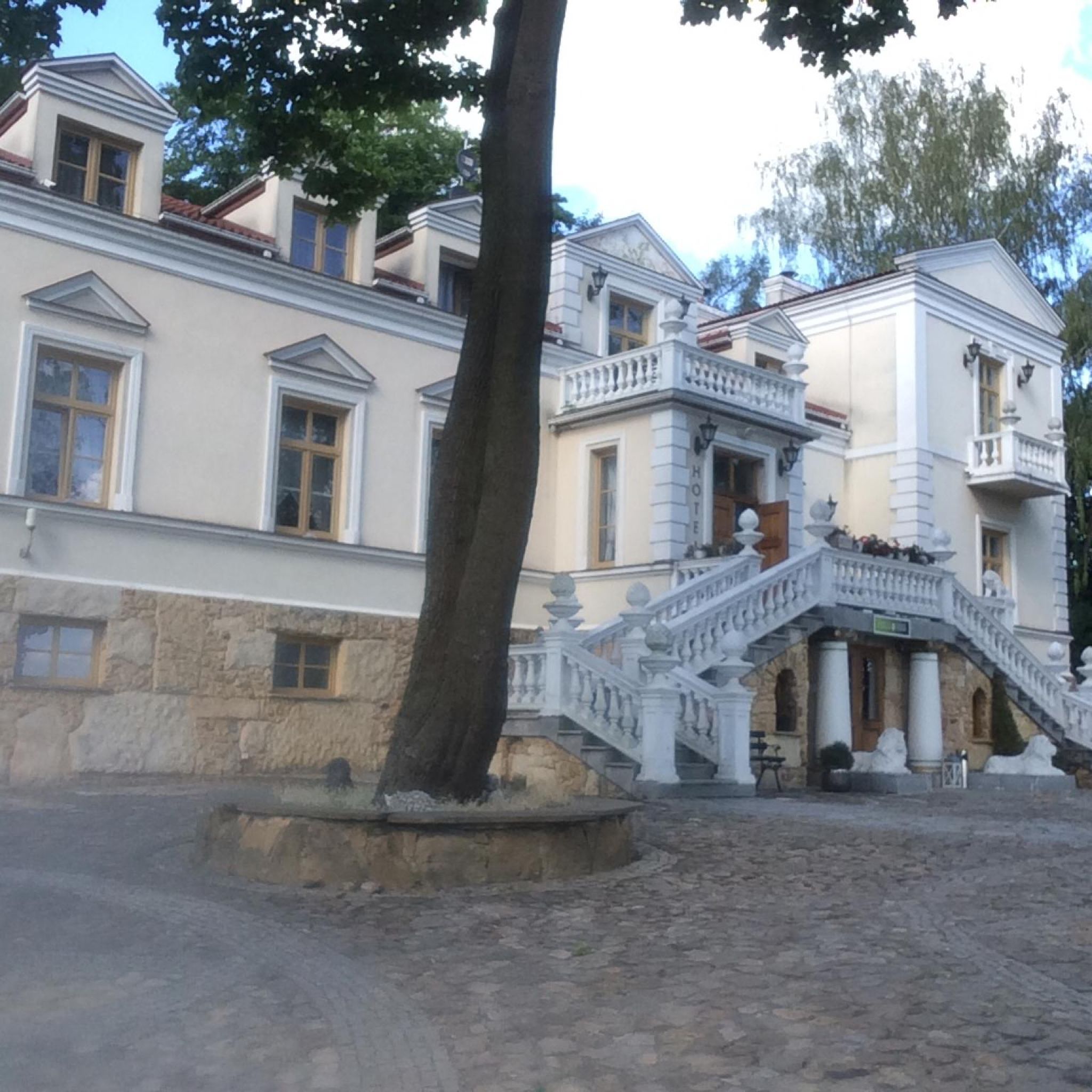
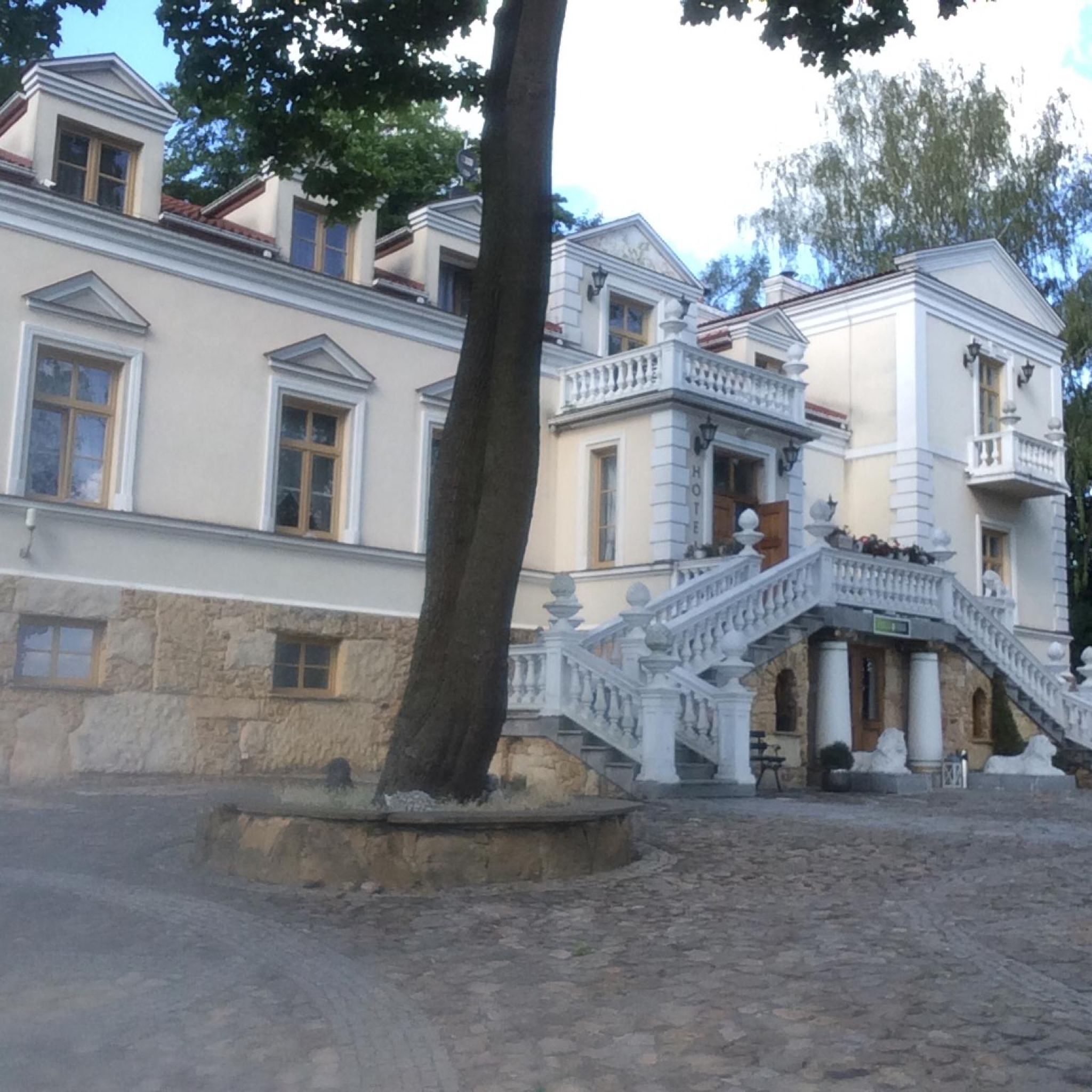
Attention, the object is inhabited
0
0
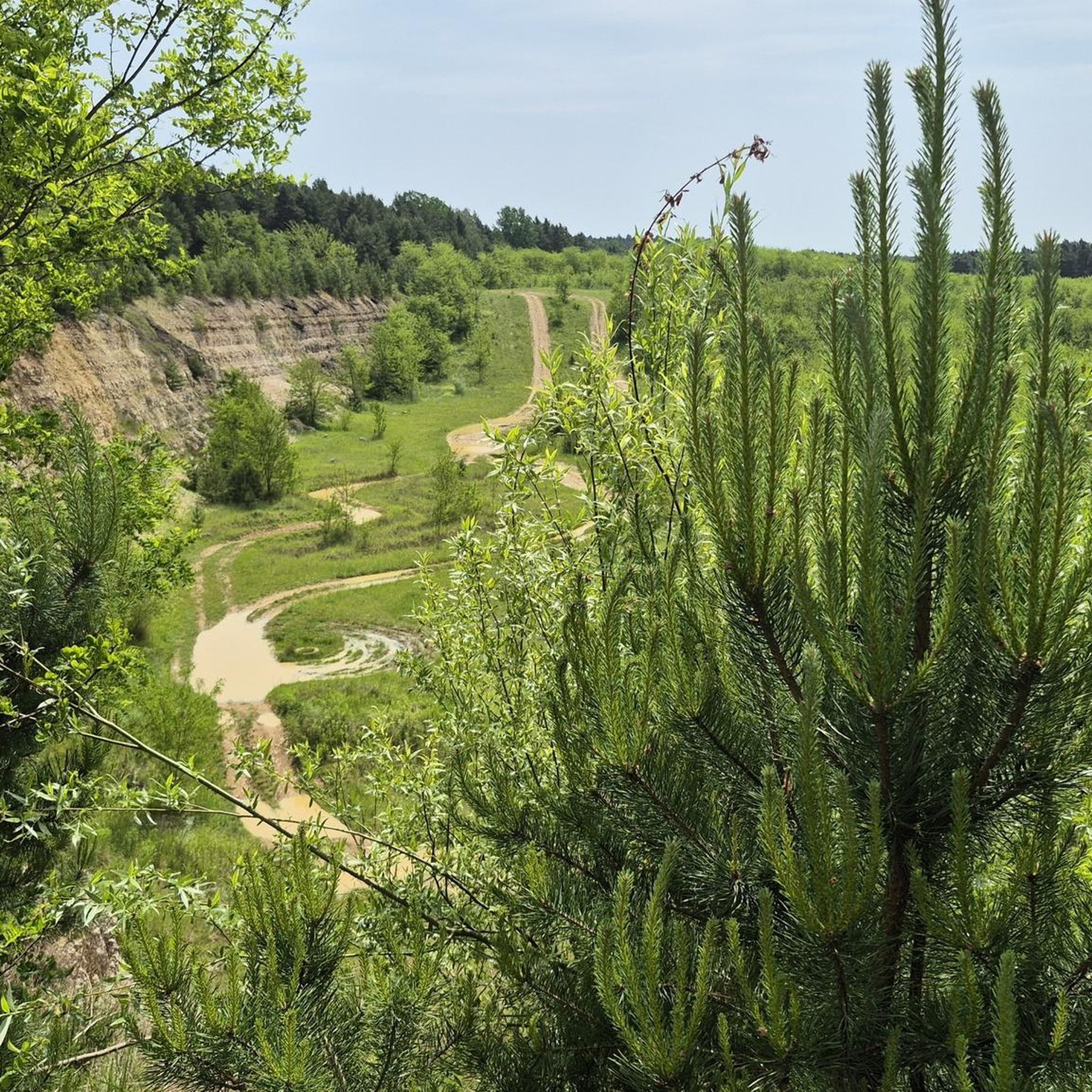
There are a lot of such gorges in the area, I recommend visiting them.
0
0
Further on the trail runs along the river, completely overgrown in places.
0
0
The trail is poorly marked in the terrain, GPS track necessary to maintain the course
0
0
In some places the trail is overgrown with bushes, it is recommended to avoid the higher parts of the gorge
0
0
Frequently Asked Questions
How many hiking trails are available in Rezerwat Krzemionki Opatowskie?
There are over 45 hiking routes in Rezerwat Krzemionki Opatowskie, offering a variety of experiences through this unique landscape. These trails cater to different fitness levels, with a majority being easy to moderate.
What are the typical difficulty levels for hiking in Rezerwat Krzemionki Opatowskie?
The hiking trails in Rezerwat Krzemionki Opatowskie are predominantly easy to moderate. Out of the 48 available routes, 36 are classified as easy and 12 as moderate, making the area accessible for most hikers. There are no difficult trails listed.
Are there family-friendly hiking options in Rezerwat Krzemionki Opatowskie?
Yes, many trails are suitable for families. The reserve's landscape, with its ancient flint mines and reconstructed prehistoric settlement, offers an engaging experience for all ages. An easy option is the Prehistoric Settlement – Symbol on the Rock loop from Krzemionki, which is just 1.2 miles long and takes about 30 minutes, perfect for younger explorers.
What kind of natural landscapes and features can I expect to see while hiking?
Hikers can explore a diverse landscape shaped by both nature and ancient human activity. You'll encounter thermophilic oak forests, Upper Jurassic limestone outcrops, and areas where natural forest flora succession is visible. The reserve is also home to 39 species of rare and protected plants, and a rich fauna including 70 bird species and various mammals.
What are the main attractions or points of interest along the hiking trails?
The primary attraction is the opportunity to explore the ancient flint mines, a UNESCO World Heritage site. A 1.5 km tourist route allows visitors to see original Neolithic mine workings, waste dumps, and shaft depressions. The most compelling part is the underground section, almost 500 meters long and 11.5 meters deep, offering a unique glimpse into prehistoric mining. You can also visit a reconstructed prehistoric settlement.
Are there any circular hiking routes in the reserve?
Yes, many of the routes in Rezerwat Krzemionki Opatowskie are circular. For example, the Dinosaur Statue in Bałtów – Haunted Mill loop from Bałtów is an easy 2.6-mile loop, and the more moderate Loess Gorge – Poland in Miniature Park loop from Bałtów covers 4.6 miles through varied terrain.
What do other hikers enjoy most about hiking in Rezerwat Krzemionki Opatowskie?
The area is highly rated by the komoot community, with an average score of 5.0 stars. Reviewers often praise the unique blend of prehistoric archaeology and natural beauty, particularly the opportunity to explore the ancient flint mines and the peaceful forest trails.
Is Rezerwat Krzemionki Opatowskie suitable for winter hiking?
While the region's natural beauty can be appreciated year-round, specific conditions for winter hiking are not detailed. However, the underground section of the mines might offer a unique experience regardless of surface weather. Always check local conditions and opening hours for attractions during winter months.
Are dogs allowed on the hiking trails in Rezerwat Krzemionki Opatowskie?
Information regarding dog-friendliness on the trails is not explicitly provided in the available regional research. It is advisable to check with the local reserve management or visitor center for their specific regulations regarding pets before planning your visit.
What is the best time of year to visit Rezerwat Krzemionki Opatowskie for hiking?
The reserve offers diverse natural habitats, including thermophilic oak forests, which would be particularly beautiful in spring and autumn. Spring brings blooming flora, while autumn showcases vibrant foliage. Summer provides warmer weather for exploration, and the underground mine tour offers a cool escape. Consider your preference for weather and natural scenery when planning your visit.
Are there any viewpoints or scenic spots along the trails?
The unique terrain, shaped by ancient mining activities, creates an interesting landscape with shaft depressions and waste dumps that offer distinct views. While specific named viewpoints are not highlighted, the combination of natural forests and the 5,000-year-old industrial landscape provides many scenic opportunities, especially within the context of its UNESCO World Heritage status.
What kind of geological features can be observed in Rezerwat Krzemionki Opatowskie?
The reserve is characterized by Upper Jurassic limestone outcrops, which are central to the ancient flint mines. Hikers can observe the geological structure that allowed for the formation of the striped flint, and how it was extracted by Neolithic miners. The underground tourist route offers the most direct insight into these geological formations.
Most popular routes in Rezerwat Krzemionki Opatowskie

Get inspired with the komoot mobile app


Explore more
Browse the best Hikes in other regions.
