Routes

Planner

Features

Updates

App

Login or Signup

Get the App

Login or Signup

Login or Signup

Routes
Places to see
Castles
Italy
Veneto

Vicenza

Top 20 Castles in Vicenza

Best castles in Vicenza offer a glimpse into the region's rich history, from medieval defense to inspiring literary tales. The area, known for its Palladian architecture, features various fortified structures in and around its province. These sites are often situated on hills, providing panoramic views of the surrounding plains and mountains. Exploring these castles allows visitors to connect with centuries of historical events and architectural evolution.

Best castles in Vicenza

  • The most popular castles is Forte Interrotto, a historical site that was a military barracks built in the 19th century and transformed into a fortress at the outbreak of the First World War. It features late medieval design, entirely made of stone, complete with a moat.
  • Another must-see spot is Bishops' Castle, a medieval castle that dominated the plain and the passage between the present-day provinces of Vicenza and Verona. Visitors can explore the remains of the keep and fragments of the walls that once surrounded the hill.
  • Visitors also love Forte Verena, an Italian fortress built between 1910 and 1914 to defend the Italian border with the Austro-Hungarian Empire at an altitude of 2,019 meters. It holds historical significance as the site where the first Italian cannon shot of World War I was fired.
  • Vicenza is known for medieval castles, fortified structures, and World War I forts. These sites offer a journey into the region's rich history, from ancient defenses to modern military heritage.
  • The castles in Vicenza are appreciated by the komoot community, with more than 490 upvotes and 60 photos shared across 24 highlights.

Last updated: May 16, 2026

Villa La Rotonda

Highlight • Historical Site

Nice tour, good bike paths ...

Translated by Google •

Tip by

See rides here

Send to Phone

Save

Forte Interrotto

Highlight • Historical Site

Fort Interrotto was a military barracks built in the 19th century and transformed into a fortress at the outbreak of the First World War to defend the Italian border against the Austro-Hungarian Empire. The fortress is located at 1,392 meters above sea level and is located in the municipality of Asiago. The name of the fort does not derive from the unfinished work but from the name of the mountain on which it was built, precisely Monte Interrotto (Italianization of the Cimbrian term Hinterrucks which means "mountain placed to the north").

Tip by

Save

Sign up now to discover places like this

Get recommendations on the best single tracks, peaks, & plenty of other exciting outdoor places.

Sign up for free

Forte Verena

Highlight • Historical Site

Forte Verena was an Italian fortress built between 1910 and 1914 to defend the Italian border with the Austro-Hungarian Empire at an altitude of 2,019 meters on the top of the homonymous mountain. The fort is located in the municipal territory of Roana, and faces with sheer walls the underlying Val d'Assa.
more information: it.wikipedia.org/wiki/Forte_Verena

Translated by Google •

Tip by

Save

Bishops' Castle

Highlight • Castle

The medieval castle of Brendola dominated the plain and the passage between the present-day provinces of Vicenza and Verona, which for centuries was a contested border between various states and factions. Precisely because of its important strategic position, it featured an imposing, complex, and fortified architecture. It is also known as the "Bishops' Fortress," having served as the bishop's jurisdiction and refuge for centuries.

Built at least as early as the year 1000, over the centuries it was the scene of battles and sieges, reflecting the vicissitudes of history and changes of power. In 1513, it was occupied by the Spanish and in 1514 reconquered by the Venetian Republic, which ordered its destruction to prevent the castle from "further serving as a potential refuge for Spaniards, Germans, or other enemies of the Republic."

Of the fortress, only the keep (under renovation) and fragments of the walls that once surrounded the entire hill and the old town remain.

prolocobrendola.it/castello-rocca-dei-vescovi

Translated by Google •

Tip by

Save

Fort Corbin (WWI)

Highlight • Historical Site

Until World War I, the present-day regions of Trentino and Veneto belonged respectively to the Austro-Hungarian Empire and the Kingdom of Italy: the Astico Valley was a direct route of communication between the two states, crossing the border.

Fort Punta Corbin was built on a spur on the western edge of the Asiago Plateau, overlooking the valley: a strategic and dominant position, to keep the border under fire and block a possible enemy invasion, along with the adjacent Forte Casa Ratti (now abandoned and overgrown by woods), on the opposite side of the valley. Built between 1906 and 1914, it was the largest and most complex fort on the plateau, designed as a model fortress.

The structure was soon disarmed to place the howitzers in more concealed and useful positions; Tree trunks were placed in place of the cannons, so that the enemy, from afar, would think the fort was still armed!... and indeed, they continued to attack! It was heavily bombed on May 15, 1916, as a preparatory phase for the Strafexpedition; the Italians abandoned it to retreat to the Cengio, and the Austro-Hungarians occupied it for a month, only to abandon it with the retreat of the Spring Offensive. From then until the end of the war, it was used as an observation post.

Despite being hit by about fifty shells, it did not suffer serious damage: it was demolished after the war by salvagers and the state to recover its metal. Having become unusable, it was put up for sale by the state and purchased by the local Panozzo family, who have restored and enhanced it for three generations now.

Private property, opening days and hours vary by season (see website), refreshments available, paid visits, guided tours by reading the numbered panels or listening to the same text via an audio guide app (app.fortecorbin.it). Above the café, a historical museum with artifacts, letters, and photographs from the Great War.

it.wikipedia.org/wiki/Forte_Corbin
fortecorbin.it
guerra-allorizzonte.it/orizzonte/punta-corbin.html

Translated by Google •

Tip by

Save

Monte Lisser Fort

Highlight • Historical Site

Italian fort of the Great War. It can be visited by reservation. 360 degree panorama

Translated by Google •

Tip by

Save

Chess Square, Marostica

Highlight • Historical Site

Beautiful town square, framed by the castle wall

Translated by Google •

Tip by

Save

Villa Castle or Romeo's Castle

Highlight • Castle

A medieval fortress, destroyed and rebuilt several times over the centuries, built on the hills of Montecchio Maggiore for its strategic position along the Via Postumia, controlling the passage between Verona and Vicenza. A previous fortification likely existed in Roman times.

It is known as "Romeo's Castle" by tradition and folklore: Luigi da Porto, a military leader and man of letters, retired from military life and wrote the first novel about Romeo and Juliet in 1531 in his residence in Montorso, overlooking the two castles. In the 19th century, at the height of Romanticism, legend arose that the two castles, so close yet so far away, inspired him to imagine them as belonging to the rival families of the Montecchi and the Cappelletti. Shakespeare later drew inspiration from his work to make the tragic love story famous.

Today, the castle occasionally hosts cultural events (concerts, theater, open-air cinema); it is open on weekends (see link); Free access to both the walls and the tower, from the top of which you can enjoy a magnificent 360° panorama.

prolocoaltemontecchio.it/cosa-vedere/castelli-di-giulietta-e-romeo
it.wikipedia.org/wiki/Castelli_di_Romeo_e_Giulietta

Translated by Google •

Tip by

Save

A medieval fortress, destroyed and rebuilt several times over the centuries, built on the hills of Montecchio Maggiore for its strategic position along the Via Postumia, controlling the passage between Verona and Vicenza. A previous fortification likely existed in Roman times.

It is known as "Juliet's Castle" by tradition and folklore: Luigi da Porto, a military leader and man of letters, retired from military life and wrote the first story of Romeo and Juliet in 1531 in his residence in Montorso, overlooking the two castles. In the 19th century, at the height of Romanticism, legend arose that the two castles, so close yet so far away, inspired him to imagine them as belonging to the rival families of the Montecchi and the Cappelletti. Shakespeare later drew inspiration from his work to make the tragic love story famous.

Today, the castle houses a bar/restaurant, and admission (free) is open during its opening days and hours (see link); From the panoramic terrace, you can enjoy a magnificent 360° view of the surrounding valleys and hills, covered in greenery and cultivated fields.

prolocoaltemontecchio.it/cosa-vedere/castelli-di-giulietta-e-romeo
it.wikipedia.org/wiki/Castelli_di_Romeo_e_Giulietta

Translated by Google •

Tip by

Save

Torrione di Porta Castello

Highlight • Historical Site

Vicenza's medieval western city gate is quite impressive. The foundations date from the 12th century. The name of the nearby square tells us that this location was the site of the great Ezzelini fortress in the 14th century. It was a square area with a castle and a wet vest. In the 17th century the fortress lost its defensive role and the site changed shape and purpose. The north wing was converted into a palace overlooking the old garden. Dr fortress was almost completely dismantled by the 17th and 18th centuries. The only silent witnesses from these early Middle Ages are the Torrione and the parade ground.

Translated by Google •

Tip by

Save

Sign up for free to discover even more castles in Vicenza.

Sign up for free

Already have an account?

Start today with a free account

Your next adventure awaits.

Login or Signup

Popular around Vicenza
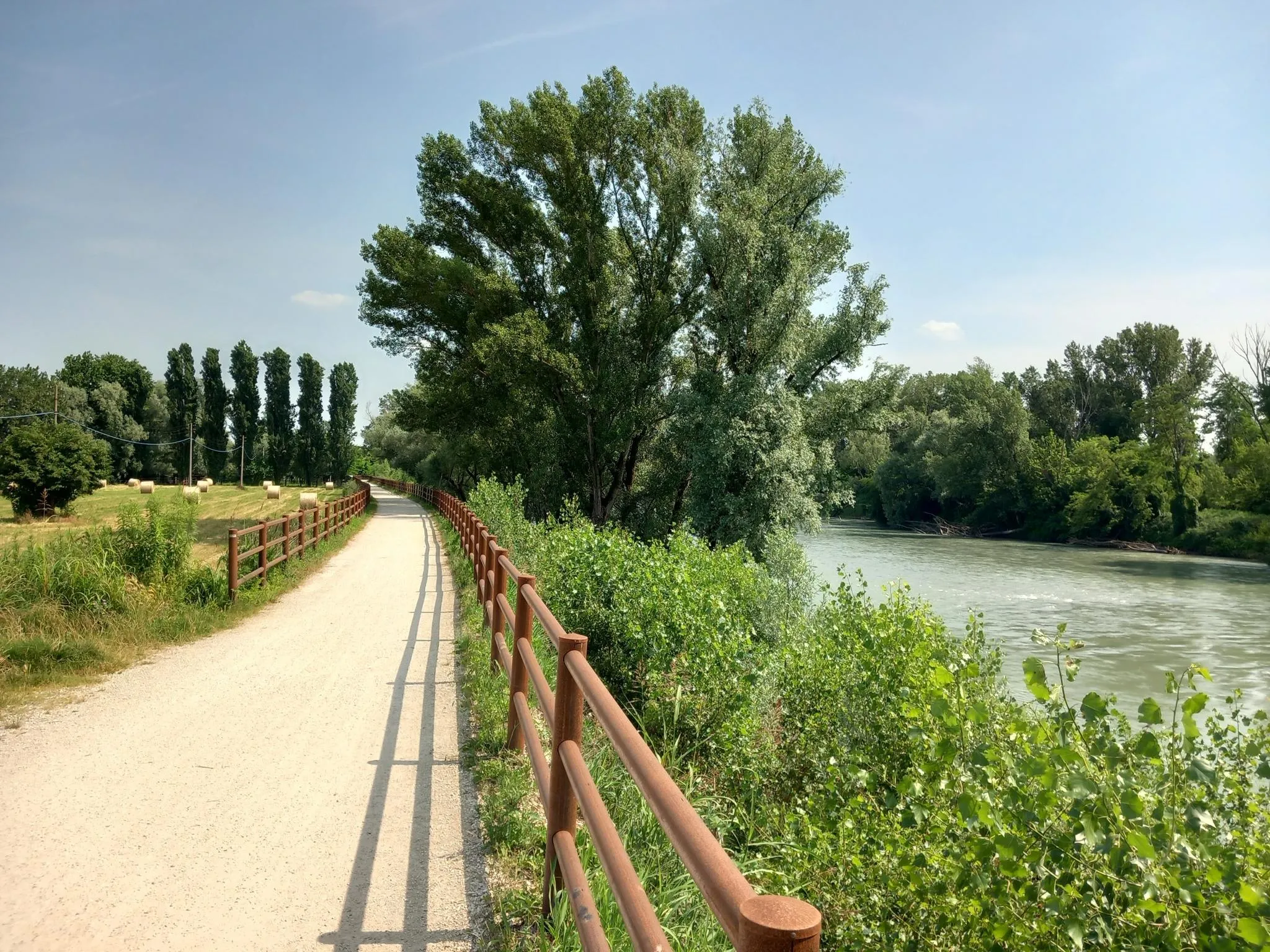
Via Postumia – Hike between the Tyrrhenian and Adriatic seas
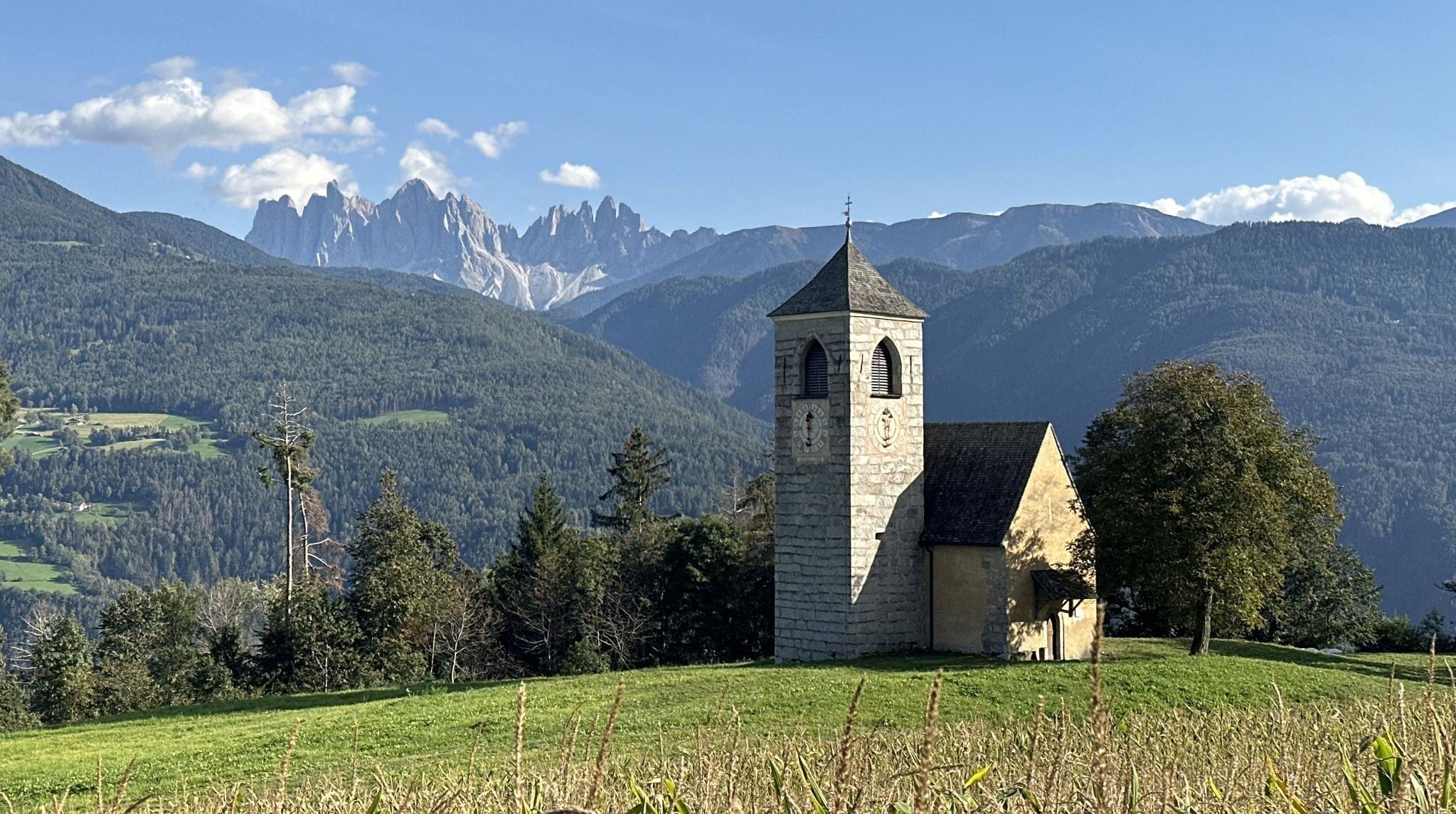
Via Romea Germanica – History, nature and spirituality
Veneto and Trentino by bike – between the Lagoon and the Dolomites
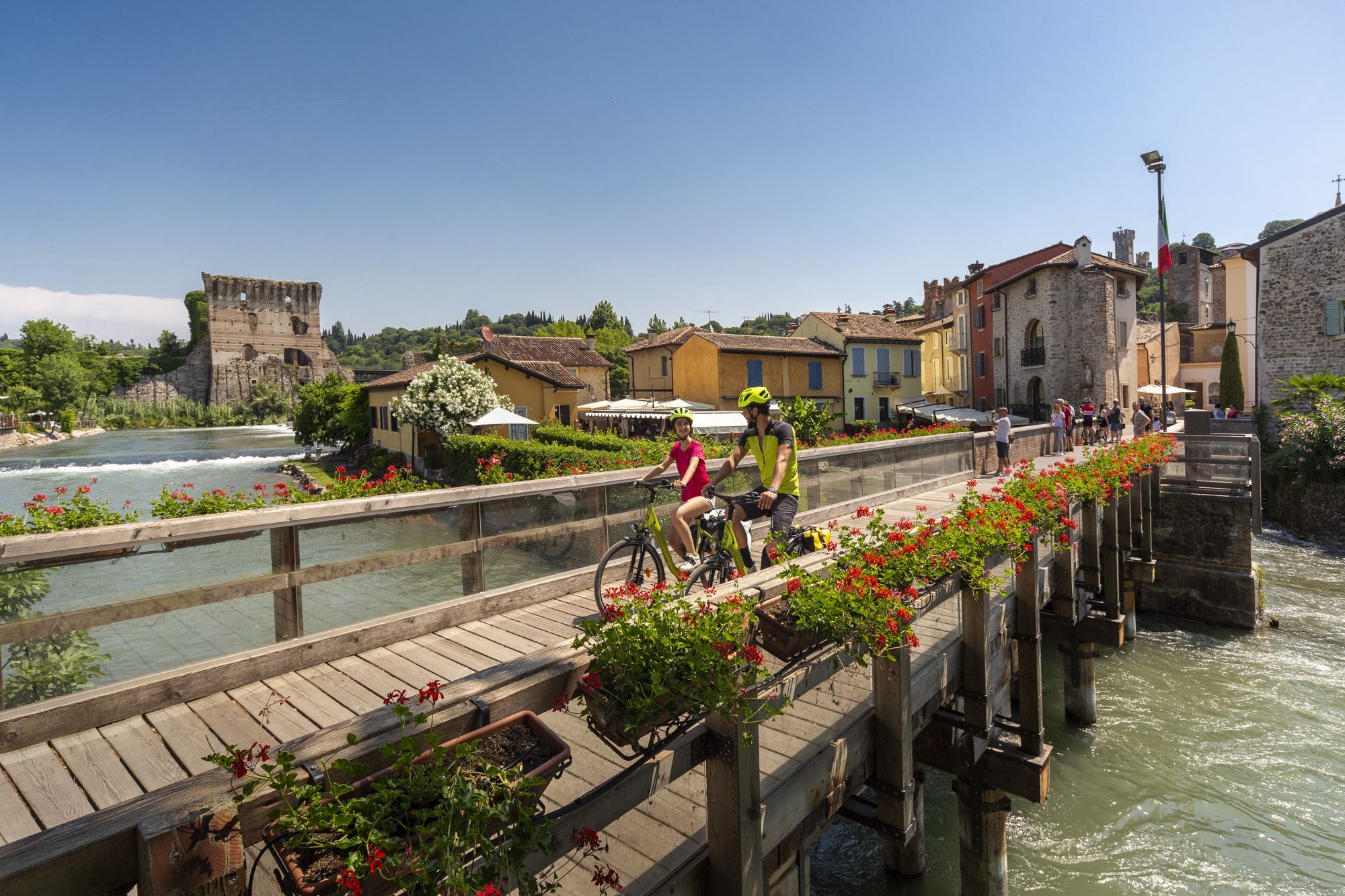
Explore Veneto at a slow pace – day trips by bike
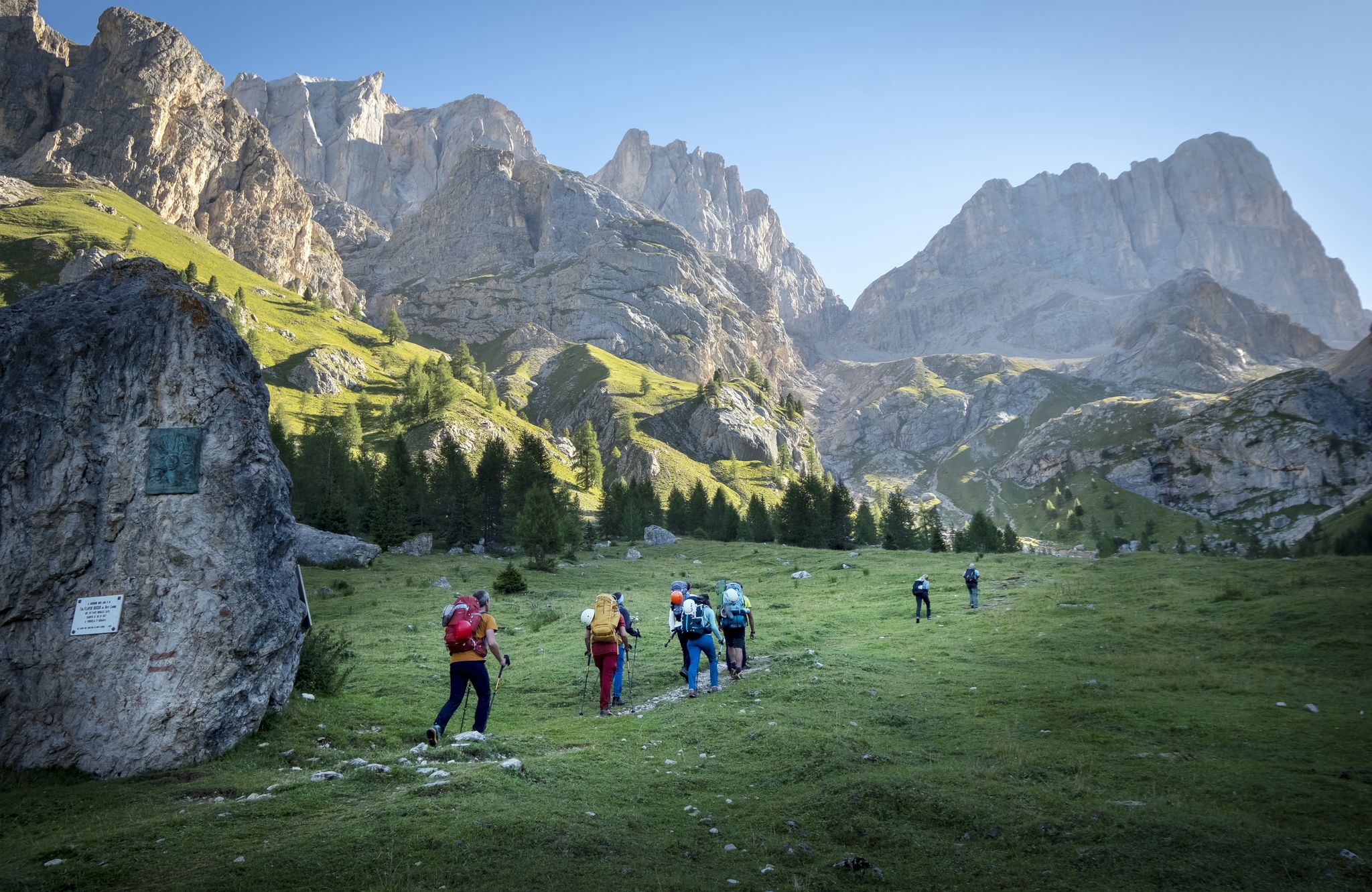
The Path of Peace – journey into Trentino's history
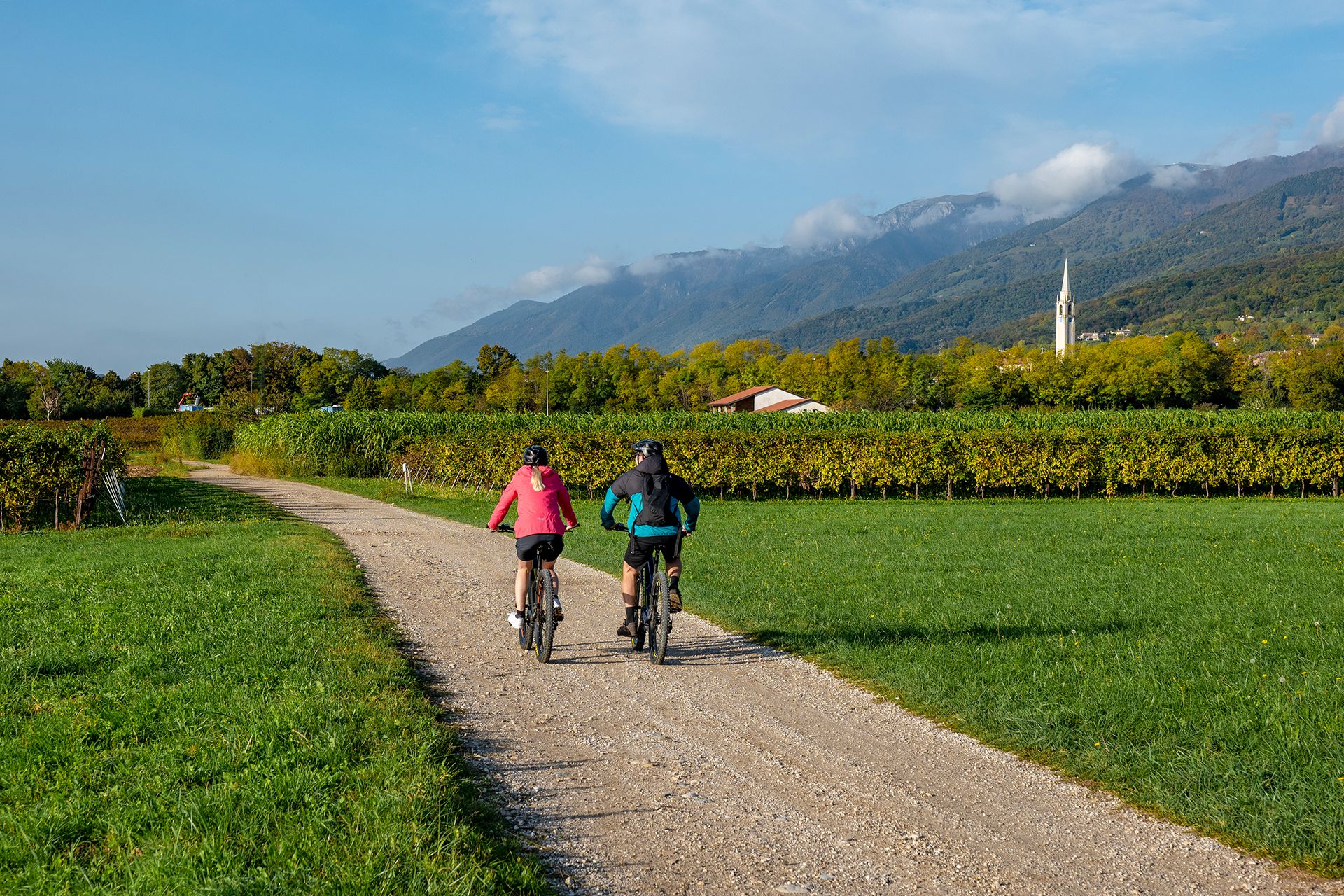
Cycling in the presence of Grappa – where nature and culture meet
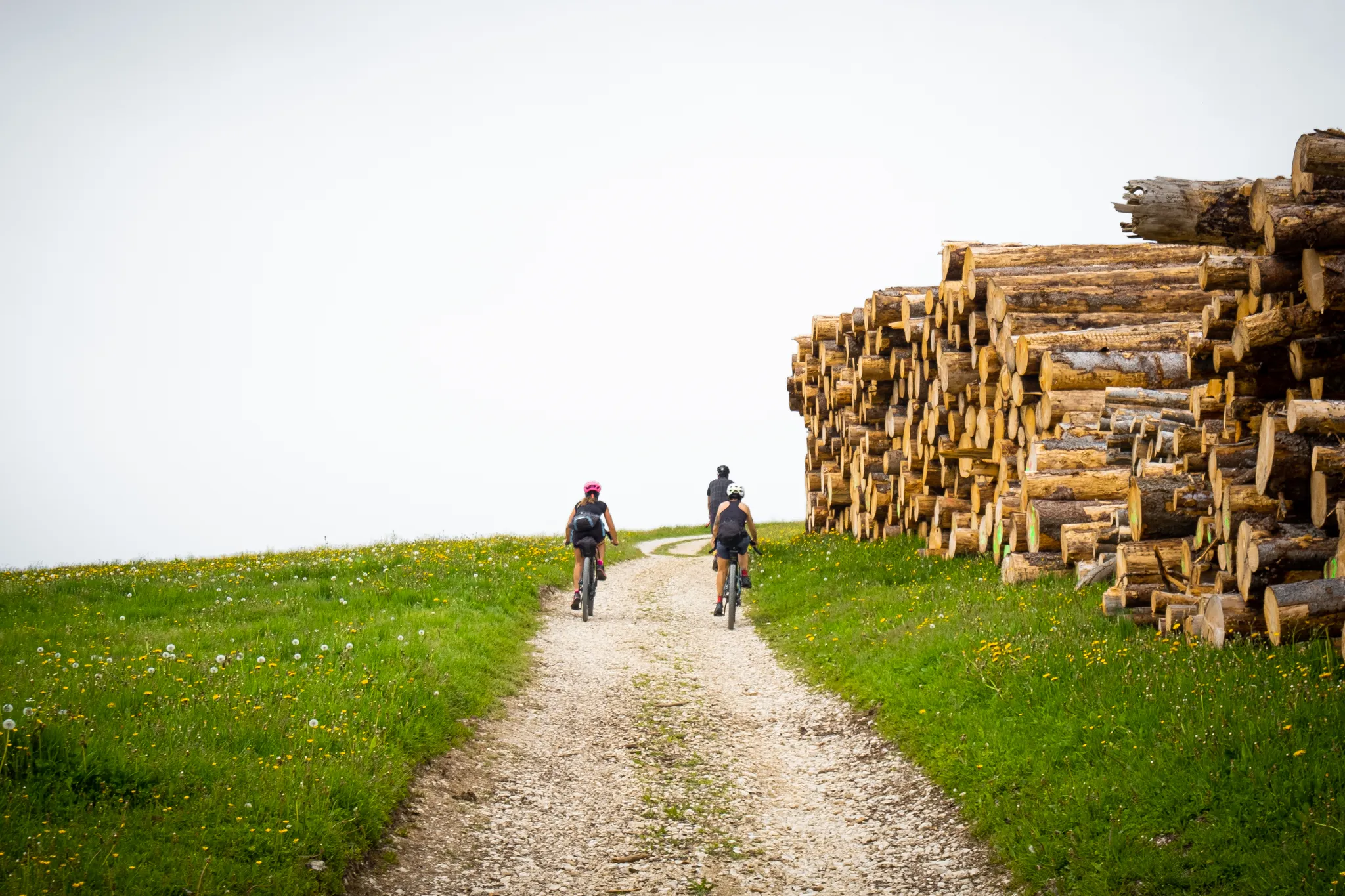
Via delle Prealpi – On the way with the MTB in the Venetian Prealps
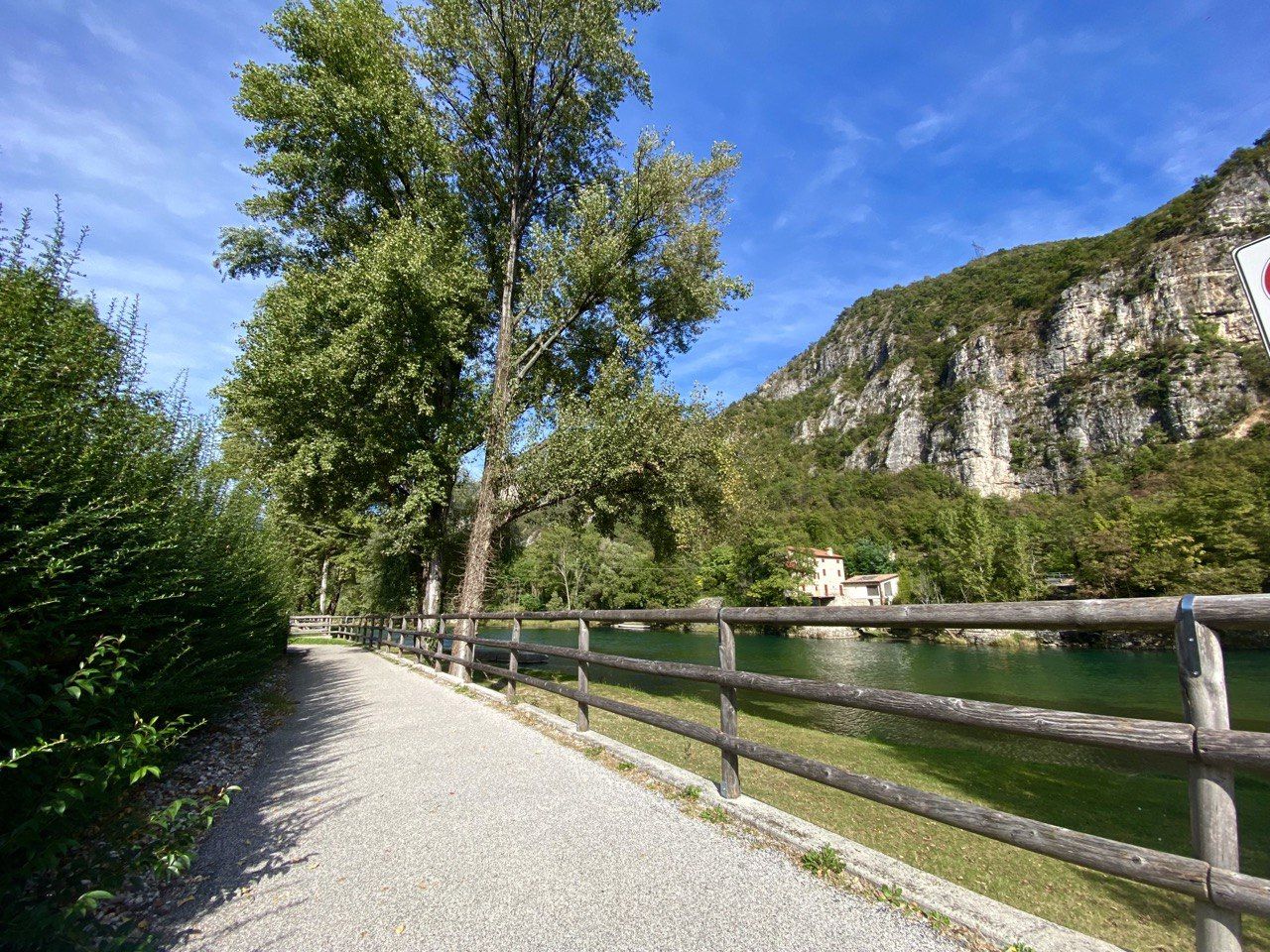
Cycle along Italy’s Brenta river – Brenta Cycle Route
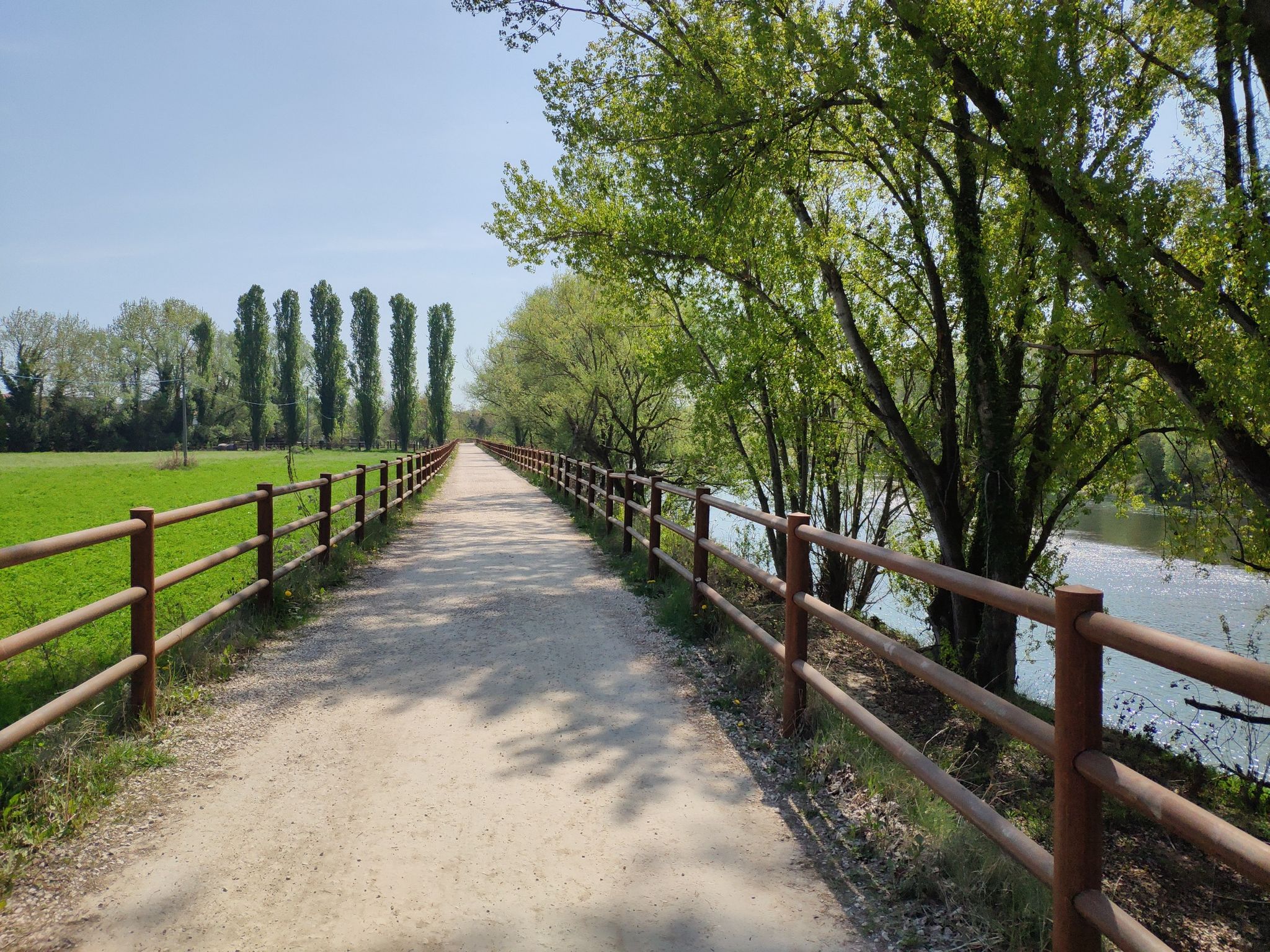
From the sea to the mountains – Veneto Gravel 2023

Hike an old smugglers’ road – Alta Via del Tabacco

Other adventures in Vicenza

Via Postumia – Hike between the Tyrrhenian and Adriatic seas

Hiking Collection by

Francesco | Cyclo Ergo Sum

Tips from the Community

L'uomo della pioggia
April 11, 2026, Piazza degli Scacchi, Marostica

Piazza degli scacchi very beautiful

Translated by Google

0

0

Loris
January 6, 2026, Forte Verena

"...The fort was still, austere. A place that spoke of men tested by cold, fear, and anticipation. In that moment I felt small, but also strangely attuned..."

Translated by Google

0

0

Manuel
December 13, 2025, Forte Interrotto

Fantastic

Translated by Google

0

0

It has been restored for years and transformed into an eco-museum, absolutely worth a visit.

Translated by Google

0

0

Entrance to the actual fort is subject to a fee.

Translated by Google

0

0

Beautiful Castle on the route

Translated by Google

0

0

It is a defensive military barracks built in the second half of the 19th century, entirely in stone, which overlooks the town of Camporovere and dominates the entire central basin of the Plateau. From a historical point of view, the Forte Interrotto represents a completely exceptional case. It was in fact born from a military architecture project that still followed late medieval canons, recognizable in the 6 gigantic central arches and in the imposing lateral bastions with 115 positions for riflemen. In 1916 it was occupied by the Austro-Hungarians and transformed into a stronghold of the imperial line.

Translated by Google

1

0

Frequently Asked Questions

What historical stories are associated with castles in the Vicenza region?

The Vicenza region is rich in history, with castles tied to both legendary tales and significant conflicts. For instance, the 'Castles of Romeo and Juliet' in Montecchio Maggiore, specifically Villa Castle (Romeo's Castle) and Bellaguardia Castle (Juliet's Castle), are fabled to have inspired Luigi da Porto's novella, which influenced Shakespeare. The area also features several World War I forts like Forte Interrotto and Forte Verena, which played crucial roles in defending the Italian border.

Are there family-friendly castles to visit in Vicenza?

Yes, several castles in the Vicenza area are suitable for families. Villa Castle (Romeo's Castle) and Torrione di Porta Castello are categorized as family-friendly. Additionally, the digital visit experience at Castello di Thiene can be engaging for all ages, blending ancient architecture with modern technology.

Which castles offer the best panoramic views in the Vicenza area?

Many castles in the Vicenza region are situated on hills, providing excellent panoramic views. Forte Interrotto offers beautiful views of Camporovere and Asiago, especially at sunset. Forte Verena, known as 'the Dominator of the Plateau,' provides a commanding view of the entire Asiago plateau. The medieval tower of Torrione di Porta Castello also offers a 134-foot-high view of Vicenza's historic center.

What outdoor activities can I do near the castles in Vicenza?

The areas around Vicenza's castles are excellent for outdoor activities. You can find numerous routes for mountain biking, hiking, and running. For MTB enthusiasts, consider trails like 'The Old Train Road and its malghe' or 'Monti di Asiago e sentieri della Prima Guerra Mondiale.' Hikers can explore routes such as 'Calà del Sasso – The 4,444 Steps Trail' or 'San Michele to Rubbio via Silan Waterfalls.' Runners might enjoy 'Road of 52 Tunnels and Scarubbi Road Loop.' You can find more details on these and other routes in the MTB Trails in Vicenza, Waterfall hikes in Vicenza, and Running Trails in Vicenza guides.

What is the best time of year to visit castles in Vicenza?

Visiting castles in Vicenza is enjoyable throughout the year, but each season offers a different experience. Spring and autumn provide pleasant temperatures for exploring and hiking around the castle grounds. Summer is ideal for cultural events and open-air theatre performances often hosted at sites like Villa Castle (Romeo's Castle). Winter can offer a unique, serene atmosphere, especially for the mountain forts, though some facilities might be limited.

Are there any unique or 'hidden gem' castles in the Vicenza area?

While not entirely hidden, Castello di Thiene offers a unique experience with its modern, immersive digital visit, incorporating augmented reality and theatrical performances to bring its history to life. This blend of ancient architecture and modern technology makes it a distinctive visit compared to more traditional castle explorations.

What are the options for dining or cafes near the castles?

Some castles, like Bellaguardia Castle (Juliet's Castle), house a restaurant directly on-site, offering dining with panoramic views. For other locations, particularly those within or near towns like Thiene or Vicenza, you'll find cafes and restaurants in the surrounding historical centers. For more remote forts, it's advisable to check local amenities beforehand or bring your own provisions.

How long does it typically take to visit a castle in Vicenza?

The duration of a visit can vary depending on the castle and your level of interest. For smaller sites or ruins like the remains of Bishops' Castle, an hour or two might suffice. Larger sites or those with extensive grounds, museums, or digital experiences, such as Castello di Thiene, could easily take half a day. If you plan to combine a castle visit with nearby hiking or exploring, allocate more time.

Is public transport available to reach castles in the Vicenza region?

Public transport options vary significantly by castle. Castles located closer to Vicenza city or within larger towns like Thiene (for Castello di Thiene) are generally more accessible by local buses or trains. For more remote sites, especially the mountain forts like Forte Verena or Forte Interrotto, reaching them often requires a car, followed by a hike or walk. It's recommended to check specific routes and schedules for each castle you plan to visit.

Are there any castles in Vicenza that are particularly suitable for beginners or those new to castle exploration?

For those new to castle exploration, the 'Castles of Romeo and Juliet' in Montecchio Maggiore offer an engaging introduction with their literary connection and scenic setting. Villa Castle (Romeo's Castle) provides medieval ruins and cultural events, while Bellaguardia Castle (Juliet's Castle) is more extensively reconstructed and includes a restaurant. These provide a good balance of history, views, and amenities without being overly strenuous to explore.

What kind of architectural styles can I expect to see among Vicenza's castles?

Vicenza's castles showcase a range of architectural styles reflecting different historical periods. You'll find medieval defensive architecture, such as the foundations of the Torrione di Porta Castello dating back to the 12th century, and the perimeter walls and donjon of Villa Castle (Romeo's Castle). The World War I forts, like Forte Interrotto, exhibit late medieval design with stone construction and moats, despite being built in the 19th century, contrasting with the more modern concrete fortifications of the early 20th century.

Can I visit the underground quarries near Juliet's Castle?

Yes, beneath Bellaguardia Castle (Juliet's Castle) in Montecchio Maggiore are the 'Priare,' ancient underground quarries dating back to Roman times. These quarries, which also served as air-raid shelters during WWII, are now open for guided tours, offering a unique glimpse into where stones for Vicenza's palaces were once carved.

Most popular routes in Vicenza

Hiking in Vicenza

Most popular attractions in Vicenza

Places to see

Store rating

Get inspired with the komoot mobile app

With a free komoot account, you can easily find, customize, and navigate endless outdoor adventures.

or

Join komoot Now

Store rating

Didn’t find what you were looking for?

Explore Vicenza’s best castles region by region:

Altavilla VicentinaChiampoZermeghedoLongareVillaverlaAlbettoneBrendolaArzignanoMontecchio MaggioreQuinto VicentinoNogarole VicentinoGambuglianoGranconaPojana MaggioreVal LionaNantoPozzoleoneMontegaldaRomano D'EzzelinoRotzoPedemonteRoanaTonezza Del CimoneValdasticoLugo Di VicenzaBressanvidoSandrigoAsiagoZimellaBroglianoMontebello VicentinoAgugliaroSossanoGrumolo Delle AbbadesseCartiglianoArcugnanoCostabissaraMossanoCassolaZuglianoAsigliano VenetoIsola VicentinaBarbarano MossanoTrissinoSchiavonSaregoCastelgombertoCastegneroLonigoTezze Sul BrentaGambellaraCreazzoZovencedoOrgianoRosàSovizzoMontevialeNoventa VicentinaValstagnaTorri Di QuartesoloCornedo VicentinoVillagaNoveCaldognoDuevilleMontorso Vicentino

Explore more

Looking for the best castles somewhere else? Discover other guides in Vicenza:

Nearby adventure guides

Things to Do around Thiene

background

Get ready to conquer new peaks

Sign up for Free

Explore
RoutesRoute plannerFeaturesHikesMTB TrailsRoad cycling routesBikepackingSitemap
Download the app
Follow Us on Socials

© komoot GmbH

Privacy Policy