Top 20 Caves around Gutenstein
Caves around Gutenstein are found in the Gutenstein Alps in Lower Austria, a region characterized by extensive limestone formations. This geological landscape contributes to the presence of numerous caves and subterranean features. The area offers a mix of developed show caves and smaller, less accessible natural formations. These caves provide insights into geological processes and historical uses.
Best caves around Gutenstein
- The most popular caves is Rudolf Decker via ferrata, Steinwand Gorge, a climb that leads into a spectacular…
Last updated: August 22, 2026
Rudolf Decker via ferrata, Steinwand Gorge
Highlight • Climb
Translated by Google •
Tip by

Türkenloch Cave (Steinwand Gorge)
Highlight • Cave
Translated by Google •
Tip by

Sign up now to discover places like this
Get recommendations on the best single tracks, peaks, & plenty of other exciting outdoor places.
Sign up for free
Myralucke Cave
Highlight • Cave
Translated by Google •
Tip by

Frauenluckensteig (Hohe Wand)
Highlight • Climb
Translated by Google •
Tip by

Trümmer Cave
Highlight • Cave
Showing Translation
Tip by

Sign up for free to discover even more caves around Gutenstein.
Sign up for free
Already have an account?
Start today with a free account
Your next adventure awaits.
Login or Signup
Popular around Gutenstein
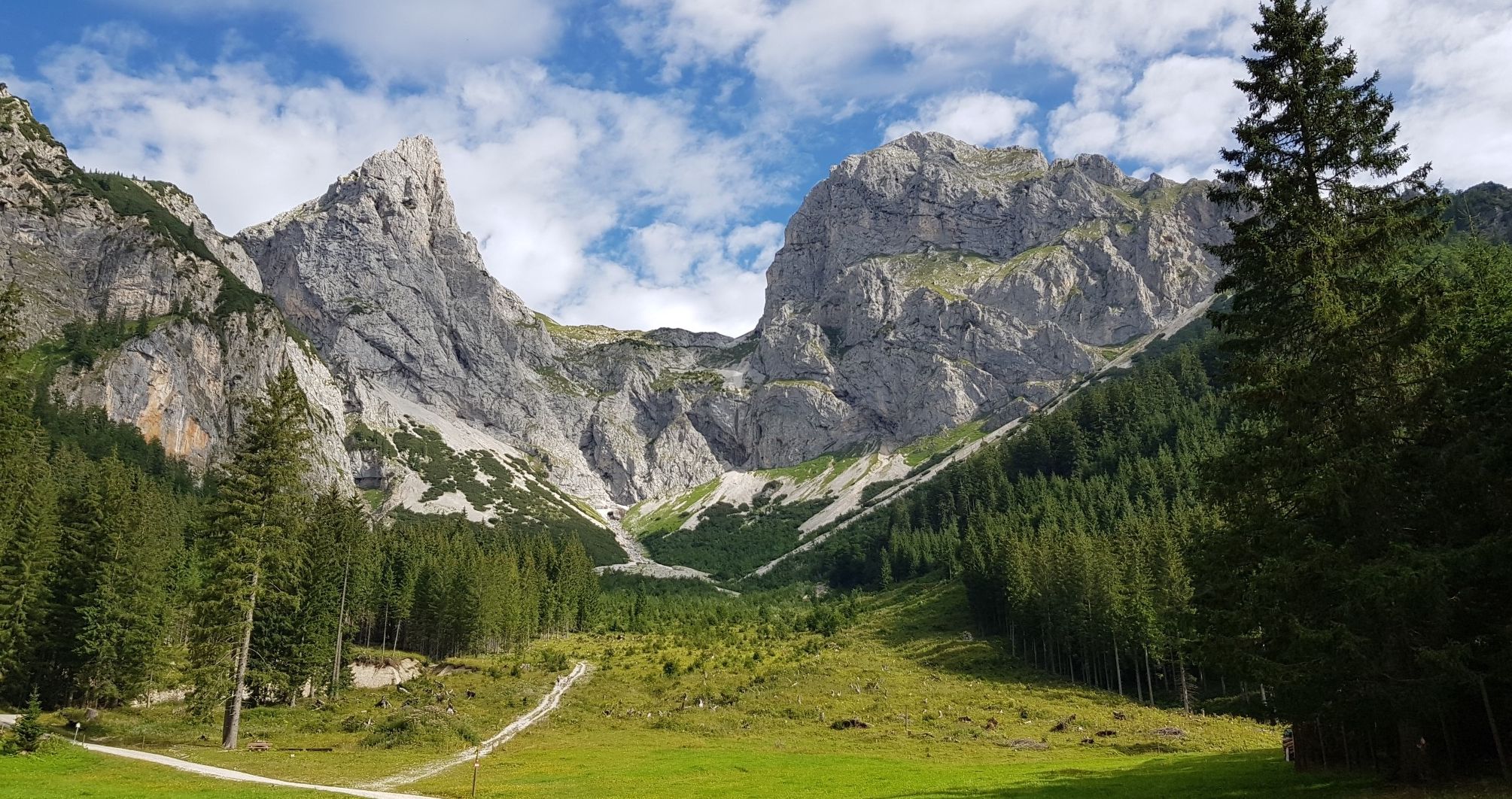
North Alpine Trail 01 – Hike across Austria in 49 days
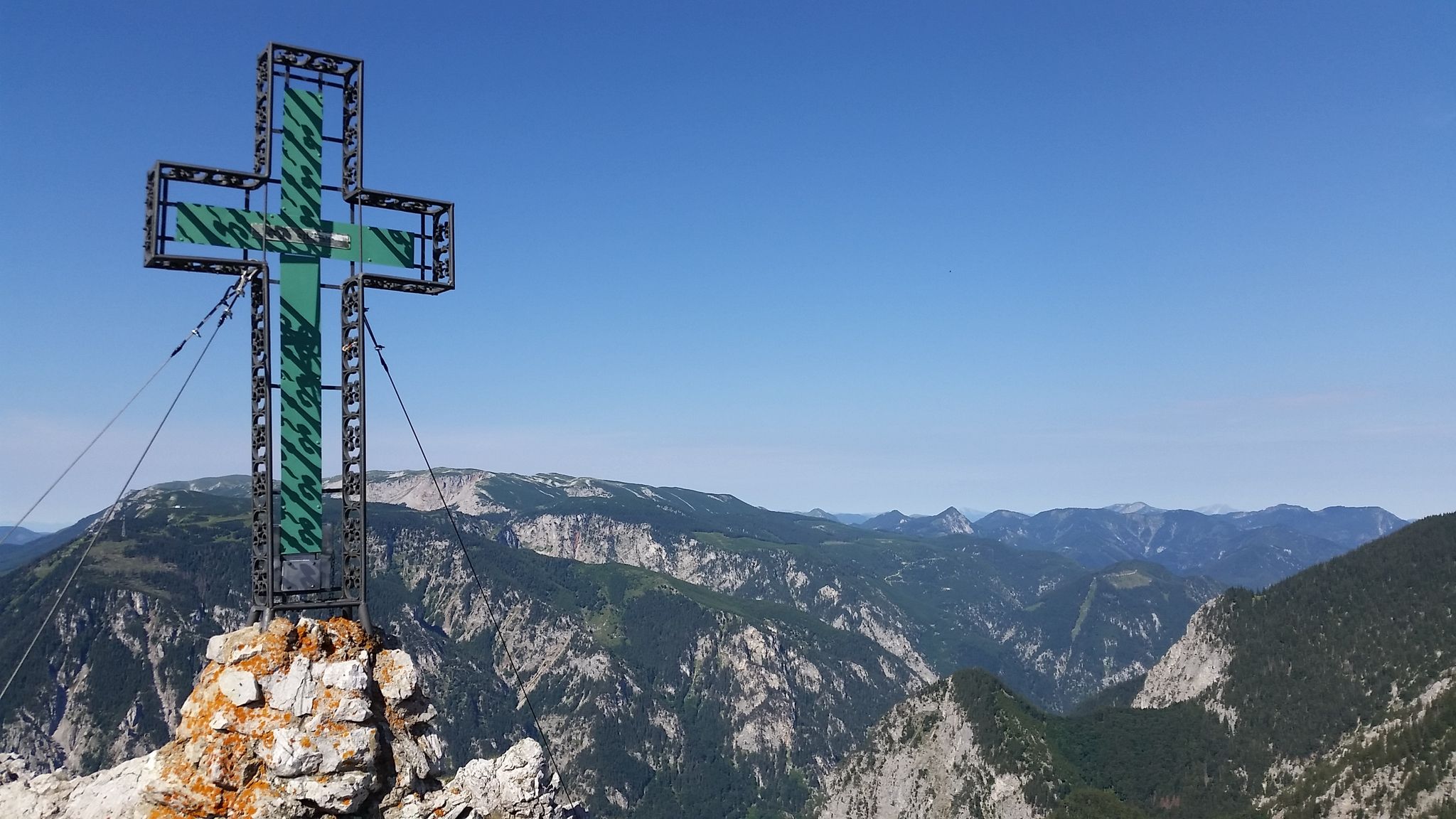
Viennese Alpenbogen – Lower Austria's most beautiful peaks
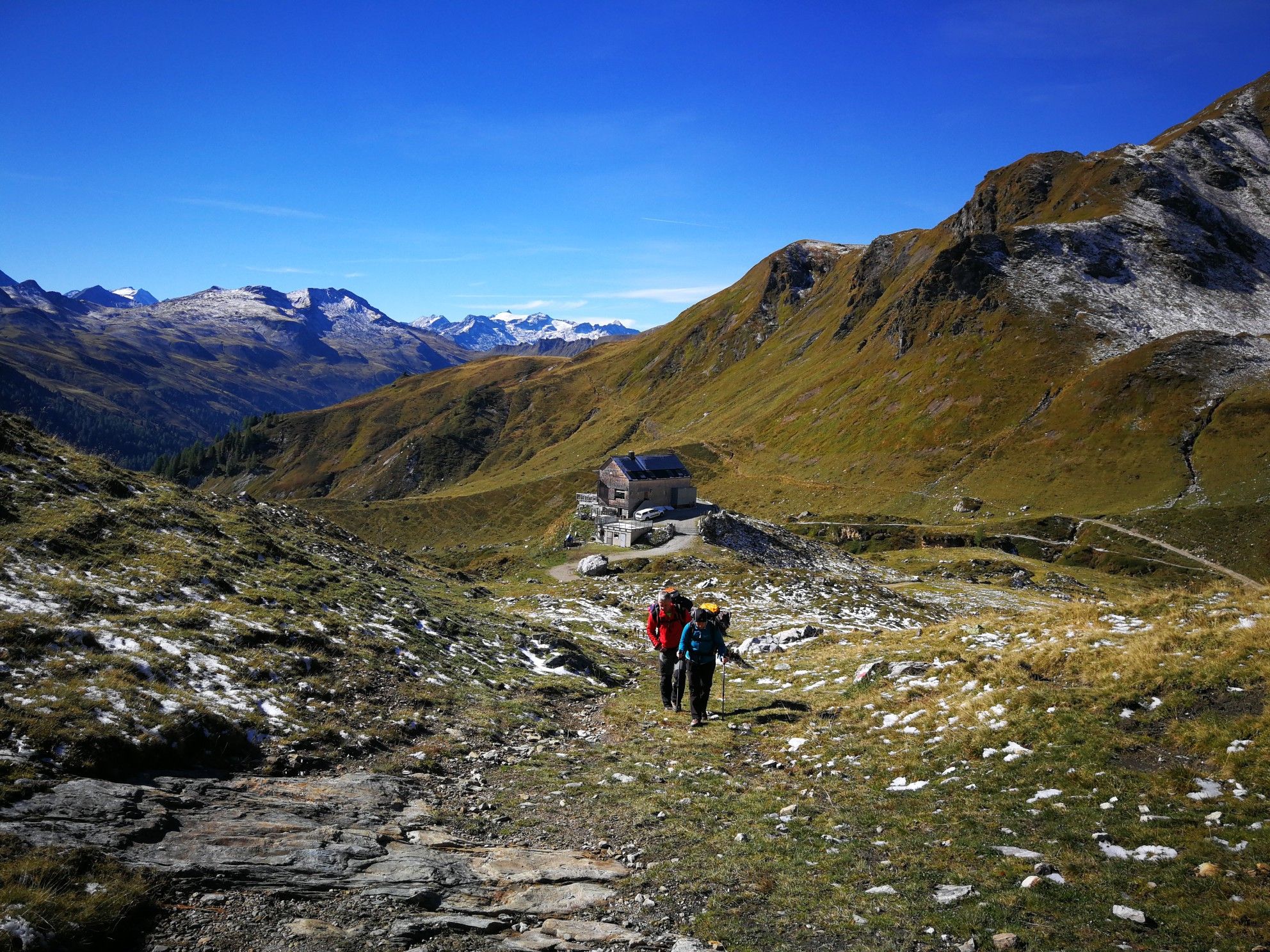
Lower Austria to Carinthia — our favourite huts in Austria
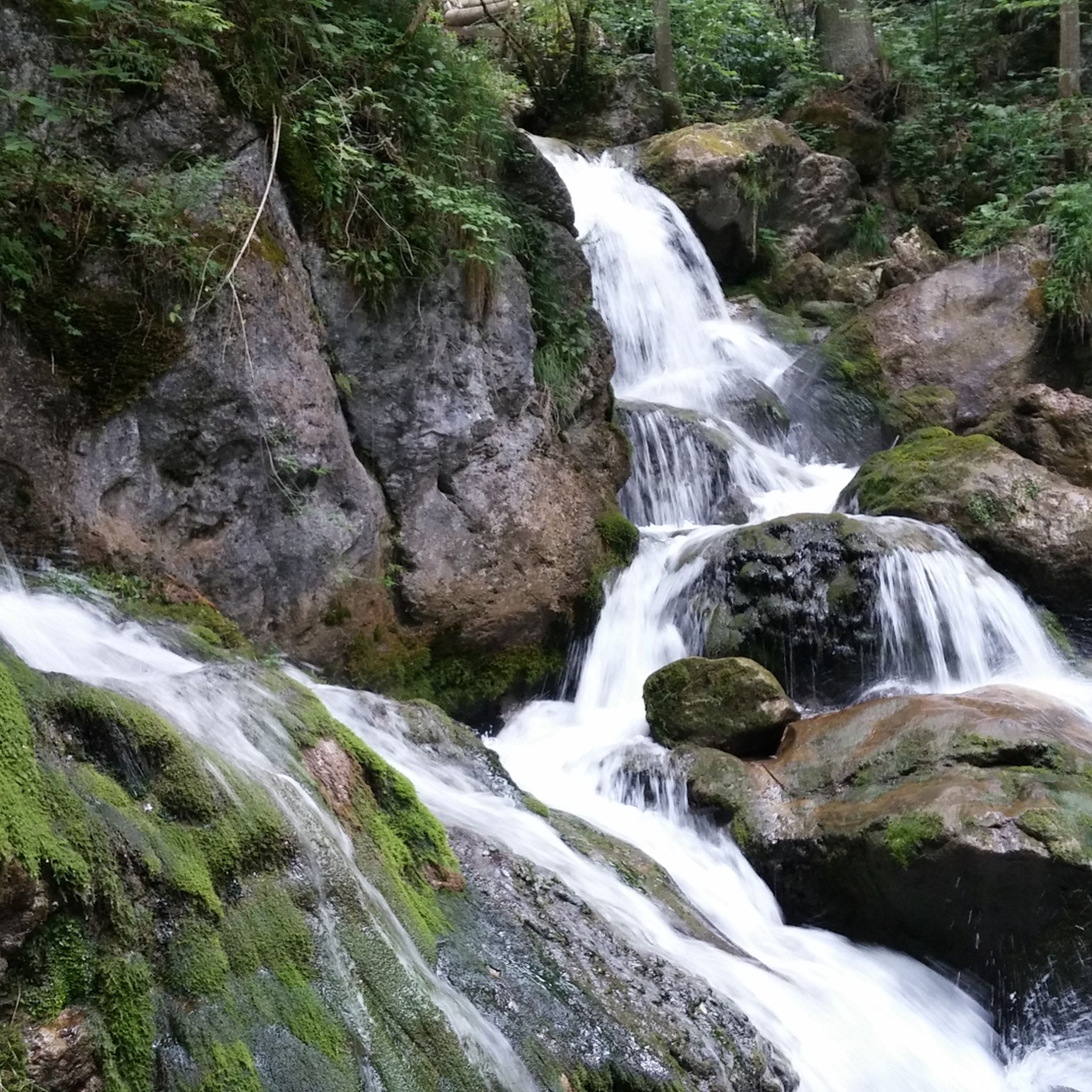
Hiking around Gutenstein
Cycling around Gutenstein
Road Cycling Routes around Gutenstein
MTB Trails around Gutenstein

Mountain Hikes around Gutenstein
Running Trails around Gutenstein
Other adventures around Gutenstein


Tips from the Community

Access: It is accessible via various hiking trails, often as part of a circular hike on the Hohe Wand. Character: It is a rock formation that, as the name suggests, was formed by fallen rock fragments.
1
0

Unfortunately, at the end of June 2025, not a drop of water was to be seen🙈
0
0

If the rain is off for an extended period, this is a beautiful cave to explore. However, you shouldn't enter it if the weather is bad.
0
0


More of a shelter than a cave. The Trümmerhöhle (Rubble Cave) is located at about 811 meters above sea level in the Hohe Wand area and is an interesting natural intermediate point along the hiking trails. The rocky cave entrance is somewhat hidden in the wooded surroundings and gives the section of the trail an original character. A short detour is especially worthwhile as a change from the viewpoints and wider paths on the plateau.
4
0

The correct title for this highlight is probably: Rubble Cave and not January 7th!
1
0

The Myralucke is a cave on the Unterberg in Lower Austria from which the Mirabach rises, which also forms the Myra Falls. The cave is an episodically active water cave and has two siphon sections that can only be overcome by diving and sometimes with a rubber dinghy. The total length of the cave is over 306 m and the total height difference is 19 m. There are numerous legends surrounding the Myralucke, for example about a girl named Mira who fell into the lake, an enchanted emperor with his entourage, a treasure with a password and the entrance to the underworld. The cave is a popular destination for hikers and ski tourers, who can access the cave from various sides.
6
0

Cave, interesting and not particularly difficult to climb.
4
0
Frequently Asked Questions
What types of caves can I explore around Gutenstein?
The Gutenstein region offers a mix of developed show caves and more natural, less accessible formations. You can visit show caves like the Unicorn Cave (Einhornhöhle) and the Eisenstein Cave (Eisensteinhöhle) for guided tours, or explore caves integrated into climbing routes such as the Rudolf Decker via ferrata, Steinwand Gorge, which leads into a spectacular cave.
Are there any family-friendly caves or activities suitable for children?
Yes, the Unicorn Cave (Einhornhöhle) in Dreistetten is an accessible show cave suitable for families, offering a glimpse into geological formations and prehistoric animal remnants. The Rudolf Decker via ferrata, Steinwand Gorge also features small caves and passages that can be exciting for older children with appropriate safety gear, including the Türkenloch Cave.
Which caves offer a more adventurous or challenging experience?
For a more adventurous caving experience, the Eisenstein Cave (Eisensteinhöhle) in Brunn an der Schneebergbahn requires physical fitness due to clay steps and iron ladders. It offers an 'adventure leadership' experience. Additionally, the Frauenluckensteig (Hohe Wand) features a challenging 15-meter high, vertical cave shaft accessed via an iron ladder, and the Wildenauersteig, Hohe Wand includes a spectacular vertical cave that requires removing your backpack to squeeze through.
What are the historical aspects of the caves in the Gutenstein region?
Many caves in the region hold historical significance. The Türkenloch Cave (Steinwand Gorge) is named after an event during the Turkish siege of 1683, where residents reportedly hid. The Einsiedlerhöhle on the Residenzberg in Gutenstein was historically a place of worship and is linked to local folklore about hermits. The Unicorn Cave also has historical findings of animal bones, including cave bears.
What unique geological formations can I expect to see?
The Unicorn Cave features stalagmites, calc-sinter curtains, and Perlsinter formations. The Eisenstein Cave is known for its rich sinter and crystal formations, including cave corals and aragonite crystals, as well as beautiful pearl sinter. The region's limestone geology contributes to these diverse subterranean features.
When is the best time of year to visit the caves around Gutenstein?
The Unicorn Cave (Einhornhöhle) is typically open from Easter to the end of September on Sundays and public holidays. The Eisenstein Cave (Eisensteinhöhle) offers guided tours from May to October on the first and third Sundays of the month. For outdoor cave experiences like those on via ferratas, spring to autumn generally offers the most favorable weather conditions.
What should I wear or bring when exploring caves in this area?
For show caves, comfortable walking shoes are usually sufficient. For the more adventurous Eisenstein Cave, you are advised to wear old clothes and bring wellies and a headlamp. When tackling via ferratas that include caves, such as the Rudolf Decker via ferrata, a headlamp is essential, and appropriate climbing gear (via ferrata set) is required.
Can I find hiking or other outdoor routes near these caves?
Yes, the Gutenstein region is excellent for outdoor activities. You can find numerous Mountain Hikes around Gutenstein, Road Cycling Routes, and Running Trails. Many caves, especially the smaller ones and those on via ferratas, are integrated into hiking trails, offering a combined experience.
How can I reach the Unicorn Cave (Einhornhöhle) by public transport?
The Unicorn Cave is reachable from Dreistetten via signposted hiking trails in approximately 20 minutes. You would typically need to reach Dreistetten first, likely by bus or train connections, and then proceed on foot.
Are there any less crowded or hidden caves worth exploring?
While details on accessibility for general visitors are limited, smaller caves within Gutenstein like the Residenzberghöhle, Einsiedlerhöhle, and Christusgrotte are less developed for tourism. They often serve as points of interest on hiking trails and offer a more tranquil experience, focusing on historical context or local legends rather than elaborate geological formations.
What are the opening hours and entry requirements for the main show caves?
The Unicorn Cave (Einhornhöhle) is open from Easter to the end of September on Sundays and public holidays, with guided tours lasting about 20 minutes. The Eisenstein Cave (Eisensteinhöhle) offers guided tours from May to October on the first and third Sundays of the month, lasting about 90 minutes. Mandatory prior registration is required for the Eisenstein Cave. You can find more detailed information on the Eisenstein Cave at lower-austria.info.
What makes the Eisenstein Cave unique?
The Eisenstein Cave is a thermal cave, distinguished by its unusually high temperature of around 13-15°C maintained by a thermal spring at its lowest point. It features a winding labyrinth of narrow crevices, low passages, and high fissure rooms, adorned with rich sinter and crystal formations, including rare cave corals and aragonite crystals. It also supports a diverse cave fauna.
What is the Myralucke Cave known for?
The Myralucke Cave is an episodically active water cave from which the Mirabach rises, forming the Myra Falls. It is known for its total length of over 300 meters and its connection to local legends, including tales of a girl named Mira, an enchanted emperor, and a treasure. It has two siphon sections that can only be overcome by diving or with a rubber dinghy, making it accessible primarily to trained cavers.
Most popular attractions around Gutenstein

Get inspired with the komoot mobile app


Explore more
Extend your search for the best caves by checking out these guides of the top ones around Gutenstein:
