Top 20 Natural Monuments around Würselen
Natural monuments around Würselen are characterized by a diverse landscape within the StädteRegion Aachen, prominently featuring the Wurm Valley. This area serves as a significant natural expanse, offering opportunities for outdoor activities amidst rolling hills, dense forests, and river courses. Würselen's location at the edge of the Hohes Venn-Eifel Nature Park contributes to its varied natural surroundings. The region provides numerous sites for experiencing nature and exploring geological formations.
Best natural monuments around Würselen
- The most popular natural monuments is…
Last updated: July 10, 2026
Vaalserberg Three-Country Point
Highlight • Monument
Translated by Google •
Tip by

Bench with a view over the Brunssummerheide
Highlight • Viewpoint
Translated by Google •
Tip by

Sign up now to discover places like this
Get recommendations on the best single tracks, peaks, & plenty of other exciting outdoor places.
Sign up for free
Rapids on the Wurm
Highlight • River
Translated by Google •
Tip by

Cyclops Stones in the Aachen Forest
Highlight • Natural Monument
Translated by Google •
Tip by

Aachen Landgraben (Green City Wall)
Highlight • Historical Site
Translated by Google •
Tip by

Sign up for free to discover even more natural monuments around Würselen.
Sign up for free
Already have an account?
Start today with a free account
Your next adventure awaits.
Login or Signup

Other adventures around Würselen

Tips from the Community

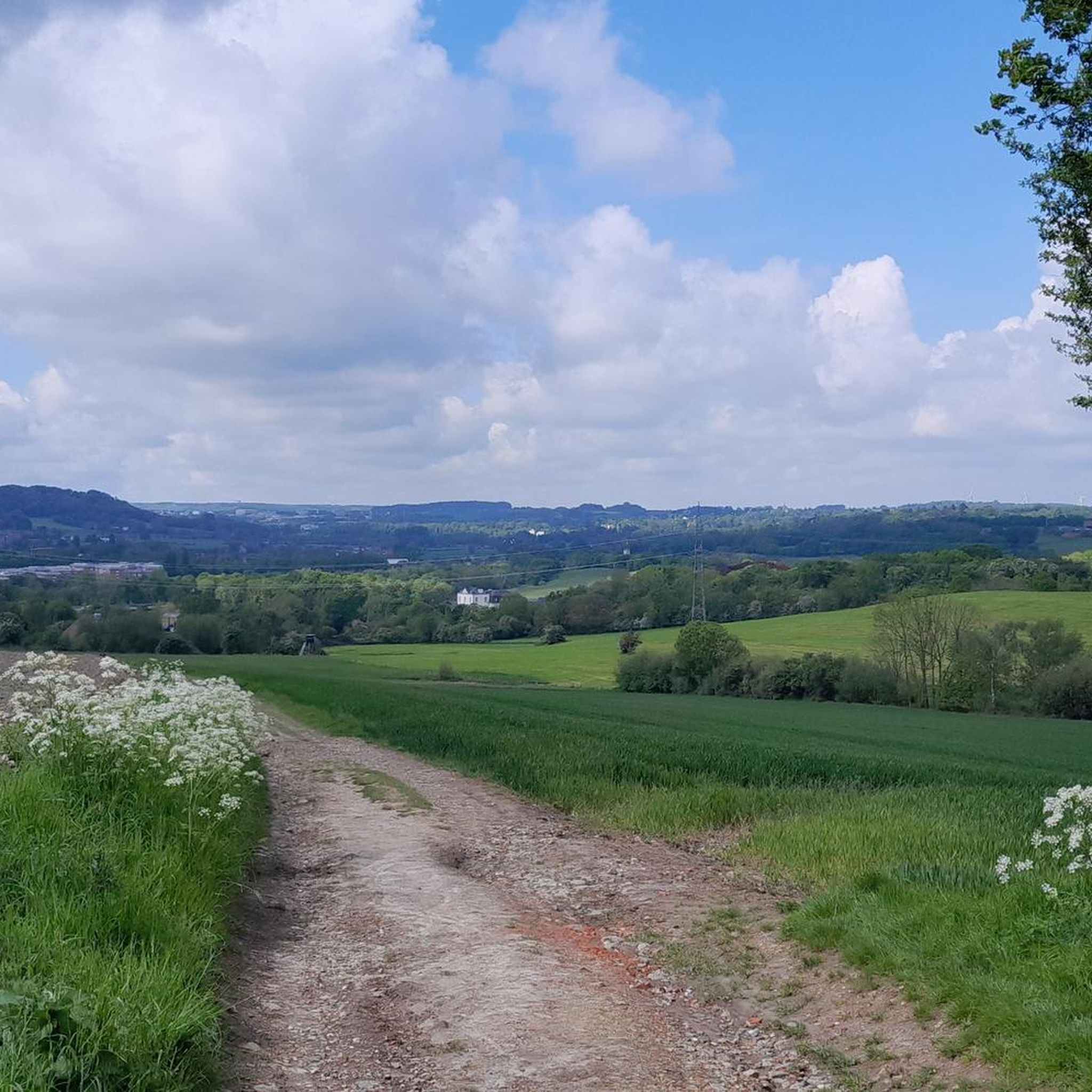
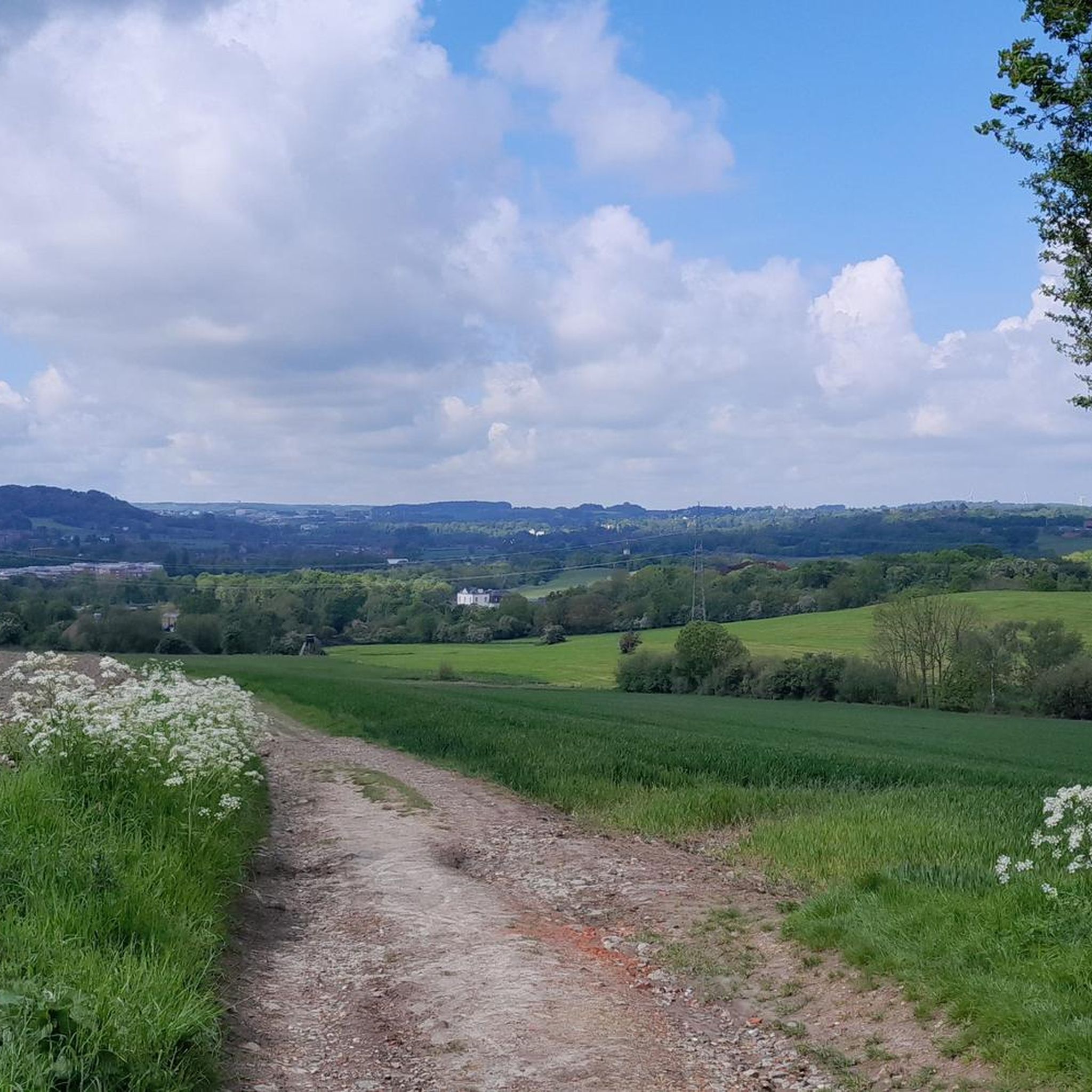
The Ardennes begin gradually in the Dutch-Belgian border region. There are wonderfully expansive views of the landscape.
0
0

The Wurm is said to have received its name from the Celts who settled in the Aachen Basin. It is explained as a derivation of the word warm, which refers to the thermal springs from which the Wurm is partly fed (see also derivation of the city name of Würselen). However, there is no conclusive evidence for this derivation.
6
0

The highest point in the Netherlands coincides with the three-country point and is an important tourist attraction.
21
0

As early as the late Middle Ages, the border of the former Aachen Empire, fortified with the Aachen Moat, ran from south to north across the ridge of the Vaalserberg. From 1839 to 1919, the Vaalserberg, with the disputed area of Neutral Moresnet as the fourth country, was even a four-country corner (Vierlandenpunt), which is still remembered in the name of the access road on the Dutch side - Viergrenzenweg. During the First World War, from 1915 to 1918, the high-voltage border barrier stretched along the Belgian-Dutch border for a length of 300 kilometers from the then four-country corner on the Vaalserberg to the Belgian North Sea coast near Knokke. The German invasion of Belgium in 1914 via Gemmenich to Diksmuide, which brought much suffering to the Belgian population, is commemorated by a memorial made of compressed war material at the southern tip of the Vaalserberg, called Via Dolorosa.
23
0

From many hilltops in Brunssummerheide there are great views and sometimes surprising views.
6
0

With a height of no less than 322.4 meters above NAP, the Vaalserberg is the highest mountain in the Netherlands (with the exception of the mountains in the Caribbean). So you are standing on the roof of the Low Countries! The mountain is not only known for its height, but also for the three country point you will find here; here the borders of the Netherlands, Belgium and Germany meet. In addition, there are plenty of activities for young and old on and around the top, so hang out here for a while.
14
1
The Dreiländerpunkt is probably the most frequented area at the Dreiländereck for "selfies" or the like. If you don't like tourist hype of this kind, but still want to take a photo here without umpteen other people being on it, you should come here as early as possible in the morning and not at the weekend or during the holidays...
21
0

Very nice hike through beautiful old deciduous forests and in autumn the rustling of leaves is the order of the day.
6
0
Frequently Asked Questions
What are some of the most notable natural monuments to visit in and around Würselen?
The region offers several significant natural monuments. A prominent one is the Vaalserberg Three-Country Point, where the borders of Germany, Belgium, and the Netherlands meet, also marking the highest point in the European part of the Netherlands. Another popular spot is the Bench with a view over the Brunssummerheide, offering expansive vistas of a hilly heath landscape. You can also explore the unique Cyclops Stones in the Aachen Forest, ancient sand formations with a fascinating geological history.
What makes the Wurm Valley a significant natural area in Würselen?
The Wurm Valley, often called the 'green lungs' between Herzogenrath and Aachen, is a vital natural expanse within Würselen. It provides numerous opportunities for hiking and experiencing nature, featuring diverse flora and fauna. The tranquil sound of the Wurm river accompanies various trails, such as the 'Evening round Würselen-Scherberg' and the 'Pauline Route - Würselen-Adamsmühle', allowing visitors to explore its picturesque environment.
Are there any unique geological formations to explore near Würselen?
Yes, the Cyclops Stones in the Aachen Forest are a prime example. These unique natural monuments are ancient sand formations that accumulated millions of years ago at the bottom of the Cretaceous Sea. Over time, quartz in the sand cemented into hard sandstone, which has since come to the surface due to environmental influences, creating these distinctive geological features.
What outdoor activities can I do near the natural monuments in Würselen?
The natural areas around Würselen, especially the Wurm Valley, are excellent for outdoor activities. You can enjoy hiking on trails like the 'Gouley Tour Würselen-Morsbacher Heide' or the 'Wurm River near Würselen – Teuterhof loop'. For cycling enthusiasts, there are routes such as the 'Würselen–Aachen Cycle Expressway' or the 'Trail through the Wurmtal'. You can find more details on these activities in the Hiking around Würselen and Cycling around Würselen guides.
Are the natural monuments around Würselen suitable for families?
Many natural monuments and areas around Würselen are indeed family-friendly. For instance, the Vaalserberg Three-Country Point offers activities for all ages, including a labyrinth and a viewing tower. The Bench with a view over the Brunssummerheide and the Cyclops Stones in the Aachen Forest are also noted as family-friendly, providing accessible natural experiences.
Can I bring my dog to the natural areas in Würselen?
Generally, many natural areas and trails around Würselen are dog-friendly, allowing you to enjoy walks with your canine companion. However, it's always advisable to keep dogs on a leash, especially in nature reserves, to protect wildlife and ensure a pleasant experience for all visitors. Specific rules may apply in certain protected areas, so look for local signage.
What is the best time of year to visit the natural monuments in Würselen?
The natural monuments around Würselen can be enjoyed year-round, each season offering a different charm. Spring brings blooming flora, while summer is ideal for longer hikes and outdoor activities. Autumn transforms the forests with vibrant colors, and winter offers serene, crisp walks, especially in areas like the Wurm Valley. Your preference for weather and scenery will determine the 'best' time for your visit.
Beyond natural beauty, do any natural monuments near Würselen have historical significance?
Yes, some natural monuments also hold historical importance. The Vaalserberg Three-Country Point is not only a natural landmark but also a historical site marking the convergence of three national borders. Additionally, the Aachen Landgraben (Green City Wall), while a natural feature, represents a former border fortification of the Aachen empire, with remnants of boundary stones and ramparts still visible today.
Are there viewpoints offering panoramic vistas of the region's natural landscapes?
Absolutely. The Bench with a view over the Brunssummerheide is specifically highlighted for its fantastic, expansive vistas over a hilly heath landscape. The Vaalserberg Three-Country Point also features an observation tower that provides unobstructed views of the surrounding three countries.
How can I reach the natural monuments around Würselen by public transport?
Public transport options are available to reach various natural areas around Würselen. For instance, the Wurm Valley is generally accessible via local bus routes that connect to different parts of Würselen and surrounding towns. For specific destinations like the Vaalserberg, you might need to combine bus travel with a short walk. It's recommended to check local bus schedules and routes for the most up-to-date information on reaching your desired natural monument.
Are there parking options available near these natural sites?
Yes, parking options are typically available near the more popular natural monuments and trailheads. For areas like the Wurm Valley, you can often find designated parking lots at key access points, such as near the Adamsmühle or other starting points for trails. For the Vaalserberg Three-Country Point, there are usually ample parking facilities due to its popularity as a tourist attraction.
Most popular routes around Würselen
Most popular attractions around Würselen

Get inspired with the komoot mobile app


Explore more
Extend your search for the best caves by checking out these guides of the top ones around Würselen:
