Attractions and Places To See in Leventina - Top 20
Best attractions and places to see in Leventina include a diverse range of natural and cultural sites. This picturesque valley in Ticino, Switzerland, stretches from the Gotthard Pass to Biasca, featuring towering peaks and the tranquil flow of the Ticino River. The region is known for its Alpine traditions, historical routes, and significant natural features like alpine lakes and mountain passes. Visitors can explore well-preserved villages, historical landmarks, and an extensive network of hiking trails.
Best attractions and places to see in Leventina
- The most popular attractions is Capanna Corno Gries, a hut located in the scenically and geologically interesting Val Corno. This area features garnet inclusions in slate and the picturesque Griessee lake.
- Another must-see spot is Lake Tom, a lake in the Val Piora. This mountain lake is known for its clear blue water and white sandy beach, offering a unique landscape.
- Visitors also love Capanna Piansecco, a simple hut perfect as a destination or stopover for hikes or ski tours. It is located at the southern foot of the Pizzo Rotondo in the upper Bedretto valley.
- Leventina is known for its mountain huts, alpine lakes, and historical sites. The region offers a variety of attractions to see and explore, from natural monuments to cultural landmarks.
- The attractions in Leventina are appreciated by the komoot community, with over 100 upvotes and 30 photos shared.
Last updated: July 6, 2026
Capanna Piansecco
Highlight • Mountain Hut
Translated by Google •
Tip by

Cadlimo Hut
Highlight • Mountain Hut
Translated by Google •
Tip by

Sign up now to discover places like this
Get recommendations on the best single tracks, peaks, & plenty of other exciting outdoor places.
Sign up for free
Campo Tencia Hut
Highlight • Mountain Hut
The hut that exists today was rebuilt in 1977 after a fire and is comfortable and modern; Further renovation work has been carried out in recent years.
The kitchen is excellent, the material that is needed was brought to our breakfast by helicopter.
Translated by Google •
Tip by

Guex Monument at Gotthard Pass
Highlight • Monument
Translated by Google •
Tip by

Lake Lucendro
Highlight • Lake
Translated by Google •
Tip by

Capanna Corno Gries
Highlight • Mountain Hut
Translated by Google •
Tip by

Old Hospice of St. Gotthard
Highlight • Mountain Hut
The St. Gotthard Pass was first used as a pass starting in the 13th century, and the hospice, built at the behest of Milanese Archbishop Galdino (1171), also dates from this period. A chapel was built alongside the hospice on the site of a small church dating back to the 9th/10th century.
It was rebuilt towards the end of the 18th century at the instigation of the Capuchins, who managed the hospice until 1799.
Text / Source: Agenzia turistica ticinese SA
ticino.ch/de/commons/details/Kapelle-beim-Gotthard-Hospiz/4741.html#:~:text=Der%20Sankt%20Gotthard%20wur de%20as%20Pass%C3%BCtransition%20first%20from,century%20,%20a%20chapel%20was%20built%20side%20of%20hospice%20.
Translated by Google •
Tip by

Lake Ritom
Highlight • Lake
Translated by Google •
Tip by

Lake Tom
Highlight • Lake
Translated by Google •
Tip by

First tight hairpin bends of the Tremola
Highlight • Mountain Pass
Translated by Google •
Tip by

Sign up for free to discover even more attractions in Leventina.
Sign up for free
Already have an account?
Start today with a free account
Your next adventure awaits.
Login or Signup
Popular around Leventina
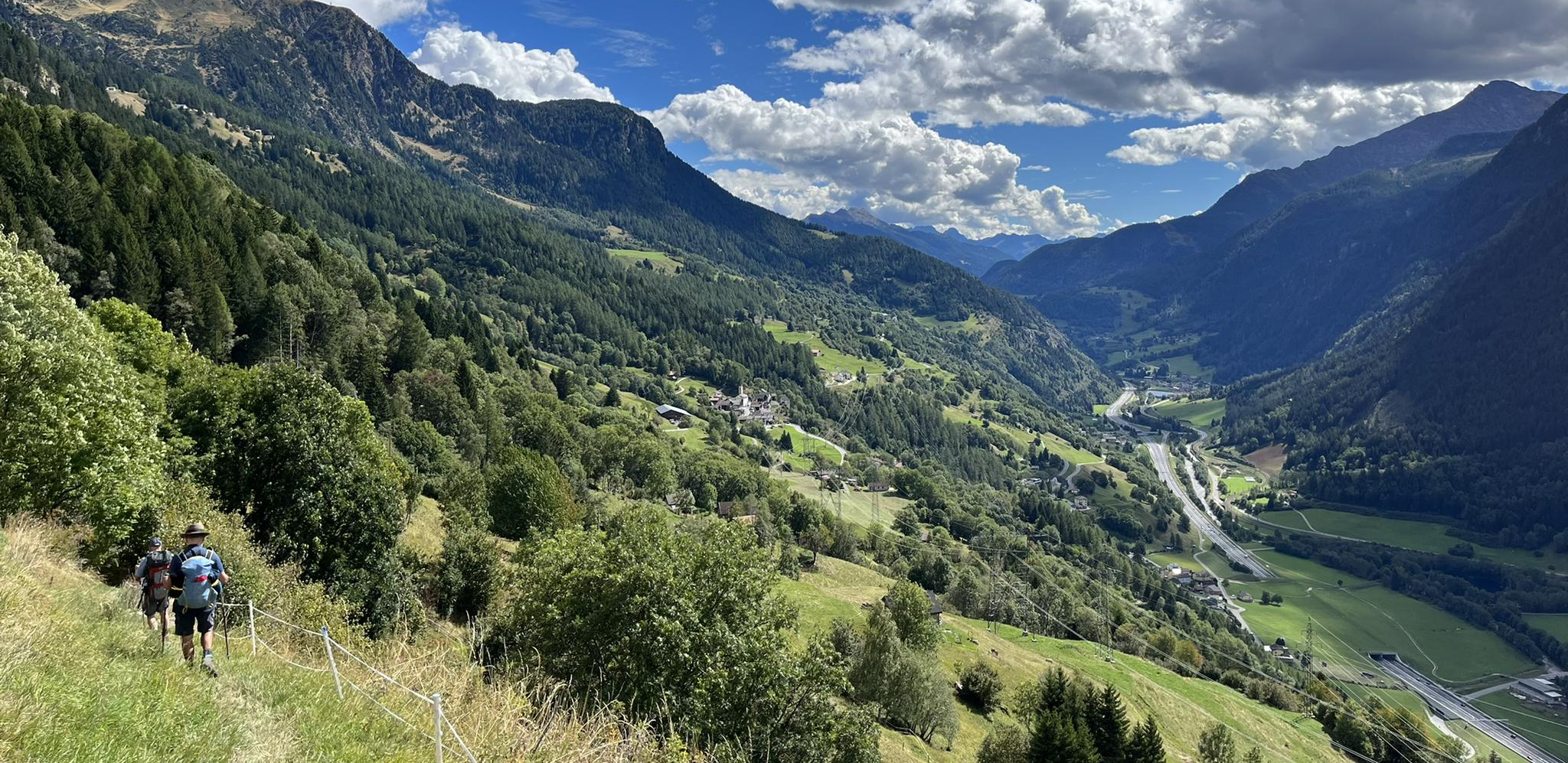
Strada alta – Hiking in the sun terrace of Switzerland
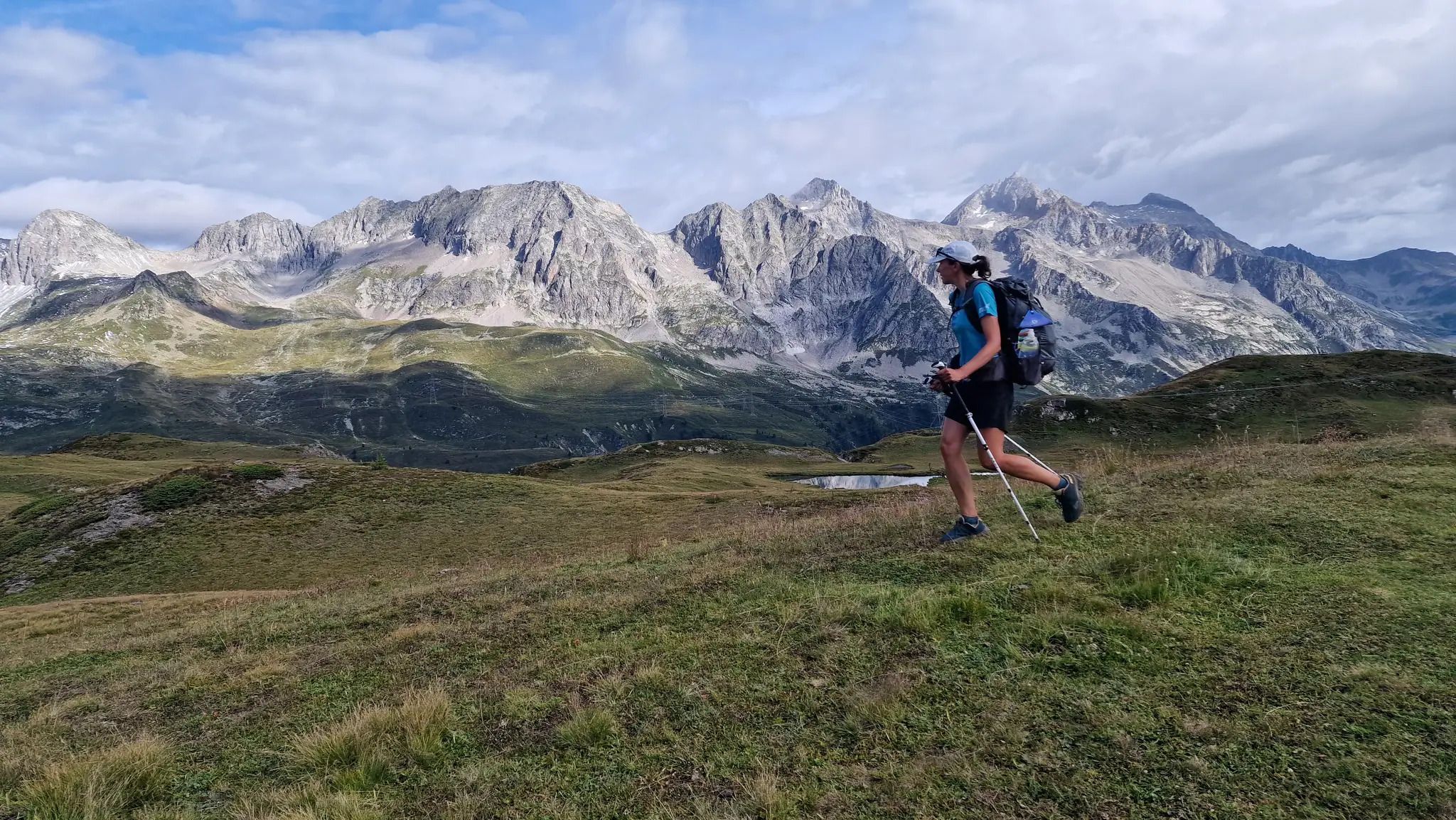
Alpine Passes Trail – hiking 700km across Switzerland
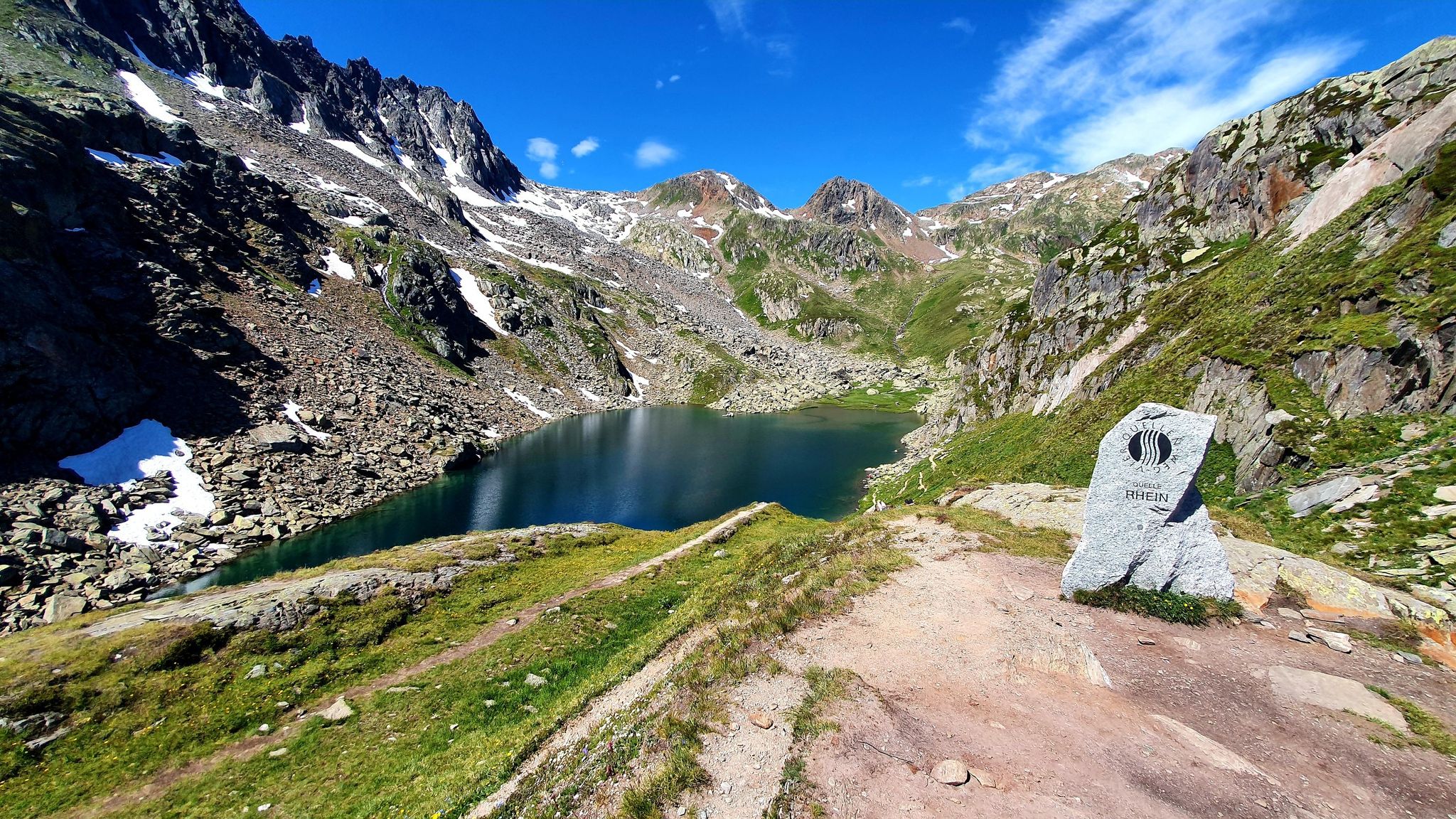
Four Springs Trail — Find flow in Switzerland's Gotthard Massif
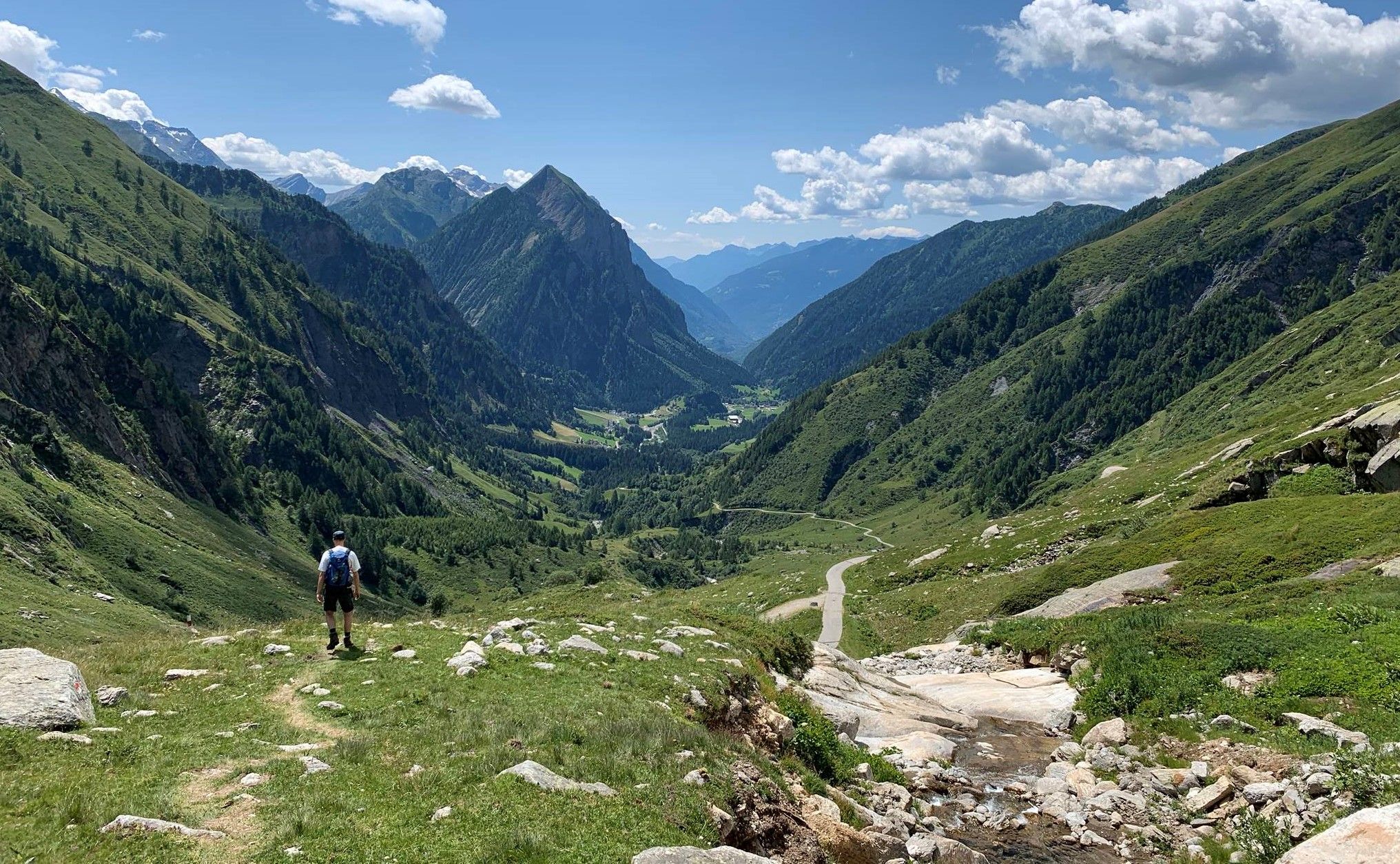
Alpine Passes Trail in Switzerland – 34 stages of pure mountain fun
Trans Swiss Trail – Hiking across Switzerland
Via Gottardo – Following historic trails
Obergoms Tourismus AG I Sponsored Collections 2026
Ticino hut-to-hut: a 3-day alpine gravel escape
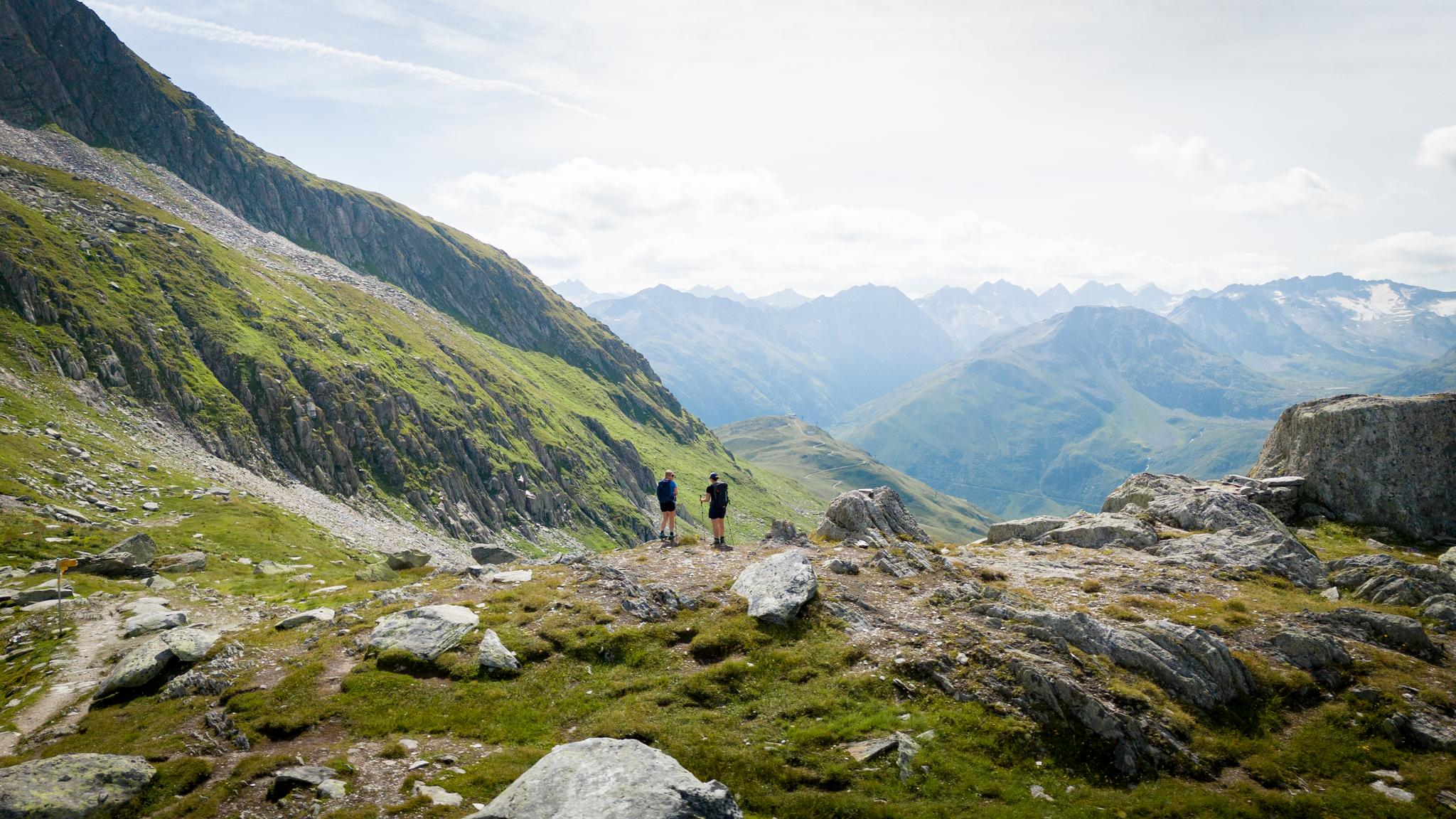
On the hunt for crystals and alpine lake magic – Gotthard Crystal Trek
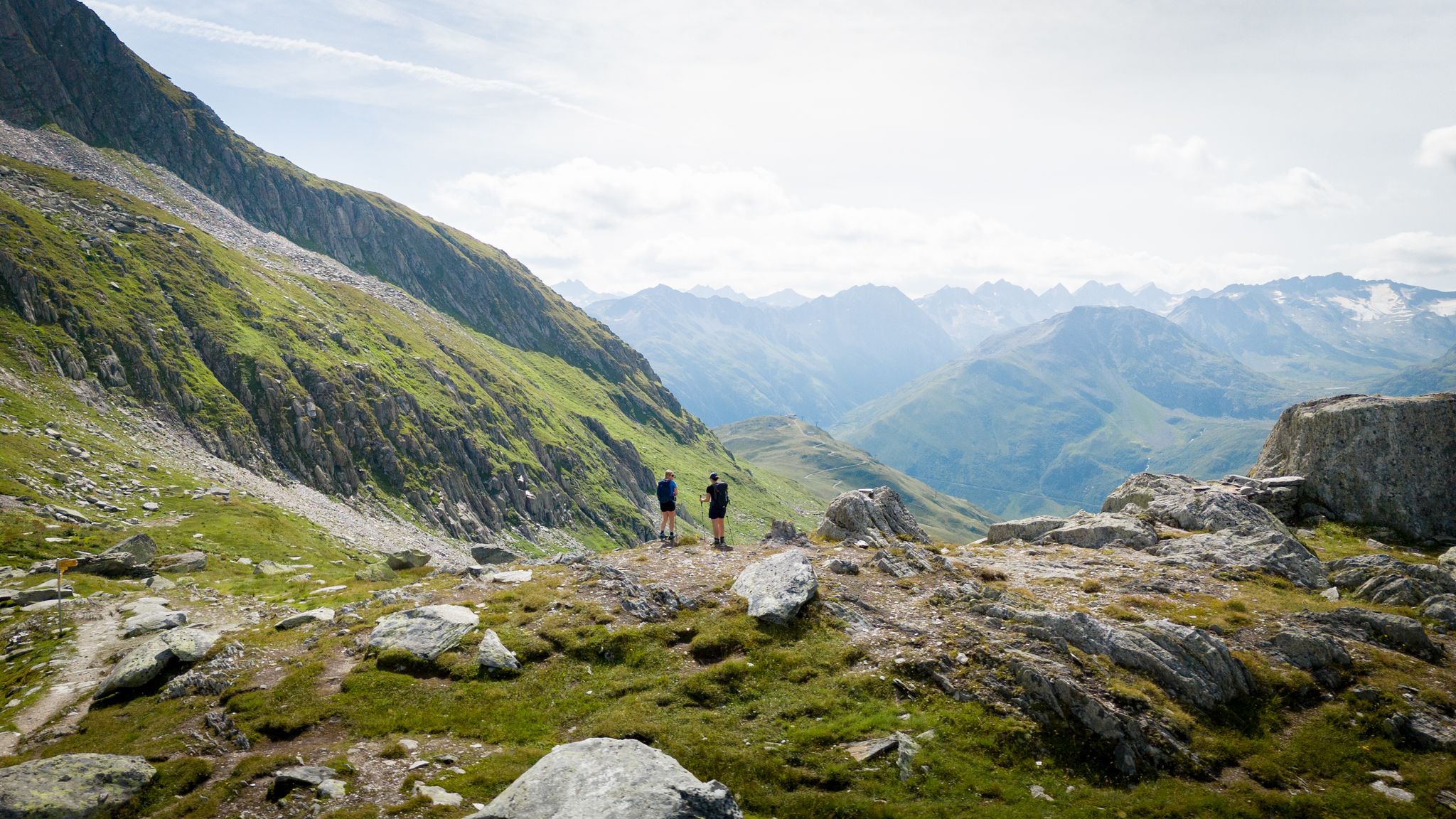
On the hunt for crystals and alpine lake magic – Gotthard Crystal Trek
Other adventures in Leventina


Tips from the Community


Cappella di San Gottardo - Chapel at the Gotthard Hospice The St. Gotthard Pass was first used as a pass starting in the 13th century, and the hospice, built at the behest of Milanese Archbishop Galdino (1171), also dates from this period. A chapel was built alongside the hospice on the site of a small church dating back to the 9th/10th century. It was rebuilt towards the end of the 18th century at the instigation of the Capuchins, who managed the hospice until 1799. Text / Source: Agenzia turistica ticinese SA https://www.ticino.ch/de/commons/details/Kapelle-beim-Gotthard-Hospiz/4741.html#:~:text=Der%20Sankt%20Gotthard%20wur de%20as%20Pass%C3%BCtransition%20first%20from,century%20,%20a%20chapel%20was%20built%20side%20of%20hospice%20.
15
0
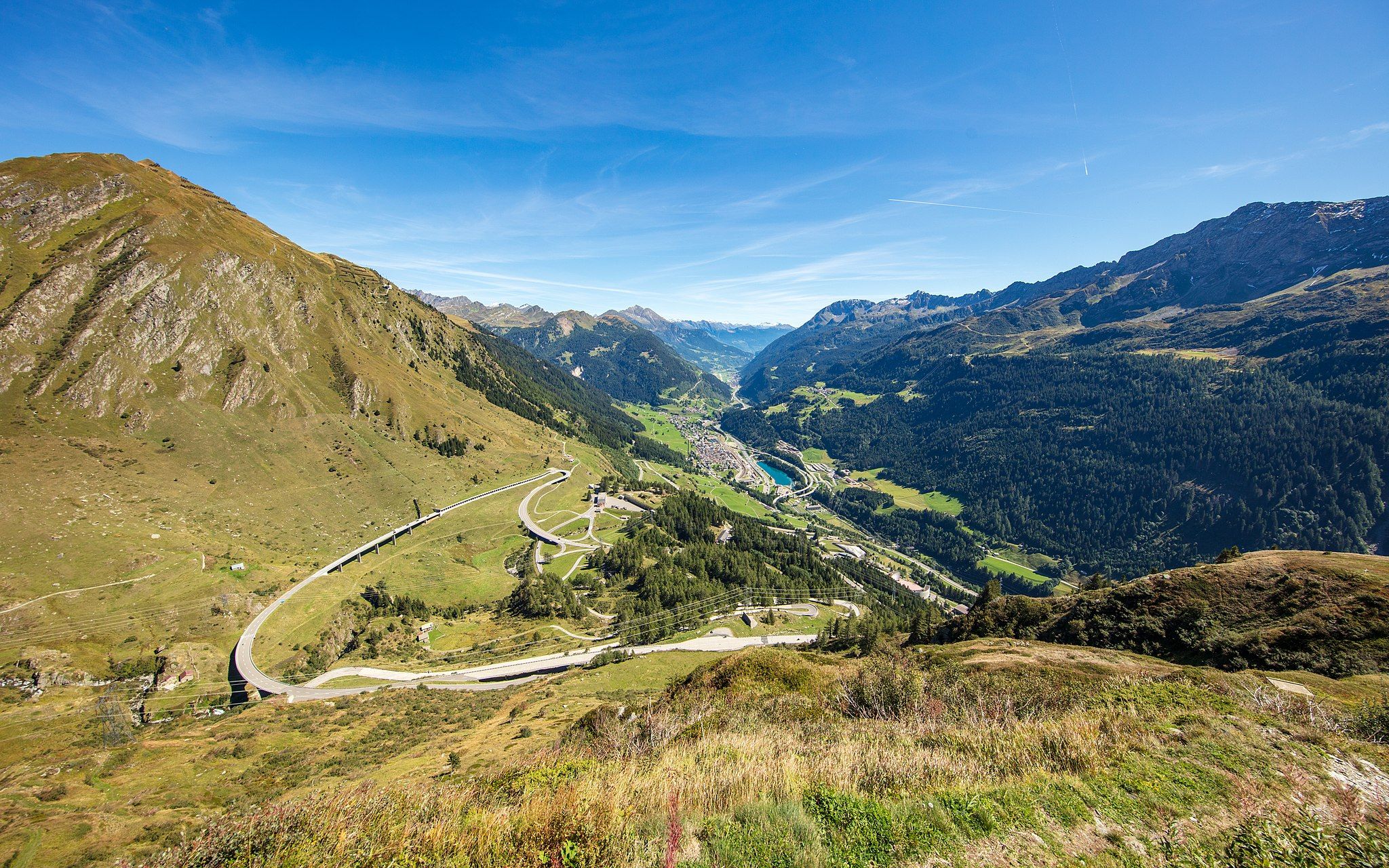
St. Gotthard Pass The Gotthard Pass divides waterways and connects various cultural and linguistic areas. Its significance as an "Alpine transversal" began at the beginning of the 13th century with the construction of the legendary Devil's Bridge in the Schöllenen Gorge. For many centuries, trade caravans (trading cattle and cheese for grain, wine, rice, and salt), mercenaries, messengers, and even entire armies crossed the pass. Between 1818 and 1836, the canton of Uri, with the help of other cantons, expanded the pass road, thus achieving its predominance among Swiss Alpine passes. The Gotthard Pass has significantly shaped the economy and culture of Central Switzerland for centuries. Until the opening of the Gotthard Railway in 1882, the Gotthard Pass was also used in winter. Dozens of roadmen and shovel workers were employed for this purpose. In 1922, the post bus replaced the stagecoach, and with the introduction of gasoline duties in 1923, the expansion of the pass roads began, continuing to this day. The old pass road on the south side, the Tremola between the top of the pass and Airolo, is still preserved and passable. This stretch of road recalls more tranquil journeys over the Gotthard that occurred not so long ago. In the 19th and 20th centuries, the Gotthard Pass was "condensed" into a myth, a symbol of Switzerland's independence, unity, and identity. Text / Source: Interest Group for Alpine Passes IAP, PO Box 11, 6491 Realp https://alpen-paesse.ch/de/alpenpaesse/gotthardpass
15
1

The view from the top is worth the effort to reach it.
0
0

very pretty here, very pretty
0
0
very pretty here, very pretty
2
0

We - over-60s with good mountain skills - descended from the Cabanna Cadlimo through the Val Cadlimo to the Lukmanier Pass. The common description that the route is mostly on easy-to-walk paths is a dangerous understatement. It goes over long stretches over boulder fields, which require very good surefootedness and balance. Then down over some smooth rock ledges, which are secured with chains. So it's not all that easy!
1
0

A must for every racing cyclist, even if it's bumpy! But it's better to go uphill! Take the new road downhill...
2
0
Frequently Asked Questions
What kind of natural attractions can I explore in Leventina?
Leventina is rich in natural beauty, offering stunning alpine lakes and mountain passes. You can visit Lake Ritom, accessible by one of the world's steepest funiculars, or explore Lake Tom, known for its clear blue water and white sandy beach. Other notable natural features include the impressive Piumogna Waterfall in Faido and the picturesque Griessee lake near Capanna Corno Gries.
Are there any historical or cultural sites to visit in Leventina?
Yes, Leventina boasts a rich history. The village of Giornico is particularly well-preserved, featuring old stone buildings and the Romanesque San Nicola Church, a significant national monument. You can also visit the Leventina Museum (Museo di Leventina) in Giornico, housed in the historic Casa Stanga, to learn about the valley's heritage. At the Gotthard Pass, the Saint Gotthard National Museum and the Old Hospice of St. Gotthard offer insights into this important historical route.
What outdoor activities are popular in Leventina, especially hiking?
Leventina is a hiker's paradise with an extensive network of trails. Popular options include the 'Path of the Piora Valley lakes' and the 'Ascent to the Capanna Cadlimo along the Val Piora from Lago Ritom'. For easier walks, consider 'The waterfalls of Val Piumogna – loop from Pian Selva' or 'Between Sobrio and Cavagnago – loop along the Strada Alta'. You can find more hiking routes in the Hiking in Leventina guide.
Are there any family-friendly attractions or activities in Leventina?
Leventina offers several options for families. The Ritom-Piora region, with its stunning alpine lakes like Lake Ritom, is great for gentle walks and Nordic walking. The Kids Park Pesciüm in Airolo provides activities specifically for children. Additionally, many mountain huts like Capanna Corno Gries are suitable for children's holidays and offer accessible trails.
Where can I find mountain huts for accommodation or as a stopover during hikes?
Leventina has several mountain huts that serve as excellent destinations or stopovers. Capanna Piansecco, located at the southern foot of Pizzo Rotondo, is a simple hut perfect for hikers and ski tourers. Other options include Cadlimo Hut, Campo Tencia Hut, and Capanna Corno Gries, all offering facilities and accommodation.
What are some notable viewpoints in Leventina?
Leventina offers numerous scenic viewpoints. The Gotthard Pass itself provides breathtaking vistas, and the Guex Monument at Gotthard Pass is a popular spot. The Ritom-Piora region, accessible by funicular, offers stunning views of alpine lakes. The Val Corno, near Capanna Corno Gries, also provides spectacular scenery, including the Griessee lake.
Are there opportunities for road cycling in Leventina?
Yes, Leventina is popular for road cycling, especially around the challenging mountain passes. Routes like 'Gotthard, Furka and Nufenen passes' and 'Gotthard Pass via Tremola from Airolo' are well-known. The First tight hairpin bends of the Tremola are a famous section for cyclists. You can explore more options in the Road Cycling Routes in Leventina guide.
What is the best time of year to visit Leventina?
The best time to visit Leventina largely depends on your planned activities. For hiking and exploring natural features like alpine lakes and mountain passes, the summer months (mid-June to mid-October) are ideal when trails are clear and mountain huts are open. Winter (mid-December to mid-April) offers opportunities for ski tours, with some huts like Capanna Piansecco also open during this season.
How can I access attractions in Leventina using public transport?
Many attractions in Leventina are accessible via public transport. For instance, the Ritom Funicular Railway provides easy access to the Ritom region and its alpine lakes. The Gotthard Pass, a central hub, is also well-connected. For specific hikes, it's advisable to check local bus schedules that connect to trailheads, especially for routes starting from villages like Airolo or Faido.
What makes the Val Piora region special?
The Val Piora region is renowned for its stunning alpine lakes and is a popular spot for Nordic walking. It's home to Lake Ritom and Lake Tom, both offering unique landscapes. The region is also famous for producing 'formaggio di Piora', a local cheese. The Ritom Funicular provides convenient access to this beautiful high valley.
Are there any unique geological features in Leventina?
Yes, the Val Corno, stretching from Capanna Corno Gries to the Passo del Corno, is scenically and geologically very interesting. It features garnet inclusions in the slate near the Griespass, and the picturesque Griessee lake on the edge of the glacier world, offering a distinct geological landscape.
Most popular routes in Leventina
Most popular attractions in Leventina

Get inspired with the komoot mobile app


Didn’t find what you were looking for?
Are you keen on exploring more awesome places nearby? Browse our guides:
Explore more
Still not found the Highlight you’re looking for? See guides of the top attractions in other regions:
