The best walks and hikes around Saint-Denis-Le-Ferment
4.3
(47)
176
hikers
48
hikes
Hiking around Saint-Denis-Le-Ferment offers varied terrain within the scenic Lévrière valley, characterized by the meandering Lévrière river and surrounding wooded areas. The region is part of the broader Vexin Normand countryside, featuring expansive fields and tranquil landscapes. Hikers can explore pathways alongside the river and through diverse natural environments, including parts of the national forest of Lyons. The elevation gains are generally moderate, making the area accessible for various hiking abilities.
Best hiking trails around Saint-Denis-Le-Ferment
- The most popular hiking…
Last updated: May 18, 2026
4.7
(3)
16
hikers
15.8km
04:08
120m
120m
Moderate hike. Good fitness required. Easily-accessible paths. Suitable for all skill levels.
5.0
(2)
8
hikers
5.35km
01:24
40m
40m
Easy hike. Great for any fitness level. Easily-accessible paths. Suitable for all skill levels.

Sign up for free
4.0
(1)
3
hikers
8.73km
02:18
80m
80m
Moderate hike. Good fitness required. Easily-accessible paths. Suitable for all skill levels.
5.0
(1)
7
hikers
5.23km
01:22
40m
40m
Easy hike. Great for any fitness level. Easily-accessible paths. Suitable for all skill levels.
4.0
(1)
3
hikers
8.40km
02:13
80m
80m
Moderate hike. Good fitness required. Easily-accessible paths. Suitable for all skill levels.
Get access to more routes and recommendations from other explorers.
Sign up for free
Already have an account?
Our route recommendations are based on thousands of hikes, rides, and runs completed by other people on komoot.
Start today with a free account
Your next adventure awaits.
Login or Signup


Tips from the Community


A military fortress with a defensive purpose, built in 1097, during the reign of William the Conqueror's second son, Gisors Castle marks a major page in the medieval history of Normandy. This fortification was intended to protect the Norman possessions of the King of England against the ambitions of the King of France. A true border place and eastern lock of Normandy, it was part of a vast campaign of fortifications in the Epte Valley, the natural boundary between the two kingdoms.
0
0
We know of Saints Gervais and Protais that they were Christian martyrs in the 2nd century in Milan. At the time, the Roman Empire forced all its subjects to worship the emperor, which was unacceptable to Christians. If they refused, they were crucified or sent to the arena to be devoured by lions between gladiatorial fights. Thus, Saint Ambrose, bishop of Milan, found them, in 386, buried side by side. This great bishop affirmed that they had been martyrs by fidelity to their baptism. He even added "They are of a prodigious size, such as one was in ancient times." Their cult reached Gaul where a large number of churches were dedicated to them.
1
0

Unfortunately we were here without a donkey
0
0

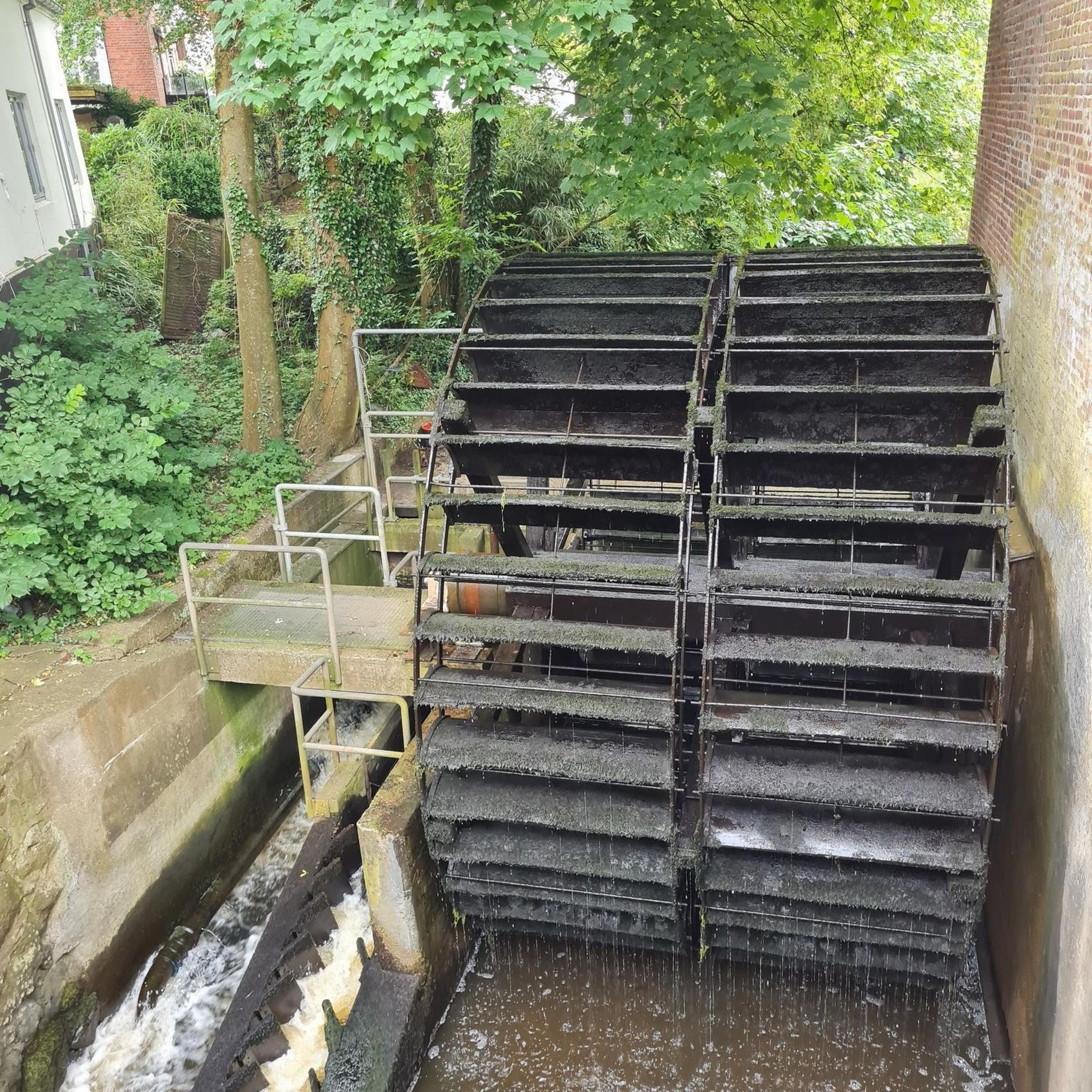
At the bottom of the rue de Vienne, just at the beginning of the Rue des Argilières, there is an old wash house listed as an Historic Monuments since 1927. It is reached down the street or following the circuit of the fortifications of the sixteenth century. century of the castle. Its wooden pillars follow the curve of the Epte and its slate-covered timberwork today offers a pleasant stop over the water, just at the crossroads of the main shopping streets of the city center. Vestige of the daily life of yesteryear, it reminds us how much the river was important in the life of the city, participating in its economic development but also in its social life.
0
0
The parish church of Saint-Gervais Saint-Protais was consecrated in 1119 by Pope Calixtus 11. This Romanesque church saw its nave ravaged by fire in 1123. It was rebuilt in 1160. Thanks to funding from Queen Blanche of Castile, the people of Gisors built a Gothic choir, consecrated in 1249. It was built according to the Chartres model, common at the time in Ile-de-France, with a three-level elevation: large arcades, triforium and high windows pierced with oculi. Thanks to funding from charitable brotherhoods and trade corporations, the church underwent multiple transformations from the end of the 15th century with the addition of radiating chapels and an ambulatory at choir level. Entrusted to the Grappins, a family of architects from Vexin, the work continued in the 15th century with the reconstruction of the nave and the chapels of the side aisles in flamboyant Gothic style, then of the façade decorated with Renaissance motifs.
0
0

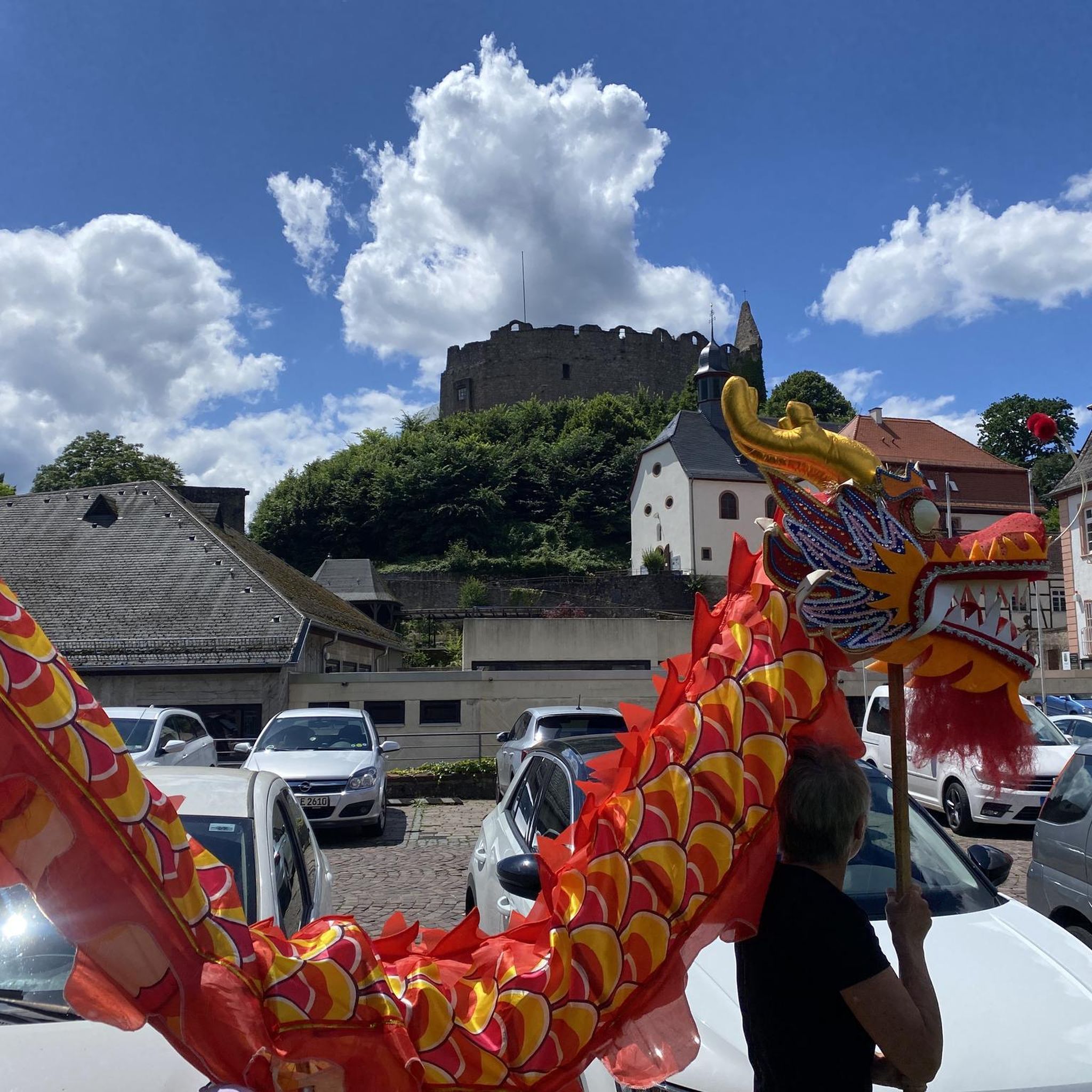
Old fortified castle, built between the end of the 11th and the 12th century, today in ruins.
0
0

The Château de Gisors is a castle located in the Eure department. The castle was a key fortress of the Dukes of Normandy in the 11th and 12th centuries. Its purpose was to defend the Anglo-Norman territory of the Vexin from the claims of the King of France.
0
0
Frequently Asked Questions
What kind of terrain can I expect on hikes around Saint-Denis-Le-Ferment?
Hiking around Saint-Denis-Le-Ferment offers varied terrain within the scenic Lévrière valley, featuring pathways alongside the meandering Lévrière river and through wooded areas, including parts of the national forest of Lyons. You'll also encounter the expansive fields and tranquil landscapes characteristic of the Vexin Normand countryside. Elevation gains are generally moderate, making the area accessible for various hiking abilities.
Are there easy hiking trails suitable for beginners or families in Saint-Denis-Le-Ferment?
Yes, Saint-Denis-Le-Ferment offers several easy hiking options. For instance, the Donjon de Neaufle loop from Bézu-Saint-Éloi is an easy 5.3 km trail through local fields and woodlands. Another accessible option is the Donjon de Neaufle loop from Neaufles-Saint-Martin, which is 5.2 km long. The region has 16 easy routes in total, perfect for a relaxed outing.
What natural features or landmarks can I see while hiking in the area?
The region is rich in natural beauty and historical sites. You can explore the picturesque Lévrière Valley, walk alongside the Lévrière river, and discover parts of the vast Lyons Forest, known for its beautiful beech groves. Historical landmarks include Gisors Castle and the ancient Dolmen des Trois-Pierres. The Epte Valley also offers scenic views and historical remnants.
Are there any circular hiking routes available?
Yes, many of the trails around Saint-Denis-Le-Ferment are circular, offering convenient starting and ending points. Examples include the Gisors Washhouses – Gisors Castle loop from Courcelles-lès-Gisors, a 16.6 km moderate route, and the Saint denis du ferment loop from Saint-Denis-le-Ferment, which is 8.7 km. There's also the Saint denis du ferment loop from Bazincourt-sur-Epte, another moderate 8.4 km option.
Can I bring my dog on the hiking trails around Saint-Denis-Le-Ferment?
Generally, the natural landscapes and open countryside of the Vexin Normand region are welcoming for dogs. However, specific rules may apply in certain protected areas or private lands. It's always advisable to keep your dog on a leash, especially near livestock or in nature reserves, and to check for any local signage regarding pet access on individual trails.
What is the best time of year to go hiking in Saint-Denis-Le-Ferment?
The region is enjoyable for hiking throughout much of the year. Spring and autumn offer pleasant temperatures and beautiful scenery, with blooming wildflowers or vibrant fall foliage. Summer is also suitable, though some trails might be more exposed to the sun. Winter hikes can be picturesque, especially in the wooded areas, but require appropriate gear for potentially colder and wetter conditions.
How do other hikers rate the trails in Saint-Denis-Le-Ferment?
The routes in Saint-Denis-Le-Ferment are highly rated by the komoot community, with an average score of 4.4 stars from over 30 reviews. Hikers often praise the varied terrain, the tranquility of the Lévrière valley, and the charming countryside views.
Are there any specific nature reserves or forests to explore nearby?
Absolutely. The region is home to the renowned Lyons Forest, one of France's most beautiful beech groves, offering extensive wooded paths. Additionally, the Réserve naturelle régionale des Larris et Tourbières de Saint-Pierre-es-Champs is about 11 km away, providing opportunities to explore protected natural environments. The Forêt du Parc de Saint-Quentin is also within reach.
Is there parking available near the trailheads in Saint-Denis-Le-Ferment?
While specific parking information for every trailhead isn't always detailed, Saint-Denis-Le-Ferment and surrounding villages typically offer public parking options. It's common to find parking in village centers or designated areas near popular starting points for trails. Always check local signage for any restrictions.
What is the overall difficulty level of hiking in this region?
The hiking trails around Saint-Denis-Le-Ferment cater to a range of abilities. Out of 44 available tours, 16 are rated as easy, 23 as moderate, and 5 as difficult. This means there are plenty of options for casual walkers, as well as more challenging routes for experienced hikers, all within generally moderate elevation changes.
What are some other attractions or activities to combine with hiking in the Vexin Normand region?
Beyond hiking, the Vexin Normand region is also excellent for cycling, with dedicated trails like the Epte valley greenway, which is part of the Avenue Verte London – Paris biking route. You can also explore charming villages with pink brick and half-timbered houses, visit historic sites like the Saint-Paër mill, or discover other castles such as Château de Boury.
Most popular routes around Saint-Denis-Le-Ferment
Most popular attractions around Saint-Denis-Le-Ferment

Get inspired with the komoot mobile app


Explore more
Browse the best Hikes in other regions.
