Top 20 Lakes around Sluis
Best lakes around Sluis are primarily characterized by unique coastal water bodies and intertidal ecosystems, rather than traditional inland freshwater lakes. The region, part of Zeeland in the Netherlands, features dynamic landscapes shaped by the North Sea. These areas support diverse flora and fauna, particularly significant bird populations. Visitors can explore these natural environments through walking and cycling routes.
Best lakes around Sluis
- The most popular lakes is The Zwin Nature Reserve, a natural monument that functions as a…
Last updated: August 25, 2026
The Zwin Nature Reserve
Highlight • Natural Monument
The Zwin is a slufter: a beach plain behind the dunes that is …
Translated by Google •
Tip by

Zwin Nature Reserve
Highlight • Natural Monument
Translated by Google •
Tip by

Sign up now to discover places like this
Get recommendations on the best single tracks, peaks, & plenty of other exciting outdoor places.
Sign up for free
The Zwin
Highlight • Natural Monument
Translated by Google •
Tip by

Zwin Dunes and Polders
Highlight • Natural
Until the end of the 19th century, these dunes, forests, …
Translated by Google •
Tip by

Drowned Land of Saeftinghe Nature Reserve
Highlight • Natural
Tip by

Sign up for free to discover even more lakes around Sluis.
Sign up for free
Already have an account?
Start today with a free account
Your next adventure awaits.
Login or Signup
Popular around Sluis
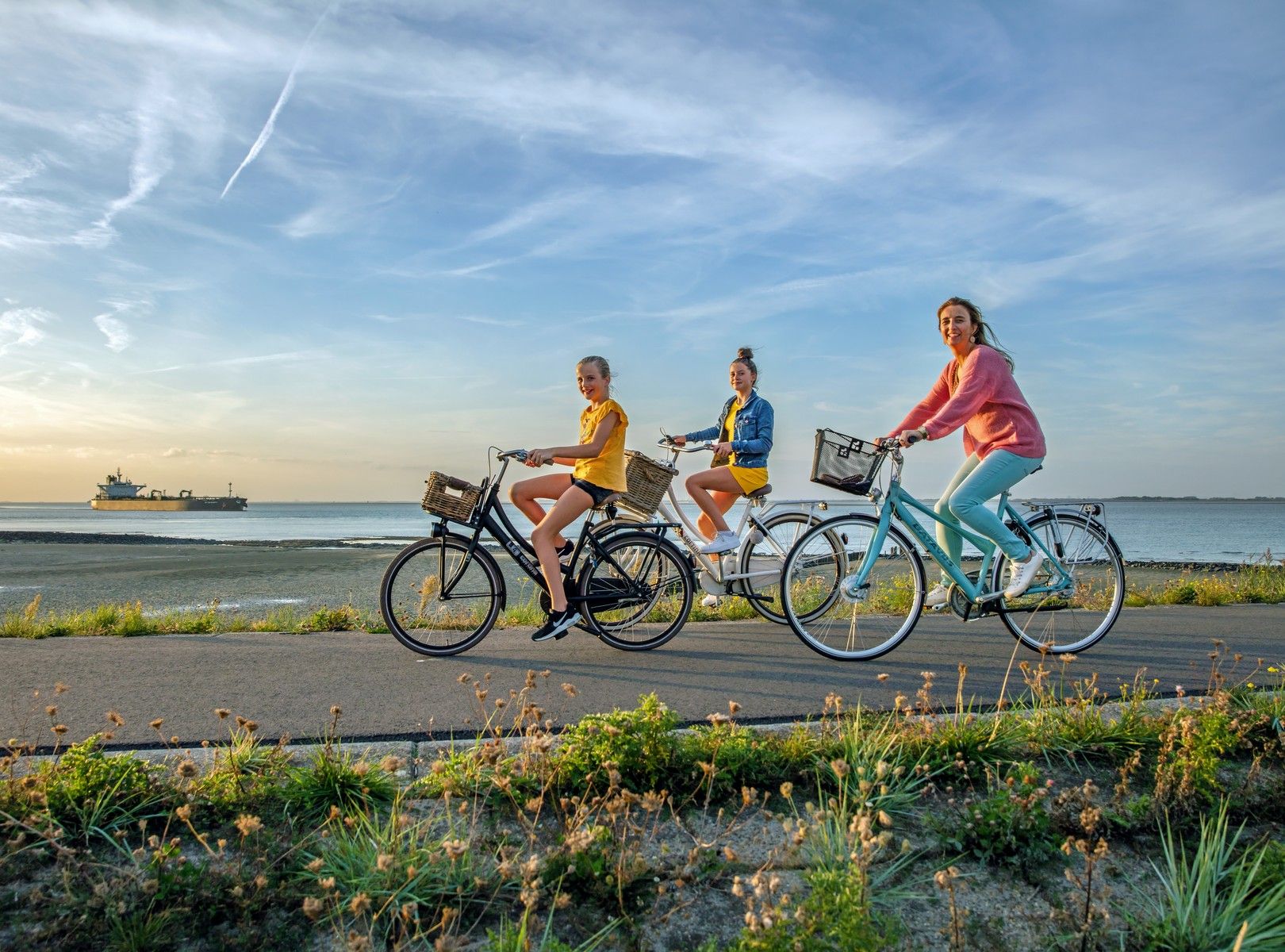
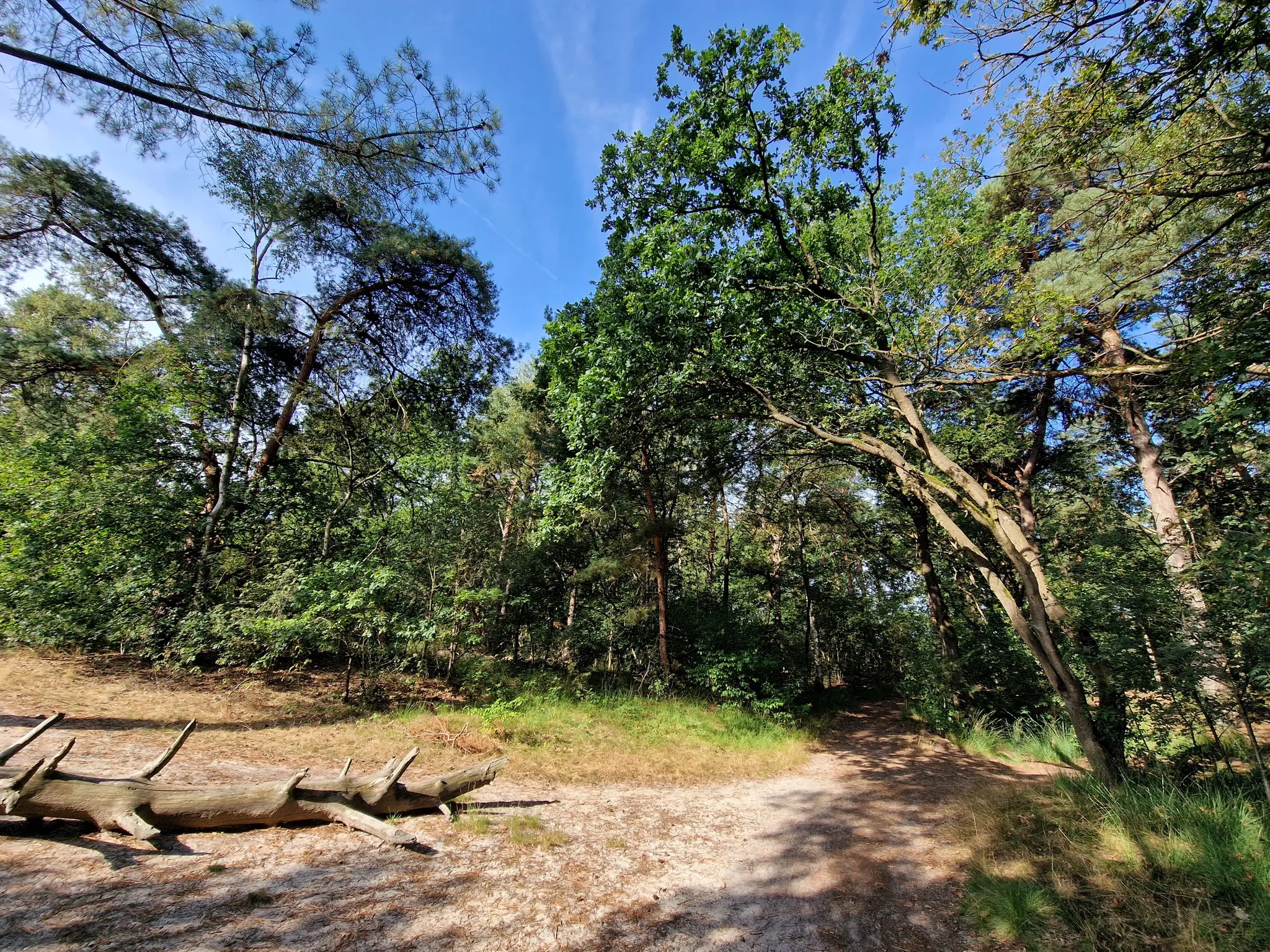
Five routes in Zeeland — the dunes, the woods and the sea
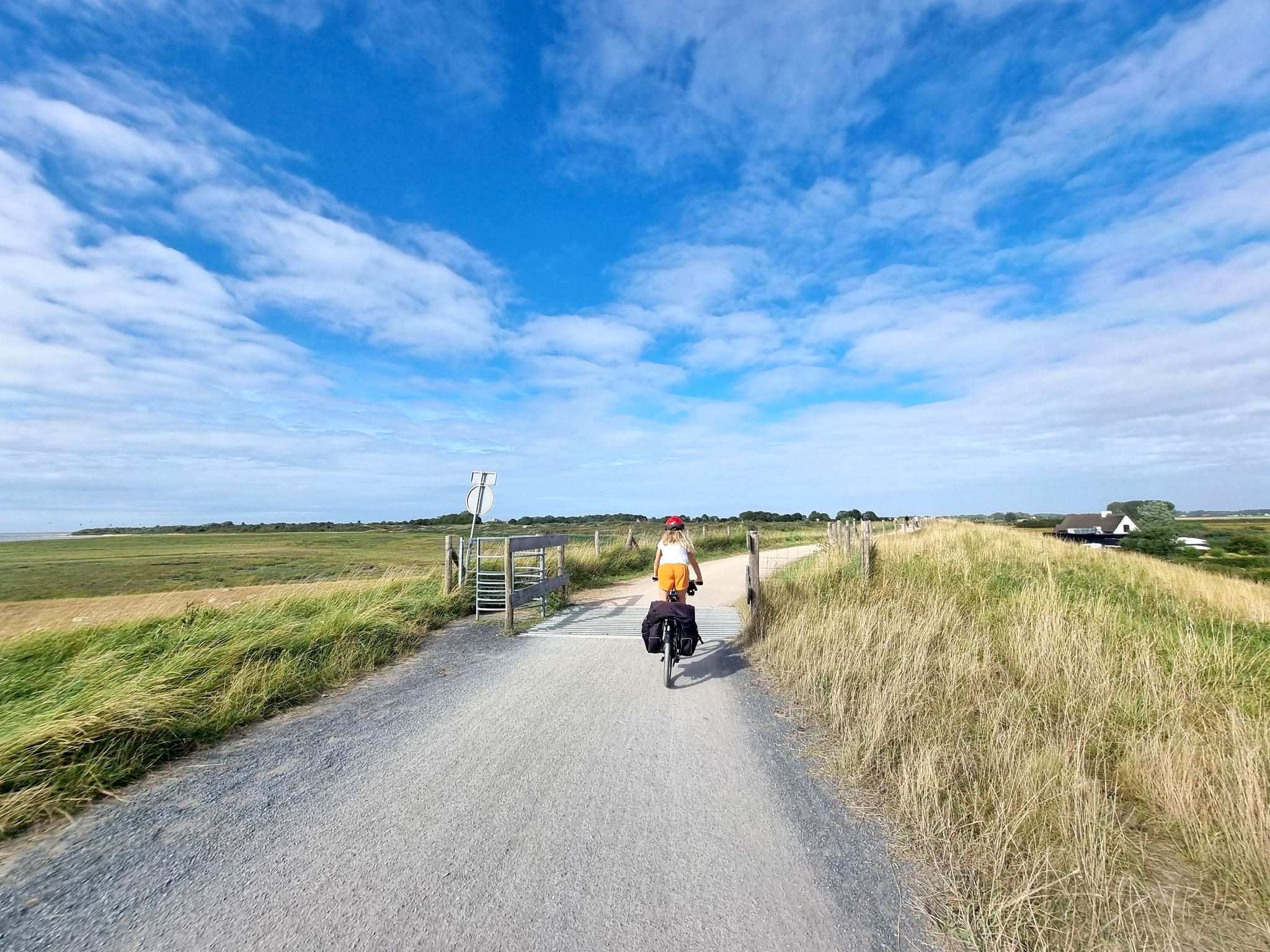
Sea, sand, and saddle – Coastal Route
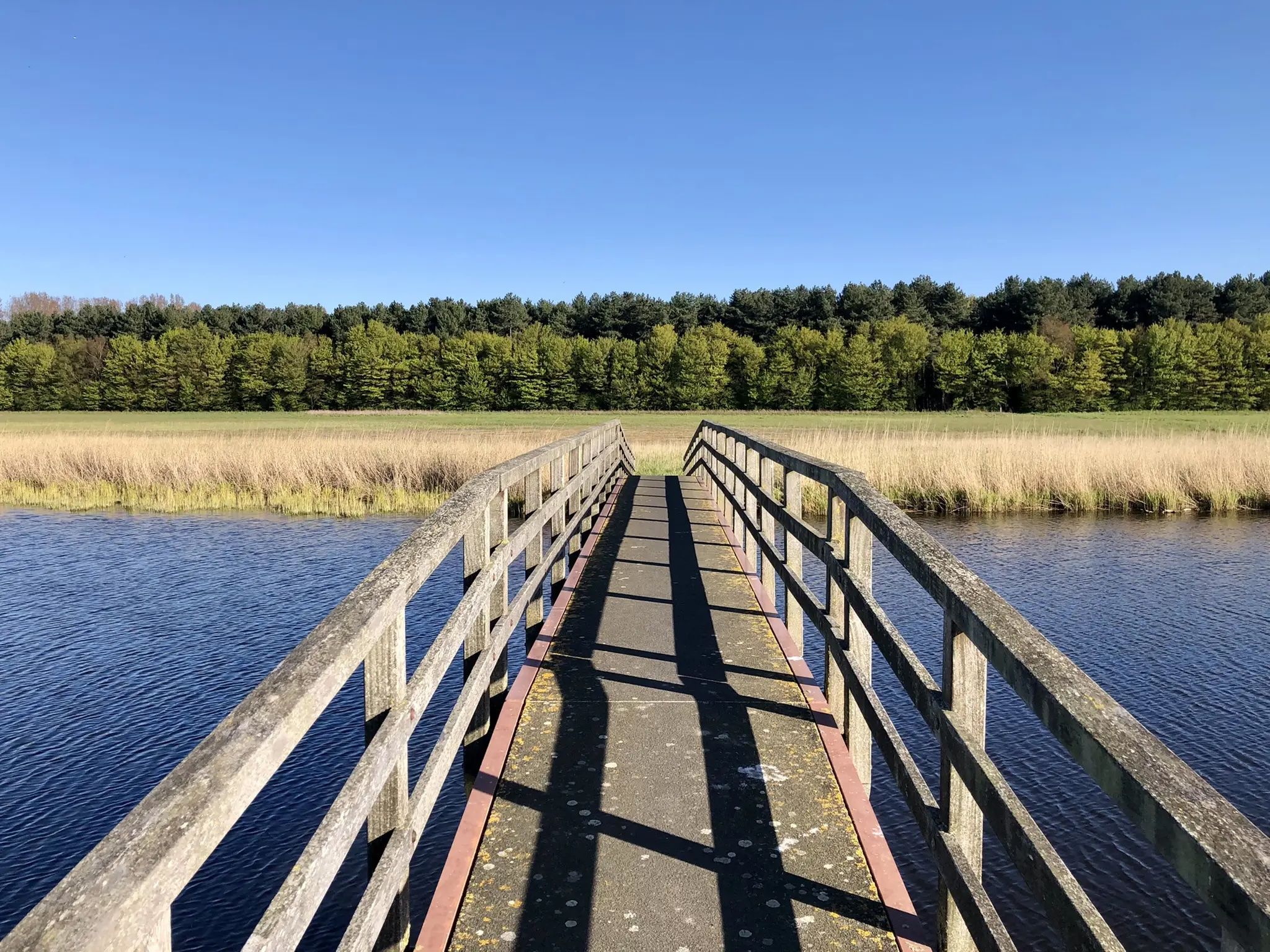
By West, East and Zeeuws-Vlaanderen — GR Uilenspiegel
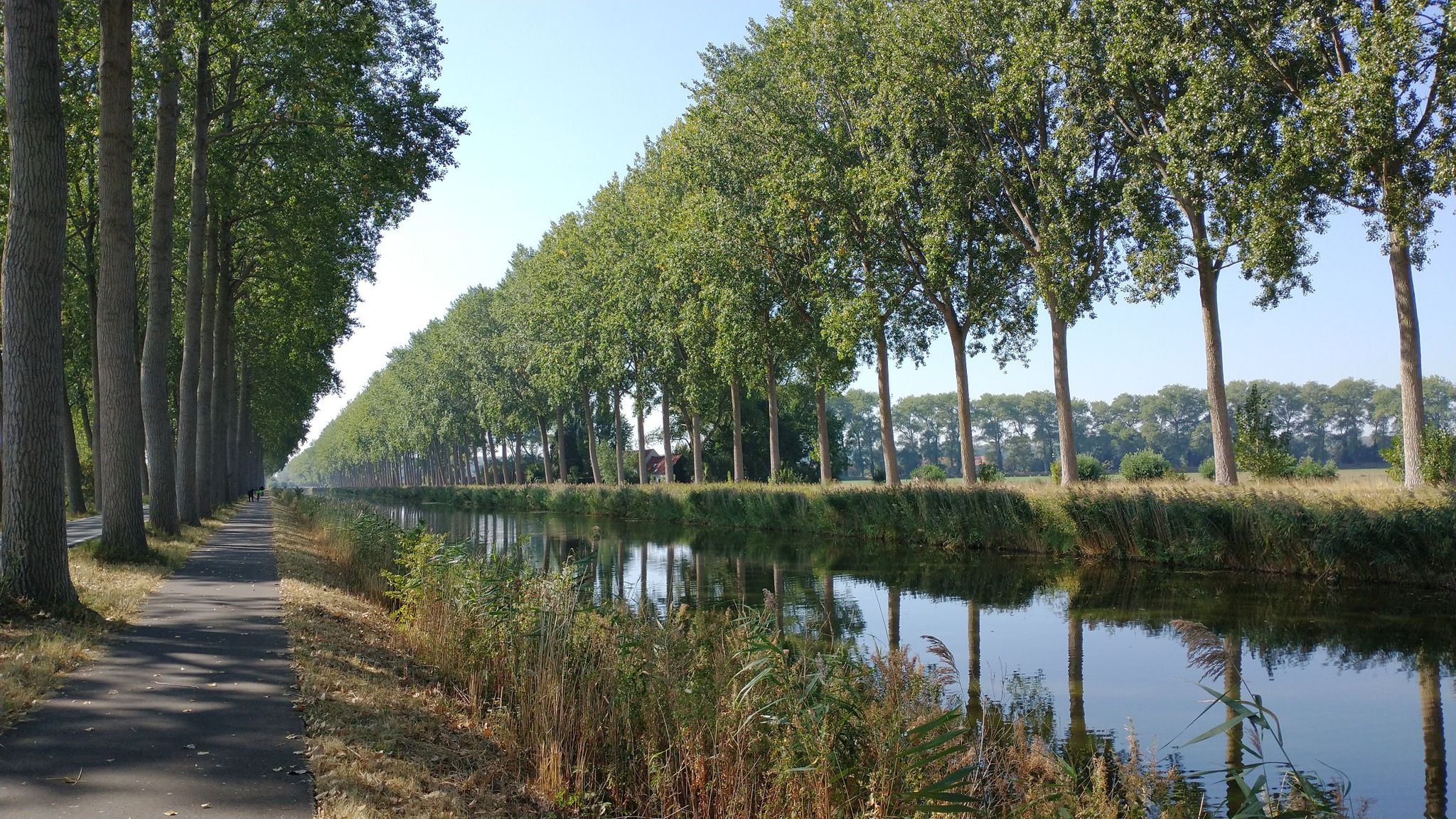
Coast and canals – travelling in Flanders and Zeeland Flanders
Along the border between the Netherlands and Belgium – the Grenslandpad
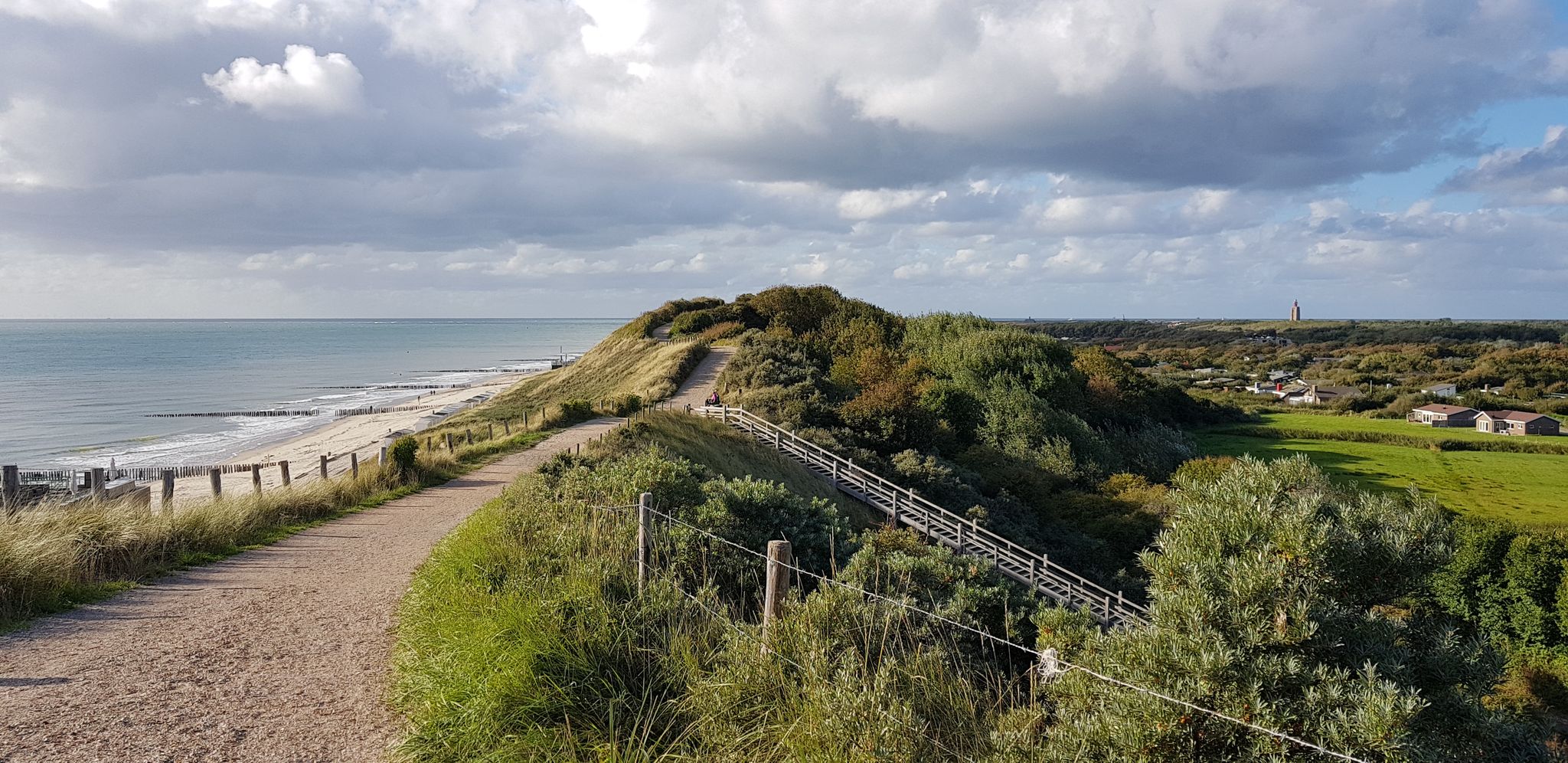
Along the Zeeland Coast — part 1: Dutch Coastal Path (formerly Deltapad)
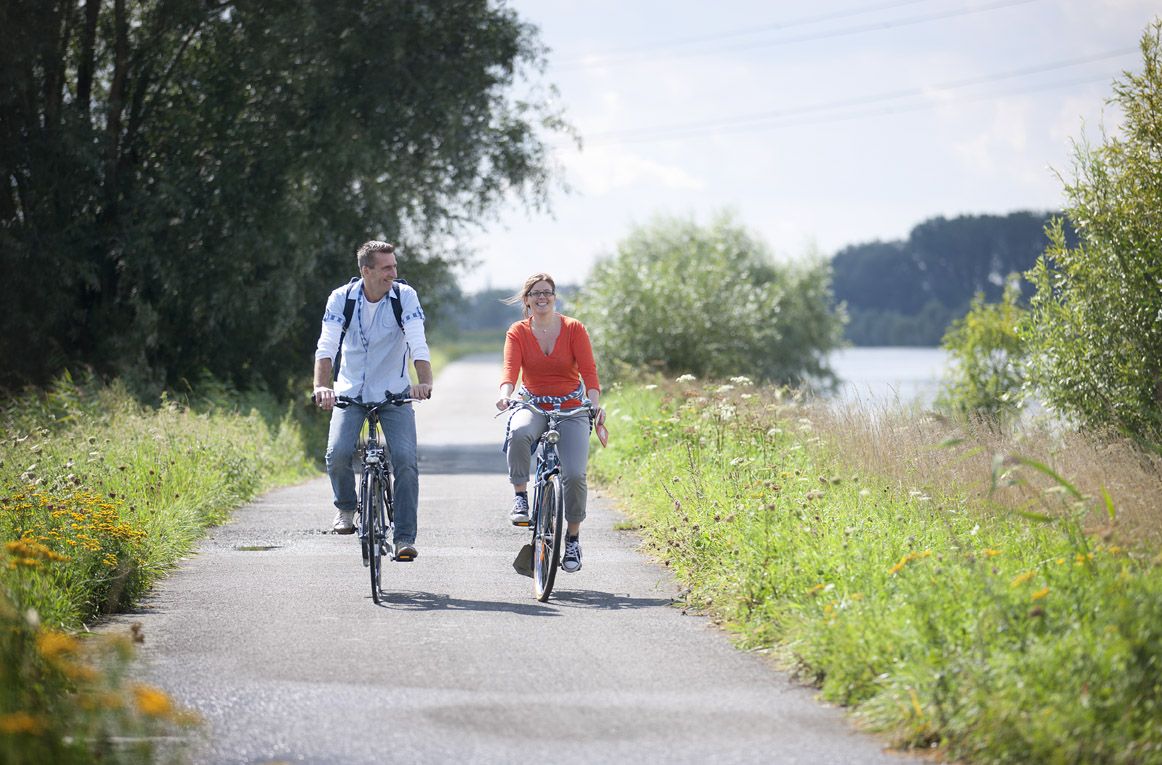
Flanders by bike: cycling along the water
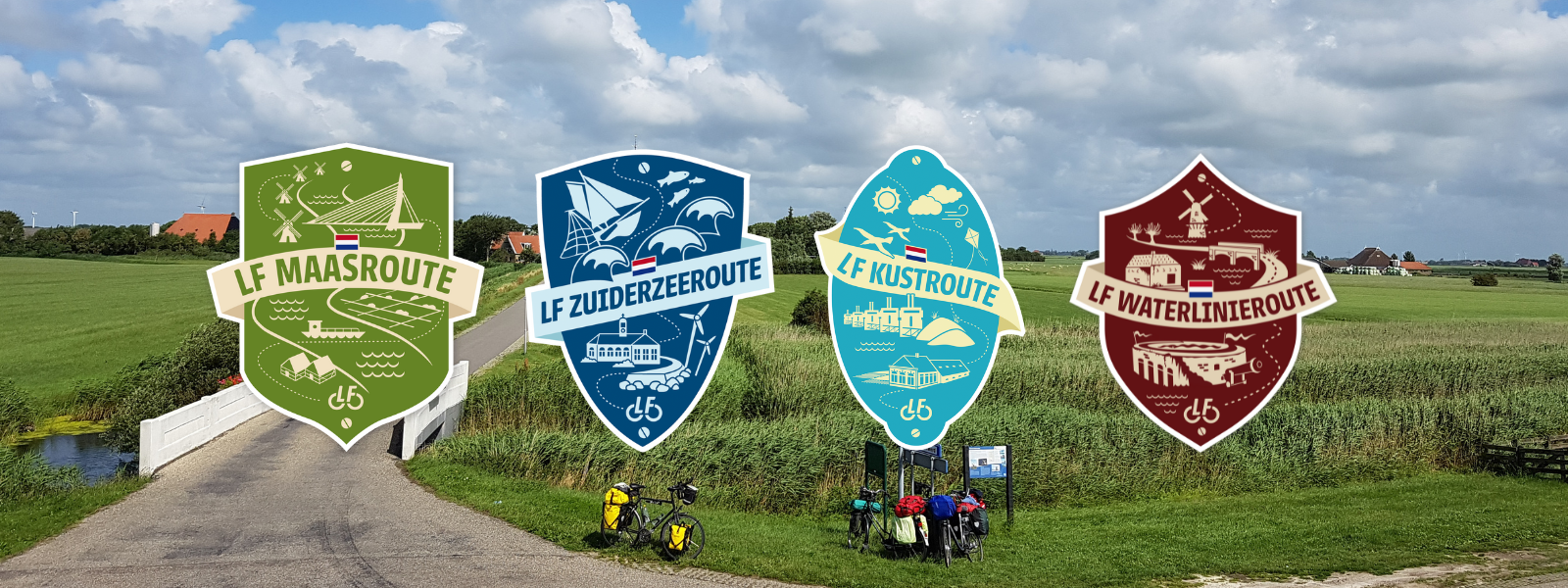
LF-routes
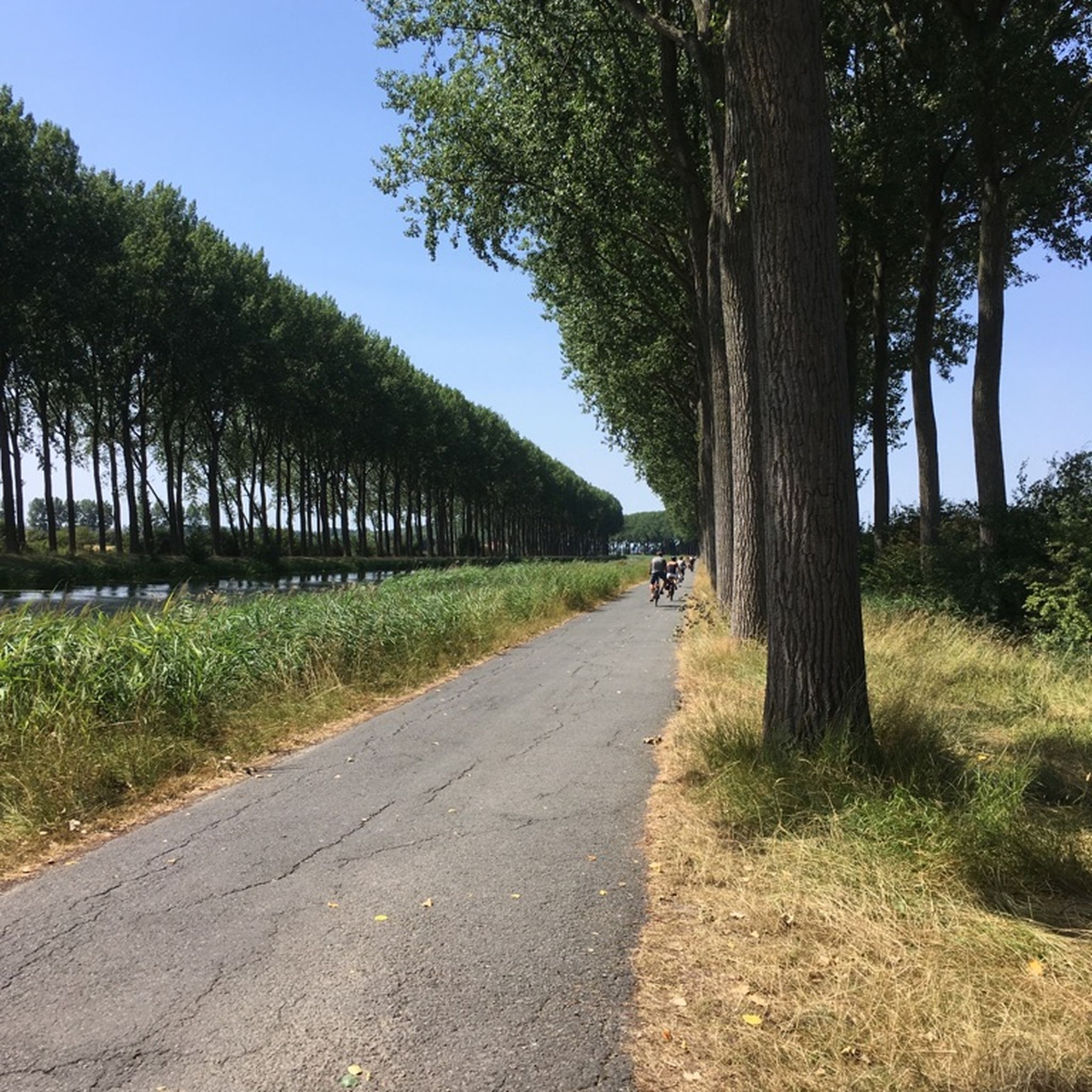
Cycling around Sluis
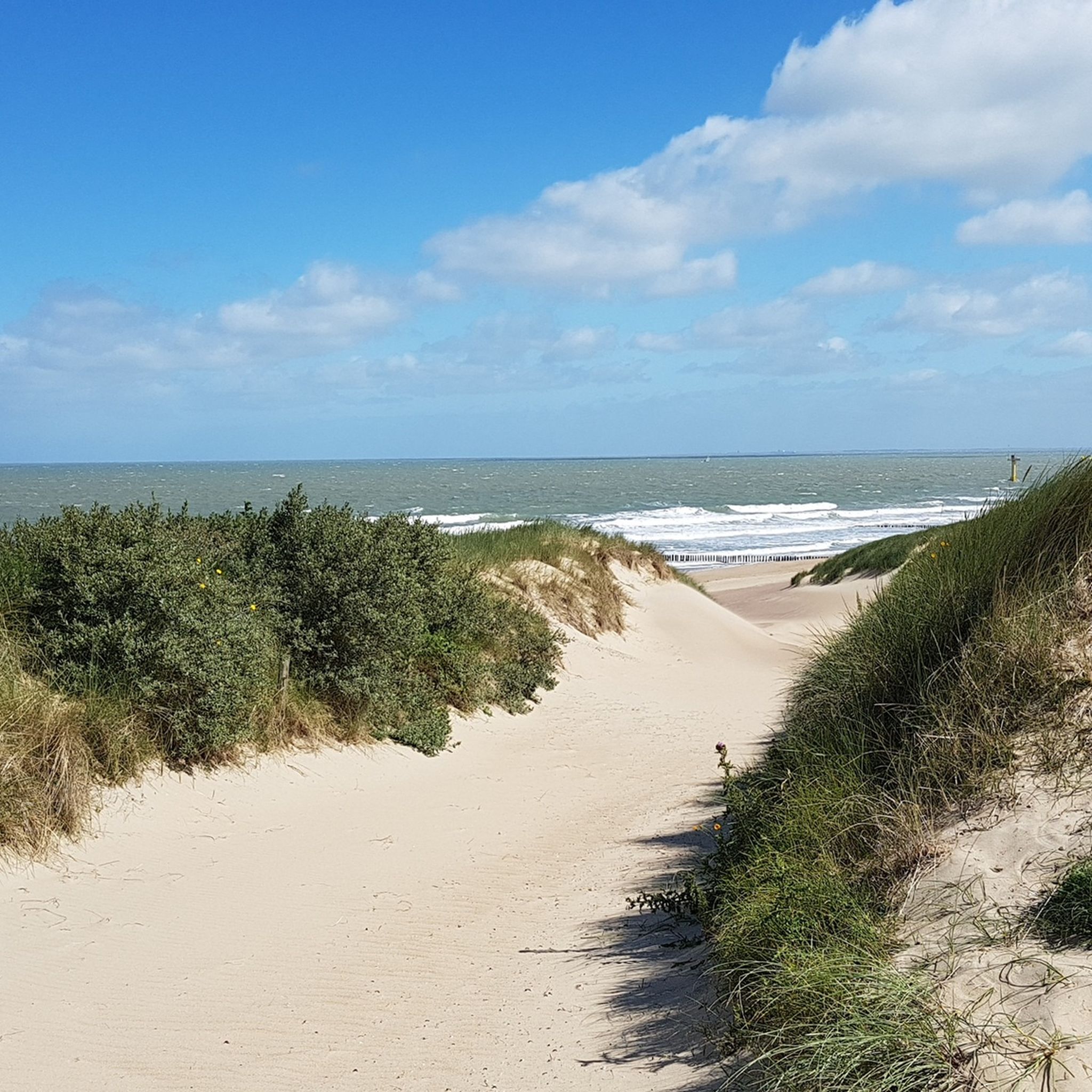
Hiking around Sluis
Other adventures around Sluis


Tips from the Community

Very beautiful vast nature reserve very close to beach and sea. Walking, running, cycling, horse riding...
2
0

In the 13th and 14th centuries, this sea arm - ’t Zwyn - was an important waterway to Bruges. This waterway was created after the sea had penetrated the land around the beginning of the Christian era. The cities of Bruges, Damme and Sluis were located on the Zwin and became flourishing trading centres. But the channel became increasingly shallow and eventually unnavigable. That is why the Zwin was later largely poldered. Nature then took over here. Source: https://www.hetzeeuwselandschap.nl/natuurgebieden/het-zwin
6
1
In the 13th and 14th centuries, this sea arm - ’t Zwyn - was an important waterway to Bruges. This waterway was created after the sea had penetrated the land around the beginning of the Christian era. The cities of Bruges, Damme and Sluis were located on the Zwin and became flourishing trading centres. But the channel became increasingly shallow and eventually unnavigable. That is why the Zwin was later largely poldered. Nature then took over here. Source: https://www.hetzeeuwselandschap.nl/natuurgebieden/het-zwin
6
0
The Zwin is a slufter: a beach plain behind the dunes that is in open connection with the sea. Directly behind the gully mouth lies a sandy beach, further inward lie dunes and salt marshes. Behind the row of dunes lie two small polders, which are managed by the Zeeuwse Landschap: the Kievittepolder and the Oudelandsepolder. In the Zwinweide, once a side channel of the Zwin, is a very varied area where fresh and salt alternate at a short distance. Thanks to the alternation between wet and dry, salt and fresh, and clay and sand, the entire area has a great variety in vegetation and birds. Source and all information for your visit to this Zeeland side of the Zwin at https://www.hetzeeuwselandschap.nl/natuurgebieden/het-zwin
6
0


The Zwin, whether it is Belgian or Dutch, does not matter, it is a beautiful nature reserve. The Zwin is a slufter: a beach plain behind the dunes that is in open connection with the sea. Directly behind the gully mouth lies a sandy beach, further inward lie dunes and salt marshes. Behind the row of dunes lie two small polders, the Kievittepolder and the Oudelandsepolder.
11
0

The cycle path runs parallel to the Zwin Nature Park. The landscape, which is shaped by the tides, is an eye-catcher. It gets even more exciting when you pay attention to the numerous birds that pay a flying visit to the Zwin or even breed here. Further information can be found on the nature park's website: www.zwin.be
5
0

Delicious segment where you can get a breath of fresh air and wave to ships.
2
0
Frequently Asked Questions
What kind of 'lakes' can I expect to find around Sluis?
The Sluis region is unique for its coastal water bodies and intertidal ecosystems rather than traditional inland freshwater lakes. These areas are characterized by their dynamic connection to the North Sea, creating special environments like salt flats, marshes, and creeks.
Which nature reserves are prominent for their water features in Sluis?
Two prominent nature reserves are Het Zwin Nature Reserve and the Verdronken Zwarte Polder. Both offer unique intertidal landscapes with significant water features and rich biodiversity.
Is the Zwin Nature Reserve suitable for bird watching?
Yes, The Zwin Nature Reserve is famously known as an 'International Airport for Birds' due to its importance as a breeding ground and a crucial stopover for numerous migratory bird species. More than half of all bird species observed in Belgium can be found here.
Are there walking trails in the Verdronken Zwarte Polder?
Yes, the Verdronken Zwarte Polder features a marked 3-kilometer walking route that leads towards the beach. Wooden boardwalks allow visitors to traverse the creek area while keeping their feet dry, offering a unique experience of the dynamic landscape.
Can I find family-friendly activities around the lakes in Sluis?
Absolutely. Areas like Zwin Dunes and Polders are family-friendly, offering paths suitable for walking and cycling. The unique ecosystems and birdlife in reserves like Het Zwin also provide engaging educational opportunities for all ages.
Are dogs allowed in the nature areas around Sluis?
Yes, some areas are dog-friendly. For instance, Zwin Dunes and Polders welcomes dogs on its walking paths, allowing you to explore the beautiful natural transition between sea, beach, and polder with your pet.
What kind of hiking opportunities are available near these water bodies?
You can find various hiking routes. For example, the 'Birds and drowned polders' route is a moderate 18.2 km hike, and the 'Cadzand-Bad Beach – The Zwin Nature Reserve' loop is a moderate 10.8 km trail. You can explore more options on the Hiking around Sluis guide.
Are there cycling routes that pass by the unique water landscapes?
Yes, cycling is a popular way to explore the region. The 'Zwinroute - Zeeland' is a moderate 35.2 km cycle, and the 'Nieuwe Sluis Lighthouse' loop is an easy 29.7 km ride. Find more cycling tours in the Cycling around Sluis guide.
What is the best time to visit the coastal nature reserves in Sluis?
The coastal nature reserves are beautiful year-round. Spring and autumn are particularly good for bird watching due to migratory patterns. Summer offers pleasant weather for walking and cycling, while the dynamic interplay of land and sea can be observed in all seasons.
What makes the Drowned Land of Saeftinghe Nature Reserve unique?
The Drowned Land of Saeftinghe Nature Reserve is a vast, brackish marsh area formed by historical floods. It offers an impressive landscape of creeks, mudflats, and salt marshes, providing a habitat for diverse flora and fauna, and a tangible experience of the ongoing interaction between land and sea.
Are there viewpoints to observe the unique landscapes?
Yes, in Het Zwin Nature Reserve, there is a 56-meter-long wooden panorama pier near Retranchement offering spectacular views of the intertidal area. Many trails also provide excellent vantage points over the salt marshes and dunes.
Most popular attractions around Sluis

Get inspired with the komoot mobile app


Explore more
Still not found your perfect lake around Sluis? Check out the guides of these regions to see even more beautiful places.
