The best MTB trails in Death Valley National Park
5.0
(1)
2
riders
4
rides
Mountain biking in Death Valley National Park offers exploration across diverse and extreme landscapes. The region features an extensive network of dirt roads, providing access to unique geological formations, deep canyons, and vast salt flats. Riders can navigate through areas characterized by desert peaks, sand dunes, and significant elevation changes, making it suitable for various skill levels. The park's unpaved roads are largely untrafficked, offering an immersive experience of its natural features.
Best mountain bike trails in Death Valley National…
Last updated: May 10, 2026
5.0
(1)
1
riders
30.8km
03:30
1,020m
1,020m
Get ready for a demanding mountain bike adventure on the Echo Canyon Road to Inyo Mine. This difficult 19.1-mile (30.8 km) route takes you through rugged desert terrain, where you…
1
riders
24.6km
02:40
690m
690m
Embark on the Chloride Cliffs Road for a moderate mountain biking adventure covering 15.3 miles (24.6 km) within Death Valley National Park. You will gain 2262 feet (689 metres) in…

Sign up for free
15.8km
02:03
710m
710m
Embark on a moderate mountain biking adventure along Ashford Canyon Road, a 9.8-mile (15.8 km) route that takes you deep into Death Valley National Park. You will experience the stark,…
40.5km
04:13
1,010m
1,010m
The Papoose Flat loop offers a challenging mountain biking experience through rugged desert terrain, perfect if you are an experienced rider. You will navigate a 25.2-mile (40.5 km) route that…
Our route recommendations are based on thousands of hikes, rides, and runs completed by other people on komoot.
Start today with a free account
Your next adventure awaits.
Login or Signup
Popular around Death Valley National Park
Tips from the Community

Ashford Mine, at an elevation of 2,201 feet, offers a glimpse into Death Valley's mining history. This mine began in 1907, when Harold Ashford started prospecting. After winning a court battle for the land in 1910, Harold and his brothers worked the mine. Despite leasing it to investors who built a road and mill, the mine never broke even. It became inactive in the 1950s but remains a site of historical interest for mountain bikers exploring the area. Today, just a few structures are still sitting under the Death Valley sun.
0
0
Ashford Canyon Road is great for hiking, mountain biking, and scenic driving. The trail leads to a narrow mountain canyon, and it is usually not busy at all. The best times to visit are October through April, due to some pretty intense heat and a lack of shade in the summer months. Note that dogs aren't allowed on this trail.
0
0
Ashford Mill Ruins is open 24 hours a day and has a few picnic tables but no shade cover. There's a bathroom and some parking; just be sure to pull all the way off the road. It's a great starting point for a hike or bike ride. The site has an interesting history as a gold mill from the early 1900s, with old ruins of a concrete or stone building and an informational sign to read up on all the history.
0
0
Chloride Cliff is the end of the line for Chloride Cliff Road, standing at an elevation of 5,269 feet above sea level. Height wise Chloride Cliff is 39th highest out of 71 peaks in Death Valley National Park. Enjoy a rewarding and fantastic view over the northern Funeral Mountains and the east side of Death Valley. Turn east and peer down into the neighboring state of Nevada.
0
0
Chloride City, California, sits at an elevation of 4,770 feet and is one of Death Valley's oldest mines. Established in 1905 after the silver and gold discovery, legend has it that in 1871, August J. Franklin picked up a rock to strike a rattlesnake and found silver ore. Today, all that is left are numerous adits, dumps, old buildings (some of the only shade here), and the grave of James McKay. The town also has the remains of three stamp mills. You'll find more remnants scattered around Chloride Cliff Road and its side trails.
0
0
Chloride Cliff Road offers an exciting ride near the Nevada-California border, popular with off-road vehicles and hikers. The 14.6-mile road from US-95 leads to the ghost town of Chloride City, with old mining relics still rusting in the desert sun. Be cautious of larger, sharp rocks, and it does not hurt to have a patch kit just in case. The road ends at 5,278 feet above sea level, with narrow shelf roads and amazing views into Death Valley and Nevada. There is no shade here, so plan accordingly.
0
0

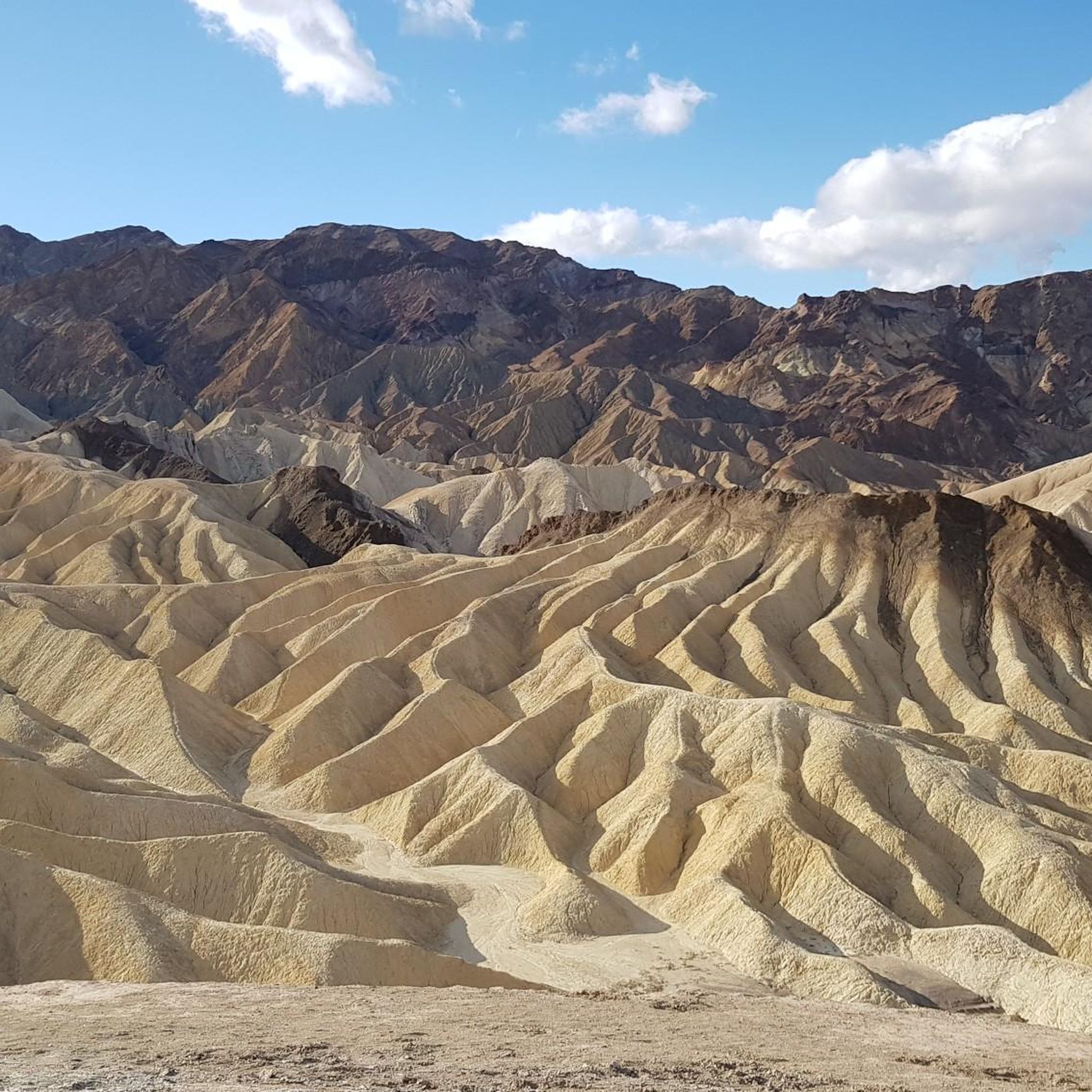
Echo Canyon Road is a long, rough, 4x4 road deep in the desert of Death Valley National Park. The road starts a little north of the famous Zabriskie Point and travels northeast through dramatic cliffs and rock formations. Camping is allowed along Echo Canyon Road in designated, gravel-filled sites. You can take the nontechnical, but still difficult and rugged, road up to the Inyo Mine and Echo Canyon overlook, or you can continue north-northeast on the Leeland Echo Canyon Road which takes you deeper into the desert.
0
0
The Inyo Mine was established in 1905 during the gold rush in Death Valley National Park, California. This historic mining site offers a glimpse into early 20th-century mining life and is located in the rugged Echo Canyon. In the early 20th century, miners extracted gold under extreme conditions, including intense heat and limited water supply. The site features remnants of adits, shafts, ore bins, a stamp mill used to crush ore, and miners' cabins, reflecting the harsh living conditions. Today it is accessible via the Echo Canyon Road, a rough dirt road, and visitors are advised to bring water, sun protection. Caution is paramount when visiting this historic site due to decaying structures and hidden dangers like unstable ground and shafts.
0
0
Frequently Asked Questions
What kind of terrain can I expect when mountain biking in Death Valley National Park?
Death Valley National Park offers a diverse range of terrain for mountain biking, primarily on extensive dirt roads. You'll encounter everything from vast salt flats and towering sand dunes to deep canyons and desert peaks. The park's unique geological formations provide stunning backdrops, with routes featuring varying levels of elevation gain and some sandy or washboard sections.
Are there mountain bike trails suitable for beginners in Death Valley National Park?
While many routes in Death Valley National Park are rated moderate to difficult, the park does offer options for less experienced riders, particularly on its unpaved roads. Routes like the Chloride Cliffs Road, rated moderate, provide a good balance of challenge and accessibility. It's always recommended to check the specific route details for distance and elevation before heading out.
What are some challenging mountain bike routes in Death Valley National Park?
For experienced mountain bikers seeking a challenge, Death Valley National Park offers several demanding routes. The Echo Canyon Road to Inyo Mine is a difficult 19.1-mile trail with significant elevation gain through canyon terrain. Another difficult option is the Papoose Flat loop, which covers over 25 miles with substantial climbing.
When is the best time of year to go mountain biking in Death Valley National Park?
The optimal time to visit Death Valley National Park for outdoor activities like mountain biking is from late fall into spring. This period avoids the park's notoriously unforgiving summer temperatures, which can be extreme. Visiting during cooler months ensures a more comfortable and safer riding experience.
What weather conditions should I prepare for when mountain biking in Death Valley?
Death Valley is known for its extreme conditions, being the hottest, driest, and lowest national park in the United States. While temperatures are milder in fall, winter, and spring, you should still prepare for significant temperature fluctuations, especially between day and night. Always carry plenty of water, sun protection, and be aware of potential winds and sudden weather changes. Check forecasts before you go.
Are there any scenic viewpoints or natural features to see along the mountain bike trails?
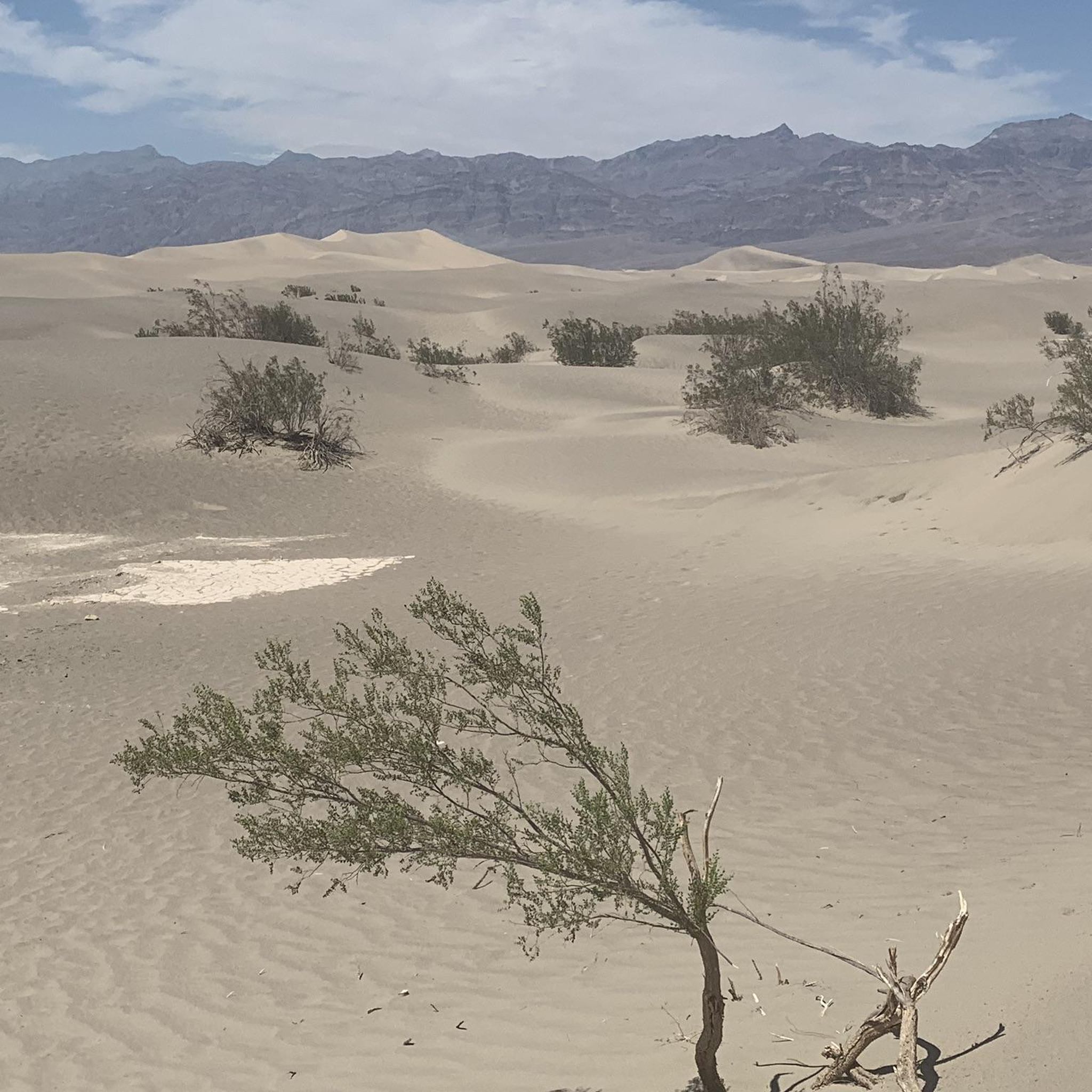
Yes, Death Valley National Park is rich with stunning natural features. While mountain biking, you might encounter views of colorful canyons, vast salt flats, and unique geological formations. Notable attractions nearby include Zabriskie Point for panoramic views, the expansive Badwater Basin Salt Flats, and the dramatic Mesquite Flat Sand Dunes Overlook. Many dirt roads lead to or pass by such scenic spots.
Can I bring my dog on mountain bike trails in Death Valley National Park?
Death Valley National Park has specific regulations regarding pets. Generally, pets are permitted on paved roads, dirt roads, and in developed areas like campgrounds and picnic sites. However, they are not allowed on hiking trails or in wilderness areas. This means your dog can accompany you on many of the park's mountain biking routes, provided they are on a leash no longer than six feet. Always check the latest park regulations on the official NPS website for specific areas.
Are there any loop routes for mountain biking in Death Valley National Park?
Yes, there are loop options available for mountain biking. For instance, the Papoose Flat loop is a challenging 25-mile route that allows you to experience a circular journey through the park's diverse landscapes. Many of the extensive dirt road networks also allow for creating your own loop combinations.
What should I bring for a mountain biking trip in Death Valley National Park?
Given the extreme environment, essential items for mountain biking in Death Valley include ample water (more than you think you'll need), sun protection (sunscreen, hat, sunglasses), appropriate layers of clothing, a repair kit for your bike, and a first-aid kit. A map and navigation device are also crucial, as cell service can be limited. Inform someone of your plans before heading out.
Are there any permits required for mountain biking in Death Valley National Park?
Generally, no special permits are required for mountain biking on the designated dirt roads within Death Valley National Park. However, standard park entrance fees apply. Always check the official National Park Service website (nps.gov) for the most current information on fees and any specific regulations that might apply to certain areas or activities.
What do other mountain bikers enjoy the most about mountain biking in Death Valley National Park?
The mountain biking routes in Death Valley National Park are highly rated by the komoot community, with an average score of 5.0 stars. Reviewers often praise the unique and dramatic landscapes, the sense of remote exploration on untrafficked dirt roads, and the opportunity to experience the park's extreme beauty up close. The diverse terrain and challenging climbs are also frequently highlighted.
Where can I find information about parking for mountain bike trails in Death Valley National Park?
Parking for mountain bike trails in Death Valley National Park is typically available at trailheads or along the main paved roads where dirt roads begin. Specific parking information can often be found on individual route descriptions or by consulting the park's official maps. Given the vastness of the park, parking is generally not an issue, but it's always wise to plan your starting point in advance.
Most popular attractions in Death Valley National Park

Get inspired with the komoot mobile app


Explore more
Browse the best MTB trails in other regions.
