The best road cycling routes in Marjory Stoneman Douglas Wilderness
5.0
(4)
408
riders
13
rides
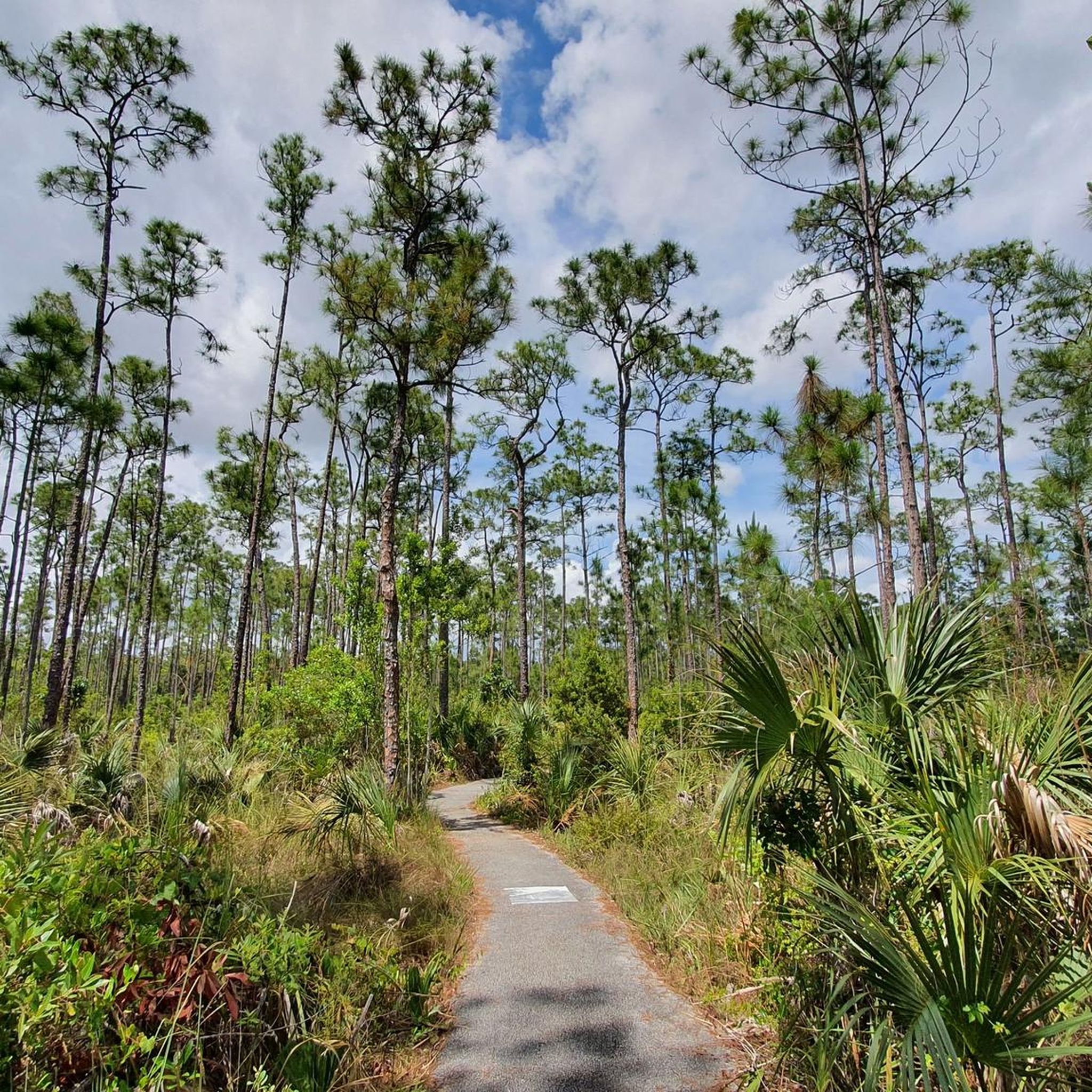
Road cycling routes in Marjory Stoneman Douglas Wilderness traverse a unique subtropical landscape, characterized by its vast, flat terrain and minimal elevation changes. This region is often described as a "river of grass," featuring expansive sawgrass prairies, dense mangrove forests, and hardwood hammocks. The hydrological system supports diverse ecosystems, making it suitable for road cyclists seeking routes with consistent gradients and natural scenery. The terrain consists primarily of paved roads and trails, offering accessible cycling experiences.
Best road cycling routes…
Last updated: May 11, 2026
5.0
(1)
142
riders
31.1km
01:16
10m
10m
Easy road ride. Great for any fitness level. Mostly well-paved surfaces and easy to ride.
5.0
(1)
59
riders
116km
04:17
20m
20m
Moderate road ride. Good fitness required. Mostly well-paved surfaces and easy to ride.

Sign up for free
5.0
(1)
37
riders
105km
04:44
70m
70m
Moderate road ride. Good fitness required. Mostly well-paved surfaces and easy to ride.
46
riders
62.4km
02:35
30m
30m
Moderate road ride. Good fitness required. Mostly well-paved surfaces and easy to ride.
20
riders
38.2km
01:50
40m
40m
Easy road ride. Great for any fitness level. Mostly well-paved surfaces and easy to ride.
Get access to more routes and recommendations from other explorers.
Sign up for free
Already have an account?
Our route recommendations are based on thousands of hikes, rides, and runs completed by other people on komoot.
Start today with a free account
Your next adventure awaits.
Login or Signup
Popular around Marjory Stoneman Douglas Wilderness


Other adventures in Marjory Stoneman Douglas Wilderness

Tips from the Community

A central road from which you can explore the landscape and the sights.
2
1


A small historical place. It's also interesting that there's still forest to be seen there.
0
0

Islamorada is a small village comprised of five islands in the heart of the Florida Keys, with some areas just one mile wide and five feet above sea level. Known as the “Sportfishing Capital of the World,” it features many professional charter boats and excellent fishing opportunities. There are many parks, open spaces, and several village beaches with tropical-themed bars, for plenty of options to enjoy the fresh, local seafood the town is famous for. While you're here, be sure to explore the Morada Way Art and Cultural District for a taste of local culture.
0
0

Small and quite cozy pub for a stopover. Water view - rear access. theocean-view.com.
0
0
Windley Key Fossil Reef Geological State Park, a former quarry, offers a glimpse into the Florida Keys' history. Henry Flagler's Overseas Railroad, built in the early 1900s, relied on its limestone. Later, the quarry yielded polished “keystone,” a decorative limestone unique to this area until the 1960s. The Hurricane Monument in Islamorada, at Mile Marker 82, is constructed from keystone extracted here. The park features several short loop trails throughout the grounds, where you can view the exposed fossilized coral reefs and remnants of the original quarry equipment. There is a drinking fountain, restrooms, and a lovely bench, perfect for a place to take a break under a canopy of hammock trees. The park is open daily from 8 am until sundown, with a $2.50 entrance fee. The visitor center operates Thursday–Monday, 8 am to 5 pm.
0
0
Key Largo is a laid-back community known as the “Diving Capital of the World.” The dive sites here are among the bucket lists of many, like Molasses Reef and the iconic underwater Christ of the Abyss statue in the Florida Keys National Marine Sanctuary. This charming town features beautiful parks, countless delightful restaurants tucked away among the marinas and neighborhoods, and plenty of places to stay, from cozy hotels to beautiful resorts and vacation rentals. It’s the perfect blend of great food and a relaxing atmosphere, making it an ideal place to spend time in the Upper Keys of Florida.
0
0
John Pennekamp Coral Reef State Park is the first underwater park in the United States, spanning an impressive 70 nautical square miles. Known for its vibrant coral reefs and diverse marine life, the park offers glass-bottom boat tours, as well as scuba diving and snorkeling for a closer look at the stunning underwater scenery. It is a popular spot for canoeing, kayaking, and fishing, with several small trails that wind through tropical hammocks. The park includes full-facility campsites, picnic areas, and a lovely beach area—perfect for relaxing and taking a dip on a hot day. The visitor center features large saltwater aquariums, a gift shop, and screens nature videos about the fish and coral species that inhabit the area. ** The park is open daily from 8 am to sunset, with a walk-in fee of $2.50 per person.
0
0
Frequently Asked Questions
How many road cycling routes are available in Marjory Stoneman Douglas Wilderness?
There are over 10 road cycling routes in Marjory Stoneman Douglas Wilderness, offering diverse experiences across its unique subtropical landscape. These routes range from easy rides to more moderate distances.
What is the terrain like for road cycling in Marjory Stoneman Douglas Wilderness?
The terrain in Marjory Stoneman Douglas Wilderness is predominantly flat, characterized by minimal elevation changes. You'll cycle through expansive sawgrass prairies, coastal mangrove forests, and past hardwood hammocks, often referred to as a 'river of grass' landscape. The routes are primarily on paved roads and trails, making for consistent gradients suitable for road cycling.
What natural features or wildlife can I expect to see while road cycling?
Road cycling in the Marjory Stoneman Douglas Wilderness offers exceptional opportunities for wildlife viewing. You might encounter alligators, various bird species like flamingos, roseate spoonbills, egrets, and herons. The unique ecosystems include sawgrass prairies, cypress swamps, and views of Florida Bay, which is home to marine life. For a route known for wildlife, consider the Miccosukee Indian Village to Shark Valley Observation Tower.
Are there any easy road cycling routes suitable for beginners or families?
Yes, there are several easy road cycling routes. The Miccosukee Indian Village to Shark Valley Observation Tower is an easy 19.3-mile (31.1 km) trail, perfect for a relaxed ride. Another accessible option is the Old Overseas Highway loop from Key Largo, which is 23.2 miles (37.3 km) and also rated as easy.
Are there any challenging road cycling routes in Marjory Stoneman Douglas Wilderness?
While the terrain is generally flat, some routes offer longer distances for a more challenging endurance ride. The Flamingo to Long Pine Key route, at 71.8 miles (115.5 km), provides a moderate challenge due to its length. Similarly, the Florida Keys Overseas Heritage Trail is a moderate 65.1-mile (104.8 km) path.
What is the best time to road bike in Marjory Stoneman Douglas Wilderness?
The best time for road cycling in Marjory Stoneman Douglas Wilderness is typically during the dry season, from November to April. During these months, temperatures are milder, humidity is lower, and there are fewer mosquitoes. The wet season (May to October) can bring higher temperatures, humidity, and afternoon thunderstorms.
Where can I park when road cycling in Marjory Stoneman Douglas Wilderness?
Parking is available at various access points within the park. For instance, the Shark Valley Visitor Center offers parking for those looking to cycle the popular Shark Valley Bike Trail. When planning your route, check the specific starting points for available parking facilities.
Are there any specific landmarks or viewpoints along the road cycling routes?
Yes, several routes offer access to notable landmarks and scenic viewpoints. Along the Miccosukee Indian Village to Shark Valley Observation Tower route, you can reach the Shark Valley Observation Tower, which provides panoramic views of the 'river of grass'. Other highlights in the region include the Pinelands Trail and the Mahogany Hammock Trail, which offer glimpses into unique ecosystems.
Are permits required for cycling in Marjory Stoneman Douglas Wilderness?
While general park entrance fees apply to enter Everglades National Park, specific permits for cycling on designated paved trails are generally not required beyond the park entrance fee. However, it's always advisable to check the official National Park Service website for the most current regulations regarding fees and access. You can find more information on bicycling in the park at nps.gov.
Can I find loop road cycling routes in the Marjory Stoneman Douglas Wilderness?
Yes, loop routes are available for road cyclists. A notable example is the Key Largo Marina – North Beach loop from Key Largo, which covers 38.8 miles (62.4 km). These loops offer the convenience of starting and ending at the same point, allowing you to explore different sections of the wilderness.
What do other road cyclists enjoy the most about road cycling in Marjory Stoneman Douglas Wilderness?
The area is highly rated by the komoot community, with an average score of 5.0 stars. Reviewers often praise the unique natural scenery, the abundance of wildlife viewing opportunities, and the flat, accessible terrain that makes for enjoyable and consistent cycling. The sense of solitude and connection with nature is also frequently highlighted.
Is public transport available to access road cycling routes in the wilderness?
Public transport options directly into the Marjory Stoneman Douglas Wilderness are limited. Most visitors access the park and its cycling routes by private vehicle. It is recommended to plan your trip with personal transportation to reach the various trailheads and visitor centers.
Most popular routes in Marjory Stoneman Douglas Wilderness
Most popular attractions in Marjory Stoneman Douglas Wilderness

Get inspired with the komoot mobile app


Explore more
Browse the best Road cycling routes in other regions.
