Attractions and Places To See around Vila Cã - Top 18
Best attractions and places to see around Vila Cã include a mix of historical sites and natural formations. The region features significant fluviokarstic canyons and historical castles, reflecting both its geological past and its role in Portuguese history. Visitors can explore ancient structures and natural formations shaped by water over centuries. The landscape provides opportunities to discover hidden valleys and prominent viewpoints.
Best attractions and places to see around Vila Cã
- The most popular attractions is Poios Canyon, a…
Last updated: June 25, 2026
Ponte da Cal
Highlight • Bridge
Translated by Google •
Tip by

Pombal Castle
Highlight • Castle
It stands atop a rocky outcrop beside the Arunca River, overlooking the city of Pombal.
Built between 1156 …
Translated by Google •
Tip by

Sign up now to discover places like this
Get recommendations on the best single tracks, peaks, & plenty of other exciting outdoor places.
Sign up for free
Poios Canyon
Highlight • Gorge
Translated by Google •
Tip by
Nossa Senhora da Estrela
Highlight • Religious Site
Translated by Google •
Tip by

Old Clock Tower
Highlight • Monument
Translated by Google •
Tip by

Sign up for free to discover even more attractions around Vila Cã.
Sign up for free
Already have an account?
Start today with a free account
Your next adventure awaits.
Login or Signup

Tips from the Community

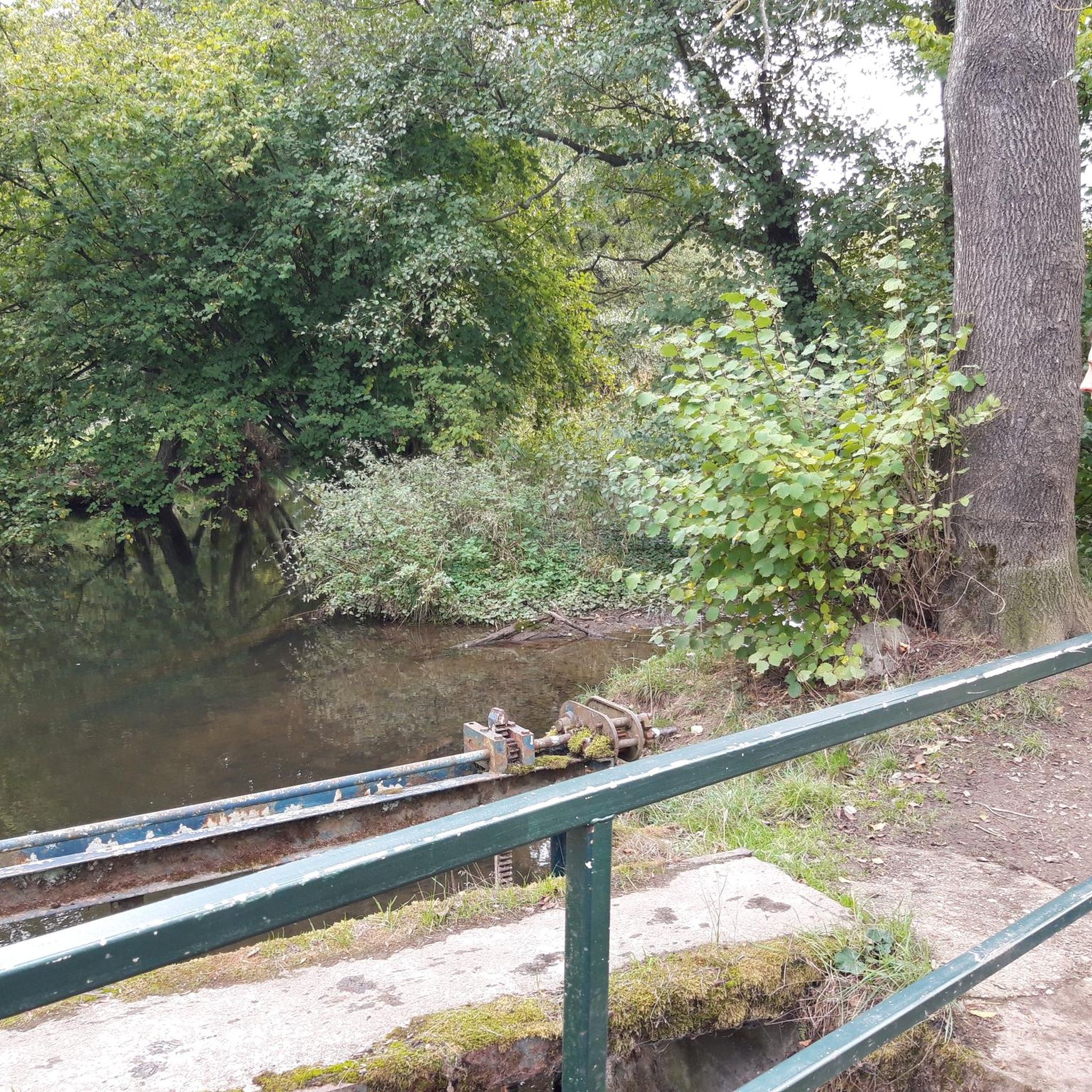
At the entrance to Ansião, the Ponte da Cal bridge crosses the serene Nabão River. Built in the 17th century, it formed part of the old road axis between Coimbra and Lisbon and reveals, beneath its two perfect arches, curious marks sculpted by time. Popular memory links it to the passage of Queen Saint Isabel, inspiration for the old bathing tanks next to the bridge (one for women, the other for men). Legend says that the waters became miraculous after the queen refreshed herself here, giving rise to the famous "holy baths". The small chapel was built to mark this devotion.
1
1
The Chapel of Our Lady of the Star is sheltered by an impressive grotto, which rises like a stone mantle over the temple. Once a simple cavity, it grew until it took on its current form. Inside, a staircase leads to the deepest grotto. And, at the top, a small viewpoint guards the image of Our Lady of the Star facing the sea, recalling the legend that says she guided a fisherman back home.
2
0
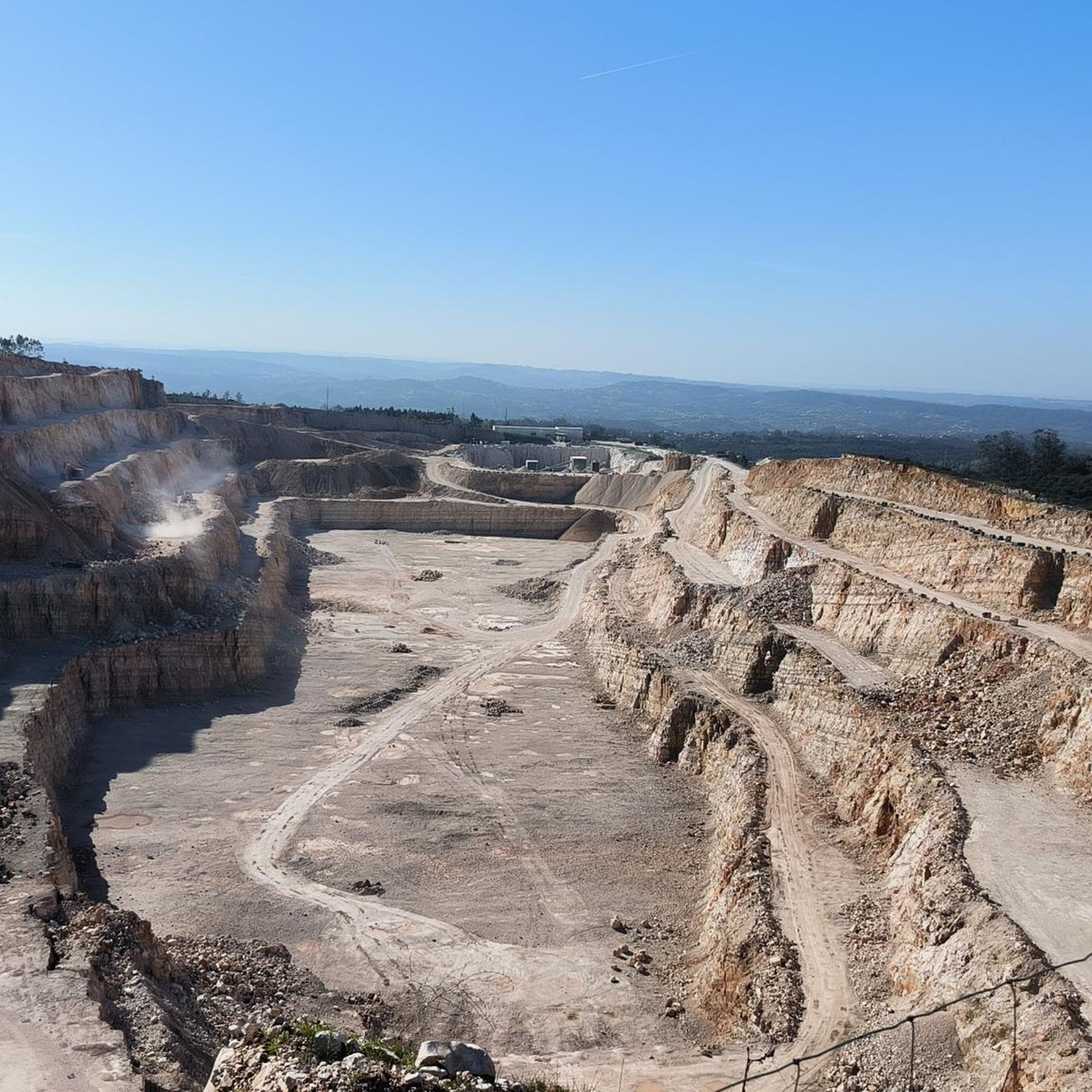
The Poio Valley stands as a well-kept secret of the mountains, preserved for centuries by its rugged, steep, wild, and inaccessible geography. Only shepherds and adventurers used to know these paths. Perhaps that is why a rare fauna found refuge here. It is one of the largest fluviokarstic canyons in Portugal, a valley patiently sculpted by water, which left monumental slopes and a breathtaking landscape. To the south lies Poio Velho; to the north, the more famous Poio Novo, two chapters of the same magnificent landscape.
2
0
Pombal Castle dominates the landscape and the very history of the city. Built between 1156 and 1171 by the Knights Templar, it formed part of the old Mondego defensive ring, a series of fortresses that protected access to Coimbra after the Reconquista. Over the centuries it suffered attacks, including those from Napoleonic troops, and fell into ruin. Today, the castle has once again become a vibrant and accessible space, a privileged viewpoint and an essential landmark of Pombal's identity.
2
1

Pombal Castle, one of the most important Templar monuments in central Portugal: It stands atop a rocky outcrop beside the Arunca River, overlooking the city of Pombal. Built between 1156 and 1171 by Gualdim Pais, Grand Master of the Knights Templar, on the site of an ancient Roman fort and Arab fortress. It formed part of the Templar defensive line to protect Coimbra and launch offensives against the Muslims.
4
1
A charming historic bridge located in the municipality of Ansião, in the district of Leiria, Portugal. Probably built in the 17th century, this arched structure consists of two full arches and a gently sloping trestle deck. Beneath one of the arches is a stone basin, which, according to local tradition, was used by Queen Saint Isabel to bathe during her visits to the region.
5
1

Ordered to be built by D. Pedro I in the second quarter of the 14th century, with the intention of collecting tributes/taxes owed by the Jews and Moors on St. Martin's Day. This building with Manueline characteristics separated the old town of Pombal, to the east, towards the Castle, from the new town, to the west, towards the Arunca river, serving as a border to what was inside and outside the town's walls. In 1509, during the reign of D. Manuel I, it underwent structural improvements, and he ordered the installation of a mechanical clock and a bell, so that the ringing of the Trindades would always sound at the right time. Around 1776, the Marquis of Pombal had this bell transferred to the Prison building. In 2014 it underwent improvement works, with the aim of welcoming its visitors by making its history known.
3
0

Excellent view from a height for many kilometers
0
0
Frequently Asked Questions
What historical sites can I explore around Vila Cã?
Vila Cã offers a rich historical tapestry. You can visit Pombal Castle, a significant Templar monument built between 1156 and 1171, offering insights into the region's defensive past. Another historical gem is Ponte da Cal, a charming 17th-century bridge with local legends about Queen Saint Isabel. Don't miss the Old Clock Tower, a 14th-century structure with Manueline characteristics that once marked the division of Pombal's old and new towns.
Are there any significant natural attractions in the Vila Cã area?
Absolutely. The most prominent natural attraction is Poios Canyon, one of Portugal's largest fluviokarstic canyons. This valley was sculpted by water over centuries, creating monumental slopes and a truly breathtaking landscape. It's a well-kept secret, preserving rare fauna.
What are some unique viewpoints to visit near Vila Cã?
For stunning views, head to Pombal Castle, which stands atop a rocky outcrop and provides a privileged panorama of the city. Another excellent spot is Nossa Senhora da Estrela, where a small viewpoint from within an impressive grotto offers unique vistas. The monumental slopes of Poios Canyon also provide incredible photographic opportunities and expansive views.
Are there family-friendly attractions around Vila Cã?
Yes, Ponte da Cal is considered family-friendly. This historic 17th-century bridge over the Nabão River is easy to access and explore, with interesting local legends about Queen Saint Isabel and ancient bathing tanks that can captivate younger visitors.
What outdoor activities, like cycling or running, are available near Vila Cã's attractions?
The region around Vila Cã offers a variety of outdoor activities. You can find numerous MTB trails, cycling routes, and running trails. For example, there are challenging MTB routes like the 'Church of Aldeia do Vale – Serra do Sicó Viewpoint loop' and scenic running trails such as the 'Poios Canyon – Nossa Senhora da Estrela loop'. You can explore more options on the dedicated guides for MTB Trails around Vila Cã, Cycling around Vila Cã, and Running Trails around Vila Cã.
What is the best way to experience Poios Canyon?
Poios Canyon is best experienced by exploring its trails. It's known for its rugged, steep, and wild geography, making it ideal for adventurers. Some visitors suggest starting your tour lower down in the valley to fully appreciate the monumental slopes and unique landscape. It's also a great spot for photography and even wall climbing.
What are the opening hours for Pombal Castle?
Pombal Castle has varying opening hours depending on the season. From April to September, it's open from 10:00 am to 1:00 pm and 2:00 pm to 7:00 pm. From October to March, hours are 10:00 am to 1:00 pm and 2:00 pm to 5:00 pm. Please note that the castle is closed on Mondays and public holidays including January 1st, Easter Sunday, May 1st, and December 25th.
What is the significance of Nossa Senhora da Estrela?
Nossa Senhora da Estrela is a religious building sheltered by an impressive grotto. It's a place of devotion, with a staircase leading to the deepest part of the grotto. Legend says that the image of Our Lady of the Star, facing the sea from a small viewpoint, guided a fisherman home, adding to its spiritual significance.
Are there any easy walking or running routes near Vila Cã?
Yes, for easier walks or runs, you can find moderate difficulty routes in the area. For instance, the '🏰 POMBAL – View of POMBAL Castle loop from Pombal' is a moderate running route of about 9.9 km. Another option is the 'View of POMBAL Castle – Café Joaninha loop from Pombal', which is around 8.2 km and also rated moderate. These routes allow you to enjoy the scenery without extreme difficulty. More details can be found in the Running Trails around Vila Cã guide.
What do visitors enjoy most about the attractions around Vila Cã?
Visitors particularly appreciate the blend of historical depth and natural beauty. The dramatic landscapes of Poios Canyon are often highlighted for their photographic opportunities and wild nature. The historical significance and commanding views from Pombal Castle are also highly rated, as is the unique setting of Nossa Senhora da Estrela within its grotto.
Can I find any hidden gems or less-known spots near Vila Cã?
While not explicitly 'hidden,' Poios Canyon is described as a 'well-kept secret of the mountains,' preserved by its rugged geography. It offers a sense of discovery away from more frequented paths. Exploring the trails around this area can lead to unique perspectives and a deeper connection with nature.
What is the history behind the Old Clock Tower in Pombal?
The Old Clock Tower was ordered by D. Pedro I in the 14th century to collect taxes. It served as a border, separating the old town of Pombal from the new. In 1509, D. Manuel I installed a mechanical clock and bell. Although the bell was later moved, the tower underwent improvements in 2014 to welcome visitors and share its rich history.
Most popular routes around Vila Cã

Get inspired with the komoot mobile app


Explore more
Still not found the Highlight you’re looking for? See guides of the top attractions in other regions:
