The best mountain hikes around Eppenbrunn
5.0
(4)
10
hikers
3
hikes
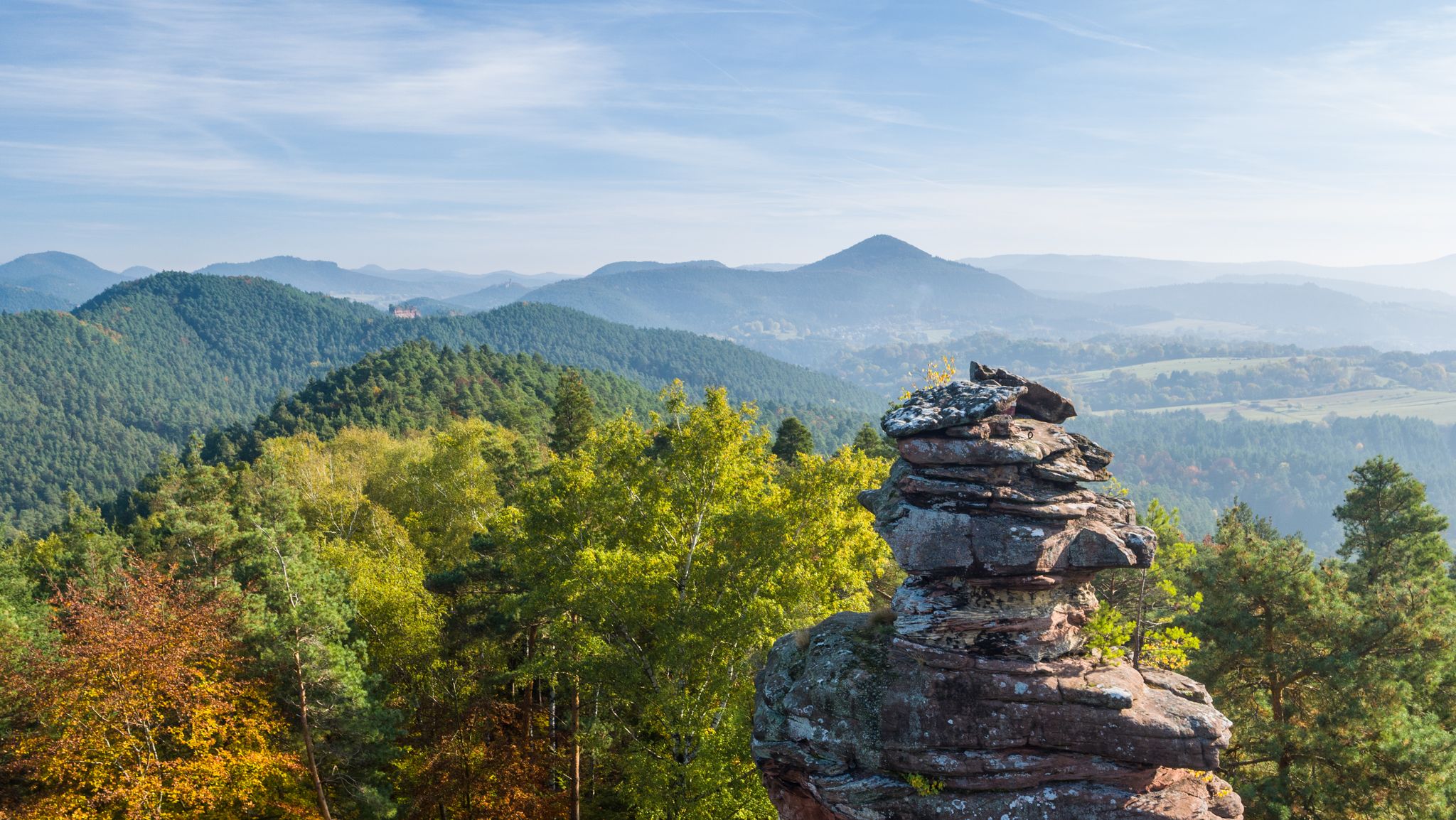
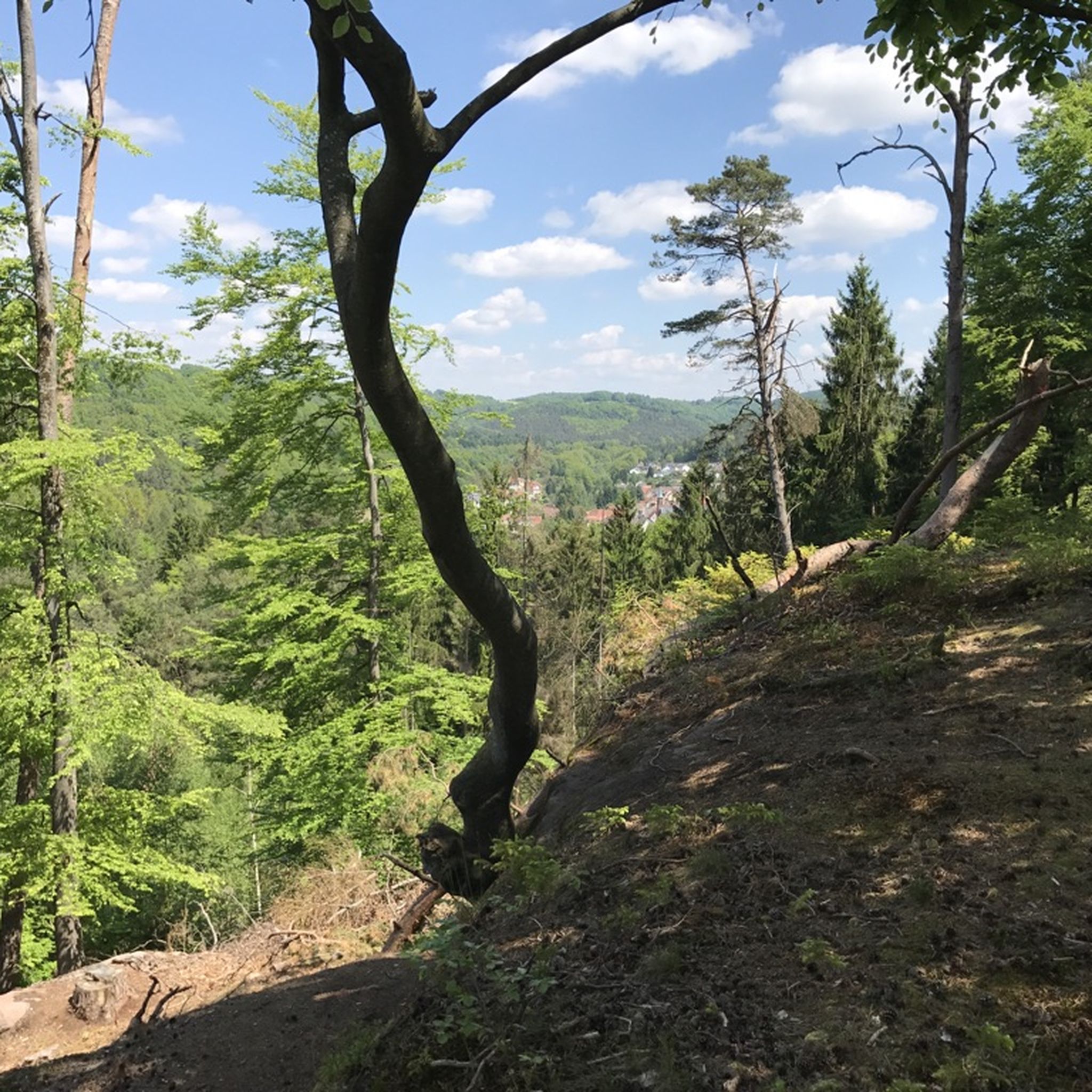
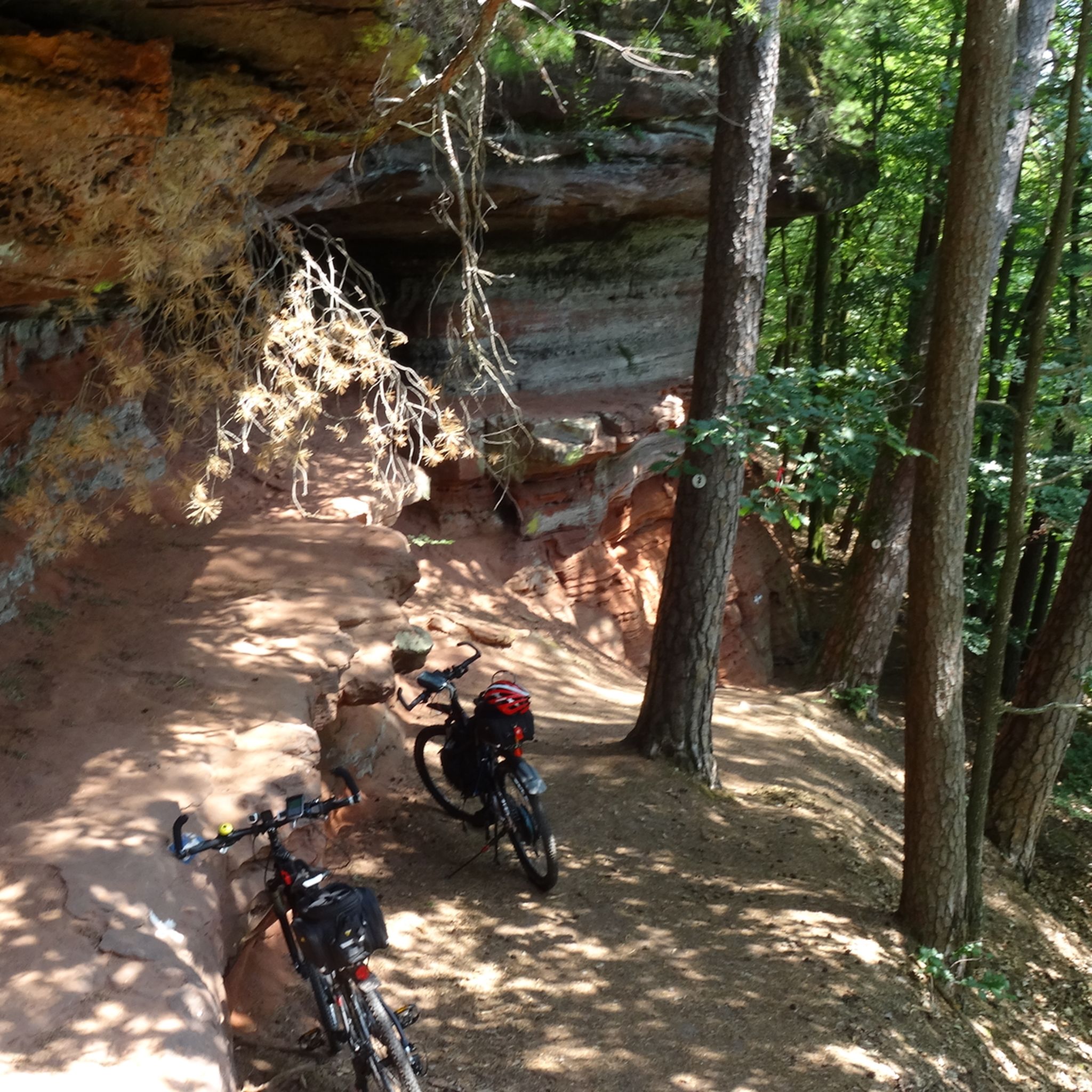
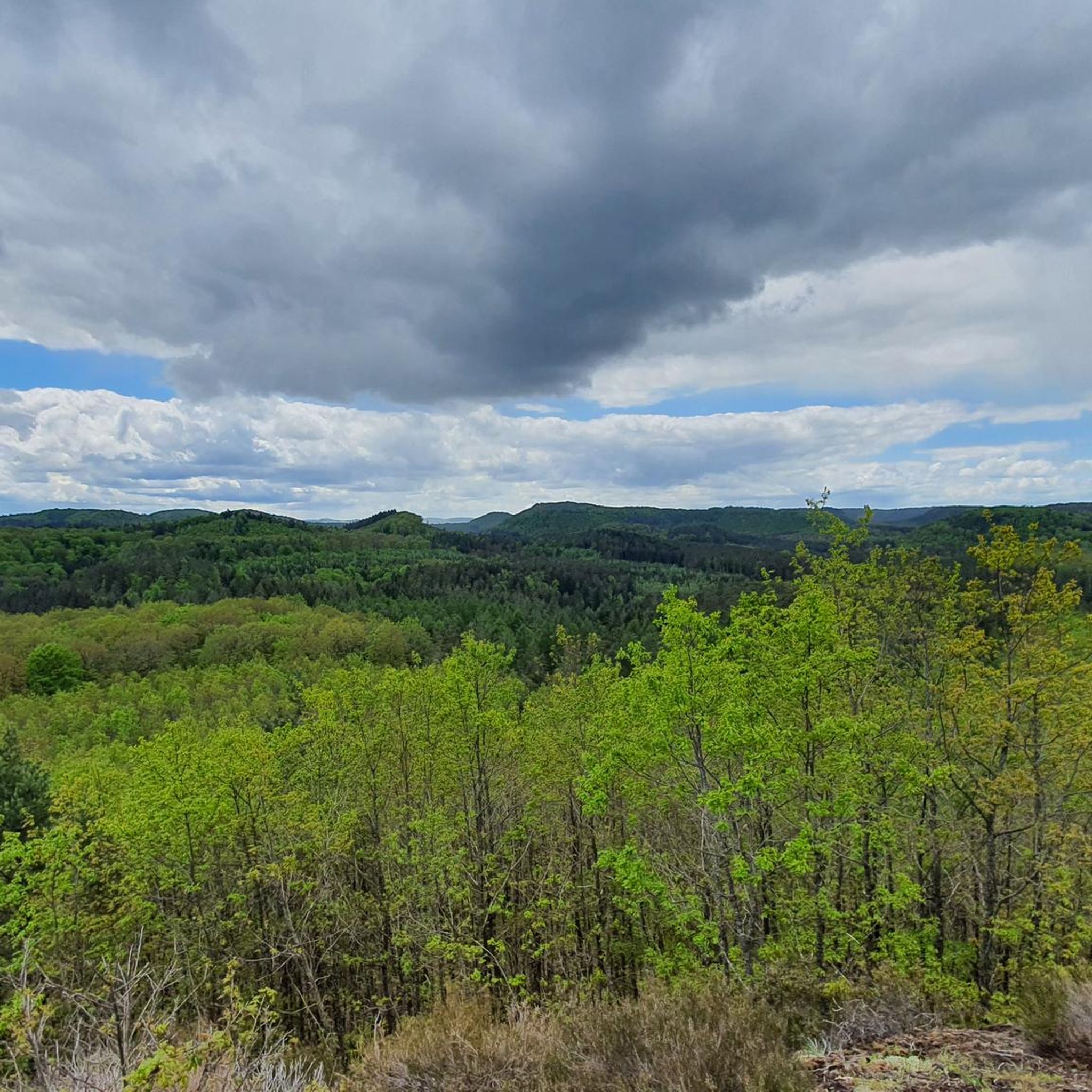
Mountaineering routes around Eppenbrunn are set within the German part of the Wasgau region, characterized by its distinctive red sandstone formations and dense forests. The area is nestled within the Pfälzerwald Nature Park, part of the UNESCO-designated Palatinate Forest-North Vosges Biosphere Reserve. This landscape features impressive sandstone cliffs, picturesque valleys, and a network of trails suitable for exploring its geological wonders.
Best mountaineering routes around Eppenbrunn
- The most popular mountaineering route is Altschloss Rocks – Altschlossfelsen loop from Eppenbrunn,…
Last updated: October 7, 2026
5.0
(2)
2
hikers
12.9km
04:03
480m
490m
Moderate mountaineering route. Good fitness required. Mostly accessible paths. Sure-footedness required.
5.0
(1)
5
hikers
Moderate mountaineering route. Good fitness required. Easily-accessible paths. Suitable for all skill levels.

1
hikers
12.3km
04:02
490m
500m
Moderate mountaineering route. Good fitness required. Mostly accessible paths. Sure-footedness required.
1
hikers
11.2km
03:41
400m
400m
Moderate mountaineering route. Good fitness required. Mostly accessible paths. Sure-footedness required.
5.0
(1)
1
hikers
12.2km
03:25
230m
230m
Moderate mountaineering route. Good fitness required. Easily-accessible paths. Suitable for all skill levels.
Our route recommendations are based on thousands of hikes, rides, and runs completed by other people on komoot.
Start today with a free account
Your next adventure awaits.


Tips from the Community

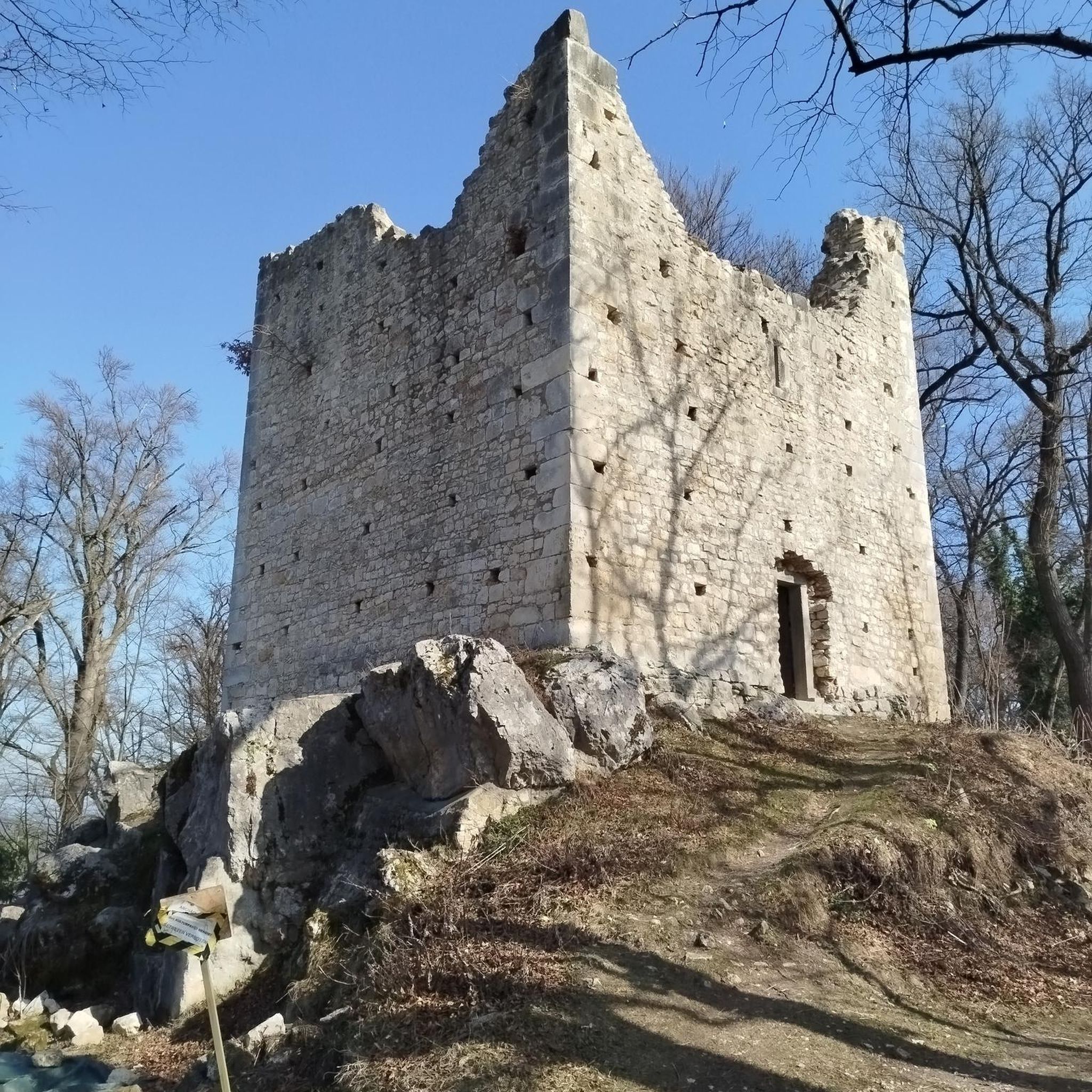
The tree at the very top of Burg Blumenstein is a natural bonsai.
0
0

Imposing remains of a Celtic rampart system with an annex wall around a spring/spring sanctuary. Little researched and with a "Celtic sacrificial stone".... As of July 2026, many trees have fallen after a tornado-like storm. Paths closed. Take care.
0
0


Gienanth fountain from 1842 in front of the manor house in Schönau. In 1835, Ludwig von Gienanth acquired the smelting works, which went bankrupt in 1883.
1
1

A great place for camping, a good restaurant, a great welcome, beautiful hiking and biking trails. Thanks to the owners, very accommodating.
0
0

The Wegelnburg Castle is located at an altitude of 572 meters, stretching along a mountain ridge. It is the highest castle complex in the Palatinate region, offering panoramic views over the Palatinate Forest/Northern Vosges Biosphere Reserve. This imperial fortress was built in the 12th/13th centuries. Remains of gates, buildings, large rock chambers, and surrounding walls are worth seeing.
4
0
Not far from Hohenbourg Castle, near the German-French border, lies the Maiden's Fountain, which bears witness to a tragic story: For a long time, the lords of Hohenbourg and Wegelnburg were enemies. And as fate would have it, the squire Robert von Wegehiburg fell in love with Edwige, daughter of the lord of Hohenbourg. She often lingered at the abundant spring between the two castles. One day, Robert went hunting. He chased a wild boar that was heading towards the spring where Edwige was. In the heat of the moment, the boar leaped at Edwige, but Robert, a skilled hunter, managed to catch it just in time, and with this act, he won his beloved's heart. The two often spent time secretly at this spring between the feuding castles. But one day, the lord of Hohenbourg surprised his daughter in the arms of his arch-enemy's son. In a blind rage, he stabbed Robert to death before Edwige's eyes. She collapsed with grief and died on the spot, instantly following her lover into the realm of the dead. Since that terrible day, two forget-me-not bushes have grown at this spring, which is now known as the Maiden's Fountain. It is not uncommon to see a white shadow above the Maiden's Fountain at dusk: this is the ghost of Edwige, descending from the cellars of Hohenbourg Castle to visit the place of her love. There she sings mournful words and sheds tears into the stream before being carried away by the wind.
8
0
Frequently Asked Questions
How many mountaineering routes are available around Eppenbrunn?
There are 5 mountaineering routes around Eppenbrunn listed in this guide, all rated as moderate difficulty. These routes offer diverse experiences within the Palatinate Forest.
What are the main natural features to expect on mountaineering routes in Eppenbrunn?
Mountaineering routes in Eppenbrunn are characterized by spectacular red sandstone formations, dense forests, and serene valleys. The most prominent feature is the Altschloss Rocks, a 1.5-kilometer-long sandstone cliff formation. You'll also encounter other impressive rock formations and diverse flora and fauna within the Pfälzerwald Nature Park.
Are there any circular mountaineering routes in the Eppenbrunn area?
Yes, several routes are circular. For example, the Altschloss Rocks – Altschlossfelsen loop from Eppenbrunn is a popular circular trail leading to the impressive sandstone formations. Another option is the Tziganes Rock – Klingelfels Rock Formation loop from Schönau (Pfalz), which explores various rock formations in the Wasgau region.
What kind of historical landmarks can be found along the routes?
Some routes offer a blend of natural beauty and historical sites. The Hohenbourg Castle – View from Wegelnburg Castle loop from Schönau (Pfalz), for instance, leads through forested areas with historical castle ruins and panoramic views, providing a glimpse into the region's past.
What is the best time of year for mountaineering in Eppenbrunn?
The Palatinate Forest, where Eppenbrunn is located, is generally suitable for hiking and mountaineering from spring through autumn. The vibrant colors of the sandstone formations are particularly striking in late afternoon sun, and the forests offer pleasant shade during warmer months. Winter conditions can vary, so checking local weather is advisable.
Are there any waterfalls or gorges to explore near the mountaineering trails?
Yes, the region features several scenic gorges and waterfalls. The Altschloss Rocks themselves form a dramatic gorge-like landscape. You can also find highlights like the Rock Passage Near Büttelfelsen and the Witches' Gorge, which offer unique geological formations and picturesque views.
What do other mountaineers enjoy most about the routes in Eppenbrunn?
The mountaineering routes around Eppenbrunn are highly rated by the komoot community, with an average score of 5.0 stars from 5 reviews. Reviewers often praise the spectacular red sandstone formations, the diverse forest landscapes, and the well-maintained trails that offer a rewarding outdoor experience.
Are the mountaineering routes in Eppenbrunn suitable for families?
While all routes in this guide are rated as moderate, the region offers a variety of trails. The Altschloss Rocks – Altschlossfelsen loop from Eppenbrunn is a popular choice and generally considered accessible, but families should assess their children's endurance for the 6.4-mile distance and elevation changes. The unique rock formations are often a highlight for all ages.
Where can I find parking for the mountaineering routes?
Many routes start from villages like Eppenbrunn or Schönau (Pfalz), where designated parking areas are typically available for hikers. It's advisable to check specific route descriptions on komoot for detailed parking information at the trailhead.
Are there any other notable rock formations besides Altschlossfelsen?
Beyond the Altschlossfelsen, the region is rich in impressive rock formations. The Tziganes Rock – Klingelfels Rock Formation loop from Schönau (Pfalz) specifically highlights other unique rock structures. The Palatinate Forest is renowned for its Buntsandstein formations, offering many opportunities to discover bizarre shapes and natural arches.
What is the typical difficulty level of mountaineering routes in Eppenbrunn?
All mountaineering routes listed in this guide for Eppenbrunn are rated as moderate difficulty. This means they are suitable for hikers with a good level of fitness and some experience, featuring varied terrain and some elevation changes.
Most popular routes around Eppenbrunn
Most popular attractions around Eppenbrunn

Get inspired with the komoot mobile app


Explore more
Browse the best Mountain Hikes & Routes in other regions.
