Top 9 Castles around Scheffau am Tennengebirge
Best castles around Scheffau am Tennengebirge are found in the surrounding region, offering historical insights and architectural significance. While Scheffau am Tennengebirge itself is known for natural attractions, nearby areas feature well-preserved medieval fortresses. These structures are often perched on strategic hills, providing panoramic views of the Salzach Valley and the Alps. The region's castles showcase centuries of history, from defensive strongholds to cultural centers.
Best castles around Scheffau am Tennengebirge
- The most popular castles is Hohenwerfen Fortress, a castle that sits majestically on a steep rocky cone above the Salzach Valley. It is known for its bird of prey shows and offers breathtaking views of the surrounding mountains.
- Another must-see spot is Golling Castle, a medieval hilltop castle built in the 13th century. Visitors can explore its museum, which houses natural and cultural history collections, including fossils and archaeological finds.
- Visitors also love Pfarrwerfen Castle and Salzach River Viewpoint, a historical site with roots dating back to Celtic settlement. It offers views of the Salzach River and provides insight into the region's ancient history.
- Scheffau am Tennengebirge is known for medieval fortresses, hilltop castles, and historical sites. These structures offer a blend of architectural styles and provide a glimpse into the region's past.
- The castles around Scheffau am Tennengebirge are appreciated by the komoot community, with 121 photos and 1062 upvotes highlighting their appeal.
Last updated: May 7, 2026
Hohenwerfen Fortress
Highlight • Castle
Translated by Google •
Tip by

Golling Castle
Highlight • Castle
Translated by Google •
Tip by

Sign up now to discover places like this
Get recommendations on the best single tracks, peaks, & plenty of other exciting outdoor places.
Sign up for free
Werfen Castle and Eisriesenwelt Ice Cave
Highlight • Castle
Translated by Google •
Tip by

Falconry demonstration at Hohenwerfen Castle
Highlight • Castle
The castle has a rich history dating back to the 11th century. It was originally built by Archbishop Gebhard of Salzburg during the Investiture Controversy to protect the archbishopric. Over the centuries, the castle has served various purposes, including as a prison and hunting lodge.
A particular highlight of our visit was certainly the bird of prey show. This impressive display shows the majestic birds in action and offers a unique opportunity to experience these fascinating animals up close.
Translated by Google •
Tip by

Pfarrwerfen Castle and Salzach River Viewpoint
Highlight (Segment) • Castle
Pfarrwerfen was first mentioned in a deed of donation by Archbishop Gebhard von Helfenstein in 1074 (parochia s. Cyriaci, parish of St. Cyriak) and belonged to the Prince-Archbishopric of Salzburg since 1398.
With the Peace of Pressburg in 1805, Pfarrwerfen and Salzburg became part of Austria. On April 9, 1809, Austria began a war against France. As a result of the Austrian defeat, Salzburg temporarily fell to Bavaria (Peace of Schönbrunn, October 14), after the Congress of Vienna in 1816, Salzburg returned to Austria through the Treaty of Munich (April 14).
(Source de.wikipedia.org/wiki/Pfarrwerfen)
Translated by Google •
Tip by

Sign up for free to discover even more castles around Scheffau am Tennengebirge.
Sign up for free
Already have an account?
Start today with a free account
Your next adventure awaits.
Login or Signup
Popular around Scheffau am Tennengebirge
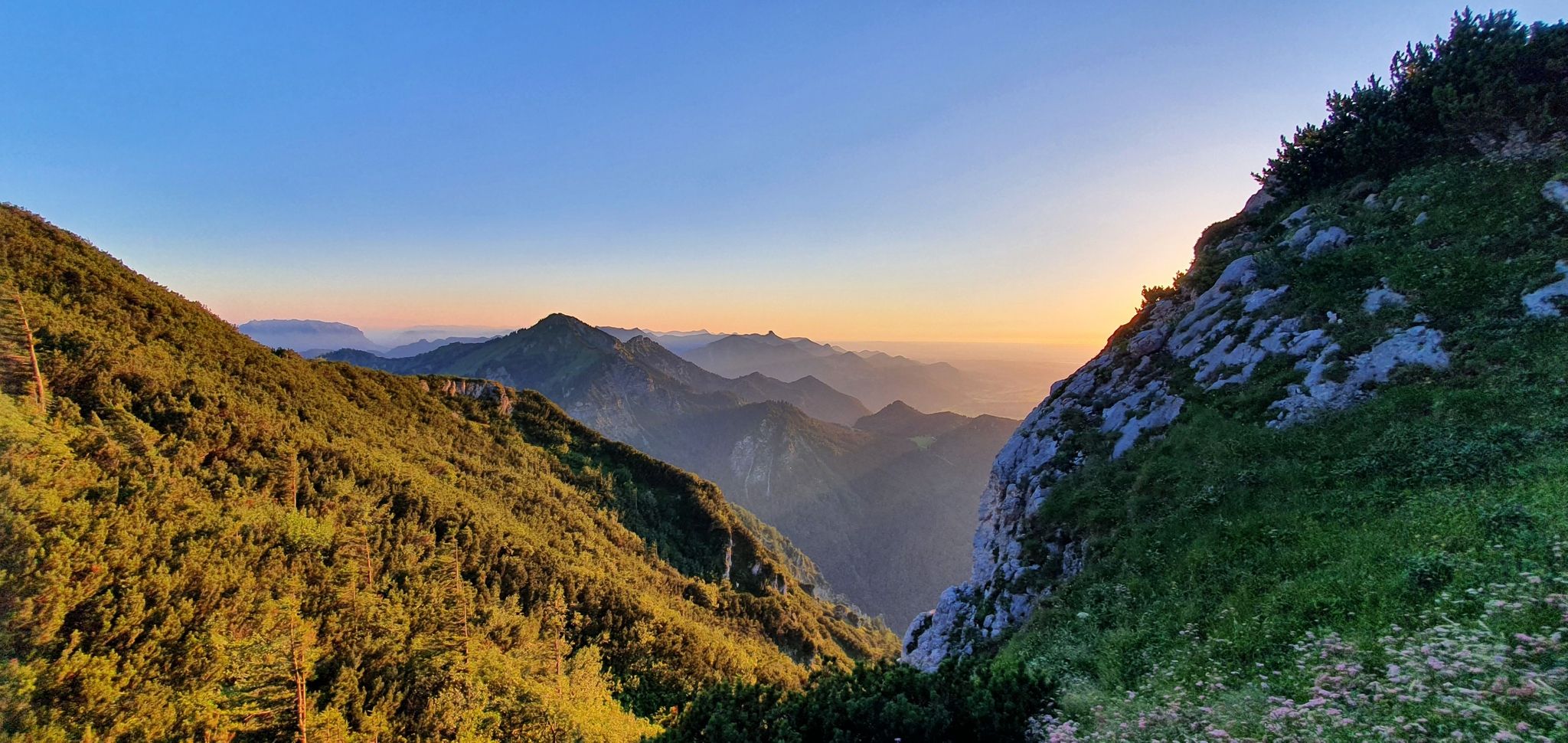
The SalzAlpenSteig – On the tracks of white gold
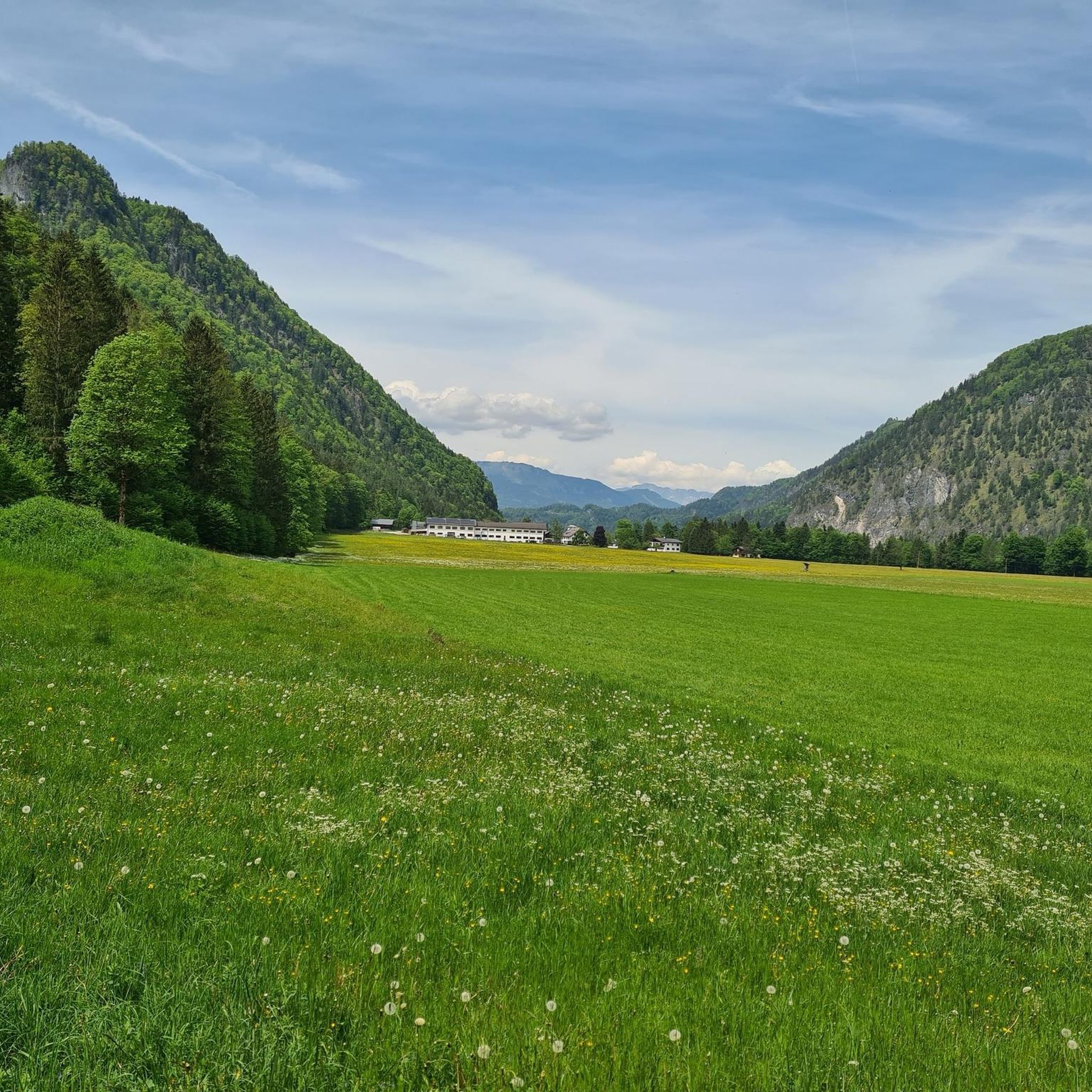
Cycling around Scheffau am Tennengebirge
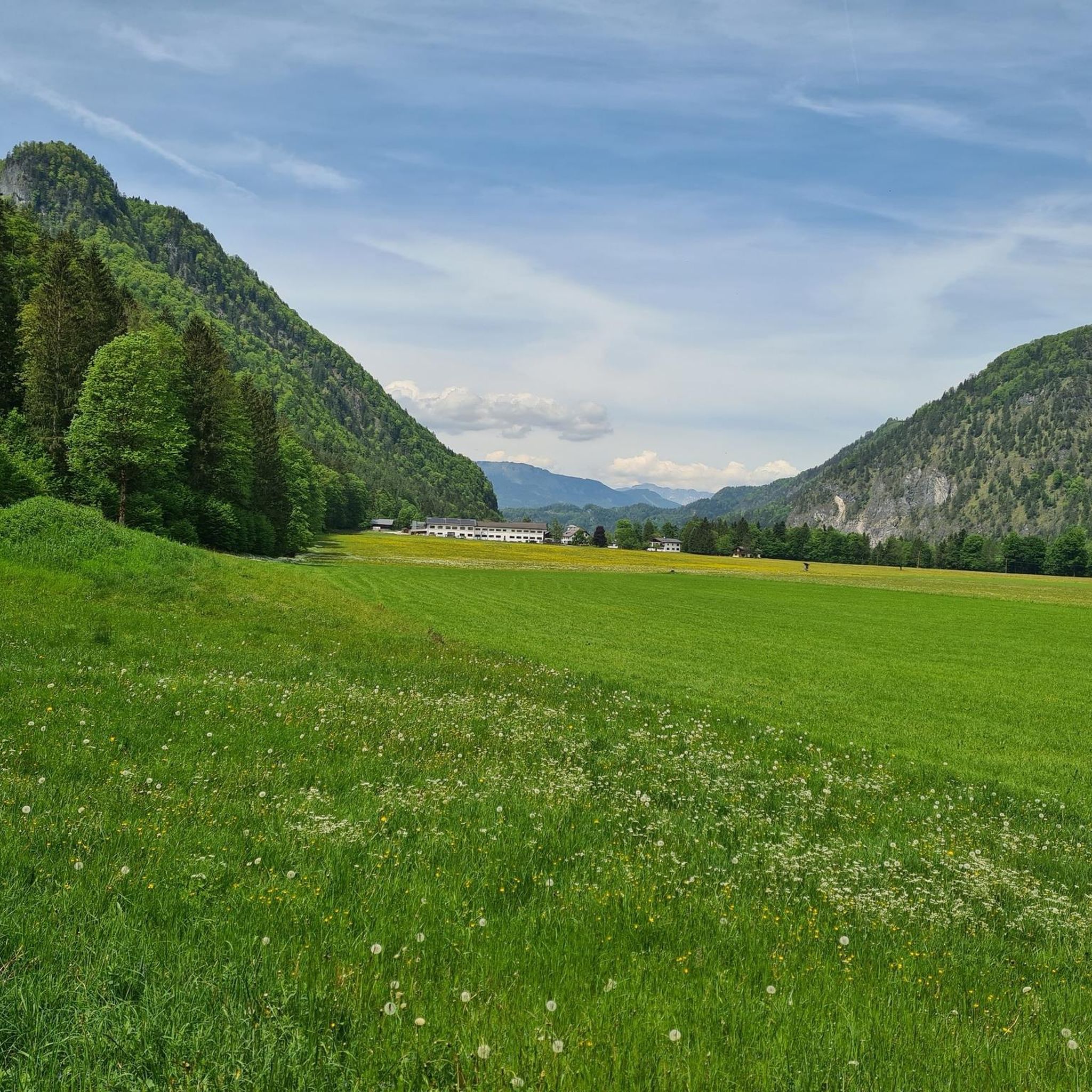
Hiking around Scheffau am Tennengebirge
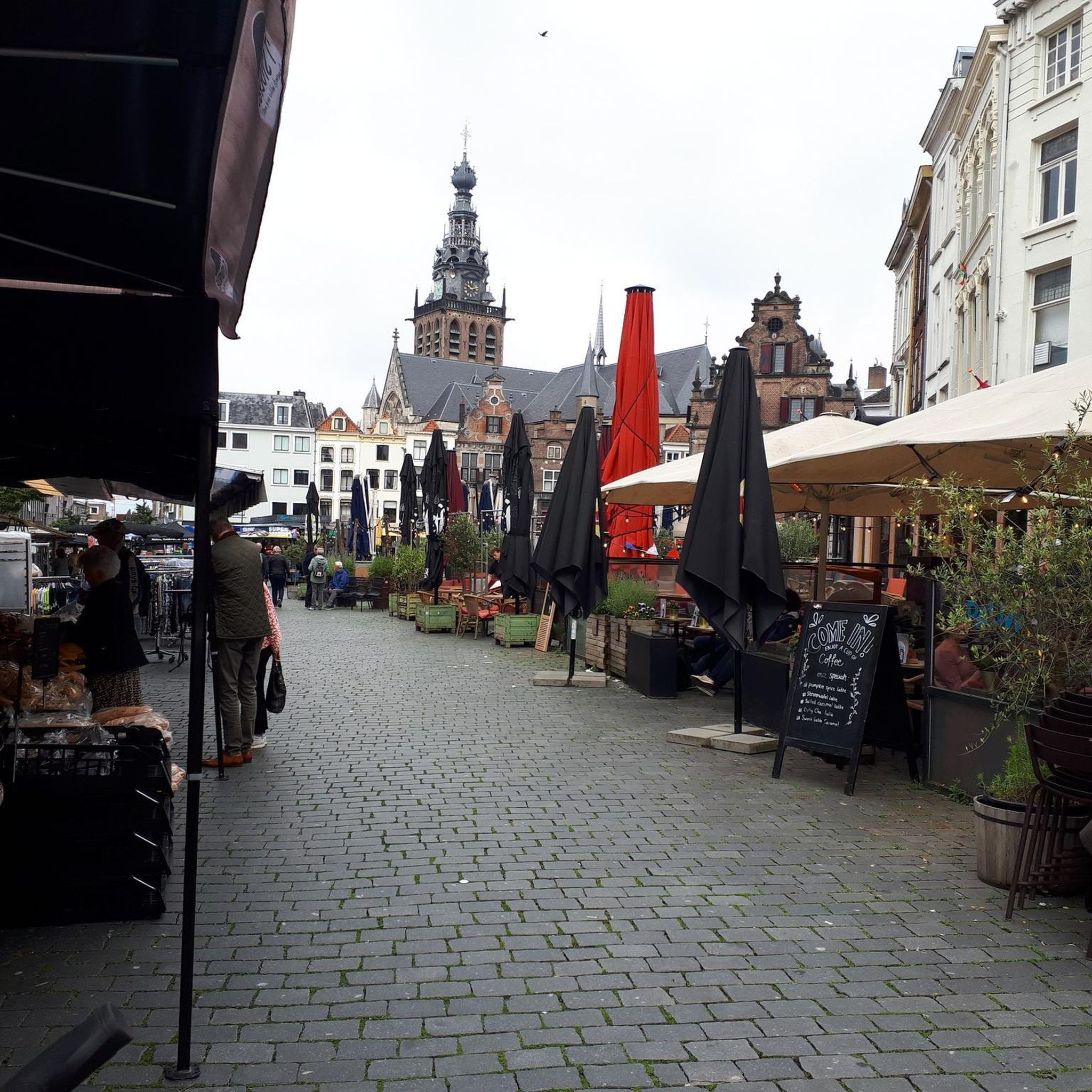
Gravel biking around Scheffau am Tennengebirge
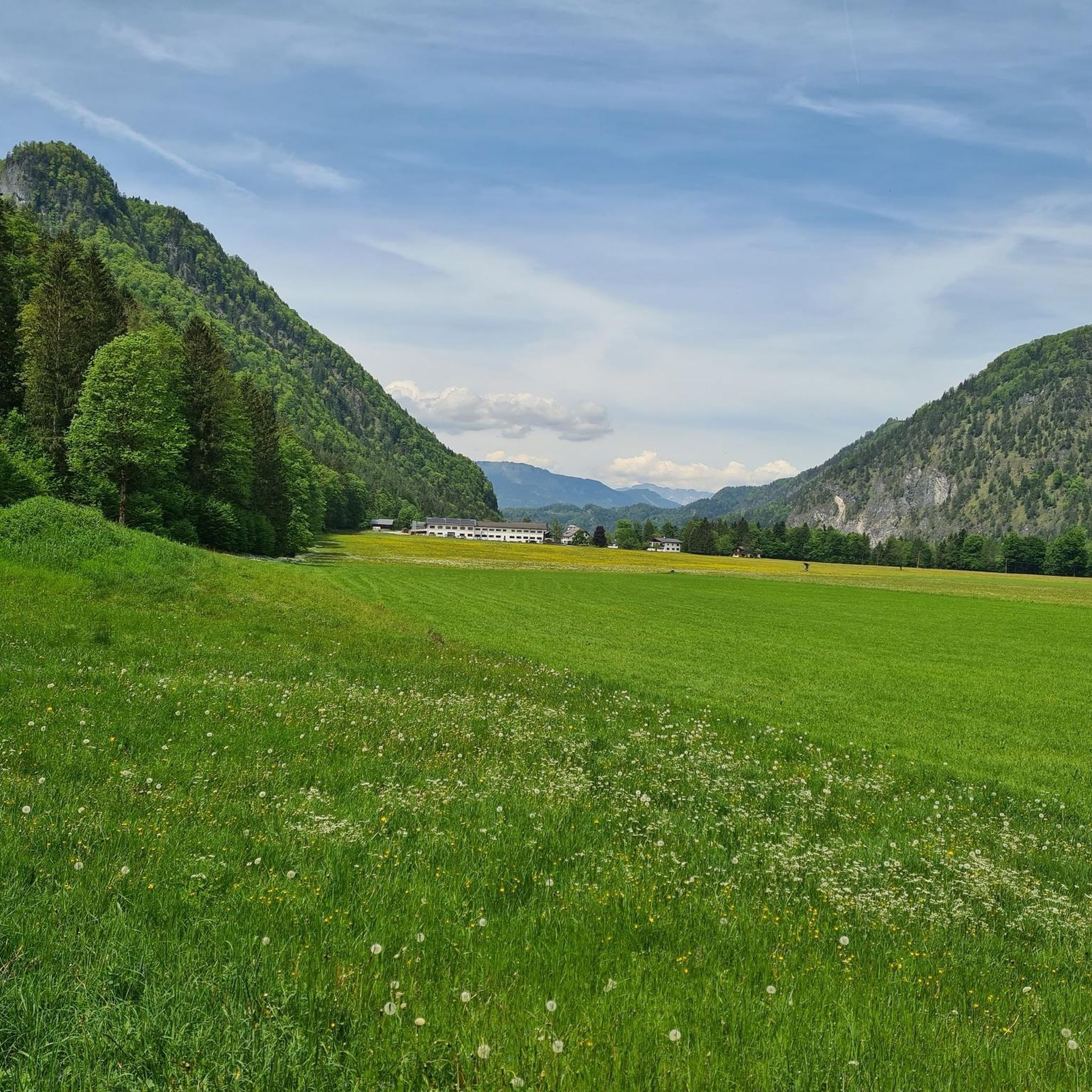
MTB Trails around Scheffau am Tennengebirge
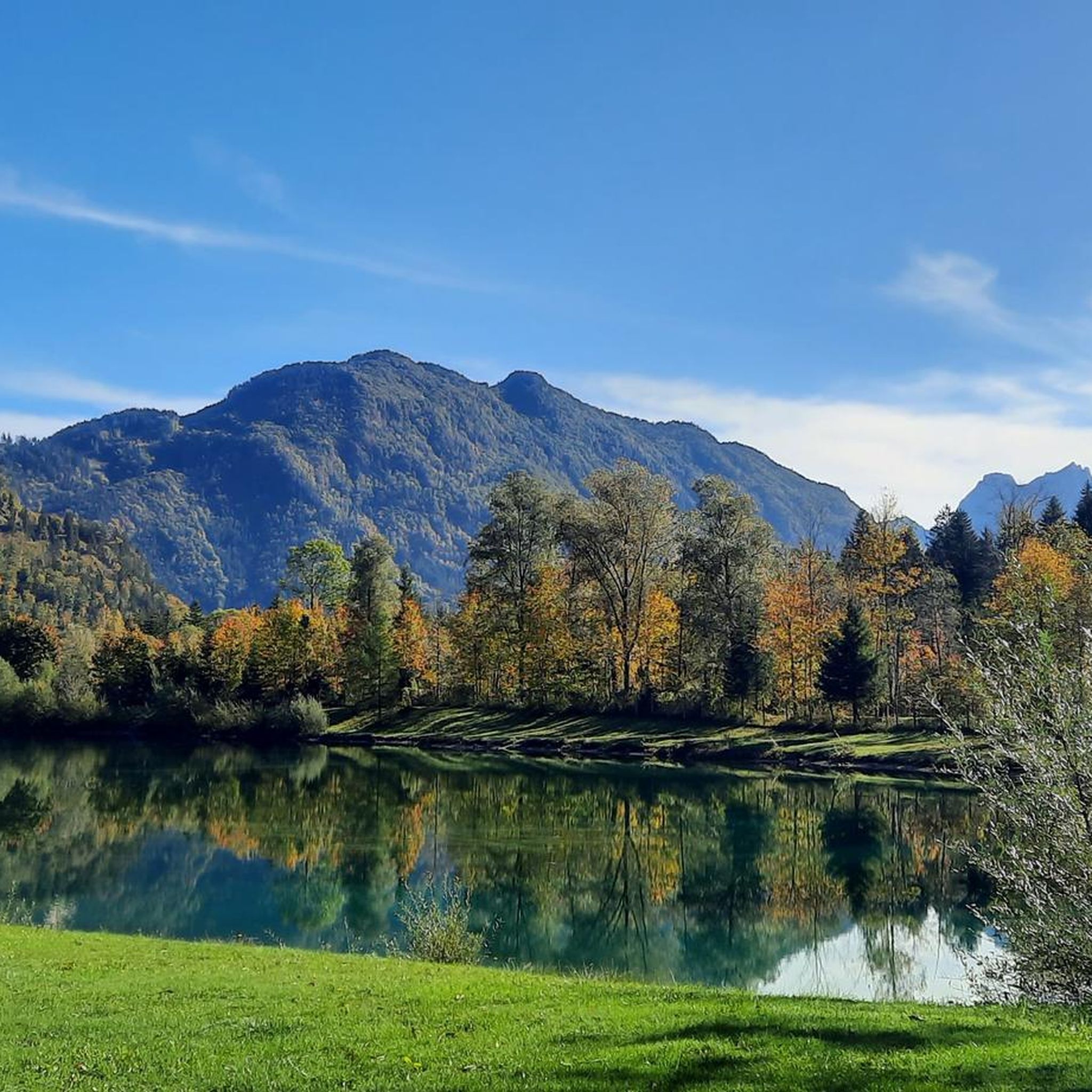
Road Cycling Routes around Scheffau am Tennengebirge

Mountain Hikes around Scheffau am Tennengebirge
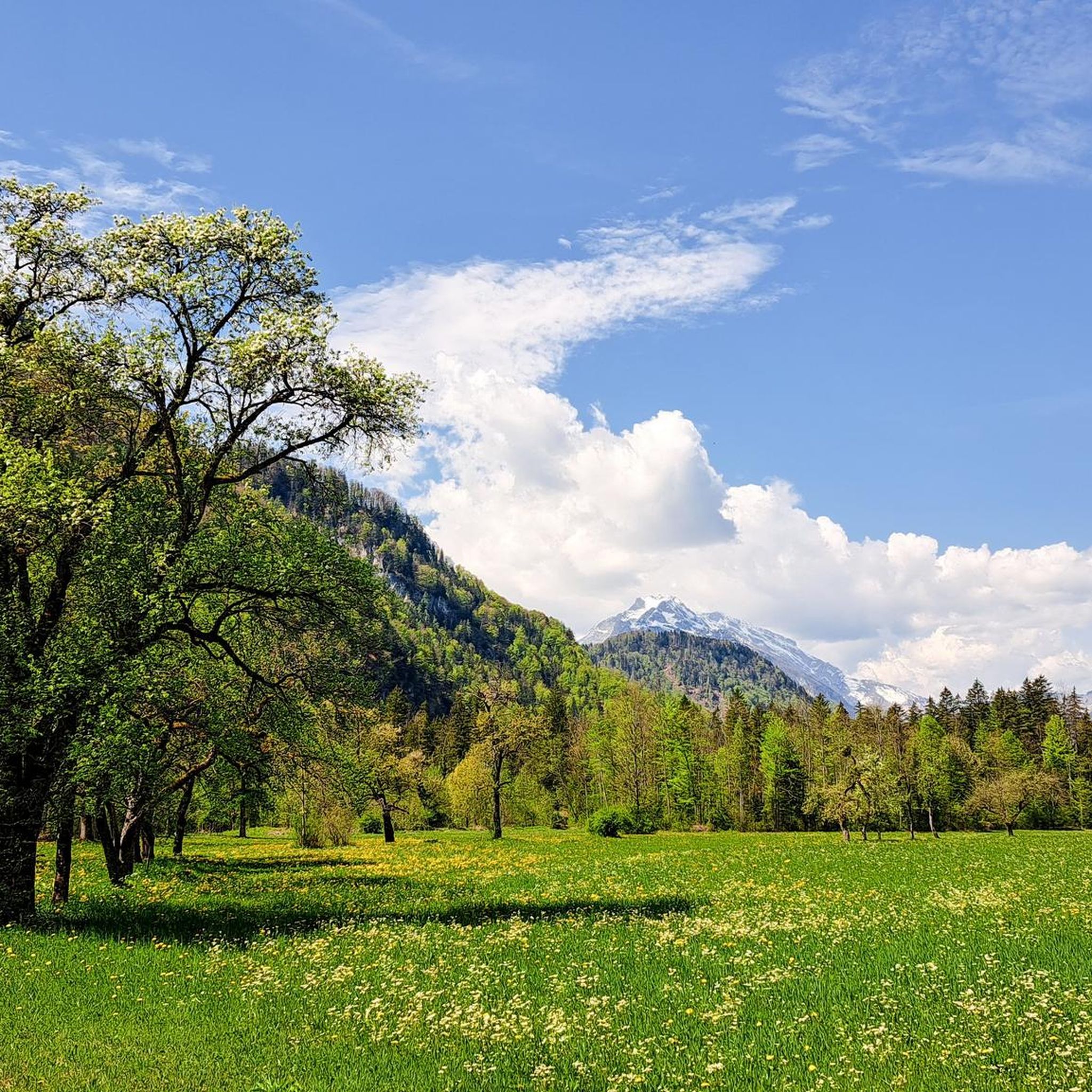
Running Trails around Scheffau am Tennengebirge
Other adventures around Scheffau am Tennengebirge

Tips from the Community

Hohenwerfen Castle is a highlight on the route to Werfen.
0
0

Beautiful little town, many guesthouses and beautiful cycling routes
0
0

Golling Castle is a medieval hilltop castle built in the 13th century by the Prince-Archbishops of Salzburg and served for centuries as a court, administrative seat, and defensive structure. Due to its location on a rocky outcrop, it was an important strategic point in the Salzach Valley between the Tennengebirge and Hagengebirge mountains. The castle has been rebuilt and restored several times over the centuries, including after being destroyed during the Peasants' War and the Napoleonic Wars. Today, it is in excellent condition and houses a museum with natural and cultural history collections. Highlights include fossils such as a mammoth tusk and the rare skeleton of an Omphalosaurus, archaeological finds from the Bronze Age, a large collection of pocket watches, and preserved original rooms such as the Prince's Chamber, the former torture chamber, and a chapel with a Rococo altar. In addition, the castle regularly hosts events such as concerts, readings, and themed tours. The surrounding area offers many natural and cultural experiences, such as the Lammerklamm Gorge, the Golling Waterfall, and other nearby castles. Golling Castle is a worthwhile destination for history buffs and nature lovers alike.
2
0

Hohenwerfen Castle has also served as a backdrop for various films, which gives it an additional touch of glamour. The castle is particularly well-known for the film “The Secret Service” (1968) starring Richard Burton and Clint Eastwood. Elizabeth Taylor and Richard Burton, who were one of the most famous couples in Hollywood in the 1960s, also contributed to the castle’s fame.
0
0
This over 900-year-old fortress sits majestically on a steep rocky cone above the Salzach Valley and offers breathtaking views of the surrounding mountains🙈. The castle has a rich history dating back to the 11th century. It was originally built by Archbishop Gebhard of Salzburg during the Investiture Controversy to protect the archbishopric. Over the centuries, the castle has served various purposes, including as a prison and hunting lodge. A particular highlight of our visit was certainly the bird of prey show. This impressive display shows the majestic birds in action and offers a unique opportunity to experience these fascinating animals up close.
0
0

Beautiful cycle path along the Salzach - not far from Bischofshofen. From now on, cycling is very relaxed.
2
0

From the 5th century BC, the area was settled by Celts, around 200 BC it became part of the Kingdom of Noricum, which was occupied by the Romans from 15 BC and became part of the Roman Empire around 50 AD. After the division of the kingdom, the current municipal area became part of Noricum Ripense around the year 300. In the 5th century, Roman rule collapsed, and in 488 Odoacer ordered the withdrawal of the Roman population from Noricum. In the 8th century, systematic Christianization began (see History of Christianity in Austria), the Archdiocese of Salzburg was founded by Rupert of Salzburg, and in 711 the monastery "Cella Maximiliana" was founded in Bischofshofen. Pfarrwerfen was first mentioned in a deed of donation by Archbishop Gebhard von Helfenstein in 1074 (parochia s. Cyriaci, parish of St. Cyriak) and belonged to the Prince-Archbishopric of Salzburg since 1398. With the Peace of Pressburg in 1805, Pfarrwerfen and Salzburg became part of Austria. On April 9, 1809, Austria began a war against France. As a result of the Austrian defeat, Salzburg temporarily fell to Bavaria (Peace of Schönbrunn, October 14), after the Congress of Vienna in 1816, Salzburg returned to Austria through the Treaty of Munich (April 14). (Source https://de.wikipedia.org/wiki/Pfarrwerfen)
2
0

Not a nice bike path, but great location of the fortress.
16
0
Frequently Asked Questions
What are the most popular castles near Scheffau am Tennengebirge?
The most popular and frequently visited castles in the region include the formidable Hohenwerfen Fortress, known for its medieval architecture and bird of prey shows. Another significant site is Golling Castle, which houses a museum with natural and cultural history collections. Visitors also appreciate Pfarrwerfen Castle and Salzach River Viewpoint for its historical roots and scenic views.
Are there family-friendly castles or attractions near Scheffau am Tennengebirge?
Yes, several castles offer family-friendly experiences. Hohenwerfen Fortress is particularly popular with families, offering guided tours, a knightly lunch, and impressive falconry demonstrations. While not a historical castle, KaiserWelt Scheffau, located on the Brandstadl mountain, is a fantastic play area designed for children with a castle, sporting course, and treehouses, providing an imaginative realm for exploration.
What historical insights can I gain from visiting these castles?
The castles in the region offer a deep dive into centuries of history. Hohenwerfen Fortress, for instance, is a 900-year-old fortified complex that served various purposes from a defensive stronghold to a prison. Golling Castle, built in the 13th century, was a court and administrative seat, and its museum showcases archaeological finds and original rooms like the Prince's Chamber. Pfarrwerfen Castle has roots dating back to Celtic settlement, providing insight into the region's ancient past.
Do these castles offer scenic views or natural attractions?
Many castles in the area are strategically perched on hills, offering breathtaking panoramic views. Hohenwerfen Fortress sits majestically above the Salzach Valley, providing stunning vistas of the surrounding mountains. Pfarrwerfen Castle also offers excellent views of the Salzach River. Additionally, the area around Werfen Castle is known for the Eisriesenwelt Ice Cave, the largest ice cave in the world, combining historical exploration with a unique natural wonder.
What is the best time of year to visit the castles?
The best time to visit the castles is generally from spring to autumn (May to October) when the weather is pleasant for exploring and all attractions, including outdoor demonstrations like the falconry shows at Hohenwerfen, are fully operational. During these months, the surrounding landscapes are also vibrant and ideal for combining castle visits with outdoor activities.
Can I visit castles in winter?
Some castles may have limited opening hours or be closed during the winter months. It's advisable to check the specific opening times for each castle before planning a winter visit. For example, Hohenwerfen Fortress typically has seasonal opening times, often closing for a period in late autumn and winter, though special events might occur.
Are the castles dog-friendly?
Policies regarding dogs vary by castle. While some outdoor areas or castle grounds might permit leashed dogs, access to indoor exhibits, museums, or specific demonstrations (like falconry shows) is often restricted. It's best to check the individual castle's regulations before your visit. For Hohenwerfen Fortress, dogs are generally allowed on the grounds but not inside buildings or during the bird of prey shows.
What outdoor activities can I combine with a castle visit?
The region around Scheffau am Tennengebirge offers numerous outdoor activities. You can combine castle visits with hiking, such as the Lammerklamm and Mühlenrundweg Trail near Golling Castle. For cyclists, there are road cycling routes like the 'Römerstraße Sprint' with views of the Salzach Valley, and MTB trails like the 'Bridge to Bluntau Waterfall' loop. Many castles are situated in scenic areas perfect for combining history with nature.
How long does it take to visit the castles near Scheffau am Tennengebirge?
The duration of a visit depends on the castle and your level of interest. For a comprehensive experience at Hohenwerfen Fortress, including a guided tour and the falconry show, you should plan for at least 3-4 hours. Visiting Golling Castle and its museum might take 1-2 hours. For smaller sites or just viewing from the outside, less time is needed. Allow for travel time between locations.
What do komoot visitors enjoy most about the castles in this region?
Komoot visitors frequently highlight the impressive architecture and historical depth of the castles. The bird of prey shows at Hohenwerfen Fortress are consistently praised as a major highlight. Many also appreciate the stunning views from the castle perches, especially over the Salzach Valley, and the opportunity to combine castle visits with scenic walks or bike rides along the river.
Are there any lesser-known castles worth visiting in the broader region?
Beyond the immediate vicinity, the broader Salzburg region offers other notable castles. Mauterndorf Castle, known as a former toll station, and Klammstein Castle, which guarded the entrance to the Gastein Valley for centuries, are both historically significant and offer unique insights into the region's past. These might be further afield but provide excellent day trip opportunities.
Most popular routes around Scheffau am Tennengebirge
Most popular attractions around Scheffau am Tennengebirge

Get inspired with the komoot mobile app


Explore more
Looking for the best castles somewhere else? Discover other guides around Scheffau am Tennengebirge:
