The best gravel rides around La Chapelle-Aux-Naux
5.0
(1)
48
riders
15
rides
Gravel biking around La Chapelle-Aux-Naux is set within the diverse landscape of the Loire Valley, a UNESCO World Heritage site. The terrain features extensive pathways along the Loire River, offering flat to rolling sections. Riders will encounter fertile alluvial plains known as "Varennes" and the ancient bed of the Cher River, providing varied agricultural tracks. The region is also characterized by "Falun" tracks, compact limestone paths that offer a unique riding surface.
Best gravel bike trails around La Chapelle-Aux-Naux
- The…
Last updated: May 18, 2026
9
riders
85.4km
05:42
520m
520m
Hard gravel ride. Very good fitness required. You may need to push your bike for some segments of this route.
6
riders
58.1km
03:36
150m
150m
Moderate gravel ride. Good fitness required. Mostly paved surfaces. Suitable for all skill levels.

Sign up for free
4
riders
55.9km
03:56
490m
490m
Hard gravel ride. Very good fitness required. Mostly paved surfaces. Suitable for all skill levels.
11
riders
Hard gravel ride. Good fitness required. You may need to push your bike for some segments of this route.
11
riders
Hard gravel ride. Very good fitness required. You may need to push your bike for some segments of this route.
Get access to more routes and recommendations from other explorers.
Sign up for free
Already have an account?
Our route recommendations are based on thousands of hikes, rides, and runs completed by other people on komoot.
Start today with a free account
Your next adventure awaits.
Login or Signup
Tips from the Community

History in brief Antiquity: the site is strategically located on a promontory and has been inhabited for 3,000 years. It was not fortified until the end of the Roman Empire. Middle Ages: in 1154, the new King of England, Henry II Plantagenet, became ruler of an empire stretching from Scotland to the Pyrenees and made Chinon his continental capital. He had a large palace built next to the fortress, which has now disappeared. In 1189, abandoned by his sons, Richard the Lionheart and John Lackland, and fleeing from the King of France, he eventually died there. Philippe Auguste had the defensive Tour du Coudray built there after the siege of 1205. Renaissance: in 1454, the fortress became the main residence of Queen Marie d'Anjou, who lived there without her husband. She spent lavishly on decorating the house to her taste. From the 16th century onwards, the fortress was gradually abandoned and fell into disrepair. Despite the dangerous nature of the terrain, it became a public promenade in 1824 and was listed as a monument in 1840. The restoration of the estate began in 1854 thanks to the efforts of the writer Prosper Mérimée. Source: https://loirelovers.fr/en/visit-royal-fort-chinon/
6
0
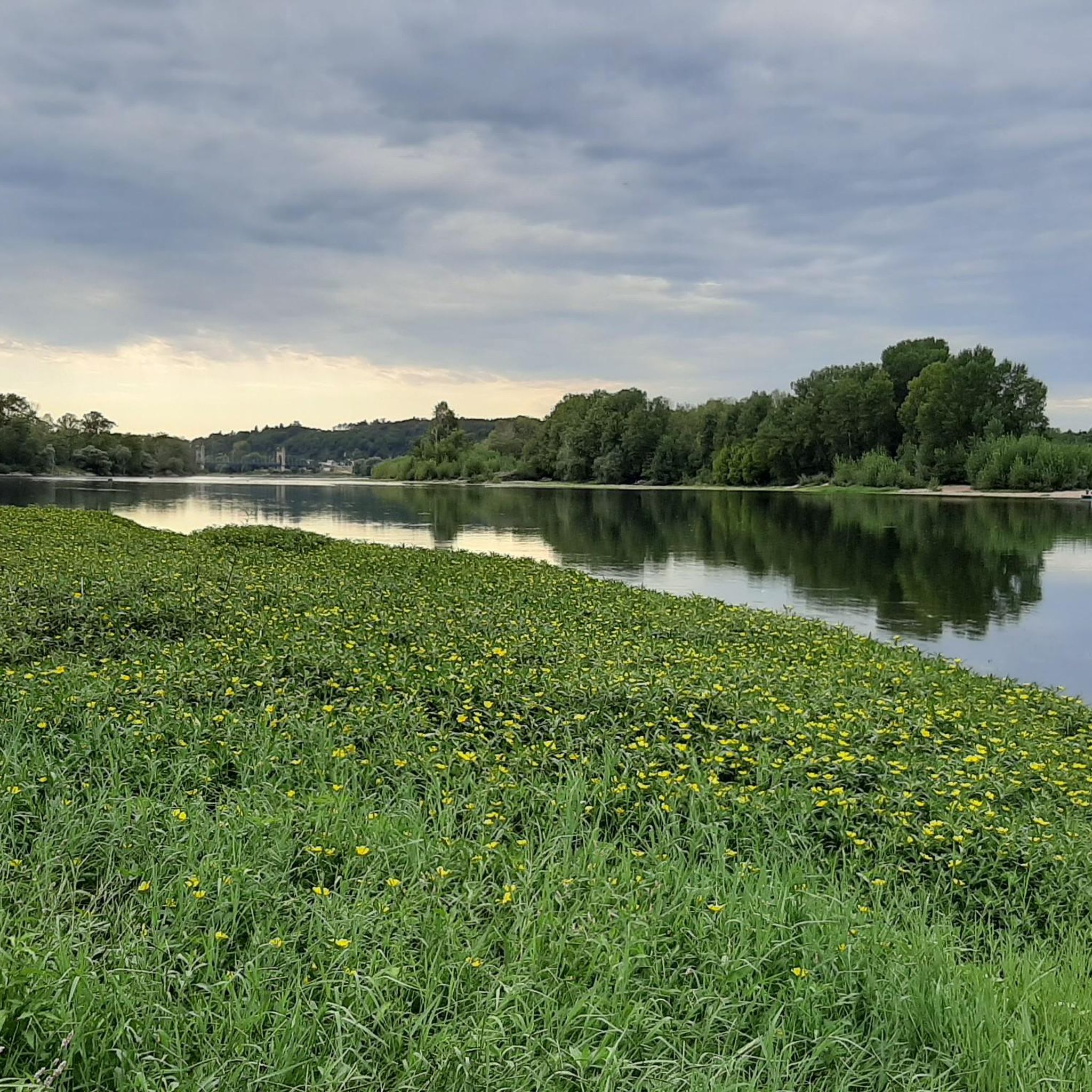
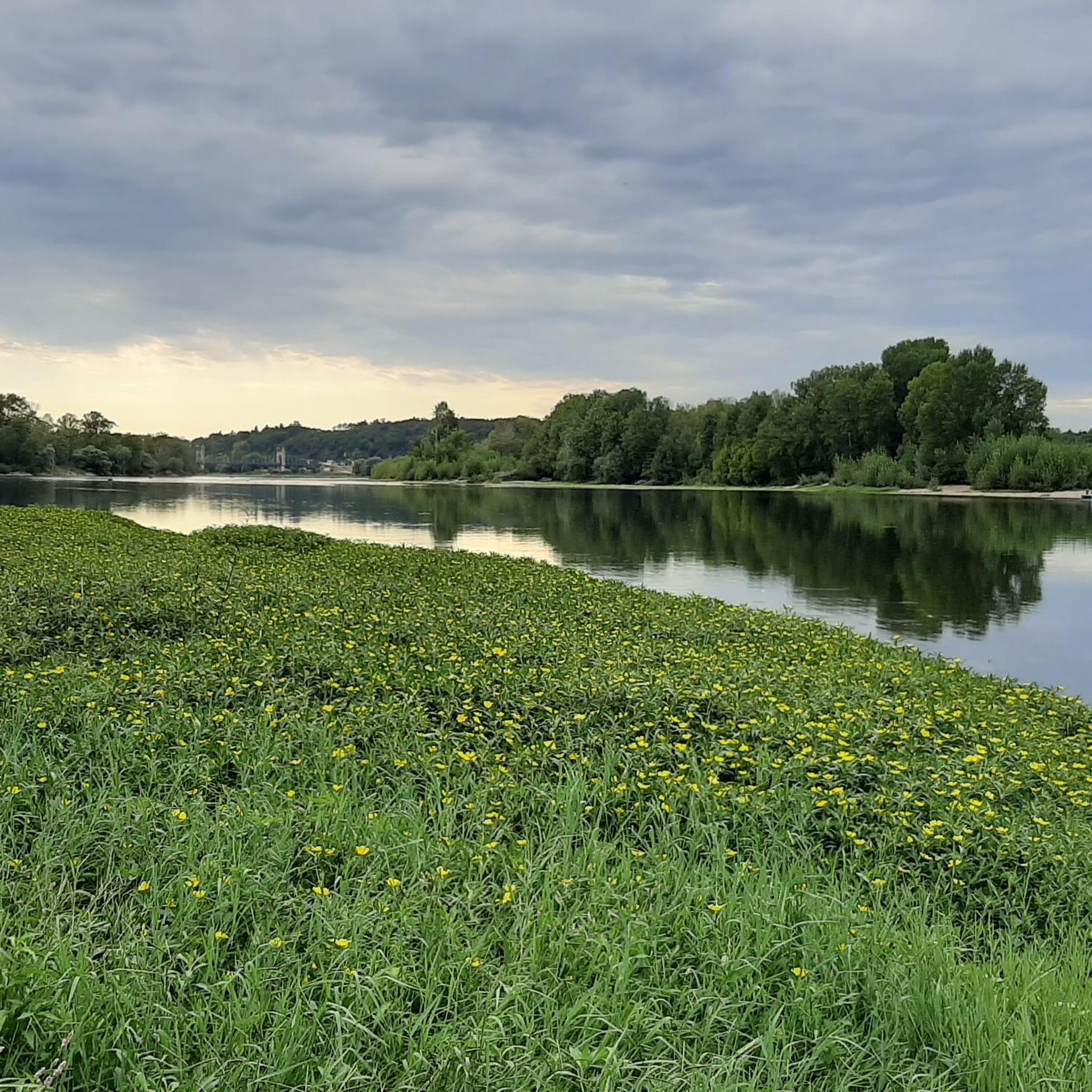
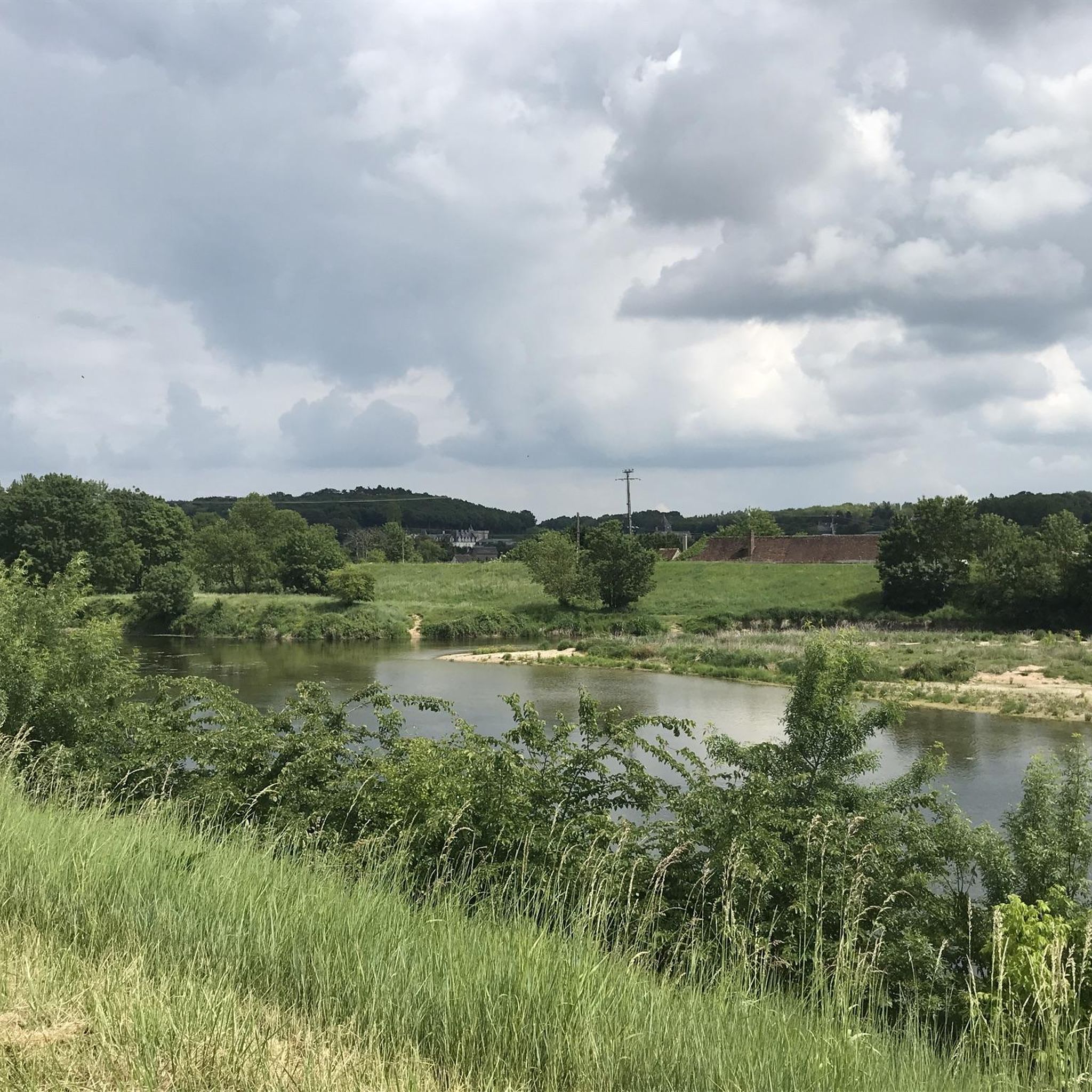
Very nice gravel along the banks of the Loire. Know that you are not alone here. Enjoy together, each at their own pace.
3
0
Built on the remains of the Gallo-Roman city of Caesarodunum, Saint-Gatien Cathedral stands in the heart of the city. This city was once one of the most famous places of pilgrimage in the West and is still one of the capitals of the Pays de Loire. Opening hours: Saint-Gatien Cathedral is open every day of the week from 8:30 am to 8:00 pm. From Easter to 11 November, you can meet the volunteers of the Présence Cathédrale association in the cathedral. You can recognise them by their badges. They can help you with your visit and answer your questions. For guided tours and group visits, which can take place all year round by reservation, please contact 07 66 39 84 11. For more information, visit their website: https://visite-cathedrale-tours.fr/ You can also visit the cloister of La Psalette, which is accessible via the cathedral.
3
0
This impressive suspension bridge spans the Loire between La Chapelle-aux-Naux and Langeais and was originally completed in 1849. The bridge has been repaired and rebuilt many times and has a two-lane road over the Loire. On the Langeais side, a walk along the banks of the Loire, on both sides of the bridge, is highly recommended. The Langeais bridge is a stubborn bridge. It has been rebuilt five times! The story begins in 1848, the year in which King Louis Philippe authorised the construction of a "wire bridge", as it was then called (bridge 1). But wires are excellent lightning conductors! And 10 years after its opening in 1859, the bridge collapsed into the Loire after a heavy storm, its deck and suspension elements. Two years later in 1861, the bridge was repaired and operational again as a toll bridge (bridge 2). But shortly afterwards, in 1870, war broke out and the advance of the Prussian enemy had to be slowed down. Boom! Bridge was blown up (bridge 3) The fourth was completed in 1914, but then came the... car! They were heavy, they came and went! The bridge therefore had to be extensively rebuilt to bear the weight of modernity. This happened in the 1930s, and the opportunity was taken to decorate the bridge with its very special Gothic pillars, which reflected the Gothic style of the castle; the two form a mirror image. Bridge 4 was built! All is well, all is well... but then it is June 1940. And this time it is the Germans who have to be stopped. To stop the invader, the bridge was blown up again. After first using a ferry and then a temporary footbridge, the inhabitants waited until 1949 for a bridge over the Loire (bridge 5). The bridge of Langeais is the only bridge between Tours and Port Boulet. It is now a rather imposing bridge with a turbulent history.
2
0
The Château de Langeais , a former royal estate and property of the Institut de France, is one of the major sites in the Loire Valley . Near Tours , in the heart of the Loire Valley , it offers a guided tour of fifteen rooms, decorated with richly carved medieval furniture . You will discover a collection of tapestries and the reconstruction of the royal wedding of Anne of Brittany, told by Stéphane Bern . Langeais, a Renaissance Loire castle, will surprise you with its park planted with cedars and sequoias and its playful elements. More information on https://chateau-de-langeais.com/
2
0

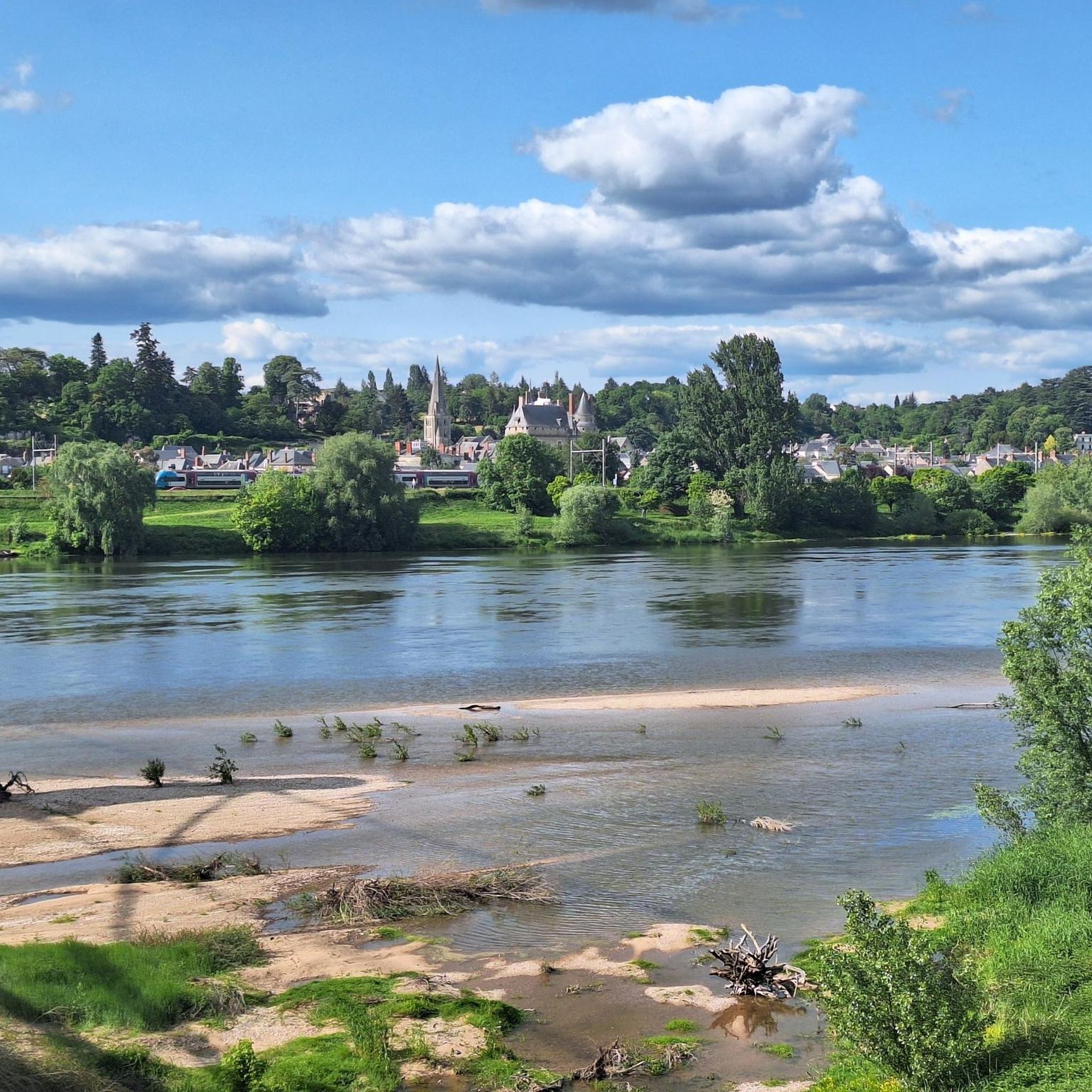
Magnificent view of the Loire. Possible stopover (picnic, meal, bar)
0
0
WARNING For safety reasons, the bridge may only be crossed by hand! Enjoy the great current at walking pace.
5
0
Come and discover the Touraine in d'Azay-le-rideau. A pleasant centre has nice terraces to stay for a while. Discover the Château d'Azay-le-rideau and the park in English style and relax on the banks of the Indre on the island by the waterfall.
3
0
Frequently Asked Questions
How many gravel bike trails are available around La Chapelle-Aux-Naux?
There are over 20 gravel bike trails available around La Chapelle-Aux-Naux, offering a diverse range of experiences for different skill levels.
What kind of terrain can I expect on gravel bike trails in La Chapelle-Aux-Naux?
Gravel biking in La Chapelle-Aux-Naux features varied terrain. You'll find extensive, scenic pathways along the Loire River, which are generally flat to rolling. The region also includes fertile alluvial plains known as "Varennes" and the ancient bed of the Cher River, providing agricultural tracks. A unique regional feature is the "Falun" tracks, which are compact limestone paths that can be hard and dusty in summer, and technically challenging with reduced grip when wet.
Are there any easy gravel bike routes suitable for beginners or families?
Yes, while many routes are moderate to difficult, there are options for easier rides. The paths along the Loire River offer relatively flat sections ideal for a more relaxed experience. For example, the route View of the Loire River – View of the Loire at Bréhémont loop from Lignières-de-Touraine offers a less strenuous option.
What natural features or viewpoints can I discover along the gravel routes?
The routes offer breathtaking views of the Loire River, a UNESCO World Heritage site. You can also explore the unique natural spot where the Cher River flows into the Loire, known as the Confluence of the Cher and Loire Rivers. Near the 19th-century port of La Chapelle-aux-Naux, there's an ornithological reserve, providing opportunities for birdwatching during your ride.
Are there any historical landmarks or castles accessible from the gravel trails?
Absolutely. The region is rich in history and dotted with famous châteaux. Some routes pass near or offer views of these magnificent structures. Notable castles in the vicinity include Château de Langeais, Château de Villandry with its remarkable gardens (Gardens of the Château de Villandry), and Château d'Azay-le-Rideau. You can also find the L'Islette Castle nearby.
What is the best time of year for gravel biking in La Chapelle-Aux-Naux?
The Loire Valley generally offers pleasant conditions for gravel biking from spring through autumn. Spring brings blooming landscapes, while autumn provides beautiful foliage. Summers can be warm, but the riverside paths offer refreshing breezes. The 'Falun' limestone tracks are best enjoyed when dry, as they can become technically challenging with reduced grip when wet.
Are there any circular gravel bike routes available?
Yes, many of the gravel routes around La Chapelle-Aux-Naux are designed as loops, allowing you to start and finish in the same location. Examples include the View of the Loire River – Ussé Castle loop from Lignières-de-Touraine and the Langeais Bridge – Langeais Bridge loop from Saint-Patrice.
What do other gravel bikers enjoy most about the trails in La Chapelle-Aux-Naux?
The area is highly rated by the komoot community, with an average score of 4.5 stars. Reviewers often praise the diverse landscapes, from the scenic Loire riverside paths to the unique limestone 'Falun' tracks, and the opportunity to combine cycling with cultural stops at nearby châteaux.
Is public transport available to access the gravel biking areas?
While La Chapelle-aux-Naux is a smaller village, nearby towns like Langeais and Azay-le-Rideau may offer better public transport connections, including train services, which could serve as starting points for some routes. It's advisable to check local bus and train schedules for the most up-to-date information.
Where can I park my car when going gravel biking in La Chapelle-Aux-Naux?
Parking is generally available in the village of La Chapelle-aux-Naux, particularly near the port or local amenities. For routes starting from nearby towns like Lignières-de-Touraine or Azay-le-Rideau, you will find designated parking areas in those locations, often near the town centers or trailheads.
Are there any specific regulations for cycling with dogs on the trails?
While the Loire Valley is generally welcoming to outdoor activities, specific regulations for cycling with dogs can vary, especially in protected areas like the Natura 2000 zone or the Loire-Anjou-Touraine Regional Natural Park. It's always best to keep dogs on a leash and ensure they do not disturb wildlife or other trail users. Check local signage for any specific rules.
Are there cafes or restaurants along the gravel bike routes in La Chapelle-Aux-Naux?
La Chapelle-aux-Naux itself offers local amenities. For more options, nearby towns like Langeais and Azay-le-Rideau, which are often connected by the gravel routes, provide a wider selection of cafes, restaurants, and local markets where you can refuel and experience local cuisine.
Most popular routes around La Chapelle-Aux-Naux
Most popular attractions around La Chapelle-Aux-Naux

Get inspired with the komoot mobile app


Explore more
Browse the best Gravel rides in other regions.
