Attractions and Places To See in Landkreis Trier-Saarburg - Top 20
Best attractions and places to see in Landkreis Trier-Saarburg encompass a diverse range of notable landmarks, captivating natural features, and rich cultural sites. The region is characterized by its ancient wine-growing culture along the Moselle and Saar rivers. Visitors can explore historical ruins, picturesque towns, and scenic river landscapes. The area offers numerous opportunities for outdoor activities, including hiking and cycling.
Best attractions and places to see in Landkreis Trier-Saarburg
- The most popular attractions is Klausen Cave (Hermit's Cave), a cave that is described as a beautiful and secluded spot. Visitors can explore the fascinating faces in the rock formations.
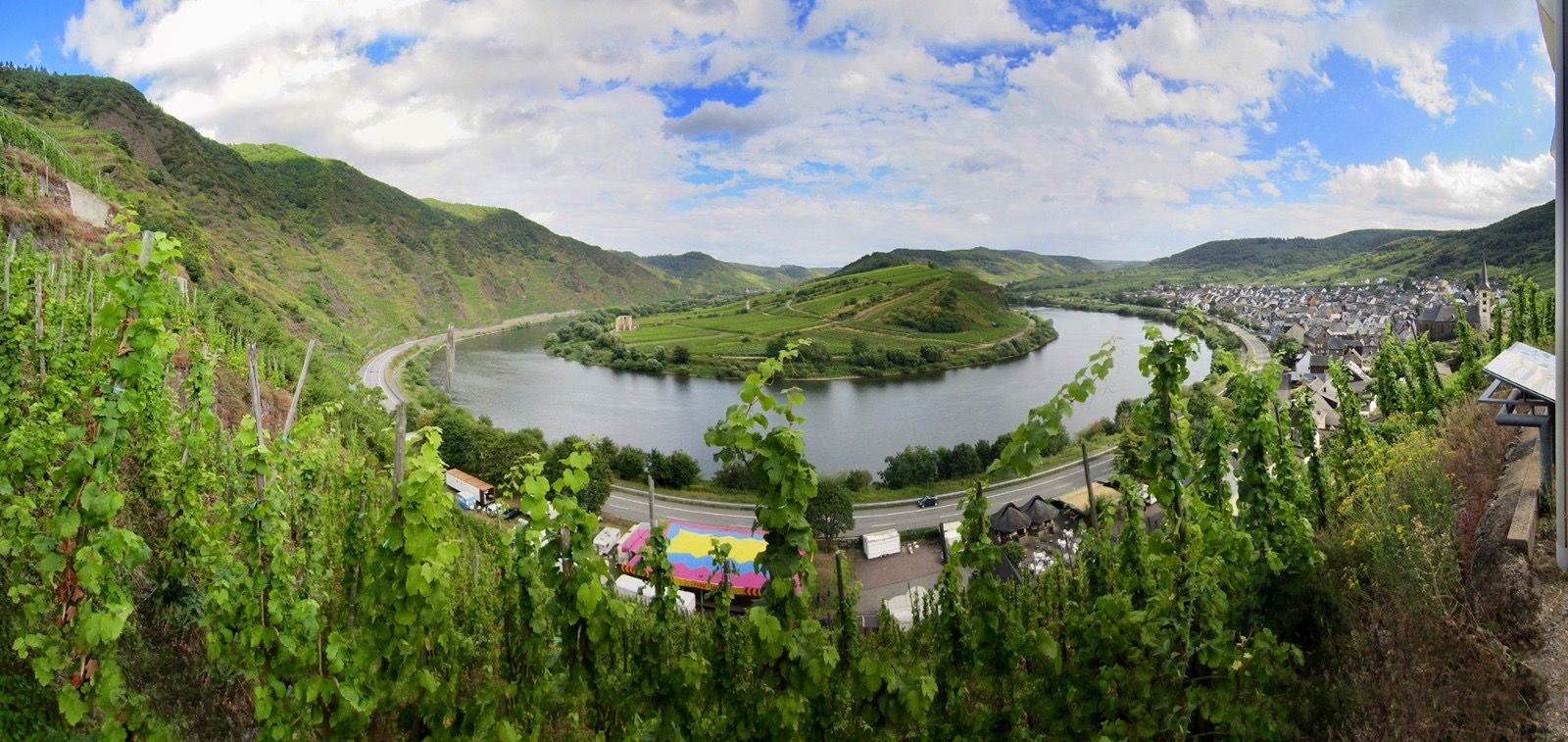
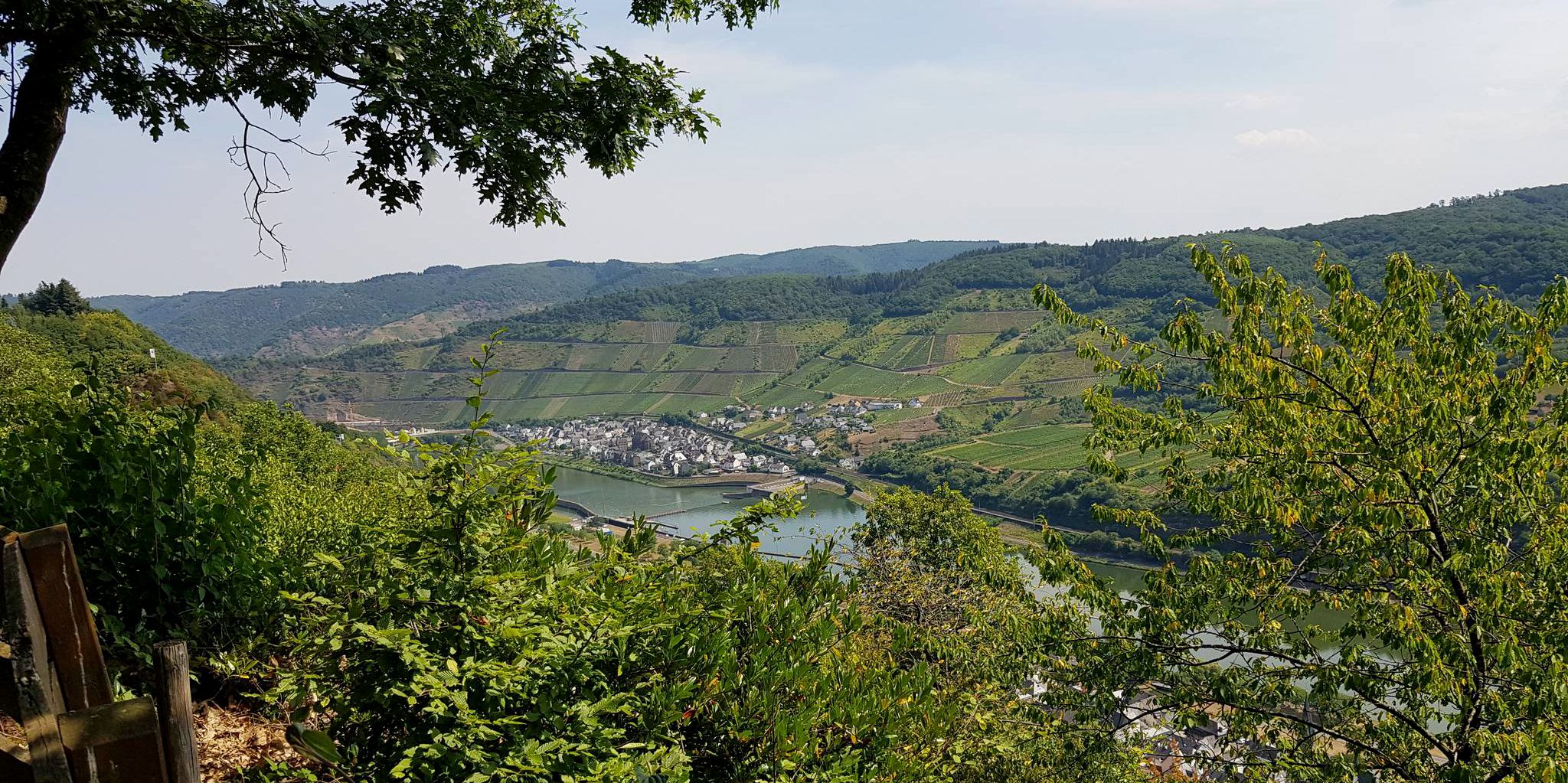
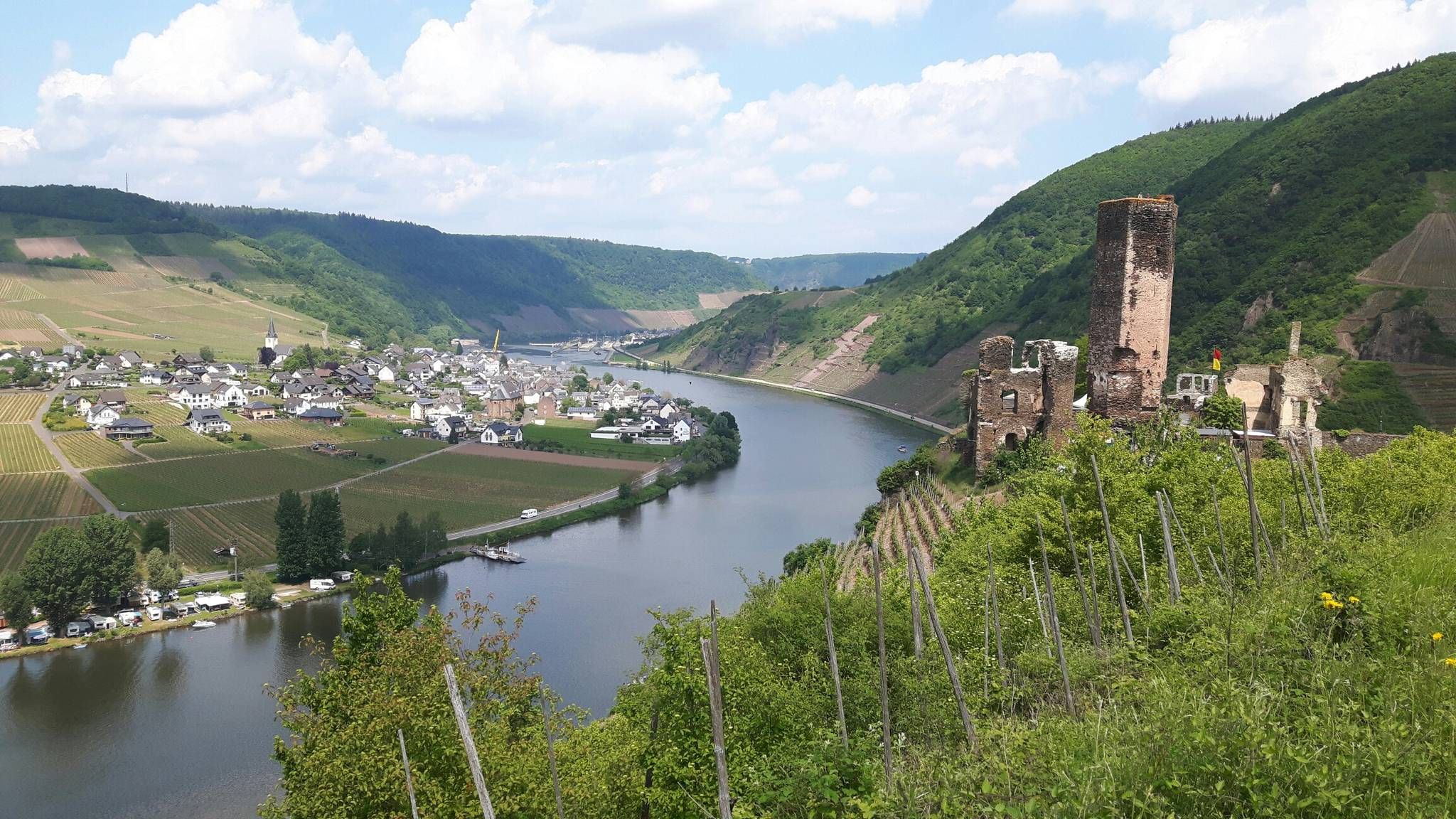
- Another must-see spot is View of the Moselle Vineyards, a viewpoint offering expansive views of the Moselle region. This area is one of Germany's oldest and most famous wine-growing regions, known for its steep-slope Riesling wines.
- Visitors also love View of Saarburg and Saarburg Castle, a viewpoint providing excellent views of the town and its historic castle ruins. Saarburg Castle is one of Western Germany's oldest hilltop castles, dating back to 964.
- Landkreis Trier-Saarburg is known for its historical sites, natural caves, and scenic river landscapes. The region offers a variety of attractions to see and explore, from ancient Roman mining sites to picturesque vineyards.
- The attractions in Landkreis Trier-Saarburg are appreciated by the komoot community, with over 2500 upvotes and more than 60 photos shared.
Last updated: October 9, 2026
View of Saarburg and Saarburg Castle
Highlight • Viewpoint
Translated by Google •
Tip by

Moselle Cycle Path Near Riol
Highlight • Cycleway
Translated by Google •
Tip by

Sign up now to discover places like this
Get recommendations on the best single tracks, peaks, & plenty of other exciting outdoor places.
Confluence of the Saar and Moselle
Highlight • River
Translated by Google •
Tip by

View of the Moselle Vineyards
Highlight • Viewpoint
Translated by Google •
Tip by

Genoveva Cave
Highlight • Cave
Translated by Google •
Tip by

Klausen Cave (Hermit's Cave)
Highlight • Cave
Showing Translation
Tip by

View of the confluence of the Sauer and Moselle at Wasserbillig
Highlight • Viewpoint
Translated by Google •
Tip by
Roman copper mine and quarry Pützlöcher
Highlight • Historical Site
If you come from the Butzenbachtal, you should keep to the left down the mountain if you want the shorter way to Ramstein Castle. If you have more time, follow the designated hiking path up the mountain to the right.
Translated by Google •
Tip by

Butzerbachtal Suspension Bridges and Waterfalls
Highlight (Segment) • Gorge
Detour is signposted
Translated by Google •
Tip by

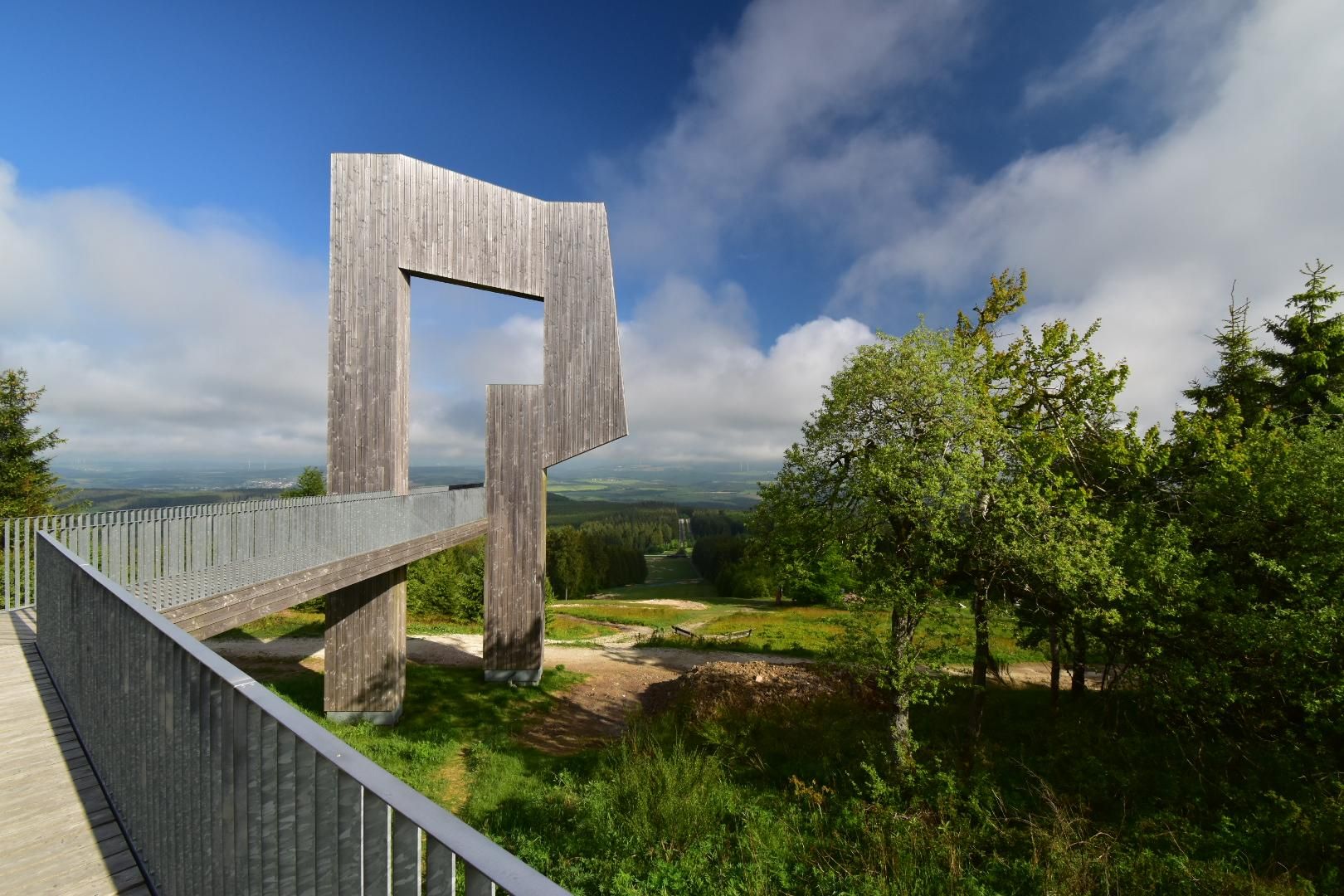
Dollberg – Highest point in Saarland
Highlight • Summit
The incredible 'silence' of nature and the fairytale character of the immediate surroundings make this summit - which one does not notice - a great place.
If a druid or wizard jumped out of the bush, it would not surprise you here!
Translated by Google •
Tip by

Sign up for free to discover even more attractions in Landkreis Trier-Saarburg.
Already have an account?
Start today with a free account
Your next adventure awaits.
Popular around Landkreis Trier-Saarburg
The Moselle cycle path — from the Vosges to the Rhine in 18 stages
Saar-Hunsrück Climb – Hike in Germany where culture and nature meet
Moselcross — Riding from Trier to Koblenz
The Moselsteig trail – 24 stages along the sunny Moselle Valley
The National Natural Landscapes in Saarland
The National Natural Landscapes in Rheinland-Pfalz
Dream Loops with great views in the Hunsrück
Enjoy the silence – autumn and winter hiking in Luxembourg
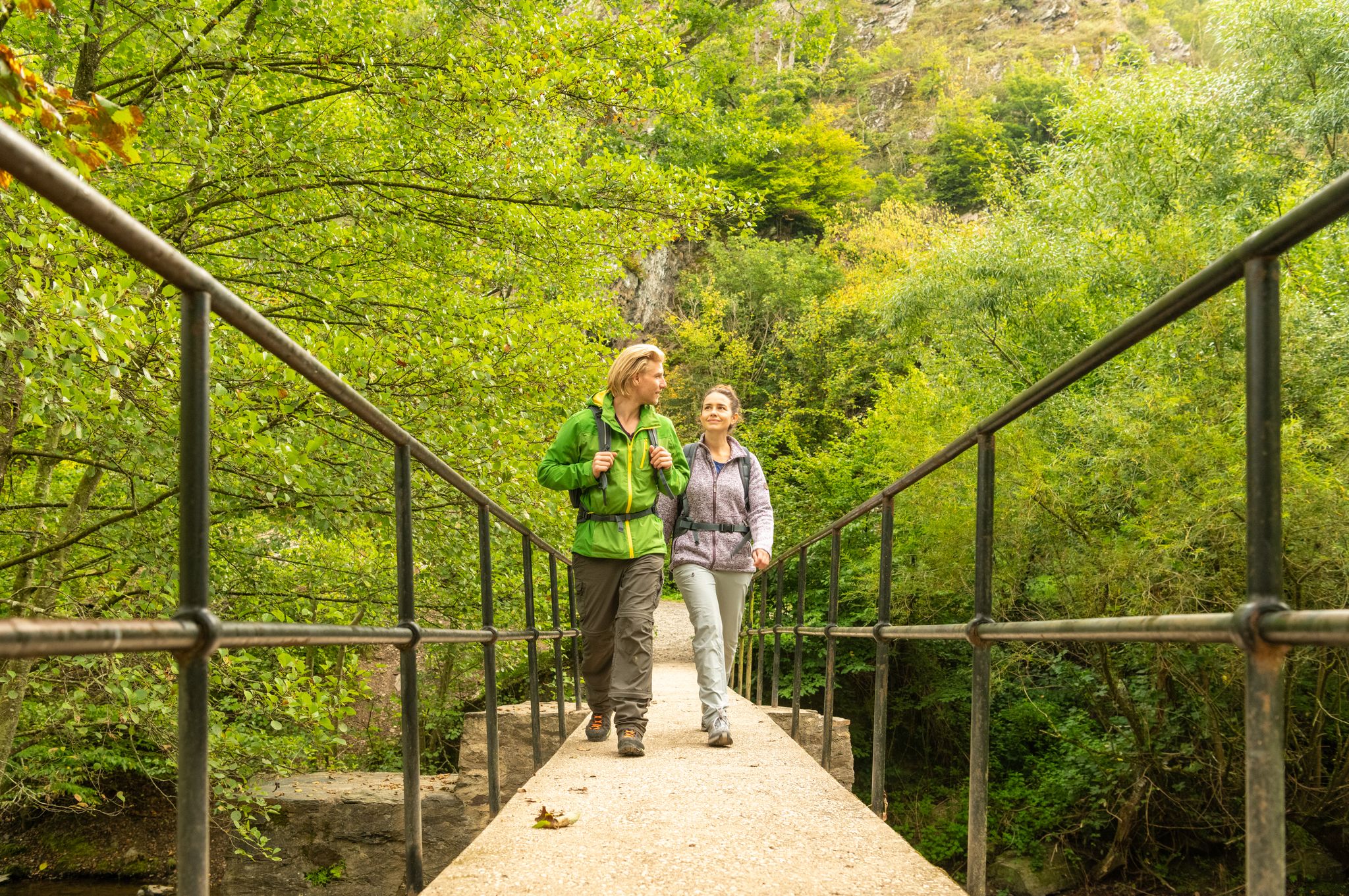
Moselsteig Partner Trails – nature, culture and views
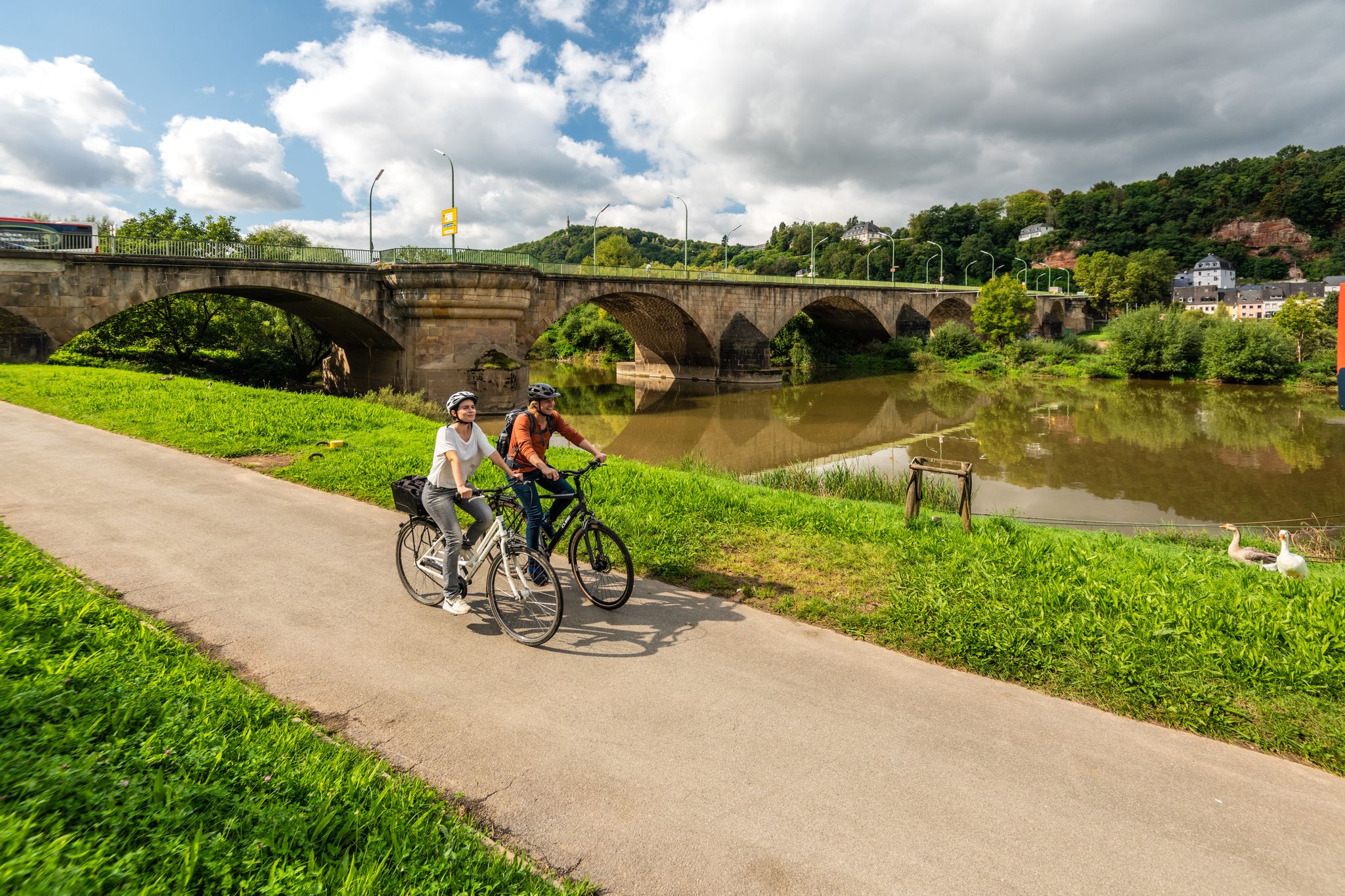
Mosel Cycle Path – in 10 stages from Perl to Koblenz
Other adventures in Landkreis Trier-Saarburg


Tips from the Community

The Klausenhöhle was inhabited in the 18th century by a hermit. Access is via ladders. Particularly impressive is the view through a natural rock opening, which reveals a view of the surrounding landscape. With its exceptional location and special atmosphere, the cave is one of the region's most appealing photo motifs.
44
0
Even today, blocks of stone with Roman numerals and inscriptions can be found in the mine. It is believed that quarrying continued into the 3rd century, as a coin of Emperor Maximinus Thrax was found in the tunnel. Much later, in the 18th century, the search for ore and copper resumed using state-of-the-art blasting techniques, creating new tunnels approximately 114 meters deep. However, the main tunnel collapsed during this process. Source: https://eifelfuehrer.de/touristische-ziele/geschichtliche-zeugnisse/puetzloecher
37
0
The Roman copper mine "Pützlöcher," located between Kordel and Butzweiler, is one of the oldest in Germany and means "waterhole." Here, in the 2nd century, ores such as malachite and azurite were mined at a depth of 20 meters. However, these ores were not found in large deposits, so the Romans later focused on the nearby quarry. The stones from this quarry were used, among other things, for the construction of the Porta Nigra. Source: https://eifelfuehrer.de/touristische-ziele/geschichtliche-zeugnisse/puetzloecher
46
0

The Butzerbachtal has been completely closed since 2021 and will remain so on September 15, 2024. Passage at your own risk!!! Detour is signposted
5
2

The highest point in Saarland is located in a very quiet forest. Without the sign you probably wouldn't notice it.
8
0

The landscape here is uniquely beautiful
3
0

A beautiful river - bike path.
6
1

The Sauermündung is the place where the river Sauer flows into the Moselle. The Sauer is the largest left tributary of the Moselle and is approximately 170 km long. The river originates in the Belgian Ardennes and forms the border between Germany and Luxembourg for approximately 50 km between Wallendorf and Wasserbillig. In Wasserbillig the Sauer flows into the Moselle. The area around the Sauermündung is a popular destination for cyclists and nature lovers. There are many cycle paths and the area is rich in flora and fauna. There are also many birds to see, including swans and storks.
9
0
Frequently Asked Questions
What historical sites can I explore in Landkreis Trier-Saarburg?
The region is rich in history. You can visit the impressive Roman copper mine and quarry Pützlöcher, which offers insights into Roman mining techniques. Other notable historical sites include the ruins of Saarburg Castle, one of Western Germany's oldest hilltop castles, and Ramstein Castle. The Klause Kastel Hermitage in Kastel-Staadt, built into sandstone cliffs, also has historical significance as an early Celtic settlement.
Are there any natural caves or unique geological features to visit?
Yes, the region features several interesting caves. The Klausen Cave (Hermit's Cave) is a beautiful and secluded spot known for its fascinating rock formations. You can also explore Genoveva Cave, a large natural shelter. The Roman copper mine at Pützlöcher also includes cave-like structures from ancient mining.
Where can I find the best views of the Moselle vineyards?
For expansive views of the picturesque Moselle region, head to the View of the Moselle Vineyards. This area is renowned for its ancient wine-growing culture and steep-slope Riesling wines. Climbing the hills through the vineyards along the Moselle cycle path will reward you with fantastic vistas.
What family-friendly attractions are available in Landkreis Trier-Saarburg?
Many attractions are suitable for families. The View of Saarburg and Saarburg Castle offers historical exploration with great views. The Confluence of the Saar and Moselle near Konz is a pleasant spot for all ages. Additionally, the Moselle Cycle Path Near Riol provides an easy and scenic route for family bike rides.
What outdoor activities can I do near these attractions?
The region is ideal for outdoor enthusiasts. You can enjoy hiking, cycling, mountain biking, and gravel biking. For specific routes, explore our guides such as Waterfall hikes in Landkreis Trier-Saarburg, MTB Trails in Landkreis Trier-Saarburg, and Gravel biking in Landkreis Trier-Saarburg.
Are there any notable nature reserves or parks in the area?
A significant portion of the district lies within the Saar-Hunsrück Nature Park. Additionally, there are several nature reserves (Naturschutzgebiete) that preserve diverse habitats, including Gillenbachtal, Kahlenberg am Sievenicherhof, and Wiltinger Saarbogen. These areas protect unique ecosystems like orchid-rich semi-dry grasslands and high moors.
What is the best way to experience the region's wine culture?
The Moselle region is one of Germany's oldest and most famous wine-growing areas. You can experience the wine culture by visiting vineyards, enjoying wine tastings, and exploring picturesque wine villages. The Saarburg region is particularly known for its world-famous Riesling wines grown on steep slopes. Cycling along the Moselle Cycle Path offers scenic views of the vineyards.
Can I find hiking trails that include waterfalls or unique natural formations?
Yes, the region offers trails that lead to natural wonders. While the Butzerbachtal Suspension Bridges and Waterfalls area was closed as of September 2024, there are other routes. For example, you can find waterfall hikes in our guide Waterfall hikes in Landkreis Trier-Saarburg, which includes trails like the 'Leuk Waterfall in Saarburg' loop.
What is the highest point in the region, and can I visit it?
The highest point in the Saarland, which borders Landkreis Trier-Saarburg, is Dollberg. It offers a viewpoint and is accessible via intermediate hiking trails through the forest.
What do visitors enjoy most about the attractions in Landkreis Trier-Saarburg?
Visitors frequently praise the stunning views, especially from spots like the View of Saarburg and Saarburg Castle and the View of the Moselle Vineyards. The historical depth of sites like the Roman copper mine and quarry Pützlöcher and the unique natural beauty of Klausen Cave are also highly appreciated. Many enjoy the blend of history, nature, and the opportunities for outdoor activities.
Are there opportunities for cycling along the rivers?
Absolutely. The region is well-known for its scenic river cycle paths. The Moselle Cycle Path and the Saar Cycle Path offer beautiful routes, allowing you to experience the natural beauty of the region, including vineyards and river landscapes. The Moselle Cycle Path Near Riol is a popular section.
What is Saarburg known for?
Saarburg is a major draw, famous for its unique urban waterfall where the Leukbach stream cascades almost 20 meters through the town center. It's also known for the ruins of Saarburg Castle, its historic 'Staden' area (an old fishing settlement), and a bell foundry museum. The town is also a gateway to the region's renowned Riesling wines.
Most popular routes in Landkreis Trier-Saarburg
Most popular attractions in Landkreis Trier-Saarburg

Get inspired with the komoot mobile app


Didn’t find what you were looking for?
Are you keen on exploring more awesome places nearby? Browse our guides:
Explore more
Still not found the Highlight you’re looking for? See guides of the top attractions in other regions:
