Top 20 Natural Monuments in Erzgebirgskreis
Best natural monuments in Erzgebirgskreis offer diverse landscapes shaped by centuries of natural processes and human activity. The region, part of the Ore Mountains, features prominent geological formations, extensive nature parks, and varied ecosystems. Visitors can explore dense forests, rolling hills, and picturesque valleys, alongside unique rock formations and high-altitude peaks. This area provides opportunities to experience the natural beauty and geological history of the Ore Mountains.
Best natural monuments in Erzgebirgskreis
- The most popular natural monuments is Greifensteine Observation…
Last updated: July 23, 2026
Fichtelberghaus Restaurant & Hotel
Highlight • Restaurant
Translated by Google •
Tip by

Greifensteine Observation Rock
Highlight • Natural Monument
Translated by Google •
Tip by

Sign up now to discover places like this
Get recommendations on the best single tracks, peaks, & plenty of other exciting outdoor places.
Sign up for free
Schwarzwassertal
Highlight • Gorge
Translated by Google •
Tip by

Kaisernstein Legends and Myths Information Board
Highlight • Monument
Translated by Google •
Tip by

Fichtelberg Peace Bell
Highlight • Monument
Translated by Google •
Tip by

Schwarze Pockau Rest Area
Highlight • River
Translated by Google •
Tip by

Bridge Cliff
Highlight • Viewpoint
Translated by Google •
Tip by

Devil's wall on the Black Pockau
Highlight • Climb
Translated by Google •
Tip by

Blauenthal Waterfall
Highlight • Waterfall
"After the First World War, the owner of the Toellische paper factory had a new …
Translated by Google •
Tip by

Fichtelberg
Highlight • Summit
Translated by Google •
Tip by

Sign up for free to discover even more natural monuments in Erzgebirgskreis.
Sign up for free
Already have an account?
Start today with a free account
Your next adventure awaits.
Login or Signup
Popular around Erzgebirgskreis
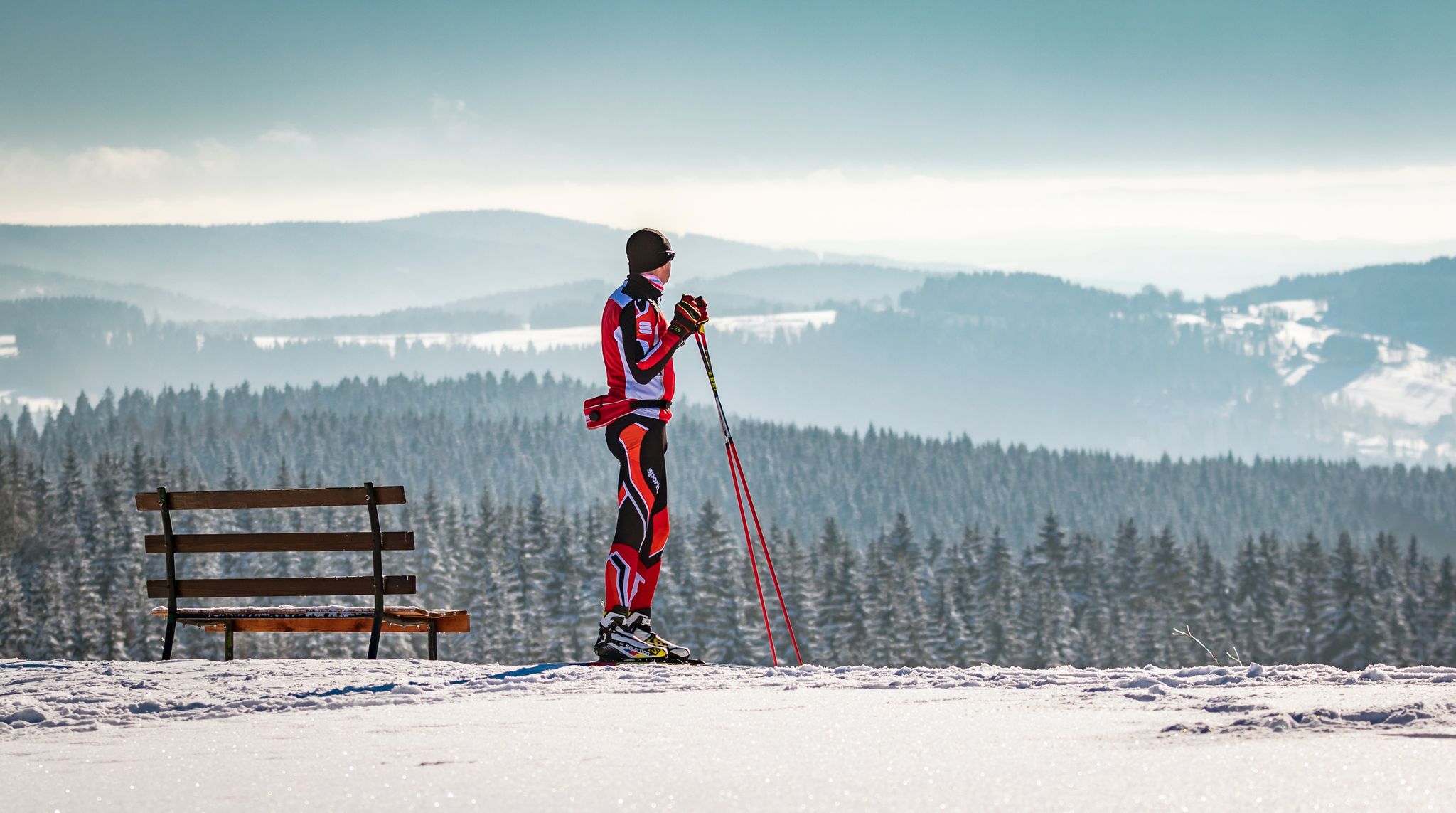
Let it flow! Cross-country skiing in the Ore Mountains
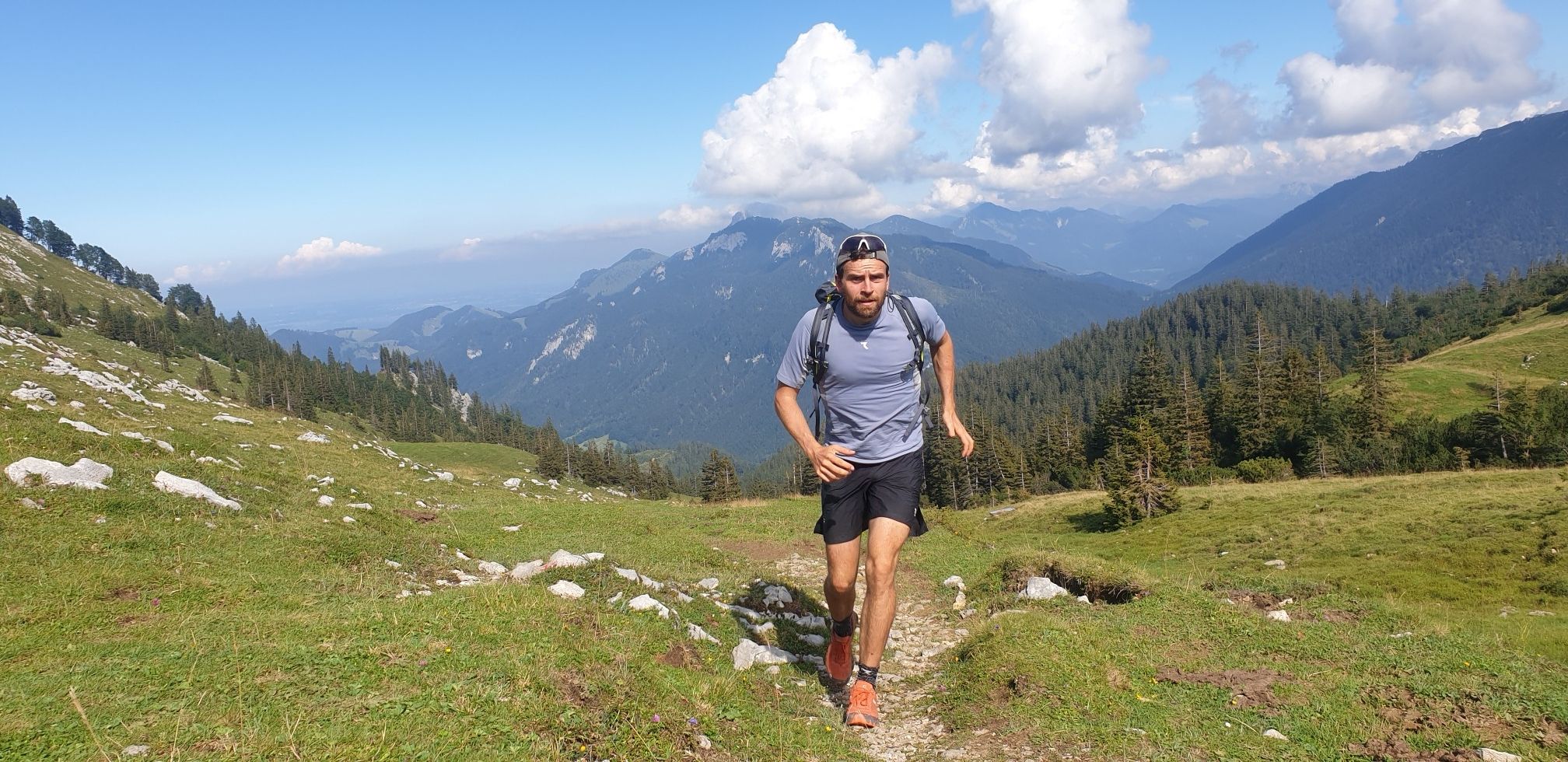
Triathlon around Germany
Kammweg Erzgebirge – Border adventure along the Ridgeway

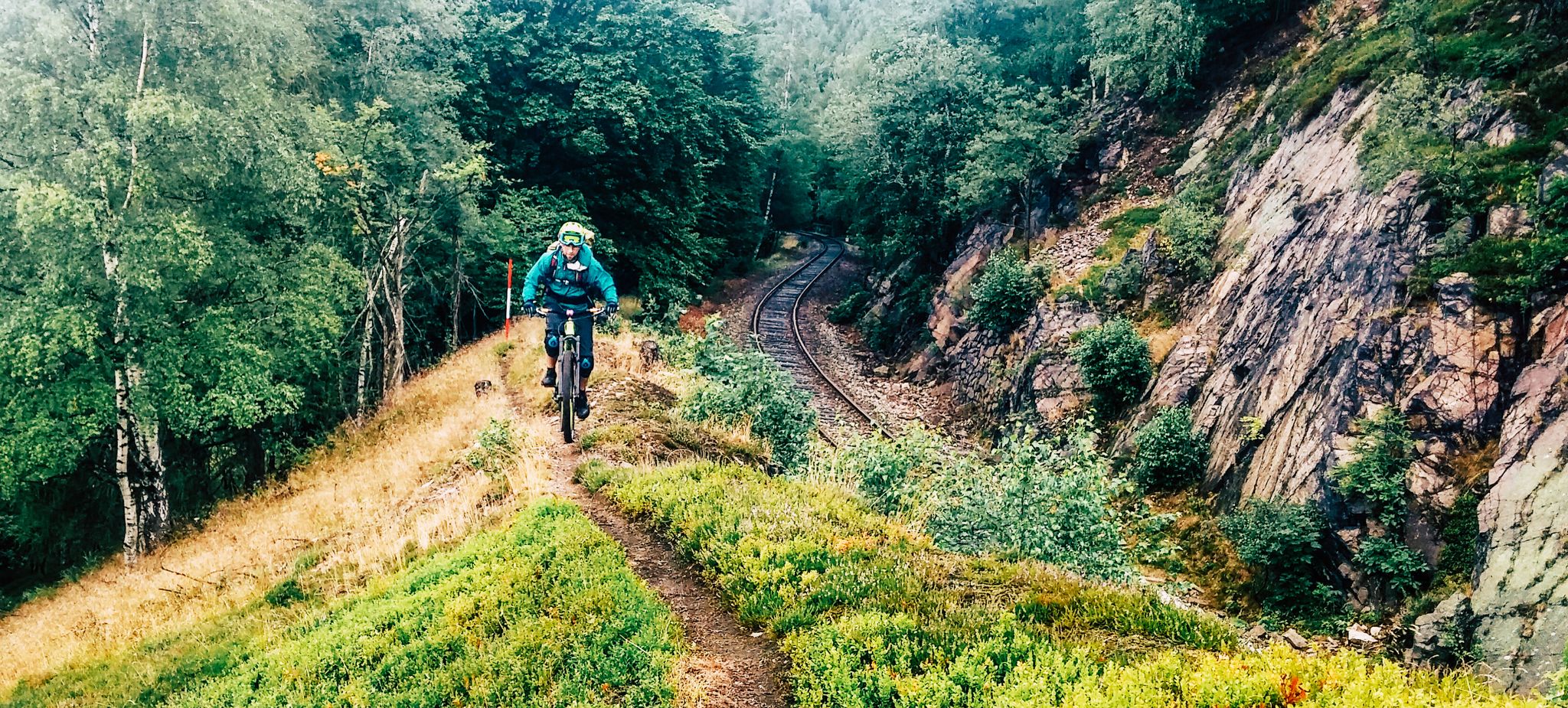
The Stoneman Trail in the Ore Mountains
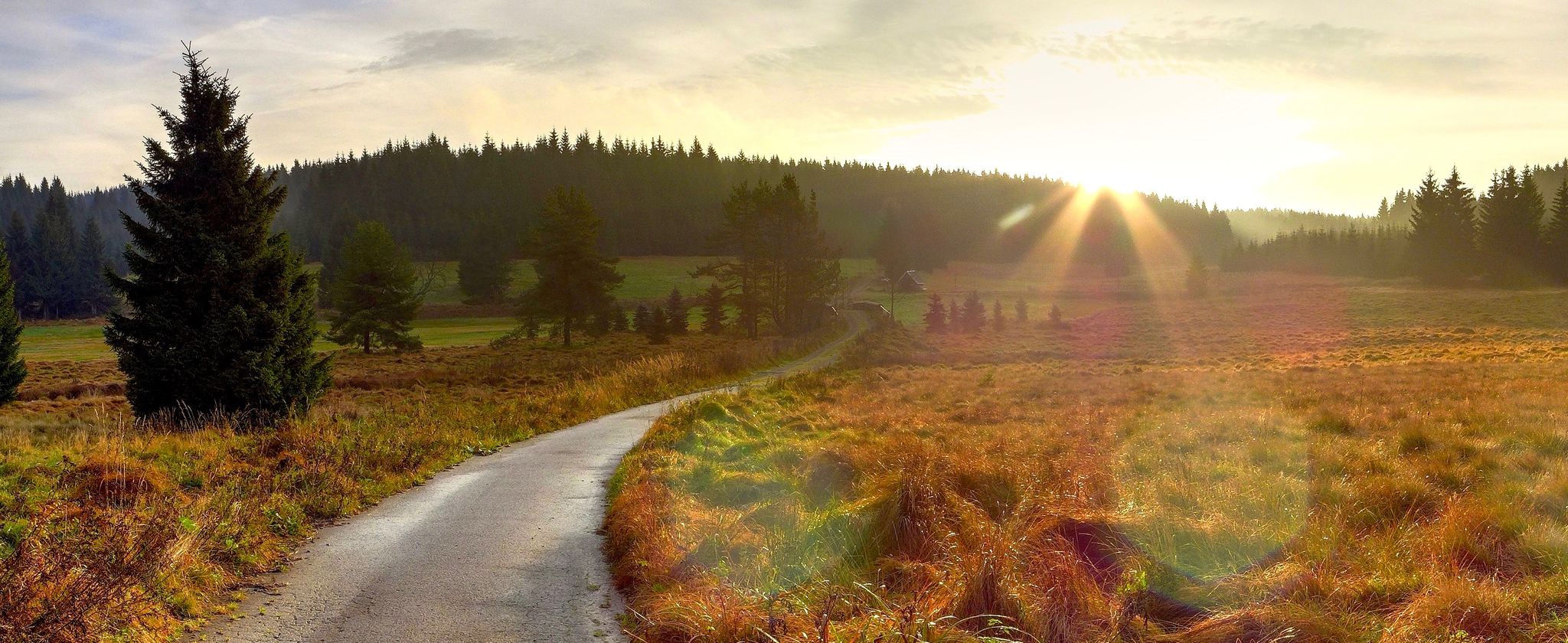
Ore Mountains — between forests and elevation
The National Natural Landscapes in Saxony
Hiking with heart in the Ore Mountains
From Fichtelberg to Mulde - The Zschopautal Hiking Trail
#GoFurther – discover the views of Germany!
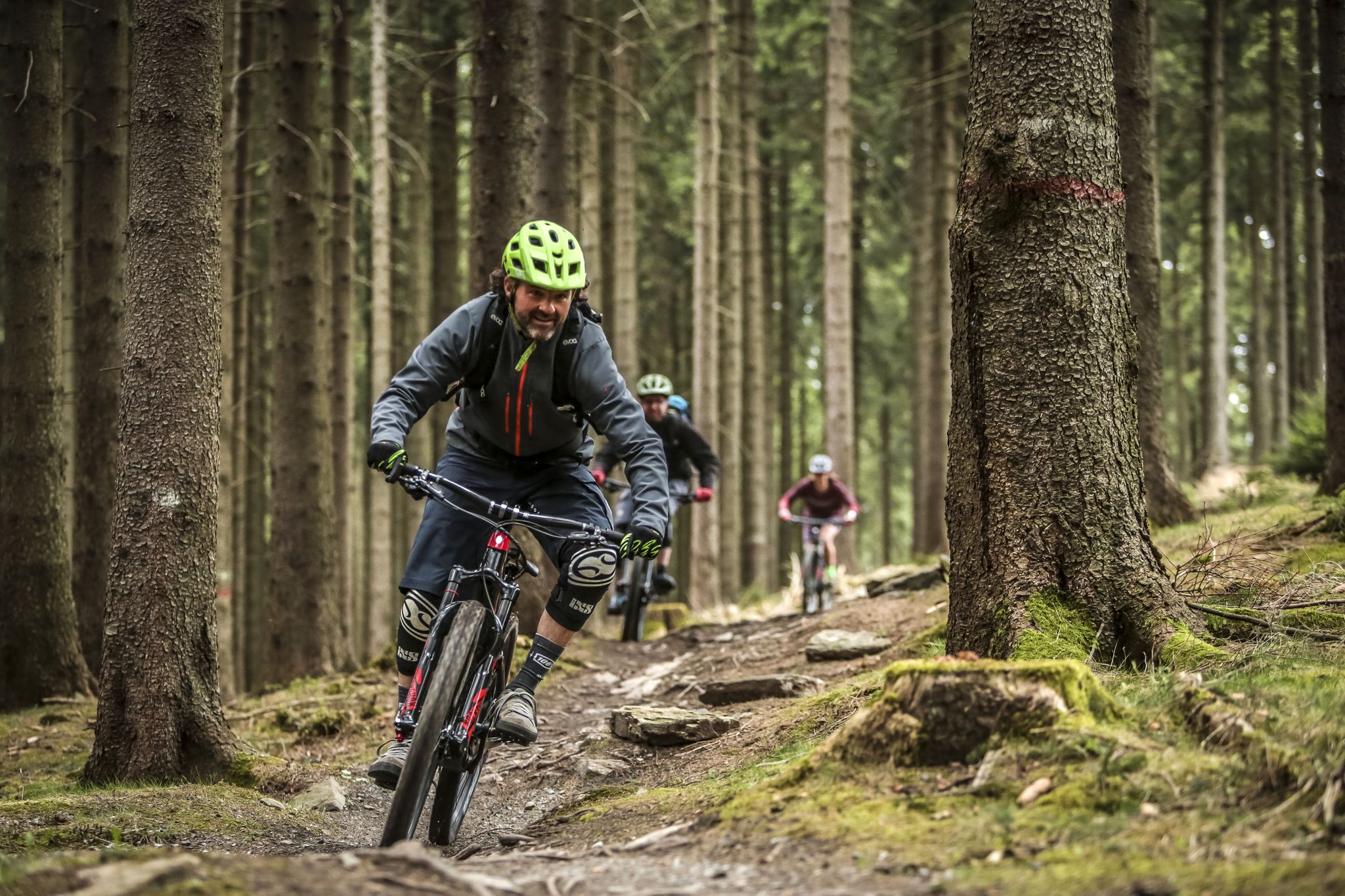
MTB adventures in Saxony
Other adventures in Erzgebirgskreis


Tips from the Community

The Fichtelberg near Oberwiesenthal in the Erzgebirge district is, at 1214.79 m above sea level, the highest mountain in Saxony. It was also the highest mountain in East Germany (GDR). Together with the nearby Klínovec (Keilberg; 1243.7 m above sea level) on the Czech side, it forms the most important winter sports center in the Erzgebirge. Source and further information: https://de.m.wikipedia.org/wiki/Fichtelberg_(Erzgebirge)
3
0

It's no wonder the Teufelsmauer is so often photographed. It's located directly on the hiking trail and the Schwarzen Pockau, and it's a wonderful place to watch the climbers.
1
0

The large peace bell on the Fichtelberg had to remain silent for six months in 2024. Stone throwing in May 2022 had so badly damaged the bell that its sound suffered. It was decided to stop ringing it and replace it with a new one. The old bell rang for the last time on Easter Monday 2024. Just in time for the mountain service on German Unity Day on October 3, the new bell was officially rung for the first time in the fall of 2024. The idea of using a peace bell to commemorate the peaceful revolution of 1989 in the GDR and German reunification in 1990 came from watchman Gerd Schlesinger and night watchman Jörg Eller from the Ore Mountains town of Schwarzenberg. The bell was also intended to be heard in neighboring Czechia and thus ring for a united Europe. The cast steel bell, already ninety years old at the time, was rung for the first time in 2010. The new bell was cast in Innsbruck by the Grassmayr company. At 2,700 kilograms, it is about 1,100 kilograms heavier than the old bell.
17
1


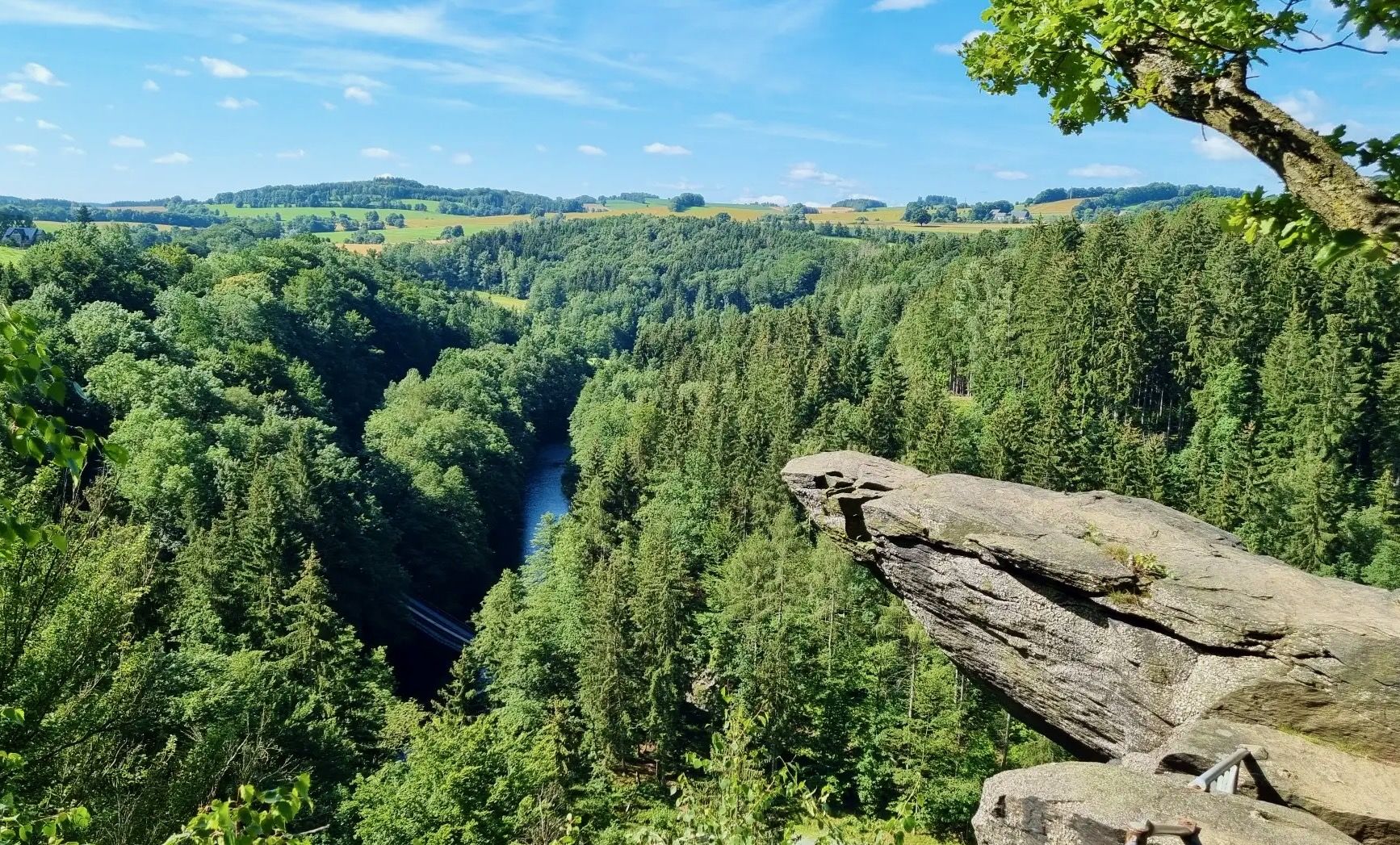
The deep valley with exposed gneiss is the result of the erosion of the Zschopau, which rises on the Fichtelberg and has been flowing in a northerly direction with a greater gradient since the uplift of the Ore Mountains block in the Tertiary period, and flows into the Freiberg Mulde near Döbeln. Steep, often bizarre rock faces are created on steep slopes by the increased flow speed. The most impressive formation is probably an overhanging cliff.
9
0
a very nice corner
0
0


The Fichtelberg near Oberwiesenthal in the Erzgebirge district is, at 1214.79 m above sea level, the highest mountain in Saxony. It was also the highest mountain in East Germany (GDR). Together with the nearby Klínovec (Keilberg; 1243.7 m above sea level) on the Czech side, it forms the most important winter sports center in the Erzgebirge. Source and further information: https://de.m.wikipedia.org/wiki/Fichtelberg_(Erzgebirge)
3
2
Frequently Asked Questions
What unique geological features can I explore among the natural monuments in Erzgebirgskreis?
The Erzgebirgskreis region offers diverse geological formations. You can explore the striking granite rock pillars of Greifensteine Observation Rock, which are the result of millions of years of weathering. The deep valleys and exposed gneiss formations, such as those near the Wolkensteiner Schweiz Viewpoint, showcase the erosive power of rivers like the Zschopau. Additionally, the region features impressive gorges like Schwarzwassertal and the picturesque river landscape around Schwarze Pockau Rest Area, characterized by varied rock formations.
Where can I find impressive panoramic views of the Erzgebirge landscape?
For breathtaking panoramic views, visit Greifensteine Observation Rock, which offers vistas across the peaks of the Erzgebirge and towards Augustusburg and Chemnitz. Another excellent spot is Fichtelberg, the highest mountain in Saxony, providing extensive views of the Ore Mountains and into the Bohemian Basin. The Katzenstein Lookout and Wolkensteiner Schweiz Viewpoint also offer spectacular perspectives of the region's natural beauty.
Are there family-friendly natural monuments or trails in Erzgebirgskreis?
Yes, several natural monuments in Erzgebirgskreis are suitable for families. Schwarzwassertal is known for its beautiful setting and varied landscapes, offering different tour lengths that can be adapted for families. The Blauenthal Waterfall is also a popular family destination. Many trails within the Erzgebirge/Vogtland Nature Park are accessible and enjoyable for all ages, providing opportunities to explore nature together.
What kind of hiking trails are available near these natural monuments?
The region offers a wide range of hiking experiences. You can find easy walks, such as those detailed in the Easy hikes in Erzgebirgskreis guide, including circular routes like 'Circular route Unterbecken Markersbach - Nature Pure'. For those seeking more challenging terrain, the Schwarzwassertal and the area around Schwarze Pockau Rest Area provide varied landscapes and multiple hiking options. Fichtelberg also offers extensive hiking trails, particularly in warmer months.
Can I find opportunities for cycling near the natural monuments in Erzgebirgskreis?
Absolutely! The Erzgebirgskreis region is well-suited for cycling. You can explore various routes, from moderate to difficult, that pass through scenic landscapes and near natural monuments. For example, the Cycling in Erzgebirgskreis guide features routes like the 'Cycle tour "Grünes Reiterlein" - Ore Mountains' and the 'Seiffen Tour', offering diverse cycling experiences.
Are there specific natural areas known for diverse flora and fauna?
Yes, the Erzgebirge/Vogtland Nature Park is an extensive area renowned for its diverse ecosystems and rich biodiversity. It is home to rare flora and fauna, including pygmy owls, black grouse, kingfishers, freshwater pearl mussels, tiger lilies, arnica, gentian, and orchids. Within the park, the Kleiner Kranichsee high moor is particularly notable as one of the best-preserved moors in the low mountain range, offering a nature trail to observe rare moorland plants. The Schwarzwassertal also boasts impressive flora and fauna.
What is the best time of year to visit the natural monuments in Erzgebirgskreis?
The best time to visit depends on your preferred activities. Spring and autumn offer pleasant temperatures for hiking and exploring the diverse landscapes, with vibrant foliage in autumn. Summer is ideal for longer hikes and outdoor activities. In winter, areas like Fichtelberg transform into a popular destination for winter sports, while other natural monuments can be enjoyed for serene winter walks, though some trails might be challenging due to snow.
Are there any waterfalls to visit in the Erzgebirgskreis region?
Yes, the Blauenthal Waterfall is a notable natural monument in the region. You can find several hiking routes that incorporate this beautiful waterfall, such as those listed in the Waterfall hikes in Erzgebirgskreis guide, including the 'Blauenthal Waterfall – Toellischer Graben Trail loop'.
What do visitors enjoy most about the natural monuments in Erzgebirgskreis?
Visitors frequently praise the stunning panoramic views, especially from spots like Greifensteine Observation Rock and Fichtelberg. The varied and picturesque landscapes, particularly along rivers like the Schwarze Pockau, are also highly appreciated for their diverse flora and rock formations. Many enjoy the extensive hiking opportunities and the chance to immerse themselves in the region's natural beauty and tranquility.
Can I explore the region's mining history while visiting natural monuments?
Yes, the Erzgebirge/Vogtland Nature Park, which spans 120 km, has a landscape profoundly shaped by 800 years of mining. While exploring the natural beauty, you'll encounter remnants of this rich history, including old mining tunnels and various mining trails. This allows for a unique blend of natural exploration and historical discovery within the same region.
Are there any challenging climbs or rock formations for experienced adventurers?
For experienced adventurers, the Devil's wall on the Black Pockau is a very popular climbing rock. The Greifensteine Observation Rock also offers climbing opportunities on its impressive granite pillars. The Wolkensteiner Schweiz Viewpoint area is known for its challenging terrain and via ferratas, providing a thrilling experience for those seeking more demanding routes.
Most popular routes in Erzgebirgskreis
Most popular attractions in Erzgebirgskreis

Get inspired with the komoot mobile app


Didn’t find what you were looking for?
Find even more amazing natural monuments in Erzgebirgskreis by checking out the top Highlights region by region:
Explore more
Extend your search for the best caves by checking out these guides of the top ones in Erzgebirgskreis:
