Top 20 Natural Monuments around Westerveld
Best natural monuments around Westerveld showcase a diverse landscape shaped by geological history and human activity. The region features extensive heathlands, ancient forests, and unique geological formations like Ice Age hills and drifting sands. These areas offer insights into prehistoric cultures through dolmens and reveal historical events through preserved wartime traces. Westerveld provides a range of natural environments for exploration.
Best natural monuments around Westerveld
- The most popular natural monuments is Dolmen D53, a historical site and natural monument…
Last updated: July 10, 2026
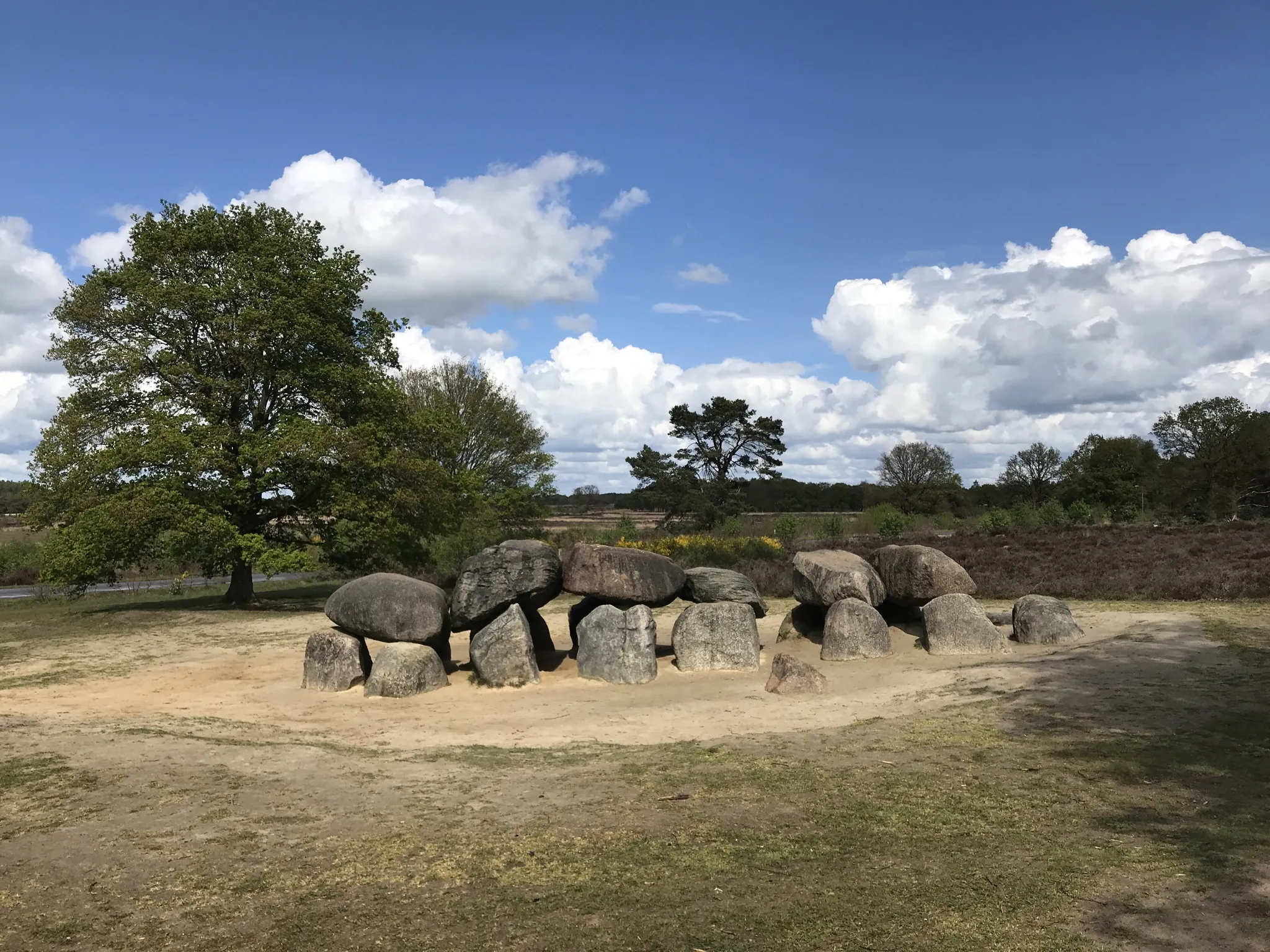
Dolmen D53
Highlight • Historical Site
Translated by Google •
Tip by

Bomb Craters on the Havelteberg
Highlight • Historical Site
Translated by Google •
Tip by

Sign up now to discover places like this
Get recommendations on the best single tracks, peaks, & plenty of other exciting outdoor places.
Sign up for free
Fochteloërveen Cycle Route
Highlight (Segment) • Cycleway
Translated by Google •
Tip by

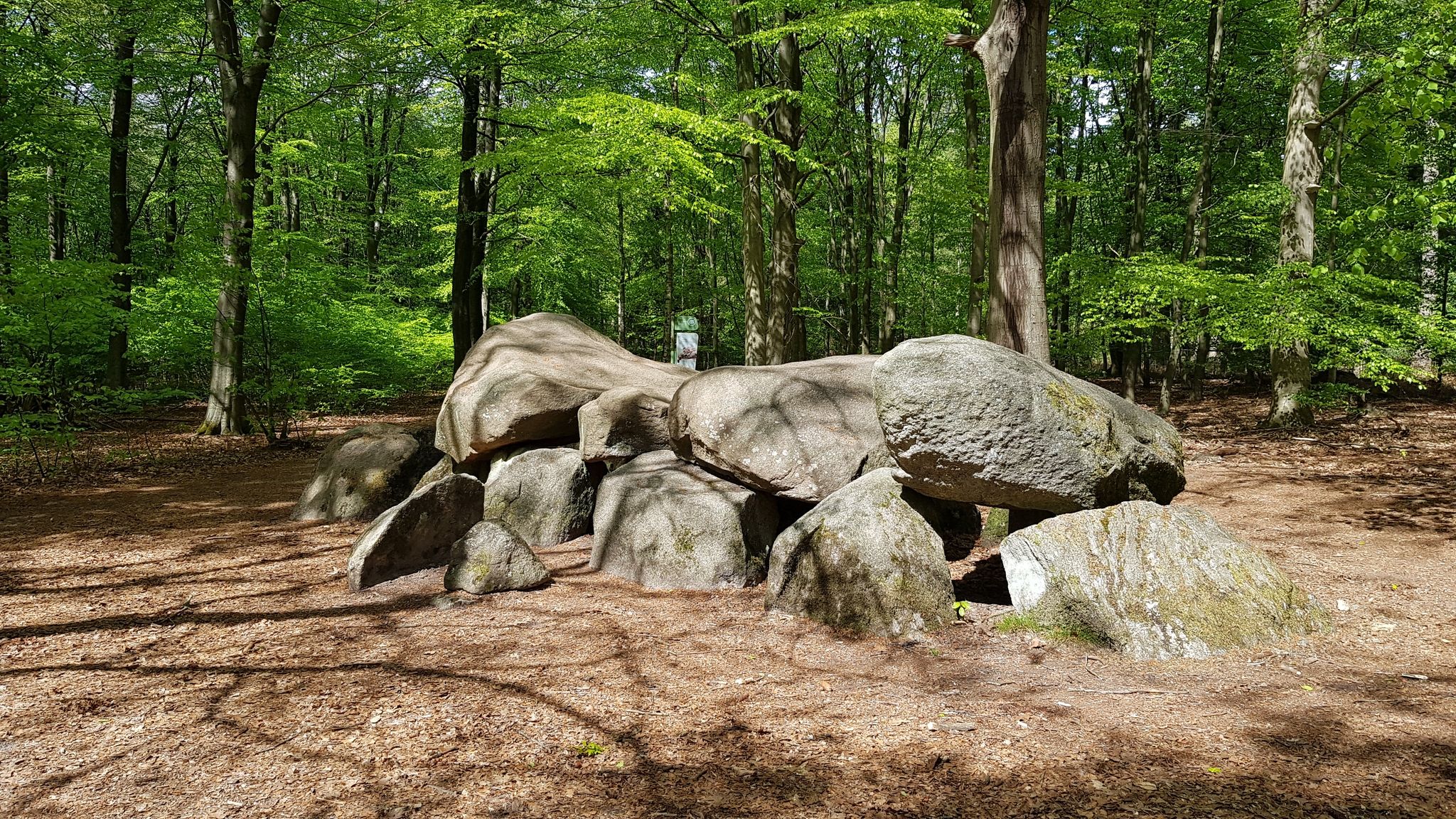
Dolmen D54
Highlight • Historical Site
Translated by Google •
Tip by
Holtveen Bird Hide
Highlight • Structure
The Dwingelerveld offers everything that makes cycling in Drenthe so great: forests, heaths, moors and beautiful cycle paths.
Translated by Google •
Tip by

Sign up for free to discover even more natural monuments around Westerveld.
Sign up for free
Already have an account?
Start today with a free account
Your next adventure awaits.
Login or Signup
Popular around Westerveld
Tour of Drenthe – In 6 days through the primitive province
Maarten van Rossumpad – hiking from 's-Hertogenbosch to Steenwijk
Hunebedden, heath and historic villages – The Drenthepad
Rural delights in the north – 10 routes around farm shops
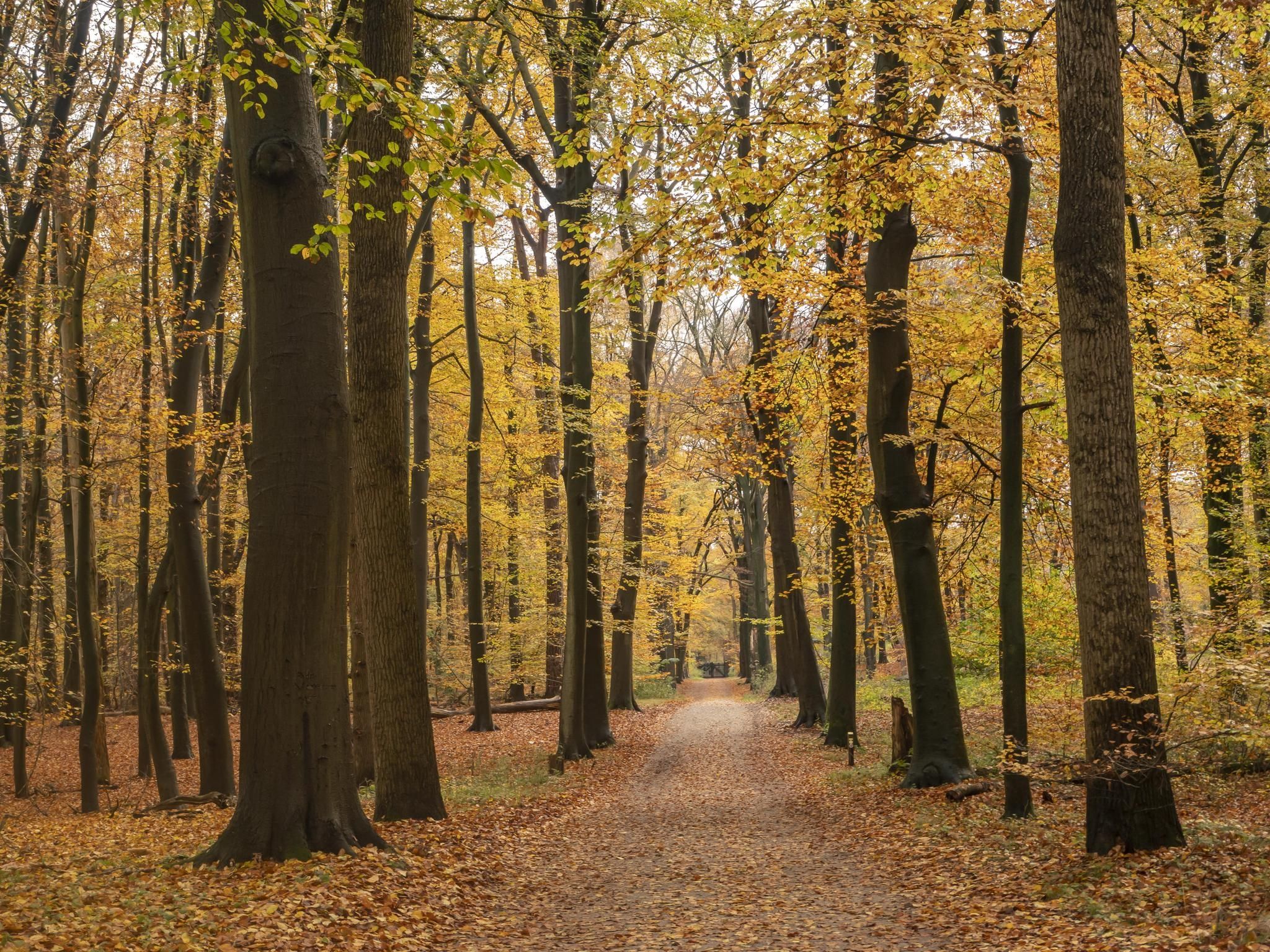
Walk under a golden canopy – 10 enchanting autumn walks in the Netherlands
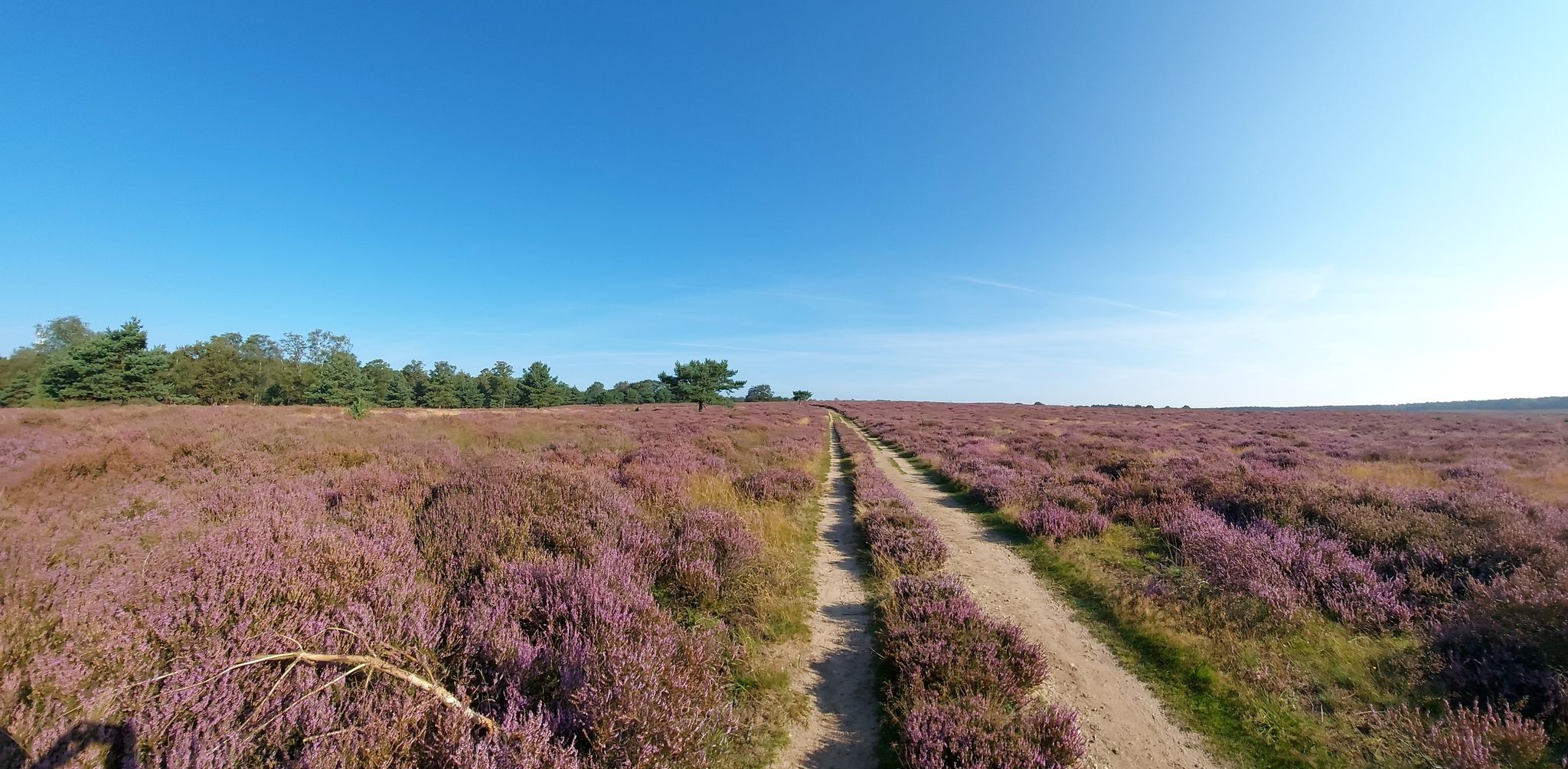
The Netherlands turns purple – 15 walks across the flowering heathlands
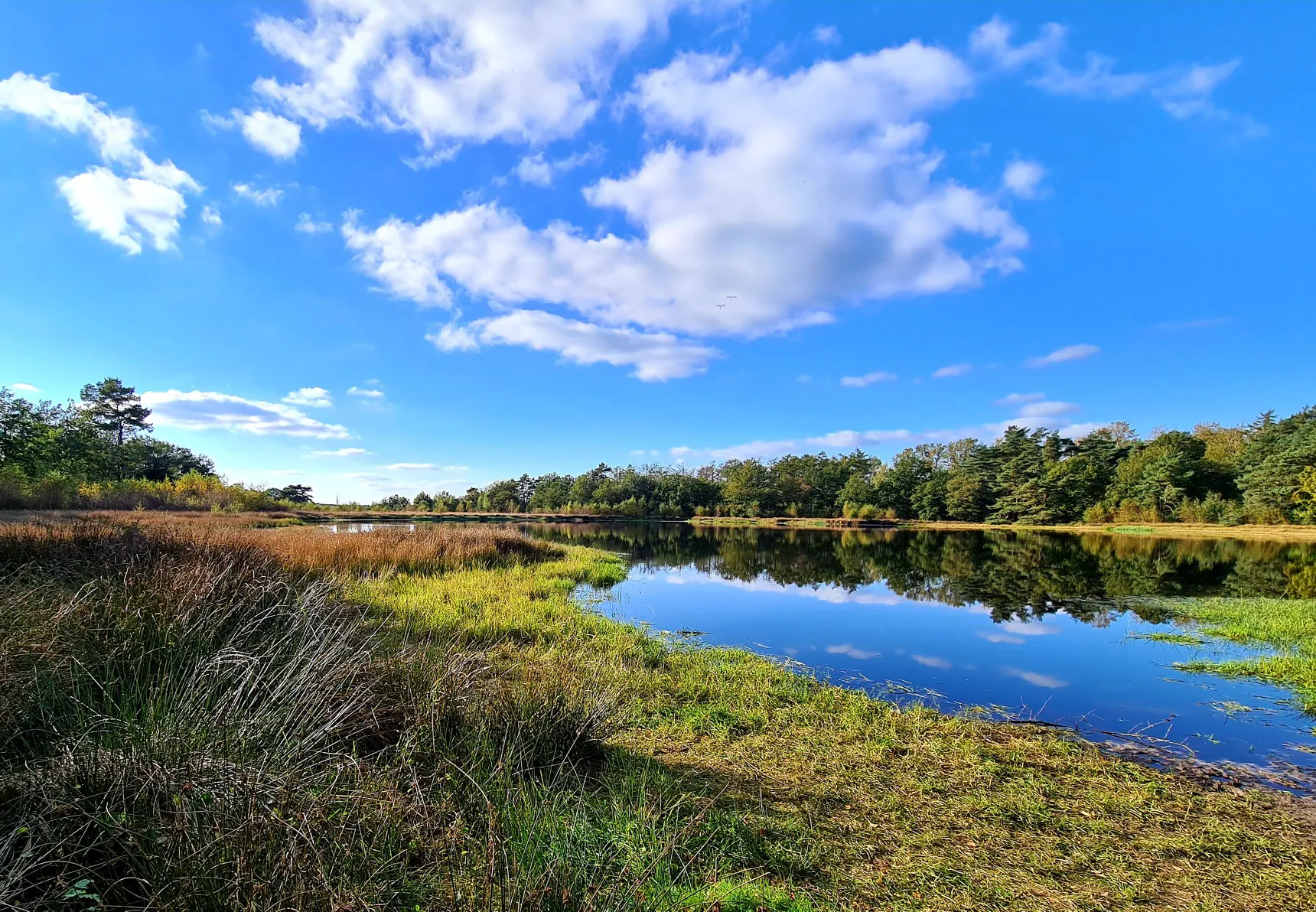
Frisian Forest Trail – walk from the Wadden Sea to Overijssel
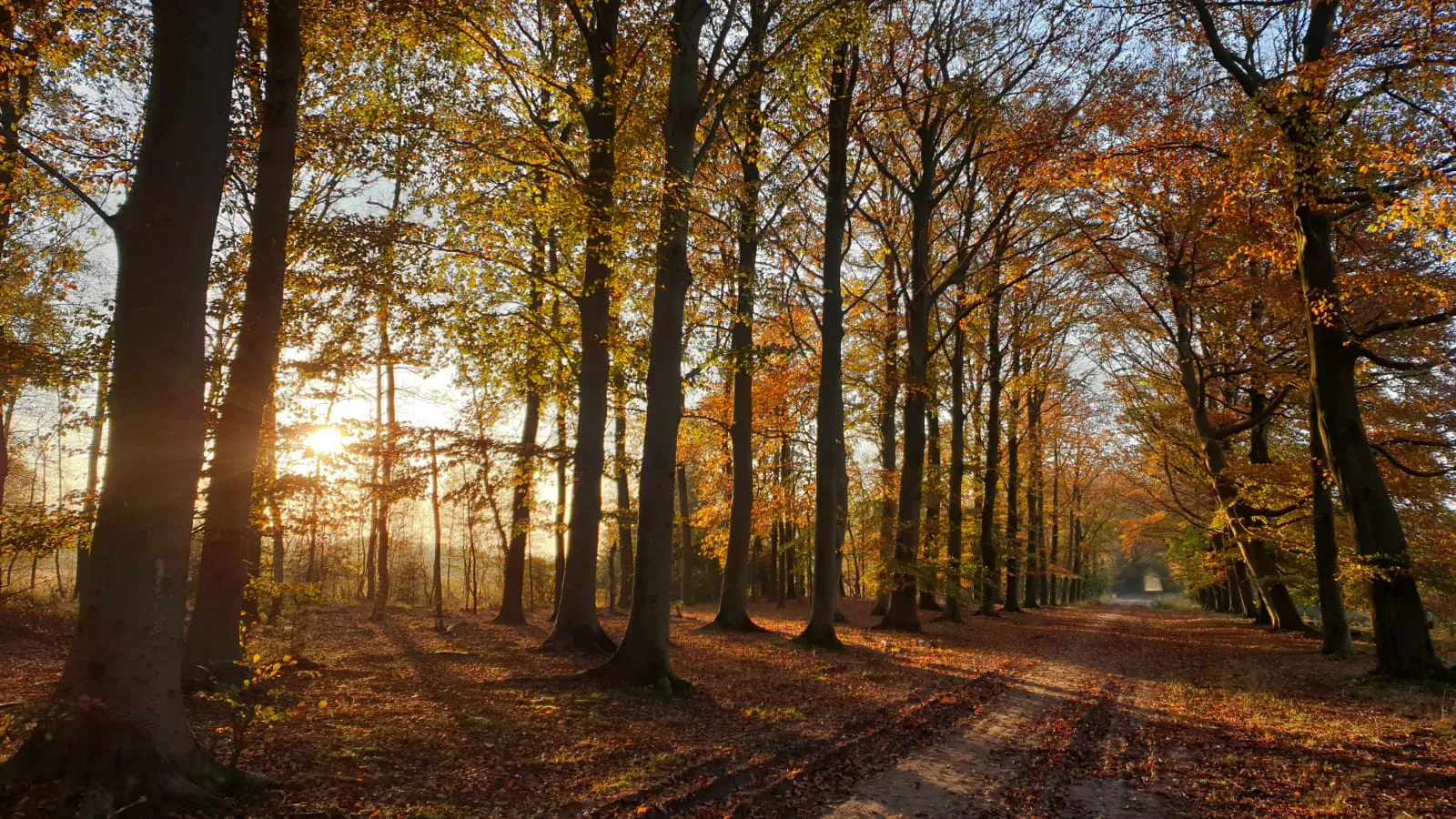
Experience the 2023 Hiking Route of the Year – Stellingenpad Trail
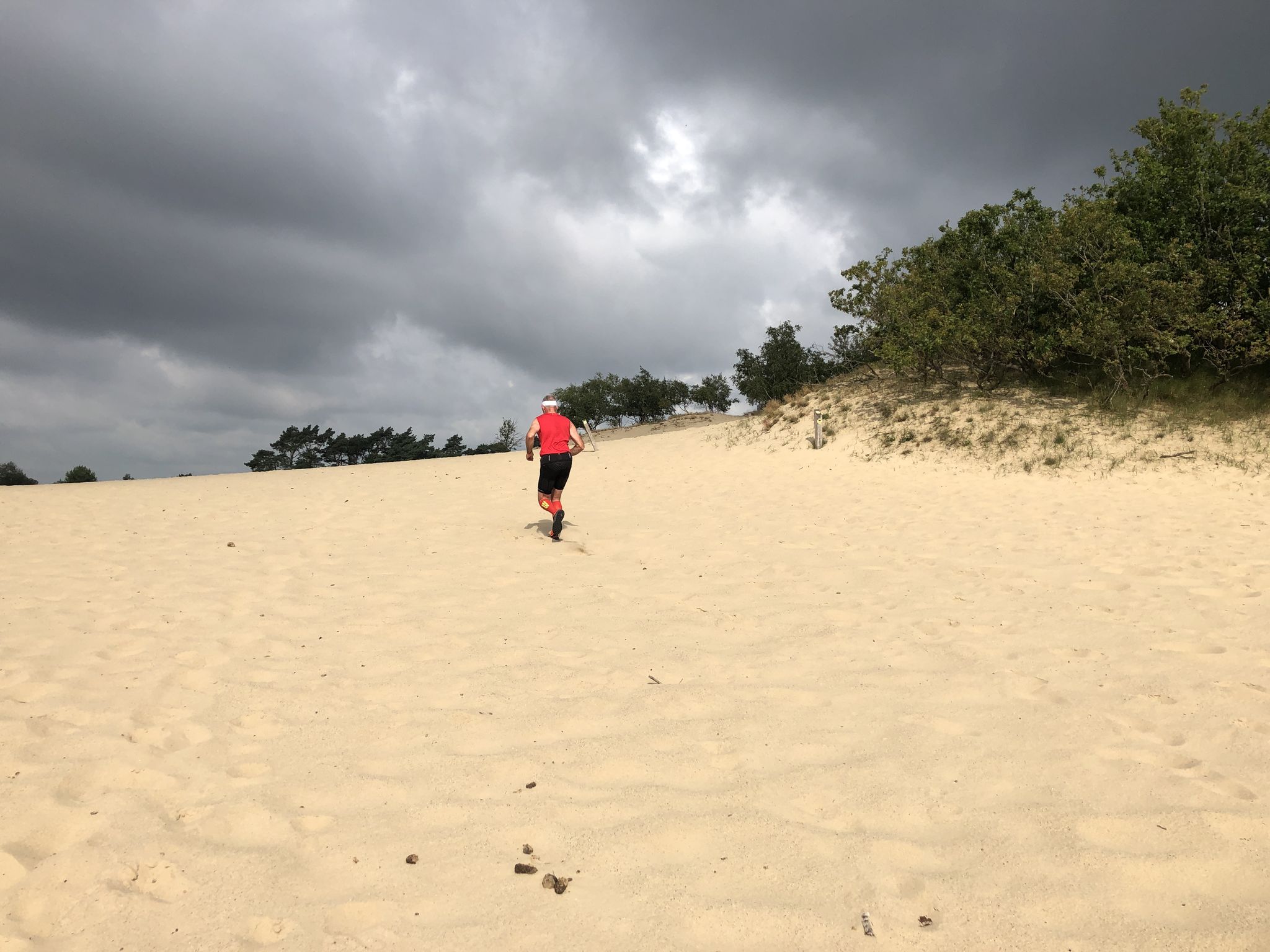
Trail runs for beginners – running off-the-beaten-track in the Netherlands
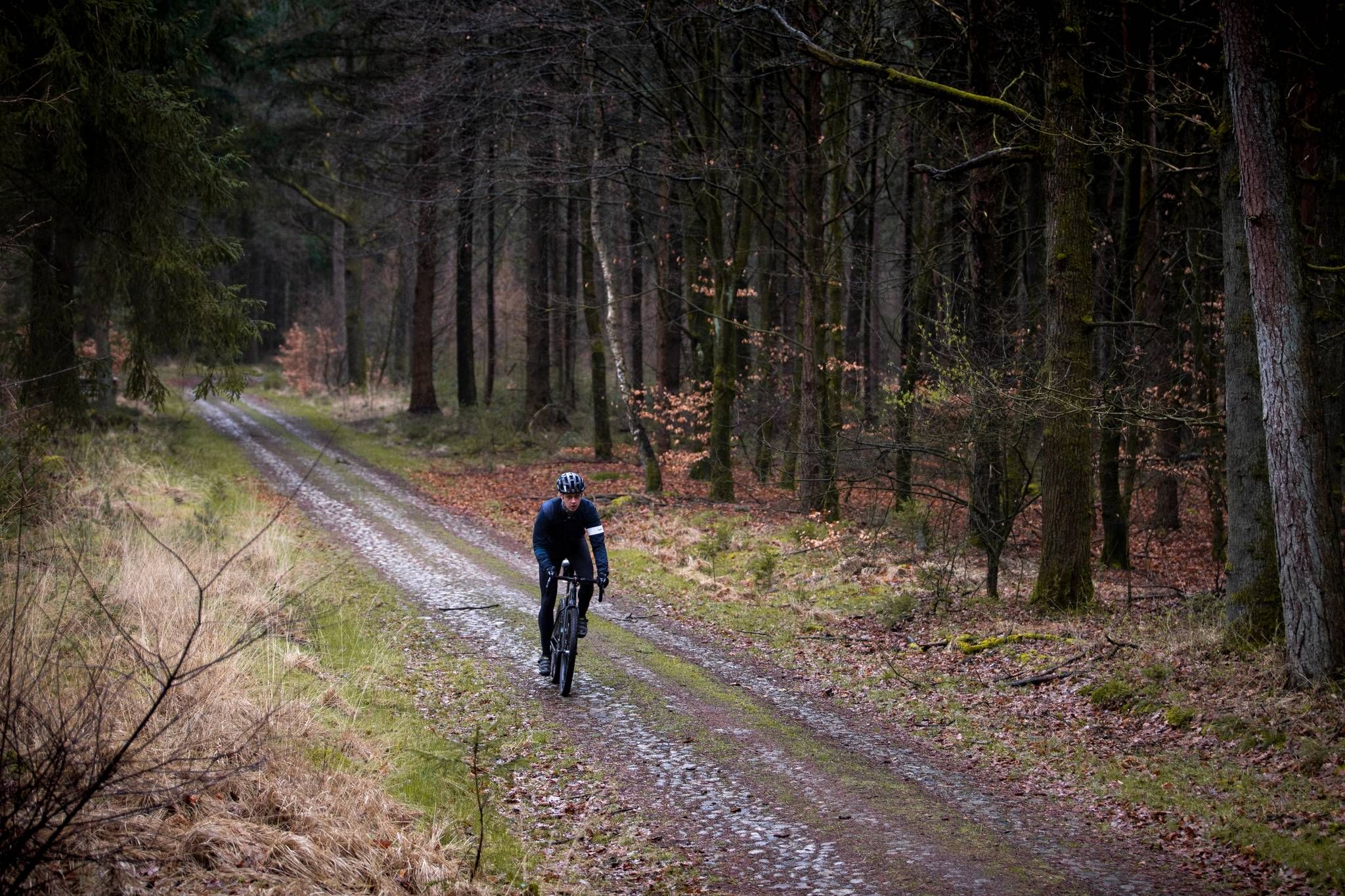
The True 'Hell of the North' — Drentse Keien Cobbles
Other adventures around Westerveld


Tips from the Community

The second-largest dolmen in the Netherlands can be found in Havelte. Dolmen D53 is the only dolmen damaged during the war. The German air force wanted to build an airfield at this location, so the stones were moved. The airfield was bombed to pieces, and the dolmen was excavated and reassembled. The dolmen is approximately 18 meters long, almost complete, and lies on the edge of a heathland. Along with dolmens D54 and D52, it is one of the few in this part of Drenthe. Dolmen D54 is slightly smaller than D53. It lies in the middle of a small sandy plain surrounded by grass. It is a beautiful walking area around these dolmens, as the small sandy plain is surrounded by heathland, small forests, and meadows. Dolmen D53 and D54 are a must-see on your dolmen tour because they are complete, well-maintained, and impressive. If you're coming from Havelte, you can follow the main road, which will take you past a side road. If you take this, the dolmen is almost immediately on your left. Continue driving a little further, and you'll find dolmen D54. Source: https://www.drenthe.nl/locaties/1800662783/hunebed-d53-en-d54-1
1
0
At the end of World War II, several Allied bombings were carried out over the German military airfield on Havelterberg. The numerous bomb craters, visible in the landscape as "round pools," are silent witnesses to this turbulent period. Source: https://www.drenthe.nl/locaties/4065299428/bomkrater
1
0


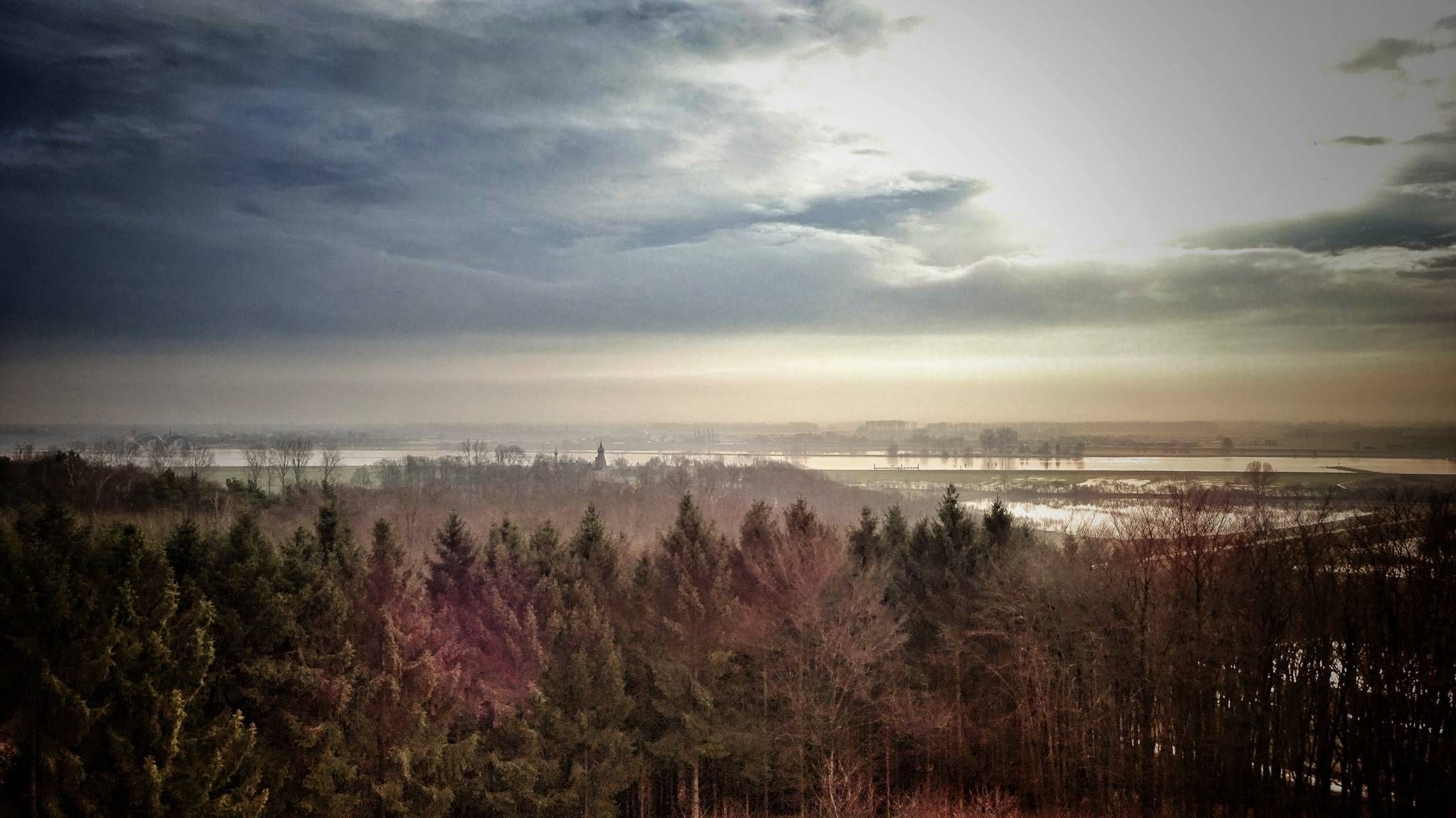
Great viewpoint The Dwingelerveld offers everything that makes cycling in Drenthe so great: forests, heaths, moors and beautiful cycle paths.
4
0

a surreal image of an industrial installation under construction, placed in the middle of the nature reserve Fochteloërveen. The contrast between the natural environment and the industrial elements creates a fascinating and alienating atmosphere.
1
0

Throughout the field you will encounter several bomb craters from when the Allies bombed the Germans here in WWII. Both "wet" and "dry" bomb craters are present that are now an important place for frogs and salamanders.
1
0

Dwingelderveld National Park consists of forest, heathland and drifting sand. The extensive nature gives a good impression of the old Drenthe esdorp landscape. Near the ash villages you will find authentic ash trees; old fields where mainly grain was grown in the past. The Dwingeloosche Heide and the Kraloërheide together form the largest contiguous wet heathland area in Northwest Europe. Various duck species are seen on the Holtveen and in the area you can find stonechats, among other things.
1
0

Dolmen D53 is the third largest dolmen in the Netherlands, measuring about 18 meters long. The dolmen is almost complete and is beautifully situated on the edge of the heath. However, it was taken apart by the German air force during the Second World War to make room for an airfield. Fortunately, there were drawings and the dolmen was reassembled after the war. D53 is located next to the smaller dolmen D54.
1
0
Frequently Asked Questions
What unique natural features can I discover in Westerveld's natural monuments?
Westerveld offers a diverse landscape. You can explore extensive wet heathlands, such as those found in Dwingelderveld National Park, which is the largest continuous wet heathland in Western Europe. The region also features drifting sands, fens, ancient oak forests, and unique geological formations like the Ice Age-formed Havelterberg hill. Areas like Uffelter Binnenveld combine heath, flower-rich grasslands, and pine-covered drifting sands.
Are there any historical or archaeological sites among Westerveld's natural monuments?
Yes, Westerveld is rich in history. You can visit ancient megalithic tombs known as dolmens, such as Dolmen D53 (the third largest in the Netherlands) and Dolmen D54, both located near the Havelterberg. The region also bears traces of World War II, with sites like the Bomb Craters on the Havelteberg, where former bomb craters have transformed into peaceful ponds.
What outdoor activities can I enjoy near Westerveld's natural monuments?
The natural monuments in Westerveld are excellent for outdoor activities. You can find numerous trails for hiking, cycling, and running. For example, near these natural monuments, you can explore various routes. For running, consider trails like 'Fens, boardwalks and sheep - National Park Dwingelderveld' or 'Holtingerveld narrow-gauge railway'. Hikers can enjoy 'A varied autumn walk across the Dwingelderveld' or 'Dwingelderveld Radio Telescope Loop'. Cyclists have options like 'Dwingelerveld - Drenthe' or 'Holtveen Bird Hide – De Zaandplatte Windmill loop'. You can find more details on these activities in the Running Trails around Westerveld, Hiking around Westerveld, and Cycling around Westerveld guides.
Are Westerveld's natural monuments suitable for families with children?
Many natural monuments in Westerveld are family-friendly. Sites like Dolmen D53 and Dolmen D54 offer an engaging historical experience for all ages. The Holtveen Bird Hide provides a quiet spot for nature observation. The varied landscapes of Holtingerveld and Dwingelderveld National Park offer easy walking paths and opportunities for children to explore nature.
What is the best time of year to visit Westerveld's natural monuments?
The natural monuments in Westerveld are beautiful year-round, but each season offers a different experience. Late summer (August-September) is particularly stunning when the heathlands, especially in areas like Holtingerveld and Dwingelderveld, burst into vibrant purple bloom. Spring brings new life and migrating birds, while autumn showcases rich foliage. Even winter offers serene landscapes for quiet walks.
What kind of wildlife can I expect to see in Westerveld's natural monuments?
Westerveld's natural monuments are home to diverse wildlife. In Holtingerveld, you might spot crested newts, yellow-spotted whiteface dragonflies, adders, grass snakes, and viviparous lizards. Dwingelderveld National Park is known for its deer population, rare butterflies like the gentian blue, and all three Dutch snake species. Birdwatchers will appreciate the variety of birds of prey and woodpeckers. Grazing sheep and Scottish Highlanders also contribute to the ecological management of these areas.
Are there specific viewpoints or scenic spots within Westerveld's natural monuments?
Yes, there are several scenic spots. The Havelterberg, an Ice Age-formed hill in Holtingerveld, offers expansive views over the heathland. The Holtveen Bird Hide in Dwingelderveld provides a great vantage point for observing local birdlife amidst beautiful natural surroundings. The varied terrain of Uffelter Binnenveld also presents picturesque views of heath, forests, and ponds.
Can I bring my dog to the natural monuments in Westerveld?
Many natural areas in Westerveld are dog-friendly, but rules vary by location, especially in nature reserves. It's generally recommended to keep dogs on a leash to protect wildlife and grazing animals. Specific areas within Holtingerveld, Dwingelderveld National Park, and Uffelter Binnenveld may have designated off-leash zones or specific routes where dogs are permitted. Always check local signage for the most current regulations.
How can I reach Westerveld's natural monuments using public transport?
While some natural monuments are more easily accessible by car, public transport options exist for key areas. Dwingelderveld National Park, for instance, can be reached via bus services to nearby towns like Dwingeloo, from where you can access the park. Holtingerveld is near Havelte, which also has public transport connections. It's advisable to check current bus schedules and routes to plan your visit effectively.
Where can I find amenities like cafes or restaurants near Westerveld's natural monuments?
You'll find cafes and restaurants in the villages surrounding the natural monuments. For example, near Holtingerveld, the village of Havelte offers dining options. Close to Dwingelderveld National Park, towns like Dwingeloo provide various eateries. These local establishments often cater to visitors exploring the natural beauty of Westerveld.
Are there any circular hiking routes available in Westerveld's natural monument areas?
Yes, many natural monument areas in Westerveld feature well-marked circular hiking routes. For example, within Dwingelderveld National Park, you can find routes like the 'Dwingelderveld Radio Telescope Loop' or 'Boardwalk – Dwingelderveld Forest Trail loop'. Holtingerveld also offers various circular paths that allow you to explore its diverse landscapes, including the dolmens and wartime traces. These routes are designed to showcase the best of the region's natural beauty.
What are the terrain and difficulty levels of trails in Westerveld's natural monuments?
The terrain in Westerveld's natural monuments varies significantly. You'll encounter flat heathlands, sandy paths, forest trails, and some areas with slight elevation changes, such as the Havelterberg. Difficulty levels range from easy, family-friendly walks on boardwalks in Dwingelderveld to moderate trails that might involve loose sand or uneven surfaces, like parts of Holtingerveld. Some longer routes, such as the 'Holtingerveld narrow-gauge railway' running trail, are considered difficult due to distance and varied terrain.
Do I need any permits to visit natural monuments in Westerveld?
Generally, you do not need specific permits for casual visits or hiking in the natural monuments of Westerveld, such as Holtingerveld or Dwingelderveld National Park. These areas are open to the public for recreation. However, certain activities like organized events, large groups, or specific research might require prior permission. Always respect local regulations and signage within nature reserves.
Most popular routes around Westerveld
Most popular attractions around Westerveld

Get inspired with the komoot mobile app


Explore more
Extend your search for the best caves by checking out these guides of the top ones around Westerveld:
